The Journey of Commercial Flying
What Is Commercial Flying
Commercial Flying

Commercial flying refers to the operation of aircraft for hire to transport passengers or cargo. It encompasses a range of aviation activities, including scheduled airline flights, charter services, cargo transport, and aerial work, all conducted by licensed pilots who meet regulatory standards and operate under commercial aviation regulations.
Commercial flying plays a vital role in connecting people, businesses, and economies across the globe. For professionals in this field, it offers a dynamic and rewarding career that combines technical expertise with responsibility and adventure. The impact of commercial flying extends to enabling global trade, supporting tourism, and providing rapid transportation for people and goods. One major benefit is the opportunity for pilots to travel extensively and experience diverse cultures. Another advantage is the potential for career progression, from regional airlines to major carriers or specialized aviation roles. Additionally, commercial flying offers a sense of accomplishment and pride in mastering complex technology and ensuring the safety of passengers and cargo.
A commercial airline pilot typically begins their day by reviewing flight plans, weather conditions, and aircraft status before meeting with the crew for a pre-flight briefing. During the flight, the pilot navigates the aircraft, communicates with air traffic control, and manages any in-flight issues to ensure a safe and efficient journey. After landing, the pilot completes post-flight checks and documentation, often preparing for another flight within the same day. This routine demonstrates how commercial flying professionals apply their training, decision-making skills, and teamwork to deliver reliable transportation services, highlighting the blend of technical proficiency and customer service that defines the career.
Education
Aerodynamics & Aero Engines

Aerodynamics & Aero Engines is the study of how air interacts with moving objects, particularly aircraft, and the principles and mechanics behind the engines that power them. This discipline is essential for commercial pilots, forming a core part of their academic training and ongoing professional competence in the aviation industry.
A thorough understanding of aerodynamics and aero engines is crucial for anyone pursuing a career in commercial flying. This knowledge enables pilots to comprehend how aircraft generate lift, maintain stability, and respond to various flight conditions. It also provides insight into the operation, limitations, and performance of aircraft engines. Mastery of these concepts ensures that pilots can make informed decisions regarding fuel efficiency, engine management, and aircraft handling, especially in challenging weather or emergency situations. Over the long term, this foundational expertise supports safe flight operations, enhances problem-solving abilities, and contributes to a pilot’s professional growth and adaptability in a rapidly evolving industry.
Consider a commercial pilot preparing for a transcontinental flight who encounters unexpected turbulence and a sudden drop in engine performance. Drawing on their understanding of aerodynamics, the pilot adjusts the aircraft’s attitude and speed to maintain optimal lift and minimize drag. Simultaneously, their knowledge of aero engines allows them to interpret engine instrument readings accurately, diagnose potential issues, and implement corrective actions as outlined in operational procedures. This application of theoretical knowledge ensures the safety and comfort of passengers, maintains aircraft efficiency, and upholds regulatory standards, demonstrating the real-world importance of mastering aerodynamics and aero engines in daily flight operations.
Navigation

Navigation is the science and art of determining an aircraft’s position, planning and following a route, and ensuring safe arrival at a destination. In commercial flying, navigation forms a critical part of both academic study and professional practice, underpinning safe, efficient, and compliant flight operations across all phases of a journey.
Understanding navigation is essential for anyone pursuing a career in commercial flying because it ensures pilots can safely and efficiently guide aircraft from departure to arrival, regardless of weather, airspace complexity, or technological limitations. Mastery of navigation principles, including map reading, use of navigational aids, and interpretation of meteorological data, forms the backbone of a pilot’s decision-making process. This knowledge not only supports routine operations but also prepares professionals to handle unexpected situations, such as equipment failures or rapidly changing weather conditions. Over the long term, strong navigation skills enhance a pilot’s confidence, improve safety records, and open doors to advanced roles within the aviation industry, such as flight instruction or airline management.
Consider a commercial pilot operating a transcontinental flight who encounters unexpected turbulence and must deviate from the planned route. Using their understanding of navigation, the pilot quickly recalculates the aircraft’s position, communicates with air traffic control, and selects an alternate route that maintains safety and efficiency. The pilot references onboard navigation systems, cross-checks with traditional charts, and adjusts headings to avoid restricted airspace and adverse weather. Throughout the process, the pilot’s theoretical knowledge of navigation ensures that passengers and crew remain safe, the flight stays on schedule as much as possible, and regulatory requirements are met. This scenario highlights how navigation skills are applied in real time to solve complex, dynamic challenges in commercial flying.
Meteorology

Meteorology is the scientific study of the atmosphere, focusing on weather processes, patterns, and forecasting. It encompasses the observation, analysis, and prediction of atmospheric phenomena. For commercial pilots, meteorology is a core academic discipline, providing essential knowledge to ensure safe and efficient flight operations in diverse and often changing weather conditions.
A thorough understanding of meteorology is indispensable for anyone pursuing or advancing a career in commercial flying. Weather directly influences flight safety, scheduling, and route planning, making meteorological knowledge a foundational pillar for pilots. Mastery of meteorology enables pilots to interpret weather reports, anticipate hazardous conditions, and make informed decisions that protect passengers, crew, and aircraft. This expertise also supports compliance with aviation regulations and enhances communication with air traffic control and ground operations. Over the long term, proficiency in meteorology not only improves operational efficiency but also builds a pilot’s confidence and credibility, contributing to career advancement and professional reputation within the aviation industry.
Consider a commercial pilot preparing for a transcontinental flight. Before departure, the pilot reviews meteorological data, including weather charts, satellite images, and turbulence forecasts. During the flight, the pilot encounters unexpected cumulonimbus cloud formations along the planned route. Drawing on their meteorological training, the pilot recognizes the potential for severe turbulence and thunderstorms. By analyzing real-time weather updates and understanding atmospheric dynamics, the pilot decides to alter the flight path, ensuring passenger safety and minimizing delays. This scenario illustrates how theoretical meteorological knowledge is applied in real-time decision-making, demonstrating its critical role in the daily responsibilities of commercial aviation professionals.
Radio Aids & Electronics

Radio Aids & Electronics refers to the study and application of electronic systems and radio-based navigation aids used in aviation. This field encompasses the principles, operation, and troubleshooting of equipment such as communication radios, navigation beacons, radar, and transponders, forming an essential part of the technical knowledge required for commercial pilots.
Understanding Radio Aids & Electronics is crucial for anyone pursuing a career in commercial flying because it underpins safe and efficient aircraft operation. Pilots must interpret and utilize information from various electronic navigation and communication systems to maintain situational awareness, comply with air traffic control instructions, and navigate complex airspace. Mastery of these concepts ensures that pilots can respond effectively to equipment malfunctions, adverse weather, or unexpected changes in flight plans. Over the long term, this knowledge enhances a pilot’s confidence, decision-making abilities, and employability, as airlines and regulatory authorities prioritize candidates who demonstrate technical proficiency and a thorough grasp of aviation electronics.
Consider a commercial pilot conducting a flight in low-visibility conditions. The pilot relies on Instrument Landing Systems (ILS) and VHF Omnidirectional Range (VOR) navigation aids to approach and land safely. By understanding how these radio aids function, the pilot can interpret cockpit indications, cross-check frequencies, and identify any discrepancies or malfunctions. If the ILS signal becomes unreliable, the pilot can quickly switch to an alternative navigation aid or coordinate with air traffic control for vectoring assistance. This practical application of theoretical knowledge ensures the flight remains safe and compliant with regulations, demonstrating how expertise in Radio Aids & Electronics directly impacts daily operational decisions and passenger safety.
DGCA Rules & Regulations

DGCA Rules & Regulations refer to the comprehensive set of laws, guidelines, and standards established by the Directorate General of Civil Aviation (DGCA) in India. These rules govern all aspects of civil aviation, ensuring safety, efficiency, and compliance. Mastery of these regulations is essential for both academic success and professional competence in Commercial Flying.
Understanding DGCA Rules & Regulations is crucial for anyone aspiring to a career in commercial aviation. These regulations form the backbone of safe and lawful flight operations, covering everything from licensing requirements to operational procedures and safety protocols. For pilots, this knowledge is not just a legal obligation but a professional necessity, as adherence to these rules ensures the safety of passengers, crew, and aircraft. Over the long term, a solid grasp of DGCA regulations enhances a pilot’s credibility, supports career advancement, and fosters a culture of safety and professionalism within the aviation industry. It also prepares professionals to adapt to regulatory changes and maintain compliance throughout their careers.
Consider a commercial pilot preparing for a domestic flight within India. Before departure, the pilot must review the latest DGCA circulars and ensure that all pre-flight checks, documentation, and crew briefings comply with current regulations. During the flight, if unexpected weather conditions arise, the pilot relies on DGCA-mandated procedures to make decisions about route deviations or alternate landings. In the event of an in-flight technical issue, the pilot’s understanding of DGCA emergency protocols guides their actions, ensuring passenger safety and regulatory compliance. This daily application of theoretical knowledge demonstrates how integral DGCA Rules & Regulations are to safe and effective commercial flying operations.
Skills
Communication

Communication is the clear and effective exchange of information, ideas, or instructions between individuals or groups, using verbal, non-verbal, and written methods. In commercial flying, communication is a vital skill that ensures safety, coordination, and efficiency, enabling pilots and crew to work seamlessly with each other and with ground personnel.
Strong communication skills directly enhance performance in commercial flying by reducing misunderstandings, preventing errors, and enabling quick, coordinated responses to changing situations. Airlines and employers highly value this skill because it underpins safety protocols, fosters teamwork, and ensures passengers receive accurate information. Pilots and crew members can cultivate communication skills through rigorous training, simulation exercises, and real-world experience, focusing on clarity, active listening, and assertiveness. Over time, continuous feedback and reflection help professionals refine their approach, adapting to diverse teams and high-pressure environments. Effective communicators are trusted to relay critical information, manage emergencies, and maintain a calm, professional demeanor, all of which are essential for a successful career in commercial aviation.
Imagine a scenario where a commercial pilot encounters unexpected severe weather while approaching an airport. The pilot must quickly communicate with air traffic control to receive updated instructions, relay information to the co-pilot and cabin crew, and keep passengers informed about the situation. By clearly articulating the issue and coordinating with all parties, the pilot ensures that everyone understands their roles and responsibilities, allowing for a safe change in flight path and a smooth landing. This scenario highlights how effective communication enables the flight crew to manage stress, maintain safety, and reassure passengers, ultimately turning a potentially critical situation into a successful outcome.
Stress Management

Stress management is the ability to recognize, control, and reduce stress through practical techniques and mental strategies, maintaining optimal performance and well-being. In commercial flying, this skill is vital as pilots and crew must remain calm and focused under pressure, ensuring safety, sound decision-making, and effective communication during demanding situations.
Mastering stress management directly enhances a commercial pilot’s performance by enabling clear thinking, quick reactions, and steady hands during high-pressure moments. Airlines and employers highly value this skill because it minimizes errors, fosters teamwork, and upholds safety standards, which are paramount in aviation. Clients, including passengers, benefit from a calm and composed crew, which reassures them during turbulence or delays. Cultivating stress management involves regular training, mindfulness practices, and learning from real-world experiences. Over time, professionals develop resilience by reflecting on challenging flights, seeking mentorship, and adopting healthy routines that support mental and physical well-being, ultimately making them more reliable and effective in their roles.
Imagine a commercial pilot encountering unexpected severe weather mid-flight, with turbulence shaking the aircraft and alarms sounding in the cockpit. Passengers are anxious, and the co-pilot looks to the captain for guidance. Drawing on stress management skills, the captain maintains composure, communicates clearly with air traffic control, and reassures the crew and passengers. By methodically following emergency protocols and making calm, informed decisions, the pilot safely navigates the storm and lands the plane without incident. This scenario highlights how effective stress management not only resolves immediate crises but also inspires confidence in the entire team, ensuring the safety and trust of everyone on board.
Coordination

Coordination is the ability to efficiently organize and synchronize mental and physical actions to achieve a specific goal. In commercial flying, it involves harmonizing hand-eye movements, multitasking, and communicating effectively with crew and air traffic control, ensuring safe and smooth operations throughout every phase of flight.
Coordination directly enhances a pilot’s ability to manage complex cockpit tasks, respond swiftly to changing conditions, and maintain situational awareness. Employers and clients highly value this skill because it minimizes errors, improves safety, and ensures reliable flight operations. Pilots can cultivate coordination through rigorous simulator training, real-world flying experience, and continuous practice in multitasking and communication. Regular exposure to diverse flying scenarios helps refine the ability to juggle multiple responsibilities, such as monitoring instruments, navigating, and collaborating with crew members. Over time, this skill becomes second nature, enabling pilots to handle high-pressure situations with composure and precision, which is critical for both routine flights and unexpected challenges.
Imagine a commercial pilot approaching a busy airport during adverse weather conditions. The pilot must simultaneously interpret instrument readings, adjust flight controls, communicate with air traffic control, and coordinate with the co-pilot and cabin crew. Suddenly, a technical warning appears on the control panel. Relying on strong coordination, the pilot delegates tasks, manages communication, and executes the necessary procedures to address the issue while maintaining the aircraft’s safe trajectory. This seamless orchestration of actions and information ensures the safety of passengers and crew, demonstrating how essential coordination is in overcoming critical challenges and achieving successful outcomes in commercial flying.
Leadership

Leadership is the ability to inspire, guide, and influence others toward achieving common goals, while making informed decisions and fostering a positive, collaborative environment. In commercial flying, leadership is crucial because pilots and crew must work seamlessly together, often under pressure, to ensure passenger safety, operational efficiency, and regulatory compliance.
Leadership directly enhances performance in commercial flying by promoting clear communication, decisive action, and effective teamwork, especially during high-stress situations. Airlines and employers highly value this skill because it ensures that flight crews can manage emergencies, adapt to rapidly changing conditions, and maintain passenger trust. Passengers themselves feel more secure when they sense strong leadership from the cockpit and cabin crew. Cultivating leadership involves ongoing self-reflection, seeking feedback, and learning from experienced mentors. Regular participation in scenario-based training, leadership workshops, and collaborative exercises also helps professionals refine their ability to motivate and guide others, ultimately contributing to safer and more efficient flight operations.
Imagine a scenario where a commercial flight encounters unexpected severe weather, requiring an immediate diversion to an alternate airport. The captain, demonstrating strong leadership, quickly assesses the situation, communicates clearly with the co-pilot and cabin crew, and keeps passengers informed with calm, authoritative updates. By delegating tasks efficiently and maintaining composure, the captain ensures that all crew members understand their roles and responsibilities. This coordinated response not only guarantees the safety of everyone on board but also reassures passengers, minimizing panic and confusion. The successful outcome of the diversion highlights how effective leadership enables a commercial flying professional to navigate complex challenges and achieve the best possible results for both the airline and its customers.
Quick & Effective Response

Quick & Effective Response is the ability to rapidly assess situations, make sound decisions, and implement solutions under pressure, ensuring safety and efficiency. In commercial flying, this skill is indispensable as pilots and crew must handle unexpected events, technical malfunctions, or sudden changes in weather with calm precision and speed.
Mastering Quick & Effective Response directly enhances a commercial pilot’s performance by minimizing risks and ensuring the safety of passengers and crew. Airlines and employers highly value professionals who can think on their feet, as this skill reduces the likelihood of incidents escalating into emergencies. Clients trust pilots who demonstrate confidence and competence in high-stress situations, knowing their journey is in capable hands. Developing this skill involves rigorous training, frequent simulation exercises, and learning from real-world experiences. Over time, exposure to diverse scenarios helps pilots refine their judgment, improve reaction times, and build the mental resilience necessary to remain composed and decisive when it matters most.
Imagine a commercial pilot cruising at altitude when a sudden engine warning light appears, indicating a potential failure. Instantly, the pilot must recall emergency procedures, communicate with air traffic control, and coordinate with the co-pilot and cabin crew. By quickly diagnosing the issue and following established protocols, the pilot safely diverts the aircraft to the nearest suitable airport. Throughout the ordeal, passengers remain calm due to the crew’s composed demeanor and clear instructions. This scenario highlights how Quick & Effective Response is not just about speed, but about making the right decisions under pressure, ensuring the safety and confidence of everyone on board.
Positives
Early Settlement & Recognition

Early Settlement & Recognition refers to the swift acknowledgment and rewarding of achievements, skills, and milestones in a pilot’s career, often much earlier than in many other professions. This means that commercial pilots can attain financial stability, career advancement, and professional respect at a relatively young age, fostering motivation and confidence.
The early settlement and recognition that commercial pilots receive is a powerful motivator, setting this career apart from many others. Pilots often secure stable, well-compensated positions soon after completing their rigorous training, allowing them to achieve financial independence and personal milestones earlier in life. The aviation industry’s structured progression ensures that skill, dedication, and performance are quickly noticed and rewarded, leading to promotions and increased responsibilities. This rapid acknowledgment not only boosts job satisfaction but also instills a sense of pride and accomplishment. Pilots experience daily affirmation of their expertise, whether through the trust placed in them by passengers and crew or through formal recognition by their employers, making every flight a testament to their professional growth.
Imagine a young pilot who, after years of focused study and training, secures a position with a reputable airline. Within just a few years, she advances from first officer to captain, a role that brings both increased responsibility and significant recognition. Her achievements are celebrated by her peers and supervisors, and she enjoys a stable income that allows her to invest in her future, support her family, and pursue personal dreams. Each successful flight, positive passenger review, and commendation from her airline reinforces her sense of accomplishment. This early settlement and recognition not only validates her hard work but also fuels her passion for aviation, making her career deeply fulfilling.
Challenging & Satisfying Job

A "Challenging & Satisfying Job" is a role that consistently presents new obstacles to overcome, demands continuous learning, and offers a deep sense of accomplishment upon achieving goals. In commercial flying, this means navigating complex situations, making critical decisions, and feeling immense pride in safely transporting passengers worldwide. This dynamic environment keeps pilots engaged and motivated, ensuring their work remains meaningful and rewarding.
The challenging and satisfying nature of commercial flying is a cornerstone of its appeal. Pilots are entrusted with immense responsibility, requiring sharp problem-solving skills and adaptability. This constant engagement fosters personal and professional growth, as each flight brings unique weather conditions, airspace complexities, and operational demands. The satisfaction of mastering these challenges translates into high job fulfillment, as pilots witness the tangible results of their expertise every day. This sense of achievement not only boosts morale but also encourages ongoing learning and improvement, making the career both stimulating and deeply rewarding. The daily experience of overcoming obstacles and ensuring passenger safety reinforces a pilot’s passion for their profession and strengthens their commitment to excellence.
Imagine a commercial pilot preparing for a long-haul flight across multiple continents. Unexpected weather patterns force the pilot to reroute, requiring quick thinking and precise coordination with air traffic control. Throughout the journey, the pilot manages complex systems, communicates with crew and passengers, and adapts to evolving circumstances. Upon landing safely at the destination, the pilot experiences a profound sense of accomplishment, knowing their skills and decisions ensured a successful flight. This daily blend of challenge and satisfaction not only validates their expertise but also fuels their enthusiasm for the profession, illustrating how commercial flying offers a uniquely rewarding career path.
Vast Career Opportunity

Vast Career Opportunity refers to the extensive range of roles, advancement paths, and diverse specializations available within a profession, allowing individuals to explore, grow, and transition across various positions. In commercial flying, this breadth of opportunity fosters continuous learning, adaptability, and personal development, making the profession dynamic and future-proof.
The vast career opportunities in commercial flying are a cornerstone of what makes the field so appealing and rewarding. Pilots and aviation professionals are not limited to a single path; instead, they can pursue advancement to captaincy, transition into training or management, or even specialize in different types of aircraft and operations. This diversity ensures that professionals remain engaged and motivated, as there is always a new challenge or goal to strive for. The ability to shape one’s career according to personal interests and strengths leads to higher job satisfaction and a sense of ownership over one’s professional journey. Every day, aviation professionals experience the excitement of new possibilities, knowing their skills can open doors across the globe.
Consider a commercial pilot who begins their career flying regional routes. Over time, they gain experience and move on to international flights, exploring new destinations and cultures. Later, they decide to become a flight instructor, sharing their expertise with aspiring pilots. Eventually, they transition into a leadership role within an airline’s operations department, influencing safety protocols and training programs. Throughout this journey, the pilot enjoys a sense of fulfillment, knowing that their career is not confined to a single trajectory. Instead, the vast opportunities within commercial flying allow them to continuously grow, adapt, and make meaningful contributions to the industry, keeping their passion for aviation alive.
Never Monotonous

"Never Monotonous" means that each day brings new experiences, challenges, and environments, ensuring that no two days are ever the same. In commercial flying, this quality fosters excitement and engagement, as pilots and crew constantly adapt to different routes, weather conditions, passengers, and operational scenarios, making the profession dynamic and stimulating.
The ever-changing nature of commercial flying is a powerful motivator for those who thrive on variety and challenge. This constant shift in circumstances prevents the sense of routine fatigue that can accompany many other careers. Pilots and crew members find themselves navigating diverse airspaces, interacting with people from all walks of life, and responding to unique operational demands. This variety not only keeps the mind sharp but also encourages continuous learning and professional growth. The unpredictability of each flight fosters adaptability and resilience, qualities that are highly valued in aviation. As a result, professionals in this field often report higher job satisfaction, feeling invigorated by the knowledge that each day offers something new and meaningful.
Imagine a commercial pilot who begins the week flying a sunrise route over snow-capped mountains, marveling at the changing colors of dawn from the cockpit. The next day, the same pilot might be navigating through tropical thunderstorms en route to a bustling international city, coordinating with air traffic controllers from different countries. Later in the week, they could be managing a challenging landing at a remote airstrip, working closely with their crew to ensure passenger safety and comfort. Each flight presents its own set of variables and surprises, making the job perpetually engaging. This constant variety not only keeps the pilot’s skills sharp but also brings a deep sense of fulfillment, knowing that every day is an adventure rather than a repetition.
Challenges
High Initial Training Cost

High Initial Training Cost in Commercial Flying refers to the substantial financial investment required to obtain necessary licenses, certifications, and flight hours before beginning a career as a commercial pilot. This expense is demanding because it often exceeds what many aspiring pilots can afford, creating a significant barrier to entry.
The burden of high initial training costs can create ongoing stress for aspiring commercial pilots, influencing their daily focus and career decisions. Many must balance part-time work or loans alongside rigorous training schedules, which tests their resilience and commitment. This financial strain can also delay career progression, as accumulating required flight hours may take longer without sufficient resources. Successful professionals often overcome this challenge by seeking scholarships, sponsorships, or airline cadet programs that offset expenses. Others may work as flight instructors or in related aviation roles to earn income while building experience. Through careful financial planning, resourcefulness, and unwavering determination, these individuals manage to navigate the high costs and stay on course toward their commercial flying goals.
Consider the journey of a pilot who aspired to fly commercially but faced daunting training expenses. Unable to afford the full cost upfront, she applied for multiple aviation scholarships and secured a partial grant from a local flying club. To bridge the remaining gap, she worked evenings as a flight dispatcher, gaining valuable industry insight while saving for additional flight hours. She also volunteered at aviation events, expanding her network and learning about airline-sponsored training opportunities. By combining scholarships, part-time work, and strategic networking, she gradually completed her certifications. Her perseverance not only helped her manage the financial challenge but also enriched her experience, ultimately leading to a successful career as a commercial pilot.
Medical Fitness

Medical Fitness in commercial flying refers to the strict health standards pilots and crew must meet to ensure safety in flight operations. This encompasses physical, mental, and sensory requirements, making it a demanding prerequisite due to the high responsibility for passenger safety and the need to perform under pressure.
The challenge of maintaining medical fitness significantly shapes the daily routines and career stability of commercial flying professionals. Regular medical examinations, strict health protocols, and the constant threat of losing certification due to health issues create ongoing stress. This environment demands resilience, as even minor health fluctuations can temporarily ground a pilot or crew member. Successful professionals manage this constraint by adopting proactive health habits, seeking early intervention for medical concerns, and maintaining open communication with aviation medical examiners. They also cultivate psychological resilience, understanding that setbacks may occur but can often be managed with proper support and planning. By prioritizing their well-being and staying informed about regulatory changes, these individuals navigate the demanding landscape of medical fitness with adaptability and professionalism.
Consider a commercial airline pilot who, during a routine medical check, is diagnosed with mild hypertension. Rather than viewing this as a career-ending obstacle, the pilot collaborates closely with healthcare providers and aviation medical examiners to develop a treatment plan. Through lifestyle adjustments, medication, and regular monitoring, the pilot successfully manages the condition and meets the required medical standards. By staying disciplined with health routines and maintaining transparent communication with regulatory authorities, the pilot not only preserves their certification but also sets a positive example for peers. This scenario illustrates how proactive management and resilience can enable professionals to overcome medical fitness challenges and continue thriving in their careers.
Erratic Working Hours

Erratic Working Hours in commercial flying refer to unpredictable, irregular, and often extended shifts that can include overnight flights, early morning departures, and rapid changes in schedules. This demanding aspect disrupts normal sleep patterns, challenges work-life balance, and requires constant adaptation, making it a significant hurdle for aviation professionals.
Erratic working hours can disrupt circadian rhythms, leading to fatigue, decreased alertness, and potential health issues. The unpredictability makes it difficult to maintain consistent routines, affecting both personal and professional life. This challenge demands resilience, adaptability, and strong self-management skills. Successful professionals in commercial flying prioritize rest whenever possible, maintain healthy habits, and use downtime efficiently to recharge. They often develop routines that can be flexibly adapted to changing schedules, and seek support from colleagues and family to manage stress. By embracing a proactive approach to self-care and time management, they are able to maintain high performance and safety standards despite the inherent unpredictability of their work hours.
Consider a commercial airline pilot who regularly faces back-to-back long-haul flights with little notice of schedule changes. To manage the erratic hours, the pilot establishes a flexible sleep routine, using blackout curtains and noise-cancelling devices to rest during daylight hours. The pilot also maintains a healthy diet and exercises during layovers, regardless of the time zone. By staying connected with family through video calls and planning quality time during off-days, the pilot preserves personal relationships. Through disciplined self-care and adaptability, the pilot not only copes with the demands of irregular hours but also maintains high levels of alertness and job satisfaction, demonstrating how resilience and proactive strategies can overcome this common industry challenge.
Life Long Studies

In commercial flying, "Life Long Studies" refers to the ongoing requirement for pilots and aviation professionals to continuously update their knowledge and skills through recurrent training, regulatory exams, and adapting to technological advancements. This is demanding because it requires constant learning, adaptation, and commitment, even after years of experience in the field.
The necessity for life long studies in commercial flying impacts daily work by adding layers of responsibility beyond the core duties of flight operations. Pilots must regularly dedicate time to simulator sessions, study new regulations, and stay current with evolving aircraft systems. This ongoing educational demand can be mentally taxing and requires significant personal discipline. Resilience is essential, as professionals must balance operational schedules with study commitments, often sacrificing personal time. Successful pilots manage this by integrating learning into their routines, seeking support from peers, and maintaining a proactive attitude toward change. They view continuous education not as a burden, but as a vital part of maintaining safety and excellence in their careers.
Consider a senior airline captain who, after decades of flying, faces the introduction of a new aircraft model in the fleet. Despite extensive experience, the captain must undergo intensive ground school, simulator training, and pass rigorous assessments to qualify for the new type. Rather than resisting, the captain embraces the challenge by setting aside regular study periods, collaborating with colleagues to share insights, and approaching the learning process with curiosity and humility. By actively engaging with the training and leveraging both personal experience and new information, the captain not only meets the requirements but also sets a positive example for younger pilots, demonstrating that life long studies are both manageable and essential for professional growth.
Disciplined Life Style

A disciplined life style in commercial flying refers to the strict adherence to routines, regulations, and time management required to ensure safety, efficiency, and professionalism. This discipline is demanding because it limits personal flexibility, requires constant vigilance, and necessitates unwavering commitment to protocols, often at the expense of personal comfort and spontaneity.
The necessity for a disciplined life style in commercial flying profoundly shapes daily routines, affecting sleep patterns, social life, and even dietary habits. Pilots and crew must consistently prioritize safety and punctuality, often working irregular hours and adapting to rapidly changing schedules. This relentless structure can lead to fatigue and stress, demanding significant resilience and adaptability. Successful professionals manage these constraints by developing strong organizational habits, maintaining physical and mental health through regular exercise and mindfulness, and fostering supportive relationships both at work and at home. By embracing the discipline as a core value rather than a burden, they find satisfaction in their reliability and the trust placed in them, transforming a challenge into a source of professional pride.
Consider a commercial airline captain who routinely faces early morning departures and overnight layovers in different time zones. Despite the disruption to his personal life, he maintains a disciplined routine by preparing meals in advance, scheduling regular exercise regardless of location, and practicing relaxation techniques to manage stress. He communicates proactively with his family to stay connected despite physical absence, and uses downtime to rest rather than indulge in distractions. By embracing structure and prioritizing self-care, he not only meets the rigorous demands of his profession but also sets a positive example for his crew, demonstrating that a disciplined life style, though challenging, is both manageable and rewarding in commercial flying.
A Day Of
Commercial Flying
The hum of engines, the rhythmic bustle of airport terminals, and the ever-present awareness of the skies above—this is the world of a commercial flying professional. Each day unfolds with a blend of precision, adrenaline, and responsibility, where split-second decisions and seamless teamwork are as vital as technical expertise. The pace is relentless yet exhilarating, with every moment shaped by the demands of safety, efficiency, and the promise of connecting people and places. From the first glimmer of dawn to the final post-flight checks, a commercial pilot’s day is a carefully choreographed sequence of preparation, action, and reflection, all set against the dynamic backdrop of the aviation industry.
Long before passengers arrive at the gate, the day begins in the quiet hours of the early morning. Pilots arrive at the airport, often before sunrise, to review weather reports, flight plans, and aircraft status updates. In the crew room, they meet with co-pilots and cabin crew to discuss the day’s itinerary, potential challenges, and safety protocols. This meticulous preparation ensures that every variable—from fuel calculations to alternate routes—is accounted for, laying the groundwork for a smooth and safe journey ahead.
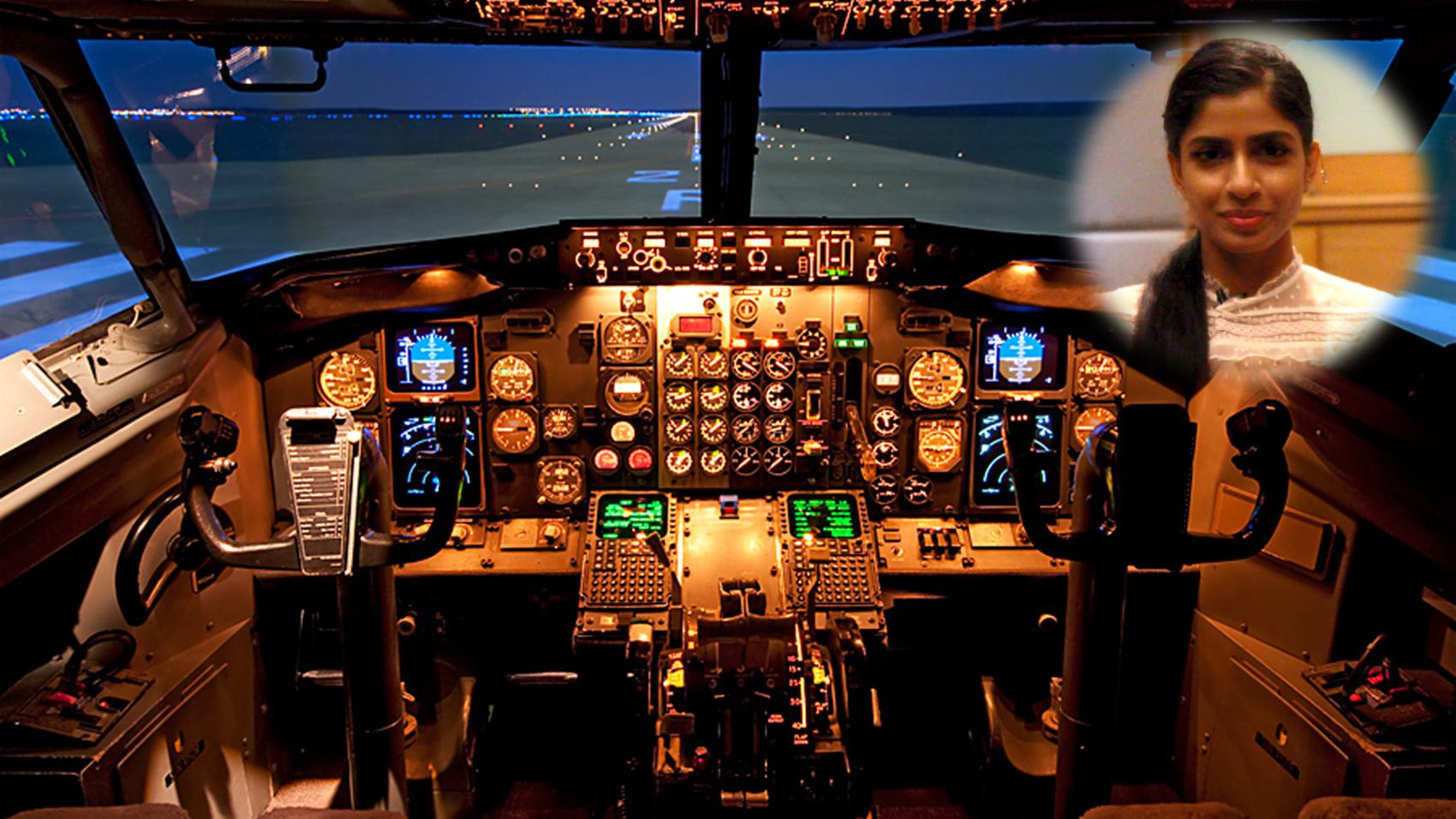
As the sun rises, the cockpit comes alive with activity. Pilots conduct pre-flight inspections, communicate with air traffic control, and guide the aircraft through taxiing and takeoff. Once airborne, the focus shifts to monitoring instruments, adjusting flight paths, and managing any unexpected weather or technical issues. The intensity peaks during takeoff and landing, but even at cruising altitude, vigilance never wavers. Every decision is made with passenger safety and comfort in mind, requiring constant communication, quick thinking, and a deep understanding of the aircraft.
After a successful landing, the afternoon is marked by a flurry of collaborative tasks. Pilots oversee the turnaround process, working closely with ground crews, maintenance teams, and flight attendants to ensure the aircraft is refueled, cleaned, and ready for its next departure. Briefings are held to review the previous flight and address any technical or operational concerns. This phase demands adaptability and clear communication, as schedules can shift and new challenges may arise with each leg of the journey.
As the day winds down, pilots transition to post-flight responsibilities. They complete detailed reports, debrief with crew members, and review any incidents or irregularities encountered during the day. Administrative tasks, such as logging flight hours and updating training records, are handled with the same attention to detail as the flights themselves. Before heading home, pilots often check the next day’s schedule and preliminary weather forecasts, ensuring they are prepared for whatever the skies may bring tomorrow. |


 Home
Home Abroad
 Plan
Plan Philosophy
 Seminar
 Pages
Pages Advisors
 Testimonials









 Workshop
 Discuss
 Meet
Meet
 Advisor
 Story
Story
 Fine Print
 Links
Links
 Blog
Blog
 Follow
