The Journey of Defence Administration
Education
General Awareness

General Awareness refers to the broad understanding of current events, historical developments, socio-political trends, economic affairs, and global issues that shape the world. In Defence Administration, it forms a crucial part of both academic learning and professional expertise, ensuring individuals remain informed, adaptable, and strategically aware in dynamic environments.
A strong grasp of General Awareness is indispensable for anyone preparing for or working in Defence Administration. This subject cultivates an informed perspective, enabling professionals to interpret global and national events that may impact security, policy, or operational decisions. It serves as the bedrock for critical thinking, situational analysis, and effective communication—skills that are essential in high-stakes environments. Over time, consistent engagement with General Awareness enhances decision-making abilities, fosters leadership qualities, and supports career advancement by equipping individuals to anticipate challenges and respond proactively. Ultimately, it ensures that defence administrators are not only specialists in their field but also well-rounded professionals capable of understanding the broader context in which they operate.
Consider a defence administrator tasked with coordinating a joint exercise involving multiple international partners. Their understanding of General Awareness allows them to navigate cultural sensitivities, recognize the geopolitical implications of the exercise, and anticipate potential diplomatic concerns. For instance, being aware of recent regional tensions or alliances helps them plan logistics, communication, and engagement strategies that respect all parties involved. This theoretical knowledge translates into practical competence, enabling the administrator to foster cooperation, prevent misunderstandings, and contribute to the success of the mission. In daily operations, such awareness ensures that decisions are informed by a comprehensive understanding of the ever-changing global landscape.
Legal Knowledge
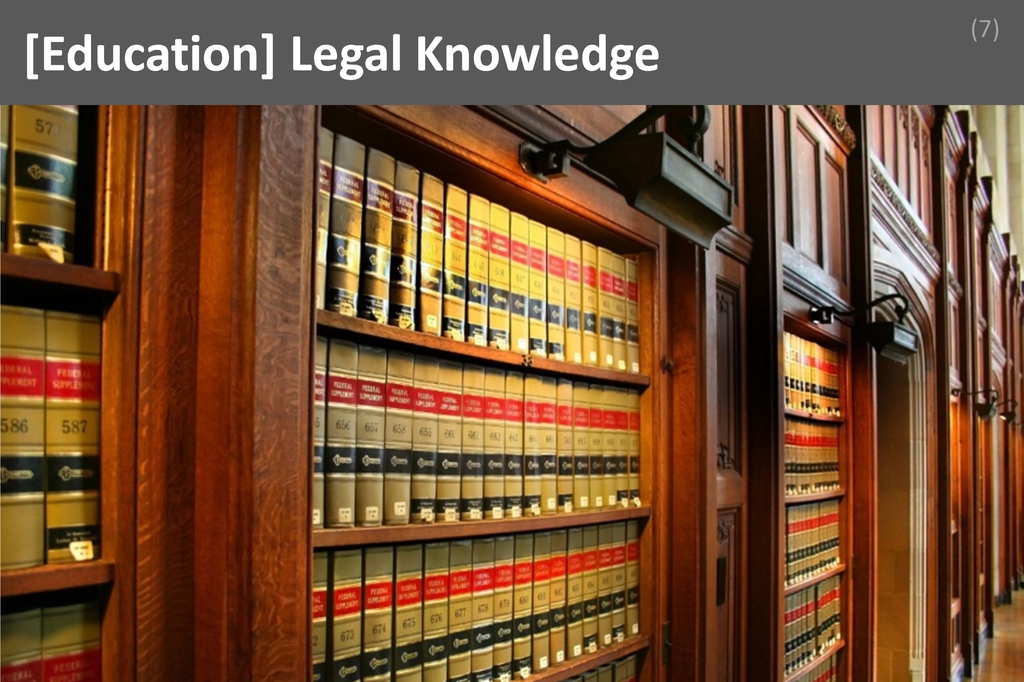
Legal Knowledge refers to the understanding of laws, regulations, and legal principles that govern individual and organizational conduct within a society. In Defence Administration, it encompasses awareness of military law, constitutional provisions, international treaties, and administrative procedures, forming a critical part of the academic and professional expertise required for effective and lawful operations.
A strong grasp of legal knowledge is essential for anyone preparing for or working in Defence Administration because it ensures that all actions and decisions are compliant with established laws and regulations. This subject forms the foundation for interpreting military codes, understanding the limits of authority, and safeguarding the rights of personnel. Mastery of legal concepts helps professionals navigate complex scenarios involving discipline, procurement, and international cooperation, reducing the risk of legal disputes or violations. Over the long term, legal proficiency enhances credibility, supports ethical decision-making, and enables effective leadership, making it a cornerstone for career advancement and institutional integrity within the defence sector.
Consider a Defence Administration officer tasked with overseeing the procurement of military equipment from an international supplier. Their legal knowledge allows them to review contracts for compliance with national defence procurement laws, international trade agreements, and anti-corruption statutes. By applying their understanding of these legal frameworks, the officer ensures that the procurement process is transparent, fair, and defensible against any legal scrutiny. This not only protects the organization from potential legal challenges but also upholds the integrity of the procurement process, demonstrating how theoretical legal knowledge is indispensable in practical, day-to-day defence administration operations.
Operation Management

Operation Management is the discipline focused on designing, overseeing, and improving organizational processes to efficiently produce goods or deliver services. In Defence Administration, it encompasses the systematic planning, coordination, and control of resources and activities, ensuring mission readiness and optimal use of assets within complex and dynamic environments.
Understanding Operation Management is essential for anyone preparing for or working in Defence Administration because it equips professionals with the analytical and strategic skills needed to manage resources, personnel, and logistics effectively. Mastery of this subject enables individuals to streamline workflows, reduce waste, and ensure that operations align with organizational objectives. Over time, this foundational knowledge fosters adaptability and resilience, qualities that are indispensable in the ever-evolving landscape of defence. Furthermore, expertise in Operation Management enhances decision-making abilities, supports risk mitigation, and contributes to the successful execution of missions. As defence organizations increasingly rely on efficient processes and resource optimization, professionals with a strong grasp of Operation Management are better positioned for leadership roles and long-term career advancement.
Consider a Defence Administration officer tasked with coordinating the deployment of supplies to multiple remote bases. By applying principles of Operation Management, the officer analyzes supply chain data, forecasts demand, and allocates resources to ensure timely delivery while minimizing costs and avoiding shortages. This theoretical understanding allows the officer to anticipate potential disruptions, such as transportation delays or equipment failures, and implement contingency plans proactively. Through continuous monitoring and process improvement, the officer not only maintains operational efficiency but also enhances the overall readiness of the defence force. This scenario demonstrates how the practical application of Operation Management principles is crucial for achieving mission objectives and maintaining organizational effectiveness in real-world defence settings.
Human Resource Management

Human Resource Management is the strategic approach to recruiting, developing, managing, and retaining an organization’s workforce to achieve its objectives. In Defence Administration, it encompasses the policies and practices that ensure personnel are effectively utilized, motivated, and supported, forming a critical component of both academic study and professional expertise.
Understanding Human Resource Management is essential for anyone preparing for or working in Defence Administration because personnel are the backbone of any defence organization. Mastery of this subject equips professionals with the skills to manage recruitment, training, performance evaluation, and conflict resolution, all of which are crucial in high-stakes environments. It also fosters a deep appreciation for ethical leadership, diversity, and organizational culture, which are vital for maintaining morale and operational effectiveness. Over the long term, proficiency in Human Resource Management enhances career progression by enabling individuals to take on leadership roles, implement strategic initiatives, and adapt to evolving personnel challenges within the defence sector.
Consider a Defence Administration officer tasked with overseeing a unit experiencing high turnover and declining morale. Drawing on their knowledge of Human Resource Management, the officer conducts exit interviews to identify underlying issues, implements targeted training programs to address skill gaps, and introduces recognition systems to boost motivation. By applying these HRM principles, the officer not only stabilizes the workforce but also improves overall unit performance and readiness. This scenario illustrates how theoretical understanding of Human Resource Management directly informs practical decision-making, ensuring that personnel are effectively managed and organizational goals are consistently met in the demanding context of defence operations.
Skills
Leadership

Leadership is the ability to inspire, guide, and influence individuals or groups toward achieving common objectives, while fostering collaboration, accountability, and resilience. In Defence Administration, leadership is indispensable because it ensures effective decision-making, motivates teams under pressure, and drives the successful implementation of complex policies and operations critical to national security.
Leadership directly enhances performance in Defence Administration by enabling professionals to coordinate diverse teams, manage resources efficiently, and respond decisively to evolving challenges. Employers and clients highly value this skill because it translates into reliable, mission-focused outcomes and a culture of trust and accountability. Cultivating leadership involves continuous self-reflection, seeking mentorship, embracing responsibility, and learning from both successes and setbacks. Over time, professionals can develop their leadership abilities by taking on progressively challenging roles, participating in formal training programs, and actively engaging in collaborative projects. This ongoing development not only sharpens decision-making and communication skills but also builds the confidence required to lead effectively in high-stakes environments.
Imagine a Defence Administration professional tasked with coordinating a rapid response to a security breach affecting multiple departments. By demonstrating strong leadership, the professional quickly assembles a cross-functional team, clearly communicates the mission, and delegates responsibilities based on each member’s strengths. Throughout the crisis, the leader maintains composure, encourages open communication, and adapts plans as new information emerges. This approach not only resolves the immediate threat efficiently but also strengthens team cohesion and trust. The successful outcome highlights how effective leadership can turn a potentially chaotic situation into an opportunity for organizational growth and resilience, underscoring its critical role in Defence Administration.
Attitude

Attitude is the consistent mental outlook or disposition that shapes how an individual perceives, reacts to, and engages with situations, people, and challenges. In Defence Administration, attitude serves as the foundation for resilience, adaptability, and professionalism, influencing decision-making, teamwork, and the ability to maintain composure under pressure.
A positive and proactive attitude directly enhances performance in Defence Administration by fostering a culture of accountability, motivation, and collaboration. Employers and clients highly value this trait because it ensures that professionals remain solution-oriented, even in high-stress or rapidly changing environments. Attitude also impacts morale and the ability to inspire confidence in others, which is crucial in defence settings where stakes are high. Cultivating this skill involves self-reflection, seeking feedback, and consistently choosing to approach challenges with optimism and determination. Over time, professionals can develop a resilient attitude by embracing continuous learning, maintaining discipline, and surrounding themselves with supportive mentors and colleagues.
Imagine a Defence Administration officer faced with a sudden logistical crisis during a critical operation. Supplies have been delayed, and the team is under immense pressure to deliver results. Instead of succumbing to frustration or blame, the officer maintains a constructive attitude, rallying the team and focusing on immediate solutions. By remaining calm and optimistic, the officer encourages creative problem-solving, coordinates alternative supply routes, and communicates transparently with superiors and subordinates. This positive approach not only resolves the crisis efficiently but also strengthens team cohesion and trust, demonstrating how attitude can be the decisive factor in overcoming adversity and achieving mission success.
Communication Skills

Communication skills refer to the ability to convey information clearly, listen actively, interpret messages accurately, and respond appropriately in both verbal and written forms. In Defence Administration, these skills are vital for ensuring that complex instructions, sensitive information, and strategic directives are understood and executed without error or misunderstanding.
Strong communication skills directly enhance performance in Defence Administration by fostering clarity, reducing errors, and promoting effective teamwork. Employers and clients value professionals who can articulate policies, relay orders, and coordinate with diverse teams, as this ensures smooth operations and mission success. To cultivate communication skills, individuals should practice active listening, seek feedback on their interactions, and engage in regular written and oral communication exercises. Over time, exposure to various communication scenarios and continuous learning help professionals adapt their style to different audiences, making them more effective and reliable in high-pressure environments.
Imagine a Defence Administration officer tasked with coordinating a multi-agency emergency response. The officer must quickly relay accurate information between military units, government officials, and civilian agencies. By employing strong communication skills, the officer ensures that each group understands their responsibilities, timelines, and any changes in the situation. When a critical update arises, the officer’s clear and concise communication prevents confusion, enabling all parties to adjust their actions swiftly. This effective exchange of information not only resolves the immediate crisis but also builds trust among stakeholders, highlighting the indispensable role of communication skills in achieving mission objectives and maintaining operational integrity.
Judgement

Judgement is the ability to assess situations, analyze information, and make sound decisions by weighing evidence, risks, and potential outcomes. In Defence Administration, this skill enables professionals to navigate complex environments, prioritize resources, and uphold security protocols, ensuring that actions taken are both effective and aligned with organizational objectives.
Judgement directly enhances performance in Defence Administration by enabling professionals to make timely, well-informed decisions, especially under pressure. Clients and employers highly value this skill because it ensures that sensitive information is handled appropriately, resources are allocated efficiently, and risks are mitigated before they escalate. Strong judgement fosters trust and reliability, both of which are critical in defence settings. To cultivate this skill, individuals should seek diverse experiences, actively reflect on past decisions, and engage in continuous learning. Mentorship, scenario-based training, and staying updated on policy changes also contribute to sharper judgement, allowing professionals to adapt to evolving challenges and maintain high standards of operational excellence.
Imagine a Defence Administration officer tasked with managing a sudden security breach involving classified documents. The officer must quickly assess the credibility of the threat, determine the extent of the breach, and decide whether to initiate a full lockdown or implement targeted containment measures. Relying on sound judgement, the officer weighs the available evidence, consults with relevant stakeholders, and considers the potential impact of each action. By choosing a measured response that secures sensitive areas without causing unnecessary disruption, the officer not only resolves the immediate crisis but also maintains operational continuity and upholds the organization's reputation for effective crisis management.
Personal Discipline

Personal Discipline is the consistent ability to control one’s actions, emotions, and habits to achieve specific goals, especially under challenging circumstances. In Defence Administration, it forms the backbone of reliability and trustworthiness, ensuring that professionals adhere to protocols, meet deadlines, and maintain the highest standards of conduct and performance.
Personal discipline directly enhances performance in Defence Administration by fostering reliability, accuracy, and consistency in daily operations. Employers and clients value this skill because it ensures that sensitive tasks are handled with care, deadlines are met without fail, and ethical standards are upheld even under pressure. Cultivating personal discipline involves setting clear goals, maintaining routines, and regularly reflecting on one’s actions to identify areas for improvement. Over time, professionals can strengthen this skill by embracing feedback, practicing self-control in stressful situations, and committing to continuous personal and professional development. This ongoing effort not only builds trust with colleagues and superiors but also positions individuals as dependable assets within the organization.
Imagine a Defence Administration officer tasked with coordinating a high-stakes logistics operation during a national emergency. Amidst rapidly changing information and intense pressure, the officer’s personal discipline ensures that every step of the process is meticulously planned and executed. By maintaining focus, adhering strictly to protocols, and resisting the urge to cut corners, the officer successfully manages resources, communicates effectively with multiple teams, and meets critical deadlines. This disciplined approach not only prevents costly errors but also inspires confidence among team members and superiors, ultimately contributing to the mission’s success and safeguarding national interests.
Courage
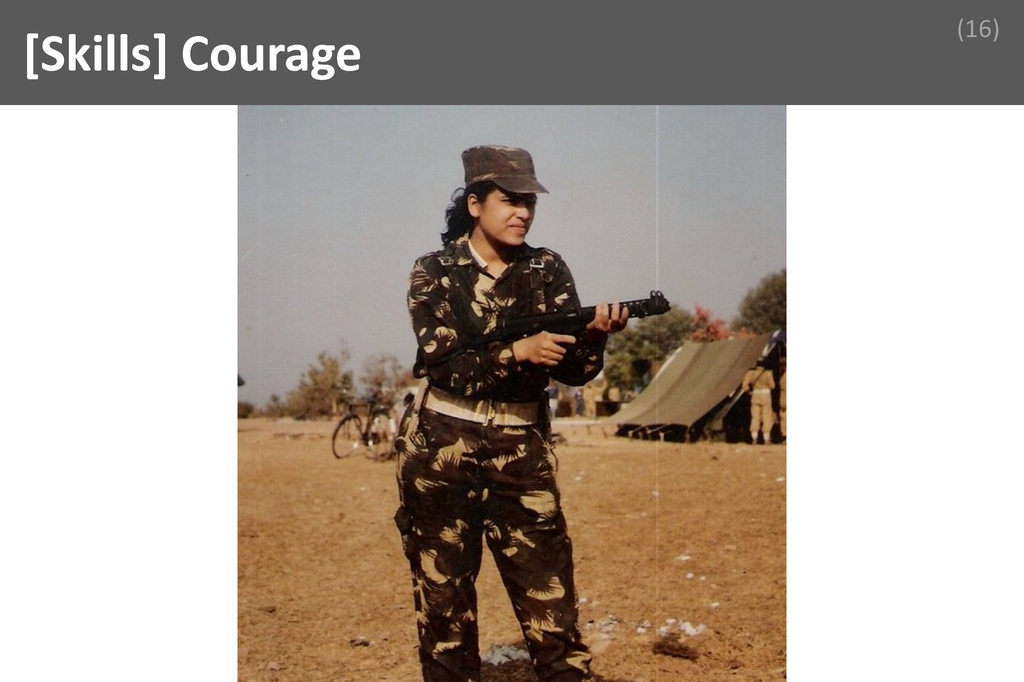
Courage is the mental or moral strength to persevere, act decisively, and uphold principles despite fear, adversity, or uncertainty. In Defence Administration, courage empowers professionals to make tough decisions, challenge the status quo, and take responsibility for outcomes, ensuring integrity and resilience in high-stakes environments.
Courage directly enhances performance in Defence Administration by enabling professionals to confront difficult situations, voice concerns, and implement necessary changes even when faced with resistance. Clients and employers value this trait because it fosters trust, accountability, and ethical decision-making, all of which are critical in safeguarding national interests. Cultivating courage involves self-reflection, seeking feedback, and gradually taking on more challenging responsibilities. Over time, consistent exposure to complex scenarios and learning from both successes and failures help individuals build the confidence and resolve needed to act courageously, even under pressure.
Imagine a Defence Administration officer overseeing a critical procurement process who discovers irregularities suggesting potential corruption. Despite pressure from influential stakeholders to overlook the issue, the officer chooses to report the findings through official channels, risking personal and professional repercussions. This courageous action not only upholds ethical standards but also protects the integrity of the organization. By prioritizing transparency and accountability, the officer sets a powerful example for colleagues and reinforces a culture of trust and responsibility within the department, ultimately contributing to the long-term success and credibility of Defence Administration.
Positives
Pride

Pride is a deep sense of satisfaction and self-respect derived from one’s achievements, values, and contributions to a greater cause. In Defence Administration, pride emerges from knowing that your daily efforts directly support national security, uphold integrity, and contribute to the well-being of your country and its citizens.
Pride is a powerful motivator in Defence Administration, infusing daily tasks with meaning and purpose. Professionals in this field often find that their sense of pride elevates their commitment and resilience, even when faced with challenging circumstances. This positive emotion fosters a strong sense of belonging and loyalty, which in turn enhances job satisfaction and personal growth. The knowledge that their work safeguards the nation and supports the armed forces instills a unique fulfillment that few other careers can offer. As a result, pride becomes a sustaining force, encouraging individuals to strive for excellence and to take initiative, knowing that their contributions have a lasting and significant impact.
Imagine a Defence Administration officer coordinating the logistics for a humanitarian relief mission after a natural disaster. As supplies reach affected communities and lives are saved, the officer witnesses firsthand the tangible results of their meticulous planning and dedication. The gratitude expressed by both military personnel and civilians reinforces the officer’s sense of pride, making the long hours and complex problem-solving worthwhile. This daily experience of making a real difference, not just for the organization but for the nation as a whole, exemplifies how pride becomes a profound and motivating reward in Defence Administration.
Quality of Life

Quality of Life refers to the overall well-being, comfort, and satisfaction individuals experience in their personal and professional lives, encompassing physical health, emotional stability, work-life balance, and a sense of purpose. In Defence Administration, this concept is deeply valued, as it fosters a supportive environment that enhances both productivity and personal fulfillment.
Quality of Life is a cornerstone of Defence Administration, shaping the daily experiences of its professionals. The structured environment, clear career progression, and emphasis on teamwork create a sense of stability and belonging. Access to comprehensive healthcare, recreational facilities, and family support programs ensures that employees feel cared for beyond their work responsibilities. This holistic approach not only reduces stress but also encourages continuous personal and professional growth. As a result, individuals are more motivated, engaged, and resilient, leading to higher job satisfaction and a stronger commitment to their roles. The positive atmosphere cultivated by these benefits allows professionals to thrive, knowing their well-being is a priority and their contributions are valued.
Imagine a Defence Administration officer who starts her day with a morning jog on a secure, well-maintained campus, followed by a nutritious breakfast at the staff canteen. Throughout her workday, she collaborates with supportive colleagues and has access to on-site healthcare services if needed. After work, she attends a family event organized by the administration, allowing her to connect with loved ones and peers in a relaxed setting. This seamless integration of professional responsibilities and personal well-being exemplifies how Quality of Life is woven into the fabric of Defence Administration. The officer feels energized, valued, and balanced, which not only enhances her performance but also enriches her overall life experience.
Opportunity to Grow

Opportunity to Grow refers to the continuous ability to develop new skills, take on greater responsibilities, and advance professionally within a chosen field. In Defence Administration, this means individuals are constantly encouraged to learn, adapt, and expand their expertise, which leads to personal and professional fulfillment and long-term career progression.
The opportunity to grow is a cornerstone of job satisfaction in Defence Administration because it transforms routine work into a dynamic journey of self-improvement. Professionals in this field are regularly presented with new challenges, training programs, and leadership roles that keep their work engaging and meaningful. This environment fosters a sense of achievement and belonging, as individuals see tangible results from their efforts and contributions. The constant evolution of responsibilities ensures that no two days are the same, which keeps motivation high and prevents stagnation. As a result, employees feel valued and empowered, knowing their growth is supported and recognized, which ultimately leads to higher morale and a stronger commitment to their roles.
Consider a Defence Administration officer who begins their career managing logistics for a small unit. Over time, they are entrusted with larger projects, such as coordinating resources for major operations or implementing new administrative systems. With each new responsibility, they receive mentorship, attend specialized training, and collaborate with diverse teams. This ongoing development not only enhances their technical and leadership skills but also builds their confidence and sense of purpose. As they progress, they may be promoted to oversee entire departments or contribute to policy-making, experiencing firsthand how the opportunity to grow transforms their career into a fulfilling and impactful journey.
Camaraderie

Camaraderie is the spirit of mutual trust, friendship, and loyalty shared among individuals who work closely together, especially in challenging environments. It is built through shared experiences, collaboration, and a sense of belonging. In Defence Administration, camaraderie fosters unity, resilience, and support, creating a positive and motivating atmosphere for all professionals involved.
The presence of camaraderie in Defence Administration transforms the workplace into a supportive community where individuals feel valued and understood. This sense of belonging significantly enhances job satisfaction, as professionals know they are not facing challenges alone. Camaraderie encourages open communication, teamwork, and the willingness to go the extra mile for colleagues and the mission. It also plays a crucial role in personal and professional growth, as individuals learn from one another and develop strong interpersonal skills. Each day, professionals experience the benefits of camaraderie through shared problem-solving, celebrating achievements together, and providing encouragement during difficult times, making their work both meaningful and rewarding.
Imagine a Defence Administration officer tasked with coordinating a complex logistics operation under tight deadlines. As unexpected obstacles arise, the officer’s team rallies together, offering expertise, encouragement, and practical support. Through late nights and high-pressure moments, the team’s camaraderie becomes a source of strength, turning stress into motivation. The officer feels a deep sense of pride and fulfillment, knowing that the collective effort and unwavering support of colleagues have made success possible. This daily experience of working alongside trusted peers not only accomplishes the mission but also forges lasting bonds, making the journey as rewarding as the outcome.
Challenges
Too Structured
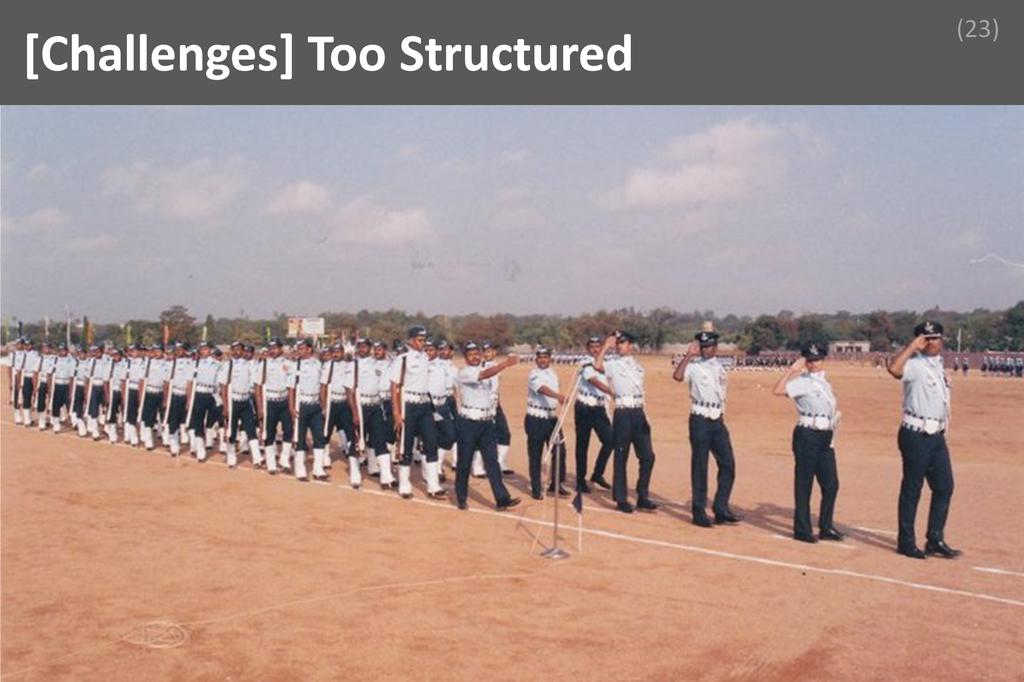
"Too Structured" in Defence Administration refers to the rigid adherence to established protocols, hierarchies, and procedures, often leaving little room for flexibility or innovation. This environment can be demanding because it restricts creative problem-solving, slows decision-making, and can stifle individual initiative, making adaptation to unexpected situations challenging.
The challenge of being too structured affects daily work by imposing strict processes that can delay responses and limit the ability to adapt quickly to evolving circumstances. Professionals may feel constrained by layers of approval and standardized workflows, which can lead to frustration and reduced morale. This environment demands resilience because it requires individuals to maintain motivation and effectiveness despite limited autonomy. Successful professionals manage this constraint by mastering the existing systems, finding subtle ways to innovate within the rules, and building strong relationships with colleagues and superiors. They focus on clear communication, anticipate procedural bottlenecks, and prepare thoroughly, ensuring that their work aligns with both regulations and mission objectives. By doing so, they turn structure into a foundation for reliability rather than a barrier to progress.
Consider a Defence Administration officer tasked with implementing a new digital records system. The organization’s strict protocols dictate a lengthy approval process for any change, threatening to delay the project. Recognizing the constraints, the officer meticulously maps out each procedural step, proactively consults with key stakeholders, and prepares comprehensive documentation to address anticipated concerns. By demonstrating respect for established processes and maintaining open communication, the officer builds trust and secures incremental approvals. Through patience and strategic engagement, the officer successfully navigates the structured environment, ensuring the project advances without violating protocol. This approach not only achieves the desired outcome but also reinforces the value of working effectively within a highly structured system.
Performance Differentiation

Performance Differentiation in Defence Administration refers to the process of distinguishing and evaluating individual contributions within a highly structured and team-oriented environment. This is demanding because the collective nature of defence work often obscures individual achievements, making it difficult to fairly assess and reward personal performance without undermining team cohesion and morale.
The challenge of performance differentiation can create tension and uncertainty in daily work, as professionals may feel their unique efforts are overlooked in favor of group outcomes. This environment demands resilience, as individuals must remain motivated and committed despite limited personal recognition. Successful professionals manage this constraint by focusing on collective mission success while finding ways to document and communicate their individual contributions. They build strong relationships with supervisors and peers, ensuring their work is visible without appearing self-promotional. By embracing feedback, seeking mentorship, and aligning personal goals with organizational objectives, they navigate the complexities of performance differentiation and continue to grow within the system.
Consider a Defence Administration officer tasked with coordinating logistics for a large-scale training exercise. Although the operation’s success depends on seamless teamwork, the officer proactively maintains detailed records of their planning, problem-solving, and decision-making processes. During performance reviews, the officer presents these records to highlight their specific contributions, such as resolving supply chain disruptions and optimizing resource allocation. By doing so, they demonstrate their value without detracting from the team’s achievements. This approach not only ensures their efforts are recognized but also sets a positive example for peers, fostering a culture where individual initiative is acknowledged within the broader context of collective success.
Uncertainty

Uncertainty in Defence Administration refers to the persistent lack of complete information, unpredictable changes in security environments, and evolving political directives that complicate decision-making. This challenge is demanding because it requires professionals to make critical choices with incomplete data, often under time pressure and with significant consequences for national security.
Uncertainty permeates daily work in Defence Administration, affecting planning, resource allocation, and operational readiness. Professionals must constantly adapt to shifting priorities, ambiguous intelligence, and rapidly changing geopolitical landscapes. This environment demands resilience, as individuals must remain composed and decisive despite the unknowns. Successful professionals manage uncertainty by cultivating flexibility, maintaining robust communication channels, and relying on established protocols while remaining open to innovation. They develop contingency plans and foster a culture of trust and collaboration, enabling teams to respond swiftly to emerging challenges. By embracing continuous learning and scenario-based training, they enhance their ability to anticipate and mitigate risks, ensuring that critical missions proceed effectively even when the path ahead is unclear.
Consider a Defence Administration officer tasked with coordinating humanitarian aid during a sudden regional conflict. With limited intelligence about on-ground conditions and rapidly shifting alliances, the officer faces significant uncertainty regarding safe routes, resource availability, and potential threats. By leveraging established relationships with local partners, maintaining open lines of communication with military and civilian agencies, and adapting plans as new information emerges, the officer successfully navigates the unpredictable environment. Through decisive leadership and a willingness to adjust strategies in real time, the officer ensures that aid reaches those in need while minimizing risks to personnel and resources. This scenario illustrates how adaptability and proactive problem-solving are essential for overcoming uncertainty in Defence Administration.
A Day Of
Defence Administration

In the world of Defence Administration, no two days are ever quite the same, yet each one pulses with a steady rhythm of precision, urgency, and unwavering attention to detail. The hum of activity begins before sunrise, as professionals step into a secure, high-stakes environment where every decision can ripple across teams and timelines. Here, the pace is brisk but measured, shaped by the dual demands of national security and seamless organizational efficiency. Whether coordinating sensitive communications, managing classified documents, or supporting mission-critical operations, Defence Administration professionals are the linchpins holding the intricate machinery of defence together—often behind the scenes, but always at the heart of the action.
As the day dawns, the first order of business is a thorough review of overnight communications and intelligence updates. Defence Administration professionals scan secure emails, flag urgent requests, and cross-reference schedules against the day’s operational priorities. This early morning window is crucial for setting the tone, as it involves preparing briefing materials for senior officers, updating task lists, and ensuring that all necessary documentation is in order for upcoming meetings. The quiet of the early hours offers a rare moment for focused preparation before the tempo accelerates.
By mid-morning, the office is alive with activity. This is the heart of the day, when Defence Administration professionals are deeply engaged in coordinating logistics, managing personnel movements, and facilitating communication between departments. The phone rings steadily, and secure video conferences connect teams across locations. Every detail matters, from confirming travel authorizations to ensuring that sensitive information flows smoothly and securely. Unexpected challenges often arise, requiring quick thinking and decisive action to keep operations on track without compromising security or efficiency.
The afternoon brings a shift toward collaborative work and the execution of key tasks. Meetings with colleagues and leadership are common, whether to discuss project updates, review compliance with protocols, or troubleshoot emerging issues. Defence Administration professionals may find themselves drafting official correspondence, processing requisitions, or updating databases with the latest operational data. The focus is on translating plans into action, supporting the broader mission by ensuring that every administrative detail is handled with accuracy and discretion.
As the day winds down, attention turns to wrapping up outstanding tasks and preparing for tomorrow’s challenges. Defence Administration professionals review progress against the day’s objectives, document key decisions, and update records to maintain a clear audit trail. This is also the time for research, whether analyzing policy changes or gathering information for upcoming briefings. Before leaving, they set priorities for the next day, ensuring that nothing is overlooked and that the team is ready to hit the ground running when the cycle begins anew. The sense of accomplishment is matched only by the anticipation of what tomorrow will bring in this dynamic, mission-driven environment. |


 Home
Home Abroad
 Plan
Plan Philosophy
 Seminar
 Pages
Pages Advisors
 Testimonials







 Workshop
 Discuss
 Meet
Meet
 Advisor
 Story
Story
 Fine Print
 Links
Links
 Blog
Blog
 Follow
