The Journey of Homeopathy
What Is Homeopathy
Homeopathy

Homeopathy is a system of alternative medicine based on the principle that “like cures like,” using highly diluted substances to stimulate the body’s natural healing processes. Practitioners select remedies tailored to individual symptoms, aiming to treat the whole person rather than just the disease or its symptoms.
Homeopathy plays a significant role in holistic healthcare, offering a complementary approach to conventional medicine. For professionals, it provides an opportunity to address patient needs with personalized care, focusing on both physical and emotional well-being. One major benefit is the emphasis on individualized treatment, which can lead to improved patient satisfaction. Another advantage is the non-invasive nature of homeopathic remedies, which are generally considered safe and free from significant side effects. Additionally, homeopathy encourages practitioners to develop strong patient relationships, as detailed consultations are essential for selecting the most appropriate remedies. This approach not only enhances the therapeutic alliance but also fosters a deeper understanding of each patient’s unique health profile.
A homeopathy professional might encounter a patient suffering from chronic migraines who has found little relief from conventional treatments. After a thorough consultation exploring the patient’s physical symptoms, emotional state, and lifestyle, the practitioner selects a remedy tailored to the individual’s specific migraine patterns and overall constitution. Over several weeks, the patient reports a noticeable reduction in migraine frequency and intensity, as well as improvements in general well-being. The practitioner continues to monitor and adjust the treatment as needed, providing ongoing support and guidance. This example illustrates how homeopathy professionals use their expertise to create personalized treatment plans, aiming for holistic improvement rather than simply suppressing symptoms.
Education
Principles of Homeopathy

Principles of Homeopathy refers to the fundamental theories and doctrines that guide the practice of homeopathic medicine, including concepts such as “like cures like,” individualization of treatment, and the minimum dose. This subject is essential in both academic study and professional practice, forming the backbone of homeopathic education and clinical application.
A thorough understanding of the Principles of Homeopathy is indispensable for anyone preparing for or working in the field. Mastery of these principles ensures that practitioners can accurately assess patient symptoms, select appropriate remedies, and justify their therapeutic choices. This foundational knowledge fosters critical thinking and ethical practice, enabling professionals to build trust with patients and colleagues. Over time, a strong grasp of these principles enhances clinical outcomes, supports ongoing professional development, and allows practitioners to adapt to new research and evolving methodologies within the discipline. Ultimately, it distinguishes competent homeopaths, ensuring they uphold the integrity and efficacy of homeopathic medicine throughout their careers.
Consider a homeopath faced with a patient presenting chronic migraines. Drawing on their knowledge of the Principles of Homeopathy, the practitioner conducts a detailed case-taking, focusing on the patient’s unique symptoms and overall constitution. Instead of prescribing a generic remedy, the homeopath applies the principle of individualization, selecting a remedy that closely matches the patient’s specific symptom profile. By adhering to the doctrine of minimum dose, the practitioner ensures the remedy is administered in the smallest effective amount, minimizing side effects. This approach not only leads to more effective and personalized care but also demonstrates the practical value of a deep understanding of homeopathic principles in everyday clinical decision-making.
Individualization

Individualization in Homeopathy refers to the process of tailoring treatment to the unique physical, emotional, and psychological characteristics of each patient. This principle ensures that remedies are selected based on the totality of symptoms, rather than a one-size-fits-all approach, making it a cornerstone of both academic study and professional practice in Homeopathy.
Understanding individualization is essential for anyone pursuing a career in Homeopathy because it distinguishes homeopathic practice from conventional medicine. Mastery of this concept enables practitioners to assess patients holistically, considering not just the disease but the person as a whole. This comprehensive approach forms the bedrock of accurate remedy selection and effective patient care. By developing the skill to individualize treatment, professionals enhance their diagnostic acumen, build stronger therapeutic relationships, and achieve better patient outcomes. Over time, this expertise fosters trust, professional reputation, and long-term success in the field, as clients increasingly seek practitioners who recognize and respect their unique health profiles.
Consider a homeopath faced with two patients suffering from chronic headaches. Instead of prescribing the same remedy to both, the practitioner conducts thorough consultations, exploring each patient’s lifestyle, emotional state, and specific symptom patterns. One patient may experience headaches triggered by stress and relieved by rest, while the other’s headaches worsen with rest and improve with activity. Drawing on the principle of individualization, the homeopath selects different remedies tailored to each patient’s unique symptom profile and underlying causes. This personalized approach not only increases the likelihood of successful treatment but also demonstrates the practitioner’s commitment to treating the individual, not just the disease, which is fundamental to effective homeopathic practice.
Materia Medica

Materia Medica is a comprehensive compilation of information about medicinal substances used in homeopathy, detailing their origins, properties, preparation, and therapeutic uses. It serves as the cornerstone for understanding remedies, guiding practitioners in remedy selection, and is essential for both academic study and professional practice in homeopathy.
A thorough grasp of Materia Medica is indispensable for anyone pursuing a career in homeopathy. This subject forms the backbone of homeopathic education, equipping practitioners with the knowledge to accurately identify and differentiate between remedies based on their unique symptom profiles. Mastery of Materia Medica enables professionals to make informed decisions, ensuring safe and effective patient care. Over time, this expertise fosters confidence and credibility, allowing practitioners to build trust with patients and colleagues. Furthermore, a deep understanding of Materia Medica supports ongoing professional development, as it encourages continuous learning and adaptation to new research and clinical experiences. Ultimately, proficiency in this area is crucial for long-term success and advancement in the field of homeopathy.
Consider a homeopathic practitioner faced with a patient presenting symptoms of chronic headaches, digestive disturbances, and emotional irritability. Drawing upon their knowledge of Materia Medica, the practitioner carefully analyzes the patient’s symptoms, matching them to the detailed remedy profiles they have studied. By referencing the Materia Medica, the practitioner identifies a remedy that closely aligns with the patient’s physical and emotional state, ensuring a personalized and holistic approach to treatment. This process not only demonstrates the practical application of theoretical knowledge but also highlights the importance of Materia Medica in guiding clinical decisions. Through this expertise, the practitioner is able to provide targeted care, monitor progress, and adjust remedies as needed for optimal patient outcomes.
Subjective Knowledge

Subjective knowledge refers to understanding and insights derived from personal experiences, perceptions, and individual interpretations rather than objective facts or universally accepted truths. In Homeopathy, this type of knowledge is essential because practitioners often rely on patient narratives and personal observations to inform their clinical decisions and treatment plans.
Grasping subjective knowledge is vital for anyone preparing for or working in Homeopathy because the discipline is inherently patient-centered and holistic. Homeopathic professionals must interpret subtle cues, emotional states, and unique symptom descriptions that vary from person to person. This ability to value and integrate subjective experiences forms the foundation of effective case-taking and remedy selection. Over time, developing a keen sense of subjective knowledge enhances a practitioner’s diagnostic accuracy, fosters deeper patient trust, and supports individualized care. As homeopaths progress in their careers, their ability to discern and apply subjective knowledge becomes a distinguishing skill, enabling them to address complex cases and adapt to the evolving needs of their patients.
Consider a homeopath consulting with a patient who reports vague symptoms such as a general sense of unease, intermittent headaches, and emotional sensitivity. The practitioner listens attentively, noting not just the physical complaints but also the patient’s emotional tone, body language, and personal context. Drawing on their understanding of subjective knowledge, the homeopath recognizes that these subtle, individualized expressions are crucial for remedy selection. Instead of relying solely on textbook definitions, the practitioner synthesizes the patient’s unique narrative with their own clinical experience to identify a remedy that aligns with the patient’s overall state. This approach demonstrates how subjective knowledge guides daily practice, ensuring that care remains personalized and effective.
Skills
Communication

Communication is the process of exchanging information, ideas, and feelings through speaking, writing, or non-verbal cues to achieve mutual understanding. In homeopathy, communication is vital for building trust, accurately assessing patient needs, and ensuring that treatment plans are clearly understood and followed, ultimately supporting positive health outcomes.
Effective communication enhances a homeopath’s ability to gather comprehensive case histories, explain complex remedies, and address patient concerns with empathy and clarity. Clients and employers value this skill because it fosters trust, reduces misunderstandings, and leads to better adherence to treatment protocols. A homeopath who communicates well can create a supportive environment, making patients feel heard and respected. Over time, communication skills can be cultivated through active listening, seeking feedback, participating in professional development workshops, and practicing clear, compassionate dialogue. Consistent self-reflection and adapting communication styles to suit individual patients also contribute to ongoing improvement in this essential skill.
Imagine a homeopath working with a patient who is skeptical about the effectiveness of homeopathic remedies. The practitioner listens attentively to the patient’s concerns, asks open-ended questions to understand their hesitations, and explains the principles of homeopathy in simple, relatable terms. By maintaining a respectful and open dialogue, the homeopath addresses misconceptions and provides evidence from past successful cases. This approach not only reassures the patient but also encourages them to commit to the treatment plan. Through skillful communication, the homeopath transforms skepticism into trust, leading to a stronger therapeutic relationship and a greater likelihood of positive health outcomes.
Patience

Patience is the ability to calmly endure delays, challenges, or discomfort without becoming frustrated or anxious. It involves maintaining composure and perseverance while waiting for desired outcomes. In the context of Homeopathy, patience is crucial because healing processes are often gradual, requiring careful observation and ongoing adjustment of remedies to achieve optimal results.
Patience directly enhances a Homeopathy professional’s performance by allowing them to thoughtfully assess each client’s progress and make informed decisions without rushing. Clients and employers value this quality because it fosters trust, ensures thorough care, and leads to more accurate, individualized treatment plans. Cultivating patience involves practicing mindfulness, setting realistic expectations, and learning from each case’s unique timeline. Over time, professionals who consistently exercise patience become more adept at managing complex cases, communicating effectively with clients, and maintaining a calm, supportive presence. This not only improves client satisfaction but also contributes to the practitioner’s own sense of fulfillment and resilience in their career.
Consider a scenario where a Homeopathy practitioner is treating a client with chronic migraines. Initial remedies may not yield immediate relief, and the client grows anxious about the slow progress. Instead of hastily changing the treatment plan, the practitioner exercises patience, carefully monitoring symptoms and making incremental adjustments based on ongoing feedback. Through regular, empathetic communication, the practitioner reassures the client and explains the importance of allowing time for the body to respond. Eventually, the client experiences significant improvement, attributing their recovery to the practitioner’s steady, patient approach. In this situation, patience not only leads to a successful outcome but also strengthens the therapeutic relationship and the client’s trust in the healing process.
Decision Making Skills

Decision Making Skills refer to the ability to assess situations, analyze available information, weigh possible outcomes, and choose the most appropriate course of action efficiently and confidently. In homeopathy, this skill is vital as practitioners must select remedies tailored to individual patient needs, often with limited or complex information.
Strong decision making skills enable homeopathy professionals to navigate the complexities of patient care, ensuring accurate remedy selection and timely interventions. Clients and employers highly value this skill because it leads to better health outcomes, increased trust, and a reputation for reliability. Practitioners can cultivate decision making skills by engaging in continuous education, reflecting on past cases, seeking mentorship, and staying updated with the latest research. Over time, experience and self-awareness help refine judgment, allowing homeopaths to make swift, informed decisions even under pressure. This ongoing development not only enhances clinical effectiveness but also fosters confidence in both the practitioner and their clients.
Imagine a homeopath faced with a patient exhibiting overlapping symptoms of two different chronic conditions. The practitioner must quickly analyze the patient’s medical history, current symptoms, and lifestyle factors to determine the most suitable remedy. By drawing on their decision making skills, the homeopath evaluates the potential benefits and risks of each option, consults relevant materia medica, and confidently selects a remedy that addresses the root cause rather than just the symptoms. This decisive action not only alleviates the patient’s condition but also strengthens the practitioner’s credibility and trustworthiness, demonstrating the critical role of decision making skills in achieving successful outcomes in homeopathic practice.
Interpersonal Skills

Interpersonal skills refer to the ability to communicate, interact, and build relationships effectively with others, encompassing empathy, active listening, and clear expression. In homeopathy, these skills are vital for understanding patients’ concerns, building trust, and ensuring accurate case-taking, which directly influences the effectiveness of treatment and patient satisfaction.
Interpersonal skills directly enhance a homeopathy professional’s performance by fostering open communication and trust with patients, which is crucial for gathering comprehensive case histories and understanding subtle symptoms. Clients and employers highly value practitioners who can create a comfortable, respectful environment, as this encourages honest dialogue and long-term therapeutic relationships. Over time, these skills can be cultivated through self-awareness, reflective practice, and seeking feedback from both patients and colleagues. Attending workshops, observing experienced practitioners, and practicing active listening in daily interactions also contribute to ongoing improvement. As these abilities develop, homeopaths become more adept at managing sensitive conversations, addressing patient anxieties, and collaborating effectively with other healthcare professionals, all of which are essential for a thriving practice.
Imagine a homeopath consulting with a patient who feels frustrated after unsuccessful treatments elsewhere. The practitioner’s interpersonal skills become crucial in this scenario. By actively listening to the patient’s concerns, expressing genuine empathy, and responding thoughtfully, the homeopath reassures the patient and builds a foundation of trust. This supportive interaction encourages the patient to share more detailed information about their symptoms and emotional state, which is essential for accurate remedy selection. The homeopath’s ability to communicate clearly and compassionately not only helps resolve the patient’s initial apprehension but also sets the stage for a successful therapeutic relationship, ultimately leading to better health outcomes and patient satisfaction.
Dedication

Dedication is the unwavering commitment to a purpose, marked by persistent effort, resilience, and a willingness to overcome obstacles in pursuit of excellence. In homeopathy, dedication is the driving force that compels practitioners to continually learn, refine their skills, and provide the highest standard of care to their patients.
Dedication directly enhances a homeopath’s performance by fostering a deep sense of responsibility and perseverance, especially when faced with complex cases or slow progress. Clients and employers highly value this trait because it assures them that the practitioner will not give up easily and will consistently strive for the best possible outcomes. Dedication also builds trust, as patients feel confident that their practitioner is genuinely invested in their well-being. To cultivate dedication, professionals must set clear goals, seek ongoing education, and develop resilience through reflection and self-motivation. Over time, this commitment becomes ingrained, enabling practitioners to maintain high standards and adapt to new challenges in their field.
Consider a homeopath working with a patient suffering from a chronic, treatment-resistant condition. Despite initial remedies showing limited improvement, the practitioner’s dedication drives them to conduct thorough research, consult with colleagues, and meticulously adjust the treatment plan. They spend extra hours reviewing case histories and exploring alternative approaches, refusing to settle for mediocre results. This persistent effort eventually leads to a breakthrough, significantly improving the patient’s health and quality of life. The practitioner’s dedication not only solves a critical issue but also strengthens their reputation as a compassionate and reliable professional, demonstrating the profound impact of this core skill in homeopathy.
Positives
Respect & Recognition

Respect and recognition refer to the appreciation, esteem, and acknowledgment received from patients, peers, and society for one’s expertise, dedication, and positive impact. In homeopathy, this means being valued for your knowledge, compassion, and the healing difference you make in people’s lives, fostering a sense of professional pride.
The respect and recognition that homeopaths receive play a pivotal role in making this career deeply rewarding. When patients express gratitude for improved health and well-being, practitioners feel a profound sense of accomplishment. This acknowledgment from the community and professional circles not only enhances self-esteem but also motivates homeopaths to continually improve their skills. The positive feedback and trust they earn foster strong patient relationships, which are essential for effective healing. Over time, this respect translates into a solid reputation, opening doors for career advancement, collaborations, and leadership opportunities. Experiencing such recognition daily boosts job satisfaction, instills confidence, and reinforces the meaningful purpose behind their work.
Consider a homeopath who has been treating a young child with chronic allergies. After months of personalized care and support, the child’s health improves significantly. The grateful parents share their heartfelt thanks, referring friends and family to the practitioner. At a local health seminar, the homeopath is invited to speak about their approach, receiving applause and admiration from both the public and fellow healthcare professionals. This ongoing appreciation not only validates the homeopath’s expertise but also fuels their passion for helping others. The daily experience of respect and recognition transforms routine work into a fulfilling vocation, inspiring them to continue making a difference in their community.
Serving Humanity
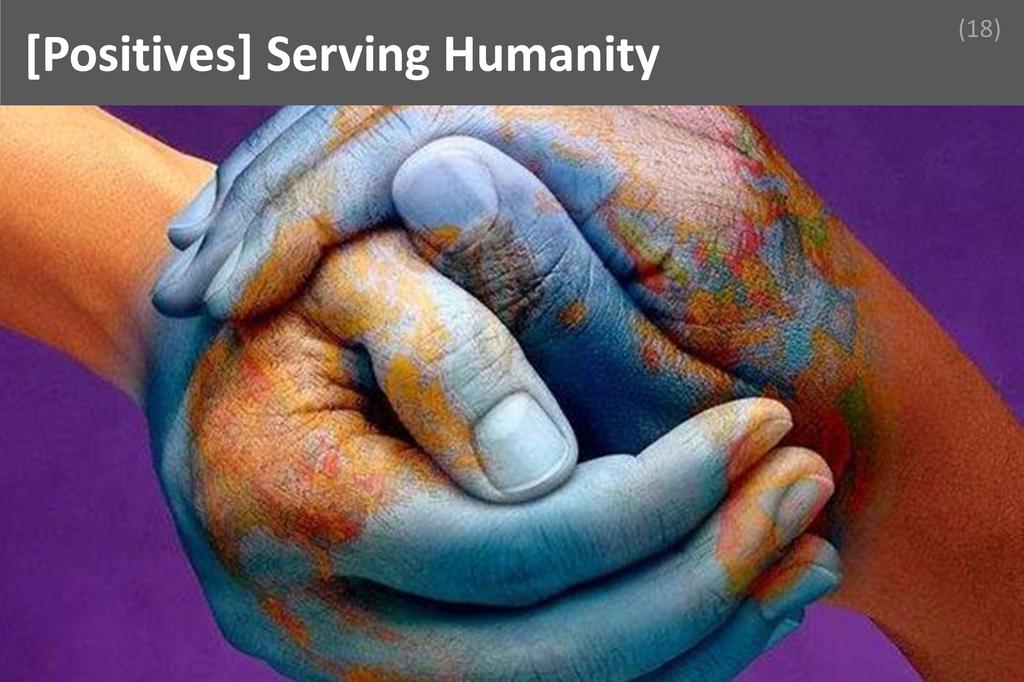
Serving Humanity means dedicating one’s skills, compassion, and knowledge to improve the well-being of others, fostering a healthier and more harmonious society. In homeopathy, this principle guides practitioners to prioritize patient care, empathy, and holistic healing, creating a profound sense of purpose and making a tangible difference in people’s lives.
The opportunity to serve humanity is a cornerstone of fulfillment in a homeopathy career. This positive aspect matters because it transforms daily work into a mission, not just a job. Homeopaths witness firsthand the relief and hope they bring to patients, which fuels their passion and commitment. The gratitude and trust received from those they help create a deep sense of accomplishment and belonging. This ongoing connection with patients and communities fosters personal growth, resilience, and empathy. As homeopaths see the positive changes in their patients’ lives, their own motivation and job satisfaction soar, making the profession not only meaningful but also emotionally rewarding.
Imagine a homeopath working in a rural community where access to conventional healthcare is limited. A mother brings her chronically ill child, desperate for help after exhausting other options. Through attentive listening and individualized treatment, the homeopath provides relief and hope, restoring the child’s health over time. The family’s gratitude is immense, and the practitioner feels a profound sense of purpose, knowing their expertise has transformed a life. This experience is not isolated; it is repeated with every patient whose suffering is eased. Each day, the homeopath is reminded that their work is not just about medicine, but about uplifting humanity, one person at a time.
Monetary Gains

Monetary gains refer to the financial rewards, income, and economic benefits that individuals receive as a result of their professional work. In the context of homeopathy, monetary gains signify the tangible financial compensation practitioners earn, reflecting the value of their expertise and dedication, and supporting their personal and professional aspirations.
Monetary gains are a significant motivator for those pursuing a career in homeopathy, as they provide not only financial security but also a sense of accomplishment and validation. When practitioners see their skills and knowledge translated into a stable and growing income, it enhances their job satisfaction and encourages them to continually improve their practice. The potential for financial growth in homeopathy also opens doors to further education, investment in advanced tools, and the ability to expand one’s clinic or services. This ongoing financial reward fosters a positive work environment, motivates professionals to deliver high-quality care, and ultimately contributes to the overall growth and recognition of the homeopathic field.
Consider a dedicated homeopath who, after years of study and building a loyal client base, begins to see a steady increase in patient appointments and referrals. As their reputation grows, so does their income, allowing them to invest in a modern clinic and attend international conferences. The financial rewards not only provide a comfortable lifestyle for their family but also empower them to offer free community health camps and support charitable causes. Experiencing these monetary gains firsthand, the practitioner feels a deep sense of fulfillment, knowing their expertise is valued both professionally and financially, and that their career in homeopathy is both impactful and rewarding.
Self Satisfaction

Self satisfaction is the deep sense of fulfillment and contentment that arises from knowing one’s actions and efforts have made a meaningful difference. It is the internal reward that comes from aligning personal values with professional achievements, fostering a sense of pride and purpose in one’s chosen path. In homeopathy, self satisfaction is a powerful motivator, as practitioners witness firsthand the positive changes they bring to patients’ lives. This feeling not only enhances personal well-being but also strengthens the commitment to continuous learning and compassionate care, making the profession deeply rewarding on both emotional and intellectual levels.
The presence of self satisfaction in a homeopathy career is a cornerstone of long-term professional happiness and growth. When practitioners see their patients recover and thrive through their guidance, it reinforces a sense of purpose and validates their dedication to holistic healing. This ongoing affirmation fuels motivation, reduces burnout, and encourages practitioners to continually refine their skills. The daily experience of making a tangible difference in someone’s health creates a positive feedback loop, where each success story inspires further commitment. As a result, homeopaths often find themselves more resilient in the face of challenges, more empathetic in patient interactions, and more enthusiastic about advancing their expertise.
Imagine a homeopath who has been working with a patient suffering from chronic migraines for years, after conventional treatments provided little relief. Through careful listening, individualized remedies, and ongoing support, the practitioner witnesses the patient’s gradual transformation—fewer headaches, improved mood, and a return to daily activities. The gratitude expressed by the patient, coupled with visible improvements in their quality of life, brings the homeopath a profound sense of self satisfaction. This emotional reward not only validates the practitioner’s efforts but also reinforces their belief in the healing power of homeopathy, motivating them to continue making a difference in the lives of others.
Challenges
Indirect Approach

In Homeopathy, "Indirect Approach" refers to the necessity of addressing patients’ health concerns through subtle, non-invasive methods that often require interpreting vague symptoms and underlying causes rather than direct, clear-cut diagnoses. This approach is demanding because it relies heavily on intuition, patient communication, and nuanced understanding rather than straightforward clinical evidence.
The challenge of the Indirect Approach significantly shapes the daily work of homeopathic professionals. Practitioners must invest considerable time in patient interviews, carefully listening and observing to detect subtle patterns that may not be immediately apparent. This process can be mentally taxing and requires a high degree of patience and resilience, as progress is often gradual and outcomes are not always immediately visible. Successful professionals manage this constraint by cultivating strong communication skills, maintaining detailed patient records, and continuously updating their knowledge of remedies and case studies. They also develop a robust support network with peers for case discussions, which helps in refining their interpretative skills and maintaining confidence in their practice.
Consider a homeopath treating a patient with chronic migraines who has already undergone extensive conventional medical testing without conclusive results. The practitioner employs the Indirect Approach by exploring the patient’s emotional state, lifestyle, and subtle physical symptoms, rather than relying solely on direct diagnostic markers. Through careful questioning and empathetic listening, the homeopath identifies a pattern of stress-related triggers and prescribes a remedy tailored to the patient’s unique constitution. Over several weeks, the patient reports gradual improvement. This scenario illustrates how a homeopathic professional, by embracing the Indirect Approach, can uncover hidden factors and provide relief where direct methods have failed, demonstrating the value of patience, observation, and holistic understanding.
Myth

In the context of Homeopathy, "Myth" refers to widespread misconceptions and unfounded beliefs about the practice, its effectiveness, and its scientific basis. These myths persist in public discourse, often leading to skepticism and mistrust. Addressing them is demanding because they undermine professional credibility and hinder patient acceptance.
The prevalence of myths in Homeopathy can significantly affect a professional’s daily work by creating barriers to patient trust and acceptance. Practitioners may encounter skepticism from both patients and peers, which can lead to frustration and self-doubt. This environment demands resilience, as professionals must continually educate and reassure their clients while upholding ethical standards. Successful homeopaths navigate this challenge by staying informed about current research, engaging in open and honest communication, and fostering a supportive atmosphere for their patients. They focus on building strong therapeutic relationships and demonstrating the value of their practice through consistent, patient-centered care, which gradually helps to dispel myths and build credibility.
Consider a homeopath who encounters a new patient skeptical about the efficacy of homeopathic remedies due to prevailing myths. Instead of dismissing the patient’s concerns, the practitioner listens attentively and provides clear, evidence-based explanations about the principles and limitations of Homeopathy. By sharing case studies, discussing scientific perspectives, and encouraging open dialogue, the professional creates a trusting environment. Over time, the patient feels more comfortable and engaged in their treatment plan. This approach not only addresses the immediate myth but also empowers the patient to make informed decisions, illustrating how a homeopath can successfully manage and overcome the obstacle of myth in their practice.
Self Medication

Self medication in homeopathy refers to the practice where individuals, including professionals, diagnose and treat their own ailments using homeopathic remedies without consulting another qualified practitioner. This is demanding because it can lead to biased judgment, overlooked symptoms, and ineffective treatment, ultimately compromising both personal health and professional credibility.
The challenge of self medication can significantly affect the daily work of homeopathy professionals by blurring the lines between objective clinical assessment and personal bias. When practitioners treat themselves, they risk missing subtle symptoms or misinterpreting their own health conditions, which can result in prolonged illness or ineffective care. This ongoing struggle requires resilience, as professionals must constantly remind themselves of the importance of objectivity and external evaluation. Successful homeopaths manage this constraint by seeking peer consultations, engaging in regular supervision, and maintaining a clear boundary between their roles as practitioners and patients. By fostering a culture of accountability and openness, they ensure that their own health does not become a blind spot, thus preserving both their well-being and professional standards.
Consider a homeopathy practitioner who begins to experience persistent headaches. Initially tempted to self-prescribe, she recognizes the risk of overlooking underlying causes due to personal bias. Instead, she consults a trusted colleague, openly discussing her symptoms and medical history. Through this collaborative approach, her colleague identifies a pattern she had missed, leading to a more accurate remedy selection and faster recovery. By resisting the urge to self medicate and embracing professional support, she not only safeguards her health but also models ethical practice for her peers and patients. This scenario highlights the importance of humility, self-awareness, and the willingness to seek help, even for seasoned professionals in homeopathy.
A Day Of
Homeopathy
The day begins quietly, but the energy in a homeopathy practice quickly builds as the hours unfold. Unlike the rigid, clinical pace of a hospital, a homeopath’s workspace is a blend of calm consultation rooms, shelves lined with tiny vials, and the gentle hum of conversation. Each day brings a unique rhythm, shaped by the needs of patients seeking holistic care and the practitioner’s commitment to individualized healing. The environment is both soothing and intellectually stimulating, demanding empathy, keen observation, and a deep understanding of natural remedies. From the first cup of tea to the last patient file, the workday is a seamless flow of preparation, connection, analysis, and reflection.
As the sun rises, the homeopathy professional arrives at the clinic, greeted by the soft light filtering through the windows. The early morning is reserved for reviewing patient files, reflecting on ongoing cases, and preparing remedies for the day ahead. This is a time for focused concentration, as the practitioner revisits notes from previous consultations, considers any updates from patients, and organizes the workspace. The quiet allows for thoughtful planning, ensuring that each appointment will be approached with clarity and attention to detail.
By mid-morning, the heart of the day is underway. Patients begin to arrive, each bringing their own stories, symptoms, and hopes for relief. The practitioner engages in detailed consultations, listening intently and asking probing questions to uncover not just physical symptoms, but emotional and mental states as well. This is the most interactive and demanding part of the day, requiring deep empathy, sharp analytical skills, and the ability to synthesize complex information. Remedies are selected and explained, and patients leave with a sense of being truly heard and cared for.
The afternoon is a blend of hands-on work and professional collaboration. The practitioner may spend time preparing individualized remedies, carefully measuring and diluting substances according to precise protocols. There may also be opportunities to consult with colleagues, discuss challenging cases, or participate in continuing education sessions. This period is marked by a sense of teamwork and shared purpose, as well as the satisfaction of translating morning consultations into tangible treatment plans.
As the day winds down, the focus shifts to reflection and preparation for tomorrow. The practitioner reviews the outcomes of the day’s appointments, updates patient records, and researches new developments in homeopathic medicine. Administrative tasks are completed, and the workspace is tidied for the next day. This quieter phase allows for thoughtful assessment of what went well and what could be improved, ensuring that each new day begins with renewed insight and readiness to help those seeking natural healing. |


 Home
Home Abroad
 Plan
Plan Philosophy
 Seminar
 Pages
Pages Advisors
 Testimonials







 Workshop
 Discuss
 Meet
Meet
 Advisor
 Story
Story
 Fine Print
 Links
Links
 Blog
Blog
 Follow
