The Journey of Chartered Accountancy
What Is Chartered Accountancy
Chartered Accountancy

Chartered Accountancy is a prestigious professional qualification in accounting, auditing, taxation, and financial management. Chartered Accountants are highly trained experts who provide critical financial advice, ensure regulatory compliance, and help organizations maintain accurate financial records, making them indispensable in both public and private sectors worldwide.
Chartered Accountancy plays a vital role in the financial health and transparency of businesses and economies. Professionals in this field are trusted advisors who guide organizations through complex financial landscapes, ensuring compliance with laws and regulations. The career offers significant benefits, including high earning potential, global recognition, and diverse career opportunities across industries. Chartered Accountants are often at the forefront of strategic decision-making, helping businesses optimize their financial performance and manage risks effectively. Their expertise is essential for fostering investor confidence and supporting sustainable growth, making them valuable assets to any organization. The rigorous training and ethical standards associated with this profession further enhance its reputation and impact.
Consider a Chartered Accountant working for a multinational corporation during a financial audit. This professional meticulously examines the company’s financial statements, ensuring accuracy and compliance with international accounting standards. By identifying discrepancies and recommending improvements, the Chartered Accountant not only helps the company avoid legal penalties but also enhances its credibility with investors and stakeholders. Their expertise enables the organization to streamline its tax planning, optimize resource allocation, and make informed strategic decisions. In this way, Chartered Accountants serve as trusted partners, safeguarding the financial integrity of the business while contributing to its long-term success and stability.
Education
Budgeting

Budgeting is the systematic process of planning, organizing, and controlling financial resources by estimating income and expenditures over a specific period. In Chartered Accountancy, budgeting is a fundamental discipline, forming a core part of both academic curricula and professional practice, as it underpins effective financial management and strategic decision-making.
Understanding budgeting is essential for anyone pursuing or working in Chartered Accountancy because it equips professionals with the ability to forecast financial outcomes, allocate resources efficiently, and set achievable financial goals. Mastery of budgeting concepts ensures that Chartered Accountants can provide valuable insights into cost control, profitability analysis, and risk management for organizations. This knowledge is foundational, as it supports a wide range of responsibilities, from preparing financial statements to advising on investment decisions. Over the course of a career, strong budgeting skills enhance credibility, enable professionals to contribute to strategic planning, and open doors to leadership roles where financial stewardship is paramount.
Consider a Chartered Accountant working for a manufacturing firm who is tasked with preparing the annual budget. Drawing on their theoretical understanding, the accountant collaborates with department heads to estimate sales, production costs, and overheads for the coming year. They analyze historical data, anticipate market trends, and incorporate organizational objectives to create a comprehensive budget. Throughout the year, the accountant monitors actual performance against the budget, investigates variances, and recommends corrective actions to management. This ongoing process not only ensures financial discipline but also supports informed decision-making, demonstrating how budgeting expertise is applied in real-world business operations.
Income Tax

Income Tax is a compulsory financial charge imposed by the government on individuals and entities based on their earnings or profits. It is a crucial component of public finance, and understanding its principles is essential for Chartered Accountancy students and professionals, forming a core part of their academic and professional expertise.
A thorough grasp of Income Tax is indispensable for anyone pursuing Chartered Accountancy, as it underpins many aspects of financial management, compliance, and advisory services. Mastery of this subject enables professionals to interpret and apply tax laws, ensure accurate tax filings, and provide strategic tax planning for clients or organizations. This knowledge not only helps in minimizing tax liabilities within the legal framework but also fosters ethical practices and compliance with regulatory requirements. Over the course of a career, expertise in Income Tax opens doors to specialized roles in taxation, audit, and consultancy, enhancing credibility and career progression. It also equips professionals to adapt to evolving tax laws and advise on complex transactions, making them invaluable assets in the financial sector.
Consider a Chartered Accountant working with a mid-sized manufacturing firm during the annual financial closing. The accountant reviews the company’s income statements, identifies allowable deductions, and ensures all taxable income is accurately reported according to the latest tax regulations. By applying their theoretical understanding of Income Tax, the accountant advises management on optimizing tax outflows through legitimate exemptions and deductions, while also preparing and filing the necessary returns to avoid penalties. This process not only ensures compliance with statutory requirements but also contributes to the company’s financial health by maximizing post-tax profits. Such practical application of tax knowledge is a routine yet critical responsibility for Chartered Accountancy professionals.
Core Accounts

Core Accounts refers to the fundamental principles, rules, and procedures of accounting that govern the recording, classification, and summarization of financial transactions. It forms the backbone of all accounting systems and is essential for accurate financial reporting, making it a critical area of study and practice in Chartered Accountancy.
A thorough understanding of Core Accounts is indispensable for anyone pursuing or working in Chartered Accountancy. This subject lays the groundwork for all advanced accounting topics, including auditing, taxation, and financial management. Mastery of Core Accounts ensures that professionals can accurately interpret financial data, maintain compliance with regulatory standards, and provide reliable financial advice. It also enables Chartered Accountants to identify discrepancies, prevent errors, and uphold the integrity of financial information. Over the course of a career, this foundational knowledge supports professional growth, enhances decision-making abilities, and builds the credibility necessary for leadership roles within organizations or as independent practitioners.
Consider a Chartered Accountant working for a mid-sized manufacturing company. During the monthly closing process, the accountant must reconcile the company’s general ledger accounts, ensuring that all transactions are accurately recorded and classified according to accounting standards. By applying their knowledge of Core Accounts, the accountant identifies a misposted expense that, if left uncorrected, would distort the company’s profit figures. Drawing on their theoretical understanding, they correct the entry, prepare accurate financial statements, and communicate the implications to management. This not only ensures compliance and transparency but also supports informed business decisions, demonstrating how Core Accounts knowledge is essential in real-world professional practice.
Audit
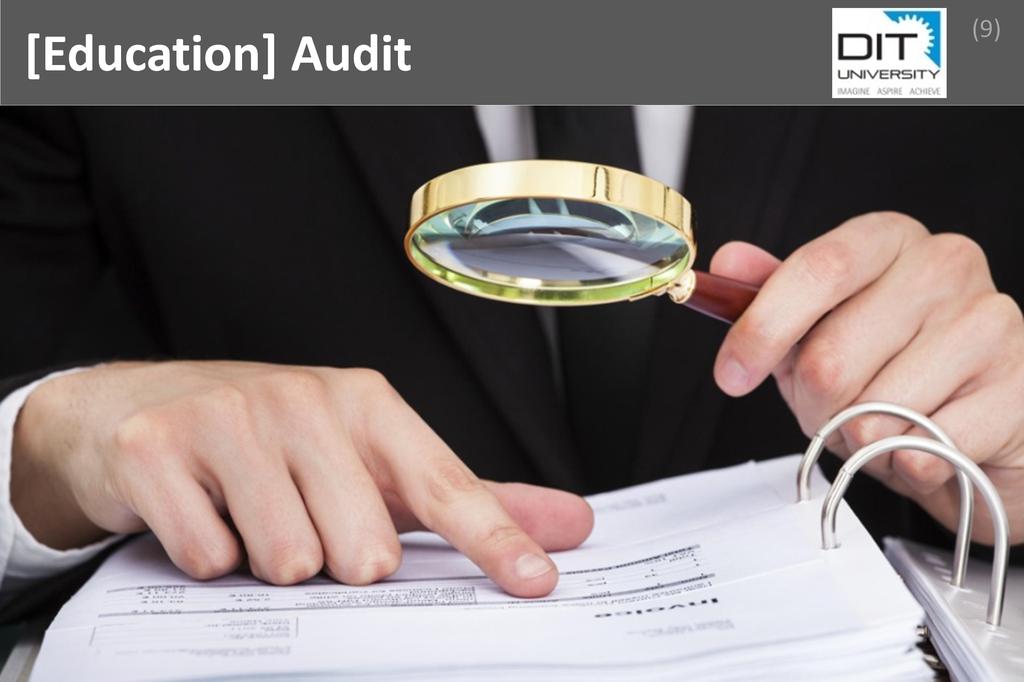
Audit is a systematic examination and evaluation of financial statements, records, and operations to ensure accuracy, compliance, and fairness. In Chartered Accountancy, audit forms a core discipline, bridging theoretical knowledge and practical application, and is essential for verifying the integrity of financial information in both academic studies and professional practice.
Understanding audit is fundamental for anyone pursuing Chartered Accountancy, as it underpins the trust and reliability placed on financial information by stakeholders. Mastery of audit principles enables professionals to assess internal controls, detect errors or fraud, and ensure compliance with laws and standards. This knowledge is not only crucial for passing professional exams but also forms the backbone of advisory and assurance services offered by Chartered Accountants. Over the long term, expertise in audit enhances credibility, opens doors to senior roles in finance and governance, and equips professionals to adapt to evolving regulatory environments. The analytical and ethical skills developed through audit training are highly valued across industries, making it a cornerstone of a successful career in accountancy.
Consider a Chartered Accountant working in a mid-sized manufacturing firm who is tasked with conducting an internal audit. Drawing on their theoretical understanding, the professional systematically reviews the company’s procurement process, checks supporting documentation, and evaluates whether purchases are authorized and recorded accurately. By applying audit procedures, they identify discrepancies in supplier payments and recommend improvements to internal controls, reducing the risk of future errors or fraud. This practical application not only safeguards the company’s assets but also demonstrates the value of audit expertise in enhancing operational efficiency and ensuring regulatory compliance. Such real-world scenarios highlight how audit knowledge is integral to daily decision-making and organizational integrity.
Management Accounting
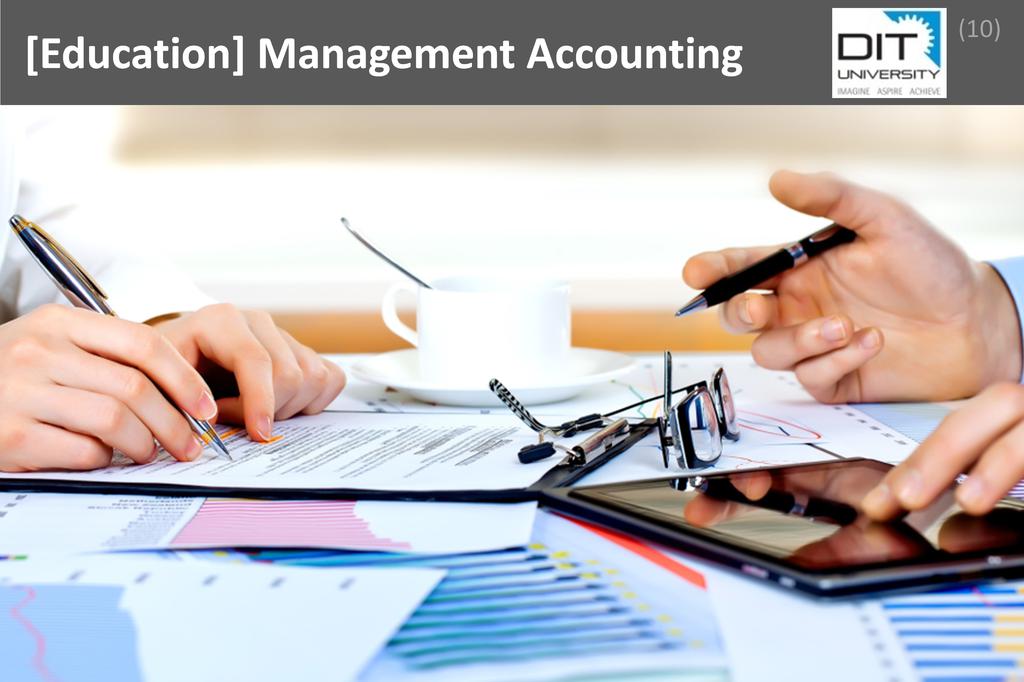
Management Accounting is the process of preparing, analyzing, and interpreting financial and non-financial information to assist management in planning, decision-making, and control. It bridges the gap between accounting theory and business practice, making it an essential component of the Chartered Accountancy curriculum and a core skill for professional accountants.
Understanding management accounting is crucial for anyone pursuing or practicing Chartered Accountancy because it equips professionals with the analytical tools needed to support strategic business decisions. This subject forms the backbone of effective financial planning, budgeting, and performance evaluation within organizations. Mastery of management accounting enables Chartered Accountants to provide valuable insights that drive efficiency, cost control, and profitability. Over the course of a career, these skills not only enhance one’s ability to interpret and communicate financial data but also position professionals as trusted advisors to management. The ability to translate complex data into actionable business strategies ensures long-term career growth and relevance in a rapidly evolving financial landscape.
Consider a Chartered Accountant working in a manufacturing company who is tasked with improving profitability. By applying management accounting techniques, the professional analyzes cost structures, identifies inefficiencies in production, and evaluates the financial impact of various operational changes. Using tools such as variance analysis and budgeting, the accountant recommends adjustments to resource allocation and pricing strategies. These recommendations, grounded in management accounting principles, help the company reduce waste, optimize spending, and enhance overall profitability. In this way, the Chartered Accountant’s expertise in management accounting directly contributes to informed decision-making and the achievement of organizational objectives on a daily basis.
Costing

Costing is the systematic process of determining and analyzing the costs associated with producing goods or providing services. It involves collecting, classifying, recording, and allocating expenses to ascertain the total and per-unit cost. In Chartered Accountancy, costing is fundamental for financial decision-making, budgeting, and performance evaluation.
Understanding costing is essential for anyone pursuing or working in Chartered Accountancy because it underpins many critical business decisions. Mastery of costing equips professionals to analyze cost structures, identify inefficiencies, and recommend strategies for cost control and profit maximization. This knowledge is not only crucial for preparing accurate financial statements but also for advising clients on pricing, budgeting, and resource allocation. Over the course of a career, expertise in costing enables Chartered Accountants to contribute meaningfully to strategic planning, support management with actionable insights, and enhance their value as trusted advisors. The ability to interpret and apply costing information is a core competency that distinguishes successful professionals in the field.
Consider a Chartered Accountant working in a manufacturing company who is tasked with evaluating the profitability of a new product line. By applying their knowledge of costing, the accountant meticulously tracks all direct and indirect expenses, including materials, labor, and overheads, associated with the product. They analyze this data to determine the actual cost per unit and compare it with the projected selling price. This analysis enables the accountant to advise management on whether the product will be profitable, suggest areas for cost reduction, and ensure that pricing strategies align with the company’s financial goals. Such practical application of costing principles is integral to informed business decision-making and long-term organizational success.
Laws

Laws refer to the system of rules and regulations established by a governing authority to maintain order, resolve disputes, and protect rights within a society. For Chartered Accountancy, laws encompass statutes, regulations, and legal principles that govern financial reporting, taxation, business operations, and professional conduct.
Understanding laws is essential for anyone pursuing or practicing Chartered Accountancy because it forms the backbone of ethical and compliant financial management. Accountants must navigate complex legal frameworks that dictate how businesses operate, report financial information, and fulfill tax obligations. Mastery of legal concepts ensures that professionals can interpret statutes, apply regulatory requirements, and advise clients accurately. This knowledge not only safeguards organizations from legal pitfalls but also enhances the credibility and trustworthiness of the accountant. Over the long term, a strong grasp of laws empowers Chartered Accountants to take on advisory roles, handle audits, and represent clients in legal matters, thereby broadening their career opportunities and professional influence.
Consider a Chartered Accountant working with a corporate client undergoing a merger. The accountant must apply their understanding of company law to ensure that the merger complies with statutory requirements, such as shareholder approvals and regulatory filings. They review contracts, assess the legality of financial arrangements, and advise on the tax implications of the transaction. By leveraging their knowledge of laws, the accountant helps the client avoid legal disputes, ensures transparency in financial disclosures, and facilitates a smooth transition. This practical application of legal principles not only protects the client’s interests but also demonstrates the indispensable role of legal expertise in the daily responsibilities of a Chartered Accountant.
Skills
Data Mining & Handling

Data Mining & Handling refers to the process of collecting, organizing, analyzing, and interpreting large volumes of financial and non-financial data to extract meaningful insights and patterns. In Chartered Accountancy, this skill enables professionals to make informed decisions, detect anomalies, and provide strategic advice, enhancing overall business performance and compliance.
Mastering Data Mining & Handling significantly elevates a Chartered Accountant’s ability to deliver precise and actionable insights. By efficiently sifting through vast datasets, professionals can identify trends, forecast financial outcomes, and uncover irregularities that might otherwise go unnoticed. Clients and employers highly value this skill because it leads to more accurate reporting, better risk management, and stronger compliance with regulatory standards. To cultivate this expertise, one should engage in continuous learning, stay updated with the latest analytical tools, and practice interpreting complex datasets. Over time, hands-on experience with real-world data and ongoing professional development ensure that Chartered Accountants remain adept at leveraging data for maximum impact.
Imagine a Chartered Accountant tasked with auditing a multinational corporation’s financial records. The company’s transactions span multiple countries and currencies, resulting in millions of data points. By applying Data Mining & Handling techniques, the accountant efficiently consolidates and analyzes this vast information, quickly identifying unusual transactions that signal potential fraud. Through advanced data analysis, the professional not only uncovers discrepancies but also provides the client with actionable recommendations to strengthen internal controls. This proactive approach not only resolves the immediate issue but also enhances the client’s trust and positions the accountant as a valuable strategic advisor, demonstrating the indispensable role of Data Mining & Handling in modern accountancy.
Oratory Skills

Oratory skills refer to the ability to speak clearly, confidently, and persuasively in public or professional settings. This includes organizing thoughts, articulating complex ideas, and engaging listeners effectively. For a Chartered Accountant, oratory skills are vital for communicating financial insights, influencing decisions, and building trust with clients and colleagues.
Oratory skills directly enhance a Chartered Accountant’s performance by enabling them to present complex financial data in a manner that is accessible and compelling to diverse audiences. Clients and employers highly value professionals who can explain intricate regulations, justify recommendations, and negotiate effectively. Strong oratory skills foster confidence, credibility, and leadership, making it easier to manage teams and win client trust. To cultivate these skills, individuals should seek opportunities for public speaking, participate in professional forums, and solicit feedback to refine their delivery. Continuous practice, coupled with learning from experienced speakers, helps Chartered Accountants become more persuasive and impactful communicators over time.
Imagine a Chartered Accountant tasked with presenting the results of a critical audit to a company’s board of directors. The findings reveal significant compliance issues that could affect the company’s reputation and finances. Relying on strong oratory skills, the professional clearly explains the technical details, anticipates questions, and addresses concerns with confidence. By articulating the risks and proposed solutions in a calm and persuasive manner, the accountant not only ensures the board understands the urgency but also gains their support for corrective actions. This effective communication averts potential misunderstandings, secures buy-in for necessary changes, and demonstrates the accountant’s value as a trusted advisor.
Reading & Analytical Skills

Reading & Analytical Skills refer to the ability to comprehend complex information, interpret data, and draw logical conclusions from various sources. In Chartered Accountancy, these skills enable professionals to understand intricate financial documents, regulations, and reports, forming the foundation for accurate analysis, sound judgment, and effective decision-making in their daily responsibilities.
Mastering Reading & Analytical Skills directly enhances a Chartered Accountant’s ability to interpret financial statements, audit reports, and regulatory guidelines with precision. Clients and employers highly value these skills because they ensure accuracy, compliance, and insightful recommendations, which are crucial for maintaining trust and meeting legal obligations. To cultivate these abilities, professionals should engage in regular reading of industry literature, practice dissecting complex case studies, and seek feedback on their analytical approaches. Over time, consistent exposure to diverse financial scenarios and reflective learning help sharpen both comprehension and critical thinking, making these skills second nature in high-pressure environments.
Imagine a Chartered Accountant tasked with investigating discrepancies in a company’s annual financial statements. By meticulously reading through transaction records, contracts, and audit trails, the professional identifies subtle inconsistencies that point to potential fraud. Applying analytical skills, they piece together the timeline and financial impact, ultimately presenting a clear, evidence-based report to management. This not only resolves the immediate issue but also strengthens internal controls, demonstrating the indispensable value of strong Reading & Analytical Skills in safeguarding organizational integrity and achieving successful outcomes in complex situations.
Updating Yourself with Case Laws

Updating yourself with case laws means consistently tracking, studying, and understanding recent judicial decisions relevant to accounting, taxation, and financial regulations. This ongoing process ensures that Chartered Accountancy professionals remain informed about legal precedents, enabling them to interpret laws accurately and provide compliant, up-to-date advice in a rapidly evolving regulatory environment.
Mastering the ability to update oneself with case laws directly enhances a Chartered Accountant’s analytical and advisory capabilities. By staying current with judicial rulings, professionals can anticipate regulatory shifts and interpret complex statutes with greater clarity. Clients and employers highly value this skill because it minimizes legal risks, ensures compliance, and fosters trust in the accountant’s expertise. Cultivating this skill involves regularly reviewing legal databases, subscribing to professional journals, attending seminars, and participating in peer discussions. Over time, this habit not only sharpens legal acumen but also positions the professional as a reliable resource for interpreting and applying the latest legal developments in practical business scenarios.
Consider a Chartered Accountant advising a client on a complex tax deduction claim. A recent Supreme Court judgment has clarified the interpretation of a specific provision relevant to the client’s case. By being updated with this case law, the accountant confidently structures the claim in line with the latest legal precedent, ensuring compliance and maximizing the client’s benefit. When the tax authorities scrutinize the claim, the accountant cites the judgment, effectively defending the client’s position and avoiding potential penalties. This scenario highlights how staying updated with case laws not only resolves critical issues but also enhances the professional’s credibility and the client’s trust in their expertise.
Leadership & Team Building

Leadership & Team Building is the ability to inspire, guide, and coordinate a group of individuals toward achieving common goals, while fostering trust, collaboration, and mutual respect. In Chartered Accountancy, this skill enables professionals to manage teams effectively, drive organizational success, and deliver high-quality financial solutions in dynamic environments.
Leadership & Team Building directly enhances performance in Chartered Accountancy by ensuring that complex projects are executed efficiently and accurately. Clients and employers highly value this skill because it leads to better communication, higher morale, and more innovative problem-solving within teams. A Chartered Accountant who leads well can delegate tasks appropriately, motivate colleagues, and resolve conflicts swiftly, resulting in smoother workflows and superior client service. Cultivating this skill involves seeking feedback, learning from experienced mentors, participating in team-based projects, and continuously reflecting on one’s leadership style. Over time, consistent practice and a willingness to adapt help professionals become more effective leaders, which is crucial for career advancement in the accounting field.
Imagine a Chartered Accountant leading an audit team during a high-stakes financial review for a major client. Midway through the project, the team encounters discrepancies in the client’s records, causing stress and uncertainty. Relying on strong Leadership & Team Building skills, the Chartered Accountant quickly organizes a meeting to address concerns, assigns roles based on each member’s strengths, and fosters open communication to brainstorm solutions. By maintaining a calm and supportive environment, the leader encourages the team to collaborate effectively, ensuring that the discrepancies are resolved efficiently and the audit is completed on time. This not only preserves the client’s trust but also strengthens the team’s cohesion and confidence for future challenges.
Soft Skills

Soft skills refer to a set of personal attributes, communication abilities, emotional intelligence, and interpersonal skills that enable individuals to interact effectively and harmoniously with others. In the context of Chartered Accountancy, soft skills complement technical expertise by fostering collaboration, building trust with clients, and facilitating clear, persuasive communication.
Soft skills directly enhance a Chartered Accountant’s performance by enabling them to explain complex financial information in an accessible manner, negotiate effectively, and manage client relationships with empathy and professionalism. Employers and clients highly value these abilities because they lead to smoother project execution, fewer misunderstandings, and stronger professional relationships. Over time, soft skills can be cultivated through conscious self-reflection, seeking feedback, participating in workshops, and engaging in diverse team environments. By consistently practicing active listening, clear communication, and adaptability, Chartered Accountants can refine these skills, making themselves indispensable assets to their organizations and clients.
Imagine a Chartered Accountant working with a client facing a significant financial audit. The client is anxious and overwhelmed by regulatory requirements. The accountant uses strong soft skills to calmly explain the audit process, address concerns with empathy, and break down technical jargon into understandable terms. By actively listening to the client’s worries and responding with patience and clarity, the accountant builds trust and reassures the client. This approach not only eases the client’s stress but also ensures that all necessary information is gathered efficiently, leading to a successful audit outcome. The accountant’s ability to communicate effectively and demonstrate understanding becomes the key factor in resolving the issue and achieving client satisfaction.
Drafting Skills

Drafting skills refer to the ability to compose clear, precise, and legally sound documents, including reports, contracts, letters, and agreements, tailored to specific professional contexts. In Chartered Accountancy, these skills are vital for communicating complex financial information, ensuring compliance, and protecting clients’ interests through accurate and effective documentation.
Drafting skills directly enhance a Chartered Accountant’s performance by enabling them to articulate financial findings, recommendations, and legal obligations in a manner that is both understandable and actionable. Clients and employers highly value these skills because well-drafted documents reduce misunderstandings, mitigate risks, and facilitate smoother transactions or audits. To cultivate drafting skills, professionals should practice writing various financial and legal documents, seek feedback from mentors, and stay updated on regulatory changes and industry standards. Over time, consistent exposure to real-world scenarios and a commitment to clarity and accuracy help refine this core competency, making Chartered Accountants more reliable and effective in their roles.
Consider a Chartered Accountant tasked with preparing a shareholder agreement for a new business venture. The agreement must clearly define each party’s rights, responsibilities, and profit-sharing arrangements while ensuring compliance with relevant laws. By leveraging strong drafting skills, the accountant creates a document that leaves no room for ambiguity, addresses potential areas of dispute, and satisfies all regulatory requirements. This not only protects the interests of all parties involved but also builds trust in the accountant’s expertise. In this scenario, the ability to draft meticulously ensures the venture’s smooth launch and long-term stability, demonstrating the critical role drafting skills play in achieving professional success.
Positives
Monetary Potential

Monetary Potential refers to the capacity of a profession to provide substantial financial rewards, competitive salaries, and opportunities for wealth accumulation over time. In Chartered Accountancy, this potential is a driving force, offering professionals the chance to achieve financial stability, enjoy upward mobility, and secure a prosperous future for themselves and their families.
The monetary potential in Chartered Accountancy is a significant motivator for many aspiring professionals. High earning prospects not only attract top talent to the field but also foster a sense of accomplishment and security. As Chartered Accountants progress in their careers, they often see their compensation increase in line with their expertise and responsibilities. This financial growth directly enhances job satisfaction, as professionals feel their hard work and dedication are tangibly rewarded. The promise of lucrative salaries and bonuses also encourages continuous learning and skill development, fueling both personal and professional growth. On a daily basis, Chartered Accountants experience the benefits of monetary potential through competitive paychecks, performance incentives, and the ability to plan confidently for their financial future.
Consider Priya, a Chartered Accountant working at a leading multinational firm. Early in her career, she was able to pay off her student loans within a few years, thanks to her competitive salary. As she gained experience and took on more complex projects, her compensation package grew to include performance bonuses and stock options. This financial stability allowed her to invest in property, support her family, and pursue personal interests without financial stress. Priya’s journey illustrates how the monetary potential of Chartered Accountancy not only rewards expertise and dedication but also empowers professionals to achieve their life goals, making every milestone in their career deeply fulfilling.
Moderate Competition

Moderate competition refers to a balanced level of rivalry among professionals, where opportunities are accessible but still require effort and skill to attain. In Chartered Accountancy, this means the field is neither oversaturated nor too exclusive, allowing dedicated individuals to thrive while maintaining a healthy drive for excellence and continuous improvement.
The presence of moderate competition in Chartered Accountancy creates an environment where professionals can pursue growth without the overwhelming pressure often found in highly saturated fields. This balance encourages individuals to develop their expertise and strive for advancement, knowing that their hard work will be recognized and rewarded. As a result, job satisfaction increases because achievements feel earned and meaningful, rather than the product of relentless struggle or mere luck. Professionals experience a sense of community and mutual respect, as colleagues support each other’s progress while still pushing themselves to excel. This atmosphere fosters both personal and professional development, making Chartered Accountancy a fulfilling and sustainable career choice.
Imagine a Chartered Accountant working in a mid-sized firm, where the number of qualified peers is sufficient to inspire healthy ambition but not so large as to create cutthroat rivalry. She finds that opportunities for promotion and specialization are within reach for those who demonstrate commitment and skill. Instead of feeling overwhelmed by constant competition, she collaborates with colleagues, shares knowledge, and receives mentorship from senior professionals. This supportive yet motivating environment allows her to steadily advance in her career, take on challenging projects, and build lasting professional relationships. The moderate competition she experiences daily not only drives her to improve but also ensures her efforts are genuinely valued and rewarded.
Pride & Recognition

Pride & Recognition refers to the deep sense of accomplishment and esteem that comes from mastering a respected profession and being acknowledged by peers, clients, and society. In Chartered Accountancy, this positive force elevates self-worth, motivates excellence, and fosters a culture where achievements are celebrated and valued by others.
The pride and recognition associated with Chartered Accountancy significantly enhance job satisfaction and career growth. Professionals in this field are often regarded as trusted advisors and experts, which instills a strong sense of purpose and belonging. This recognition from colleagues, clients, and the wider community not only boosts morale but also encourages continuous learning and professional development. The daily experience of being valued for one’s expertise and ethical standards creates a motivating environment, where individuals are inspired to uphold the highest standards of integrity and performance. Over time, this positive feedback loop leads to greater confidence, career advancement, and a lasting sense of fulfillment.
Imagine a Chartered Accountant who successfully guides a struggling business through a complex financial restructuring. The company’s leadership publicly acknowledges the accountant’s pivotal role in saving jobs and restoring stability. Colleagues express admiration for the technical skill and ethical judgment displayed. Clients begin to seek out the accountant’s expertise, and the professional’s reputation grows within the industry. Each day, the accountant feels a renewed sense of pride in making a tangible difference, and the recognition received becomes a powerful motivator to continue striving for excellence. This real-world scenario highlights how pride and recognition are not just abstract concepts, but lived experiences that enrich a Chartered Accountant’s career.
Strong Social Network

A strong social network refers to the web of professional relationships, connections, and collaborations that a chartered accountant builds throughout their career. This network includes colleagues, mentors, clients, industry peers, and professional associations, all of whom provide support, guidance, opportunities, and shared knowledge, enriching both personal and professional growth.
The presence of a strong social network in chartered accountancy significantly enhances job satisfaction and career growth. Through regular interactions with a diverse group of professionals, chartered accountants gain access to valuable insights, industry trends, and best practices. This ongoing exchange of ideas fosters continuous learning and problem-solving, making daily work more engaging and less isolating. Networking also opens doors to new opportunities, such as career advancement, business partnerships, and client referrals, which are crucial in a competitive field. The sense of belonging to a supportive community helps professionals navigate challenges with confidence and resilience, ultimately leading to greater fulfillment and long-term success in their careers.
Imagine a chartered accountant working in a mid-sized firm who faces a complex client issue involving international tax regulations. Drawing upon their strong social network, they reach out to a former colleague now specializing in global taxation. Through this connection, they receive timely advice and practical solutions, enabling them to resolve the client’s problem efficiently. This collaborative experience not only strengthens their relationship with the client but also deepens their bond with their professional network. The accountant feels a sense of accomplishment and gratitude, knowing that their connections have directly contributed to their success and professional growth, making their career in chartered accountancy both rewarding and inspiring.
Challenges
High Expectations

High Expectations in Chartered Accountancy refer to the constant pressure to deliver flawless work, uphold ethical standards, and provide expert guidance, often under tight deadlines. Clients, employers, and regulatory bodies rely on Chartered Accountants for accuracy and trustworthiness, making the profession both highly respected and exceptionally demanding.
The weight of high expectations can permeate every aspect of a Chartered Accountant’s daily work, from preparing complex financial statements to advising on regulatory compliance. This pressure can lead to stress, long hours, and the fear of making mistakes. Resilience becomes essential, as professionals must maintain composure and clarity under scrutiny. Successful Chartered Accountants manage these demands by prioritizing tasks, seeking mentorship, and continuously updating their knowledge. They also cultivate strong communication skills to set realistic expectations with clients and colleagues, ensuring transparency about timelines and deliverables. By balancing technical expertise with emotional intelligence, they transform high expectations into opportunities for professional growth and trust-building.
Consider a Chartered Accountant working for a mid-sized firm during the financial year-end. The client expects a rapid turnaround on audited statements, while regulatory changes require additional disclosures. Instead of succumbing to the mounting pressure, the professional communicates proactively with the client, explaining the impact of new regulations on timelines. By delegating routine tasks to junior staff and focusing on critical areas, the accountant ensures accuracy and compliance. Regular updates reassure the client, and the final deliverable meets both quality and deadline expectations. Through effective time management, clear communication, and strategic delegation, the Chartered Accountant not only meets high expectations but also strengthens client trust and professional reputation.
Knowledge Upgradation

Knowledge Upgradation in Chartered Accountancy refers to the continuous process of acquiring new information, skills, and competencies to keep pace with evolving accounting standards, tax laws, regulatory frameworks, and technological advancements. This is demanding because the profession is highly dynamic, requiring constant learning to maintain accuracy, compliance, and professional relevance.
The challenge of knowledge upgradation significantly impacts the daily work of chartered accountants, as outdated knowledge can lead to errors, non-compliance, and loss of client trust. The relentless pace of regulatory and technological changes means professionals must dedicate time and effort outside of routine tasks to stay updated. This ongoing demand can be overwhelming, requiring resilience and adaptability. Successful professionals manage this constraint by integrating learning into their regular workflow, attending seminars, leveraging digital resources, and participating in peer discussions. They view learning as an essential part of their professional identity, enabling them to anticipate changes, provide informed advice, and maintain a competitive edge in the industry.
Consider a chartered accountant working in a mid-sized firm who faces the introduction of a new Goods and Services Tax (GST) regulation. Rather than viewing this as a disruptive burden, the professional proactively enrolls in a specialized online course, participates in webinars, and collaborates with colleagues to interpret the practical implications of the new law. By allocating time each week to review updates and discuss case studies, the accountant not only ensures compliance for clients but also becomes a go-to resource within the firm. This approach transforms the challenge of knowledge upgradation into an opportunity for professional growth and enhanced client service.
Socio-Economic Policies

Socio-Economic Policies in Chartered Accountancy refer to government-driven regulations and initiatives that influence economic behavior, such as tax reforms, subsidies, and social welfare programs. These policies are demanding because they frequently change, require complex interpretation, and directly impact financial reporting, compliance, and advisory responsibilities for chartered accountants.
The dynamic nature of socio-economic policies means that chartered accountants must constantly adapt to new regulations, which can disrupt established processes and increase the risk of non-compliance. This challenge affects daily work by requiring ongoing education, rapid assimilation of policy changes, and the ability to interpret ambiguous guidelines. The pressure to deliver accurate advice under uncertainty demands resilience and a proactive mindset. Successful professionals manage these constraints by staying informed through continuous professional development, leveraging expert networks, and cultivating strong analytical skills. They also foster open communication with clients and stakeholders, ensuring that everyone understands the implications of policy changes and can respond effectively. This adaptability not only safeguards compliance but also enhances the value accountants provide to their organizations.
Consider a chartered accountant working with a manufacturing firm during the introduction of a new government subsidy aimed at promoting green technology. The policy’s eligibility criteria and reporting requirements are complex and subject to frequent updates. The accountant proactively attends regulatory briefings and consults with industry peers to fully understand the implications. By meticulously analyzing the policy details and maintaining clear communication with both the client and regulatory authorities, the accountant ensures the company qualifies for the subsidy without falling foul of compliance issues. This approach not only secures financial benefits for the client but also demonstrates the accountant’s ability to navigate the uncertainties of socio-economic policies, reinforcing their role as a trusted advisor.
Low Pass Percentage

Low Pass Percentage in Chartered Accountancy refers to the consistently small proportion of candidates who clear each examination attempt. This demanding statistic reflects the rigorous standards, vast syllabus, and high expectations of the profession, making it a significant hurdle for aspirants and professionals striving to achieve and maintain their credentials.
The challenge of a low pass percentage extends beyond exam halls, influencing the daily mindset and work ethic of Chartered Accountancy professionals. The constant pressure to meet high standards can lead to stress, self-doubt, and even burnout. However, this environment also cultivates resilience, adaptability, and a strong commitment to continuous learning. Successful professionals manage this constraint by developing disciplined study routines, seeking mentorship, and embracing a growth mindset. They learn to view setbacks as opportunities for improvement rather than failures, which helps them persist through repeated attempts. By fostering a supportive network and maintaining focus on long-term goals, they transform the daunting pass rates into motivation for personal and professional growth.
Consider the journey of a young Chartered Accountancy aspirant who, after failing the final exam twice, chose not to be discouraged by the low pass percentage. Instead, she analyzed her weaknesses, sought guidance from experienced mentors, and adjusted her study techniques. She balanced her articleship responsibilities with a renewed focus on exam preparation, dedicating time each day to targeted revision and mock tests. Through perseverance and adaptability, she eventually cleared the exam on her third attempt. This experience not only strengthened her technical knowledge but also instilled a deep sense of resilience, which she now applies in her professional life when facing complex audits and tight deadlines.
A Day Of
Chartered Accountancy
In the world of Chartered Accountancy, the day begins before the city fully wakes, and the pace rarely slows until well after dusk. The environment is a blend of quiet concentration and dynamic collaboration, where precision and adaptability are equally prized. Each day brings a fresh set of challenges—balancing client expectations, regulatory demands, and the ever-ticking clock. Whether navigating complex audits, advising on tax strategies, or decoding the latest financial regulations, a Chartered Accountant’s workday is a masterclass in multitasking, problem-solving, and strategic thinking.
As the sun rises, a Chartered Accountant often starts the day with a moment of calm, reviewing emails and scanning the latest financial news to anticipate any market shifts that could impact clients. This early hour is reserved for organizing the day’s priorities, double-checking schedules, and preparing essential documents for meetings and client calls. The quiet of the morning offers a rare opportunity to focus on complex reconciliations or to finalize reports that require undisturbed attention before the office buzz begins.
By mid-morning, the tempo accelerates as the core activities take center stage. This is when Chartered Accountants dive into audits, scrutinizing financial statements, verifying compliance, and engaging directly with clients to clarify discrepancies or gather additional information. The work demands sharp analytical skills and clear communication, as every detail must be meticulously examined and explained. Whether working on-site with a client or connecting virtually, this period is marked by intense focus and the need to balance accuracy with efficiency.
The afternoon ushers in a wave of collaboration, with meetings that bring together colleagues from tax, audit, and advisory teams to strategize on complex cases or brainstorm solutions for clients. Chartered Accountants may present findings, discuss regulatory updates, or coordinate with legal and IT departments to ensure seamless execution of financial strategies. This is also the time for hands-on tasks, such as implementing new accounting software, training junior staff, or resolving urgent client queries that require immediate attention.
As the day winds down, attention shifts to wrapping up outstanding tasks and setting the stage for tomorrow. Chartered Accountants review the day’s achievements, update client files, and draft follow-up emails summarizing key decisions or next steps. There is often time set aside for researching new regulations or industry trends, ensuring that advice remains current and compliant. Before logging off, a final scan of the to-do list helps prioritize the next day’s agenda, maintaining the delicate balance between immediate deadlines and long-term professional growth. |


 Home
Home Abroad
 Plan
Plan Philosophy
 Seminar
 Pages
Pages Advisors
 Testimonials
























 Workshop
 Discuss
 Meet
Meet
 Advisor
 Story
Story
 Fine Print
 Links
Links
 Blog
Blog
 Follow
