The Journey of Corps of Engineers
What Is Corps of Engineers
Corps of Engineers

The Corps of Engineers is a specialized branch, often within military or governmental organizations, responsible for designing, constructing, and maintaining infrastructure projects. These professionals manage civil and military engineering tasks, including building roads, bridges, dams, and flood control systems, ensuring both public safety and operational readiness in diverse environments.
The Corps of Engineers plays a vital role in shaping and maintaining the infrastructure that supports both civilian life and military operations. For professionals, this field offers the opportunity to work on projects that have lasting societal impact, such as disaster relief, environmental restoration, and national defense. One major benefit is the chance to develop advanced technical and leadership skills while working on complex, large-scale projects. Another advantage is the sense of purpose that comes from contributing to public safety and national security. Additionally, professionals in this field often enjoy job stability and opportunities for career advancement due to the essential nature of their work.
A professional in the Corps of Engineers might be tasked with leading a team to rebuild critical infrastructure after a natural disaster, such as a hurricane or flood. In this scenario, the engineer would assess the damage, design effective solutions, and oversee the construction of new levees, roads, and bridges to restore essential services to affected communities. Throughout the process, the engineer collaborates with local authorities, manages resources, and ensures that all work meets safety and environmental standards. This real-world application demonstrates how the Corps of Engineers combines technical expertise, project management, and public service to address urgent challenges and improve community resilience.
Education
Current Affairs

Current Affairs refers to the ongoing events, developments, and issues happening locally, nationally, and globally across various domains such as politics, economics, science, environment, and technology. For the Corps of Engineers, understanding current affairs is essential as it bridges academic knowledge with real-world applications and informs professional decision-making.
A solid grasp of current affairs is indispensable for anyone preparing for or working in the Corps of Engineers. This knowledge enables professionals to stay informed about policy changes, technological advancements, and global trends that directly impact engineering projects and operations. Awareness of current events helps engineers anticipate challenges, adapt to regulatory shifts, and align their work with national priorities. It also fosters critical thinking and situational awareness, which are crucial for effective leadership and problem-solving. Over the long term, professionals who consistently engage with current affairs are better equipped to innovate, collaborate across disciplines, and contribute meaningfully to the evolving needs of society and the nation.
Consider an engineer in the Corps tasked with designing flood control systems. By staying updated on current affairs, the engineer learns about recent government policies on climate change, new environmental regulations, and emerging technologies in water management. This awareness allows the engineer to incorporate sustainable practices, comply with legal requirements, and leverage innovative solutions. For instance, if a new international agreement mandates stricter environmental standards, the engineer can proactively adjust project plans to meet these criteria, ensuring both compliance and long-term project viability. In daily operations, this integration of current affairs knowledge leads to more resilient infrastructure and demonstrates the Corps’ commitment to responsible engineering in a rapidly changing world.
Military History

Military History is the study of armed conflict, strategies, tactics, technologies, and the evolution of warfare throughout human civilization. For the Corps of Engineers, it provides essential context for understanding how engineering solutions have shaped, and been shaped by, military needs, influencing both academic study and professional practice within the field.
Understanding Military History is vital for those in the Corps of Engineers because it offers insight into the evolution of military engineering, from ancient fortifications to modern infrastructure. This knowledge forms a foundational base, allowing professionals to appreciate the successes and failures of past engineering projects in military contexts. By studying historical campaigns, sieges, and logistical challenges, engineers learn how terrain, technology, and innovation have influenced outcomes. This perspective fosters critical thinking, adaptability, and strategic planning skills, which are essential for addressing contemporary engineering challenges. Over the long term, a strong grasp of Military History enables professionals to anticipate potential obstacles, make informed decisions, and contribute to mission success with a deeper understanding of the broader implications of their work.
Consider a Corps of Engineers officer tasked with constructing a temporary bridge in a conflict zone. Drawing on their knowledge of Military History, the officer recalls historical examples where similar operations succeeded or failed due to factors like enemy tactics, environmental conditions, or logistical constraints. By applying lessons learned from past campaigns—such as the importance of camouflage, rapid deployment, and redundancy—the officer can better anticipate threats and plan accordingly. This historical perspective enables the officer to design and execute the project efficiently, ensuring both the safety of personnel and the success of the mission. In daily operations, such theoretical understanding translates directly into practical, effective engineering solutions under pressure.
IT Exposure

IT Exposure refers to the foundational understanding and practical familiarity with information technology systems, tools, and processes. For Corps of Engineers professionals, it encompasses knowledge of digital platforms, data management, cybersecurity, and software relevant to engineering tasks, forming an essential part of both academic preparation and ongoing professional development.
Understanding IT Exposure is crucial for anyone preparing for or working within the Corps of Engineers because modern engineering projects rely heavily on digital tools and information systems. Mastery of IT concepts enables professionals to efficiently manage project data, collaborate across teams, and ensure the security of sensitive information. As engineering increasingly integrates with advanced technologies such as geographic information systems, computer-aided design, and project management software, a solid grasp of IT Exposure becomes indispensable. This knowledge not only enhances day-to-day productivity but also positions professionals for leadership roles, as they are better equipped to adapt to technological advancements and drive innovation within their teams and organizations.
Consider a Corps of Engineers project manager overseeing the construction of a flood control system. Their understanding of IT Exposure allows them to utilize project management software to track progress, allocate resources, and communicate updates with stakeholders in real time. They also ensure that sensitive project data is securely stored and shared using encrypted platforms, minimizing the risk of data breaches. When unexpected challenges arise, such as a sudden change in weather patterns, the manager leverages geographic information systems to analyze real-time data and adjust project plans accordingly. This practical application of IT Exposure not only streamlines operations but also enhances the overall success and security of the engineering project.
Engineering Design

Engineering Design is a systematic, iterative process used to identify problems, develop solutions, and optimize systems, structures, or products to meet specific needs. Within the Corps of Engineers, it forms a crucial part of both academic study and professional practice, bridging theoretical knowledge with real-world application in engineering projects.
Understanding engineering design is essential for anyone preparing for or working in the Corps of Engineers because it underpins every project, from initial concept to final implementation. Mastery of this subject ensures that professionals can approach complex challenges methodically, considering safety, efficiency, sustainability, and cost-effectiveness. It fosters critical thinking, creativity, and adaptability, all of which are vital for addressing the diverse and evolving demands of military and civil engineering projects. Over the course of a career, a strong foundation in engineering design enhances problem-solving abilities, supports leadership roles, and opens opportunities for innovation. It also ensures that professionals can effectively collaborate with multidisciplinary teams, communicate technical ideas clearly, and deliver solutions that meet both mission objectives and regulatory standards.
Consider a Corps of Engineers officer tasked with designing a flood control system for a vulnerable community. Drawing on their knowledge of engineering design, they begin by analyzing environmental data, assessing risks, and defining project requirements. They then generate multiple design alternatives, evaluating each for feasibility, cost, and long-term sustainability. Throughout the process, they collaborate with hydrologists, environmental scientists, and local stakeholders to refine their approach. By applying engineering design principles, the officer ensures that the final solution not only addresses immediate flood risks but also aligns with broader community needs and regulatory guidelines. This practical application of engineering design transforms theoretical concepts into tangible, life-improving infrastructure.
Skills
Team Work

Team Work is the collaborative effort of a group to achieve a common goal or complete a task in the most effective and efficient way. It involves open communication, mutual respect, shared responsibility, and the ability to leverage each member’s strengths. In the Corps of Engineers, Team Work is indispensable because projects are complex, multidisciplinary, and often require seamless coordination among engineers, technicians, and support staff. The ability to work cohesively ensures that tasks are completed safely, on time, and within budget, making Team Work a cornerstone of professional success in this field.
Team Work directly enhances performance in the Corps of Engineers by fostering an environment where ideas are freely exchanged, problems are solved collaboratively, and individual strengths are maximized for the benefit of the project. Clients and employers highly value this skill because it leads to higher productivity, fewer errors, and more innovative solutions, all of which are critical in engineering projects that often involve high stakes and tight deadlines. Cultivating Team Work involves actively listening to colleagues, being open to feedback, participating in group discussions, and consistently supporting team objectives over individual recognition. Over time, professionals can further develop this skill by seeking diverse team experiences, engaging in cross-functional projects, and reflecting on both successful and challenging collaborations.
Imagine a scenario where a Corps of Engineers team is tasked with repairing a critical levee after severe flooding. The project requires civil engineers, hydrologists, construction managers, and logistics coordinators to work together under intense time pressure. One engineer identifies a potential design flaw, but instead of working in isolation, she brings it to the team’s attention. Through open discussion, the group quickly brainstorms solutions, reallocates resources, and adapts the construction plan. By relying on Team Work, the team not only resolves the issue efficiently but also ensures the safety and stability of the levee, ultimately protecting the surrounding community and earning the trust of stakeholders. This scenario highlights how essential Team Work is in overcoming challenges and achieving mission success.
Personnel Management

Personnel management is the strategic process of recruiting, organizing, developing, and guiding individuals within a team to achieve organizational objectives efficiently and harmoniously. In the Corps of Engineers, this skill ensures that diverse talents are aligned, motivated, and effectively coordinated, enabling successful project execution and fostering a positive work environment.
Mastering personnel management directly enhances performance by ensuring that every team member’s strengths are utilized, conflicts are minimized, and communication flows smoothly. Clients and employers highly value this skill because it leads to higher productivity, timely project completion, and a more resilient workforce. Effective personnel management also reduces turnover and cultivates a culture of trust and accountability, which are crucial in high-stakes engineering environments. To develop this skill, professionals should seek mentorship, pursue formal training in leadership and communication, and gain hands-on experience managing diverse teams. Over time, reflecting on past challenges and successes helps refine one’s approach, making personnel management an evolving and indispensable asset in any Corps of Engineers career.
Imagine a Corps of Engineers project where a tight deadline and unexpected technical challenges threaten to derail progress. The project leader, skilled in personnel management, quickly assesses team strengths and reallocates responsibilities to match expertise with urgent tasks. By fostering open communication, the leader addresses concerns and motivates the team, ensuring everyone feels valued and focused. Through regular check-ins and transparent updates, the leader maintains morale and keeps the project on track. As a result, the team overcomes obstacles, meets the deadline, and delivers quality results, demonstrating how effective personnel management can turn potential setbacks into success and reinforce the reputation of the Corps of Engineers.
Leadership

Leadership is the ability to inspire, guide, and influence individuals or teams toward achieving common goals, while fostering collaboration, accountability, and innovation. In the Corps of Engineers, leadership is vital because professionals must coordinate complex projects, motivate diverse teams, and ensure that objectives are met efficiently and ethically, often under challenging circumstances.
Leadership directly enhances performance in the Corps of Engineers by enabling professionals to manage multidisciplinary teams, resolve conflicts, and make informed decisions under pressure. Clients and employers highly value this skill because it ensures projects are completed on time, within budget, and to the highest standards of quality and safety. Effective leaders build trust, encourage open communication, and adapt to changing project demands, which are essential traits in engineering environments. Cultivating leadership involves seeking mentorship, embracing feedback, taking on challenging assignments, and continuously developing interpersonal and decision-making abilities through training and real-world experiences.
Imagine a Corps of Engineers project manager overseeing the rapid repair of a critical levee after severe flooding. The team faces tight deadlines, resource shortages, and high public scrutiny. By demonstrating strong leadership, the manager communicates a clear vision, delegates tasks based on team strengths, and maintains morale despite setbacks. Through decisive action and transparent communication with stakeholders, the manager ensures that safety protocols are followed and that the project progresses efficiently. This leadership not only resolves the immediate crisis but also strengthens team cohesion and trust, ultimately delivering a successful outcome that protects the community and upholds the Corps’ reputation.
Multitasking

Multitasking is the ability to efficiently manage and execute multiple tasks or responsibilities simultaneously, without compromising the quality or timeliness of each. In the Corps of Engineers, multitasking is a vital skill, enabling professionals to coordinate complex projects, respond to unexpected challenges, and maintain productivity in dynamic, high-pressure environments.
Multitasking directly enhances performance in the Corps of Engineers by allowing professionals to oversee several project components at once, such as managing personnel, monitoring budgets, and ensuring compliance with safety standards. Clients and employers highly value this skill because it leads to greater efficiency, faster problem-solving, and the ability to meet tight deadlines without sacrificing quality. Cultivating multitasking abilities involves practice, prioritization, and the use of organizational tools. Over time, engineers can improve by breaking large tasks into manageable segments, setting clear goals, and regularly assessing their progress. By staying organized and adaptable, professionals can handle overlapping responsibilities and shifting priorities, making themselves indispensable to their teams and projects.
Imagine a Corps of Engineers project manager overseeing the construction of a flood control system during a period of heavy rainfall. While coordinating with contractors on-site, the manager must also communicate with local authorities about safety protocols, review engineering plans for last-minute adjustments, and respond to urgent emails from stakeholders. Simultaneously, the manager tracks supply deliveries and ensures that all team members adhere to environmental regulations. By effectively multitasking, the project manager keeps the construction on schedule, addresses safety concerns in real time, and maintains clear communication with all parties involved. This ability to juggle multiple critical tasks ensures the project’s success, even under intense pressure and rapidly changing conditions.
Self Dependency
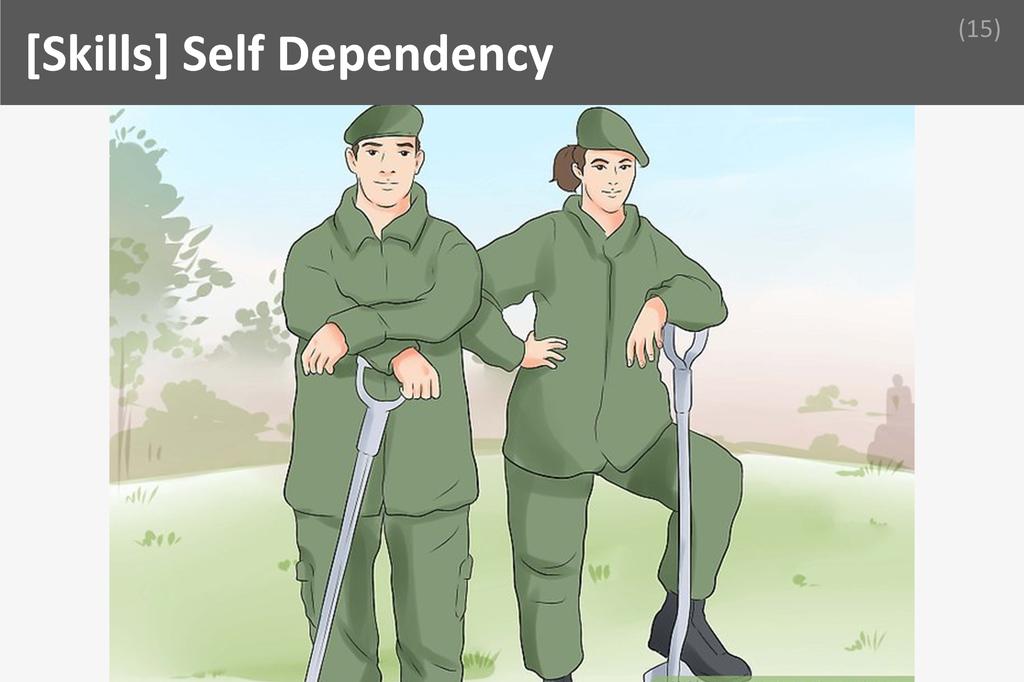
Self Dependency is the ability to independently manage tasks, make informed decisions, and solve problems without excessive reliance on others. It involves taking initiative, demonstrating accountability, and maintaining confidence in one’s skills and judgment. In the Corps of Engineers, self dependency empowers professionals to handle complex challenges efficiently and reliably.
Self dependency directly enhances performance by enabling engineers to address unexpected issues, adapt to changing project requirements, and maintain productivity even in high-pressure environments. Clients and employers highly value this trait because it ensures that projects progress smoothly, deadlines are met, and resources are used efficiently. Cultivating self dependency involves seeking out learning opportunities, embracing responsibility, and reflecting on past experiences to build confidence. Over time, consistently taking initiative and learning from both successes and setbacks strengthens this skill, making professionals more resilient and adaptable in their roles.
Imagine a Corps of Engineers professional overseeing a remote construction site when a critical piece of equipment fails unexpectedly. With limited immediate support available, the engineer draws on self dependency to assess the situation, research potential solutions, and implement a temporary fix using available resources. By independently troubleshooting and resolving the issue, the engineer prevents costly project delays and demonstrates reliability to both the team and clients. This scenario highlights how self dependency not only ensures project continuity but also builds trust and credibility, reinforcing the engineer’s value within the organization.
Discipline

Discipline is the consistent ability to control one’s actions, emotions, and impulses to achieve long-term objectives, even in the face of challenges or distractions. In the Corps of Engineers, discipline forms the backbone of reliability, ensuring that professionals adhere to standards, meet deadlines, and maintain the integrity of complex engineering projects.
Discipline directly enhances performance in the Corps of Engineers by fostering a culture of accountability and precision. Professionals who exhibit discipline are more likely to deliver projects on time, adhere to safety protocols, and maintain high-quality standards, which are all critical in engineering environments. Clients and employers value discipline because it translates to trustworthiness and consistent results, reducing risks and ensuring project success. Cultivating discipline involves setting clear goals, developing routines, and practicing self-control, especially under pressure. Over time, repeated commitment to these habits strengthens one’s ability to stay focused and resilient, even when faced with setbacks or demanding workloads.
Imagine a Corps of Engineers officer overseeing the construction of a flood barrier during an emergency. With severe weather approaching, the team faces tight deadlines and mounting pressure. The officer’s discipline ensures that every safety check is performed, resources are allocated efficiently, and no shortcuts are taken despite the urgency. By maintaining strict adherence to protocols and schedules, the officer prevents costly mistakes and ensures the barrier is completed on time, ultimately protecting the community from disaster. This scenario highlights how discipline enables professionals to remain steadfast, make sound decisions, and achieve mission-critical objectives, even in high-stress situations.
Positives
Travelling

Travelling refers to the opportunity to journey to diverse locations, both within the country and internationally, as part of one’s professional duties. In the Corps of Engineers, travelling means engaging with new environments, cultures, and challenges, which broadens perspectives and enhances adaptability. This dynamic aspect enriches both personal and professional growth.
The chance to travel is a defining feature of a career in the Corps of Engineers, offering a unique blend of adventure and professional development. Exposure to different regions allows engineers to tackle a wide variety of projects, from infrastructure development in remote areas to disaster relief in foreign lands. This constant movement fosters adaptability, cultural awareness, and problem-solving skills, making each day exciting and unpredictable. Travelling also strengthens camaraderie among team members, as shared experiences in new settings create lasting bonds. The ever-changing work environment keeps motivation high and prevents monotony, ensuring that professionals remain engaged and passionate about their roles. Ultimately, the opportunity to travel not only enhances technical expertise but also cultivates a sense of purpose and fulfillment.
Imagine a Corps of Engineers officer assigned to a flood management project in a remote Himalayan valley. The journey itself is an adventure, involving travel by road, river, and sometimes even on foot. Each day brings new landscapes and interactions with local communities, offering insights into their unique challenges and ways of life. The officer collaborates with local authorities and international experts, applying engineering solutions tailored to the region’s specific needs. This experience not only sharpens technical skills but also builds cultural sensitivity and resilience. The sense of accomplishment that comes from making a tangible difference in such diverse settings is deeply rewarding, making travelling an invaluable aspect of the profession.
Adventurous Life

An "Adventurous Life" is a dynamic existence marked by exploration, challenge, and the pursuit of new experiences beyond routine boundaries. In the Corps of Engineers, this means embracing diverse environments, tackling unpredictable situations, and continuously learning. This spirit of adventure fosters resilience, adaptability, and a profound sense of accomplishment, enriching both personal and professional growth.
The adventurous nature of a career in the Corps of Engineers transforms daily work into a journey of discovery and achievement. Professionals are often stationed in varied locations, from remote construction sites to disaster zones, where each day brings new challenges and learning opportunities. This constant change prevents monotony and keeps motivation high, as engineers witness the tangible impact of their work on communities and infrastructure. The thrill of overcoming obstacles and adapting to unfamiliar circumstances cultivates confidence and a growth mindset. As a result, job satisfaction soars, and individuals develop a unique blend of technical expertise and life skills that propel their careers forward, making every day both meaningful and memorable.
Imagine a Corps of Engineers officer deployed to a flood-affected region, tasked with designing and implementing emergency flood barriers. The environment is unpredictable, requiring quick thinking and innovative solutions. Each day brings new challenges, from navigating difficult terrain to coordinating with local authorities and communities. Despite the demanding conditions, the officer thrives on the excitement and purpose of the mission. The sense of adventure is palpable as they witness the immediate, life-changing impact of their work, knowing their efforts are safeguarding lives and property. This real-world scenario exemplifies how an adventurous life in the Corps of Engineers not only tests professional skills but also delivers deep personal fulfillment and pride.
Personality Development

Personality development is the continuous process of enhancing one’s character, behavior, communication skills, and emotional intelligence to become a more effective, confident, and adaptable individual. In the Corps of Engineers, this growth is vital, as it shapes professionals into resilient leaders who can navigate complex challenges and inspire their teams. Personality development contributes positively to this profession by fostering adaptability, ethical decision-making, and strong interpersonal relationships, all of which are essential for success in dynamic engineering environments.
The emphasis on personality development within the Corps of Engineers transforms routine work into a journey of self-improvement and fulfillment. As engineers collaborate on diverse projects, they are constantly exposed to new ideas, cultures, and problem-solving approaches, which broadens their perspectives and sharpens their interpersonal skills. This ongoing growth not only enhances job satisfaction but also accelerates career advancement, as individuals become more adept at leading teams, managing stress, and making sound decisions under pressure. The daily experience of overcoming obstacles and working with multidisciplinary teams fosters a sense of accomplishment and confidence, making each day both challenging and rewarding. Ultimately, personality development ensures that professionals are not only technically proficient but also well-rounded leaders who can thrive in any situation.
Imagine a young officer in the Corps of Engineers tasked with leading a team to construct a critical bridge in a remote area. Initially, the officer may feel overwhelmed by the technical and logistical challenges, as well as the responsibility of managing a diverse team. Through daily interactions, problem-solving, and adapting to unforeseen circumstances, the officer gradually develops stronger communication skills, emotional resilience, and the ability to motivate others. As the project progresses, the officer’s confidence grows, and the team’s morale improves, resulting in the successful completion of the bridge. This real-world scenario highlights how personality development not only benefits the individual but also leads to collective achievement and lasting professional satisfaction.
Challenges
Harder for Women Officers

"Harder for Women Officers" in the Corps of Engineers refers to the heightened challenges women face due to gender biases, underrepresentation, and increased scrutiny. These officers often encounter skepticism regarding their technical competence and leadership, making it more demanding to earn respect, build authority, and access equal opportunities compared to their male counterparts.
This challenge can affect daily work by creating an environment where women officers must consistently prove their abilities, often working harder to gain the same recognition as their peers. The pressure to perform flawlessly can lead to increased stress and self-doubt, demanding significant resilience and perseverance. Successful professionals manage this constraint by building strong professional networks, seeking mentorship, and demonstrating consistent excellence in their roles. They also develop effective communication skills and assertiveness to advocate for themselves and their teams. By fostering mutual respect and supporting other women in the field, they gradually shift perceptions and contribute to a more inclusive culture, turning adversity into an opportunity for personal and organizational growth.
Consider a woman officer assigned as the project lead for a critical infrastructure development in a remote area. Initially, she faces skepticism from both her team and local stakeholders, who are unaccustomed to women in leadership roles. Instead of being discouraged, she leverages her technical expertise and clear communication to address concerns and demonstrate her capability. She invests time in understanding her team’s strengths, encourages open dialogue, and delivers results ahead of schedule. Through her professionalism and commitment, she earns the respect of her colleagues and superiors, paving the way for future women officers. Her success not only advances the project but also challenges stereotypes, inspiring others to pursue leadership roles within the Corps of Engineers.
Uncertain Family Life

Uncertain Family Life in the Corps of Engineers refers to the unpredictable disruptions and relocations that professionals and their families often face due to project demands, deployments, or emergency responses. This instability challenges personal routines, strains relationships, and complicates long-term planning, making it a particularly demanding aspect of the profession.
The unpredictability of family life can weigh heavily on professionals in the Corps of Engineers, affecting concentration, morale, and overall job satisfaction. Frequent moves or sudden assignments may disrupt children's education, spouses' careers, and family cohesion, requiring significant emotional resilience. Successful professionals address these challenges by fostering open communication within their families, building strong support networks among colleagues, and maintaining flexibility in their personal expectations. They often rely on organizational resources, such as counseling services or family support programs, to ease transitions. By proactively planning for potential disruptions and embracing adaptability, these individuals manage to balance demanding careers with the well-being of their loved ones, turning a potential weakness into a source of strength and unity.
Consider an engineer who, midway through a major infrastructure project, receives orders for an unexpected relocation to support a disaster response effort. With two school-aged children and a spouse with a local job, the family faces immediate upheaval. Drawing on prior experience, the engineer initiates honest discussions at home, involving everyone in decision-making and addressing concerns openly. The family leverages support from the Corps’ relocation assistance program and connects with other families who have faced similar transitions. By maintaining routines where possible and prioritizing time together, they gradually adapt to the new environment. Through resilience, resourcefulness, and mutual support, the engineer not only fulfills professional duties but also preserves family stability and morale.
Striking a Balance

Striking a Balance in the Corps of Engineers means managing the competing demands of technical excellence, project deadlines, regulatory compliance, and stakeholder expectations. This challenge is demanding because it requires professionals to juggle multiple priorities simultaneously, often under tight timelines and with limited resources, while maintaining high standards.
The difficulty of striking a balance in the Corps of Engineers can lead to increased stress, longer working hours, and the risk of burnout as professionals strive to meet diverse and sometimes conflicting requirements. This challenge demands resilience because engineers must adapt quickly to shifting priorities and unexpected obstacles, all while upholding safety and quality standards. Successful professionals manage this constraint by developing strong organizational skills, setting clear priorities, and communicating effectively with team members and stakeholders. They also learn to delegate tasks appropriately and seek support when needed, ensuring that no single responsibility overwhelms their capacity. By maintaining flexibility and focusing on solutions rather than problems, they are able to navigate the complexities of their roles and deliver successful outcomes.
Consider a project manager in the Corps of Engineers overseeing the construction of a flood control system. Faced with tight deadlines, environmental regulations, and community concerns, the manager must balance the technical requirements of the project with the need to address stakeholder input and comply with legal standards. By holding regular coordination meetings, the manager keeps the team aligned and ensures that issues are addressed promptly. When unexpected delays arise, the manager communicates transparently with both the team and external partners, adjusting schedules and reallocating resources as needed. Through proactive planning and open dialogue, the manager successfully delivers the project on time while meeting all regulatory and community expectations, demonstrating the effective management of competing demands.
Physical Changes

Physical Changes in the Corps of Engineers refer to the evolving physical demands placed on professionals due to aging, injuries, or shifting job requirements. These changes are demanding because they can limit mobility, endurance, and strength, directly impacting the ability to perform fieldwork, operate equipment, or adapt to new technologies.
Physical Changes can significantly affect daily work in the Corps of Engineers, especially in roles that require frequent site visits, heavy lifting, or extended periods outdoors. Such demands can lead to fatigue, slower response times, or even increased risk of injury. This challenge requires resilience, as professionals must adapt to their changing capabilities while maintaining high performance. Successful individuals often manage these constraints by embracing adaptive tools, seeking support from colleagues, and prioritizing health and wellness. They may also pursue ongoing training to shift into roles that leverage their expertise without overtaxing their physical limits, demonstrating flexibility and a proactive approach to career longevity.
Consider an experienced field engineer who, after sustaining a knee injury, found it difficult to traverse rugged construction sites. Rather than stepping back from his career, he collaborated with his team to delegate physically demanding tasks and focused on project management and technical oversight. He utilized remote monitoring technology to stay engaged with field operations and mentored younger engineers on-site. By adapting his role and leveraging his extensive knowledge, he continued to contribute meaningfully to the Corps of Engineers, demonstrating that physical changes, while challenging, can be overcome with adaptability and a willingness to embrace new responsibilities.
A Day Of
Corps of Engineers
From the first light of dawn to the quiet hum of evening, a day in the life of a Corps of Engineers professional is a dynamic blend of technical problem-solving, fieldwork, and collaboration. The pace is brisk, driven by the ever-present need to balance precision with progress, whether overseeing a levee inspection, coordinating with contractors, or drafting the next phase of a critical infrastructure project. The environment is a unique intersection of office, outdoors, and construction site, where no two days are ever quite the same, and every decision can ripple out to impact communities and landscapes for generations.
As the sun rises, Corps of Engineers professionals are already reviewing project plans, safety protocols, and field reports over a strong cup of coffee. The early morning is dedicated to checking emails for overnight updates, scanning weather forecasts that could affect site conditions, and ensuring all equipment and documentation are ready for the day’s fieldwork. This is a time for quiet focus, as engineers mentally map out their priorities and prepare to transition from the office to the field.
By mid-morning, the real action begins. Engineers head out to project sites, whether it’s a flood control levee, a navigation lock, or a habitat restoration area. Here, they conduct inspections, assess progress, and troubleshoot unexpected challenges alongside contractors and field crews. The work is hands-on and interactive, requiring quick thinking and clear communication as they evaluate structural integrity, address safety concerns, and ensure compliance with environmental and engineering standards. This is the heart of the day, where technical expertise meets real-world application.
The afternoon brings a shift toward collaboration and execution. Back at the office or in a mobile command trailer, engineers participate in project meetings, update stakeholders, and coordinate with architects, environmental scientists, and local officials. They review data collected from the morning’s site visits, adjust project timelines, and resolve logistical hurdles. The energy is high as teams work together to keep projects on track, balancing immediate needs with long-term goals.
As the day winds down, Corps of Engineers professionals turn their attention to documentation and planning. They compile field notes, finalize reports, and enter data into project management systems. This is also a time for reflection and forward-thinking, as they analyze lessons learned, review regulatory requirements, and outline objectives for the next day. The office grows quieter, but the sense of purpose remains, as each task completed brings the team one step closer to building resilient infrastructure and safeguarding communities. |


 Home
Home Abroad
 Plan
Plan Philosophy
 Seminar
 Pages
Pages Advisors
 Testimonials







 Workshop
 Discuss
 Meet
Meet
 Advisor
 Story
Story
 Fine Print
 Links
Links
 Blog
Blog
 Follow
