The Journey of Indian Army
What Is Indian Army
Indian Army

The Indian Army is the land-based branch and the largest component of the Indian Armed Forces, responsible for safeguarding the nation’s territorial integrity, maintaining peace and security, and conducting humanitarian and disaster relief operations both within India and internationally.
The Indian Army plays a vital role in ensuring national security and stability, making it a cornerstone of India’s defense framework. For professionals serving in the Indian Army, the career offers a sense of pride and purpose, as they contribute directly to the safety and sovereignty of the country. The Army provides structured career progression, extensive training, and opportunities for personal development. Additionally, it offers job security, comprehensive healthcare, and pension benefits, ensuring long-term well-being for its personnel and their families. The camaraderie and discipline fostered in the Army environment also help individuals develop strong leadership and teamwork skills, which are valuable both within and outside the military context.
A young officer commissioned into the Indian Army may be posted to a border region where tensions occasionally arise. In this role, the officer leads a team of soldiers, ensuring the security of the area, conducting regular patrols, and maintaining readiness for any emergency. The officer is responsible for the welfare and training of the troops, making critical decisions under pressure, and coordinating with local authorities during natural disasters or civil unrest. Through these experiences, the officer not only safeguards the nation but also develops resilience, leadership, and crisis management skills, which are essential for a successful and fulfilling career in the Indian Army.
Education
Current Affairs

Current Affairs refers to the ongoing events, developments, and issues of local, national, and international significance. For Indian Army personnel, understanding current affairs is essential as it bridges academic learning with real-world events, ensuring that officers and soldiers remain informed, adaptable, and prepared for dynamic operational environments.
A thorough grasp of current affairs is indispensable for anyone preparing for or serving in the Indian Army. This knowledge enables personnel to comprehend the geopolitical landscape, anticipate potential threats, and make informed decisions in rapidly changing situations. It forms the backbone of strategic thinking, as awareness of political, economic, and social developments directly influences military planning and operations. Moreover, current affairs knowledge is crucial for clearing competitive exams and interviews, where questions often test awareness of recent events. Over the long term, staying updated with current affairs cultivates a habit of continuous learning, enhances leadership qualities, and ensures that army professionals can effectively represent the force in both national and international forums.
Consider an Indian Army officer stationed at a border post during a period of heightened tension between neighboring countries. By staying updated with current affairs, the officer is aware of recent diplomatic exchanges, defense agreements, and regional incidents that could escalate into conflict. This awareness allows the officer to interpret unusual troop movements or changes in local sentiment with greater accuracy, enabling timely and appropriate responses. Furthermore, the officer can brief subordinates effectively, coordinate with allied agencies, and contribute valuable insights during strategic discussions. In this way, the theoretical understanding of current affairs directly translates into operational readiness and effective leadership on the ground.
Leadership Books

Leadership Books refer to a curated collection of texts, manuals, and doctrines that focus on the principles, strategies, and practices of effective leadership. In the context of the Indian Army, these books form an essential part of both academic study and ongoing professional development, shaping officers’ leadership philosophies and operational effectiveness.
Understanding Leadership Books is vital for anyone preparing for or serving in the Indian Army because these resources encapsulate the collective wisdom and experiences of military leaders across generations. They provide foundational knowledge on decision-making, team management, ethical conduct, and crisis leadership, all of which are crucial in high-stakes environments. Mastery of these concepts not only prepares individuals for the challenges of command but also fosters adaptability and resilience. Over the course of a military career, the lessons drawn from Leadership Books help officers navigate complex situations, inspire their teams, and uphold the values and traditions of the Army. This deep-rooted knowledge continues to benefit professionals as they advance, ensuring they remain effective leaders in both peacetime and conflict.
Consider a young officer leading a platoon during a challenging field exercise. Drawing from the theoretical frameworks studied in Leadership Books, the officer employs clear communication, decisive action, and empathy to motivate the team under stress. When faced with an unexpected obstacle, the officer recalls case studies and leadership principles from these texts, enabling a swift and effective response that maintains morale and achieves mission objectives. This practical application of leadership theory not only ensures operational success but also builds trust and cohesion within the unit. The officer’s ability to translate knowledge from Leadership Books into real-world action exemplifies the enduring value of this academic foundation in daily military operations.
Information Technology

Information Technology refers to the use, development, and management of computer systems, software, and networks for processing and distributing data. In the Indian Army, it forms a crucial part of both academic training and professional expertise, enabling personnel to operate, secure, and maintain modern communication and operational systems effectively.
Understanding Information Technology is essential for anyone preparing for or serving in the Indian Army because it underpins almost every aspect of modern military operations. From secure communications to data analysis and logistics management, IT skills ensure that personnel can efficiently handle sensitive information and respond to rapidly changing scenarios. Mastery of IT concepts allows professionals to troubleshoot technical issues, safeguard critical infrastructure, and adapt to new technologies as they emerge. Over the long term, proficiency in Information Technology not only enhances operational effectiveness but also opens up diverse career opportunities within the Army, including roles in cyber security, intelligence, and systems administration. This foundational knowledge is indispensable for both personal growth and the overall advancement of the organization.
Consider an officer responsible for coordinating a field operation using a secure digital communication network. Their theoretical understanding of Information Technology enables them to configure encrypted channels, monitor network integrity, and quickly identify any cyber threats or technical malfunctions. During a mission, if a communication breakdown occurs, the officer’s IT expertise allows them to diagnose the problem, implement immediate solutions, and restore connectivity without compromising operational security. This practical application of IT knowledge ensures that critical information flows seamlessly between units, supporting real-time decision-making and mission success. Such scenarios highlight how Information Technology is not just an academic requirement but a daily operational necessity in the Indian Army.
Military History

Military History is the study of past conflicts, battles, strategies, tactics, leadership, and the evolution of warfare. It examines how wars have shaped nations, societies, and military organizations. For the Indian Army, Military History is a crucial academic discipline, forming a core part of officer training and ongoing professional development.
Understanding Military History is essential for anyone preparing for or serving in the Indian Army because it provides a comprehensive foundation in the art and science of warfare. By studying past campaigns, leaders, and outcomes, professionals gain insight into the successes and failures that have shaped military doctrine. This knowledge helps officers and soldiers anticipate challenges, make informed decisions, and avoid repeating past mistakes. It also fosters critical thinking, strategic planning, and adaptability, which are vital for leadership roles. Over the course of a career, a solid grasp of Military History enhances professional credibility, supports effective mentorship, and contributes to the development of innovative tactics suited to modern challenges.
Consider an Indian Army officer tasked with planning a counter-insurgency operation in a region with a history of guerrilla warfare. Drawing on their understanding of Military History, the officer analyzes previous operations in similar terrains, studies the tactics used by both Indian and foreign forces, and evaluates the outcomes. This historical perspective enables the officer to adapt proven strategies, anticipate enemy movements, and implement measures that minimize risks to personnel and civilians. By applying lessons learned from past conflicts, the officer not only increases the likelihood of mission success but also demonstrates the practical value of Military History in daily operational planning and execution.
Military War Movies

Military war movies are cinematic representations that depict armed conflicts, military strategies, and the lives of soldiers during wartime. These films blend historical events, tactical maneuvers, and human emotions, offering insights into warfare. For Indian Army professionals, such movies serve as supplementary educational tools, enhancing academic and operational understanding of military life.
Understanding military war movies is vital for those preparing for or serving in the Indian Army because these films often portray realistic scenarios, leadership challenges, and the psychological aspects of combat. By analyzing these movies, professionals can gain a deeper appreciation of battlefield tactics, decision-making under pressure, and the importance of teamwork and discipline. These cinematic experiences can also foster empathy, resilience, and a sense of camaraderie, which are essential qualities for military personnel. Over time, this knowledge base supports continuous professional development, helping individuals adapt to evolving military doctrines and enhancing their ability to relate theoretical concepts to real-world situations. Ultimately, familiarity with military war movies can inspire, educate, and prepare soldiers for the complexities of modern warfare.
Consider an officer in the Indian Army tasked with leading a unit during a high-stress training exercise. Drawing from scenes in military war movies, the officer recalls how effective leaders maintained morale and cohesion under fire. Applying this understanding, the officer communicates clearly, delegates responsibilities, and motivates the team, even when faced with unexpected challenges. The officer’s ability to anticipate potential pitfalls and adapt strategies mirrors lessons learned from cinematic depictions of historical battles. This practical application of theoretical knowledge, inspired by military war movies, not only enhances operational effectiveness but also strengthens the unit’s trust and confidence in their leader, ultimately contributing to mission success.
Skills
Leadership Skills

Leadership skills refer to the ability to inspire, guide, and influence individuals or groups towards achieving common objectives, while fostering trust, discipline, and motivation. In the Indian Army, leadership skills are fundamental as they enable officers and soldiers to make decisive choices, maintain morale, and ensure mission success under challenging circumstances.
Leadership skills are vital in the Indian Army because they directly impact operational effectiveness, team cohesion, and mission outcomes. Officers who exhibit strong leadership can motivate their teams, manage stress, and adapt to rapidly changing situations, which is crucial during both peacetime and combat operations. Employers and superiors in the Army value these skills as they ensure that units function smoothly, objectives are met efficiently, and subordinates feel supported and confident. Cultivating leadership skills involves continuous self-improvement, learning from mentors, participating in leadership training programs, and gaining practical experience through challenging assignments. Over time, consistent practice and reflection help individuals develop the confidence and judgment necessary to lead effectively in high-pressure environments.
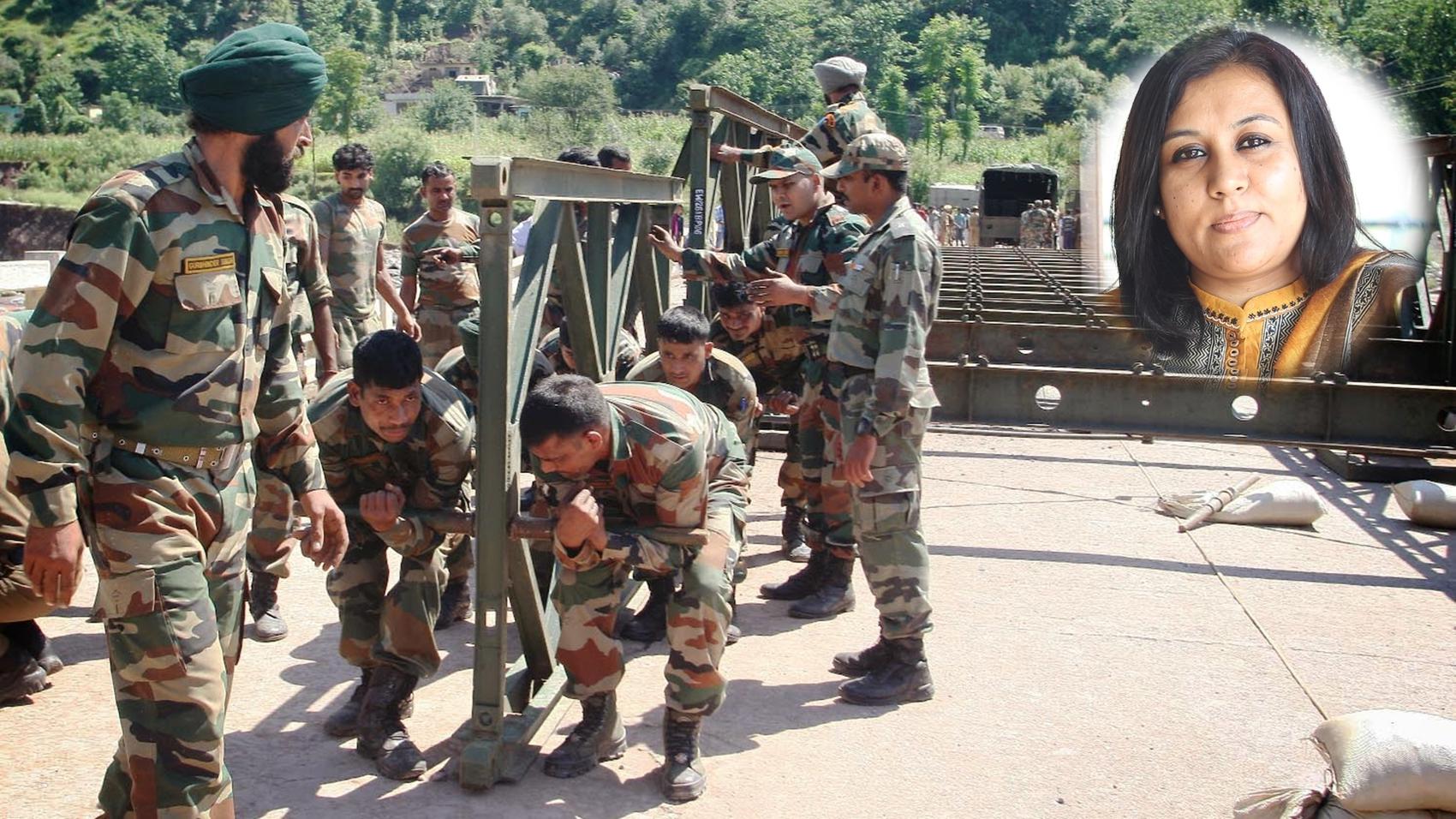
Consider a scenario where a commanding officer in the Indian Army is tasked with leading a rescue operation during a natural disaster. The situation is chaotic, with limited resources and high risk to both civilians and soldiers. The officer must quickly assess the situation, delegate responsibilities, and maintain clear communication despite the stress and uncertainty. By demonstrating strong leadership skills, the officer keeps the team focused, ensures that everyone understands their roles, and adapts the plan as new challenges arise. This decisive and empathetic leadership not only results in a successful rescue mission but also boosts the morale and trust of the team, highlighting the indispensable role of leadership skills in achieving critical objectives.
Team Work

Team work is the collaborative effort of individuals working together towards a common goal, utilizing their unique strengths, skills, and perspectives to achieve objectives efficiently and effectively. In the Indian Army, team work is a fundamental skill that ensures seamless coordination, mutual trust, and the successful execution of complex missions under challenging circumstances.
Team work directly enhances performance in the Indian Army by fostering unity, discipline, and a sense of shared responsibility among soldiers. When individuals work cohesively, they can respond swiftly to dynamic situations, distribute tasks according to strengths, and support each other during adversity. Employers and commanding officers value team work because it leads to higher morale, fewer errors, and greater mission success. Cultivating this skill involves participating in group training exercises, learning to communicate openly, respecting diverse viewpoints, and consistently placing the team's objectives above personal interests. Over time, repeated exposure to collaborative environments and feedback from peers and superiors help individuals refine their ability to work effectively within a team.
Imagine a scenario where an Indian Army unit is tasked with a high-stakes rescue operation in a disaster-stricken area. The mission requires rapid assessment, resource allocation, and precise execution under immense pressure. Each member of the unit brings specialized expertise, such as medical aid, logistics, or navigation. Through effective team work, they coordinate their actions, share real-time information, and adapt to unforeseen challenges. By trusting one another and communicating clearly, they are able to evacuate civilians safely, provide immediate relief, and complete the mission successfully. This example highlights how team work is not just a desirable trait but an indispensable asset in achieving critical objectives in the Indian Army.
Physical Fitness

Physical fitness is the state of being physically healthy, strong, and capable of performing demanding tasks through regular exercise, balanced nutrition, and adequate rest. In the Indian Army, physical fitness is fundamental, enabling soldiers to endure rigorous training, adapt to challenging environments, and execute missions effectively under extreme conditions.
Physical fitness directly enhances a soldier’s endurance, agility, and resilience, which are crucial for operational success in the Indian Army. Employers and commanding officers value this skill because it ensures personnel can withstand physical and mental stress, maintain high morale, and respond swiftly during emergencies. Cultivating physical fitness involves consistent training routines, participation in sports, and adherence to a disciplined lifestyle. Over time, this commitment not only improves individual performance but also fosters teamwork and leadership qualities. Soldiers who prioritize physical fitness are better equipped to handle the unpredictable demands of military life and contribute positively to their units’ overall effectiveness.
Imagine a scenario where an Indian Army unit is tasked with a high-altitude rescue operation following a landslide in a remote mountainous region. The terrain is treacherous, oxygen levels are low, and the weather is harsh. In this situation, a soldier’s physical fitness becomes the deciding factor between success and failure. The ability to trek long distances carrying heavy equipment, provide immediate medical assistance, and evacuate injured civilians depends entirely on physical stamina and strength. Thanks to rigorous fitness training, the soldiers are able to navigate the difficult landscape, work efficiently under pressure, and save lives, demonstrating how essential physical fitness is in overcoming real-world challenges faced by the Indian Army.
Self Motivation

Self motivation is the inner drive that compels an individual to take initiative, persist through challenges, and achieve goals without external encouragement. In the Indian Army, self motivation is a vital attribute, empowering personnel to maintain discipline, adapt to adversity, and consistently perform at their best, regardless of circumstances.
Self motivation directly enhances performance in the Indian Army by fostering resilience, initiative, and a proactive attitude. Soldiers and officers often operate in high-pressure environments where supervision may be minimal, and the ability to stay focused and committed is crucial. Employers and commanding officers highly value self-motivated individuals because they can be trusted to fulfill their duties, inspire their peers, and adapt quickly to changing situations. Cultivating self motivation involves setting personal goals, reflecting on one’s purpose, and consistently challenging oneself to improve. Over time, developing a strong sense of duty, celebrating small achievements, and learning from setbacks further strengthen this essential skill, making it an indispensable asset for a successful military career.
Consider a young officer leading a platoon during a challenging counter-insurgency operation in a remote region. Communication lines are disrupted, and the team faces harsh weather and dwindling supplies. In this scenario, the officer’s self motivation becomes the driving force that keeps morale high and operations on track. Despite fatigue and uncertainty, the officer sets an example by maintaining discipline, encouraging the team, and finding innovative solutions to logistical problems. This inner drive not only helps the officer persevere but also inspires the platoon to stay focused and united, ultimately ensuring the mission’s success and the safety of all personnel involved.
Focus

Focus is the ability to direct one’s attention and mental resources toward a specific task or objective, minimizing distractions and maintaining clarity of purpose. In the Indian Army, focus is crucial for executing complex missions, ensuring safety, and making sound decisions under pressure, forming a cornerstone of professional effectiveness.
Focus directly enhances performance in the Indian Army by enabling personnel to process information accurately, respond swiftly to changing situations, and maintain discipline during high-stress operations. Employers and commanding officers value this skill because it leads to fewer mistakes, greater reliability, and improved mission outcomes. Cultivating focus involves regular mental conditioning, disciplined routines, and mindfulness practices that help individuals filter out distractions and remain attentive to their duties. Over time, repeated exposure to challenging environments and deliberate practice in maintaining concentration further strengthen this skill, making it an indispensable asset for any soldier or officer aiming for excellence.
Consider a scenario where an Indian Army officer is leading a search and rescue operation in a disaster-stricken area. Amidst chaos, noise, and emotional distress, the officer must analyze information, coordinate with team members, and make rapid decisions to save lives. By maintaining unwavering focus, the officer is able to prioritize tasks, communicate effectively, and adapt to evolving challenges without succumbing to pressure. This ability to concentrate on the mission, despite external distractions and internal stress, ensures the operation’s success and the safety of both the rescue team and civilians. Focus, in this context, becomes the defining factor that transforms a potentially overwhelming situation into a coordinated and effective response.
Positives
Opportunity to Serve

"Opportunity to Serve" refers to the unique chance to dedicate oneself to the nation, protect its citizens, and contribute to the greater good through selfless action. In the Indian Army, this means working beyond personal gain, embracing a sense of duty, and making a tangible difference in the lives of millions. This aspect fosters a deep sense of pride and purpose, elevating the profession beyond a conventional job and infusing it with meaning and honor.
The opportunity to serve is a cornerstone of what makes a career in the Indian Army so deeply rewarding. This sense of service instills a profound sense of fulfillment, as every task, mission, or routine duty is tied to the larger purpose of safeguarding the nation and its people. Knowing that their efforts directly contribute to national security and the well-being of fellow citizens boosts morale and job satisfaction among army professionals. This daily reminder of their vital role encourages personal growth, resilience, and a strong sense of camaraderie. The pride in wearing the uniform and the respect earned from society further reinforce the positive impact of serving, making each day meaningful and motivating.
Consider a young officer stationed in a remote border area, far from the comforts of urban life. Despite harsh weather and challenging conditions, the officer leads a team to provide relief and support to local villagers during a natural disaster. By organizing rescue operations, distributing essential supplies, and ensuring safety, the officer witnesses firsthand the gratitude and hope in the eyes of those helped. This experience goes beyond professional duty; it becomes a powerful reminder of the difference one can make through service. The officer returns to base with a renewed sense of purpose, knowing that their actions have directly improved lives and strengthened the bond between the Army and the community.
Travel & Exposure

Travel & Exposure refers to the unique opportunity to explore diverse regions, cultures, and environments while serving across the country and sometimes abroad. This aspect allows Indian Army personnel to broaden their horizons, adapt to new situations, and develop a global perspective, enriching both their professional and personal lives.
The chance to travel and gain exposure is a defining feature of a career in the Indian Army. It transforms routine work into an adventure, as professionals are posted to different states, terrains, and even international locations. This constant movement fosters adaptability, cultural sensitivity, and resilience, making each day dynamic and engaging. The exposure to varied climates, languages, and traditions not only enhances personal growth but also strengthens camaraderie among colleagues from diverse backgrounds. Such experiences contribute significantly to job satisfaction, as individuals feel a sense of accomplishment and pride in representing their nation in multiple settings. Ultimately, travel and exposure in the Indian Army cultivate a well-rounded personality and open doors to lifelong learning and friendships.
Imagine a young officer posted in the serene valleys of Kashmir, learning to navigate snowy terrains and interact with local communities. A few years later, the same officer might find themselves stationed in the deserts of Rajasthan, adapting to extreme heat and new operational challenges. Along the way, they participate in joint exercises with foreign armies, gaining international exposure and forging global connections. Each posting brings fresh experiences, from celebrating local festivals to tasting regional cuisines, and offers opportunities to learn new languages and customs. This ever-changing environment not only keeps the job exciting but also instills a deep appreciation for the nation’s diversity, making every assignment a memorable chapter in their journey.
Self Development

Self development is the continuous process of improving one’s skills, knowledge, character, and mindset to reach full potential. In the Indian Army, self development is woven into daily life, fostering resilience, adaptability, and leadership. This focus on personal growth not only enhances individual capabilities but also strengthens the entire organization.
The emphasis on self development in the Indian Army is a cornerstone of its enduring appeal. Soldiers and officers are constantly challenged to learn new skills, adapt to changing environments, and overcome obstacles. This ongoing journey of growth instills a deep sense of purpose and achievement, making every day meaningful. The Army’s structured training, mentorship, and exposure to diverse situations ensure that individuals are always evolving, both personally and professionally. This dynamic environment boosts job satisfaction, as personnel witness their own transformation and realize their potential. The sense of accomplishment derived from mastering new abilities and overcoming personal limitations is unparalleled, fostering confidence and a lifelong commitment to excellence.
Consider a young officer posted to a remote border area for the first time. Initially, the harsh climate, unfamiliar terrain, and responsibility for a team may seem overwhelming. However, through rigorous training, guidance from senior officers, and daily problem-solving, the officer gradually develops resilience, leadership, and decision-making skills. Over time, the officer not only adapts to the challenging environment but also becomes a source of inspiration for the team, demonstrating growth in confidence and competence. This transformation is a direct result of the Army’s focus on self development, turning challenges into opportunities for personal and professional fulfillment. The officer’s journey exemplifies how the Indian Army shapes individuals into their best selves.
Adventurous Life

Adventurous Life in the Indian Army means embracing a dynamic existence filled with challenges, exploration, and constant learning. It involves facing unpredictable situations, adapting to diverse environments, and undertaking daring missions. This spirit of adventure fosters resilience, courage, and personal growth, making every day in the Army uniquely stimulating and rewarding.
The adventurous life offered by the Indian Army is a key factor that sets this profession apart from conventional careers. It ensures that monotony never sets in, as each day brings new experiences and opportunities to test one’s limits. This constant engagement with the unknown not only keeps motivation levels high but also accelerates personal and professional growth. Soldiers and officers develop a strong sense of purpose, camaraderie, and self-confidence as they overcome obstacles together. The thrill of adventure enhances job satisfaction, making individuals feel alive and fulfilled in their roles. This environment cultivates leaders who are adaptable, resourceful, and ready to face any challenge, both within and beyond their military service.
Imagine a young officer posted in the high-altitude regions of Ladakh, tasked with leading a team on a critical reconnaissance mission. The journey involves trekking through rugged terrain, braving extreme weather, and navigating unfamiliar landscapes. Despite the physical and mental demands, the officer feels a deep sense of accomplishment and exhilaration with every obstacle overcome. The camaraderie built during these shared adventures strengthens bonds within the team, and the officer’s confidence grows with each successful mission. This real-world scenario exemplifies how the adventurous life in the Indian Army transforms routine duties into extraordinary experiences, leaving lasting memories and a profound sense of achievement.
Networking

Networking is the process of building and nurturing professional relationships that foster mutual support, knowledge sharing, and collaboration. In the Indian Army, networking enables individuals to connect with colleagues, superiors, and peers across diverse backgrounds, enhancing teamwork and personal growth. This interconnectedness strengthens the Army’s collective spirit and operational effectiveness.
The power of networking in the Indian Army lies in its ability to create a strong sense of camaraderie and trust among its members. Through daily interactions, soldiers and officers form bonds that transcend ranks and regions, making it easier to share experiences, seek guidance, and solve problems collaboratively. This network of support not only boosts morale but also opens doors to mentorship and career advancement. The relationships built within the Army often last a lifetime, providing a reliable support system both professionally and personally. As a result, networking significantly enhances job satisfaction, fosters a sense of belonging, and motivates individuals to perform at their best, knowing they are part of a larger, supportive community.
Imagine a young officer posted to a remote location, facing unfamiliar challenges and responsibilities. Through the Army’s extensive network, he connects with experienced officers who have served in similar conditions. They share valuable insights, offer practical advice, and provide emotional support, helping him adapt quickly and perform confidently. Over time, these connections evolve into lasting friendships and professional alliances, enriching his career and personal life. This experience demonstrates how networking in the Indian Army not only helps individuals overcome obstacles but also creates a vibrant community where everyone thrives together, reinforcing the Army’s core values of unity and mutual respect.
Secure Life

"Secure Life" in the Indian Army refers to the comprehensive sense of stability, safety, and assurance provided to personnel and their families through guaranteed employment, steady income, robust healthcare, housing, and post-retirement benefits. This security fosters peace of mind, allowing soldiers to focus on their duties with unwavering dedication and confidence.
The secure life offered by the Indian Army is a cornerstone of job satisfaction and professional growth. Knowing that their future and that of their loved ones is safeguarded, soldiers can fully commit to their responsibilities without the distractions of financial or personal insecurity. This assurance translates into higher morale, stronger loyalty, and a deep sense of belonging within the organization. The stability provided by the Army’s support systems enables individuals to plan for their future, invest in personal development, and pursue long-term goals. Every day, professionals experience the comfort of knowing that their hard work is recognized and rewarded, not only through monetary benefits but also through a lifelong safety net that extends well beyond active service.
Consider the life of a young officer posted in a remote region, far from urban conveniences. Despite the challenging environment, he is assured of quality housing, access to medical facilities, and educational support for his children. His family, living in Army quarters, enjoys a close-knit community and a secure environment, free from many of the uncertainties faced by civilians. This sense of security allows him to focus wholeheartedly on his mission, knowing that his loved ones are cared for. The peace of mind derived from this secure life not only enhances his performance but also strengthens his commitment to serve the nation, making his career in the Indian Army deeply fulfilling and rewarding.
Challenges
Stay away from Family

"Stay away from Family" in the Indian Army refers to the prolonged and frequent separation from loved ones due to postings in remote, high-risk, or border areas. This challenge is demanding because it tests emotional strength, disrupts family bonds, and requires soldiers to balance duty with personal sacrifices, often for extended periods.
The difficulty of staying away from family deeply affects the daily lives of Indian Army professionals. It can lead to feelings of loneliness, stress, and emotional fatigue, which may impact focus and morale. The absence of immediate family support during personal or professional challenges demands exceptional resilience. To manage this, successful professionals cultivate strong peer relationships within their units, treating colleagues as extended family. They also leverage technology to maintain regular communication with loved ones, despite geographical distances. Engaging in recreational activities, focusing on professional growth, and seeking support from welfare organizations further help in coping with the emotional strain. Over time, these strategies enable soldiers to adapt, maintain mental well-being, and continue performing their duties with dedication.
Consider the experience of a young officer posted at a remote border outpost in the Himalayas, far from urban centers and family. Despite harsh weather and limited connectivity, he establishes a routine that includes daily video calls with his spouse and children whenever possible. He actively participates in group activities with fellow soldiers, creating a sense of camaraderie and mutual support. During festivals and family milestones missed, he organizes small celebrations with his unit, fostering a sense of belonging. By focusing on his mission, maintaining open communication, and building strong bonds with his peers, he successfully manages the emotional challenges of being away from family, demonstrating resilience and commitment to his role.
High Risk

High risk in the Indian Army refers to the constant exposure to life-threatening situations, unpredictable environments, and critical decision-making under pressure. This challenge is demanding because it tests physical endurance, mental fortitude, and emotional stability, requiring personnel to operate effectively despite imminent danger and uncertainty.
The presence of high risk significantly shapes the daily routines and responsibilities of Indian Army professionals. Every task, from routine patrols to complex operations, carries the potential for sudden escalation, demanding unwavering alertness and quick reflexes. This environment necessitates exceptional resilience, as stress and danger are persistent companions. To navigate these challenges, successful professionals rely on rigorous training, strong camaraderie, and disciplined adherence to protocols. They cultivate mental toughness through regular drills and psychological conditioning, while also fostering trust within their units. By focusing on preparation and teamwork, they manage anxiety and maintain operational effectiveness, ensuring that high risk becomes a manageable aspect of their service rather than an overwhelming obstacle.
Consider an officer leading a convoy through a conflict-prone region during a peacekeeping mission. The route is notorious for ambushes and improvised explosive devices, making every kilometer fraught with uncertainty. The officer meticulously plans the journey, conducts thorough briefings, and ensures every team member understands their role. When the convoy encounters a suspicious roadblock, the officer remains calm, assesses the situation, and implements contingency protocols. Through clear communication and decisive leadership, the team navigates the threat without panic or loss. This scenario illustrates how a professional in the Indian Army manages high risk by combining preparation, composure, and teamwork, ultimately safeguarding both mission objectives and personnel.
A Day Of
Indian Army
When the first rays of dawn break over the horizon, the Indian Army is already in motion. Life in uniform is a relentless blend of discipline, camaraderie, and purpose, where every minute counts and every action matters. The day is a carefully orchestrated symphony of physical endurance, strategic thinking, and unwavering commitment to the nation. Unlike the predictable rhythm of a desk job, an Indian Army professional’s workday is shaped by the demands of the terrain, the unpredictability of operations, and the unspoken bond shared with fellow soldiers. Here, the environment is as dynamic as the tasks at hand, and the pace is set not by the clock, but by the mission.
As the camp stirs to life in the cool pre-dawn air, soldiers assemble for physical training, a ritual that sharpens both body and mind. The morning begins with rigorous exercises, from running and obstacle courses to weapon drills, instilling discipline and resilience. After a quick breakfast, there is a briefing session where the day’s objectives are outlined, and teams review their roles and responsibilities. This early morning routine is not just about fitness; it is about readiness, ensuring every soldier is mentally and physically prepared for whatever challenges the day may bring.
By mid-morning, the focus shifts to the core activities that define the Indian Army’s operational tempo. Officers and soldiers gather for detailed briefings, analyzing intelligence reports and discussing tactical plans. This is followed by field exercises or live training sessions, where units practice maneuvers, simulate combat scenarios, or conduct patrols in challenging environments. The intensity is palpable, as every drill is treated with the seriousness of real operations. Communication, coordination, and quick decision-making are put to the test, forging the skills that are vital in actual missions.
As the sun climbs higher, the afternoon is dedicated to collaborative tasks and mission execution. Soldiers regroup to debrief on the morning’s exercises, sharing insights and refining strategies. This period often involves hands-on work, such as equipment maintenance, logistics management, or setting up temporary camps. Teamwork is at the heart of every activity, with each member contributing to the collective goal. Whether it’s preparing for a night patrol or supporting humanitarian efforts, the afternoon is a testament to the Army’s adaptability and resourcefulness.
As evening approaches, the pace shifts from action to reflection and planning. Soldiers return to base for a thorough debrief, analyzing the day’s successes and identifying areas for improvement. Administrative duties follow, including updating records, filing reports, and ensuring all equipment is accounted for. The day concludes with a planning session for upcoming operations, where leaders outline objectives and assign responsibilities. Even as the sun sets, the sense of duty remains undiminished, with every soldier ready to answer the call again at dawn. |


 Home
Home Abroad
 Plan
Plan Philosophy
 Seminar
 Pages
Pages Advisors
 Testimonials









 Workshop
 Discuss
 Meet
Meet
 Advisor
 Story
Story
 Fine Print
 Links
Links
 Blog
Blog
 Follow
