The Journey of Interior Designing
What Is Interior Designing
Interior Designing

Interior designing is the creative and technical process of enhancing the interior spaces of buildings to achieve a healthier and more aesthetically pleasing environment for the people using the space. It involves planning, researching, coordinating, and managing projects to transform spaces according to clients’ needs and preferences.
Interior designing plays a crucial role in shaping the way people experience and interact with their surroundings. For professionals in this field, it offers the opportunity to blend creativity with functionality, making spaces not only beautiful but also practical and comfortable. The impact of interior designing extends to improving the quality of life, increasing property value, and promoting well-being through thoughtful design choices. Professionals benefit from the satisfaction of seeing their visions come to life, the ability to solve complex spatial challenges, and the chance to work closely with clients to create personalized environments that reflect individual tastes and lifestyles.
A professional interior designer might be hired to renovate a family’s outdated living room. After consulting with the clients to understand their needs, the designer creates a plan that maximizes natural light, introduces ergonomic furniture, and selects a color palette that enhances relaxation. The designer coordinates with contractors, sources sustainable materials, and oversees the installation of custom shelving and lighting. Throughout the project, the designer ensures that every element aligns with the client’s vision and lifestyle, resulting in a transformed space that is both functional and inviting. This process demonstrates how interior designers use their expertise to turn ideas into tangible, livable environments that improve daily life.
Education
Idea of Placements
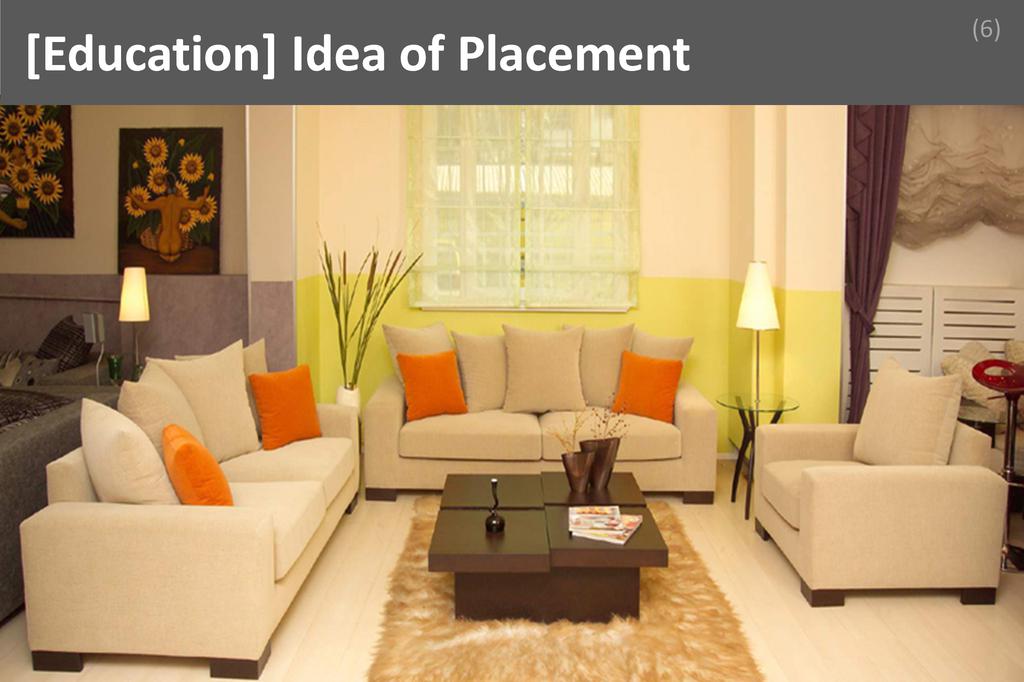
Idea of Placements refers to the strategic arrangement and organization of furniture, fixtures, and decorative elements within a space to achieve optimal functionality, aesthetics, and comfort. In interior designing, this concept is fundamental, bridging theoretical design principles with practical execution, and is essential for both academic study and professional practice.
Understanding the Idea of Placements is crucial for anyone pursuing a career in interior designing because it forms the backbone of spatial planning and design execution. Mastery of this subject enables designers to create harmonious and efficient environments that cater to the needs and preferences of clients. It also ensures that spaces are not only visually appealing but also practical and safe for everyday use. Over time, a strong grasp of placements enhances a designer’s ability to solve complex spatial challenges, collaborate effectively with architects and contractors, and adapt to evolving design trends. This foundational knowledge ultimately leads to greater client satisfaction, professional growth, and long-term career success in the competitive field of interior design.
Consider an interior designer tasked with renovating a compact urban apartment. By applying their understanding of the Idea of Placements, the designer carefully analyzes the available space, natural light sources, and client lifestyle needs. They strategically position the sofa to maximize conversation flow and sightlines, place storage units in underutilized corners, and select multi-functional furniture to enhance usability without overcrowding the room. Throughout the process, the designer’s theoretical knowledge guides every decision, ensuring that each element contributes to a cohesive, comfortable, and visually pleasing environment. This thoughtful approach not only optimizes the apartment’s functionality but also elevates its overall aesthetic, demonstrating the real-world value of mastering placements in interior design.
Pinterest
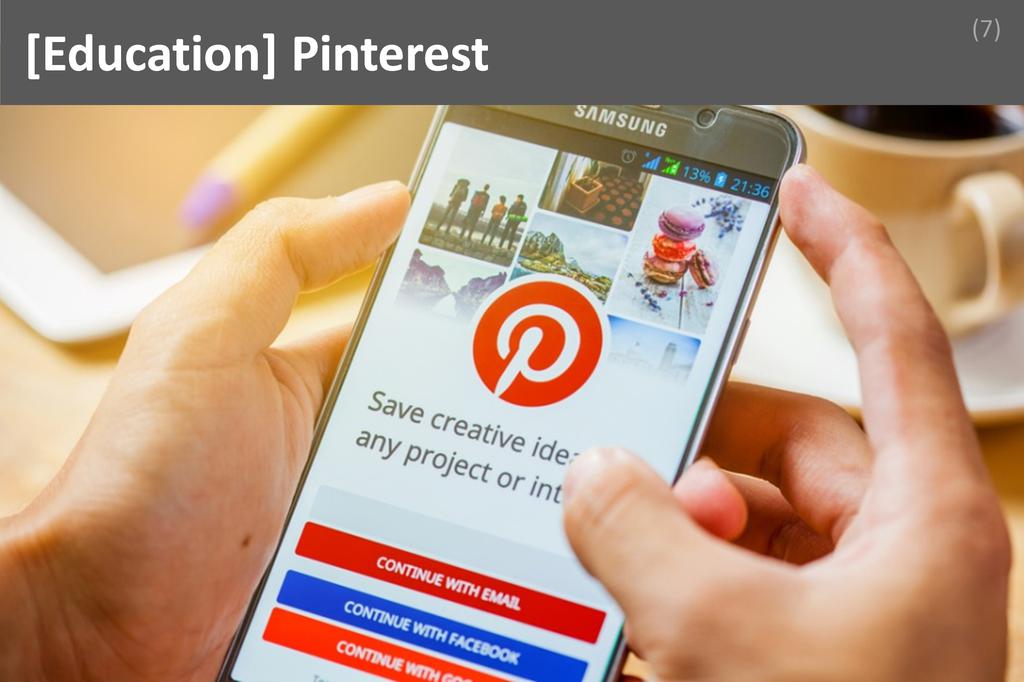
Pinterest is a visual discovery and bookmarking platform where users collect, organize, and share images and ideas, known as “pins,” on themed boards. For interior designers, Pinterest serves as a dynamic resource for inspiration, trend tracking, and client collaboration, making it essential in both academic studies and professional practice.
Understanding Pinterest is vital for interior designers because it bridges creativity, research, and client engagement. Mastery of this platform allows professionals to curate mood boards, track evolving design trends, and visually communicate concepts with clients and colleagues. As a foundational tool, Pinterest enhances a designer’s ability to organize ideas, streamline project planning, and present cohesive design narratives. Over time, proficiency in Pinterest supports professional growth by expanding a designer’s digital portfolio, increasing visibility within the design community, and fostering connections with potential clients. The platform’s collaborative features also facilitate smoother client-designer interactions, ensuring that project visions are aligned from the outset. Ultimately, integrating Pinterest into daily practice equips interior designers with a competitive edge in a visually driven industry.
A professional interior designer begins a new residential project by inviting the client to a shared Pinterest board. Together, they pin images reflecting preferred color palettes, furniture styles, and spatial arrangements. This collaborative process helps the designer interpret the client’s tastes and expectations more accurately. Throughout the project, the designer references the board to ensure selections align with the agreed-upon vision, using it as a living document for feedback and adjustments. When sourcing materials or presenting mood boards, the designer draws from the curated pins to justify choices and inspire confidence. By leveraging Pinterest in this way, the designer streamlines communication, reduces misunderstandings, and delivers a final result that resonates with the client’s aspirations.
Magazines
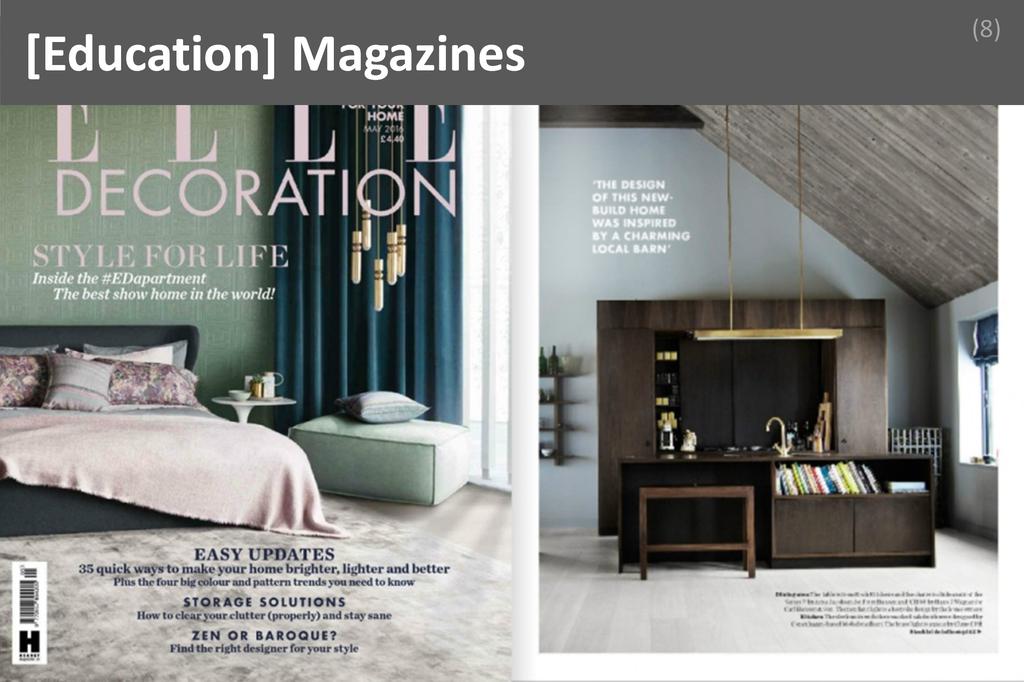
Magazines are periodical publications featuring articles, interviews, photographs, and advertisements that focus on specific topics, trends, and innovations. In the context of interior designing, magazines serve as curated sources of inspiration, industry updates, and professional insights, making them essential resources for both academic study and ongoing professional development.
Understanding magazines is crucial for interior designers because these publications are a primary channel for discovering emerging trends, innovative materials, and influential designers. Regular engagement with magazines helps professionals stay updated on global styles, technological advancements, and market preferences, which is vital for creating relevant and appealing designs. Magazines also provide exposure to diverse project case studies, expert opinions, and client expectations, all of which contribute to a designer’s ability to anticipate industry shifts and respond creatively. Over time, familiarity with magazines enhances a designer’s research skills, broadens their creative horizons, and strengthens their professional credibility, ensuring they remain competitive and informed throughout their careers.
A professional interior designer often begins a new project by consulting recent issues of leading interior design magazines. By analyzing featured projects, color palettes, and furniture selections, the designer gains insight into current trends and client preferences. This knowledge informs their design proposals, ensuring that their concepts are both innovative and market-relevant. During client meetings, referencing articles or images from reputable magazines helps the designer communicate ideas more effectively and build trust with clients. Additionally, staying updated through magazines allows the designer to recommend the latest sustainable materials or smart home technologies, demonstrating expertise and commitment to quality. In this way, theoretical understanding of magazines directly influences daily decision-making and client satisfaction.
Practical Knowledge

Practical knowledge refers to the hands-on, experiential understanding gained through direct involvement in real-world tasks and problem-solving. In interior designing, it bridges the gap between theoretical concepts learned in academic settings and their actual application in professional projects, ensuring designers can effectively translate ideas into functional, aesthetic spaces.
Understanding practical knowledge is essential for anyone preparing for or working in interior designing because it transforms abstract concepts into actionable skills. While theoretical knowledge provides the foundation for design principles, color theory, and spatial planning, practical knowledge enables designers to implement these ideas effectively on-site. It involves mastering materials, construction techniques, and client communication, which are critical for delivering successful projects. Over time, this hands-on expertise enhances a designer’s ability to anticipate challenges, adapt to changing requirements, and innovate within constraints. As a result, professionals with strong practical knowledge are more likely to build lasting client relationships, manage projects efficiently, and achieve long-term career growth in the competitive field of interior design.
Consider an interior designer tasked with renovating a commercial office space. While their academic background informs them about lighting design and ergonomic furniture layouts, it is their practical knowledge that guides them in selecting durable materials suitable for high-traffic areas, coordinating with contractors, and troubleshooting unexpected site issues such as uneven flooring or delayed deliveries. During the project, the designer must make real-time decisions, adjust plans based on on-site measurements, and communicate effectively with both clients and tradespeople to ensure the vision is realized within budget and timeline constraints. This seamless integration of theory and practice exemplifies how practical knowledge is indispensable in navigating the complexities of daily operations in interior designing.
Software Knowledge

Software Knowledge refers to the understanding and practical ability to use digital tools and applications relevant to a specific field. In Interior Designing, it encompasses proficiency in design software, project management platforms, and visualization tools, forming a crucial part of both academic learning and professional practice for effective project execution and communication.
Learning software knowledge is essential for anyone pursuing a career in interior designing because it bridges the gap between creative ideas and practical implementation. Mastery of design software enables professionals to create accurate floor plans, realistic 3D models, and detailed presentations, which are indispensable for communicating concepts to clients and collaborators. This foundational skill set not only enhances efficiency but also ensures precision in translating design concepts into actionable plans. Over time, staying updated with the latest software developments provides a competitive edge, allowing designers to adapt to industry trends, streamline workflows, and deliver innovative solutions. Ultimately, software knowledge is a long-term investment that supports career growth, client satisfaction, and professional credibility in the dynamic field of interior design.
Consider an interior designer tasked with renovating a commercial office space. Using their software knowledge, the designer begins by creating a digital floor plan in a specialized design application, ensuring accurate measurements and spatial arrangements. They then develop a 3D model to visualize the proposed changes, experimenting with different color schemes, materials, and lighting options. This digital representation allows the designer to present multiple concepts to the client, who can easily understand and provide feedback on the proposed ideas. Throughout the project, the designer uses project management software to coordinate with contractors, track progress, and manage resources efficiently. By leveraging their software expertise, the designer streamlines the entire process, reduces errors, and delivers a final result that meets both aesthetic and functional requirements.
Skills
Creativity
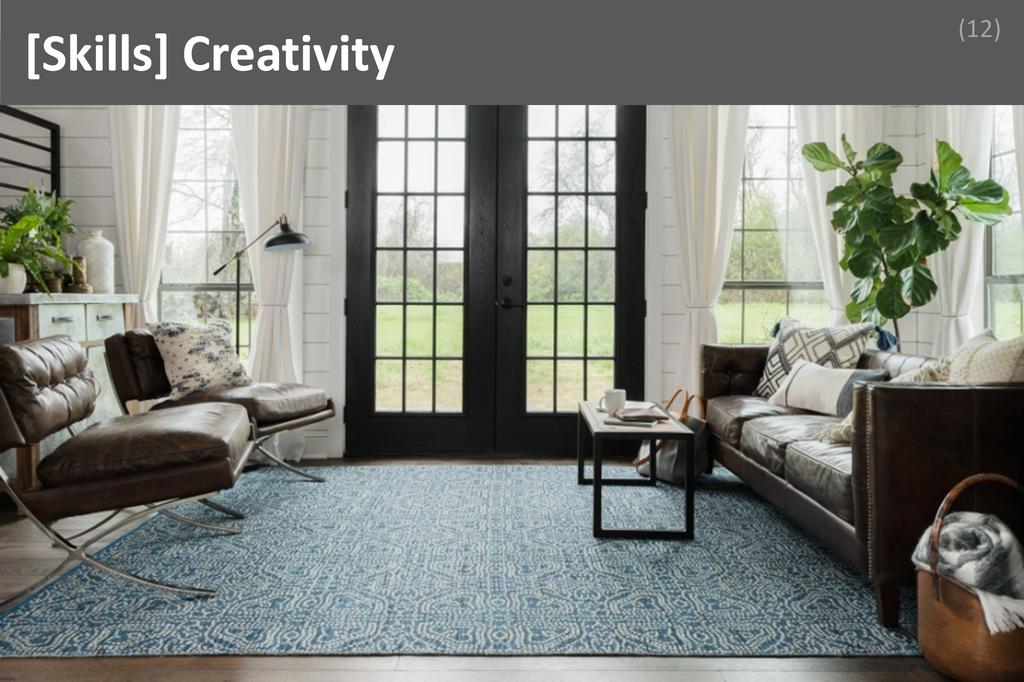
Creativity is the ability to generate original ideas, think outside conventional boundaries, and approach challenges with innovative solutions. In interior designing, creativity empowers professionals to transform spaces by blending aesthetics, functionality, and client preferences into unique environments. It is a fundamental skill that distinguishes exceptional designers from the ordinary, driving both inspiration and practical results.
Creativity directly enhances an interior designer’s performance by enabling them to envision and execute distinctive concepts tailored to each project’s needs. Clients and employers highly value this skill because it leads to personalized, memorable spaces that stand out in a competitive market. Creative designers are adept at problem-solving, adapting to unexpected constraints, and making the most of available resources. To cultivate creativity, professionals should seek inspiration from diverse sources, experiment with new materials and layouts, and remain open to feedback and collaboration. Continuous learning and exposure to different design styles also help in nurturing a creative mindset, ensuring that designers remain innovative and relevant throughout their careers.
Imagine an interior designer tasked with renovating a small urban apartment with limited natural light and a modest budget. Relying on creativity, the designer devises a solution that maximizes the sense of space and brightness by incorporating reflective surfaces, multifunctional furniture, and a carefully chosen color palette. By thinking inventively, the designer transforms the apartment into a welcoming, airy environment that meets the client’s needs without exceeding financial constraints. This scenario highlights how creativity enables professionals to overcome challenges, deliver impressive results, and exceed client expectations, even when faced with significant limitations.
Visionary

A visionary is someone who possesses the ability to imagine future possibilities, anticipate trends, and conceptualize innovative solutions beyond conventional boundaries. In interior designing, being visionary means foreseeing how spaces can evolve, integrating creativity with functionality, and setting new standards that inspire both clients and the industry as a whole.
Visionary thinking directly elevates an interior designer’s performance by enabling them to create unique, forward-thinking spaces that stand out in a competitive market. Clients and employers highly value this skill because it leads to original concepts that not only meet current needs but also anticipate future trends and lifestyles. A visionary designer can transform ordinary spaces into extraordinary experiences, increasing client satisfaction and business reputation. Cultivating this skill involves staying updated with global design trends, seeking inspiration from diverse sources, and continuously challenging oneself to think beyond the obvious. Regularly engaging in creative brainstorming, collaborating with other innovators, and reflecting on emerging technologies can further sharpen one’s visionary abilities over time.
Imagine an interior designer tasked with revitalizing a historic building into a modern co-working space. The project faces strict preservation guidelines and limited natural light. Relying on their visionary skill, the designer envisions a harmonious blend of old and new by integrating smart lighting solutions, modular furniture, and sustainable materials that respect the building’s heritage. They propose adaptive layouts that maximize flexibility for future tenants while preserving architectural details. This forward-thinking approach not only solves the immediate challenges but also creates a space that attracts a diverse clientele and sets a benchmark for adaptive reuse projects in the community. The designer’s visionary outlook transforms constraints into opportunities, ensuring the project’s lasting success.
Communication
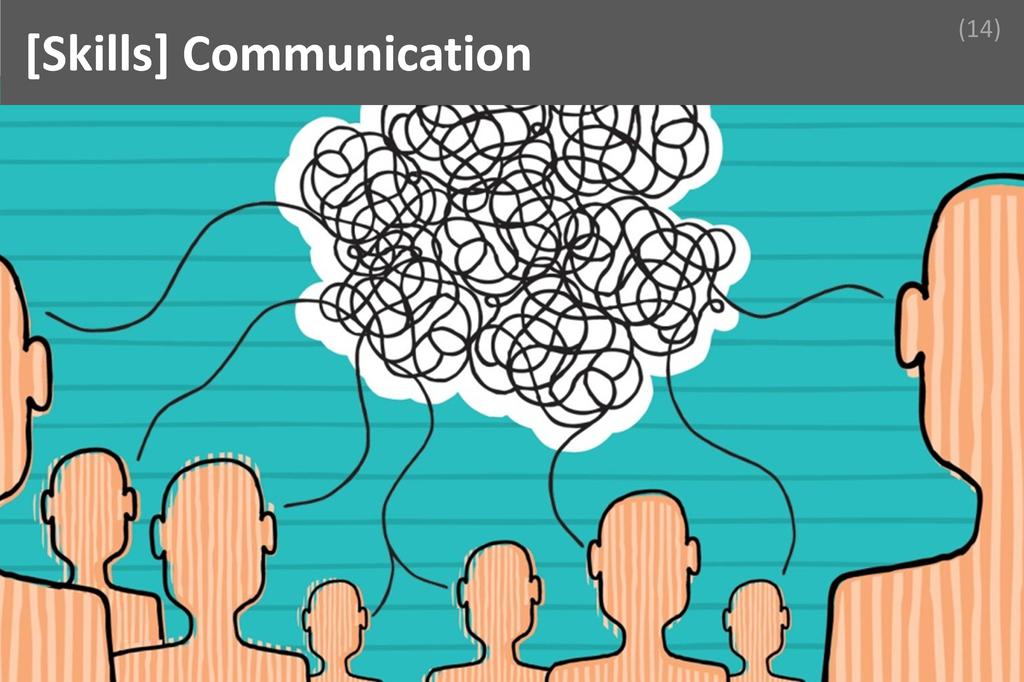
Communication is the process of exchanging information, ideas, and emotions through verbal, non-verbal, and written means to achieve mutual understanding. In interior designing, communication is fundamental because it bridges the gap between a designer’s vision and a client’s expectations, ensuring that concepts are clearly conveyed and executed effectively.
Strong communication skills directly enhance an interior designer’s performance by fostering clear collaboration with clients, contractors, and team members. Clients and employers highly value designers who can articulate their ideas, listen actively, and provide constructive feedback, as this minimizes misunderstandings and streamlines project execution. Effective communication also helps in negotiating budgets, timelines, and design changes, which are common in this field. To cultivate this skill, designers should practice active listening, seek feedback, and engage in regular discussions with diverse stakeholders. Over time, participating in presentations, writing detailed project briefs, and learning to interpret both verbal and visual cues can significantly refine a designer’s ability to communicate with clarity and confidence.
Imagine an interior designer working on a residential renovation project where the client suddenly expresses dissatisfaction with the proposed color scheme. The designer relies on strong communication skills to address the client’s concerns by actively listening, asking clarifying questions, and explaining the rationale behind the original choices. By presenting alternative options and visual samples, the designer reassures the client and collaboratively identifies a new direction that aligns with the client’s preferences. This open and responsive dialogue not only resolves the immediate issue but also builds trust, ensuring the project progresses smoothly and the client feels valued throughout the process. Effective communication, in this scenario, transforms a potential setback into a successful outcome.
Planning
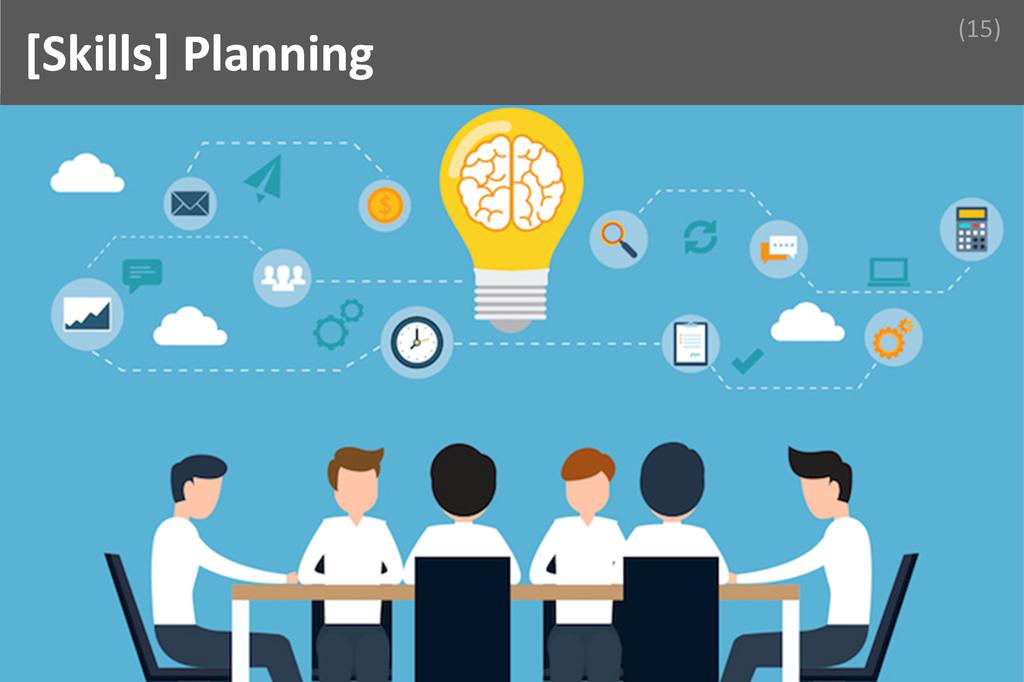
Planning is the process of thoughtfully organizing tasks, resources, and timelines to achieve specific objectives efficiently and effectively. In interior designing, planning serves as the foundation for transforming creative concepts into practical, functional spaces. It enables professionals to anticipate challenges, allocate resources wisely, and ensure that every project phase aligns with the client’s vision and requirements.
The ability to plan meticulously enhances an interior designer’s performance by streamlining workflows, reducing costly errors, and ensuring projects are completed on time and within budget. Clients and employers highly value this skill because it demonstrates reliability, foresight, and professionalism, all of which are critical in a field where delays or missteps can have significant financial and reputational consequences. Cultivating planning skills involves practicing project management techniques, learning to prioritize tasks, and consistently reflecting on past projects to identify areas for improvement. Over time, designers who invest in planning become adept at juggling multiple variables, coordinating with contractors and suppliers, and adapting to unexpected changes without compromising the project’s integrity.
Imagine an interior designer tasked with renovating a boutique hotel on a tight schedule. Midway through the project, a key furniture shipment is delayed, threatening the opening date. Drawing on strong planning skills, the designer quickly reassesses the timeline, reallocates resources, and sources alternative furnishings that match the design concept. By communicating transparently with the client and coordinating with contractors to adjust installation schedules, the designer ensures the project stays on track. This scenario highlights how effective planning not only resolves unforeseen issues but also maintains client trust and upholds the quality of the final result, ultimately contributing to the project’s overall success.
Presentation

Presentation in interior designing refers to the ability to visually and verbally communicate design concepts, ideas, and solutions in a clear, compelling, and professional manner. It involves the use of sketches, digital renderings, mood boards, and articulate explanations to convey the vision and functionality of a space to clients, colleagues, or stakeholders.
Mastering presentation skills significantly enhances an interior designer’s effectiveness by ensuring that creative ideas are understood and appreciated by clients and team members. Clients and employers value this skill because it bridges the gap between abstract concepts and tangible outcomes, fostering trust and confidence in the designer’s vision. A well-developed presentation skill set allows designers to justify their choices, address concerns, and secure project approvals more efficiently. To cultivate this skill, designers should practice creating visually engaging materials, seek feedback from peers, and refine their public speaking abilities. Over time, consistent exposure to real-world projects and constructive critique helps designers become more persuasive and adaptable in their presentations, ultimately leading to greater professional success.
Imagine an interior designer tasked with transforming a dated office space into a modern, collaborative environment. The client is hesitant about bold color choices and unconventional layouts. The designer prepares a comprehensive presentation, including 3D renderings, material samples, and a narrative that explains the benefits of each design element. During the meeting, the designer confidently addresses the client’s concerns, demonstrates how the proposed changes align with the company’s brand, and illustrates the positive impact on employee productivity. The clarity and professionalism of the presentation not only alleviate the client’s doubts but also secure approval for the project, showcasing how essential presentation skills are in overcoming challenges and achieving successful outcomes in interior design.
Positives
Networking

Networking is the process of building and nurturing professional relationships with colleagues, clients, suppliers, and industry experts to exchange ideas, resources, and opportunities. In interior designing, networking opens doors to collaborations, referrals, and inspiration, fostering a supportive community that enhances creativity, career growth, and access to new projects and trends.
The power of networking in interior designing lies in its ability to connect professionals with a diverse range of people and opportunities. By engaging with others in the field, designers gain access to valuable insights, mentorship, and potential clients, which can significantly accelerate career advancement. Networking also fosters a sense of belonging and camaraderie, making the profession more enjoyable and less isolating. Daily interactions with peers and industry stakeholders often lead to creative collaborations, innovative solutions, and a steady flow of projects. This ongoing exchange of knowledge and support not only boosts job satisfaction but also helps designers stay ahead of trends, ultimately contributing to long-term success and fulfillment in their careers.
Imagine an interior designer attending a local industry event where they strike up a conversation with a furniture supplier and an architect. Through this connection, the designer learns about a new sustainable material and is introduced to a client seeking eco-friendly solutions. The collaboration that follows not only results in a successful project but also leads to further referrals and partnerships. The designer feels a deep sense of accomplishment, knowing that their network has expanded and enriched their professional journey. This real-world scenario highlights how networking can transform everyday interactions into meaningful opportunities, reinforcing the value and satisfaction that come from building strong professional relationships in interior designing.
Travelling

Travelling, in the context of interior designing, refers to the opportunity for professionals to journey to diverse locations—locally, nationally, or internationally—to explore new cultures, source unique materials, collaborate with clients, and draw inspiration from different environments. This exposure enriches creativity and broadens perspectives, directly enhancing design innovation and expertise.
The ability to travel is a transformative benefit for interior designers, as it allows them to immerse themselves in a variety of cultures, architectural styles, and artistic traditions. This constant exposure to new ideas and environments fuels creativity and keeps designers at the forefront of trends. Travelling also enables professionals to build a global network, source exclusive materials, and understand the unique needs of clients from different backgrounds. The excitement of discovering new places and the satisfaction of integrating global influences into their work contribute to higher job satisfaction and personal growth. Each journey becomes an opportunity for learning and inspiration, making the daily experience of an interior designer both dynamic and deeply rewarding.
Imagine an interior designer based in New York who is commissioned to design a boutique hotel in Marrakech. The project requires the designer to travel to Morocco, where they explore vibrant souks, historic riads, and local artisan workshops. Immersed in the rich colors, intricate patterns, and traditional craftsmanship, the designer gains firsthand knowledge and inspiration that cannot be replicated through books or online research. By collaborating with local artisans and sourcing authentic materials, the designer not only elevates the project’s authenticity but also forms meaningful professional relationships. This experience exemplifies how travelling transforms routine work into an adventure, infusing each project with unique stories and cultural depth that delight both the designer and their clients.
Good Income

Good income refers to a level of earnings that not only covers basic living expenses but also provides financial security, opportunities for personal growth, and the ability to enjoy a comfortable lifestyle. In interior designing, good income allows professionals to invest in their skills, tools, and creative pursuits, enhancing their overall career satisfaction.
The prospect of earning a good income is a powerful motivator for many interior designers. It means that their creative talents and hard work are recognized and rewarded in tangible ways. This financial stability allows designers to focus on delivering exceptional results for clients without the constant stress of financial uncertainty. With a steady and rewarding income, professionals can invest in advanced training, attend industry events, and explore innovative design solutions, all of which contribute to personal and professional growth. The sense of accomplishment that comes from being well-compensated boosts confidence and job satisfaction, making each project more enjoyable and meaningful. Ultimately, good income empowers interior designers to pursue their passion while building a secure and fulfilling future.
Imagine an interior designer who has just completed a high-profile residential project. The client is thrilled with the transformation, and the designer receives not only praise but also a substantial payment for their expertise and effort. This good income enables the designer to upgrade their design software, enroll in a specialized lighting course, and even take a well-deserved vacation. The financial reward reinforces their sense of value and motivates them to continue pushing creative boundaries. Each day, the designer feels the positive impact of their earnings, knowing that their passion for design is both personally and financially rewarding. This cycle of recognition and reward fuels ongoing enthusiasm and dedication to their craft.
Self Satisfaction

Self satisfaction is the deep sense of fulfillment and contentment that arises from achieving personal goals, expressing creativity, and making a meaningful impact through one’s work. In interior designing, this feeling is cultivated by transforming spaces, solving design challenges, and witnessing the tangible results of one’s vision and effort come to life.
Self satisfaction is a powerful motivator in the field of interior designing because it transforms daily tasks into meaningful achievements. When designers see their creative ideas materialize into beautiful, functional spaces, they experience a unique sense of pride and accomplishment. This intrinsic reward not only boosts job satisfaction but also fuels ongoing passion and commitment to the profession. As designers continually overcome challenges and exceed client expectations, their confidence grows, leading to personal and professional development. The positive feedback loop created by self satisfaction encourages designers to innovate, refine their skills, and pursue excellence, making their career journey both enjoyable and sustainable. Ultimately, self satisfaction is the foundation that supports long-term growth and happiness in the interior design industry.
Imagine an interior designer who has spent weeks working closely with a client to renovate a family’s living room. After countless hours of planning, selecting materials, and overseeing installation, the project is finally complete. As the family walks into their transformed space, their faces light up with joy and gratitude. The designer watches as the family explores every detail, appreciating the thoughtful touches and personalized elements. In that moment, the designer feels an overwhelming sense of self satisfaction, knowing their creativity and hard work have improved someone’s daily life. This fulfilling experience reinforces their passion for the profession and reminds them why they chose a career in interior designing.
Challenges
Client Expectations

Client expectations in interior designing refer to the specific visions, preferences, and requirements that clients hold regarding the outcome of their spaces. These expectations often encompass aesthetics, functionality, timelines, and budgets, making them demanding due to their subjective nature and the pressure to deliver personalized, high-quality results that align with each client’s unique vision.
The challenge of managing client expectations permeates every stage of an interior designer’s daily work, from initial consultations to final installations. Misaligned expectations can lead to misunderstandings, project delays, and dissatisfaction, requiring designers to exercise patience, adaptability, and clear communication. This ongoing negotiation demands resilience, as professionals must balance creative integrity with client desires while navigating constraints such as budget and feasibility. Successful interior designers address this by establishing transparent communication channels, setting realistic goals early, and providing regular updates. They also educate clients about design processes and limitations, fostering trust and collaboration. By proactively managing expectations, designers can minimize conflicts, maintain project momentum, and ultimately deliver results that satisfy both client aspirations and practical realities.
Consider an interior designer tasked with renovating a family’s living room. The clients envision a luxurious, magazine-worthy space but have a modest budget and a tight timeline. Recognizing the gap between desires and resources, the designer initiates an open dialogue, explaining material costs, lead times, and alternative solutions. Through mood boards and 3D renderings, the designer helps the clients visualize achievable options, suggesting cost-effective materials that mimic high-end finishes. Regular progress meetings keep the clients informed and involved, allowing for adjustments as needed. By setting clear boundaries and maintaining transparency throughout the process, the designer not only manages expectations but also builds trust, resulting in a finished space that delights the clients within their means.
Finding Skilled Labour

Finding skilled labour in interior designing refers to the ongoing difficulty of sourcing and retaining workers who possess the technical expertise, creativity, and attention to detail required for high-quality project execution. This challenge is demanding because the industry relies heavily on specialized craftsmanship, evolving trends, and the ability to meet client expectations consistently.
The scarcity of skilled labour can slow project timelines, increase costs, and compromise the quality of finished spaces. Interior designers often face the stress of coordinating multiple trades, each requiring unique abilities, which can lead to delays or rework if the right talent is unavailable. This situation demands resilience, adaptability, and proactive problem-solving from professionals. Successful designers often invest in building long-term relationships with reliable contractors, provide ongoing training to their teams, and remain flexible in their project planning. By fostering a network of trusted artisans and staying engaged with industry developments, they can better anticipate labour shortages and manage workflow disruptions, ensuring that project standards and client satisfaction remain high.
Consider an interior designer tasked with renovating a boutique hotel, only to discover a shortage of skilled carpenters midway through the project. Instead of compromising on quality or delaying the timeline, the designer taps into their professional network to identify reputable subcontractors and offers mentorship opportunities to promising apprentices. By investing time in training and clear communication, the designer ensures that new team members quickly adapt to the project’s standards. This approach not only resolves the immediate labour shortage but also strengthens the designer’s future talent pool, demonstrating how proactive engagement and relationship-building can turn a common industry challenge into an opportunity for growth and excellence.
Market Competition

Market competition in interior designing refers to the constant rivalry among professionals and firms to attract clients, secure projects, and establish a unique presence in a crowded marketplace. This challenge is demanding because it requires continuous innovation, adaptability, and differentiation to stand out and maintain a steady flow of business opportunities.
The intensity of market competition in interior designing can influence daily operations by increasing pressure to deliver exceptional results, meet tight deadlines, and offer competitive pricing. Professionals must consistently refine their creative skills, stay updated with design trends, and build strong client relationships. This environment demands resilience, as setbacks and rejections are common. Successful interior designers manage this constraint by developing a distinctive design style, investing in personal branding, and leveraging digital platforms to showcase their work. They also focus on networking and client satisfaction, which leads to referrals and repeat business. By embracing adaptability and continuous learning, they turn competition into motivation for growth rather than a barrier to success.
Consider an interior designer who noticed a surge in new competitors offering similar services at lower prices. Instead of engaging in a price war, the designer chose to specialize in sustainable and eco-friendly interiors, a niche with growing demand. By obtaining certifications and showcasing completed green projects on social media, the designer attracted environmentally conscious clients who valued expertise over cost. Through personalized consultations and exceptional service, the designer built a loyal client base and received referrals, allowing the business to thrive despite fierce competition. This approach demonstrates how focusing on a unique value proposition and leveraging professional strengths can effectively overcome the challenges posed by market competition in the interior design industry.
Lack of Resources
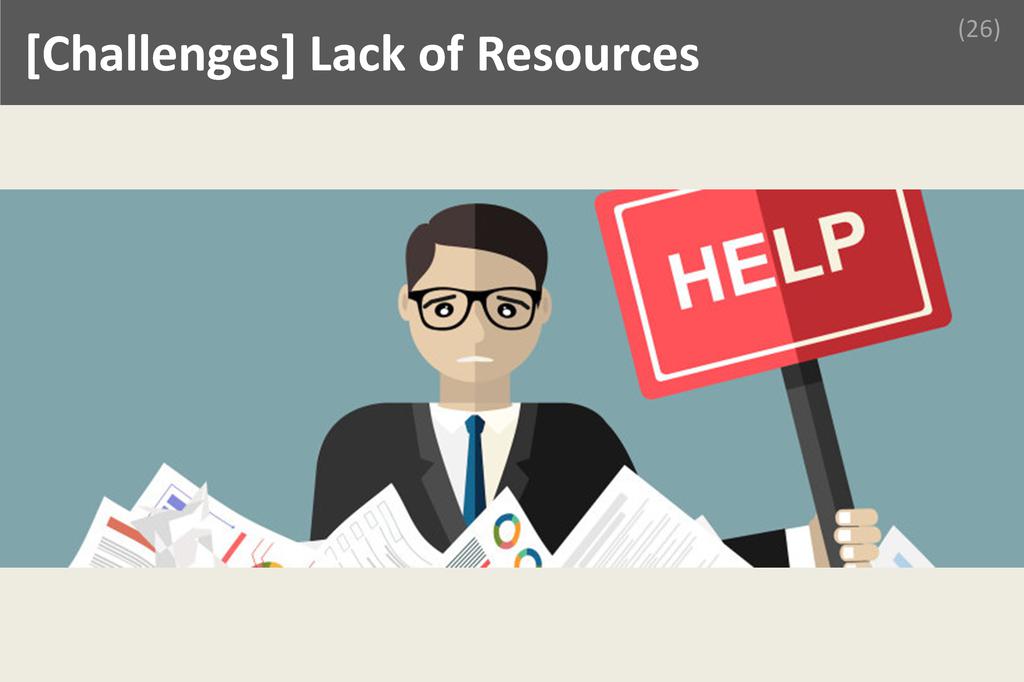
Lack of resources in interior designing refers to the limited availability of essential elements such as budget, materials, skilled labor, or time needed to execute a project effectively. This constraint is demanding because it restricts creative possibilities, complicates project management, and often forces professionals to make difficult compromises.
When interior designers face a lack of resources, their daily workflow becomes a balancing act between client expectations and practical limitations. This challenge can lead to increased stress, delays, and the need for constant problem-solving. It demands resilience because designers must remain adaptable, resourceful, and optimistic despite setbacks. Successful professionals navigate these constraints by leveraging their creativity to find alternative materials, negotiating with suppliers for better deals, and prioritizing tasks that deliver the most value within the available means. They also build strong communication with clients to manage expectations and ensure transparency. Through strategic planning and a willingness to innovate, they transform limitations into opportunities for unique and memorable design solutions.
Consider an interior designer tasked with renovating a small café on a tight budget and a short timeline. Instead of high-end finishes, the designer sources reclaimed wood and repurposed furniture from local markets, giving the space a unique, eco-friendly character. By collaborating closely with local artisans and suppliers, the designer negotiates favorable prices and faster delivery times. Open communication with the client ensures that expectations are realistic and aligned with available resources. Through creative problem-solving and adaptability, the designer not only completes the project on time and within budget but also delivers a distinctive atmosphere that becomes a key selling point for the café, demonstrating how resource constraints can inspire innovative solutions.
A Day Of
Interior Designing
The world of interior design is a vibrant blend of creativity, precision, and constant motion. Each day unfolds like a carefully curated space—full of shifting light, evolving ideas, and the hum of collaboration. For an interior designing professional, no two days are ever quite the same. The pace is brisk, the environment dynamic, and the nature of the work demands both artistic vision and practical problem-solving. From the first cup of coffee to the last email sent, the day is a tapestry woven from client consultations, material selections, site visits, and the endless pursuit of spaces that inspire.
As the city wakes, an interior designer’s day begins with a quiet moment of inspiration and preparation. This early hour is reserved for reviewing project boards, scanning through design magazines, and catching up on industry trends. The designer might revisit sketches from the previous day, organize fabric swatches, or update digital mood boards. This time is essential for setting the creative tone, prioritizing tasks, and ensuring that every detail is in place before the day’s whirlwind of activity begins.
By mid-morning, the heart of the workday is in full swing. The designer heads out for client meetings, armed with portfolios, samples, and a keen ear for understanding each client’s vision. Whether walking through a sunlit loft or a bustling commercial space, this is the time for listening, measuring, and translating dreams into actionable plans. The designer navigates construction sites, coordinates with contractors, and makes on-the-spot decisions about color palettes, furniture layouts, and lighting schemes. Every interaction is a balancing act between creativity and practicality, ensuring that the client’s needs are met without compromising on style.
Afternoons are dedicated to collaboration and execution. The designer returns to the studio to meet with team members, discuss project timelines, and troubleshoot any challenges that have arisen. This is when floor plans are finalized, orders are placed for custom furnishings, and emails fly between vendors and artisans. Samples are compared under different lighting, budgets are reviewed, and logistics are ironed out. The energy in the studio is palpable as everyone works together to bring the design vision to life, transforming concepts into tangible progress.
As the day winds down, the designer shifts focus to reflection and planning. This is the moment to review the day’s accomplishments, update project notes, and respond to client feedback. Research for upcoming projects might involve exploring new materials, sourcing sustainable options, or sketching out fresh ideas for tomorrow’s presentations. Administrative tasks are wrapped up, calendars are updated, and a final walkthrough of the studio ensures that everything is ready for another day of inspired design. With a sense of satisfaction and anticipation, the designer closes the day, knowing that each detail brings them one step closer to creating spaces that truly resonate. |


 Home
Home Abroad
 Plan
Plan Philosophy
 Seminar
 Pages
Pages Advisors
 Testimonials









 Workshop
 Discuss
 Meet
Meet
 Advisor
 Story
Story
 Fine Print
 Links
Links
 Blog
Blog
 Follow
