The Journey of Interior Designing
What Is Interior Designing
Interior Designing

Interior designing is the art and science of enhancing the interiors of a space to achieve a healthier and more aesthetically pleasing environment. It involves planning, researching, coordinating, and managing projects to transform spaces, reflecting the client’s needs and preferences while optimizing functionality and visual appeal.
Interior designing plays a crucial role in shaping the way people experience and interact with their environments, whether at home, work, or public spaces. For professionals in this field, it offers the opportunity to blend creativity with practical problem-solving, resulting in spaces that are both beautiful and functional. One major benefit is the ability to improve the quality of life for occupants by creating environments that promote well-being and productivity. Another benefit is the potential to increase property value through thoughtful design choices. Additionally, interior designers often enjoy the satisfaction of seeing their visions come to life, making a tangible difference in how spaces are used and appreciated.
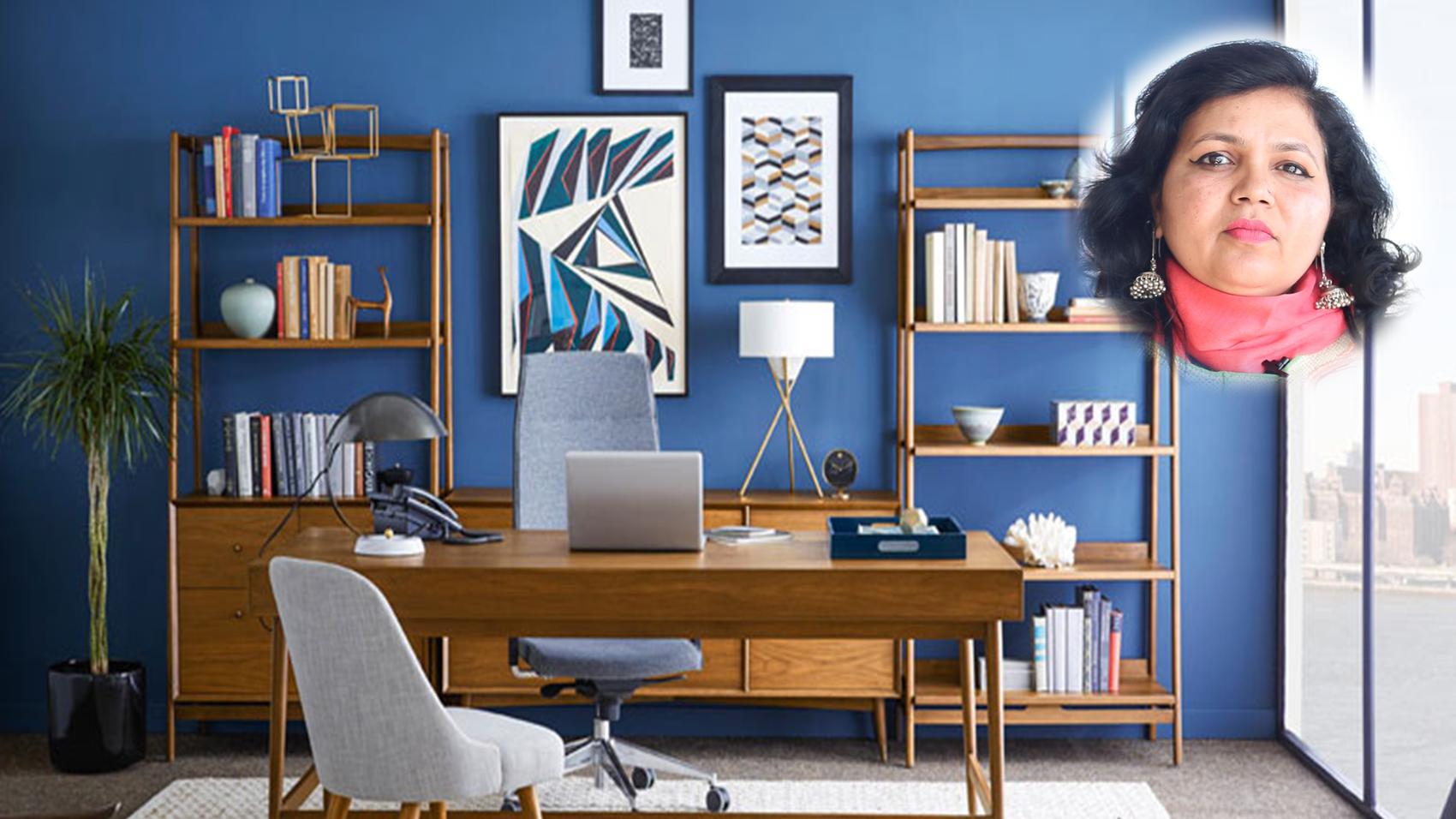
A professional interior designer might be hired to renovate a corporate office. After consulting with the client to understand their brand and workflow needs, the designer develops a layout that maximizes natural light, incorporates ergonomic furniture, and uses color schemes that foster creativity and focus. Throughout the project, the designer coordinates with contractors, selects materials, and ensures the final result aligns with both the client’s vision and practical requirements. The transformed office not only reflects the company’s identity but also enhances employee satisfaction and productivity, demonstrating the real-world value of skilled interior designing.
Education
Design

Design is the intentional process of planning, organizing, and shaping elements to create functional, aesthetic, and meaningful solutions. In Interior Designing, design serves as the backbone, guiding decisions about space, form, color, and materials. It bridges creativity with practicality, forming a critical part of both academic study and professional expertise.
Understanding design is essential for anyone pursuing a career in Interior Designing because it provides the theoretical and practical framework for every project. Mastery of design principles enables professionals to create spaces that are not only visually appealing but also functional and responsive to client needs. This foundational knowledge allows designers to communicate ideas effectively, solve complex spatial problems, and adapt to evolving trends and technologies. Over time, a strong grasp of design concepts enhances creativity, boosts confidence, and opens doors to advanced career opportunities, such as project leadership or specialization in niche markets. Ultimately, design literacy ensures that interior designers remain competitive and relevant in a dynamic industry.
Consider an interior designer tasked with renovating a small urban apartment. Drawing on their understanding of design, the professional evaluates the spatial layout, natural light, and client preferences. They apply principles such as balance, proportion, and harmony to select furniture, colors, and lighting that maximize both functionality and aesthetics. By integrating theoretical knowledge with practical constraints, the designer transforms a cramped, uninspiring space into a comfortable, visually cohesive home that reflects the client’s lifestyle. This daily application of design theory not only solves immediate challenges but also builds a reputation for thoughtful, effective solutions, demonstrating the real-world value of mastering design in interior projects.
Display

Display in interior designing refers to the strategic arrangement and presentation of objects, furnishings, and decorative elements within a space to enhance its visual appeal and functionality. It is a critical academic and professional discipline, bridging aesthetics and practical design, and is essential for creating impactful, harmonious interior environments.
Understanding display is fundamental for anyone pursuing a career in interior designing because it directly influences how spaces are perceived and experienced. Mastery of display techniques allows professionals to communicate a desired mood, highlight focal points, and guide the viewer’s attention throughout a room. This knowledge is not only crucial for residential and commercial projects but also for exhibitions, retail environments, and hospitality settings. By developing a keen sense of display, interior designers can elevate their work, ensuring that each project resonates with clients and end-users. Over time, this expertise contributes to building a strong professional reputation, attracting diverse projects, and fostering long-term career growth in a highly competitive industry.
Imagine an interior designer tasked with revamping a boutique hotel lobby. Drawing on their understanding of display, the designer carefully selects artwork, arranges seating, and positions lighting to create a welcoming and luxurious atmosphere. They use display principles to ensure that the reception desk remains the focal point, while decorative elements subtly guide guests through the space. By thoughtfully curating accessories and arranging them at varying heights, the designer adds depth and interest, making the lobby both functional and visually engaging. This application of display theory not only enhances the guest experience but also reinforces the hotel’s brand identity, demonstrating the practical value of mastering display in everyday professional practice.
Construction

Construction refers to the process of assembling materials and components to create buildings and interior spaces, encompassing methods, techniques, and standards that ensure structural integrity, safety, and functionality. In interior designing, construction knowledge bridges creative vision with practical execution, forming a crucial part of both academic study and professional expertise.
Understanding construction is essential for interior designers because it enables them to translate design concepts into feasible, safe, and sustainable spaces. Mastery of construction principles ensures that designers can communicate effectively with architects, engineers, and contractors, making informed decisions about materials, structural limitations, and building codes. This foundational knowledge empowers designers to anticipate challenges, avoid costly mistakes, and deliver projects that meet both aesthetic and functional requirements. Over the course of a career, a solid grasp of construction enhances credibility, opens up leadership opportunities, and allows professionals to manage projects more efficiently, ultimately contributing to long-term success and client satisfaction in the competitive field of interior design.
Imagine an interior designer tasked with renovating a historic apartment. Their understanding of construction allows them to assess the existing structure, identify load-bearing walls, and determine which modifications are possible without compromising safety. When proposing an open-plan layout, the designer collaborates with contractors to ensure that any wall removal is structurally sound and complies with building regulations. Their construction knowledge also guides the selection of appropriate materials and finishes that suit both the building’s age and the client’s vision. By integrating construction principles into their workflow, the designer not only achieves the desired aesthetic but also ensures the renovation is durable, safe, and legally compliant, demonstrating the practical value of construction expertise in daily professional practice.
History of Architecture

History of Architecture is the study of how buildings and structures have evolved across different cultures and periods, examining styles, construction techniques, and social influences. For interior designers, it provides essential context, informing design choices and ensuring that interiors harmonize with architectural intent, heritage, and cultural significance.
Understanding the History of Architecture is crucial for interior designers because it equips them with a deep appreciation of stylistic movements, cultural influences, and the evolution of spatial organization. This knowledge allows professionals to create interiors that are not only aesthetically pleasing but also contextually appropriate, respecting the architectural character of a space. Mastery of architectural history helps designers communicate effectively with architects and clients, justify design decisions, and avoid anachronisms or cultural insensitivity. Over the course of a career, this foundational knowledge supports creative innovation, fosters adaptability to diverse projects, and enhances credibility in the industry, making it an indispensable asset for long-term professional growth.
Imagine an interior designer tasked with renovating a historic Art Deco hotel lobby. Their understanding of the History of Architecture enables them to identify original design elements such as geometric patterns, luxurious materials, and bold color schemes characteristic of the Art Deco era. By referencing this knowledge, the designer can thoughtfully restore and reinterpret these features, ensuring that new furnishings, lighting, and finishes complement the building’s architectural heritage. This approach not only preserves the integrity of the space but also creates a cohesive and immersive experience for guests, demonstrating how theoretical knowledge directly informs practical, day-to-day design decisions.
Vastu

Vastu, or Vastu Shastra, is an ancient Indian science of architecture and spatial arrangement that harmonizes buildings with natural forces. It prescribes guidelines for layout, design, and spatial geometry to promote health, prosperity, and well-being. For interior designers, understanding Vastu is essential for culturally responsive and holistic design solutions.
Learning Vastu is vital for interior designers because it bridges traditional wisdom with modern design practices, ensuring that spaces are not only aesthetically pleasing but also energetically balanced. Mastery of Vastu principles equips professionals to address client expectations, especially in regions where cultural beliefs strongly influence design choices. This foundational knowledge enhances credibility and opens doors to a broader client base, as many homeowners and businesses seek Vastu-compliant interiors for perceived benefits in health, happiness, and success. Over the long term, expertise in Vastu can differentiate a designer in a competitive market, foster client trust, and enable the creation of spaces that are both functional and spiritually attuned.
Consider an interior designer tasked with renovating a family home. Drawing on their understanding of Vastu, the designer evaluates the orientation of rooms, placement of furniture, and selection of colors to ensure harmony with the five elements and cardinal directions. For instance, they might recommend placing the kitchen in the southeast corner, aligning the master bedroom in the southwest, and choosing calming colors for the meditation area. By integrating these Vastu principles into their design process, the professional not only meets the client’s cultural expectations but also creates a space that feels balanced and inviting. This thoughtful application of Vastu enhances client satisfaction and demonstrates the designer’s comprehensive expertise.
Cost Estimation

Cost Estimation is the systematic process of predicting the financial resources required for a project, including materials, labor, and overheads. In Interior Designing, it is a critical academic and professional skill, ensuring that design concepts are feasible, budgets are adhered to, and projects are completed within financial constraints.
Understanding cost estimation is essential for anyone pursuing a career in interior designing because it bridges creativity with practicality. Mastery of this subject empowers professionals to create designs that are not only visually appealing but also financially viable. It forms the backbone of project planning, enabling designers to allocate resources efficiently, avoid unexpected expenses, and communicate transparently with clients and contractors. Over time, proficiency in cost estimation enhances a designer’s reputation for reliability and professionalism, leading to greater client trust and more successful project outcomes. As the industry becomes increasingly competitive, those who excel in cost estimation are better positioned to manage complex projects, negotiate effectively, and sustain long-term business growth.
Imagine an interior designer tasked with renovating a boutique hotel lobby. Before presenting any design concepts, the designer meticulously calculates the costs of materials such as flooring, lighting, and furnishings, as well as labor and installation fees. By applying their knowledge of cost estimation, the designer develops a detailed budget proposal that aligns with the client’s financial limits while maintaining design integrity. Throughout the project, the designer continuously monitors expenses, adjusting selections and negotiating with suppliers to prevent cost overruns. This practical application of cost estimation ensures the project is delivered on time and within budget, ultimately satisfying the client and enhancing the designer’s professional credibility.
Softwares

Softwares are digital tools and applications designed to perform specific tasks on computers or devices. In the context of Interior Designing, softwares refer to programs that assist in creating, visualizing, and managing design projects. Mastery of these tools is essential for both academic learning and professional practice in the field.
Understanding and utilizing softwares is crucial for anyone pursuing a career in Interior Designing. These digital tools enable designers to translate creative ideas into precise visual representations, streamline project management, and facilitate effective communication with clients and collaborators. Proficiency in industry-standard softwares forms the backbone of modern design workflows, ensuring accuracy, efficiency, and innovation. As technology continues to evolve, staying updated with the latest software advancements allows professionals to remain competitive and relevant in the job market. Over the long term, expertise in softwares not only enhances productivity but also opens up opportunities for specialization, leadership roles, and collaboration on complex, multidisciplinary projects.
Imagine an interior designer working on a residential renovation project. They begin by using design software to create detailed floor plans and 3D models, allowing both the client and contractors to visualize the proposed changes before any physical work begins. Throughout the project, the designer uses project management software to track progress, manage budgets, and coordinate with suppliers. When unexpected challenges arise, such as a change in materials or layout, the designer quickly updates the digital plans and shares them with the team, ensuring everyone stays informed and aligned. This seamless integration of theoretical knowledge and practical application of softwares not only enhances the quality of the final design but also improves overall project efficiency and client satisfaction.
Skills
Space Planning

Space Planning is the strategic organization and arrangement of interior spaces to maximize functionality, efficiency, and aesthetics while meeting the needs of occupants. It involves analyzing how space will be used, considering movement flow, and ensuring that every area serves its intended purpose. In interior designing, space planning is a foundational skill that enables professionals to transform empty rooms into cohesive, practical, and visually appealing environments. It ensures that every square foot is utilized effectively, balancing client requirements with design principles. Without strong space planning abilities, even the most beautiful interiors can become impractical or uncomfortable, making this skill indispensable in a designer’s toolkit.
Mastering space planning directly enhances an interior designer’s performance by enabling them to create layouts that are both beautiful and highly functional. Clients and employers value this skill because it leads to spaces that feel comfortable, organized, and tailored to specific needs, whether in homes, offices, or commercial environments. Effective space planning can increase property value, improve workflow, and ensure safety and accessibility. To cultivate this skill, designers should study architectural principles, observe how people interact with spaces, and practice creating floor plans for a variety of settings. Over time, experience and feedback help refine a designer’s ability to visualize and implement optimal layouts, making them more competitive and successful in their careers.
Imagine an interior designer tasked with renovating a small urban apartment for a family of four. The existing layout feels cramped, with little storage and awkward traffic flow. By applying space planning expertise, the designer reconfigures the floor plan, integrating built-in storage, creating multi-functional zones, and improving circulation between rooms. The kitchen and living areas are opened up to allow for better interaction, while private spaces are strategically separated for privacy. As a result, the apartment feels significantly larger and more comfortable, meeting the family’s needs without expanding the footprint. This scenario highlights how essential space planning is in overcoming spatial challenges and delivering solutions that delight clients and maximize the potential of any interior.
Creativity
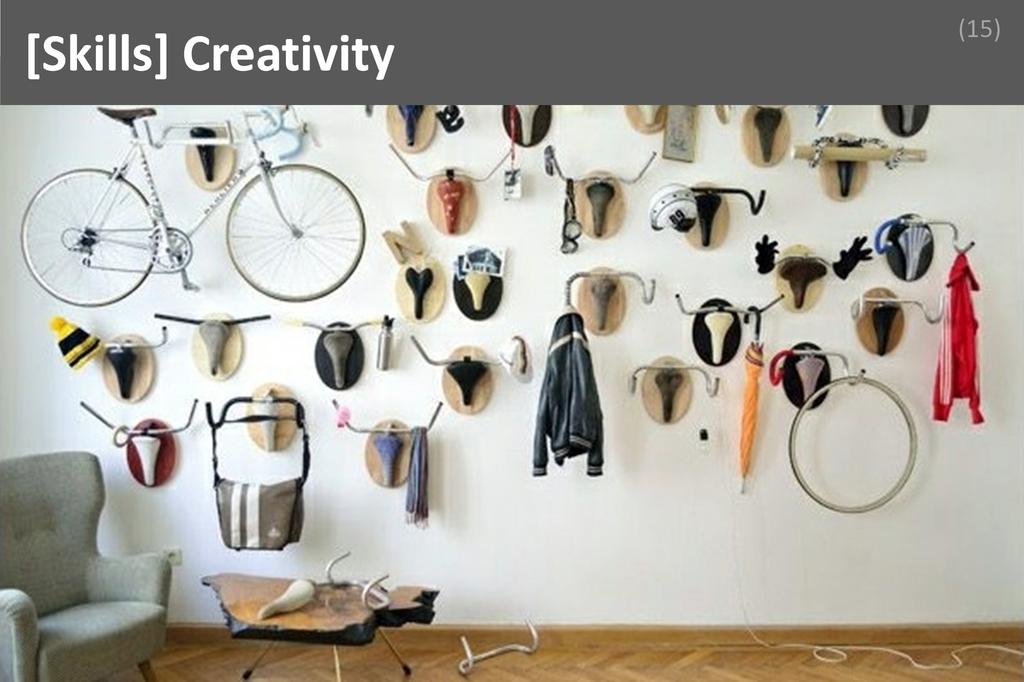
Creativity is the ability to generate original ideas, envision new possibilities, and combine elements in innovative ways to solve problems or enhance experiences. In interior designing, creativity is the driving force that transforms ordinary spaces into unique environments, allowing professionals to tailor solutions that reflect both functionality and aesthetic appeal.
Creativity directly elevates an interior designer’s performance by enabling them to approach each project with fresh perspectives and inventive solutions. Clients and employers highly value this skill because it leads to distinctive, personalized spaces that stand out in a competitive market. Creative designers can adapt to diverse client needs, overcome design challenges, and set trends rather than follow them. Cultivating creativity involves continuous learning, exposure to various design styles, and experimenting with new materials and techniques. Over time, designers can enhance their creative abilities by seeking inspiration from art, architecture, and nature, as well as collaborating with other creative professionals. This ongoing development ensures that their work remains relevant, innovative, and impactful.
Imagine an interior designer tasked with revitalizing a small urban apartment that suffers from limited natural light and cramped space. Relying on creativity, the designer envisions a layout that maximizes openness by using multifunctional furniture, reflective surfaces, and a strategic color palette to brighten the area. Instead of conventional partitions, the designer introduces sliding glass panels and open shelving to maintain flow and flexibility. By thinking beyond standard solutions and drawing inspiration from modern minimalist trends, the designer not only resolves the spatial challenges but also delivers a stylish, inviting home that exceeds the client’s expectations. This scenario highlights how creativity is essential for overcoming obstacles and achieving outstanding results in interior design.
Innovation

Innovation is the ability to generate original ideas, approaches, or solutions by thinking creatively and challenging conventional norms. In interior designing, innovation empowers professionals to envision unique spaces, integrate new materials, and adapt to evolving trends. It is a vital skill that distinguishes exceptional designers and drives the industry forward.
Innovation directly enhances an interior designer’s performance by enabling them to create distinctive and functional environments that stand out in a competitive market. Clients and employers highly value this skill because it leads to fresh, tailored solutions that reflect individual needs and preferences while maximizing space and resources. To cultivate innovation, designers should continuously seek inspiration from diverse sources, stay updated with emerging technologies and materials, and embrace experimentation. Over time, regularly challenging oneself to think beyond traditional boundaries and collaborating with other creative professionals can further strengthen this essential skill, ensuring ongoing professional growth and relevance.
Imagine an interior designer tasked with transforming a small, outdated apartment into a modern, multifunctional living space for a growing family. Faced with limited square footage and a tight budget, the designer relies on innovation to reimagine the layout, incorporating modular furniture and convertible storage solutions. By integrating sustainable materials and smart home technology, the designer not only maximizes functionality but also creates a visually appealing environment that meets the family’s evolving needs. This inventive approach not only solves the immediate spatial challenges but also exceeds the client’s expectations, demonstrating how innovation can turn constraints into opportunities for success in interior designing.
Management

Management is the process of planning, organizing, coordinating, and overseeing resources, tasks, and people to achieve specific goals efficiently and effectively. In interior designing, management ensures that projects are delivered on time, within budget, and according to client expectations. It is a foundational skill that underpins every successful project.
Strong management skills directly enhance an interior designer’s performance by enabling them to juggle multiple tasks, coordinate with various stakeholders, and adapt to changing project requirements. Clients and employers highly value this skill because it guarantees smooth project execution, minimizes costly errors, and fosters clear communication throughout the design process. To cultivate management skills, professionals should seek opportunities to lead projects, learn from experienced mentors, and adopt project management tools that streamline workflow. Over time, consistent practice and reflection on past projects help refine these abilities, making designers more reliable and effective in their roles.
Imagine an interior designer overseeing a large office renovation. Midway through the project, a key supplier delays the delivery of custom furniture, threatening the project timeline. By leveraging strong management skills, the designer quickly reassesses the schedule, communicates transparently with the client, and coordinates with alternative suppliers to source suitable replacements. Through careful organization and decisive action, the designer keeps the project on track, maintains client trust, and ensures that the final result meets both aesthetic and functional requirements. This scenario highlights how effective management can turn potential setbacks into opportunities for demonstrating professionalism and problem-solving abilities.
Positives
Self Satisfaction

Self satisfaction is the deep sense of fulfillment and contentment that arises when individuals achieve personal goals, overcome challenges, and see the tangible results of their efforts. In interior designing, this feeling is amplified as professionals transform spaces, express creativity, and witness their visions come to life, positively impacting clients’ lives and environments.
Self satisfaction is a cornerstone of a rewarding career in interior designing because it fuels motivation, creativity, and resilience. When designers see their concepts materialize into beautiful, functional spaces, they experience a profound sense of accomplishment. This intrinsic reward not only enhances daily job satisfaction but also encourages continuous learning and innovation. The pride taken in each completed project inspires designers to push boundaries and refine their skills, leading to personal and professional growth. Moreover, the positive feedback from clients and the visible transformation of spaces reinforce a designer’s confidence and passion for their craft, making every challenge worthwhile and every success deeply meaningful.
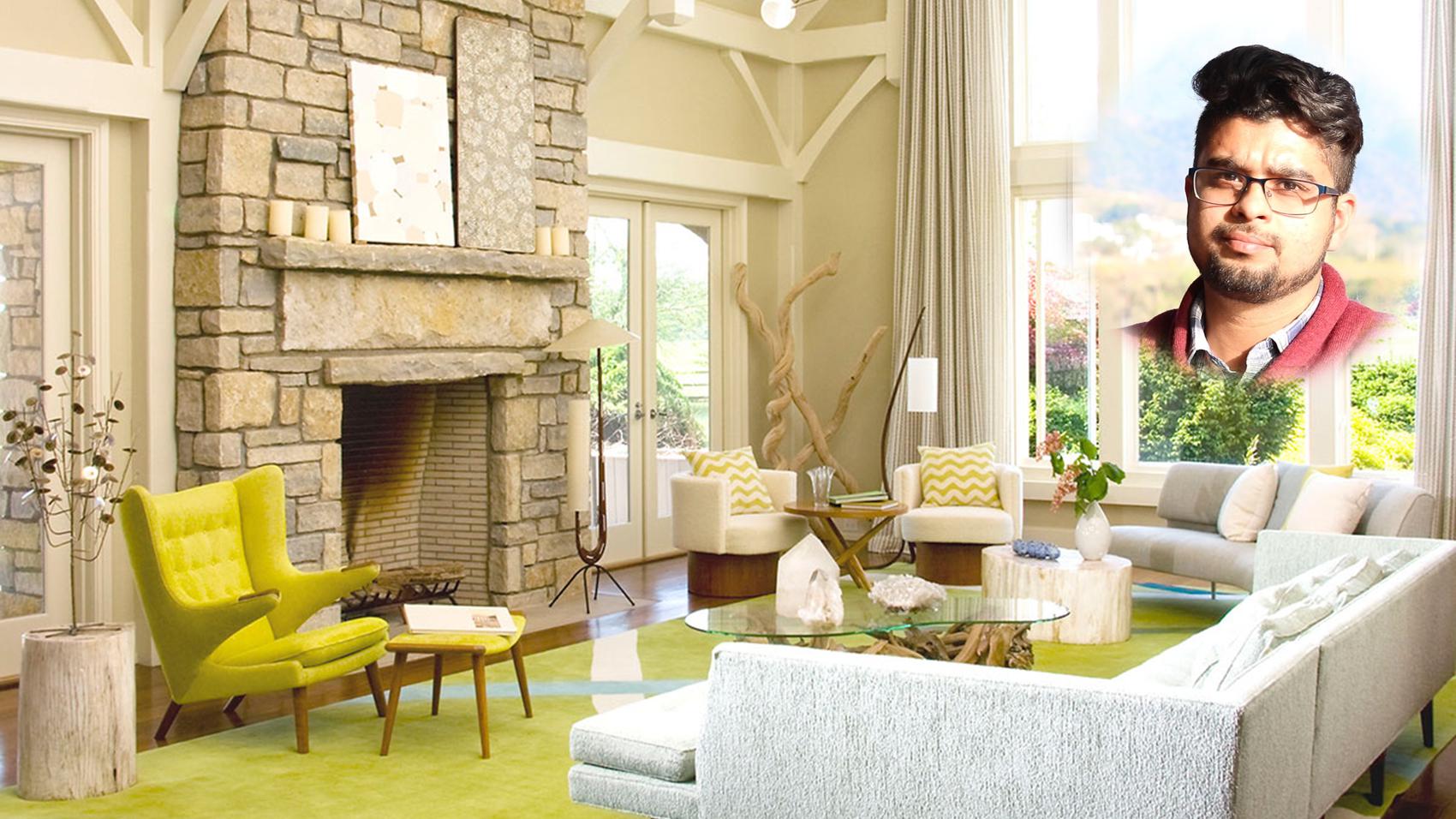
Imagine an interior designer tasked with renovating a dated family living room into a modern, welcoming space. After weeks of planning, sourcing materials, and coordinating with contractors, the transformation is complete. The family’s delighted reaction and the harmonious blend of aesthetics and functionality fill the designer with immense pride. Knowing that their creative vision has improved the daily lives of their clients, the designer feels a lasting sense of self satisfaction. This emotional reward not only validates their hard work but also motivates them to take on new projects with enthusiasm, continually seeking that same fulfilling experience in every space they touch.
Networking

Networking is the process of building and nurturing professional relationships that foster the exchange of ideas, resources, and opportunities. In interior designing, networking connects designers with clients, suppliers, contractors, and fellow creatives, allowing them to collaborate, share knowledge, and access new projects. This interconnectedness enriches both personal and professional growth.
The power of networking in interior designing lies in its ability to open doors to new opportunities and foster a sense of community. By connecting with others in the industry, designers gain access to valuable insights, referrals, and collaborations that can lead to exciting projects and career advancement. Networking also enhances job satisfaction by providing a support system and a platform for creative exchange. Professionals who actively engage in networking experience a continuous flow of inspiration, mentorship, and encouragement, making their daily work more dynamic and fulfilling. The relationships built through networking often lead to long-term partnerships and friendships, further enriching the professional journey and contributing to sustained growth and success.
Imagine an interior designer attending a local industry event where they strike up a conversation with a well-known architect. Through this connection, the designer is introduced to a group of contractors and suppliers, expanding their professional circle. A few weeks later, the architect refers a high-profile client to the designer, leading to a prestigious project that significantly boosts their portfolio. Throughout the project, the designer collaborates closely with the new contacts, learning innovative techniques and sourcing unique materials. This experience not only enhances the designer’s skills and reputation but also brings a deep sense of accomplishment and belonging within the professional community, all made possible through the power of networking.
Freedom to Design

Freedom to Design is the creative liberty interior designers possess to conceptualize, innovate, and implement unique solutions tailored to each space and client. This autonomy empowers professionals to blend functionality with aesthetics, experiment with styles, and express their artistic vision, making every project a distinct and personal achievement. Such freedom is a cornerstone of interior design, allowing designers to break away from rigid templates and instead craft environments that reflect both their creativity and the unique needs of their clients. This dynamic fosters a sense of ownership and pride in their work, contributing to a deeply satisfying professional journey.
The freedom to design is a transformative aspect of an interior designer’s career, fueling both personal and professional growth. It allows designers to continually challenge themselves, keeping their work fresh and engaging. This creative autonomy leads to higher job satisfaction, as professionals are not confined to repetitive tasks but instead are encouraged to innovate and solve problems in new ways. Each project becomes an opportunity to leave a personal mark, which can be incredibly rewarding. The ability to shape spaces that improve people’s lives and reflect their personalities gives designers a sense of purpose and accomplishment. Daily, this freedom translates into a stimulating work environment where imagination and expertise are valued and nurtured.
Imagine an interior designer working with a family who has recently purchased an old townhouse. The clients want a modern, functional home while preserving the building’s historical charm. The designer’s freedom to design allows them to blend contemporary elements with vintage features, selecting materials, colors, and layouts that honor both the past and present. Through creative problem-solving and open communication, the designer crafts a space that exceeds the family’s expectations, seamlessly merging comfort, style, and heritage. The project’s success is a direct result of the designer’s ability to exercise creative autonomy, making the process both professionally fulfilling and personally meaningful.
Challenges
Client Handling

Client handling in interior designing refers to the ongoing process of understanding, communicating with, and managing clients’ expectations, preferences, and feedback throughout a project. It is demanding because clients often have evolving visions, budget constraints, and emotional investments, requiring designers to balance creativity with diplomacy and adaptability at every stage.
The challenge of client handling permeates every aspect of an interior designer’s daily work, from initial consultations to final installations. Misunderstandings or shifting expectations can lead to project delays, budget overruns, or dissatisfaction, making resilience and patience essential qualities. Successful professionals approach this constraint by establishing clear communication channels, setting realistic expectations early, and maintaining transparency about progress and limitations. They listen actively to clients’ needs, provide regular updates, and diplomatically address concerns or changes. By fostering trust and demonstrating flexibility, designers can transform potential conflicts into collaborative solutions, ensuring smoother workflows and more satisfying outcomes for both parties.
Consider an interior designer working with a client who frequently changes their mind about color schemes and furniture choices. Instead of expressing frustration, the designer schedules additional meetings to clarify the client’s vision and uses visual aids to help them make confident decisions. Throughout the process, the designer remains patient and responsive, providing professional guidance while respecting the client’s preferences. By documenting all changes and maintaining open communication, the designer successfully navigates the evolving requirements, ultimately delivering a space that aligns with the client’s expectations. This approach not only results in a successful project but also strengthens the client-designer relationship, leading to positive referrals and future opportunities.
Deadlines

Deadlines in Interior Designing refer to the fixed dates by which specific project milestones or the entire design must be completed. These time constraints are demanding because they require precise coordination among clients, contractors, and suppliers, while also ensuring creativity and quality are not compromised under pressure.
The pressure of deadlines significantly shapes the daily workflow of interior designers, often dictating the pace and sequence of tasks. Tight schedules can lead to stress, rushed decisions, and potential compromises in design quality. This challenge demands resilience, adaptability, and strong organizational skills. Successful professionals manage deadlines by setting realistic timelines, prioritizing tasks, and maintaining clear communication with all stakeholders. They anticipate possible delays by building in buffer periods and staying flexible to adjust plans as needed. By leveraging project management tools and fostering collaborative relationships, designers can keep projects on track without sacrificing their creative vision or client satisfaction.
Consider an interior designer tasked with transforming a commercial office space within a strict four-week deadline due to an impending business launch. The designer begins by mapping out a detailed schedule, coordinating early with contractors and suppliers to ensure material availability. When a shipment delay threatens to derail the timeline, the designer quickly sources alternative materials that meet the design intent and budget. Through proactive communication with the client and regular progress updates, the designer manages expectations and maintains trust. By staying organized, adaptable, and solution-oriented, the project is completed on time, demonstrating how effective deadline management can lead to successful outcomes even under pressure.
Material Selection

Material Selection in Interior Designing refers to the careful process of choosing appropriate finishes, fabrics, surfaces, and structural elements for a space. This task is demanding because it requires balancing aesthetics, functionality, durability, budget, and client preferences, all while ensuring compliance with safety and sustainability standards.
The challenge of material selection permeates every stage of an interior designer’s workflow, from initial concept to project completion. Designers must constantly evaluate a vast array of options, each with unique properties, costs, and lead times. This complexity can lead to delays, budget overruns, or compromised design intent if not managed well. The pressure to satisfy client expectations while adhering to technical constraints demands resilience and adaptability. Successful professionals mitigate these issues by staying updated on new materials, cultivating strong supplier relationships, and developing a keen understanding of product performance. They also communicate transparently with clients about trade-offs, ensuring informed decisions that align with project goals and constraints.
Consider an interior designer tasked with renovating a historic hotel lobby. The client desires a luxurious look, but the building’s age imposes strict fire safety and preservation requirements. The designer researches innovative fire-retardant fabrics and consults with suppliers to source marble alternatives that mimic the desired aesthetic but are lighter and easier to install. By presenting samples and explaining the benefits and limitations of each option, the designer guides the client toward selections that satisfy both visual aspirations and regulatory demands. Through expertise, negotiation, and clear communication, the designer transforms a complex material selection challenge into a successful, compliant, and visually stunning outcome.
A Day Of
Interior Designing
The world of interior design is a vibrant blend of creativity, precision, and adaptability, where no two days ever feel quite the same. From the moment the day begins, an interior designer is immersed in a dynamic environment that demands both artistic vision and practical problem-solving. The pace is brisk, the atmosphere is charged with inspiration, and every moment is an opportunity to transform ordinary spaces into extraordinary experiences. Whether sketching out new concepts, meeting with clients, or coordinating with contractors, the workday unfolds as a seamless dance between imagination and execution.
As the sun rises, an interior designer’s day often starts with a quiet review of ongoing projects and a fresh cup of coffee. This early morning window is reserved for gathering inspiration, whether by flipping through design magazines, browsing digital mood boards, or revisiting client briefs. It’s a time to organize the day’s priorities, respond to urgent emails, and set the creative tone for what lies ahead. By the time the office or studio comes alive, the designer is already mentally mapping out color palettes, materials, and spatial arrangements.
Mid-morning marks the transition into the heart of the day, where the pace quickens and the focus shifts to client interaction and design development. This is when designers meet with clients—either in person or virtually—to discuss visions, present mood boards, and refine project goals. The energy is palpable as ideas are exchanged, sketches are adjusted, and decisions about fabrics, finishes, and layouts are made. This phase is both exhilarating and demanding, requiring designers to balance creativity with clear communication and practical constraints.
The afternoon is typically reserved for hands-on work and collaboration. Designers may head out for site visits, measuring spaces, overseeing installations, or troubleshooting unexpected challenges on location. Back at the studio, teamwork comes into play as designers coordinate with architects, contractors, and suppliers to ensure every detail aligns with the project vision. Samples are reviewed, orders are placed, and timelines are adjusted, all while keeping a keen eye on both aesthetics and budget.
As the day winds down, attention turns to wrapping up ongoing tasks and setting the stage for tomorrow. Designers review progress, update project documentation, and follow up with clients or vendors on outstanding items. This is also a valuable time for research—exploring new trends, sourcing innovative materials, or refining design concepts for upcoming projects. With a final sweep of the workspace and a glance at the next day’s agenda, the designer leaves the studio knowing that each day brings new challenges and endless possibilities for creativity. |


 Home
Home Abroad
 Plan
Plan Philosophy
 Seminar
 Pages
Pages Advisors
 Testimonials









 Workshop
 Discuss
 Meet
Meet
 Advisor
 Story
Story
 Fine Print
 Links
Links
 Blog
Blog
 Follow
