The Journey of Wildlife Forensic Science
What Is Wildlife Forensic Science
Wildlife Forensic Science

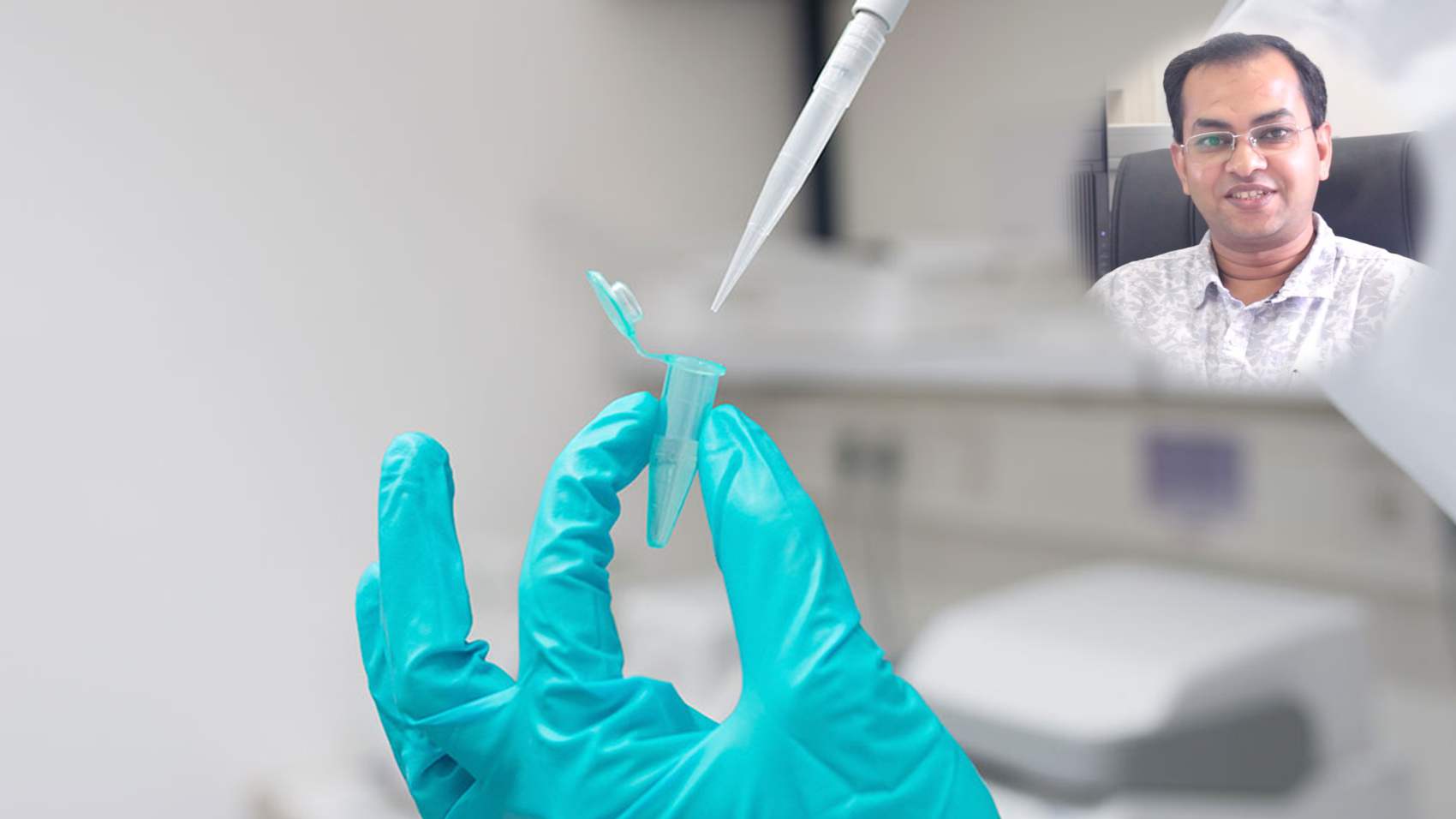
Wildlife Forensic Science is the application of scientific techniques and methodologies to investigate crimes involving wildlife. It focuses on identifying species, determining causes of death, and linking evidence to illegal activities such as poaching, trafficking, and habitat destruction, supporting law enforcement and conservation efforts worldwide.
Wildlife Forensic Science plays a crucial role in protecting biodiversity and enforcing laws that safeguard endangered species. Professionals in this field help ensure that illegal activities such as poaching, illegal trade, and habitat destruction are detected and prosecuted. This discipline enhances the credibility of wildlife crime investigations by providing scientifically sound evidence in court. It also supports conservation efforts by identifying trends in wildlife crime, helping policymakers develop effective strategies. Additionally, it fosters international collaboration, as many wildlife crimes cross borders and require coordinated responses. The work of wildlife forensic scientists ultimately contributes to the preservation of ecosystems, the protection of threatened species, and the promotion of legal and ethical wildlife management practices.
A wildlife forensic scientist might be called upon when customs officials seize a shipment of animal products suspected to be from protected species. By analyzing DNA samples, the scientist can determine the species and even the geographic origin of the seized material. This information is critical in confirming whether a crime has occurred under national or international wildlife protection laws. The forensic evidence provided can then be used in court to prosecute traffickers and dismantle illegal trade networks. In another scenario, forensic analysis of animal remains found in the wild can help identify the cause of death, distinguishing between natural causes and illegal poaching. These investigations not only bring offenders to justice but also provide valuable data for conservation efforts.
Education
Forensic Science

Forensic Science is the application of scientific principles and techniques to investigate crimes and resolve legal issues by analyzing physical evidence. It encompasses various disciplines, including biology, chemistry, and physics, to uncover facts in criminal and civil cases. In Wildlife Forensic Science, this knowledge is essential for effective investigations.
A solid grasp of forensic science is crucial for anyone pursuing a career in wildlife forensic science because it provides the methodological framework necessary for evidence collection, preservation, and analysis. Understanding forensic science ensures that professionals can accurately identify, document, and interpret evidence related to wildlife crimes, such as poaching or illegal trade. This foundational knowledge not only enhances the credibility of their findings in legal proceedings but also supports the development of robust investigative strategies. Over time, expertise in forensic science enables wildlife forensic scientists to adapt to evolving challenges, collaborate effectively with law enforcement, and contribute to the advancement of conservation efforts through scientifically sound practices.
Imagine a wildlife forensic scientist tasked with investigating the illegal trade of endangered animal parts. Drawing on their forensic science training, they meticulously collect tissue samples from confiscated products, ensuring the chain of custody is maintained. In the laboratory, they apply DNA analysis techniques to determine the species and geographic origin of the samples. Their understanding of forensic protocols allows them to interpret results accurately and present findings in a manner that stands up to legal scrutiny. This comprehensive approach not only aids in prosecuting offenders but also provides valuable data for conservation authorities, demonstrating how theoretical knowledge of forensic science is indispensable in real-world wildlife crime investigations.
Veterinary Science

Veterinary Science is the study of animal health, diseases, physiology, and medical care, focusing on diagnosing, treating, and preventing illnesses in animals. It encompasses anatomy, pathology, pharmacology, and surgery. In Wildlife Forensic Science, this discipline provides essential expertise for understanding animal biology, injury assessment, and evidence interpretation in legal investigations.
A solid grasp of Veterinary Science is crucial for anyone entering Wildlife Forensic Science because it equips professionals with the ability to accurately assess animal health, identify causes of injury or death, and distinguish between natural and human-induced trauma. This foundational knowledge is indispensable when analyzing evidence, such as tissue samples or skeletal remains, to determine the circumstances surrounding wildlife crimes. Understanding veterinary principles also enables forensic scientists to collaborate effectively with veterinarians, law enforcement, and conservationists. Over the long term, mastery of Veterinary Science enhances credibility, supports career advancement, and ensures that forensic conclusions are scientifically sound, ultimately contributing to the protection and preservation of wildlife populations.
Imagine a wildlife forensic scientist investigating the suspicious death of a protected bird species. Drawing on their veterinary science background, they examine the carcass and recognize signs of poisoning rather than natural disease. Their understanding of avian anatomy and toxicology allows them to collect appropriate tissue samples and interpret laboratory results accurately. This expertise helps them differentiate between accidental exposure and intentional poisoning, providing critical evidence for law enforcement. By applying veterinary knowledge, the forensic scientist not only identifies the cause of death but also contributes to building a legal case against perpetrators, demonstrating the direct impact of veterinary science on wildlife crime investigations.
Biological Science

Biological Science is the study of living organisms, encompassing their structure, function, growth, origin, evolution, and distribution. It integrates various disciplines such as genetics, ecology, physiology, and molecular biology. For Wildlife Forensic Science, it provides the essential scientific framework to understand, analyze, and interpret evidence related to wildlife crimes.
A solid grasp of Biological Science is indispensable for anyone pursuing a career in Wildlife Forensic Science. This subject forms the backbone of understanding animal anatomy, physiology, genetics, and ecological relationships, all of which are crucial when investigating wildlife-related crimes. Professionals rely on this knowledge to accurately identify species, determine causes of death, and analyze biological samples such as hair, tissue, or blood. Mastery of Biological Science also enables practitioners to keep pace with advances in forensic techniques and technologies, ensuring their findings are scientifically robust and legally defensible. Over the long term, this foundational expertise supports career growth, fosters interdisciplinary collaboration, and enhances credibility within the scientific and legal communities.
Imagine a wildlife forensic scientist receives a confiscated shipment suspected to contain illegal animal products. Drawing on their background in Biological Science, they examine tissue samples under a microscope, analyze DNA sequences, and compare morphological features to reference databases. Their understanding of genetics and taxonomy allows them to accurately identify the species, confirming whether the products are derived from protected or endangered animals. This scientific evidence becomes critical in building a legal case against traffickers. Throughout the process, the professional’s theoretical knowledge of biological systems ensures that their methods are precise, their conclusions are valid, and their work upholds the integrity of both science and law enforcement.
Biotechnology

Biotechnology is the application of biological systems, organisms, or derivatives to develop or modify products and processes for specific uses. In Wildlife Forensic Science, biotechnology bridges biology and technology, enabling professionals to analyze genetic material, identify species, and investigate wildlife crimes using advanced molecular and cellular techniques.
A thorough understanding of biotechnology is essential for anyone pursuing a career in Wildlife Forensic Science. This field relies heavily on biotechnological tools to collect, analyze, and interpret biological evidence from wildlife crime scenes. Mastery of concepts such as DNA extraction, polymerase chain reaction (PCR), and genetic sequencing allows professionals to accurately identify species, determine genetic relationships, and trace the origin of biological samples. These skills are crucial for enforcing wildlife protection laws, prosecuting offenders, and conserving endangered species. Over the long term, proficiency in biotechnology not only enhances investigative capabilities but also ensures adaptability as new molecular techniques and technologies emerge, making it a cornerstone of professional growth and effectiveness in wildlife forensics.
Consider a wildlife forensic scientist investigating the illegal trade of protected animal species. During a routine inspection, authorities seize animal parts suspected to belong to endangered species. The forensic scientist applies their knowledge of biotechnology by extracting DNA from the seized samples and using PCR to amplify specific genetic markers. Through genetic sequencing and comparison with reference databases, the scientist accurately identifies the species, providing critical evidence for legal proceedings. This application of biotechnology not only aids in prosecuting wildlife traffickers but also supports conservation efforts by ensuring that protected species are recognized and safeguarded. Such daily operations highlight the indispensable role of biotechnology in wildlife forensic investigations.
Wildlife Ecology

Wildlife Ecology is the scientific study of interactions among wild animals, their habitats, and the environmental factors influencing their populations and behaviors. This discipline underpins the understanding of natural systems and is essential for professionals in Wildlife Forensic Science, providing critical context for interpreting evidence and ecological relationships in forensic investigations.
A solid grasp of Wildlife Ecology is indispensable for anyone entering or advancing in Wildlife Forensic Science. This subject equips professionals with the ability to understand species distributions, population dynamics, and ecosystem interactions, all of which are crucial when analyzing forensic evidence. Knowledge of ecological principles allows forensic scientists to accurately interpret animal remains, trace evidence, and environmental clues, ensuring that their conclusions are scientifically sound. Over the course of a career, this expertise not only enhances investigative accuracy but also fosters adaptability as ecological systems and forensic technologies evolve. Mastery of Wildlife Ecology thus forms the backbone of effective, ethical, and credible forensic practice in wildlife crime investigations.
Consider a wildlife forensic scientist tasked with investigating the illegal poaching of a protected mammal. By applying their understanding of Wildlife Ecology, the scientist can analyze the animal’s remains and surrounding habitat to determine whether the death was due to natural causes or human interference. Knowledge of the species’ typical behavior, diet, and habitat preferences helps the scientist assess whether the animal was lured or displaced prior to death. Additionally, understanding ecological relationships enables the professional to identify potential secondary evidence, such as disturbed vegetation or the presence of other species, which may point to the perpetrator’s methods. This ecological insight is vital for building a robust forensic case and supporting law enforcement efforts.
Anthropology

Anthropology is the scientific study of humans, their societies, cultures, and evolutionary development, encompassing both biological and cultural perspectives. In the context of Wildlife Forensic Science, anthropology provides essential insights into human-animal interactions, cultural practices affecting wildlife, and the interpretation of evidence within broader social and ecological frameworks.
A solid grounding in anthropology is vital for wildlife forensic scientists because it equips them to understand the complex relationships between humans and wildlife. This knowledge is crucial when investigating crimes such as poaching, illegal trade, or habitat destruction, as these often involve cultural beliefs, traditional practices, or socioeconomic factors. Anthropology helps professionals interpret evidence not just biologically, but within the context of human behavior and motivation. Over the long term, this interdisciplinary perspective enhances a forensic scientist’s ability to communicate findings to diverse audiences, collaborate with law enforcement and conservation agencies, and contribute to policy development that respects both ecological integrity and cultural diversity.
Consider a wildlife forensic scientist investigating the illegal trade of animal parts used in traditional medicine. Their anthropological training enables them to recognize the cultural significance of certain species within specific communities. By understanding these cultural drivers, the scientist can more accurately interpret evidence, such as identifying ritual markings on confiscated items or linking trade patterns to particular festivals or beliefs. This anthropological insight allows the scientist to provide law enforcement with contextually informed recommendations, improving the effectiveness of interventions and fostering community engagement in conservation efforts. Ultimately, the integration of anthropology into daily operations ensures that forensic investigations are both scientifically rigorous and culturally sensitive.
Skills
Microscopic Analysis

Microscopic Analysis is the detailed examination of biological and physical evidence using microscopes to identify, compare, and interpret minute structures invisible to the naked eye. In Wildlife Forensic Science, it enables professionals to scrutinize hair, feathers, bone fragments, and other trace evidence crucial for species identification and case resolution.
Mastering Microscopic Analysis significantly enhances a wildlife forensic scientist’s ability to interpret complex evidence, leading to more accurate and defensible conclusions in investigations. Employers and clients highly value this expertise because it ensures that even the smallest traces can be reliably linked to specific species or individuals, often making the difference in legal outcomes. Cultivating this skill involves rigorous academic training in microscopy, hands-on laboratory practice, and continuous learning to stay updated with evolving techniques and technologies. Over time, professionals refine their ability to distinguish subtle differences in biological samples, improving both the speed and reliability of their analyses.
Imagine a case where authorities intercept a shipment suspected of containing illegal wildlife products. The seized items include small bone fragments and tufts of hair. A wildlife forensic scientist employs Microscopic Analysis to examine the samples, comparing their microscopic structures to reference collections. Through this meticulous process, the scientist identifies the fragments as belonging to a protected species, providing critical evidence for prosecution. Without the ability to analyze and interpret these minute details, the case might lack the definitive proof needed to enforce wildlife protection laws. This scenario highlights how Microscopic Analysis is indispensable for uncovering the truth and supporting conservation efforts in the field of wildlife forensics.
Anthropometric Measurements

Anthropometric Measurements refer to the systematic collection and analysis of physical dimensions and proportions of organisms, particularly body size, shape, and structure. In Wildlife Forensic Science, these measurements are crucial for identifying species, determining age and sex, and distinguishing between individuals, which supports accurate investigations and legal proceedings.
Mastering anthropometric measurements directly enhances a wildlife forensic scientist’s ability to provide precise identifications and reliable evidence. Clients and employers highly value this skill because it underpins the credibility of forensic reports, supports conservation efforts, and aids in prosecuting wildlife crimes. Developing expertise in this area involves rigorous training in measurement techniques, familiarity with species-specific anatomical variations, and consistent practice in both field and laboratory settings. Over time, professionals refine their accuracy and efficiency by staying updated with scientific advancements and participating in collaborative research, ensuring their findings remain robust and defensible in court or conservation contexts.
Imagine a case where authorities intercept a shipment suspected of containing illegal wildlife products. A wildlife forensic scientist is tasked with determining whether the seized animal parts belong to a protected species. By applying anthropometric measurements to bones and skins, the scientist compares the data to established reference databases. This careful analysis reveals that the items originate from an endangered species, providing critical evidence for legal action. Without precise anthropometric skills, the identification could be inconclusive, potentially allowing traffickers to evade prosecution. In this scenario, the professional’s expertise not only supports law enforcement but also contributes to the broader goal of wildlife conservation.
Literature Digging

Literature Digging is the systematic process of searching, reviewing, and synthesizing scientific publications, case studies, and technical reports to gather relevant information. In Wildlife Forensic Science, it enables professionals to stay updated on methodologies, legal precedents, and species identification techniques, forming a foundation for credible, evidence-based investigations and expert testimony.
Mastering Literature Digging directly enhances a wildlife forensic scientist’s ability to solve complex cases by ensuring their knowledge is current and comprehensive. Employers and clients highly value this skill because it demonstrates diligence, scientific rigor, and the capacity to support findings with authoritative sources. Over time, professionals can cultivate this skill by regularly engaging with academic journals, attending conferences, and participating in professional networks. Developing a habit of critical reading and maintaining organized records of relevant literature further strengthens one’s ability to quickly access and apply information when needed. This ongoing commitment to literature review not only improves case outcomes but also establishes the professional’s credibility in both scientific and legal settings.
Imagine a wildlife forensic scientist faced with identifying the origin of seized animal parts suspected to belong to a protected species. The morphological features are ambiguous, and standard DNA databases yield inconclusive results. By engaging in thorough Literature Digging, the scientist uncovers a recently published study detailing a novel genetic marker specific to the suspected species. Applying this new method, the scientist successfully confirms the species’ identity, providing crucial evidence for prosecution. This scenario highlights how the ability to efficiently locate and interpret cutting-edge research can directly impact the resolution of high-stakes cases, ensuring justice and supporting conservation efforts.
Law & Acts Compliance

Law & Acts Compliance refers to the thorough understanding and strict adherence to all relevant legal statutes, regulations, and formal acts governing a specific field. In Wildlife Forensic Science, this means ensuring every investigative and analytical process aligns with conservation laws, wildlife protection acts, and international treaties to maintain legal integrity.
Mastering Law & Acts Compliance directly enhances a wildlife forensic scientist’s effectiveness by ensuring that all evidence collection, analysis, and reporting meet legal standards. Clients and employers highly value this skill because it safeguards cases from being dismissed due to procedural errors or legal oversights. It also demonstrates professionalism and ethical responsibility, which are crucial in legal proceedings. To cultivate this skill, professionals must stay updated on evolving wildlife laws, participate in relevant training, and engage with legal experts. Continuous learning and practical application in real-world cases help reinforce a deep understanding of compliance, making it an integral part of daily practice and decision-making.
Consider a scenario where a wildlife forensic scientist is tasked with analyzing seized animal products suspected to be from an endangered species. By meticulously following national and international wildlife protection acts, the scientist ensures that the chain of custody is unbroken and all laboratory procedures are legally sound. This compliance allows the evidence to be admissible in court, leading to a successful prosecution of traffickers. Without strict adherence to legal requirements, the case could collapse, allowing offenders to evade justice. Thus, Law & Acts Compliance not only upholds the integrity of the investigation but also plays a pivotal role in protecting endangered species and supporting conservation efforts.
Decision Making

Decision Making is the cognitive process of selecting a course of action from multiple alternatives based on analysis, judgment, and available information. In Wildlife Forensic Science, this skill is crucial for interpreting complex evidence, determining investigative priorities, and ensuring that conclusions are scientifically sound and legally defensible. Effective decision making enables professionals to navigate ambiguous situations, weigh ethical considerations, and maintain the integrity of their work. It empowers them to respond swiftly and accurately to emerging challenges, making it an indispensable part of their professional toolkit.
Strong decision making directly enhances a wildlife forensic scientist’s performance by enabling them to analyze evidence efficiently, choose appropriate testing methods, and draw reliable conclusions under pressure. Employers and clients value this skill because it leads to accurate, timely results that can withstand legal scrutiny and support conservation efforts. To cultivate decision making, professionals should seek diverse case experiences, engage in critical thinking exercises, and stay updated on scientific advancements and legal standards. Reflecting on past decisions and learning from both successes and mistakes also sharpens this skill over time, fostering confidence and competence in high-stakes situations.
Imagine a wildlife forensic scientist receives tissue samples from a suspected poaching incident involving a protected species. The evidence is limited and time-sensitive, with legal authorities awaiting results to pursue prosecution. The scientist must quickly decide which analytical techniques will yield the most reliable identification, considering the sample’s condition and available resources. By weighing the risks and benefits of each method, consulting relevant protocols, and drawing on prior experience, the scientist selects a DNA analysis approach that preserves evidence integrity. This decisive action not only leads to a conclusive identification but also supports the legal case, demonstrating the critical role of decision making in achieving successful outcomes.
Positives
Contribution to Conservation

Contribution to Conservation means actively participating in the protection, preservation, and restoration of wildlife and their habitats through scientific expertise and action. In wildlife forensic science, this involves using analytical skills to combat wildlife crime, support law enforcement, and ensure the survival of endangered species, creating a lasting positive environmental impact.
The opportunity to contribute to conservation is a powerful motivator for professionals in wildlife forensic science. Knowing that their daily work directly aids in protecting vulnerable species and ecosystems brings a profound sense of purpose and fulfillment. This positive aspect not only enhances job satisfaction but also fosters a deep commitment to ongoing professional growth. As these scientists analyze evidence and solve cases, they witness firsthand the tangible results of their efforts, such as the prosecution of poachers or the recovery of trafficked animals. This continual connection to meaningful outcomes reinforces their dedication and passion, making every challenge worthwhile and every success deeply rewarding.
Imagine a wildlife forensic scientist who receives samples from a suspected illegal ivory shipment. Through meticulous DNA analysis, they identify the species and geographic origin of the ivory, providing crucial evidence that leads to the conviction of traffickers. This achievement not only disrupts a criminal network but also helps protect elephant populations from further harm. The scientist experiences immense satisfaction, knowing their expertise has directly contributed to conservation efforts and the preservation of a threatened species. This real-world impact transforms routine laboratory work into a mission-driven career, where every case solved is a step toward a healthier, more sustainable planet.
Helping Law & Enforcement Authorities

Helping Law & Enforcement Authorities means providing scientific expertise, evidence analysis, and technical support to police, customs, and regulatory agencies investigating wildlife crimes. This collaboration ensures that illegal activities such as poaching, trafficking, and habitat destruction are detected, prosecuted, and deterred, thereby upholding laws and protecting endangered species and ecosystems.
The opportunity to assist law and enforcement authorities is a cornerstone of fulfillment in wildlife forensic science. Professionals in this field know their work directly supports justice and conservation, making their daily efforts meaningful and impactful. By generating reliable forensic evidence, they empower authorities to build strong cases against offenders, which leads to real-world consequences for those who harm wildlife. This sense of purpose not only boosts job satisfaction but also fosters professional growth, as practitioners constantly develop new skills and deepen their expertise through collaboration with legal and enforcement teams. Every case handled is a reminder that their scientific contributions are vital to protecting biodiversity and upholding the rule of law.
Imagine a wildlife forensic scientist receiving a call from customs officials who have intercepted a suspicious shipment of animal products at an international border. The scientist meticulously analyzes DNA samples and determines that the items originate from a critically endangered species, providing irrefutable evidence for prosecution. Their findings enable law enforcement to dismantle a trafficking network, prevent further exploitation, and secure a conviction in court. Witnessing the direct impact of their expertise—seeing justice served and knowing that their work has protected vulnerable wildlife—brings immense professional pride and personal fulfillment. This daily collaboration with authorities transforms scientific knowledge into tangible conservation victories.
Career Opportunities

Career opportunities refer to the diverse pathways, roles, and advancement possibilities available within a profession, allowing individuals to explore various specializations, leadership positions, and interdisciplinary collaborations. In wildlife forensic science, career opportunities foster professional growth, adaptability, and long-term engagement, making the field dynamic, resilient, and attractive to passionate individuals.
The abundance of career opportunities in wildlife forensic science is a powerful motivator for professionals seeking meaningful and sustainable work. This field offers a wide spectrum of roles, from laboratory analysis and field investigations to policy development and international collaboration. Such diversity ensures that individuals can continually expand their skills, pursue new interests, and adapt to emerging challenges. The ability to transition between research, enforcement, education, and advocacy roles not only enhances job satisfaction but also provides a sense of security and purpose. Professionals experience daily fulfillment knowing their expertise can lead to new avenues for impact, personal growth, and contribution to global conservation efforts.
Imagine a wildlife forensic scientist who begins their career analyzing DNA samples in a laboratory to identify illegally trafficked animal species. Over time, they are presented with opportunities to collaborate with law enforcement agencies, participate in international conferences, and contribute to policy-making initiatives. This progression allows them to develop new skills, expand their professional network, and take on leadership roles in global conservation projects. Each new opportunity brings fresh challenges and rewards, reinforcing their passion for the field and demonstrating the tangible impact of their work. The dynamic nature of career opportunities in wildlife forensic science ensures that their career remains engaging, meaningful, and full of potential for growth.
Respect & Recognition

Respect & Recognition refers to the acknowledgment, appreciation, and esteem that professionals receive from peers, organizations, and society for their expertise, integrity, and contributions. In wildlife forensic science, this positive regard not only validates the scientist’s efforts but also reinforces the importance of their role in protecting biodiversity and upholding justice.
The respect and recognition earned in wildlife forensic science are powerful motivators that enhance job satisfaction and professional growth. When experts are valued for their unique skills and dedication, they feel a deep sense of purpose and pride in their work. This acknowledgment often leads to increased opportunities for collaboration, leadership, and influence within the scientific and conservation communities. On a daily basis, professionals experience this benefit through gratitude from law enforcement, trust from conservation organizations, and admiration from the public. Such recognition not only affirms their expertise but also inspires them to continue making a meaningful difference in the fight against wildlife crime.
Imagine a wildlife forensic scientist who successfully identifies the origin of seized ivory, providing crucial evidence that leads to the conviction of a major poaching syndicate. In the aftermath, the scientist is publicly commended by government officials, conservation leaders, and international agencies. Their expertise is highlighted in media reports, and colleagues seek their guidance on future cases. This outpouring of respect and recognition not only validates the scientist’s hard work but also fuels their passion for the field, reminding them that their efforts are essential to global conservation and justice. The daily knowledge that their work is valued and impactful brings a profound sense of fulfillment and pride.
Challenges
Lack of Animal Literature

Lack of animal literature in Wildlife Forensic Science refers to the limited availability of comprehensive, peer-reviewed scientific resources on the identification, biology, and forensic characteristics of many animal species. This scarcity complicates casework, as professionals often lack reference materials necessary for accurate species identification and evidence interpretation, making investigations more challenging.
The absence of robust animal literature significantly impacts the daily responsibilities of wildlife forensic scientists. Without established references, professionals must often rely on fragmented data, personal expertise, or consultation with external specialists, which can delay case resolution and increase the risk of error. This challenge demands resilience, adaptability, and creative problem-solving, as practitioners must frequently develop their own protocols or validate new methods. Successful professionals overcome this constraint by building collaborative networks with academic researchers, maintaining detailed personal databases, and staying engaged with the latest scientific developments. They also contribute to the field by publishing their findings, gradually expanding the available literature and supporting the broader forensic community.
Consider a wildlife forensic scientist tasked with identifying the origin of confiscated animal parts from a species with scant published data. Faced with minimal literature, the professional reaches out to zoologists and museum curators, leveraging their expertise and access to reference collections. By combining morphological analysis with genetic sequencing and meticulously documenting each step, the scientist establishes a reliable identification protocol. The findings are then shared through a peer-reviewed publication, not only resolving the immediate case but also enriching the scientific community’s resources. This proactive approach demonstrates how determination and collaboration can transform a lack of literature from a barrier into an opportunity for professional growth and scientific advancement.
Various Species in Wildlife

"Various Species in Wildlife" refers to the immense diversity of animal and plant species encountered in forensic investigations. In Wildlife Forensic Science, this diversity complicates species identification, evidence analysis, and legal proceedings, as each species may require unique expertise, reference materials, and analytical techniques, making accurate conclusions challenging and time-consuming.
The sheer variety of species encountered in wildlife forensic cases significantly complicates daily operations. Professionals must constantly update their knowledge and adapt to new identification methods, as misidentification can undermine legal cases and conservation efforts. This challenge demands resilience because it requires ongoing learning, meticulous attention to detail, and the ability to work under pressure when evidence is ambiguous or incomplete. Successful wildlife forensic scientists navigate this constraint by collaborating with taxonomic experts, utilizing comprehensive genetic databases, and participating in continuous training. They also develop robust protocols for handling unfamiliar species and invest in advanced technologies, such as DNA barcoding, to improve accuracy. By fostering a culture of adaptability and teamwork, professionals can effectively manage the complexities posed by the vast array of species in wildlife.
A wildlife forensic scientist receives a shipment of confiscated animal parts suspected to be from endangered species. The samples include bones, feathers, and skin from multiple, visually similar species. Instead of relying solely on morphological identification, the scientist employs DNA barcoding and consults with taxonomists specializing in regional fauna. Through careful genetic analysis and expert collaboration, the scientist accurately identifies each species, providing crucial evidence for prosecution. This approach not only ensures legal compliance but also supports conservation efforts by preventing the misidentification of protected species. The case demonstrates how leveraging interdisciplinary expertise and advanced molecular techniques can overcome the challenges posed by the diversity of species encountered in wildlife forensic investigations.
Health Issues

Health issues in Wildlife Forensic Science refer to the physical and psychological risks professionals face due to exposure to zoonotic diseases, hazardous chemicals, and stressful environments. This field is demanding because it requires close contact with potentially infectious wildlife specimens and often involves working in remote or under-resourced locations.
The challenge of health issues in wildlife forensic science can significantly affect daily work by introducing risks such as disease transmission, chemical exposure, and chronic stress. These factors can lead to absenteeism, decreased productivity, and long-term health complications. The demanding nature of the job requires professionals to be resilient, adaptable, and proactive in safeguarding their well-being. Successful practitioners manage these constraints by adhering strictly to safety protocols, utilizing personal protective equipment, and participating in regular health screenings. They also prioritize mental health by seeking support from colleagues and engaging in stress-reduction practices. By fostering a culture of safety and self-care, professionals can continue to perform their duties effectively while minimizing health-related setbacks.
Consider a wildlife forensic scientist tasked with analyzing tissue samples from illegally trafficked animals suspected of carrying zoonotic pathogens. Aware of the health risks, the professional implements rigorous laboratory safety measures, including the use of biosafety cabinets and protective clothing. They also participate in ongoing training to stay updated on emerging health threats and best practices. When feeling overwhelmed by the emotional toll of frequent exposure to animal suffering, the scientist seeks support from a workplace counselor and maintains a healthy work-life balance. Through these proactive steps, the professional not only protects their own health but also sets a positive example for colleagues, demonstrating that health challenges can be managed without compromising the integrity of forensic investigations.
A Day Of
Wildlife Forensic Science
In the world of wildlife forensic science, every day unfolds like a high-stakes mystery, where the stakes are not just legal but ecological. The hum of laboratory equipment blends with the quiet intensity of focused analysis, as professionals move between microscopes, evidence lockers, and digital databases. Here, the pace is dictated by the urgency of protecting endangered species and the relentless march of time in ongoing investigations. Whether it’s a confiscated ivory tusk or a suspicious shipment of exotic feathers, each piece of evidence tells a story—and it’s up to the wildlife forensic scientist to decipher it before the trail goes cold.
As the sun rises, the day begins with the careful intake of new evidence and a thorough review of ongoing cases. The lab is quiet, save for the soft clatter of gloves and the rustle of paperwork. Wildlife forensic scientists meticulously log each item, ensuring chain of custody is maintained, and review case files to prioritize the day’s workload. This early hour is dedicated to setting up workstations, calibrating instruments, and preparing reagents, laying the groundwork for the complex analyses ahead.
By mid-morning, the lab is alive with activity as scientists dive into the heart of their work: analyzing biological samples, extracting DNA, and comparing specimens against reference databases. The atmosphere is focused and intense, with professionals peering through microscopes, running PCR machines, and interpreting chromatograms. This is the most demanding part of the day, where precision and attention to detail are paramount. Every test result could be the key to unraveling a trafficking network or exonerating an innocent party.
The afternoon brings a shift from solitary analysis to collaboration and execution. Wildlife forensic scientists gather for case briefings, sharing findings with law enforcement partners, conservation agencies, and sometimes even international organizations. Video conferences and phone calls connect the lab to field agents, customs officials, and legal teams. Together, they strategize next steps, discuss evidence interpretation, and coordinate fieldwork or courtroom testimony. This phase is a reminder that wildlife crime is a global issue, requiring seamless teamwork across disciplines and borders.
As the day winds down, attention turns to meticulous documentation and planning. Scientists compile detailed reports, update case files, and ensure that all evidence is securely stored. Administrative tasks, such as responding to emails and preparing for upcoming court appearances, fill the late afternoon. Before leaving, practitioners review the next day’s schedule, flagging urgent cases and setting priorities. The lab grows quiet once more, but the sense of purpose lingers—each day’s work is a step toward justice for wildlife and the preservation of our planet’s most vulnerable species. |


 Home
Home Abroad
 Plan
Plan Philosophy
 Seminar
 Pages
Pages Advisors
 Testimonials









 Workshop
 Discuss
 Meet
Meet
 Advisor
 Story
Story
 Fine Print
 Links
Links
 Blog
Blog
 Follow
