The Journey of Wildlife Forensic Science
What Is Wildlife Forensic Science
Wildlife Forensic Science

Wildlife Forensic Science is the application of scientific methods and techniques to investigate crimes involving wildlife. It focuses on identifying species, determining causes of death, and providing evidence for legal cases related to poaching, illegal trade, and habitat destruction, supporting law enforcement and conservation efforts worldwide.
Wildlife Forensic Science plays a crucial role in protecting biodiversity and upholding environmental laws. Professionals in this field help ensure that those who exploit or harm wildlife are held accountable, which deters illegal activities and supports conservation initiatives. The discipline also aids in the accurate identification of species, which is essential for enforcing international treaties and regulations. By providing reliable scientific evidence, wildlife forensic scientists strengthen legal cases against offenders, contribute to the preservation of endangered species, and foster public trust in conservation efforts. Their work not only supports justice but also promotes global awareness about the importance of wildlife protection.
A wildlife forensic scientist might be called upon when customs officials seize a shipment of animal products suspected to be from endangered species. Using DNA analysis, the scientist can determine the exact species and origin of the samples, confirming whether they were obtained illegally. This information is then presented in court to support prosecution against traffickers. In another scenario, a forensic expert may analyze wounds on a deceased animal to distinguish between natural causes and human-inflicted injuries, helping authorities identify and apprehend poachers. Through these investigations, wildlife forensic scientists provide critical evidence that leads to convictions, supports conservation laws, and ultimately helps protect vulnerable wildlife populations from exploitation and extinction.
Education
Biological Sciences

Biological Sciences is the study of living organisms, encompassing their structure, function, growth, evolution, and interactions with each other and their environments. This discipline provides essential insights into genetics, physiology, ecology, and taxonomy, forming a critical foundation for understanding the complexities encountered in Wildlife Forensic Science.
A strong grasp of Biological Sciences is indispensable for anyone entering or advancing in Wildlife Forensic Science. This subject equips professionals with the ability to identify species, understand genetic variation, and interpret ecological relationships, all of which are crucial when investigating wildlife crimes. Knowledge of anatomy and physiology allows forensic scientists to analyze biological evidence such as hair, tissue, or bone fragments, while an understanding of evolutionary relationships aids in distinguishing between closely related species. Mastery of these concepts not only enhances the accuracy of forensic investigations but also supports effective communication with law enforcement, conservationists, and the legal system. Over time, this foundational knowledge fosters professional credibility and opens doors to advanced research, leadership roles, and specialized forensic expertise.
Consider a wildlife forensic scientist tasked with identifying the origin of confiscated animal products suspected to be from endangered species. Drawing on their background in Biological Sciences, the scientist examines morphological features and conducts DNA analysis to determine the species and population of origin. Their understanding of genetics and taxonomy enables them to interpret genetic markers and compare them with reference databases. This expertise is critical in providing reliable evidence for legal proceedings, supporting conservation efforts, and ensuring that perpetrators of wildlife crimes are held accountable. The ability to apply theoretical knowledge to real-world forensic challenges highlights the indispensable role of Biological Sciences in daily professional practice.
Biotechnology

Biotechnology is the application of biological systems, organisms, or derivatives to develop or modify products and processes for specific uses. In Wildlife Forensic Science, biotechnology provides essential tools for analyzing biological evidence, enabling professionals to identify species, individuals, and origins, which is crucial for legal investigations and conservation efforts.
A solid grasp of biotechnology is indispensable for anyone pursuing a career in Wildlife Forensic Science. This field relies heavily on molecular techniques, such as DNA extraction, amplification, and sequencing, to solve crimes involving wildlife. Understanding biotechnology equips professionals with the ability to interpret genetic data, validate forensic evidence, and ensure the accuracy of their findings. Mastery of these concepts not only enhances investigative capabilities but also fosters credibility in courtrooms and among conservation agencies. Over time, proficiency in biotechnology opens doors to advanced research, leadership roles, and interdisciplinary collaboration, making it a cornerstone for long-term career growth and adaptability in the ever-evolving landscape of wildlife forensics.
Imagine a wildlife forensic scientist tasked with investigating the illegal trade of endangered animal parts. Using their knowledge of biotechnology, they extract DNA from confiscated samples and employ polymerase chain reaction (PCR) techniques to amplify genetic markers. By comparing these markers to reference databases, they accurately identify the species and even the geographic origin of the specimen. This scientific evidence becomes pivotal in court, linking suspects to wildlife crimes and supporting prosecution. The professional’s expertise in biotechnology not only ensures the integrity of the investigation but also contributes to the broader goals of wildlife conservation and law enforcement, demonstrating the real-world impact of this foundational knowledge.
Forensic Science

Forensic Science is the application of scientific principles and techniques to investigate crimes and resolve legal issues by analyzing physical evidence. In the context of Wildlife Forensic Science, it serves as the backbone for identifying, documenting, and interpreting evidence related to wildlife crimes, ensuring justice and conservation efforts are scientifically grounded.
A thorough understanding of forensic science is essential for anyone pursuing a career in wildlife forensic science. This field demands a solid grasp of evidence collection, preservation, and analysis, as well as the ability to interpret scientific findings within a legal framework. Mastery of forensic science principles enables professionals to accurately identify species, determine causes of death, and link suspects to illegal activities involving wildlife. Over time, this expertise not only enhances the credibility of investigations but also supports the prosecution of wildlife crimes, contributing to broader conservation goals. Developing these skills ensures that practitioners remain effective and adaptable as new technologies and methodologies emerge within the forensic sciences.
Imagine a wildlife forensic scientist receives a confiscated shipment suspected to contain illegal ivory. Drawing on their forensic science training, they meticulously document the evidence, employ chemical and genetic analyses to confirm the material is elephant ivory, and determine its geographic origin. Their understanding of forensic protocols ensures the chain of custody is maintained, making the evidence admissible in court. When called to testify, the scientist clearly explains their methods and findings, helping prosecutors build a strong case against traffickers. This scenario highlights how foundational forensic science knowledge directly impacts the success of wildlife crime investigations and the protection of endangered species.
Genetics
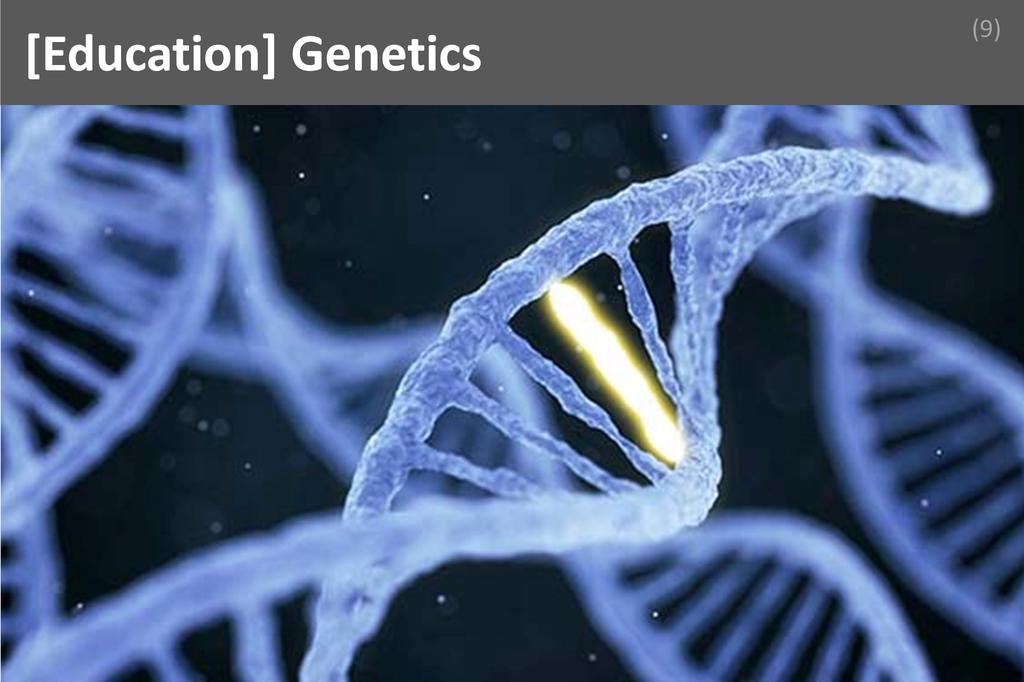
Genetics is the scientific study of genes, heredity, and variation in living organisms. It explores how traits and characteristics are passed from one generation to the next through DNA. In Wildlife Forensic Science, genetics is essential for identifying species, individuals, and understanding population structures, forming a critical part of the discipline’s knowledge base.
A solid grasp of genetics is indispensable for anyone pursuing a career in Wildlife Forensic Science. This field often requires the identification of animal species or individuals from biological samples such as hair, tissue, or blood, especially in cases involving poaching, illegal trade, or wildlife trafficking. Understanding genetic principles allows professionals to interpret DNA evidence accurately, ensuring that their findings are scientifically valid and legally defensible. Mastery of genetics also enables wildlife forensic scientists to contribute to conservation efforts by monitoring genetic diversity and population health. Over the long term, expertise in genetics enhances career prospects, as it is a rapidly evolving field with growing applications in law enforcement, conservation, and research.
Imagine a wildlife forensic scientist receives a confiscated shipment suspected to contain products made from endangered animals. By extracting DNA from the seized material, the scientist applies their knowledge of genetics to analyze genetic markers and compare them to reference databases. This process enables them to determine not only the species but, in some cases, the specific population or even the individual animal from which the sample originated. Such genetic evidence can be pivotal in court, linking suspects to illegal activities and supporting prosecutions. Additionally, the data gathered can inform conservation strategies by revealing patterns of illegal trade and identifying populations at risk, demonstrating the practical and far-reaching impact of genetics in daily forensic operations.
DNA Technology

DNA Technology refers to the set of scientific methods used to analyze, manipulate, and interpret genetic material, primarily deoxyribonucleic acid (DNA). In Wildlife Forensic Science, it is essential for identifying species, individuals, and genetic relationships, forming a cornerstone of both academic study and practical investigation in this specialized field.
Understanding DNA Technology is crucial for anyone entering or advancing in Wildlife Forensic Science because it enables accurate identification of species and individuals, which is fundamental to investigating wildlife crimes. Mastery of this subject allows professionals to interpret genetic evidence, trace illegal trade routes, and support law enforcement with scientifically robust data. The ability to analyze DNA samples from hair, tissue, or blood can distinguish between closely related species or even pinpoint the geographic origin of an animal, which is invaluable in combating poaching and trafficking. Over the long term, proficiency in DNA Technology not only enhances credibility and effectiveness in the field but also opens doors to advanced research, policy development, and leadership roles within conservation and forensic science sectors.
Consider a scenario where a wildlife forensic scientist receives a confiscated shipment of animal parts suspected to be from an endangered species. Using their expertise in DNA Technology, the scientist extracts DNA from the samples and compares the genetic sequences to reference databases. This analysis confirms the species identity and, in some cases, reveals the population or region of origin. The results provide critical evidence for legal proceedings, helping authorities prosecute offenders and deter future crimes. By applying their theoretical knowledge of DNA extraction, amplification, and sequencing, the professional ensures that the investigation is scientifically sound, upholds legal standards, and contributes to the broader goals of wildlife conservation and protection.
Skills
Computer Skills

Computer skills refer to the ability to efficiently use digital devices, software applications, and online resources to process, analyze, and communicate information. In Wildlife Forensic Science, these skills enable professionals to manage complex data, operate specialized analytical tools, and collaborate with colleagues, ensuring accurate and timely scientific investigations.
Proficiency in computer skills significantly enhances a wildlife forensic scientist’s ability to handle large datasets, conduct statistical analyses, and create detailed reports. Employers and clients highly value these abilities because they ensure the reliability and integrity of forensic evidence, which is crucial for legal proceedings and conservation efforts. Mastery of relevant software, such as databases, statistical packages, and image analysis tools, allows professionals to streamline workflows and minimize errors. To cultivate these skills, individuals should pursue ongoing training, stay updated with technological advancements, and practice using new tools in real-world scenarios. Over time, this commitment to digital literacy translates into greater efficiency, improved problem-solving, and a stronger professional reputation.
Imagine a wildlife forensic scientist tasked with identifying the origin of confiscated animal products suspected to be from endangered species. The professional uses advanced DNA analysis software to compare genetic sequences from the samples with an extensive online database. By efficiently navigating the software, inputting data accurately, and interpreting the results, the scientist quickly determines the species and geographic origin of the samples. This information is then compiled into a comprehensive digital report, which is shared with law enforcement agencies and conservation organizations. The scientist’s computer skills not only expedite the investigation but also ensure the findings are presented clearly and credibly, directly contributing to the successful prosecution of wildlife crime.
Lab Awareness

Lab Awareness is the comprehensive understanding of laboratory protocols, safety procedures, equipment operation, and the scientific environment in which forensic analyses occur. In Wildlife Forensic Science, this skill ensures that evidence is handled, processed, and analyzed with precision, maintaining the integrity of results and supporting the credibility of investigations and legal proceedings.
Lab Awareness directly enhances a professional’s ability to work efficiently and safely within a forensic laboratory. It minimizes errors, prevents contamination, and ensures compliance with legal and scientific standards. Clients and employers highly value this skill because it underpins the reliability of forensic results, which can influence court cases and conservation efforts. Cultivating Lab Awareness involves ongoing training, mentorship, and hands-on experience with laboratory equipment and procedures. Professionals must stay updated with evolving technologies and regulations, regularly participate in safety drills, and seek feedback from peers and supervisors to refine their practices. Over time, this commitment builds confidence and competence, making the individual a trusted member of any forensic team.
Imagine a Wildlife Forensic Scientist tasked with identifying the species origin of confiscated animal products suspected to be from endangered species. During analysis, the scientist notices a subtle irregularity in the DNA extraction process. Drawing on strong Lab Awareness, they recognize that a reagent may have been contaminated. Instead of proceeding, they halt the analysis, initiate proper decontamination protocols, and document the incident. This careful attention prevents compromised results and ensures the evidence remains admissible in court. The scientist’s vigilance not only protects the integrity of the investigation but also upholds the reputation of the laboratory, demonstrating how Lab Awareness is vital for both scientific and legal success.
DNA Marker

A DNA marker is a specific sequence of DNA that can be identified and tracked within an organism’s genome, serving as a genetic fingerprint. In wildlife forensic science, DNA markers are crucial for identifying species, individuals, or populations, enabling professionals to investigate wildlife crimes and support conservation efforts with scientific accuracy.
Mastering the use of DNA markers significantly enhances a wildlife forensic scientist’s ability to solve complex cases involving species identification, illegal trade, and poaching. Clients and employers highly value this skill because it ensures evidence is scientifically robust and legally defensible, which is vital for successful prosecutions and conservation outcomes. Developing expertise in DNA markers involves formal education in genetics, hands-on laboratory experience, and staying updated with advances in molecular techniques. Over time, professionals refine their skills by working on diverse cases, collaborating with experts, and participating in ongoing training, ensuring their methods remain current and reliable in the ever-evolving field of wildlife forensics.
Imagine a scenario where authorities seize animal products suspected to be from an endangered species, but the physical evidence is inconclusive. A wildlife forensic scientist applies DNA marker analysis to extract and compare genetic material from the seized items with reference samples. Through this process, the scientist accurately identifies the species, providing definitive proof for law enforcement. This evidence not only supports legal action against traffickers but also contributes to broader conservation efforts by highlighting trafficking routes and at-risk populations. The ability to use DNA markers in such high-stakes situations demonstrates the indispensable role this skill plays in achieving justice and protecting biodiversity.
Morphological Feature
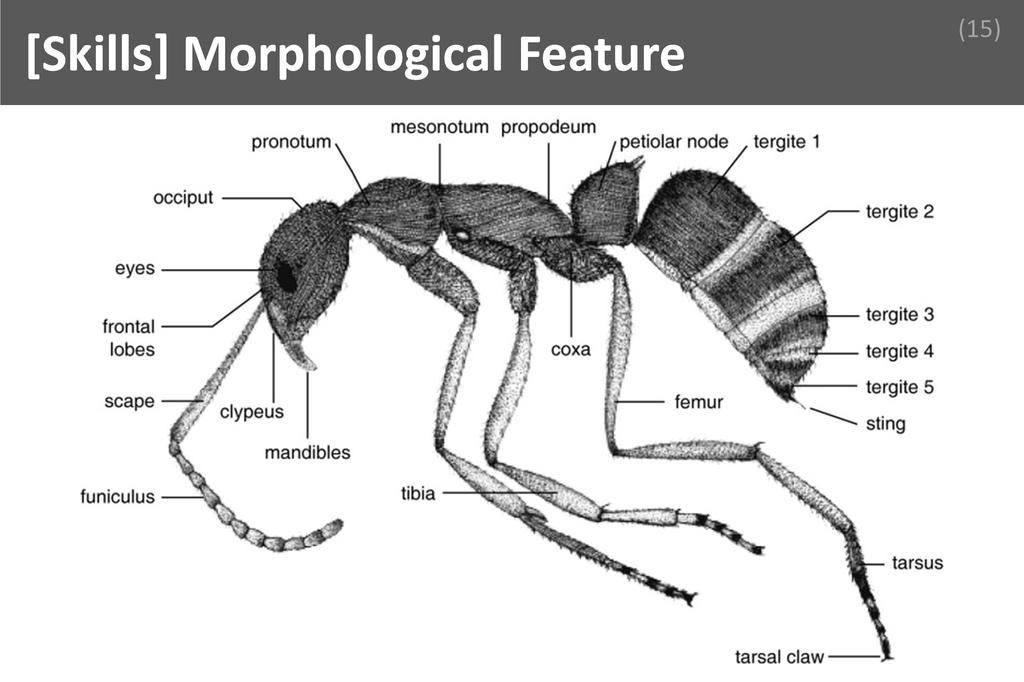
A morphological feature refers to the observable physical characteristics and structural traits of an organism, such as size, shape, color, and anatomical details. In wildlife forensic science, these features are crucial for identifying species, determining the origin of biological samples, and distinguishing between closely related organisms in forensic investigations.
Mastery of morphological feature analysis directly enhances a wildlife forensic scientist’s ability to accurately identify animal remains, trace illegal wildlife products, and provide reliable evidence in legal cases. Employers and clients highly value this skill because it underpins the credibility and accuracy of forensic findings, which are often pivotal in court proceedings and conservation efforts. Developing expertise in morphological features requires a combination of formal education in zoology or related fields, hands-on experience with specimen examination, and continuous learning through fieldwork and collaboration with taxonomic experts. Over time, professionals refine their observational skills and deepen their understanding of species variation, enabling them to make precise identifications even in challenging or degraded samples.
Imagine a scenario where customs officials intercept a shipment suspected of containing illegal wildlife products. A wildlife forensic scientist is called to examine the seized items, which include bones and skin fragments. By meticulously analyzing the morphological features—such as bone structure, fur patterns, and scale arrangements—the scientist determines the species involved, revealing that the shipment contains parts from a protected species. This identification provides the critical evidence needed for prosecution, supports international conservation laws, and helps prevent further exploitation of endangered wildlife. Without a strong command of morphological feature analysis, the case might lack the scientific rigor necessary for a successful legal outcome.
Bioinformatics & Data Analysis

Bioinformatics & Data Analysis refers to the use of computational tools and statistical techniques to collect, process, and interpret complex biological data, particularly genetic information. In Wildlife Forensic Science, this skill enables professionals to identify species, trace origins, and uncover illegal wildlife trade by analyzing DNA and other biological evidence.
Mastering bioinformatics and data analysis significantly enhances a wildlife forensic scientist’s ability to interpret genetic evidence with accuracy and efficiency. This expertise allows professionals to process large datasets, identify subtle genetic differences, and draw reliable conclusions that can withstand legal scrutiny. Employers and clients value this skill because it ensures scientific rigor and credibility in investigations, supporting law enforcement and conservation efforts. To cultivate this skill, individuals should pursue formal education in genetics, statistics, and computer science, while also gaining hands-on experience with bioinformatics software and real-world case studies. Continuous learning and staying updated with emerging analytical tools are crucial for maintaining proficiency in this rapidly evolving field.
Imagine a case where authorities intercept a shipment of animal products suspected to be from endangered species. A wildlife forensic scientist is tasked with determining the species of origin. By extracting DNA from the samples and applying bioinformatics tools, the scientist compares genetic sequences against global databases. Through meticulous data analysis, they identify the species and even pinpoint the geographic population, providing crucial evidence for prosecution. This process not only helps enforce wildlife protection laws but also deters future illegal trade. Without strong bioinformatics and data analysis skills, such precise and legally defensible identification would be nearly impossible, highlighting the indispensable role of this expertise in wildlife forensic investigations.
Data Interpretation

Data interpretation is the process of analyzing, evaluating, and drawing meaningful conclusions from raw information, transforming complex datasets into actionable insights. In Wildlife Forensic Science, this skill enables professionals to make sense of genetic, ecological, and trace evidence, supporting investigations and ensuring that findings are scientifically sound and legally defensible.
Mastering data interpretation significantly enhances a wildlife forensic scientist’s ability to deliver accurate, reliable results. This skill allows professionals to discern patterns, identify anomalies, and connect evidence to specific cases, which is crucial for building credible reports and expert testimony. Employers and clients highly value this competency because it underpins the integrity and impact of forensic conclusions, directly influencing legal outcomes and conservation efforts. Developing data interpretation skills involves continuous learning, hands-on experience with diverse datasets, and staying updated with analytical techniques. Over time, professionals refine their judgment and analytical thinking by engaging in casework, collaborating with peers, and participating in specialized training or workshops.
Imagine a wildlife forensic scientist investigating the illegal trade of endangered animal parts. The professional receives DNA samples from confiscated materials and reference populations. By meticulously interpreting genetic data, the scientist identifies the species and even the geographic origin of the samples. This interpretation not only confirms the protected status of the seized items but also links them to a specific poaching hotspot. The ability to accurately interpret these data enables law enforcement to target their efforts, supports prosecution in court, and contributes to broader conservation strategies. Without strong data interpretation skills, such critical connections and outcomes would be far more difficult to achieve.
Communication Skills

Communication skills refer to the ability to clearly convey information, ideas, and emotions through speaking, writing, and listening, while also interpreting and responding appropriately to others. In wildlife forensic science, these skills are vital for accurately sharing findings, collaborating with colleagues, and presenting evidence to legal authorities or stakeholders.
Strong communication skills directly enhance a wildlife forensic scientist’s effectiveness by ensuring that complex scientific findings are translated into understandable language for diverse audiences, including law enforcement, policymakers, and the public. Employers and clients highly value professionals who can articulate technical information clearly, as this fosters trust and facilitates informed decision-making. To cultivate communication skills, individuals should seek opportunities for public speaking, engage in interdisciplinary teamwork, and practice writing concise reports. Regular feedback from peers and mentors, as well as participation in workshops or courses focused on scientific communication, can further refine these abilities. Over time, consistent practice and a willingness to adapt communication styles to different audiences will lead to greater confidence and proficiency.
Imagine a wildlife forensic scientist who has uncovered crucial DNA evidence linking a seized shipment of animal products to an endangered species. To ensure the evidence leads to a successful prosecution, the scientist must present their findings in court. This requires translating technical genetic data into clear, compelling testimony that a judge and jury can understand. The scientist must also respond to cross-examination, clarifying complex points without resorting to jargon. By effectively communicating the significance and reliability of the evidence, the scientist helps secure a conviction, demonstrating how essential communication skills are in bridging the gap between scientific discovery and legal action in wildlife crime cases.
Positives
Satisfaction

Satisfaction is the deep sense of fulfillment and contentment that arises when one’s work aligns with personal values, achieves meaningful goals, and positively impacts the world. In wildlife forensic science, satisfaction stems from knowing that each investigation and discovery directly contributes to the protection of endangered species and the preservation of biodiversity.
The sense of satisfaction in wildlife forensic science is a driving force that elevates the profession beyond routine laboratory work. Professionals in this field are motivated by the knowledge that their expertise helps combat wildlife crime, supports conservation efforts, and upholds justice for voiceless species. This intrinsic reward fosters resilience, encourages continuous learning, and enhances overall job satisfaction, making daily challenges feel purposeful rather than burdensome. The positive impact of satisfaction also promotes a collaborative and passionate work environment, where individuals are inspired to innovate and grow. As a result, satisfaction not only enriches personal well-being but also strengthens professional commitment and the collective mission to protect wildlife.
Imagine a wildlife forensic scientist who successfully identifies the origin of seized ivory, leading to the conviction of a major poacher and the dismantling of an illegal trafficking network. The scientist feels a profound sense of satisfaction, knowing their meticulous work has directly contributed to saving elephants and deterring future crimes. This accomplishment validates years of study and dedication, reinforcing their passion for the field. Each time they see news of declining poaching rates or witness rescued animals thriving, the scientist is reminded that their efforts matter. This daily sense of fulfillment fuels their commitment, making every challenge worthwhile and every success deeply rewarding.
Research Opportunity

Research Opportunity refers to the chance to investigate, discover, and develop new knowledge, techniques, or solutions within a specific field. In wildlife forensic science, this means exploring innovative methods to solve crimes against wildlife, advancing scientific understanding, and contributing to the protection and conservation of endangered species. This aspect is a cornerstone of the profession, fostering intellectual curiosity and continuous learning. By engaging in research, professionals not only enhance their own expertise but also drive the field forward, ensuring that forensic practices remain effective and relevant. The pursuit of research opportunities transforms routine work into a dynamic journey of exploration and impact, making the career deeply rewarding.
The presence of research opportunities in wildlife forensic science significantly elevates job satisfaction and professional growth. Every day, practitioners are encouraged to question existing methods, seek out new technologies, and collaborate with peers across disciplines. This constant engagement with discovery ensures that their work remains intellectually stimulating and meaningful. As professionals uncover new ways to identify species, trace illegal trade routes, or analyze forensic evidence, they directly contribute to the preservation of biodiversity and the enforcement of environmental laws. The sense of purpose that comes from knowing their research can lead to real-world change—protecting vulnerable wildlife and supporting justice—creates a profound sense of fulfillment. This ongoing cycle of inquiry and innovation keeps the field vibrant and its practitioners motivated.
Imagine a wildlife forensic scientist faced with a surge in illegal ivory trade cases. Driven by research opportunity, they embark on developing a novel DNA analysis technique to trace the geographic origin of seized ivory. Through months of experimentation, collaboration with geneticists, and fieldwork, they succeed in creating a method that pinpoints poaching hotspots with unprecedented accuracy. This breakthrough not only aids law enforcement in targeting criminal networks but also informs conservation strategies to protect elephant populations. The scientist experiences immense satisfaction, knowing their research has made a tangible difference in both the scientific community and the fight against wildlife crime. This scenario exemplifies how research opportunities transform daily work into a powerful force for change.
Travelling & Exposure

Travelling & Exposure refers to the unique opportunities professionals have to visit diverse ecosystems, interact with various cultures, and collaborate with international experts while investigating wildlife crimes. This dynamic aspect broadens perspectives, fosters adaptability, and enhances scientific understanding, making the profession both intellectually stimulating and personally enriching for those involved.
The chance to travel and gain exposure to different environments is a cornerstone of job satisfaction in wildlife forensic science. Professionals are not confined to laboratories; instead, they venture into forests, wetlands, and remote reserves, collecting evidence and collaborating with local authorities. This constant movement keeps the work engaging and prevents monotony, while exposure to new challenges sharpens problem-solving skills and cultural awareness. The ability to witness firsthand the impact of their work on conservation efforts and local communities provides a deep sense of purpose. Over time, these experiences foster professional growth, expand networks, and inspire a lifelong passion for protecting wildlife on a global scale.
Imagine a wildlife forensic scientist called to investigate a suspected poaching incident in the rainforests of Southeast Asia. They travel from their home country to the site, working alongside local rangers and international conservationists. Each day brings new discoveries, from analyzing animal remains in the field to learning about indigenous tracking methods. The scientist not only applies their expertise but also gains invaluable insights into regional biodiversity and cultural approaches to conservation. This immersive experience reinforces the importance of their work, strengthens global partnerships, and leaves them with a profound appreciation for the interconnectedness of wildlife protection efforts worldwide.
Challenges
Various Species in Wildlife

"Various Species in Wildlife" refers to the immense diversity of animal and plant species encountered in wildlife forensic science. This diversity is demanding because each species may require unique identification methods, specialized knowledge, and tailored analytical techniques, making accurate species determination and evidence interpretation a complex and resource-intensive process.
The challenge of dealing with a wide array of species significantly impacts the daily work of wildlife forensic scientists. Each case may involve unfamiliar species, requiring rapid adaptation and continuous learning. This complexity can slow investigations and increase the risk of misidentification, which may compromise legal outcomes. Professionals must demonstrate resilience by staying updated with taxonomic changes, leveraging genetic databases, and collaborating with taxonomists and ecologists. Successful navigation of this constraint relies on a commitment to ongoing education, the development of robust reference collections, and the use of advanced molecular techniques. By fostering interdisciplinary networks and embracing technological advancements, wildlife forensic scientists can more effectively manage the intricacies posed by the sheer variety of species encountered in their work.
Consider a case where a wildlife forensic scientist is tasked with identifying the origin of seized animal parts suspected to be from endangered species. The samples include bones, feathers, and scales from multiple, visually similar species. The professional draws upon a combination of DNA barcoding, expert consultation, and reference libraries to accurately distinguish between protected and non-protected species. By methodically applying molecular techniques and collaborating with taxonomic experts, the scientist ensures that the evidence is correctly interpreted and admissible in court. This approach not only helps secure a successful prosecution but also demonstrates how adaptability, expertise, and resourcefulness are essential in overcoming the challenges posed by the vast diversity of species in wildlife forensic investigations.
Lack of Good Repository

In Wildlife Forensic Science, "Lack of Good Repository" refers to the absence of comprehensive, accessible, and validated databases for reference materials such as DNA sequences, morphological data, or case records. This limitation complicates species identification, evidence comparison, and casework validation, making accurate and timely forensic analysis significantly more demanding.
The absence of a reliable repository affects daily operations by forcing professionals to spend extra time sourcing, verifying, and cross-referencing data from scattered or incomplete resources. This challenge can lead to delays in case resolution, increased risk of errors, and greater difficulty in defending findings in legal contexts. Professionals must demonstrate resilience by developing their own curated collections, collaborating with peers, and staying updated with the latest published research. Many also engage in networking with academic institutions or international organizations to share and access reference materials. By leveraging personal expertise, building informal networks, and maintaining meticulous records, successful practitioners manage to uphold scientific rigor and credibility despite the lack of a centralized repository.
Consider a wildlife forensic scientist tasked with identifying the origin of seized ivory. Without a centralized repository of elephant DNA profiles, the professional must reach out to colleagues in research institutions, consult published genetic studies, and carefully compile reference sequences from multiple sources. By meticulously documenting each step and validating findings through peer consultation, the scientist constructs a reliable reference set tailored to the case. This approach not only enables accurate species and population identification but also strengthens the evidentiary value of the analysis in court. Through resourcefulness and collaboration, the professional overcomes the repository gap, ensuring that justice and conservation goals are both served.
A Day Of
Wildlife Forensic Science
The hum of fluorescent lights mingles with the faint scent of ethanol and earth as another day begins in the wildlife forensic science laboratory. Here, the pace is dictated not by the ticking of a clock, but by the urgent need to unravel mysteries hidden in feathers, fur, and bone. Each day brings a new puzzle—an illegal shipment intercepted at the border, a suspicious carcass found deep in the forest, or a cryptic sample delivered by a wildlife officer. The environment is a blend of high-tech analysis and gritty fieldwork, where the stakes are as high as the biodiversity at risk. For the wildlife forensic scientist, every moment is a race against time to provide answers that could mean the difference between justice and impunity for the world’s most vulnerable species.
As the sun rises, the day begins with a careful review of new evidence received overnight. The practitioner dons gloves and a lab coat, meticulously logging each item into the chain-of-custody system. This early hour is spent examining documentation, photographing specimens, and ensuring that every feather, scale, or fragment is preserved for analysis. The quiet of the morning allows for focused attention to detail, setting the stage for the complex investigations ahead.
By mid-morning, the lab is alive with activity. The forensic scientist moves between workstations, extracting DNA from confiscated animal products, preparing slides for microscopic examination, and running chemical assays to identify toxins or trace elements. This is the heart of the day, where science meets detective work. The practitioner might consult field guides, compare genetic sequences, or collaborate with law enforcement to interpret findings. Each test result brings the case closer to a breakthrough, demanding precision and critical thinking.
The afternoon shifts toward collaboration and execution. The scientist attends meetings with conservation officers, legal advisors, or fellow researchers to discuss ongoing cases and share preliminary results. Reports are drafted, evidence is prepared for court, and expert opinions are formulated to support prosecutions or policy decisions. This phase is a blend of communication and action, requiring the ability to translate complex scientific data into clear, compelling narratives for non-scientific audiences.
As the day winds down, attention turns to thorough documentation and reflection. The practitioner updates case files, archives digital data, and reviews the day’s findings for accuracy. There is time to read the latest research, refine laboratory protocols, or plan for upcoming fieldwork. Before leaving, the scientist sets priorities for the next day, ensuring that every case continues to move forward in the relentless pursuit of truth and justice for wildlife. |


 Home
Home Abroad
 Plan
Plan Philosophy
 Seminar
 Pages
Pages Advisors
 Testimonials









 Workshop
 Discuss
 Meet
Meet
 Advisor
 Story
Story
 Fine Print
 Links
Links
 Blog
Blog
 Follow
