The Journey of Cabin Crew Flying
What Is Cabin Crew Flying
Cabin Crew Flying

Cabin Crew Flying refers to the professional role of airline staff who are responsible for ensuring passenger safety, comfort, and well-being during flights. These individuals, commonly known as flight attendants, manage in-flight services, enforce safety regulations, and provide assistance throughout the journey, representing the airline’s standards and hospitality.
Cabin Crew Flying plays a crucial role in the aviation industry by ensuring that every flight operates smoothly and safely. For professionals, this career offers the opportunity to travel the world, experience diverse cultures, and develop strong interpersonal and crisis management skills. The job is highly impactful as it involves direct responsibility for passenger safety, requiring quick thinking and adaptability in dynamic environments. Additionally, cabin crew members often enjoy flexible schedules and attractive travel benefits, making it a rewarding choice for those who value variety and adventure in their work life. The profession also fosters teamwork and communication skills, as crew members must collaborate closely to deliver excellent service and handle emergencies effectively.
A typical day for a cabin crew professional might begin with a pre-flight briefing, where the team discusses flight details, passenger needs, and safety procedures. Once onboard, the crew welcomes passengers, assists with seating, and demonstrates safety protocols. During the flight, they serve meals, respond to passenger requests, and monitor the cabin for any issues. If a medical emergency arises, the crew is trained to provide first aid and coordinate with the flight deck for further assistance. Throughout the journey, they maintain a calm and friendly demeanor, ensuring that passengers feel comfortable and secure. After landing, the crew assists with disembarkation and prepares the cabin for the next flight, exemplifying the multifaceted responsibilities of Cabin Crew Flying.
Education
Personal Grooming
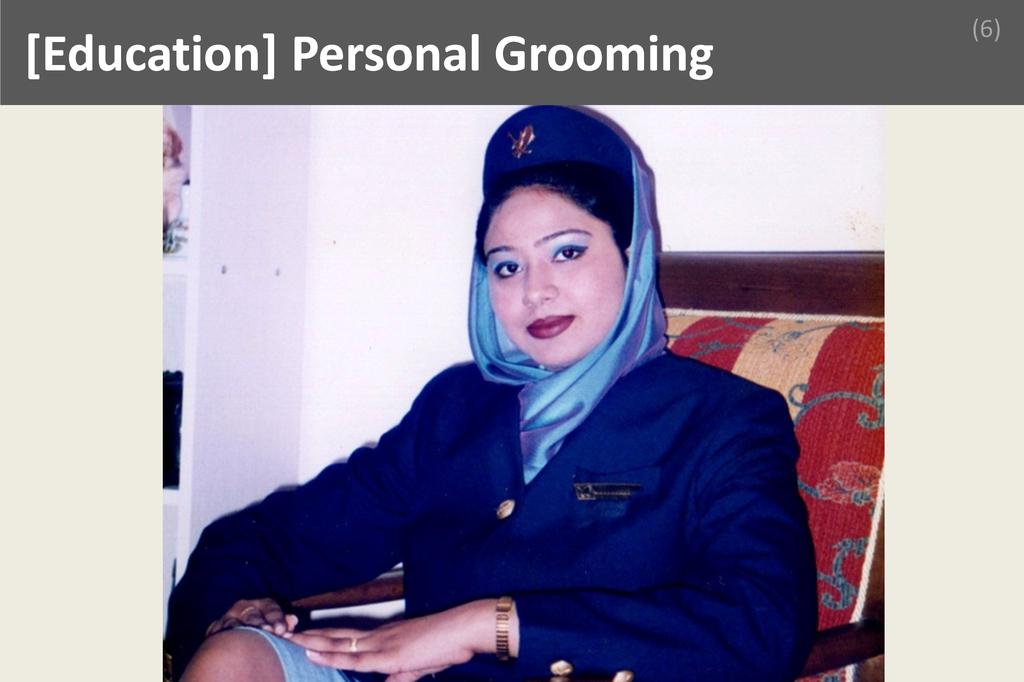
Personal grooming refers to the practice of maintaining cleanliness, neatness, and a polished appearance through proper hygiene, attire, and self-care. In the context of Cabin Crew Flying, it is an essential academic and professional requirement, reflecting the airline’s standards and ensuring crew members present themselves as approachable, competent, and trustworthy representatives.
Understanding personal grooming is vital for anyone aspiring to work as cabin crew because it directly influences passenger perceptions and the overall brand image of the airline. Mastery of grooming standards demonstrates professionalism, attention to detail, and respect for the workplace environment. This knowledge forms a foundational aspect of training, as it encompasses not only appearance but also personal hygiene, uniform care, and appropriate use of accessories. Over the long term, consistently adhering to grooming standards can enhance career growth, foster confidence, and open opportunities for advancement within the aviation industry. It also helps in building a positive and lasting impression on passengers, colleagues, and supervisors, which is crucial in a customer-facing role.
Imagine a cabin crew member preparing for an early morning international flight. Drawing on their understanding of personal grooming, they ensure their uniform is impeccably pressed, hair neatly styled, and makeup applied according to airline guidelines. Throughout the flight, they maintain fresh breath and tidy nails, even after serving meals and beverages. Their polished appearance reassures passengers, instills confidence in the airline’s professionalism, and contributes to a pleasant onboard atmosphere. By consistently applying these grooming principles, the crew member not only meets company expectations but also sets a standard for colleagues, reinforcing the importance of personal presentation in delivering exceptional customer service.
Languages

Languages refer to structured systems of communication, encompassing spoken, written, and non-verbal forms used by people worldwide. In the context of Cabin Crew Flying, languages are essential for effective interaction with passengers and colleagues from diverse backgrounds, forming a critical part of the academic and professional knowledge required in this global industry.
Understanding languages is vital for cabin crew members because their role demands clear and accurate communication in a multicultural environment. Mastery of multiple languages not only enhances the ability to assist passengers but also ensures safety by enabling the crew to convey important information during routine operations and emergencies. Proficiency in languages builds confidence and professionalism, allowing crew members to address passenger needs, resolve conflicts, and provide exceptional service. Over time, strong language skills open doors to career advancement, international assignments, and specialized roles within the airline industry. The ability to communicate across linguistic barriers is a foundational asset that supports teamwork, fosters positive passenger experiences, and upholds the airline’s reputation for inclusivity and excellence.
Imagine a cabin crew member working on an international flight with passengers from various countries. During the meal service, a passenger who speaks limited English expresses concern about food allergies. Drawing on their knowledge of languages, the crew member switches to the passenger’s native language, clarifies the ingredients, and reassures them about their meal choice. Later, during turbulence, the same crew member calmly explains safety procedures in multiple languages, ensuring all passengers understand and feel secure. This ability to communicate effectively not only prevents misunderstandings but also builds trust and comfort among passengers, demonstrating how theoretical language skills are indispensable in real-world cabin crew operations.
Customer Service
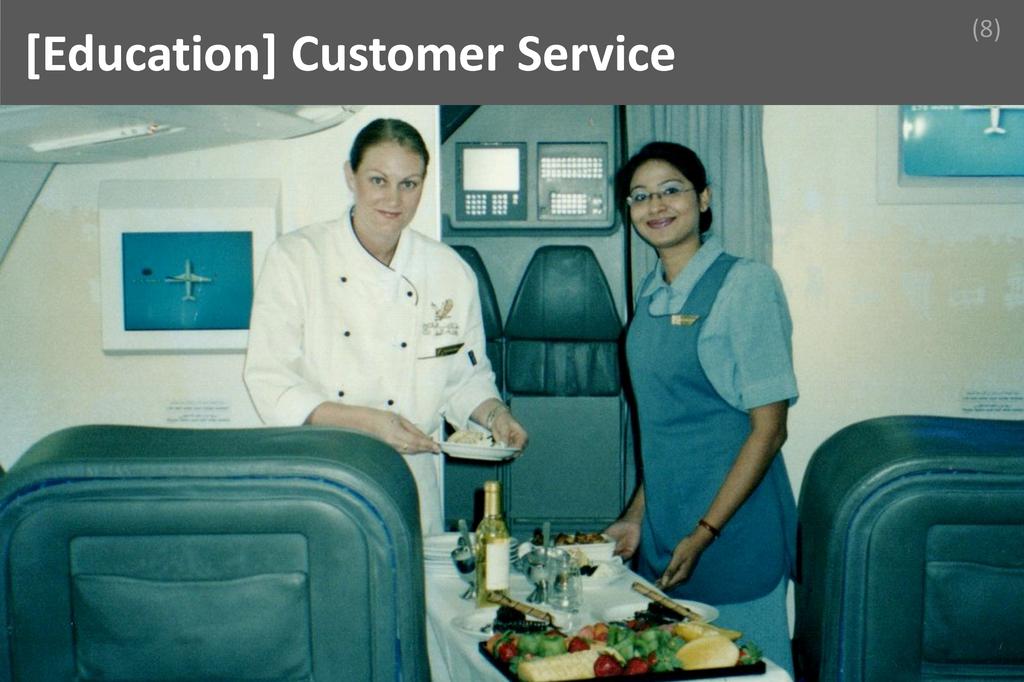
Customer Service is the practice of assisting, supporting, and engaging with customers to meet their needs and ensure satisfaction before, during, and after a service or product experience. In Cabin Crew Flying, it is a critical academic and professional discipline, forming the backbone of passenger interaction, safety, and overall flight experience.
Understanding customer service is essential for anyone pursuing a career as cabin crew because it directly impacts passenger satisfaction, airline reputation, and operational efficiency. Mastery of customer service principles enables cabin crew to handle diverse situations, from routine requests to complex emergencies, with professionalism and empathy. This knowledge forms the foundation for building trust, managing conflicts, and ensuring that every passenger feels valued and safe. Over the long term, strong customer service skills contribute to career advancement, as airlines prioritize staff who can consistently deliver exceptional experiences. Furthermore, these skills are transferable, supporting career growth within the aviation industry and beyond, as they are highly sought after in many customer-facing roles.
Imagine a scenario where a passenger is anxious about flying and expresses discomfort shortly after boarding. A well-trained cabin crew member draws upon their customer service knowledge by approaching the passenger with empathy, listening attentively, and offering reassurance. They might provide information about the flight, suggest relaxation techniques, or offer a comforting beverage. By remaining calm and supportive, the crew member not only alleviates the passenger’s anxiety but also demonstrates the airline’s commitment to care and professionalism. This approach not only resolves the immediate concern but also enhances the overall travel experience, reinforcing the importance of customer service in daily cabin crew operations.
Numeric Competency

Numeric Competency refers to the ability to understand, interpret, and apply numerical information accurately in various contexts. In the realm of Cabin Crew Flying, it encompasses skills such as performing mental calculations, reading measurements, and managing time and quantities, forming a crucial part of both academic preparation and professional practice.
Developing strong numeric competency is essential for anyone pursuing a career as cabin crew. This skill underpins many operational tasks, from calculating passenger headcounts to ensuring the correct distribution of meals and beverages. Numeric competency also plays a vital role in safety procedures, such as understanding weight and balance limitations, monitoring fuel consumption, and interpreting time zones for flight schedules. Mastery of these concepts not only enhances efficiency and accuracy in daily duties but also builds confidence in handling unexpected situations. Over the long term, professionals with robust numeric skills are better equipped to advance into supervisory or training roles, as they can reliably manage resources and make informed decisions that impact both passenger safety and overall flight operations.
Imagine a cabin crew member preparing for a long-haul flight with multiple meal services. Before takeoff, they must verify that the number of meals loaded matches the passenger manifest, taking into account special dietary requests and crew requirements. During the flight, they need to monitor the consumption of food and beverages, ensuring that supplies are distributed evenly across different cabin sections. If turbulence delays service, the crew member must quickly recalculate serving times to maintain efficiency and passenger satisfaction. In this scenario, the ability to perform quick mental calculations, interpret inventory data, and adjust plans on the fly demonstrates how numeric competency is seamlessly integrated into the daily responsibilities of cabin crew, directly impacting the quality and safety of in-flight service.
Safety Aid
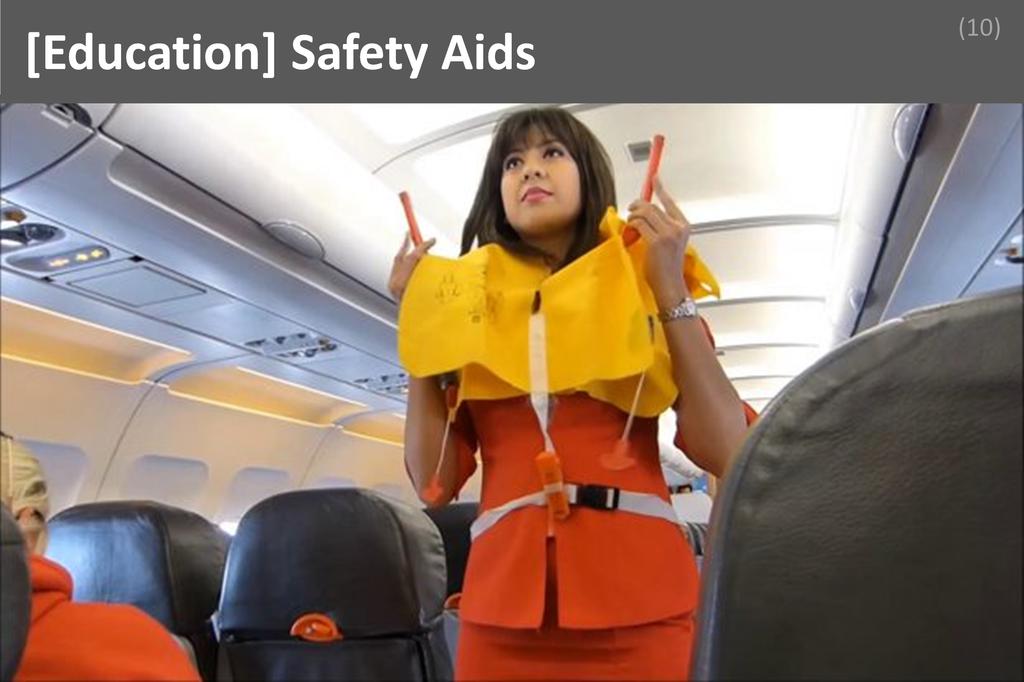
Safety Aid refers to the comprehensive set of procedures, equipment, and protocols designed to ensure the safety and well-being of passengers and crew during both normal and emergency situations on board an aircraft. It is a critical component of the academic and professional training required for all cabin crew members.
Understanding Safety Aid is essential for anyone pursuing a career in cabin crew flying because it forms the backbone of in-flight safety management. Mastery of this subject ensures that crew members are equipped to handle a wide range of emergencies, from medical incidents to equipment malfunctions and evacuations. This knowledge not only protects passengers but also instills confidence in the crew’s ability to respond effectively under pressure. Over the long term, a strong foundation in Safety Aid enhances professional credibility, supports career advancement, and is often a prerequisite for leadership roles within the aviation industry. Continuous learning in this area also ensures compliance with evolving safety regulations and industry best practices.
During a routine flight, a cabin crew member notices smoke coming from an overhead compartment. Drawing on their Safety Aid training, the crew member quickly assesses the situation, retrieves the appropriate fire extinguisher, and follows established protocols to contain the incident. They communicate clearly with both passengers and the flight deck, ensuring that everyone remains calm and informed. The crew member’s theoretical understanding of Safety Aid enables them to use the equipment correctly, make swift decisions, and coordinate with colleagues to manage the situation efficiently. This real-world application of Safety Aid not only prevents a potential disaster but also reassures passengers of their safety, demonstrating the critical importance of this knowledge in daily operations.
First Aid
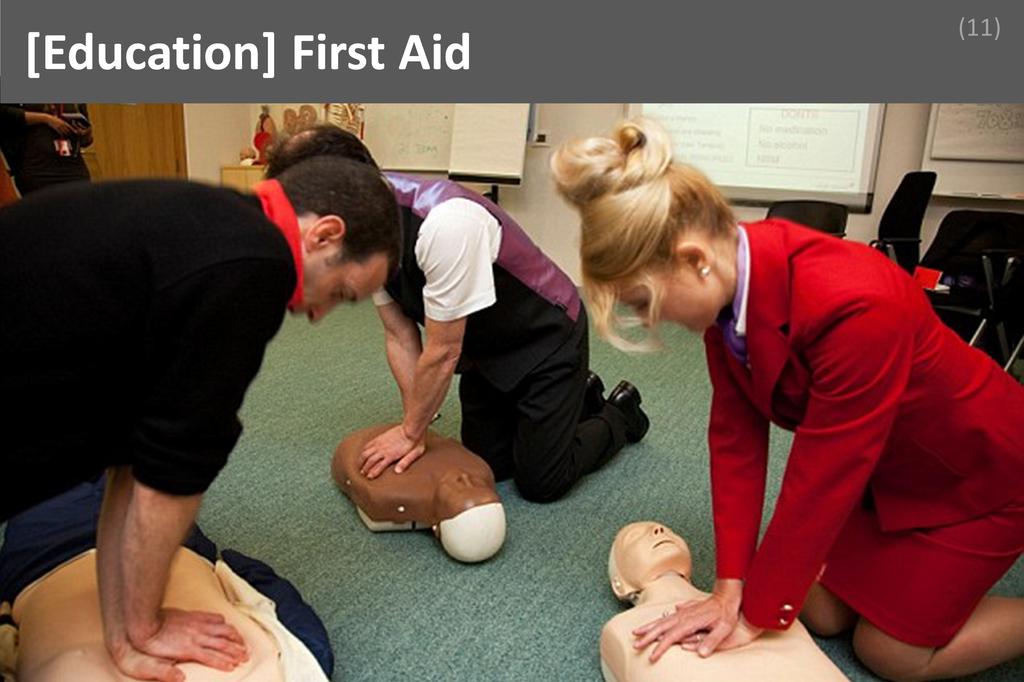
First Aid is the immediate and temporary care given to an individual suffering from injury or sudden illness until professional medical help is available. In the context of Cabin Crew Flying, it is an essential academic and professional discipline, ensuring crew members are prepared to manage health emergencies in-flight, safeguarding passenger well-being.
Understanding First Aid is crucial for cabin crew as it equips them to respond effectively to medical emergencies that may arise during flights, where access to immediate professional healthcare is limited. Mastery of First Aid principles forms the backbone of a cabin crew member’s safety training, enabling them to assess situations quickly, provide critical care, and maintain calm under pressure. This knowledge not only enhances passenger safety but also builds trust and confidence among travelers. Over the long term, proficiency in First Aid contributes to a cabin crew member’s professional credibility, opens doors for career advancement, and ensures compliance with international aviation safety standards, making it an indispensable skill in the aviation industry.
Imagine a scenario where a passenger suddenly collapses mid-flight due to a suspected heart attack. A cabin crew member, drawing on their First Aid training, swiftly assesses the situation, checks for responsiveness, and initiates CPR while instructing a colleague to retrieve the onboard automated external defibrillator (AED). The crew member continues to provide life-saving care, communicates clearly with the cockpit to arrange for emergency landing if necessary, and reassures other passengers to maintain calm. This real-world application of First Aid knowledge not only stabilizes the passenger’s condition but also demonstrates the critical role cabin crew play in managing emergencies, highlighting the practical importance of First Aid expertise in daily operations.
Services
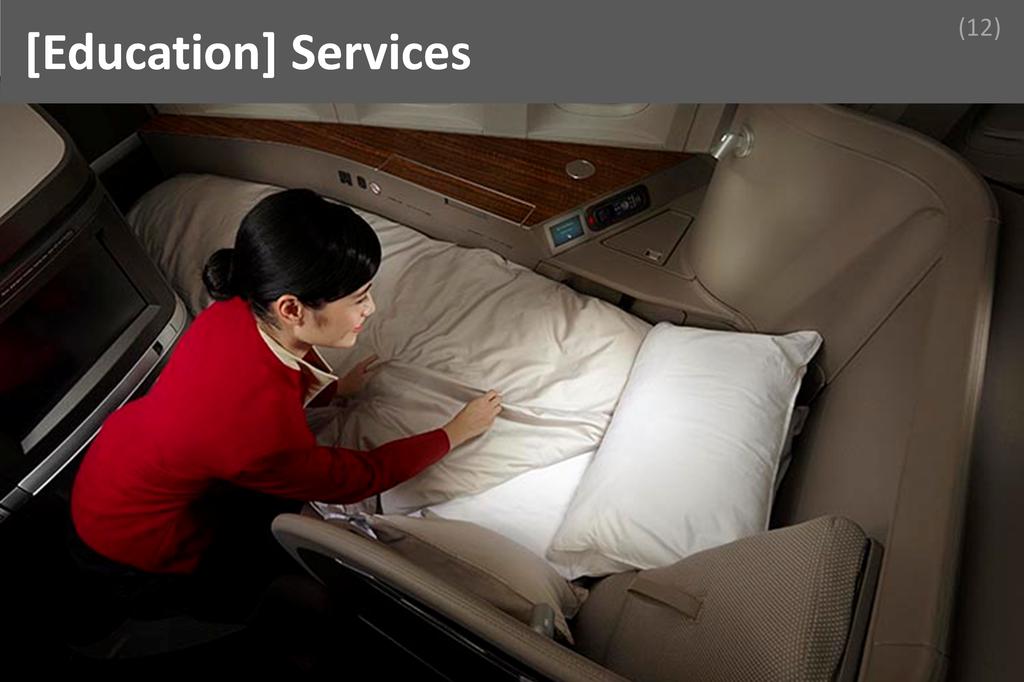
Services, in the context of cabin crew flying, refers to the delivery of intangible experiences and assistance to passengers, encompassing hospitality, safety, and customer care. It is a critical academic and professional discipline that equips cabin crew with the knowledge and skills to ensure passenger satisfaction, comfort, and well-being throughout the flight journey.
Understanding services is essential for anyone aspiring to become or currently working as cabin crew. This subject forms the backbone of the profession, as it covers the principles of customer service, effective communication, and the ability to anticipate and respond to passenger needs. Mastery of services ensures that cabin crew can create a positive and memorable travel experience, which is crucial for airline reputation and customer loyalty. Additionally, a strong foundation in services enables professionals to handle challenging situations with confidence and professionalism, fostering personal growth and career advancement. Over time, this expertise not only enhances individual performance but also contributes to the overall success and safety of the airline industry.
Imagine a scenario where a flight encounters unexpected turbulence, causing anxiety among passengers. A cabin crew member with a solid understanding of services quickly assesses the situation, communicates calmly and clearly with passengers, and offers reassurance and assistance. By applying their knowledge of customer care and hospitality, they provide comfort items, answer questions, and maintain a composed demeanor. This approach not only alleviates passenger stress but also upholds the airline’s standards of service excellence. The crew member’s ability to seamlessly blend safety protocols with empathetic service demonstrates how theoretical knowledge of services is translated into effective, real-world action during daily flight operations.
Swimming

Swimming is the act of moving through water using coordinated movements of the limbs and body, enabling a person to stay afloat, propel themselves, and navigate aquatic environments. For cabin crew, swimming is a critical skill, forming part of the essential safety and emergency preparedness training required in the aviation industry.
Understanding swimming is vital for cabin crew members because it directly relates to passenger and crew safety during emergency water landings, also known as ditching. Proficiency in swimming ensures that crew members can confidently assist passengers in evacuating the aircraft and reaching safety in water-based emergencies. This foundational knowledge is not only a regulatory requirement for most airlines but also instills confidence and composure in high-stress situations. Over the long term, swimming skills enhance a crew member’s employability, as airlines prioritize candidates who demonstrate strong safety competencies. Furthermore, ongoing swimming proficiency supports continuous professional development, ensuring that cabin crew remain prepared for any scenario that may arise during their flying careers.
Imagine a scenario where an aircraft is forced to make an emergency landing on water. As the cabin crew initiates the evacuation process, their understanding of swimming becomes crucial. A crew member must guide passengers out of the aircraft, instruct them on using life vests, and lead them toward the nearest life raft. In the chaos of the open water, the crew member’s swimming ability allows them to assist non-swimmers, retrieve floating safety equipment, and maintain order until rescue arrives. Their theoretical and practical knowledge of swimming ensures that they can act swiftly and effectively, turning a potentially life-threatening situation into a controlled and survivable event for everyone on board.
Skills
Positive Attitude
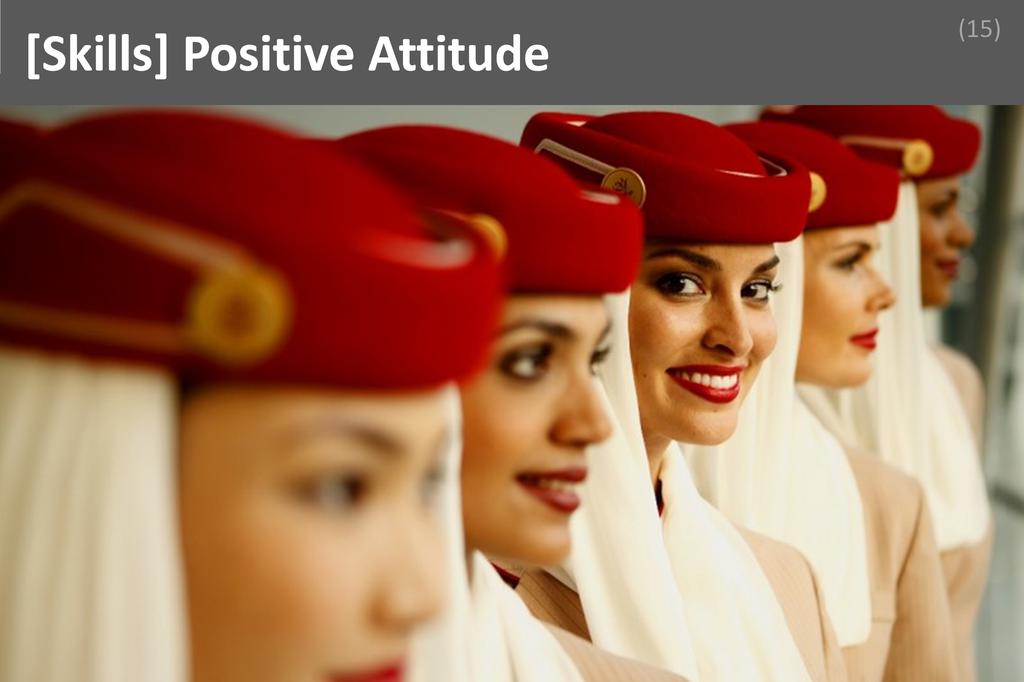
A positive attitude is the consistent practice of optimism, resilience, and enthusiasm, even in challenging situations. It involves maintaining a constructive outlook, focusing on solutions rather than problems, and fostering a supportive environment. For cabin crew professionals, a positive attitude is crucial for delivering exceptional service and ensuring passenger comfort and safety.
A positive attitude directly enhances performance by enabling cabin crew members to handle stressful situations calmly and efficiently. Clients and employers highly value this trait because it creates a welcoming atmosphere on board, reassures passengers during turbulence or delays, and promotes teamwork among crew members. Cultivating a positive attitude involves self-awareness, regular reflection, and adopting strategies such as gratitude, mindfulness, and continuous learning. Over time, consistently practicing these habits helps individuals remain upbeat and solution-oriented, even when faced with demanding circumstances. This not only improves personal job satisfaction but also contributes to the overall reputation and success of the airline.
Imagine a long-haul flight where unexpected turbulence causes anxiety among passengers and disrupts meal service. A cabin crew member with a positive attitude remains calm, reassures passengers with a warm smile, and communicates updates clearly. Instead of expressing frustration, they focus on comforting nervous travelers and efficiently reorganizing tasks with colleagues. Their upbeat demeanor helps diffuse tension, encourages teamwork, and restores a sense of normalcy in the cabin. As a result, passengers feel cared for and safe, and the crew successfully navigates the challenge without compromising service quality. This scenario highlights how a positive attitude can turn a potentially negative experience into an opportunity to demonstrate professionalism and empathy.
Communication
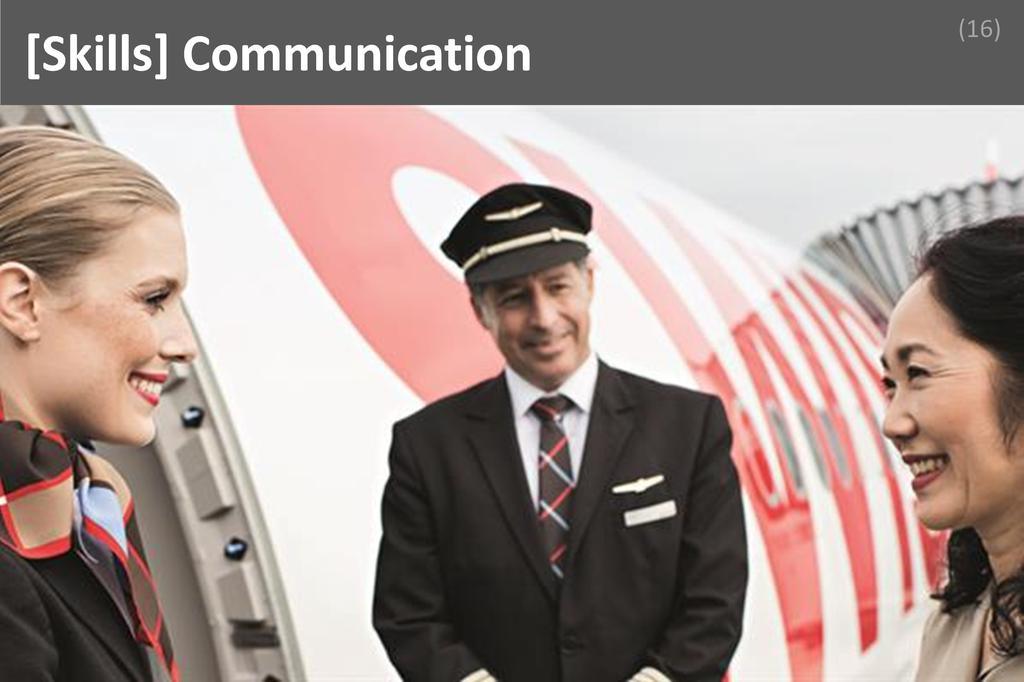
Communication is the process of exchanging information, ideas, and emotions through verbal, non-verbal, and written means to achieve mutual understanding. In the context of Cabin Crew Flying, communication is a foundational skill that enables crew members to coordinate effectively, ensure passenger safety, deliver excellent service, and handle emergencies with confidence and clarity.
Effective communication directly enhances a cabin crew member’s performance by ensuring clear instructions, reducing misunderstandings, and fostering teamwork among colleagues. Employers and clients value this skill because it leads to safer flights, higher customer satisfaction, and a more harmonious working environment. Communication is not just about speaking clearly; it also involves active listening, interpreting body language, and adapting messages for diverse audiences. Over time, this skill can be cultivated through regular feedback, role-playing scenarios, language training, and exposure to multicultural environments. Continuous practice and self-reflection help cabin crew professionals refine their ability to convey information accurately and empathetically, making them indispensable assets to any airline.
Imagine a situation where a passenger suddenly falls ill during a flight. The cabin crew member must quickly assess the situation, communicate the symptoms to colleagues, and relay vital information to the flight deck and, if necessary, medical professionals on the ground. Clear and calm communication ensures that the correct procedures are followed, medical equipment is prepared, and the passenger receives timely assistance. Additionally, the crew member must reassure other passengers, keeping them informed and calm. In this high-pressure scenario, the ability to communicate effectively can make the difference between a well-managed incident and a chaotic one, highlighting the critical role this skill plays in ensuring safety and maintaining trust.
Teamwork
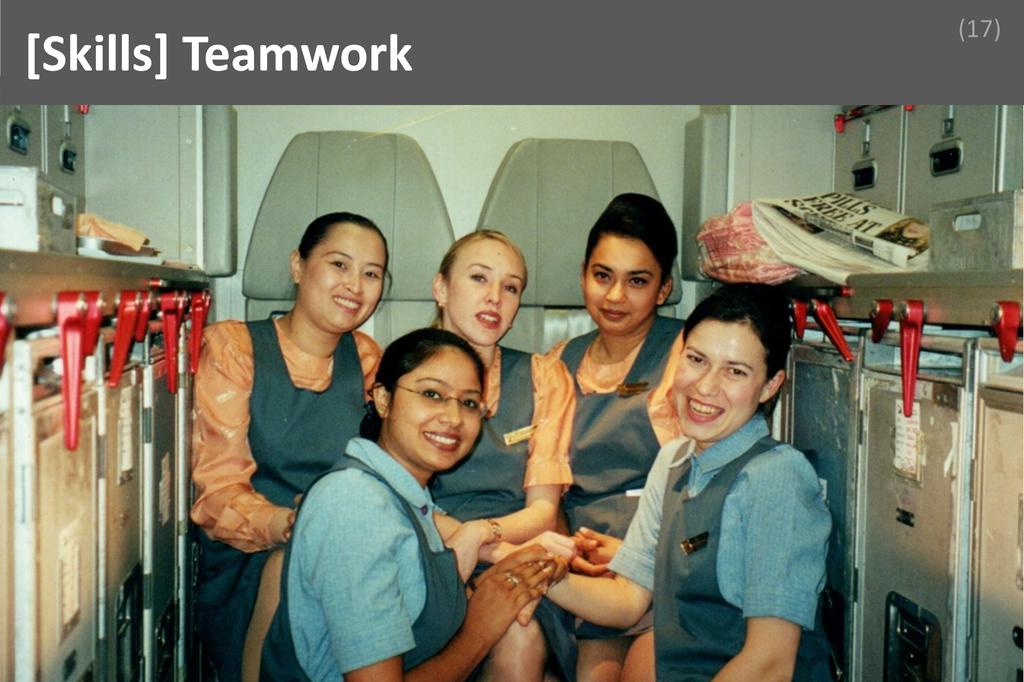
Teamwork is the collaborative effort of a group to achieve a common goal or complete a task in the most effective and efficient way. In Cabin Crew Flying, teamwork is the foundation that ensures safety, smooth operations, and exceptional passenger service, making it indispensable for every crew member.
Teamwork directly enhances performance in the aviation industry by fostering clear communication, mutual support, and coordinated action among cabin crew members. Airlines and employers highly value this skill because it leads to safer flights, improved passenger satisfaction, and a positive work environment. Clients notice when a crew operates seamlessly, as it translates to attentive service and swift responses to needs or emergencies. To cultivate teamwork, individuals should actively participate in group training, seek feedback, and practice empathy and adaptability in diverse situations. Over time, consistent collaboration and open communication with colleagues help build trust and a strong sense of unity, which are crucial for handling the dynamic challenges of flying.
Imagine a long-haul flight where a passenger suddenly experiences a medical emergency. The cabin crew must immediately coordinate their actions: one member communicates with the cockpit, another retrieves the medical kit, while others comfort the passenger and manage the surrounding area. Each crew member relies on the others to perform their roles efficiently and without hesitation. Through effective teamwork, they stabilize the situation, provide necessary care, and reassure other passengers, all while maintaining calm and order. This scenario highlights how teamwork enables the crew to respond quickly and effectively, ensuring the safety and well-being of everyone on board and demonstrating the critical importance of this core skill in Cabin Crew Flying.
Time Management

Time Management is the ability to plan, organize, and allocate time efficiently to accomplish tasks and responsibilities within set deadlines. In the context of Cabin Crew Flying, it ensures that all duties, from pre-flight checks to passenger service and safety protocols, are completed seamlessly and punctually, supporting smooth flight operations.
Mastering time management directly enhances a cabin crew member’s performance by enabling them to juggle multiple responsibilities under tight schedules. Airlines and passengers alike value this skill because it leads to punctual departures, efficient service, and swift responses to unexpected situations. Employers seek crew members who can prioritize tasks, adapt to changing circumstances, and maintain composure under pressure. Developing time management involves consistent practice, self-discipline, and reflection. Crew members can cultivate this skill by setting realistic goals, using scheduling tools, and learning from experienced colleagues. Over time, effective time management becomes second nature, allowing professionals to deliver exceptional service while maintaining safety and regulatory standards.
Imagine a scenario where a flight is delayed due to weather, reducing the turnaround time for the cabin crew. The team must quickly clean the cabin, restock supplies, conduct safety checks, and prepare for boarding, all within a compressed timeframe. A crew member with strong time management skills immediately assesses priorities, delegates tasks efficiently, and keeps communication clear among team members. By staying organized and focused, they ensure that all safety procedures are followed and passengers are boarded on time, minimizing further delays. This ability to manage time under pressure not only keeps operations running smoothly but also reinforces the airline’s reputation for reliability and professionalism.
Empathy
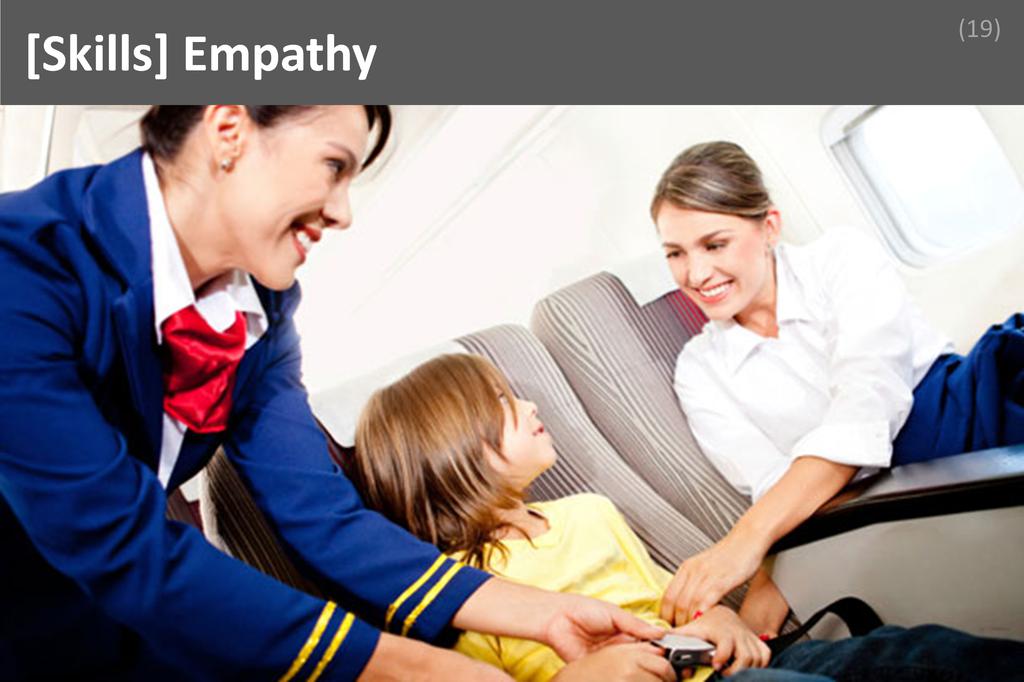
Empathy is the ability to understand and share the feelings, perspectives, and experiences of others, enabling genuine connection and support. In the context of Cabin Crew Flying, empathy allows professionals to anticipate passenger needs, respond thoughtfully to concerns, and foster a welcoming, safe, and comfortable environment throughout the flight.
Empathy significantly enhances a cabin crew member’s performance by enabling them to connect with passengers from diverse backgrounds, recognize subtle emotional cues, and respond appropriately to individual needs. Airlines and employers highly value this skill because it leads to improved customer satisfaction, loyalty, and positive brand reputation. Passengers who feel understood and cared for are more likely to have a memorable and pleasant travel experience. To cultivate empathy, aspiring cabin crew members can practice active listening, seek feedback from colleagues and passengers, and reflect on their own emotional responses in various situations. Over time, consistent self-awareness and exposure to different cultures and personalities help deepen one’s empathetic abilities, making it an indispensable asset in the aviation industry.
Imagine a scenario where a passenger is visibly distressed after boarding a flight, perhaps due to a fear of flying or a recent personal loss. An empathetic cabin crew member notices the passenger’s discomfort and approaches with a calm, reassuring demeanor. By engaging in a gentle conversation, the crew member listens attentively to the passenger’s concerns, offers comforting words, and provides practical assistance, such as suggesting relaxation techniques or checking in periodically during the flight. This empathetic approach not only alleviates the passenger’s anxiety but also demonstrates the airline’s commitment to personalized care. The situation is resolved smoothly, and the passenger feels supported, highlighting how empathy can transform a challenging moment into a positive experience.
Adaptability

Adaptability is the ability to adjust quickly and effectively to new, changing, or unexpected situations, while maintaining a positive attitude and high performance. In the context of Cabin Crew Flying, adaptability enables professionals to handle diverse challenges, from schedule changes to passenger needs, ensuring smooth and safe operations.
Adaptability directly enhances a cabin crew member’s performance by allowing them to respond efficiently to unforeseen circumstances, such as flight delays, medical emergencies, or cultural differences among passengers. Employers and clients highly value this skill because it ensures continuity of service and upholds safety standards, even under pressure. To cultivate adaptability, professionals should seek varied experiences, remain open to feedback, and practice staying calm in unpredictable situations. Continuous learning and exposure to different environments also help in building this skill, enabling cabin crew members to remain resourceful and composed, no matter what challenges arise during a flight.
Imagine a scenario where a long-haul flight encounters severe turbulence, causing meal service to be delayed and several passengers to become anxious. A cabin crew member with strong adaptability quickly reassesses the situation, communicates changes to passengers with empathy, and coordinates with colleagues to adjust service delivery. They may also provide reassurance and comfort to nervous travelers, all while maintaining safety protocols. By adapting their approach and staying composed, the crew member not only resolves immediate concerns but also preserves a positive atmosphere on board, demonstrating the critical importance of adaptability in ensuring passenger satisfaction and operational success.
Punctuality

Punctuality is the consistent habit of being on time for all appointments, tasks, and responsibilities, reflecting reliability and respect for others’ schedules. In the context of Cabin Crew Flying, punctuality ensures seamless coordination, timely departures, and adherence to strict aviation schedules, making it a non-negotiable trait for safety and operational efficiency.
Punctuality directly enhances a cabin crew member’s performance by ensuring that all pre-flight checks, briefings, and boarding procedures occur without delay. Airlines and passengers highly value this skill because it minimizes disruptions, maintains tight flight schedules, and upholds the airline’s reputation for reliability. Employers seek punctual crew members as delays can lead to missed connections, increased costs, and dissatisfied customers. Cultivating punctuality involves setting personal reminders, planning for contingencies, and consistently prioritizing time management. Over time, these habits become second nature, enabling cabin crew professionals to meet the demanding schedules of the aviation industry and contribute to a positive, efficient working environment.
Imagine a scenario where a cabin crew member arrives early for a morning flight, only to discover that a last-minute change in the passenger manifest requires additional safety checks and seat reassignments. Because of their punctuality, the crew member has ample time to coordinate with ground staff, complete the necessary adjustments, and brief the rest of the team before boarding begins. As a result, the flight departs on schedule, passengers experience minimal inconvenience, and the airline avoids costly delays. This situation highlights how punctuality not only solves immediate operational challenges but also reinforces the trust placed in cabin crew professionals to handle unexpected issues efficiently.
Maturity & Interpersonal Skills
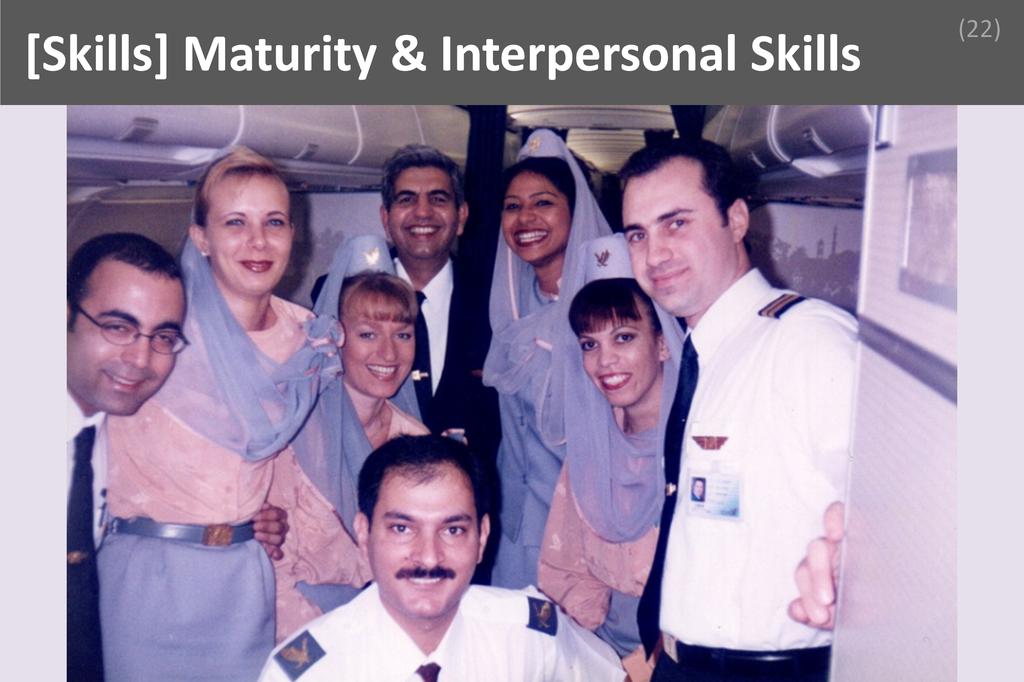
Maturity & Interpersonal Skills refer to the ability to handle situations with emotional intelligence, professionalism, and respect, while effectively communicating and building positive relationships with others. In cabin crew flying, these skills are vital for managing diverse passengers, resolving conflicts, and ensuring a safe, comfortable environment onboard.
Maturity and interpersonal skills directly enhance a cabin crew member’s ability to remain calm under pressure, communicate clearly, and build trust with passengers and colleagues. Employers value these qualities because they lead to better teamwork, improved customer satisfaction, and safer flights. Passengers often judge their flying experience based on how crew members interact with them, especially during stressful situations. To cultivate these skills, aspiring professionals should seek opportunities to work in diverse teams, practice active listening, and reflect on their responses to challenging situations. Over time, exposure to various social dynamics and commitment to personal growth help individuals develop the poise and empathy required for this demanding role.
Imagine a situation where a passenger becomes agitated due to a flight delay and begins raising their voice at the crew. A cabin crew member with strong maturity and interpersonal skills approaches the passenger calmly, listens attentively to their concerns, and acknowledges their frustration without becoming defensive. By maintaining composure and using empathetic language, the crew member is able to de-escalate the situation, reassure the passenger, and offer practical solutions such as updates or refreshments. This not only diffuses potential conflict but also demonstrates professionalism and care, turning a negative experience into a positive one for the passenger and maintaining harmony in the cabin.
Positives
Travelling

Travelling is the act of journeying from one place to another, often across cities, countries, or continents, to explore new environments, cultures, and experiences. In the context of cabin crew flying, travelling means regularly visiting diverse destinations, which enriches personal growth, broadens perspectives, and fosters a sense of adventure and discovery.
The opportunity to travel is a defining and highly valued aspect of a cabin crew career. It transforms daily work into a series of unique adventures, allowing professionals to immerse themselves in different cultures, cuisines, and landscapes. This constant exposure to new places not only keeps the job exciting but also nurtures adaptability and open-mindedness. Travelling breaks the monotony of routine, making each day unpredictable and stimulating. It also offers the chance to build a global network of friends and colleagues, enhancing both personal and professional growth. For many, the joy of waking up in a new city, experiencing its atmosphere, and collecting memories from around the world is a source of immense job satisfaction and pride.
Imagine a cabin crew member who begins their week in London, spends a layover exploring the vibrant markets of Istanbul, and ends the week enjoying the beaches of Barcelona. Each destination offers a new adventure, from tasting local delicacies to learning a few words in a new language. During these travels, the crew member not only fulfills their professional responsibilities but also experiences the world in a way few other careers allow. The thrill of discovering hidden gems in each city, meeting people from different backgrounds, and sharing stories with fellow crew members creates a deep sense of fulfillment. This dynamic lifestyle, fueled by the excitement of travel, makes every day on the job memorable and rewarding.
Become a Brand Ambassador

To "Become a Brand Ambassador" means representing an airline’s values, culture, and image through every interaction with passengers, colleagues, and the public. Cabin crew embody the airline’s identity, ensuring that each traveler’s experience reflects the company’s standards, professionalism, and hospitality. This role elevates their contribution beyond routine service.
Serving as a brand ambassador is a deeply rewarding aspect of cabin crew flying because it transforms daily tasks into meaningful opportunities to shape perceptions and foster loyalty. When cabin crew members consistently deliver exceptional service, they become the face of the airline, directly influencing customer satisfaction and the company’s reputation. This responsibility brings a sense of pride and purpose, as each interaction is a chance to make a positive impression. The recognition and trust that come with this role can lead to personal growth, career advancement, and a strong sense of belonging within the organization. Every day, professionals experience the satisfaction of knowing their actions contribute to the airline’s success and global image.
Imagine a cabin crew member warmly welcoming passengers aboard a long-haul flight, attentively addressing their needs, and resolving concerns with grace and efficiency. Throughout the journey, their professionalism and genuine care leave a lasting impression on travelers, many of whom may be flying with the airline for the first time. After landing, a grateful passenger expresses appreciation, mentioning that the crew’s service has made them loyal to the airline. In this moment, the cabin crew member feels the true impact of being a brand ambassador—realizing that their dedication not only enhances the passenger’s experience but also strengthens the airline’s reputation and customer base. This daily fulfillment is a unique and powerful benefit of the profession.
Glamorous Life

Glamorous Life, in the context of cabin crew flying, means enjoying a lifestyle filled with travel to exotic destinations, stylish uniforms, exclusive airport lounges, and the excitement of meeting people from diverse cultures. This allure of sophistication and adventure brings a sense of pride, confidence, and joy to those who choose this career path.
The glamorous aspect of cabin crew flying is a powerful motivator that elevates the profession beyond a typical job. It infuses daily routines with excitement and novelty, making each workday unique and memorable. This sense of prestige and adventure not only enhances job satisfaction but also fosters personal growth, as crew members develop adaptability, cultural awareness, and refined social skills. The opportunity to represent an airline with elegance and professionalism boosts self-esteem and creates lasting memories. For many, the glamorous lifestyle is a constant reminder of the rewards that come with dedication and passion, making the challenges of the job worthwhile and inspiring a lifelong love for aviation.
Imagine a cabin crew member waking up in a five-star hotel overlooking the sparkling skyline of Dubai after a smooth overnight flight. As she dons her crisp, stylish uniform, she feels a surge of pride and excitement, knowing she will soon greet passengers from around the world. Later, she enjoys a gourmet breakfast with colleagues, sharing stories of their travels and cultural discoveries. Between flights, she explores vibrant markets and iconic landmarks, capturing moments that friends and family back home marvel at. Each day, the blend of luxury, adventure, and cultural exchange reaffirms her decision to pursue this career, making her feel truly privileged to live the glamorous life of a cabin crew professional.
Growth Opportunities

Growth opportunities refer to the potential for personal and professional development, skill enhancement, and career advancement within a chosen field. In cabin crew flying, these opportunities allow individuals to expand their expertise, take on new responsibilities, and progress into leadership roles, making the profession dynamic and highly motivating.
The presence of growth opportunities is a significant factor that elevates the cabin crew profession. It transforms routine tasks into stepping stones for advancement, encouraging crew members to continuously learn and improve. This ongoing development not only increases job satisfaction but also fosters a sense of achievement and belonging within the airline industry. As professionals gain experience, they are often entrusted with greater responsibilities, such as mentoring new crew members or moving into supervisory roles. This progression keeps the work environment stimulating and ensures that each day brings new challenges and rewards. Ultimately, growth opportunities empower cabin crew members to envision a long-term, fulfilling career rather than just a job, making their journey both meaningful and inspiring.
Consider a cabin crew member who begins their career as a junior flight attendant, eager to learn and adapt. Through dedication and a commitment to excellence, they participate in specialized training programs, develop strong communication skills, and consistently demonstrate leadership qualities during flights. Over time, their efforts are recognized by their supervisors, leading to a promotion to senior cabin crew. In this new role, they mentor new recruits, manage in-flight operations, and contribute to decision-making processes. This progression not only brings a sense of pride and accomplishment but also highlights how growth opportunities in cabin crew flying can transform an individual’s career, providing both personal fulfillment and professional advancement.
Challenges
Work Stress
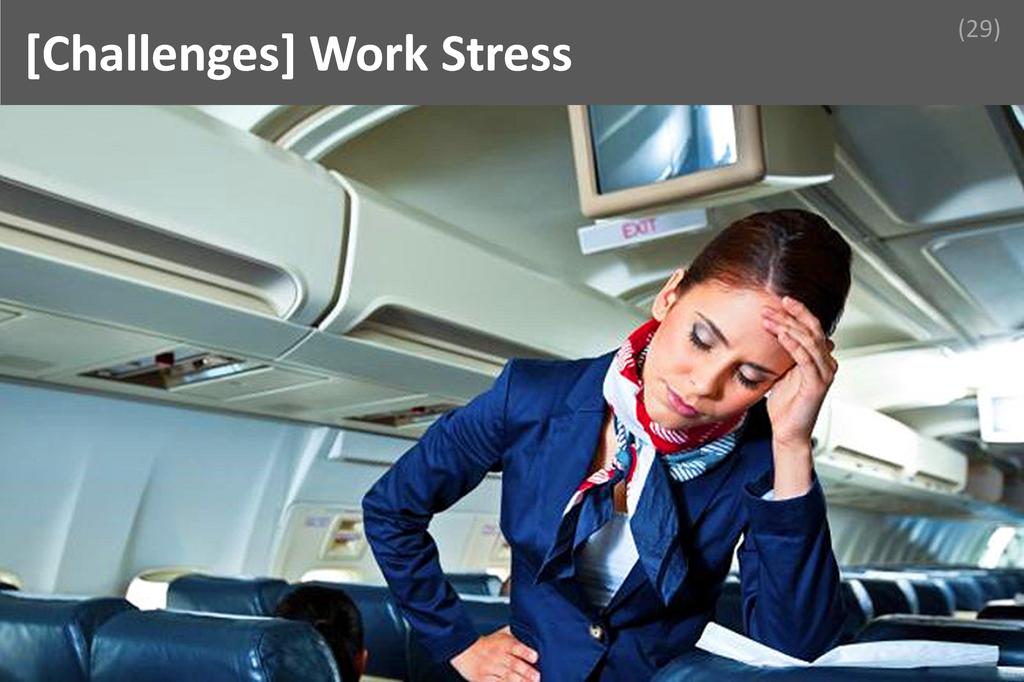
Work stress in Cabin Crew Flying refers to the physical and emotional strain experienced by flight attendants due to irregular hours, demanding passengers, safety responsibilities, and constant time zone changes. The role is demanding because it requires maintaining professionalism and composure while ensuring passenger safety and comfort under unpredictable and high-pressure conditions.
Work stress can significantly affect a cabin crew member’s daily performance, leading to fatigue, irritability, and decreased job satisfaction. The unpredictable nature of flights, long hours, and the need to handle emergencies or difficult passengers require exceptional resilience. Successful professionals manage these challenges by developing strong emotional intelligence, practicing effective communication, and prioritizing self-care during rest periods. They also rely on teamwork, supporting each other during challenging situations, and using training to remain calm and focused. By establishing routines for rest, nutrition, and mental well-being, cabin crew members can mitigate the negative effects of stress and maintain high standards of service and safety, even during the most demanding flights.
Consider a situation where a cabin crew member is working a long-haul overnight flight with multiple delays and a cabin full of anxious passengers. Despite feeling exhausted and facing complaints, the professional remains calm, listens empathetically to concerns, and coordinates with colleagues to address issues efficiently. By taking brief moments to breathe deeply and refocus between tasks, the crew member manages their stress and maintains a positive attitude. After the flight, they prioritize rest, hydrate, and reflect on the experience to identify coping strategies for future challenges. This approach not only helps them recover but also ensures they continue to deliver excellent service, demonstrating resilience in the face of work stress.
Different Time Zones

In Cabin Crew Flying, “Different Time Zones” refers to the frequent crossing of multiple global time zones within short periods, disrupting the body’s natural circadian rhythm. This challenge is demanding because it causes fatigue, sleep disturbances, and confusion, making it difficult for crew members to maintain peak performance and alertness.
The constant shift between time zones can lead to persistent jet lag, reduced concentration, and impaired decision-making, all of which can affect safety and service quality. Cabin crew must adapt quickly to irregular sleep patterns and meal times, often working when their bodies expect rest. This environment requires resilience, as professionals must remain attentive and personable despite physical discomfort. Successful crew members develop routines to minimize jet lag, such as adjusting sleep schedules before flights, staying hydrated, and seeking natural light exposure upon arrival. They also prioritize rest during layovers and use relaxation techniques to manage stress. By proactively managing their well-being, they maintain the high standards required in their demanding roles.
Consider a flight attendant scheduled for a long-haul journey from London to Tokyo, crossing several time zones overnight. Upon arrival, instead of succumbing to exhaustion, the attendant resists the urge to sleep immediately. Instead, they spend time outdoors in daylight, helping their body adjust to the local time. They eat a light meal aligned with the new time zone and take a short nap rather than a long sleep, preventing further disruption to their schedule. By following this disciplined approach, the attendant is refreshed and alert for the return flight, demonstrating how effective time zone management enables cabin crew to perform their duties efficiently and maintain passenger safety and comfort.
Away from Family

"Away from Family" in Cabin Crew Flying refers to the frequent and extended periods spent away from loved ones due to irregular schedules, long-haul flights, and overnight layovers. This challenge is demanding because it disrupts personal routines, limits participation in family events, and can lead to feelings of isolation and homesickness.
Being away from family significantly impacts a cabin crew member’s daily life, often leading to emotional strain and a sense of disconnection from home. The unpredictable nature of flight schedules means missing important milestones, holidays, and everyday moments with loved ones. This ongoing separation requires considerable emotional resilience and adaptability. Successful professionals manage this challenge by fostering strong communication with their families, making the most of technology to stay connected, and creating supportive relationships with colleagues who share similar experiences. They also prioritize quality time during home visits, ensuring that their limited presence is meaningful and fulfilling. By maintaining a positive outlook and focusing on the rewards of their career, they find balance and satisfaction despite the distance.
Consider a senior flight attendant who regularly flies international routes, often spending several days away from home each week. She schedules daily video calls with her children, sharing stories and helping with homework remotely. On her days off, she plans special family activities, making each moment count. She also connects with fellow crew members during layovers, building a sense of camaraderie and support that helps alleviate loneliness. By embracing both her professional responsibilities and her family commitments, she demonstrates how it is possible to thrive in a demanding career while nurturing meaningful relationships at home. Her proactive approach ensures that distance does not diminish her family bonds.
No Holidays

In Cabin Crew Flying, "No Holidays" refers to the reality that flight attendants often work during weekends, public holidays, and festive seasons when most people are off. This demanding schedule means missing out on family gatherings, celebrations, and personal milestones, making it challenging to maintain a traditional work-life balance.
The absence of regular holidays can lead to emotional fatigue, feelings of isolation, and difficulty maintaining relationships outside work. Cabin crew professionals must develop resilience to cope with missing important events and adapt to an unpredictable lifestyle. Successful crew members manage this by fostering strong bonds with colleagues, finding joy in unique travel experiences, and planning personal celebrations during off-days, regardless of the calendar. They also prioritize self-care and maintain open communication with loved ones to bridge the gap created by their unconventional schedules. By focusing on the rewards of their profession and embracing flexibility, they turn this challenge into an opportunity for personal growth and global connection.
Consider a flight attendant who, during the holiday season, is rostered for long-haul flights and unable to join family festivities. Instead of dwelling on the absence, she organizes a virtual celebration with her loved ones during a layover, sharing stories and laughter across time zones. She also bonds with her crew, creating a sense of camaraderie and celebrating together in a new city. By embracing the diversity of her experiences and maintaining meaningful connections in creative ways, she transforms the challenge of missing traditional holidays into memorable moments, demonstrating adaptability and a positive outlook that sustains her passion for the profession.
Restrictions on Having Kids
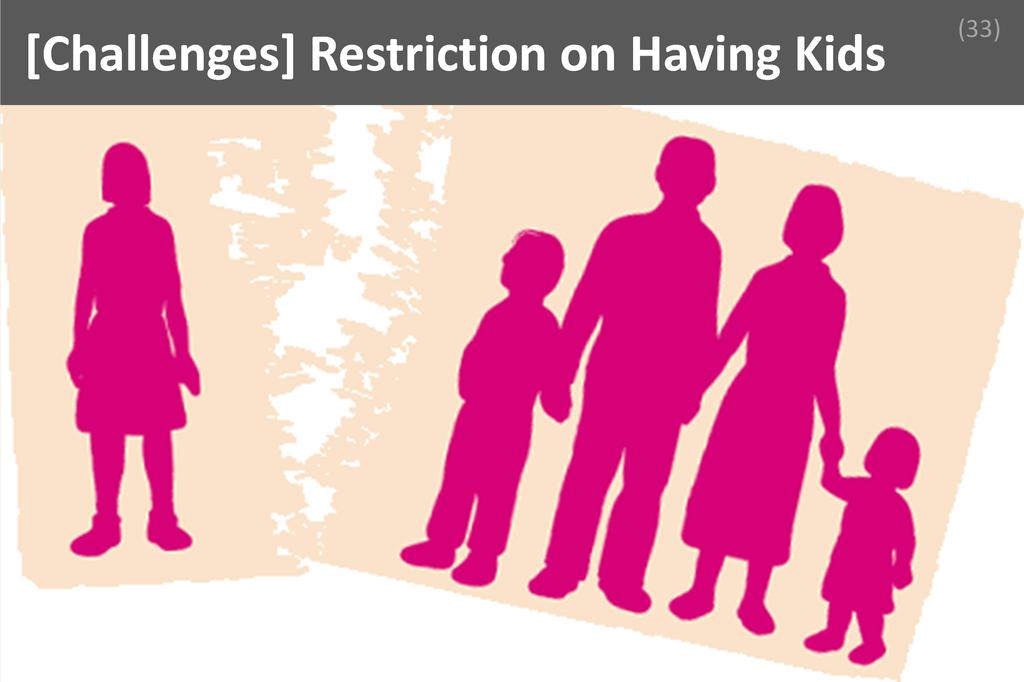
Restrictions on Having Kids in Cabin Crew Flying refer to policies or practical limitations that make it difficult for crew members to start or expand families. These restrictions stem from demanding schedules, frequent travel, and company regulations, making it challenging to balance family planning with the unpredictable and intensive nature of the job.
This challenge deeply affects cabin crew members, as the irregular hours, long layovers, and time away from home can disrupt family life and complicate decisions about having children. The emotional toll of missing important family moments and the logistical hurdles of arranging childcare require significant resilience. Successful professionals manage this constraint by building strong support networks, communicating openly with employers about their needs, and carefully planning their careers and family life. They often rely on flexible arrangements, such as job sharing or taking extended leave when possible, to create a balance that allows them to pursue both their professional ambitions and personal goals.
Consider a flight attendant who dreams of starting a family but faces the reality of constant travel and unpredictable rosters. She discusses her aspirations with her partner and employer, ultimately arranging a part-time schedule and enlisting the help of extended family for childcare. By leveraging her seniority, she selects routes that allow for more time at home and uses her days off strategically to maximize family time. Through careful planning, open communication, and a willingness to adapt, she successfully navigates the restrictions on having kids while continuing to thrive in her career as cabin crew.
A Day Of
Cabin Crew Flying
The world of a cabin crew flying professional is a whirlwind of energy, precision, and adaptability, where no two days ever unfold quite the same. From the moment the alarm rings before dawn, the pace is relentless and the environment is ever-changing—one moment spent in the quiet corridors of an airport, the next at thirty thousand feet, orchestrating the safety and comfort of hundreds of passengers. The nature of the work demands not only technical expertise and unwavering attention to detail, but also a genuine passion for service and the ability to remain calm under pressure. Each day is a seamless blend of preparation, teamwork, and quick thinking, all set against the backdrop of a sky that is both workplace and window to the world.
Long before passengers arrive at the airport, the day begins in the stillness of early morning. Cabin crew members gather in the crew lounge, uniforms crisp and minds alert, ready for the pre-flight briefing. Here, the team reviews flight details, discusses weather conditions, and goes over any special passenger requirements or safety updates. This is also the time to check emergency equipment, ensure all supplies are stocked, and mentally prepare for the journey ahead. The atmosphere is a mix of anticipation and focus, as everyone aligns on their roles and responsibilities for the flight.
As the airport comes alive with travelers, the cabin crew transitions into the heart of their workday. The boarding process is a flurry of activity, with crew members greeting passengers, assisting with luggage, and ensuring everyone finds their seat safely. Once airborne, the intensity peaks as the team delivers in-flight service—serving meals and beverages, responding to passenger needs, and maintaining a calm, reassuring presence throughout the cabin. Every interaction requires a blend of efficiency, empathy, and professionalism, as the crew navigates everything from routine requests to unexpected challenges at cruising altitude.
By early afternoon, the flight is well underway and the focus shifts to collaborative execution. Crew members coordinate seamlessly to manage cabin cleanliness, monitor passenger comfort, and conduct safety checks. This phase often involves problem-solving on the fly, whether it’s addressing a medical situation, managing turbulence, or supporting a nervous traveler. Communication is key, as the team works together to ensure that every aspect of the flight runs smoothly, all while maintaining a positive and approachable demeanor.
As the aircraft touches down and passengers disembark, the day is far from over for the cabin crew. The team conducts a thorough post-flight inspection, secures the cabin, and completes necessary reports on any incidents or irregularities. There’s a final debrief with colleagues to discuss what went well and identify areas for improvement. Before heading home or preparing for another flight, crew members review schedules, update training records, and plan for the next day’s assignments. Even as the pace slows, the commitment to safety, service, and continuous improvement remains at the forefront, setting the stage for another high-flying day ahead. |


 Home
Home Abroad
 Plan
Plan Philosophy
 Seminar
 Pages
Pages Advisors
 Testimonials











 Workshop
 Discuss
 Meet
Meet
 Advisor
 Story
Story
 Fine Print
 Links
Links
 Blog
Blog
 Follow
