The Journey of Cafe Management
What Is Cafe Management
Cafe Management

Cafe management is the process of overseeing the daily operations, staff, finances, customer service, and overall experience within a cafe. It involves planning menus, managing inventory, ensuring food safety, and creating a welcoming environment to maximize customer satisfaction and business profitability.
Cafe management plays a crucial role in the success of any cafe, shaping both the customer experience and the working environment for staff. Effective management ensures smooth operations, fosters a positive atmosphere, and drives business growth. For professionals, it offers the chance to develop leadership skills, gain hands-on experience in hospitality, and build a strong foundation in business operations. Additionally, cafe management provides opportunities for creative expression through menu development and event planning, while also offering job stability in a thriving industry. The ability to adapt quickly to customer needs and market trends further enhances career prospects and personal growth within the field.
A cafe manager begins the day by reviewing inventory levels and placing orders for fresh ingredients to ensure menu items are available. They greet staff, assign roles, and address any concerns before opening. Throughout the day, the manager monitors customer feedback, resolves issues, and adjusts staffing as needed during busy periods. They also analyze sales data to identify popular items and make informed decisions about promotions or menu changes. By fostering a supportive team environment and maintaining high standards of cleanliness and service, the manager ensures customers leave satisfied and eager to return. This hands-on approach to cafe management directly contributes to the cafe’s reputation and long-term success.
Education
Financial & Accountancy

Financial & Accountancy refers to the systematic process of recording, analyzing, and interpreting financial transactions and information. It encompasses budgeting, cost control, revenue tracking, and financial reporting. In cafe management, this discipline is essential for making informed decisions, ensuring profitability, and maintaining compliance with regulatory standards within the hospitality industry.
Understanding Financial & Accountancy is crucial for anyone aspiring to excel in cafe management. This knowledge enables managers to accurately track income and expenses, forecast future financial needs, and identify areas for cost reduction or revenue growth. Mastery of these concepts forms the backbone of effective business planning, allowing professionals to set realistic goals and measure progress. Over the long term, strong financial acumen helps managers navigate economic fluctuations, secure funding, and build sustainable operations. It also enhances credibility with stakeholders, from investors to employees, and ensures that the cafe remains competitive and compliant with industry regulations. Ultimately, proficiency in financial management is a key driver of both short-term success and long-term career advancement in the hospitality sector.
Imagine a cafe manager preparing the monthly financial report. Drawing on their knowledge of Financial & Accountancy, they meticulously review sales data, inventory costs, and labor expenses. By comparing actual figures to budgeted projections, the manager identifies a spike in ingredient costs and investigates supplier invoices for discrepancies. They then adjust purchasing strategies and negotiate better terms with vendors to control expenses. Additionally, the manager uses profit and loss statements to assess which menu items are most profitable, informing decisions about promotions or menu changes. This practical application of financial principles ensures the cafe operates efficiently, remains profitable, and is well-prepared for future growth or challenges.
Management

Management is the process of planning, organizing, leading, and controlling resources—such as people, finances, and materials—to achieve organizational goals efficiently and effectively. In cafe management, understanding management is essential, as it bridges academic theories with practical skills, forming a cornerstone of both professional training and daily operational success.
A solid grasp of management is vital for anyone aspiring to excel in cafe management because it provides the framework for making informed decisions, optimizing resources, and leading teams. Mastery of management principles enables professionals to handle challenges such as staffing, inventory control, customer service, and financial planning with confidence. This foundational knowledge not only supports daily operations but also fosters adaptability and strategic thinking, which are crucial for long-term growth and sustainability. Over time, those who understand management are better equipped to innovate, respond to market changes, and drive their cafes toward greater profitability and reputation, making it an indispensable part of a successful career in the hospitality industry.
Consider a cafe manager who notices a decline in customer satisfaction and staff morale. Drawing on their management knowledge, they analyze workflow processes, identify communication gaps, and implement a new scheduling system that balances peak hours with employee strengths. They also introduce regular team meetings to foster open communication and gather feedback. By applying management theories such as motivation and organizational behavior, the manager not only improves operational efficiency but also boosts employee engagement and customer experience. This scenario demonstrates how theoretical management concepts translate into practical solutions, directly impacting the cafe’s atmosphere, service quality, and overall success.
Arts & Communication

Arts & Communication encompasses the study of creative expression, visual aesthetics, verbal and nonverbal interaction, and the effective sharing of ideas. In the context of Cafe Management, it integrates artistic sensibility with interpersonal skills, forming a crucial part of the academic and professional foundation needed to create engaging, welcoming environments and foster strong customer relationships.
Understanding Arts & Communication is vital for anyone in Cafe Management because it directly influences the atmosphere, branding, and customer experience within a café. Mastery of visual presentation, such as menu design and interior decor, helps create a unique identity that attracts and retains customers. Strong communication skills enable managers to build rapport with staff and patrons, resolve conflicts, and convey the café’s values and offerings effectively. Over time, these abilities foster a loyal customer base, enhance team cohesion, and drive business growth. By grounding their practice in these principles, cafe managers can adapt to changing trends, respond to customer needs, and maintain a vibrant, successful establishment.
Imagine a cafe manager preparing for a busy weekend event. Drawing on their knowledge of Arts & Communication, they curate a visually appealing display of pastries and beverages, ensuring colors and arrangements are inviting. They brief their staff on using positive body language and clear, friendly greetings to welcome guests. When a customer expresses dissatisfaction with a drink, the manager listens attentively, communicates empathy, and offers a thoughtful solution, turning a negative experience into a positive one. Through these actions, the manager not only enhances the café’s ambiance but also builds trust and loyalty, demonstrating how theoretical understanding of Arts & Communication translates into practical, daily success.
Culinary Arts
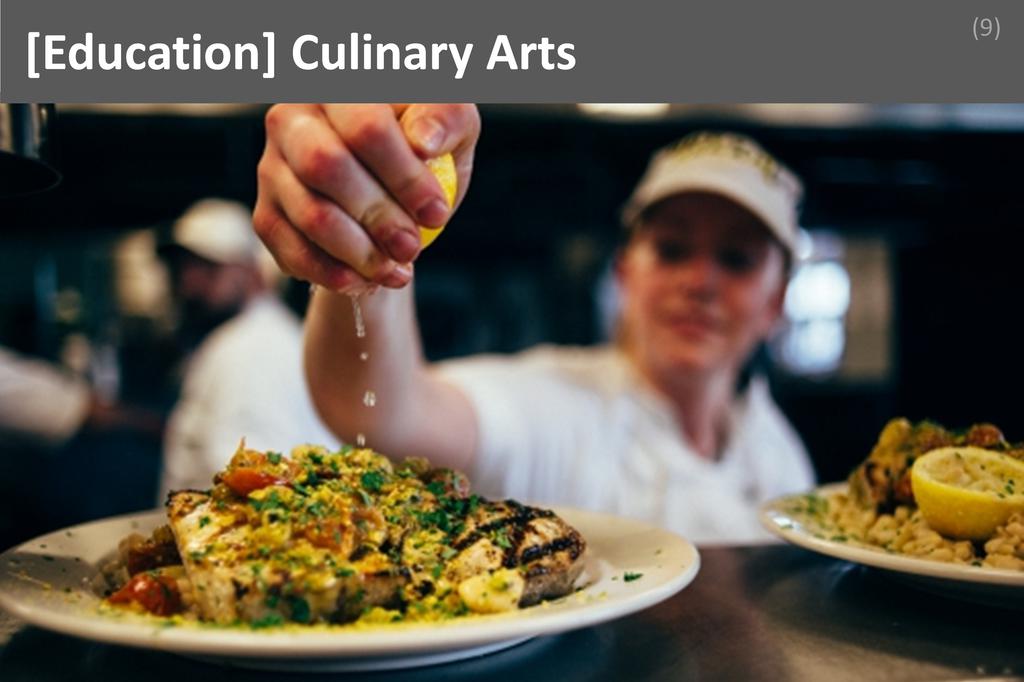
Culinary Arts is the study and practice of preparing, cooking, presenting, and serving food. It encompasses a wide range of techniques, ingredients, and cuisines, blending creativity with technical skill. In cafe management, Culinary Arts forms a crucial part of both academic learning and professional expertise, ensuring quality and consistency in food service.
Understanding Culinary Arts is essential for anyone aspiring to excel in cafe management because it provides the foundational knowledge required to oversee kitchen operations, menu development, and food quality. Mastery of this subject allows managers to communicate effectively with kitchen staff, maintain high standards, and innovate with new dishes that appeal to customers. It also equips professionals with the ability to troubleshoot issues, manage costs, and ensure food safety compliance. Over time, this expertise supports career advancement by enabling managers to adapt to industry trends, foster a positive dining experience, and build a reputable brand. Ultimately, a strong grasp of Culinary Arts distinguishes successful cafe managers from their peers and opens doors to broader opportunities within the hospitality sector.
Imagine a cafe manager who notices that a signature brunch dish is receiving mixed reviews. Drawing on their knowledge of Culinary Arts, the manager observes the preparation process, identifies inconsistencies in cooking techniques, and suggests adjustments to ingredient ratios and presentation. They collaborate with the kitchen team to standardize the recipe, ensuring every plate meets the cafe’s quality standards. By understanding the science behind flavor combinations and the art of plating, the manager not only resolves customer complaints but also elevates the overall dining experience. This practical application of Culinary Arts knowledge leads to improved customer satisfaction, positive reviews, and increased repeat business, demonstrating the tangible impact of culinary expertise in daily cafe operations.
Hospitality

Hospitality is the art and science of creating a welcoming, comfortable, and memorable experience for guests through attentive service, genuine care, and thoughtful interactions. In Cafe Management, hospitality is a core discipline, blending customer service principles with operational excellence to ensure guest satisfaction and business success in a competitive environment.
Understanding hospitality is essential for anyone pursuing a career in cafe management because it shapes every aspect of the guest experience, from the initial greeting to the final farewell. Mastery of hospitality principles enables managers to foster a positive atmosphere, build customer loyalty, and handle challenging situations with professionalism. This knowledge forms the backbone of effective leadership, staff training, and service delivery, ensuring that every team member understands the importance of empathy, communication, and attention to detail. Over time, a strong foundation in hospitality not only enhances daily operations but also supports long-term career growth, as it equips professionals with the skills to adapt, innovate, and excel in a dynamic industry where customer expectations are constantly evolving.
Imagine a cafe manager overseeing a busy morning rush. Drawing on their understanding of hospitality, they greet each customer warmly, anticipate needs by ensuring tables are clean and stocked, and empower staff to resolve minor issues swiftly. When a regular customer arrives looking upset, the manager takes a moment to listen empathetically, offers a complimentary coffee, and checks in later to ensure satisfaction. This approach not only addresses immediate concerns but also builds trust and loyalty, demonstrating how theoretical knowledge of hospitality translates into practical actions that enhance the overall guest experience and contribute to the cafe’s reputation for exceptional service.
Skills
Leadership

Leadership is the ability to inspire, guide, and influence others toward achieving common goals, while fostering a positive environment and making effective decisions. In cafe management, leadership is crucial because it unites team members, ensures smooth operations, and drives the business toward success by setting clear expectations and motivating staff.
Strong leadership directly enhances a cafe manager’s performance by enabling them to coordinate teams efficiently, resolve conflicts swiftly, and maintain high morale among staff. Employers and clients value leadership because it translates into consistent service quality, customer satisfaction, and a productive workplace culture. Cultivating leadership involves self-awareness, continuous learning, and practical experience. Managers can develop this skill by seeking feedback, observing effective leaders, and taking on new responsibilities. Over time, practicing clear communication, empathy, and adaptability helps managers build trust with their teams and respond confidently to challenges, making them indispensable to any cafe’s long-term success.
Imagine a busy weekend morning when several staff members call in sick, leaving the cafe short-handed during peak hours. A manager with strong leadership quickly assesses the situation, reallocates tasks, and communicates clearly with the remaining team. By staying calm and supportive, they motivate staff to work efficiently and maintain service standards despite the pressure. The manager also steps in to assist wherever needed, demonstrating commitment and setting a positive example. As a result, customers continue to receive prompt service, and the team feels valued and supported. This scenario highlights how effective leadership not only resolves immediate crises but also strengthens team cohesion and customer loyalty.
Motivating

Motivating is the ability to inspire, encourage, and energize individuals or teams to achieve their best performance and remain committed to shared goals. In cafe management, motivating is crucial for fostering a positive work environment, driving productivity, and ensuring staff remain engaged, especially during busy or challenging periods.
The skill of motivating directly enhances performance by creating a workplace where employees feel valued and driven to excel. When a cafe manager effectively motivates their team, staff are more likely to provide excellent customer service, maintain high standards, and collaborate efficiently. Employers and clients recognize the value of a motivated team through increased customer satisfaction, reduced turnover, and improved operational outcomes. Cultivating this skill involves active listening, recognizing achievements, offering constructive feedback, and leading by example. Over time, managers can refine their motivational abilities by seeking feedback, observing successful leaders, and adapting their approach to meet the unique needs of each team member.
Imagine a cafe facing a sudden surge in customers due to a local event, causing stress and fatigue among staff. The manager notices morale dropping and steps in to motivate the team. By acknowledging their hard work, sharing words of encouragement, and promising a small reward after the rush, the manager helps the staff regain focus and energy. This renewed motivation enables the team to work efficiently under pressure, maintain service quality, and leave customers satisfied. The manager’s ability to motivate not only resolves the immediate challenge but also strengthens team spirit and loyalty, contributing to the cafe’s long-term success.
Negotiation

Negotiation is the process of reaching mutually beneficial agreements through discussion, compromise, and persuasion, aiming to resolve differences or secure favorable outcomes. In cafe management, negotiation is a vital skill that enables professionals to manage supplier contracts, resolve staff conflicts, and ensure customer satisfaction, ultimately supporting operational success and profitability.
Mastering negotiation directly enhances a cafe manager’s ability to secure better prices from suppliers, manage labor costs, and create win-win solutions for both staff and customers. Employers and clients highly value this skill because it leads to improved margins, smoother operations, and stronger business relationships. Cultivating negotiation skills involves practice, self-reflection, and learning from real-world experiences. Attending workshops, observing skilled negotiators, and seeking feedback after negotiations can help managers refine their approach. Over time, effective negotiators become more confident, adaptable, and persuasive, making them indispensable assets in the competitive hospitality industry.
Imagine a cafe manager facing a sudden increase in coffee bean prices from their primary supplier. Rather than accepting the higher costs, the manager initiates a negotiation, presenting data on their long-term partnership and consistent order volume. Through open dialogue, the manager proposes a compromise: a smaller price increase in exchange for a longer-term contract and a commitment to purchase additional products. The supplier, recognizing the value of the ongoing relationship, agrees to the terms. This negotiation not only saves the cafe money but also strengthens the supplier relationship, demonstrating how negotiation skills can resolve critical challenges and drive business success.
Planning & Forecasting

Planning & Forecasting is the process of analyzing current data, predicting future trends, and organizing resources to achieve specific goals efficiently. In cafe management, it enables professionals to anticipate customer demand, manage inventory, schedule staff, and prepare for seasonal fluctuations, ensuring smooth operations and sustained profitability.
Mastering planning and forecasting directly enhances a cafe manager’s ability to minimize waste, optimize staffing, and maintain consistent service quality. Employers and clients highly value this skill because it leads to cost savings, improved customer satisfaction, and better financial performance. Developing this competency involves regularly reviewing sales data, understanding market trends, and learning from past outcomes to make informed decisions. Over time, managers can refine their forecasting accuracy by staying updated with industry developments, seeking feedback from team members, and leveraging technology for data analysis. Consistent practice and a willingness to adapt strategies based on results are key to cultivating strong planning and forecasting abilities.
Imagine a cafe manager noticing a steady increase in weekend foot traffic over several months. By applying planning and forecasting, the manager analyzes sales data, predicts continued growth, and adjusts staff schedules to ensure adequate coverage. They also increase orders of popular menu items to prevent stockouts. When a local festival is announced, the manager further refines forecasts, preparing for a surge in customers. As a result, the cafe operates smoothly during peak times, customers experience minimal wait times, and the business maximizes sales opportunities. This proactive approach demonstrates how effective planning and forecasting can turn potential challenges into opportunities for success.
Decision Making

Decision making is the process of identifying options, evaluating possible outcomes, and selecting the most effective course of action to achieve specific goals. In cafe management, this skill is crucial for navigating daily challenges, optimizing operations, and ensuring customer satisfaction. It empowers managers to respond confidently to both routine and unexpected situations.
Strong decision making directly enhances a cafe manager’s performance by enabling swift, thoughtful responses to operational challenges, staffing issues, and customer needs. Employers and clients highly value this skill because it leads to efficient problem-solving, reduced downtime, and improved service quality. A manager who consistently makes sound decisions fosters trust among staff and customers, contributing to a positive workplace culture and repeat business. Cultivating this skill involves gaining experience, seeking feedback, analyzing past outcomes, and staying informed about industry trends. Over time, managers become more adept at weighing risks and benefits, leading to better judgment and more successful outcomes for the business.
Imagine a cafe manager who notices a sudden drop in customer satisfaction during a busy weekend. Upon investigation, they discover that a new menu item is causing delays in the kitchen, leading to longer wait times. Relying on their decision making skills, the manager quickly assesses the situation, consults with the kitchen staff, and decides to temporarily remove the problematic item from the menu. They communicate this change to the front-of-house team and offer affected customers a complimentary beverage as a goodwill gesture. This prompt and thoughtful decision not only resolves the immediate issue but also demonstrates leadership, preserves the cafe’s reputation, and maintains customer loyalty.
Positives
Meeting New People

Meeting new people means regularly interacting with a diverse range of customers, staff, suppliers, and community members, each bringing their own stories, backgrounds, and perspectives. In cafe management, this constant flow of new faces creates an environment rich in connection, learning, and opportunity, making every day unique and engaging.
The opportunity to meet new people is a cornerstone of job satisfaction in cafe management. Each interaction offers a chance to build relationships, foster community, and learn from others’ experiences. These connections can lead to personal growth, broadened perspectives, and even professional opportunities. The dynamic nature of daily encounters keeps the work environment lively and prevents monotony, making every shift feel fresh and exciting. For many cafe managers, these relationships become a source of inspiration and motivation, fueling their passion for hospitality. The ability to positively impact someone’s day, whether through a friendly conversation or exceptional service, creates a sense of fulfillment that goes beyond routine job duties.
Imagine a cafe manager greeting a first-time customer who has just moved to the neighborhood. Through a warm welcome and genuine conversation, the manager learns about the customer’s background and interests, recommending menu items that suit their tastes. Over time, this customer becomes a regular, bringing friends and sharing stories. The manager not only gains a loyal patron but also helps foster a sense of belonging for someone new to the area. These daily interactions transform the cafe into a vibrant community hub, and the manager’s role becomes more than just overseeing operations—it becomes about connecting people and making a meaningful difference in their lives.
Make People Happy

"Make People Happy" means creating an environment where customers feel welcomed, valued, and uplifted through exceptional service, delicious offerings, and genuine hospitality. In cafe management, this involves anticipating guests’ needs, fostering a warm atmosphere, and ensuring every visit leaves a positive impression. This focus transforms routine transactions into memorable experiences, building lasting connections and loyalty. By prioritizing happiness, cafe managers not only enhance customer satisfaction but also inspire their teams to take pride in their work, cultivating a sense of community and belonging. This approach is a cornerstone of successful cafe management, as it turns everyday interactions into opportunities for joy and meaningful engagement, benefiting both guests and staff alike.
The ability to make people happy is a powerful motivator in cafe management, infusing daily tasks with purpose and meaning. When managers and their teams see the immediate results of their efforts in the smiles and gratitude of customers, it creates a sense of accomplishment that goes beyond financial success. This positive feedback loop fosters a vibrant workplace culture, where staff are motivated to deliver their best and customers are eager to return. The joy of making someone’s day better can transform routine work into a deeply satisfying career, encouraging personal growth and professional development. Over time, this commitment to happiness not only builds a loyal customer base but also enhances the reputation and success of the cafe itself.
Imagine a cafe manager noticing a regular customer looking downcast one morning. Recognizing the opportunity to make a difference, the manager takes a moment to chat, offers a complimentary pastry, and ensures the customer’s favorite coffee is prepared just right. The customer’s mood visibly lifts, and they express heartfelt thanks before leaving with a smile. This simple act of kindness not only brightens the customer’s day but also energizes the entire team, who witness firsthand the positive impact of their work. Such moments are common in cafe management, where the ability to make people happy transforms ordinary service into something truly meaningful, reinforcing the manager’s sense of purpose and fulfillment in their career.
Exposure

Exposure, in the context of cafe management, refers to the continuous interaction with diverse people, cultures, ideas, and operational challenges that broaden one’s perspective and skill set. This dynamic environment fosters adaptability, creativity, and personal growth, making every day unique and enriching for professionals in the field.
The exposure gained in cafe management is a powerful catalyst for both personal and professional development. Engaging with customers from various backgrounds, collaborating with a multicultural team, and adapting to ever-changing trends ensures that no two days are the same. This constant variety keeps the work environment stimulating and prevents monotony, which significantly boosts job satisfaction. Exposure also accelerates learning, as managers quickly acquire new skills in communication, problem-solving, and leadership. The ability to navigate different situations with confidence not only enhances career growth but also builds a strong sense of accomplishment. Professionals in cafe management experience this benefit daily, as each interaction and challenge contributes to their expanding expertise and resilience.
Imagine a cafe manager starting their day by welcoming a group of international tourists, each with unique preferences and questions about the menu. Later, they collaborate with a barista from another country to introduce a new specialty drink inspired by global flavors. In the afternoon, a local artist approaches them about hosting a community event, prompting the manager to coordinate logistics and marketing efforts. Through these varied experiences, the manager gains invaluable exposure to different cultures, business practices, and creative ideas. This not only enriches their professional journey but also instills a deep sense of fulfillment, knowing that their role connects them to a vibrant, ever-evolving world beyond the cafe’s doors.
Challenges
Uncertainty

Uncertainty in cafe management refers to the unpredictable factors that can disrupt daily operations, such as fluctuating customer numbers, supply chain issues, or sudden staff shortages. This challenge is demanding because it requires constant adaptability, quick decision-making, and the ability to maintain service quality despite unforeseen disruptions.
Uncertainty can significantly impact the daily workflow of a cafe, making it difficult to plan inventory, staff schedules, and even menu offerings with confidence. This unpredictability often leads to increased stress and the need for rapid problem-solving. Professionals in this field must develop resilience, embracing flexibility and maintaining a calm demeanor under pressure. Successful cafe managers often build strong relationships with suppliers, cross-train staff to cover multiple roles, and keep contingency plans ready. By fostering a culture of open communication and adaptability, they are better equipped to respond to sudden changes, ensuring that customer experience remains consistent even when circumstances are less than ideal.
Consider a cafe manager who, on a busy weekend morning, discovers that a key supplier has failed to deliver fresh pastries due to a transportation delay. Instead of panicking, the manager quickly assesses available inventory, communicates transparently with staff, and adjusts the menu to highlight alternative offerings. They reach out to a local bakery for a last-minute order and update customers about the change with a positive attitude. By staying composed and resourceful, the manager not only prevents service disruption but also demonstrates leadership and adaptability. This approach reassures both staff and customers, turning a potentially negative situation into an opportunity to showcase the cafe’s commitment to quality and service.
Consistency in Quality

Consistency in Quality in cafe management means delivering the same high standard of food, beverages, and service to every customer, every time. This is demanding because it requires precise coordination among staff, strict adherence to recipes and procedures, and constant attention to detail, despite fluctuating workloads and varying employee experience.
The challenge of maintaining consistency in quality impacts daily operations by increasing pressure on staff to perform flawlessly, even during peak hours or when resources are stretched thin. This ongoing demand can lead to fatigue, errors, and customer dissatisfaction if not managed well. Professionals in cafe management must demonstrate resilience by fostering a culture of accountability and continuous improvement. They often implement regular training sessions, clear communication channels, and robust quality control measures to ensure everyone understands expectations and standards. By setting clear benchmarks and providing constructive feedback, successful managers create an environment where staff feel supported and motivated to uphold quality, even under stress. This proactive approach helps mitigate lapses and builds a reputation for reliability among customers.
Consider a cafe manager who notices that the quality of espresso drinks varies depending on which barista is on shift. Recognizing the risk to the cafe’s reputation, the manager organizes hands-on training sessions to standardize drink preparation techniques and calibrate equipment. They also introduce daily taste tests and encourage staff to provide feedback to one another in a supportive manner. Over time, the team develops a shared understanding of what constitutes a perfect espresso, and the consistency of drinks improves noticeably. Customers begin to comment on the reliability of their orders, and the cafe sees an increase in repeat business. Through attentive leadership and a commitment to ongoing training, the manager successfully overcomes the challenge of consistency in quality.
Government Regulations

Government regulations in cafe management refer to the legal requirements and standards imposed by local, state, and federal authorities. These include health codes, food safety laws, labor standards, and licensing rules. Navigating these regulations is demanding because non-compliance can lead to fines, closures, or reputational damage, requiring constant vigilance and adaptation.
Government regulations significantly shape the daily operations of a cafe, influencing everything from menu planning and food preparation to staffing and facility maintenance. The complexity and frequent updates of these laws can create uncertainty and stress, demanding resilience from cafe managers who must stay informed and adaptable. Successful professionals approach this challenge by proactively educating themselves about relevant regulations, building strong relationships with regulatory agencies, and implementing robust compliance systems. They often invest in staff training and maintain meticulous records to ensure that every aspect of their business meets legal standards. By fostering a culture of compliance and continuous improvement, they not only avoid penalties but also build trust with customers and authorities, turning regulatory adherence into a competitive advantage.
Consider a cafe manager who faces a sudden update to local health codes requiring new food storage procedures. Rather than viewing the change as a setback, the manager quickly researches the new requirements and consults with health inspectors to clarify expectations. She organizes a training session for her staff, demonstrating the updated procedures and explaining their importance. The manager also updates the cafe’s documentation and schedules regular internal audits to ensure ongoing compliance. As a result, the cafe passes its next health inspection with flying colors, and the staff feels more confident in their roles. This proactive and collaborative approach not only prevents regulatory issues but also strengthens the overall operation of the cafe.
Staffing

Staffing in cafe management refers to the ongoing process of recruiting, training, scheduling, and retaining employees to ensure smooth daily operations. It is demanding because cafes often face high staff turnover, unpredictable customer flow, and the need for reliable, skilled workers who can deliver consistent service under pressure.
Staffing challenges can disrupt daily operations, leading to slower service, increased stress, and a decline in customer satisfaction. Managers must often fill in for absent employees, juggle multiple roles, and make quick decisions to maintain service standards. This environment demands resilience, adaptability, and strong interpersonal skills. Successful professionals address these constraints by fostering a positive work culture, investing in staff development, and maintaining open communication. They also build flexible schedules and cross-train employees to handle various roles, ensuring that the team can adapt to sudden changes. By anticipating staffing needs and creating a supportive environment, managers can reduce turnover and maintain high service quality even during challenging periods.
Consider a cafe manager who notices a pattern of staff shortages during weekend rushes. Instead of reacting to each crisis, the manager implements a proactive approach by cross-training baristas and servers, allowing them to cover each other’s roles as needed. She also introduces regular team meetings to discuss challenges and gather feedback, which helps identify underlying issues such as burnout or scheduling conflicts. By recognizing and rewarding reliable employees, she boosts morale and encourages retention. Over time, the cafe experiences fewer disruptions, improved teamwork, and higher customer satisfaction, demonstrating how thoughtful staffing strategies can turn a persistent challenge into an opportunity for growth and stability.
Initial Capital

Initial capital in cafe management refers to the upfront financial resources required to launch and sustain a cafe, covering expenses such as equipment, inventory, rent, licenses, and staffing. This demand is particularly challenging because it often exceeds personal savings, necessitating careful planning, risk assessment, and access to external funding sources.
The challenge of securing initial capital can significantly influence daily operations in cafe management. Limited funds may restrict menu offerings, delay essential purchases, or force compromises on location and ambiance, all of which can affect customer experience and revenue. This financial constraint requires resilience, as managers must constantly balance quality with cost-efficiency, often working longer hours and multitasking to reduce labor expenses. Successful professionals overcome this hurdle by building strong business plans, seeking partnerships or investors, and leveraging community support. They may also start small, gradually expanding as profits allow, and remain adaptable to changing market conditions. By maintaining a clear vision and prudent financial management, they transform initial limitations into opportunities for creative problem-solving and sustainable growth.
Consider a cafe manager who dreams of opening a specialty coffee shop but faces limited initial capital. Instead of leasing a large space in a prime location, she opts for a cozy, affordable storefront in a developing neighborhood. She negotiates with local suppliers for flexible payment terms and invests in essential equipment only, postponing non-critical purchases. To attract customers, she hosts community events and uses social media for low-cost marketing. Through careful budgeting and a focus on building loyal relationships with both customers and suppliers, she gradually increases revenue. Over time, her prudent approach allows her to reinvest profits, upgrade her offerings, and expand her business, demonstrating how thoughtful management can turn financial constraints into long-term success.
A Day Of
Cafe Management
The aroma of freshly ground coffee mingles with the low hum of early risers as the doors of the café swing open. For a café management professional, each day is a dynamic blend of orchestrating seamless service, nurturing a motivated team, and responding to the unpredictable rhythm of customer flow. The environment is fast-paced yet inviting, demanding both quick thinking and a warm, approachable presence. From the first flicker of morning lights to the final tally of the register, the day is a carefully choreographed dance behind the counter and beyond, where every detail matters and every interaction shapes the café’s reputation.
Before the first customer steps inside, the café manager is already in motion, unlocking doors and greeting the early crew. The morning begins with a meticulous walkthrough, ensuring that every station is spotless, equipment is functioning, and supplies are fully stocked. Orders from vendors are checked against deliveries, pastries are arranged, and the espresso machine is primed for the morning rush. This quiet but purposeful hour sets the tone for the day, as the manager reviews the schedule, addresses any overnight messages, and rallies the team with a quick huddle, sharing daily goals and updates.
As the sun climbs higher, the café springs to life with a steady stream of regulars and newcomers seeking their caffeine fix. The manager is at the heart of the action, moving seamlessly between the front counter and the kitchen, troubleshooting issues, supporting staff, and engaging with customers to ensure satisfaction. This is the most intense period of the day, requiring sharp attention to detail and the ability to multitask under pressure. Whether handling a sudden influx of orders, resolving a supply hiccup, or stepping in to assist with a complicated drink, the manager’s leadership keeps the operation running smoothly and the atmosphere upbeat.
With the morning rush behind them, the manager shifts focus to maintaining service quality and fostering team collaboration. This part of the day often involves checking in with staff, providing feedback, and addressing any ongoing challenges. The manager may meet briefly with the kitchen lead to discuss menu adjustments or with the front-of-house team to review customer feedback. Administrative tasks, such as updating inventory records or responding to supplier inquiries, are balanced with hands-on support during the steady afternoon flow. The manager’s presence ensures that standards remain high and that the team feels supported and motivated.
As the day winds down, the manager turns attention to closing procedures and preparations for the next day. This includes reviewing sales reports, reconciling cash drawers, and ensuring that cleaning protocols are followed meticulously. Any issues or successes from the day are documented, and notes are made for upcoming shifts. The manager may spend time researching new menu ideas, scheduling staff for the week ahead, or drafting promotional plans to attract more customers. With a final walkthrough to confirm that everything is in order, the manager leaves the café ready for another day, knowing that every detail contributes to the ongoing success of the business. |


 Home
Home Abroad
 Plan
Plan Philosophy
 Seminar
 Pages
Pages Advisors
 Testimonials











 Workshop
 Discuss
 Meet
Meet
 Advisor
 Story
Story
 Fine Print
 Links
Links
 Blog
Blog
 Follow
