The Journey of Cafe Management
What Is Cafe Management
Cafe Management

Cafe management is the process of overseeing the daily operations, staff, finances, and customer service in a cafe setting. It involves planning menus, maintaining inventory, ensuring food safety, and creating a welcoming atmosphere to maximize customer satisfaction and business profitability.
Cafe management plays a crucial role in the hospitality industry by ensuring that cafes operate smoothly and efficiently. For professionals, effective management leads to increased customer loyalty, higher revenue, and a positive work environment. One major benefit is the ability to foster a strong team culture, which enhances staff motivation and retention. Another advantage is the opportunity to innovate with menu offerings and service styles, helping the cafe stand out in a competitive market. Additionally, skilled cafe managers can optimize costs and resources, directly impacting the bottom line and long-term sustainability of the business.
A cafe manager starts the day by reviewing sales reports and inventory levels, then meets with staff to discuss daily goals and address any concerns. Throughout the day, the manager monitors customer feedback, adjusts staffing as needed during busy periods, and ensures that food safety standards are met. By introducing a new seasonal menu item based on customer preferences, the manager increases foot traffic and sales. At closing, the manager reconciles cash registers, orders supplies, and prepares for the next day. This hands-on approach demonstrates how cafe management combines operational oversight, team leadership, and customer engagement to drive the success of the business.
Education
Management

Management is the process of planning, organizing, leading, and controlling resources—such as people, finances, and materials—to achieve organizational goals efficiently and effectively. In the context of Cafe Management, it forms a crucial part of both academic study and professional practice, underpinning every aspect of running a successful cafe.
Understanding management is essential for anyone aspiring to excel in cafe management because it provides the framework for making informed decisions, solving problems, and leading teams. Mastery of management principles enables professionals to allocate resources wisely, motivate staff, and adapt to changing circumstances. This foundational knowledge supports the development of critical thinking and strategic planning skills, which are indispensable for long-term success in the hospitality industry. Over time, a strong grasp of management concepts not only enhances operational efficiency but also fosters a positive workplace culture, drives customer satisfaction, and opens doors to career advancement opportunities within the broader field of food and beverage management.
Consider a cafe manager who notices a decline in customer satisfaction scores. Drawing on their management training, they analyze feedback, identify that slow service is a recurring issue, and reorganize staff schedules to ensure peak hours are adequately staffed. They also implement brief daily meetings to set clear goals and expectations for the team. By applying management principles such as problem-solving, resource allocation, and team leadership, the manager successfully improves service speed and morale. This real-world scenario illustrates how theoretical knowledge of management directly translates into effective daily operations, ultimately enhancing both customer experience and business performance.
Cooking

Cooking is the process of preparing food by combining, heating, and transforming ingredients to create edible dishes. In the context of Cafe Management, cooking encompasses both the technical skills and the scientific understanding of food preparation, forming a crucial part of the academic and professional expertise required to run a successful cafe.
A deep understanding of cooking is essential for anyone pursuing a career in cafe management because it underpins every aspect of food service, from menu development to quality control. Mastery of cooking techniques allows managers to ensure consistency, taste, and safety in every dish served. This knowledge also empowers managers to train staff effectively, troubleshoot kitchen issues, and innovate with new recipes that align with customer preferences and dietary trends. Over time, a strong foundation in cooking enhances a manager’s credibility, fosters better communication with kitchen staff, and supports cost-effective purchasing and inventory management. Ultimately, proficiency in cooking is not just about preparing food; it is about delivering a memorable dining experience that drives customer loyalty and business growth.
Imagine a cafe manager overseeing a busy brunch service when a key kitchen staff member calls in sick. Drawing on their comprehensive knowledge of cooking, the manager steps in to assist with meal preparation, ensuring that eggs are poached perfectly and pancakes are cooked to the right consistency. Their understanding of cooking times, ingredient substitutions, and food safety protocols allows the kitchen to maintain high standards despite the unexpected staffing shortage. Additionally, the manager can quickly train a new team member on the spot, demonstrating proper techniques and explaining the rationale behind each step. This hands-on expertise ensures that customers continue to receive quality dishes, reinforcing the cafe’s reputation for excellence even under challenging circumstances.
Hygiene

Hygiene refers to the practices and conditions that help maintain health and prevent the spread of diseases, particularly through cleanliness. In cafe management, hygiene encompasses food safety, personal cleanliness, and sanitation of the environment. It is a fundamental aspect of both academic study and professional practice, ensuring customer safety and regulatory compliance.
Understanding hygiene is essential for anyone entering or advancing in cafe management because it directly impacts the health and satisfaction of customers, the reputation of the business, and adherence to legal standards. Mastery of hygiene principles forms the backbone of safe food handling, effective staff training, and the creation of a welcoming environment. By prioritizing hygiene, professionals not only prevent foodborne illnesses and potential legal issues but also build trust with patrons and regulatory bodies. Over time, a strong foundation in hygiene supports career growth, as it demonstrates responsibility, attention to detail, and a commitment to excellence—qualities highly valued in the hospitality industry.
Consider a cafe manager overseeing the morning shift. They begin by inspecting the kitchen to ensure all surfaces and equipment have been properly sanitized. Observing a staff member about to handle pastries without gloves, the manager intervenes, reminding them of proper handwashing and glove use. Later, the manager checks refrigerator temperatures and verifies that perishable ingredients are stored correctly to prevent spoilage. Throughout the day, they monitor restroom cleanliness and ensure that cleaning schedules are followed. By consistently applying their knowledge of hygiene, the manager not only maintains a safe environment for customers and staff but also upholds the cafe’s reputation and avoids potential health code violations.
Human behaviour

Human behaviour refers to the range of actions, reactions, and interactions exhibited by individuals or groups in response to internal and external stimuli. In cafe management, understanding human behaviour is essential, as it informs how staff, customers, and management interact, shaping the overall atmosphere and operational effectiveness of the establishment.
A deep understanding of human behaviour is vital for anyone in cafe management because it enables professionals to anticipate and respond effectively to the needs and motivations of both customers and staff. This knowledge forms the foundation for creating a welcoming environment, resolving conflicts, and fostering teamwork. By recognizing patterns in customer preferences and employee dynamics, managers can tailor their approach to enhance service quality and staff satisfaction. Over time, this expertise leads to improved customer loyalty, higher staff retention, and a more resilient business. The ability to interpret and influence behaviour is a key differentiator for successful cafe managers, ensuring long-term growth and adaptability in a competitive industry.
Consider a situation where a cafe manager notices a regular customer appearing frustrated during a busy morning rush. Drawing on their understanding of human behaviour, the manager recognizes subtle cues such as body language and tone of voice, indicating impatience. Instead of ignoring the situation, the manager approaches the customer with empathy, acknowledges the wait, and offers a complimentary beverage or a sincere apology. This thoughtful response not only diffuses potential dissatisfaction but also demonstrates to staff the importance of attentive service. By applying theoretical knowledge of human behaviour, the manager turns a potentially negative experience into a positive one, reinforcing customer loyalty and setting a standard for staff interactions.
Skills
Communication

Communication is the process of exchanging information, ideas, and emotions through speaking, writing, or nonverbal cues to achieve mutual understanding. In cafe management, communication is a foundational skill that enables managers to coordinate teams, serve customers effectively, and ensure smooth operations. It underpins every interaction and decision made daily.
Strong communication skills directly enhance a cafe manager’s ability to lead staff, resolve conflicts, and deliver exceptional customer service. Employers and clients value this skill because it ensures that expectations are clear, feedback is constructive, and problems are addressed promptly. Effective communication fosters a positive work environment, reduces misunderstandings, and increases efficiency. To cultivate this skill, aspiring managers should practice active listening, seek feedback, and engage in regular team meetings. Over time, exposure to diverse situations and personalities helps refine one’s ability to adapt messages for different audiences, making communication a continually evolving asset in a manager’s professional toolkit.
Imagine a busy morning when a key staff member calls in sick, leaving the cafe short-handed during peak hours. The manager quickly gathers the team, clearly explains the situation, and assigns new roles to cover the gap. By communicating calmly and efficiently, the manager reassures the staff, maintains morale, and ensures everyone understands their responsibilities. The manager also informs customers about potential delays with empathy and transparency, turning a potentially chaotic situation into an opportunity to demonstrate leadership and customer care. Through effective communication, the manager not only solves the immediate staffing issue but also strengthens trust among both employees and patrons.
Creativity

Creativity is the ability to generate original ideas, approach challenges from new perspectives, and develop innovative solutions. In cafe management, creativity empowers professionals to design unique menus, craft memorable customer experiences, and adapt to changing trends. It is a vital skill that drives differentiation and long-term success in a competitive industry.
Creativity enhances a cafe manager’s ability to solve problems, introduce appealing products, and create an inviting atmosphere that attracts and retains customers. Employers and clients highly value this skill because it leads to fresh concepts, improved efficiency, and a dynamic brand identity. To cultivate creativity, professionals should seek inspiration from diverse sources, remain open to experimentation, and encourage collaborative brainstorming within their teams. Regularly exploring new culinary trends, attending industry events, and soliciting feedback from both staff and customers can further stimulate creative thinking. Over time, these practices help managers develop the confidence and flexibility needed to innovate continuously, ensuring their cafe remains relevant and successful in a fast-evolving market.
Imagine a cafe experiencing a sudden drop in customer visits due to a new competitor opening nearby. The manager, relying on creativity, decides to launch a series of themed evenings featuring local musicians and unique, limited-time menu items inspired by seasonal ingredients. By transforming the cafe into a vibrant community hub and offering experiences unavailable elsewhere, the manager not only attracts new patrons but also strengthens loyalty among existing customers. This creative approach not only addresses the immediate challenge but also enhances the cafe’s reputation, demonstrating how inventive thinking can turn obstacles into opportunities for growth and differentiation.
Design

Design is the intentional process of planning and creating functional, aesthetic, and user-centered solutions that enhance experiences and solve problems. In cafe management, design encompasses everything from the layout of the space and visual branding to menu presentation and customer flow, making it a vital skill for success.
Mastering design in cafe management leads to improved operational efficiency, stronger brand identity, and a more memorable customer experience. Employers and clients highly value this skill because it directly impacts customer satisfaction, repeat business, and overall profitability. A well-designed cafe attracts more patrons, encourages longer visits, and streamlines staff workflow. To cultivate design skills, professionals should study current trends in hospitality, seek feedback from customers and staff, and experiment with different layouts, color schemes, and menu formats. Over time, hands-on experience and a willingness to adapt will refine a manager’s ability to create inviting, functional, and profitable cafe environments.
Imagine a cafe manager noticing that customers often leave quickly and staff struggle during peak hours. By applying design principles, the manager reconfigures the seating to create cozy nooks and communal tables, updates the menu for easier reading, and introduces clear signage for ordering and pickup. These changes transform the atmosphere, making it more welcoming and efficient. Customers begin to linger longer, enjoying the ambiance, while staff move more smoothly through their tasks. Sales increase as the improved design encourages higher foot traffic and repeat visits. This scenario highlights how thoughtful design can resolve operational challenges and elevate the overall success of a cafe.
Calmness

Calmness is the ability to maintain composure, clear thinking, and emotional control in stressful or unpredictable situations. For a cafe manager, calmness means responding thoughtfully rather than reacting impulsively. This quality enables professionals to handle challenges, make sound decisions, and foster a positive environment for both staff and customers.
Calmness directly enhances performance in cafe management by allowing professionals to navigate high-pressure moments, such as busy rushes or unexpected staff shortages, without losing focus or composure. Employers and clients value this trait because it leads to smoother operations, better customer service, and a more harmonious workplace. A calm manager can de-escalate conflicts, reassure anxious team members, and maintain productivity even during peak hours. Cultivating calmness involves practicing mindfulness, developing emotional intelligence, and learning stress management techniques. Over time, experience in handling difficult situations also builds confidence, making it easier to remain calm under pressure. By prioritizing self-care and reflection, cafe managers can strengthen this essential skill and set a positive example for their teams.
Imagine a busy Saturday morning when a key staff member calls in sick, the espresso machine malfunctions, and a long line of customers begins to form. A cafe manager who embodies calmness quickly assesses the situation, delegates tasks efficiently, and communicates clearly with both staff and customers. Instead of panicking, they reassure their team, prioritize urgent repairs, and offer sincere apologies to waiting patrons. Their composed demeanor prevents the staff from becoming overwhelmed and helps maintain a welcoming atmosphere. By staying calm, the manager not only resolves the immediate crisis but also preserves the cafe’s reputation for excellent service, turning a potentially chaotic situation into an opportunity to demonstrate professionalism and leadership.
Multitasking & organizing
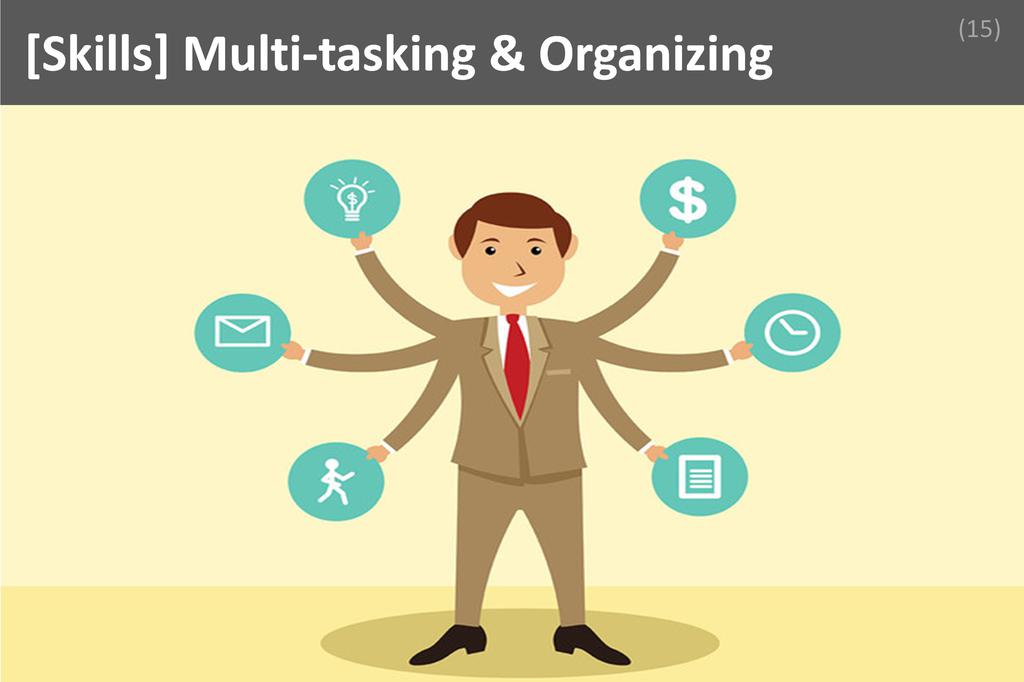
Multitasking & organizing is the ability to efficiently handle multiple tasks or responsibilities at once while maintaining order, prioritizing duties, and ensuring nothing is overlooked. In cafe management, this skill is crucial for balancing customer service, staff coordination, inventory control, and daily operations, all within a fast-paced environment.
Mastering multitasking & organizing directly enhances a cafe manager’s ability to keep operations running smoothly, even during peak hours or unexpected rushes. Employers and clients highly value this skill because it leads to fewer mistakes, faster service, and a more pleasant customer experience. A manager who can juggle staff schedules, supplier deliveries, and customer requests without losing track of details is indispensable. Cultivating this skill involves practicing time management, using organizational tools like planners or digital apps, and learning to prioritize tasks based on urgency and importance. Over time, consistent reflection and adjustment of one’s workflow help refine this ability, making it second nature in high-pressure situations.
Imagine a busy Saturday morning when a key staff member calls in sick, a delivery arrives early, and a large group of customers walks in unexpectedly. The cafe manager must quickly reorganize staff duties, greet and seat the new customers, and ensure the delivery is checked and stored properly. By effectively multitasking and organizing, the manager delegates tasks, communicates clearly with the team, and keeps service running smoothly. This ability to coordinate multiple moving parts under pressure not only prevents chaos but also ensures customers remain satisfied and the business continues to operate efficiently, even in the face of sudden challenges.
Positives
Feedback from customers

Feedback from customers refers to the comments, suggestions, compliments, and critiques provided by patrons regarding their experiences in a café. This valuable input helps managers understand customer preferences, identify areas for improvement, and celebrate successes. It fosters a dynamic environment where continuous growth and customer satisfaction are central to daily operations.
The importance of customer feedback in cafe management cannot be overstated. It serves as a direct line to understanding what guests truly value, allowing managers to tailor services and offerings to meet evolving expectations. Positive feedback boosts morale, affirming that hard work is recognized and appreciated, while constructive criticism provides actionable insights for improvement. This ongoing dialogue with customers creates a sense of community and partnership, making the work environment more engaging and meaningful. Managers who actively seek and respond to feedback often experience greater job satisfaction, as they witness firsthand the positive changes their efforts bring about. Ultimately, this continuous exchange drives personal and professional growth, ensuring that both the café and its team thrive.
Imagine a café manager who introduces a new seasonal menu item after listening to regular customers express a desire for more plant-based options. Within days, guests begin sharing their delight, praising the fresh flavors and thoughtful addition. The manager receives heartfelt thanks from a family who can now enjoy a meal together, accommodating everyone’s dietary needs. This direct feedback not only validates the manager’s decision but also deepens their connection with the community. Each compliment and suggestion becomes a source of motivation, reinforcing the manager’s passion for hospitality and inspiring further innovation. Through these daily interactions, the manager experiences the profound impact of customer feedback, making their role both rewarding and purposeful.
Recognition

Recognition is the acknowledgment and appreciation of an individual’s efforts, achievements, and contributions by others, whether customers, colleagues, or employers. In cafe management, recognition fosters a sense of value and belonging, motivating professionals to excel. It enhances morale, encourages personal growth, and creates a positive workplace culture.
The power of recognition in cafe management cannot be overstated. When managers and staff are regularly acknowledged for their hard work, creativity, and dedication, it fuels a cycle of motivation and pride. This positive reinforcement leads to higher job satisfaction, as employees feel seen and appreciated for their unique contributions. Recognition also drives professional growth, inspiring managers to innovate and lead their teams with confidence. On a daily basis, cafe managers experience this benefit through customer compliments, positive reviews, and support from their teams, all of which reinforce their sense of purpose and commitment to excellence. Ultimately, recognition transforms routine tasks into meaningful achievements, making every day at work more rewarding.
Imagine a cafe manager who has spent weeks training their team to deliver exceptional service and introducing a new seasonal menu. One morning, a regular customer expresses heartfelt thanks for the warm atmosphere and delicious offerings, mentioning the positive changes they’ve noticed. Later, the owner publicly commends the manager’s leadership during a staff meeting, highlighting the increase in customer satisfaction and sales. These moments of recognition not only validate the manager’s hard work but also inspire the entire team to maintain high standards. The manager leaves work that day with renewed enthusiasm, feeling proud to be part of a thriving, appreciative community. This daily experience of recognition becomes a driving force for continued excellence.
Monetary potential

Monetary potential refers to the capacity for significant financial gain and income growth within a profession, encompassing both immediate earnings and long-term wealth accumulation. In cafe management, this potential is realized through competitive salaries, performance bonuses, profit-sharing, and opportunities for business ownership, making the field attractive for ambitious professionals.
The monetary potential in cafe management is a powerful motivator that elevates both personal and professional fulfillment. Knowing that hard work, innovation, and dedication can directly translate into financial rewards inspires managers to strive for excellence every day. This positive aspect not only boosts job satisfaction but also encourages continuous learning and improvement, as professionals are driven to maximize profitability and efficiency. The prospect of increasing income through successful operations, customer loyalty, and creative menu development fosters a sense of ownership and pride. As managers witness their efforts reflected in the cafe’s financial success, they gain confidence and motivation to set higher goals, fueling both career advancement and personal growth.
Imagine a cafe manager who starts their journey overseeing a small neighborhood coffee shop. Through strategic marketing, exceptional customer service, and innovative menu offerings, the manager steadily increases daily sales and builds a loyal customer base. As profits rise, the owner rewards the manager with performance bonuses and a share of the profits, recognizing their pivotal role in the cafe’s success. This tangible financial recognition not only validates the manager’s efforts but also provides the means to pursue further professional development or even invest in opening their own cafe in the future. The experience of seeing hard work directly translate into monetary rewards creates a deep sense of accomplishment and inspires continued dedication to the craft of cafe management.
Networking

Networking is the process of building and nurturing professional relationships with colleagues, suppliers, customers, and industry peers to exchange information, support, and opportunities. In cafe management, networking fosters collaboration, opens doors to new ideas, and strengthens community ties, making it a vital element for personal and professional growth in this dynamic field.
The power of networking in cafe management lies in its ability to create a vibrant support system and a wealth of opportunities. By connecting with others in the industry, cafe managers gain access to valuable insights, innovative trends, and potential partnerships that can elevate their business. These relationships often lead to shared resources, mentorship, and even career advancement. Daily interactions with suppliers, local business owners, and loyal customers not only enhance operational efficiency but also build a sense of belonging and camaraderie. This ongoing exchange of knowledge and encouragement boosts job satisfaction, as managers feel more confident and empowered to overcome challenges and celebrate successes within a supportive community.
Imagine a cafe manager who regularly attends local business meetups and industry events. Through these connections, she meets a nearby bakery owner who offers exclusive pastries at a discounted rate, enriching her menu and attracting new customers. She also befriends a seasoned barista from another cafe, who shares tips on improving workflow and customer service. These relationships not only help her solve day-to-day challenges but also inspire her to innovate and grow her business. The sense of community she experiences through networking makes her role more enjoyable and fulfilling, as she realizes she is part of a larger, supportive network that celebrates her achievements and helps her navigate obstacles.
Challenges
High risk

High risk in cafe management refers to the constant exposure to financial uncertainty, operational hazards, and unpredictable market trends that can threaten business stability. This challenge is demanding because it requires managers to make critical decisions with incomplete information, balancing customer satisfaction, staff welfare, and profitability under ever-changing circumstances.
The high-risk nature of cafe management permeates daily operations, influencing everything from inventory purchases to staffing decisions. Managers must remain vigilant against sudden shifts in customer demand, supply chain disruptions, or regulatory changes. This environment demands resilience, as setbacks are frequent and can be costly. Successful professionals navigate these risks by cultivating adaptability, maintaining strong relationships with suppliers, and closely monitoring financial performance. They also invest in staff training and foster a culture of open communication, allowing the team to respond quickly to unexpected challenges. By embracing a proactive mindset and learning from past experiences, effective cafe managers turn high-risk situations into opportunities for growth and innovation.
Consider a cafe manager who faces an abrupt drop in foot traffic due to a nearby construction project. Recognizing the high-risk threat to revenue, the manager quickly pivots by introducing a delivery service and promoting online orders through social media. They coordinate with staff to adjust shifts and retrain employees for new roles, ensuring operational efficiency despite the disruption. By negotiating flexible terms with suppliers and engaging with loyal customers through targeted promotions, the manager stabilizes cash flow and maintains morale. This real-world scenario demonstrates how proactive decision-making, adaptability, and strong leadership enable cafe professionals to overcome high-risk challenges and sustain business success.
Need to reinvent

In cafe management, the "Need to reinvent" refers to the ongoing pressure to adapt menus, services, and customer experiences to shifting trends, competition, and consumer preferences. This demand is challenging because it requires constant creativity, resourcefulness, and risk-taking, while balancing operational consistency and financial stability in a fast-paced environment.
The need to reinvent can disrupt daily routines, requiring managers to frequently reassess offerings, retrain staff, and experiment with new ideas. This ongoing change can create uncertainty and stress, demanding resilience and adaptability from professionals. Successful cafe managers embrace a mindset of continuous learning and openness to feedback, using customer insights and market research to guide innovation. They foster a culture where staff feel empowered to contribute ideas and adapt quickly to new initiatives. By maintaining strong communication and involving the team in the reinvention process, managers can reduce resistance and build collective ownership of changes, ensuring smoother transitions and sustained relevance in a competitive market.
Consider a cafe manager who notices a decline in afternoon sales and increased competition from nearby establishments offering specialty drinks. Rather than sticking to the traditional menu, the manager researches emerging beverage trends and introduces a seasonal lineup of artisanal teas and plant-based snacks. She organizes tasting sessions for staff, encouraging them to share feedback and suggest improvements. By promoting the new offerings through social media and engaging with customers for their input, the manager not only revitalizes sales but also strengthens the cafe’s reputation for innovation. This proactive approach demonstrates how embracing the need to reinvent can turn a potential setback into an opportunity for growth and renewed customer loyalty.
Client expectation

Client expectation in cafe management refers to the standards and experiences that customers anticipate regarding service, food quality, ambiance, and overall hospitality. Meeting these expectations is demanding because they are often subjective, diverse, and influenced by trends, reviews, and personal preferences, making consistency and satisfaction a constant challenge for professionals.
The challenge of client expectation impacts daily operations by placing continuous pressure on staff and management to deliver flawless service and products, regardless of fluctuating circumstances. This can lead to stress, burnout, and operational strain, especially during peak hours or when resources are limited. Resilience is essential, as professionals must adapt quickly to feedback, resolve complaints diplomatically, and maintain high morale among team members. Successful cafe managers navigate this by fostering open communication, investing in staff training, and actively seeking customer feedback to anticipate and address concerns before they escalate. By cultivating a culture of continuous improvement and flexibility, they turn client expectations into opportunities for growth and loyalty rather than sources of frustration.
Consider a busy urban café that experiences a sudden influx of customers after a positive online review. The manager notices that regular patrons expect their usual quick service, while new visitors have heightened expectations based on the review. To manage this, the manager reallocates staff to high-traffic areas, personally greets waiting customers, and offers complimentary samples to those experiencing delays. By acknowledging the situation and maintaining transparency, the manager reassures clients and turns a potentially negative experience into a positive one. This proactive approach not only meets but often exceeds client expectations, fostering goodwill and encouraging repeat business despite the initial challenge.
Work-life balance

Work-life balance in cafe management refers to maintaining a healthy separation between demanding work responsibilities and personal life. The challenge is intensified by unpredictable hours, staff shortages, and customer expectations, making it difficult for managers to disconnect, rest, and nurture relationships outside of work, often leading to stress and burnout.
The struggle to achieve work-life balance in cafe management can lead to long hours, missed family events, and constant mental preoccupation with operational issues. This ongoing pressure requires resilience, as managers must juggle staffing, inventory, and customer satisfaction, often at the expense of personal time. Successful professionals address this by delegating tasks, setting clear boundaries, and prioritizing self-care. They learn to trust their teams, communicate expectations, and schedule regular downtime, even if it means stepping away during peak periods. By fostering a supportive work environment and embracing flexibility, they mitigate burnout and maintain both productivity and personal well-being, demonstrating that balance is possible with intentional effort and strategic planning.
Consider a cafe manager named Priya who once struggled with twelve-hour shifts and constant phone calls after hours. Recognizing the toll on her health and relationships, she trained her assistant manager to handle evening operations and empowered her team to make routine decisions. Priya also established a clear policy for after-hours communication, ensuring only urgent matters reached her outside work. By scheduling regular days off and dedicating time to hobbies and family, she gradually restored her energy and enthusiasm for her role. This approach not only improved her own well-being but also boosted team morale, as staff felt trusted and valued, illustrating how proactive strategies can transform the work-life balance challenge in cafe management.
A Day Of
Cafe Management
The aroma of freshly ground coffee mingles with the low hum of conversation as the first rays of sunlight filter through the windows—a cafe manager’s day begins long before the doors open to the public. In this fast-paced environment, every moment is a delicate dance between orchestrating staff, delighting customers, and keeping the business running smoothly behind the scenes. The rhythm of the day is dictated by the ebb and flow of customers, the demands of inventory, and the ever-present need to solve problems on the fly. For a cafe management professional, no two days are exactly alike, but each one is defined by quick thinking, adaptability, and a passion for creating a welcoming space where community and coffee come together.
As dawn breaks, the cafe manager arrives to a quiet, empty space that will soon be bustling with activity. The first order of business is to oversee the opening procedures, ensuring that every detail is in place for a seamless start. This includes checking inventory levels, prepping the espresso machines, reviewing the day’s reservations or special orders, and making sure the display cases are stocked with fresh pastries. The manager walks the floor, double-checking cleanliness and setup, and greets the early shift staff, setting the tone for a positive and productive day.
By mid-morning, the cafe is alive with energy as the morning rush hits its peak. The manager is in the thick of it, moving between the register, the kitchen, and the dining area, supporting staff and engaging with customers. This is the most intense part of the day, requiring quick decision-making and constant communication. Whether handling a sudden influx of orders, resolving a customer concern, or jumping in to help with a complicated drink, the manager’s presence is felt everywhere. Their focus is on maintaining high service standards, keeping wait times down, and ensuring every guest leaves satisfied.
As the lunch crowd tapers off, the cafe settles into a steadier rhythm, allowing the manager to shift focus to behind-the-scenes operations. This is the time for team meetings, staff check-ins, and hands-on training for new employees. The manager reviews sales data, monitors inventory usage, and coordinates with suppliers to place orders for the next day. They might also collaborate with the kitchen on menu updates or troubleshoot any equipment issues that have arisen. The afternoon is about execution and teamwork, ensuring that the cafe continues to run smoothly as the day progresses.
As the sun begins to set and the last customers finish their drinks, the manager transitions into wrap-up mode. They oversee the closing procedures, making sure the cafe is cleaned, equipment is properly shut down, and cash registers are balanced. Administrative tasks take center stage, including reviewing the day’s performance, updating schedules, and responding to emails or feedback from customers. Before leaving, the manager plans for the next day, anticipating challenges and setting goals to keep the team motivated and the cafe thriving. With a final walk-through, they lock up, knowing that tomorrow will bring a new set of opportunities and challenges. |


 Home
Home Abroad
 Plan
Plan Philosophy
 Seminar
 Pages
Pages Advisors
 Testimonials










 Workshop
 Discuss
 Meet
Meet
 Advisor
 Story
Story
 Fine Print
 Links
Links
 Blog
Blog
 Follow
