The Journey of Campaign Management
What Is Campaign Management
Political Campaign Management

Political campaign management is the strategic planning, coordination, and execution of activities designed to promote a candidate or cause during an election. It involves organizing resources, managing staff and volunteers, overseeing communications, and ensuring compliance with legal and financial regulations to maximize the chances of electoral success.
Political campaign management is crucial because it shapes the direction and effectiveness of electoral efforts. For professionals in campaign management, mastering this discipline means being able to influence public opinion, mobilize supporters, and navigate complex political environments. The first major benefit is the ability to create and implement winning strategies that resonate with voters. The second benefit is the development of leadership and organizational skills, as campaign managers must coordinate diverse teams and resources under tight deadlines. The third benefit is the opportunity to make a tangible impact on society by helping elect leaders or advance causes that align with personal or community values.
A campaign manager working for a congressional candidate might begin by analyzing voter data to identify key demographics and issues. They would then develop a messaging strategy, coordinate fundraising events, and oversee digital outreach efforts. Throughout the campaign, the manager would adjust tactics based on polling results and feedback from the field, ensuring that resources are allocated efficiently. By managing staff, volunteers, and consultants, the campaign manager ensures that every aspect of the campaign—from canvassing to media relations—operates smoothly. This comprehensive approach allows the candidate to focus on engaging with voters and articulating their platform, ultimately increasing the chances of electoral victory.
Education
Current Affairs

Current Affairs refers to the ongoing events, developments, and issues happening locally, nationally, and globally across political, economic, social, and cultural spheres. In Campaign Management, understanding Current Affairs is essential as it shapes public opinion, influences voter behavior, and informs strategic decision-making within the fast-paced landscape of political and advocacy campaigns.
A deep understanding of Current Affairs is vital for anyone involved in Campaign Management because it provides the context in which campaigns operate. Professionals must be aware of the latest news, policy changes, and societal trends to craft relevant messages and anticipate public reactions. This knowledge forms the foundation for effective communication, risk assessment, and strategic planning. By staying informed, campaign managers can quickly adapt to shifting narratives, address emerging issues, and maintain credibility with stakeholders. Over the long term, proficiency in Current Affairs enhances a professional’s ability to forecast trends, build resilient strategies, and establish themselves as trusted advisors within the field, ensuring sustained career growth and influence.
Consider a campaign manager working on a political candidate’s election campaign during a period of economic uncertainty. By closely following Current Affairs, the manager identifies a sudden spike in unemployment rates reported in the news. Drawing on this knowledge, they swiftly adjust the campaign’s messaging to address job creation and economic recovery, aligning the candidate’s platform with the public’s immediate concerns. This timely response not only demonstrates the campaign’s awareness of pressing issues but also builds trust with voters who feel their needs are being recognized. The manager’s ability to integrate real-time developments into campaign strategy exemplifies how theoretical understanding of Current Affairs translates into practical, impactful decision-making.
Social Media
Social media refers to digital platforms and applications that enable users to create, share, and interact with content and communities online. In campaign management, social media is a critical tool for communication, engagement, and data analysis, forming a core component of both academic study and professional expertise in the field.
Understanding social media is essential for anyone pursuing a career in campaign management because it serves as the primary channel for reaching and engaging target audiences in real time. Mastery of social media platforms allows professionals to craft compelling messages, monitor public sentiment, and respond quickly to emerging trends or crises. This knowledge forms the foundation for effective digital strategy, enabling campaign managers to maximize reach, measure impact, and optimize resources. Over the long term, proficiency in social media not only enhances a campaign’s success but also positions professionals as adaptable and forward-thinking leaders in a rapidly evolving digital landscape, ensuring their skills remain relevant and in demand.
A campaign manager working on a political election leverages their understanding of social media by designing targeted advertisements and interactive posts tailored to specific voter demographics. Throughout the day, they monitor engagement metrics, analyze feedback, and adjust messaging strategies in response to real-time data. When a controversial issue arises, the manager quickly coordinates a response across multiple platforms, ensuring the campaign’s message remains consistent and positive. By applying their theoretical knowledge of social media algorithms and audience behavior, the manager effectively amplifies the campaign’s reach, fosters community engagement, and maintains a favorable public image, all of which are crucial for achieving campaign objectives.
Data Analytics

Data Analytics is the systematic process of examining raw data to uncover patterns, draw conclusions, and support decision-making. In Campaign Management, it serves as a critical academic and professional discipline, enabling managers to interpret campaign performance, optimize strategies, and ensure that marketing efforts are both effective and measurable.
Understanding Data Analytics is essential for anyone in Campaign Management because it transforms intuition-driven decisions into evidence-based strategies. Mastery of this subject allows professionals to identify target audiences, measure campaign effectiveness, and allocate resources efficiently. By analyzing data trends and consumer behaviors, campaign managers can adapt quickly to market changes and improve outcomes. Over time, proficiency in Data Analytics not only enhances daily performance but also positions professionals for leadership roles, as organizations increasingly value data-driven insights. This foundational knowledge empowers campaign managers to justify their decisions, demonstrate return on investment, and maintain a competitive edge in a rapidly evolving digital landscape.
Imagine a campaign manager overseeing a multi-channel product launch. By applying their knowledge of Data Analytics, they monitor real-time engagement metrics across social media, email, and web platforms. When data reveals that a particular demographic is responding more positively to email marketing, the manager reallocates resources to amplify this channel. They also use analytics to identify underperforming segments, adjusting messaging and creative assets accordingly. Throughout the campaign, the manager generates reports to communicate results to stakeholders, using data to validate successes and inform future strategies. This practical application of Data Analytics ensures that every decision is guided by measurable insights, maximizing the campaign’s overall impact and efficiency.
Political Science
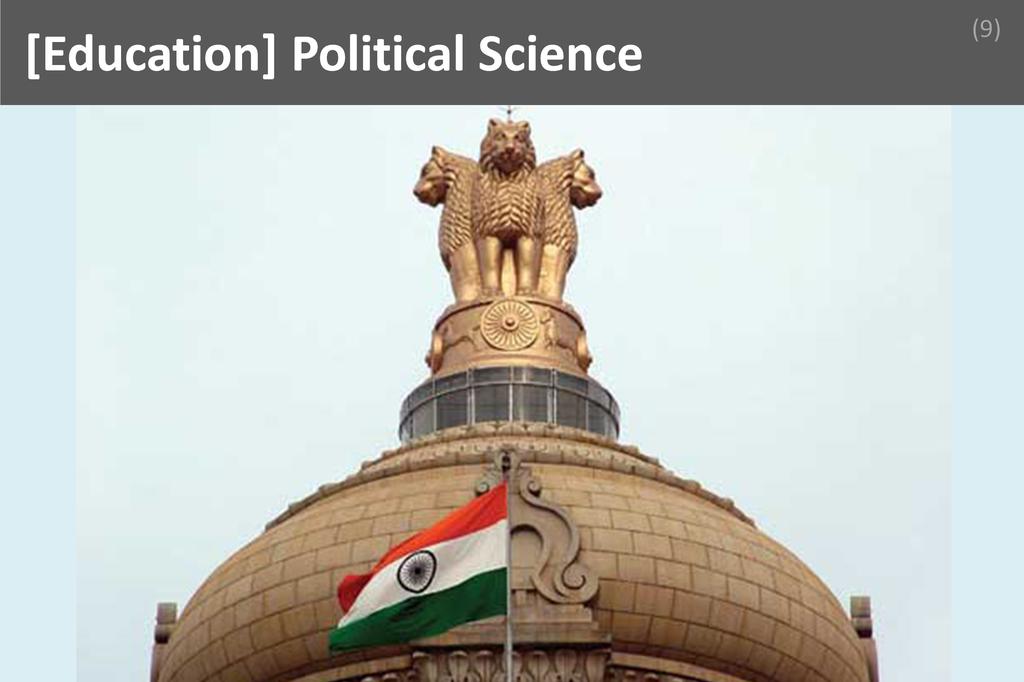
Political Science is the systematic study of government, political processes, institutions, and behavior. It explores how power and resources are distributed and exercised within societies. For campaign management, political science provides essential frameworks and analytical tools, forming a critical part of the academic and professional foundation required for effective strategy and decision-making.
Understanding political science is vital for anyone entering or advancing in campaign management because it equips professionals with the ability to analyze political environments, voter behavior, and institutional structures. This knowledge enables campaign managers to craft strategies that are not only persuasive but also grounded in an understanding of how political systems function. Political science fosters critical thinking, data interpretation, and ethical considerations, all of which are essential for navigating the complexities of modern campaigns. Over the long term, a solid grounding in political science enhances adaptability, strategic foresight, and the capacity to respond to shifting political landscapes, making professionals more effective and resilient in their careers.
Imagine a campaign manager working on a congressional race in a district with shifting demographics and evolving political attitudes. Drawing on their political science background, the manager analyzes historical voting patterns, studies the impact of recent policy changes, and assesses the influence of local institutions on voter turnout. This theoretical understanding allows them to identify key issues that resonate with constituents, anticipate opposition strategies, and allocate resources efficiently. By applying political science principles, the manager can adapt messaging, build coalitions, and navigate regulatory requirements, ensuring the campaign remains agile and responsive to real-time developments. This integration of theory and practice is crucial for achieving electoral success in a competitive environment.
Modern Indian History
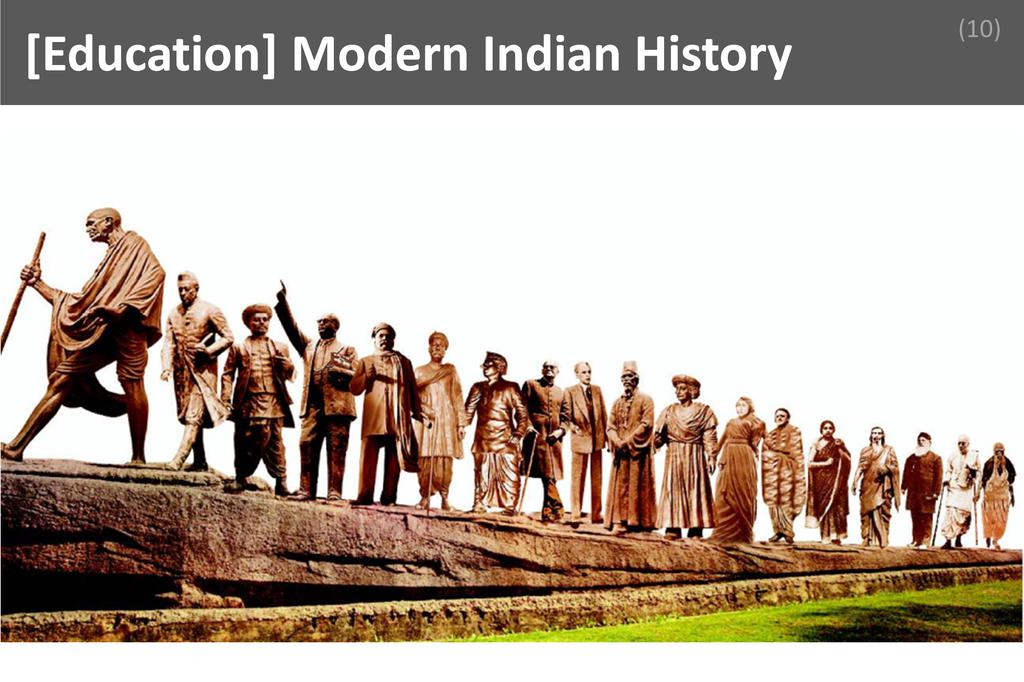
Modern Indian History refers to the period from the mid-eighteenth century, beginning with the decline of the Mughal Empire, through British colonial rule, the freedom struggle, and the emergence of independent India up to the present day. For campaign management, it provides essential context for understanding contemporary social and political dynamics.
A thorough grasp of Modern Indian History is indispensable for campaign managers, as it illuminates the roots of current political ideologies, social movements, and regional aspirations. This historical perspective enables professionals to craft messages that resonate with diverse audiences, anticipate public reactions, and navigate sensitive issues with cultural awareness. Understanding the evolution of political institutions, landmark legislations, and the legacy of key leaders helps campaign managers contextualize present-day challenges and opportunities. Over time, this foundational knowledge enhances strategic thinking, fosters credibility with stakeholders, and equips professionals to respond adeptly to evolving narratives. Ultimately, it empowers campaign managers to build more effective, inclusive, and impactful campaigns in a complex and dynamic environment.
Consider a campaign manager working on a political campaign in West Bengal. Their understanding of Modern Indian History allows them to recognize the significance of the Bengal Renaissance, the impact of partition, and the legacy of regional leaders. When designing outreach strategies, they draw upon this historical knowledge to address local sentiments, acknowledge past grievances, and celebrate cultural achievements. This approach helps them craft speeches and campaign materials that genuinely connect with the electorate’s identity and aspirations. By referencing historical milestones and understanding the roots of contemporary issues, the campaign manager can anticipate public concerns, avoid potential missteps, and build trust within the community, ultimately contributing to a more successful and resonant campaign.
Languages

Languages refer to structured systems of communication, encompassing spoken, written, and symbolic forms used to convey ideas, information, and emotions. In the context of Campaign Management, understanding languages involves not only linguistic fluency but also cultural and contextual awareness, forming a crucial part of the academic and professional toolkit for effective communication and strategy.
A deep understanding of languages is vital for campaign managers because it enables them to craft messages that resonate with diverse audiences. Mastery of language goes beyond grammar and vocabulary; it involves appreciating cultural nuances, idiomatic expressions, and the emotional undertones that influence public perception. This foundational knowledge empowers professionals to tailor content, slogans, and calls to action that are both persuasive and culturally sensitive. Over time, proficiency in languages enhances a campaign manager’s ability to collaborate with international teams, adapt strategies for different markets, and avoid costly miscommunications. Ultimately, it supports the creation of impactful campaigns that drive engagement and achieve organizational goals.
Imagine a campaign manager overseeing a global product launch. Their theoretical understanding of languages allows them to adapt marketing materials for various regions, ensuring that slogans and advertisements are not only accurately translated but also culturally appropriate. For instance, a phrase that works well in English might carry unintended meanings in another language. By leveraging their linguistic expertise, the campaign manager collaborates with local teams to refine messaging, avoiding potential pitfalls and maximizing audience connection. This careful attention to language nuances ensures the campaign’s message is clear, compelling, and respectful, ultimately contributing to its success across different markets.
Mass Communication
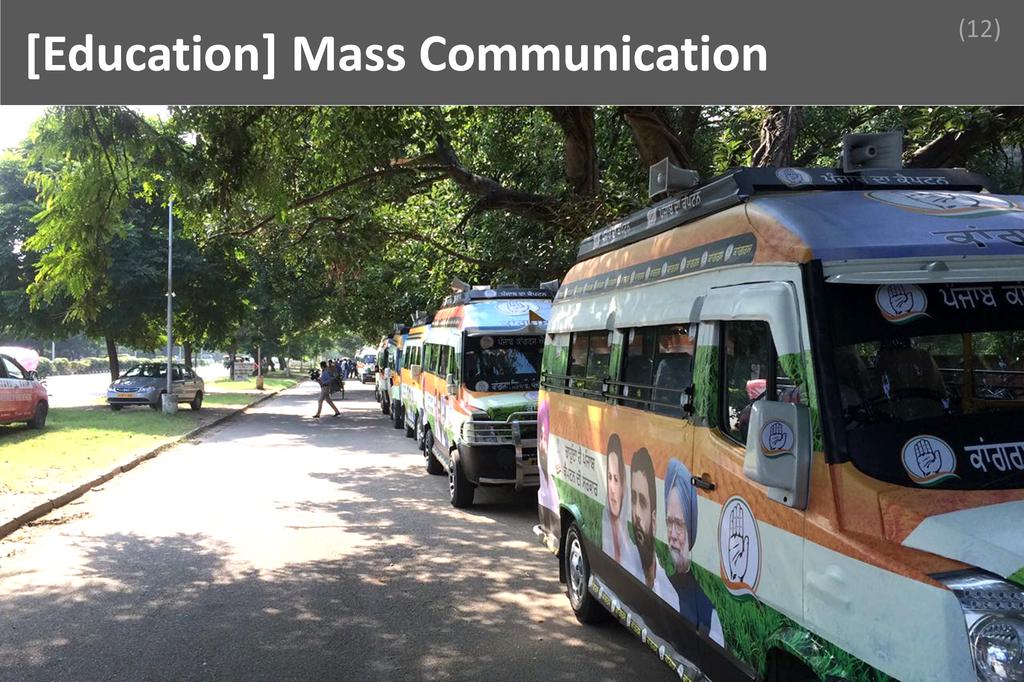
Mass Communication is the process of creating, sending, receiving, and analyzing messages to large audiences through various media channels, such as television, radio, newspapers, and digital platforms. In Campaign Management, it is a crucial academic and professional discipline, providing essential frameworks for effective audience engagement and message dissemination.
Understanding Mass Communication is vital for anyone in Campaign Management because it equips professionals with the ability to craft messages that resonate with diverse audiences. This subject introduces theories of media influence, audience segmentation, and message framing, all of which are foundational for designing impactful campaigns. Mastery of these concepts allows campaign managers to anticipate public reactions, adapt strategies in real time, and measure the effectiveness of their outreach. Over the long term, this knowledge fosters adaptability in a rapidly evolving media landscape, enhances credibility with stakeholders, and supports sustained professional growth by ensuring that campaign strategies remain relevant and effective across various communication platforms.
Consider a campaign manager working on a public health initiative aimed at increasing vaccination rates. Drawing on their understanding of Mass Communication, they analyze audience demographics and media consumption habits to select the most effective channels for outreach. They apply message framing techniques to address common concerns and misconceptions, ensuring that the campaign’s messaging is clear, persuasive, and culturally sensitive. Throughout the campaign, they monitor media coverage and public feedback, adjusting their strategies to maximize engagement and positive sentiment. This practical application of Mass Communication theory enables the campaign manager to reach a broad audience, foster trust, and achieve measurable outcomes, demonstrating the subject’s critical role in daily campaign operations.
Skills
Communication

Communication is the clear and effective exchange of information, ideas, and intentions between individuals or groups, using verbal, nonverbal, and written methods. In campaign management, communication enables professionals to coordinate teams, articulate strategies, and ensure stakeholders are aligned, making it a foundational skill for driving successful outcomes.
Strong communication skills directly enhance a campaign manager’s ability to convey complex strategies, delegate tasks, and respond to feedback efficiently. Clients and employers highly value this skill because it fosters transparency, builds trust, and minimizes misunderstandings that can derail a campaign. Effective communicators can adapt their style to different audiences, ensuring that messages resonate and objectives are clear. To cultivate this skill, professionals should seek regular feedback, practice active listening, and engage in public speaking or writing opportunities. Over time, consistent effort in refining both verbal and written communication leads to greater confidence and competence, ultimately resulting in more cohesive teams and successful campaigns.
Imagine a campaign manager overseeing a product launch who receives last-minute changes from the client. The manager must quickly communicate these updates to the creative, digital, and PR teams, ensuring everyone understands the new direction and deadlines. By organizing a concise briefing and following up with clear written instructions, the manager prevents confusion and keeps the campaign on track. When a team member raises concerns about the feasibility of the new timeline, the manager listens attentively, addresses the issues, and negotiates adjustments with the client. Through effective communication, the manager not only resolves a potential crisis but also maintains team morale and client satisfaction, demonstrating the critical role this skill plays in campaign management success.
Good Judgement
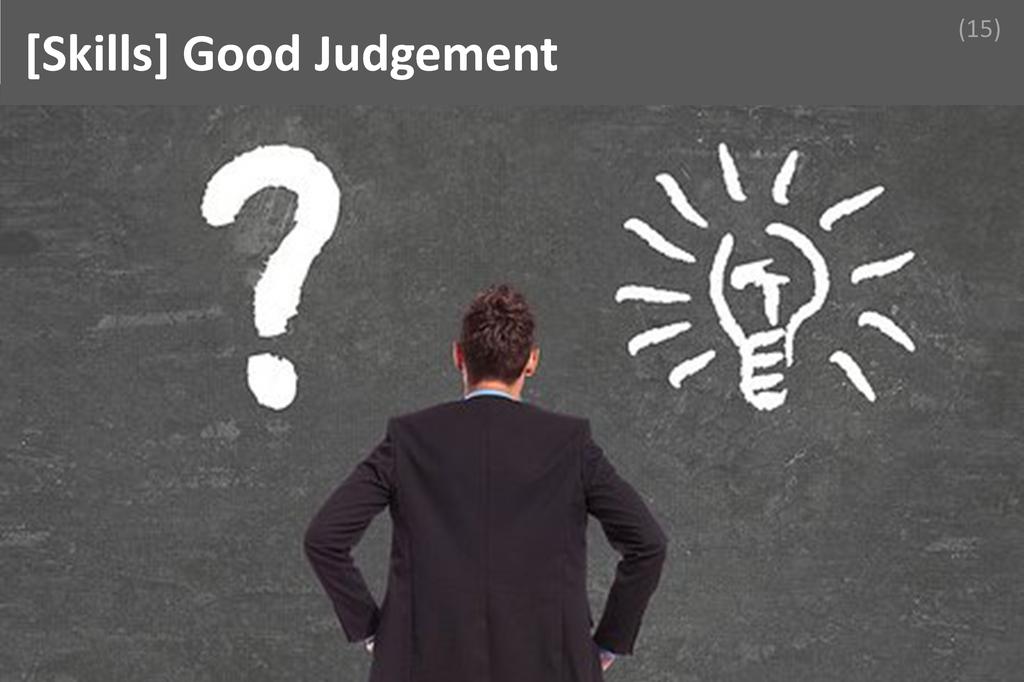
Good judgement is the ability to make sound decisions by carefully evaluating information, anticipating outcomes, and balancing risks with opportunities. In campaign management, it involves assessing data, understanding audience sentiment, and choosing the most effective strategies. This skill ensures campaigns remain ethical, relevant, and aligned with organizational goals, even under pressure.
Good judgement is fundamental to campaign management because it enables professionals to navigate complex situations, adapt to changing circumstances, and make choices that maximize impact. Clients and employers highly value this skill, as it leads to campaigns that are not only creative but also responsible and effective. A campaign manager with good judgement can allocate resources wisely, avoid reputational risks, and respond appropriately to unexpected challenges. Cultivating good judgement involves continuous learning, seeking feedback, and reflecting on past decisions to understand what worked and what did not. Over time, exposure to diverse scenarios and a commitment to ethical standards help refine this skill, making it an indispensable asset for long-term career success.
Imagine a campaign manager overseeing a product launch when a sudden public relations issue arises involving a key spokesperson. With good judgement, the manager quickly assesses the situation, consults with stakeholders, and decides to temporarily pause the campaign. They communicate transparently with the audience, address concerns, and adjust messaging to maintain trust. This decision, made under pressure, prevents potential backlash and preserves the brand’s reputation. By relying on good judgement, the manager not only mitigates immediate risks but also demonstrates leadership and strategic thinking, ultimately ensuring the campaign’s long-term success and strengthening client relationships.
Interpersonal

Interpersonal refers to the ability to effectively communicate, collaborate, and build relationships with others, demonstrating empathy, active listening, and respect. In campaign management, this skill enables professionals to navigate diverse teams, manage stakeholders, and foster trust, ensuring smooth coordination and alignment toward shared objectives throughout the campaign lifecycle.
Interpersonal skills are fundamental in campaign management because they facilitate clear communication, conflict resolution, and team cohesion. Professionals who excel in this area can motivate their teams, negotiate with vendors, and maintain positive client relationships, all of which are crucial for campaign success. Clients and employers highly value individuals who can build rapport and manage expectations, as these abilities often lead to better project outcomes and long-term partnerships. To cultivate interpersonal skills, one should seek feedback, practice active listening, and engage in collaborative projects. Over time, consistent self-reflection and a willingness to adapt communication styles to different audiences help refine this essential competency.
Imagine a campaign manager overseeing a high-stakes product launch. Midway through the campaign, a disagreement arises between the creative and analytics teams regarding the direction of messaging. The campaign manager leverages strong interpersonal skills to mediate the discussion, ensuring each side feels heard and respected. By facilitating open dialogue and encouraging compromise, the manager helps both teams find common ground, resulting in a unified strategy that satisfies all stakeholders. This approach not only resolves the immediate conflict but also strengthens team morale and trust, ultimately contributing to the campaign’s overall success and the client’s satisfaction.
Research

Research is the systematic process of gathering, analyzing, and interpreting information to inform decisions, solve problems, and generate new insights. In campaign management, research enables professionals to understand target audiences, market trends, and competitor strategies, ensuring that campaigns are data-driven, relevant, and positioned for maximum impact and effectiveness.
Mastering research as a core skill significantly enhances a campaign manager’s ability to design and execute successful campaigns. By thoroughly investigating audience behaviors, industry benchmarks, and emerging trends, campaign managers can craft strategies that resonate and adapt quickly to changing conditions. Clients and employers highly value this skill because it minimizes guesswork, reduces risks, and increases the likelihood of achieving campaign objectives. To cultivate research skills, professionals should engage in continuous learning, stay updated with industry publications, and practice critical analysis of both quantitative and qualitative data. Over time, consistent application and reflection on research outcomes help refine this skill, making it an indispensable asset in the campaign management field.
Imagine a campaign manager tasked with launching a new product in a highly competitive market. Initial campaign concepts fail to gain traction, and early feedback indicates a disconnect with the intended audience. The manager turns to research, conducting surveys, analyzing social media conversations, and reviewing competitor campaigns. Through this process, they discover that the target demographic values sustainability and transparency, aspects previously overlooked. Armed with these insights, the manager pivots the campaign messaging to highlight the product’s eco-friendly features and ethical sourcing. As a result, engagement rates improve dramatically, and the campaign achieves its goals. This scenario illustrates how research can uncover critical information that drives strategic adjustments and ultimately leads to campaign success.
Debating
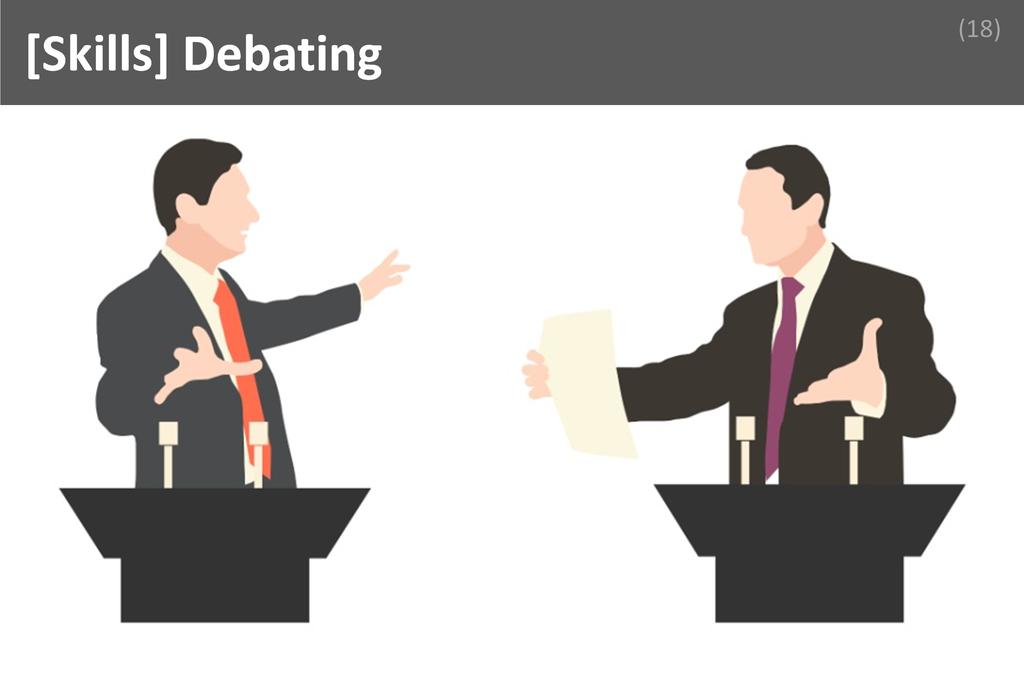
Debating is the structured practice of presenting, defending, and challenging ideas or positions through reasoned argument and evidence, aiming to persuade an audience or opponent. In campaign management, debating is crucial for articulating strategies, countering opposition, and navigating complex discussions, making it an indispensable part of a professional’s skillset.
The ability to debate effectively enhances a campaign manager’s performance by enabling them to advocate persuasively for their candidate or cause, anticipate counterarguments, and respond confidently under pressure. Clients and employers value this skill because it demonstrates critical thinking, adaptability, and the capacity to defend decisions in high-stakes environments. Over time, debating can be cultivated through regular practice in public speaking, participating in formal debates, and engaging in discussions that require thoughtful argumentation. Exposure to diverse viewpoints and feedback from peers further sharpens this skill, ensuring campaign managers remain agile and compelling communicators capable of steering campaigns through challenging conversations and negotiations.
Imagine a campaign manager facing a live televised debate where an opponent launches unexpected criticisms about their candidate’s policy. Drawing on strong debating skills, the manager quickly analyzes the attack, formulates a clear and evidence-based rebuttal, and redirects the conversation to highlight their candidate’s strengths. This not only neutralizes the criticism but also demonstrates leadership and composure to the viewing public. The manager’s adept use of debating ensures the campaign maintains credibility and momentum, turning a potential setback into an opportunity to reinforce the campaign’s core message and values. In this way, debating becomes a decisive factor in achieving campaign success.
Conflict Management

Conflict Management is the process of recognizing, addressing, and resolving disagreements or disputes constructively, ensuring all parties feel heard and respected while guiding them toward mutually beneficial outcomes. In Campaign Management, this skill is crucial for maintaining team cohesion, navigating client expectations, and ensuring smooth project execution amidst diverse perspectives.
Mastering Conflict Management directly enhances a campaign manager’s effectiveness by fostering a collaborative environment where creative ideas can flourish without being derailed by interpersonal friction. Clients and employers highly value this skill because it minimizes disruptions, preserves professional relationships, and keeps campaigns on track even when tensions arise. Cultivating Conflict Management involves practicing active listening, empathy, and clear communication, as well as learning to remain calm under pressure. Over time, experience and reflection help professionals anticipate potential conflicts, address issues proactively, and mediate disputes with confidence, ultimately contributing to more successful and harmonious campaign outcomes.
Imagine a campaign manager overseeing a high-stakes product launch where the creative team and the analytics team strongly disagree on the campaign’s direction. The creative team advocates for a bold, unconventional approach, while the analytics team insists on data-driven strategies. The campaign manager steps in, facilitating a structured discussion where both sides present their perspectives and underlying concerns. By acknowledging the validity of each viewpoint and guiding the teams toward a compromise that incorporates creative innovation supported by data insights, the manager not only resolves the conflict but also strengthens team trust and delivers a more effective campaign. This scenario highlights how adept Conflict Management can turn potential setbacks into opportunities for collaboration and success.
Teamwork

Teamwork is the collaborative effort of individuals working together to achieve a common goal, leveraging diverse skills, perspectives, and strengths to maximize results. In campaign management, teamwork is indispensable because campaigns are multifaceted projects that require seamless coordination among creative, analytical, and operational professionals to deliver successful outcomes.
Teamwork directly enhances performance in campaign management by fostering open communication, encouraging the sharing of ideas, and ensuring that tasks are completed efficiently. Clients and employers value this skill because it leads to more innovative solutions, fewer errors, and smoother project execution. When team members trust and support each other, they can adapt quickly to changes, resolve conflicts constructively, and maintain high morale even under pressure. Cultivating teamwork involves actively listening to colleagues, being open to feedback, and participating in collaborative problem-solving. Over time, professionals can strengthen this skill by seeking diverse team experiences, reflecting on group dynamics, and continuously improving their interpersonal communication.
Imagine a campaign manager overseeing a product launch who encounters a sudden shift in market trends just days before the campaign goes live. Instead of making decisions in isolation, the manager brings together the creative, analytics, and client service teams for an urgent strategy session. Through open discussion, the creative team proposes new messaging, analytics provides real-time data insights, and client service communicates client expectations. By pooling their expertise and supporting each other, the team quickly pivots the campaign approach, ensuring relevance and maximizing impact. This collaborative response not only resolves the immediate challenge but also strengthens trust and sets a precedent for future teamwork-driven successes.
Resource Management

Resource Management is the strategic allocation and oversight of time, budget, personnel, and materials to maximize efficiency and achieve objectives. In campaign management, this skill ensures that every asset is used optimally, deadlines are met, and goals are accomplished without waste. It is fundamental for delivering successful campaigns.
Mastering resource management directly enhances a campaign manager’s ability to deliver projects on time and within budget, which is crucial for maintaining client trust and organizational profitability. Clients and employers highly value professionals who can juggle multiple priorities, anticipate resource bottlenecks, and adapt to shifting demands without sacrificing quality. To cultivate this skill, individuals should practice setting clear priorities, regularly evaluating resource allocation, and learning from past projects to refine their approach. Over time, experience and feedback help campaign managers develop the foresight and adaptability needed to manage resources effectively, making them indispensable assets to any marketing or communications team.
Imagine a campaign manager overseeing a product launch with a tight deadline and limited budget. Midway through the campaign, a key team member falls ill, threatening to delay deliverables. By leveraging strong resource management skills, the manager quickly reallocates tasks among available staff, negotiates with vendors to adjust timelines, and reprioritizes non-essential activities. This swift, strategic response ensures the campaign stays on track, meets its objectives, and maintains client satisfaction. The ability to efficiently manage resources in the face of unexpected challenges not only salvages the campaign but also demonstrates the manager’s value and reliability to both clients and employers.
Positives
Travelling

Travelling, in the context of campaign management, refers to the frequent movement between cities, regions, or even countries to oversee, coordinate, and execute campaign activities. This dynamic aspect allows professionals to engage with diverse communities, adapt to new environments, and gain firsthand insights that enrich their strategic approach and personal growth.
The opportunity to travel is a defining and invigorating feature of campaign management. It transforms the routine of office work into a vibrant journey filled with new experiences, cultures, and perspectives. Travelling enables campaign managers to build genuine connections with stakeholders, understand local nuances, and tailor strategies for maximum impact. This constant exposure to different environments fosters adaptability, creativity, and resilience, all of which are essential for career advancement. The sense of adventure and discovery that comes with travelling not only breaks the monotony but also fuels passion and motivation. As professionals witness the direct results of their efforts in various locations, their job satisfaction soars, making each day both challenging and deeply rewarding.
Imagine a campaign manager tasked with launching a nationwide initiative. Over several months, they travel from bustling urban centers to remote rural towns, meeting with local leaders, volunteers, and community members. Each location presents unique challenges and opportunities, requiring the manager to quickly adapt strategies and communication styles. Through these journeys, the manager gains a profound understanding of the diverse audiences they serve, builds lasting relationships, and witnesses the tangible impact of their work in real time. The excitement of new places, combined with the satisfaction of making a difference across regions, exemplifies how travelling elevates the campaign management experience, turning it into a truly fulfilling career.
Meeting Influential People

Meeting influential people refers to the unique opportunities campaign managers have to interact with leaders, decision-makers, and prominent figures across various sectors. These encounters foster professional growth, expand networks, and provide firsthand insights into the strategies and motivations of those shaping public opinion and policy, enriching the campaign management experience.
The chance to meet influential people is a powerful motivator for those in campaign management. These interactions often lead to mentorship, collaboration, and the exchange of innovative ideas, which can accelerate personal and professional development. Engaging with high-profile individuals not only opens doors to new opportunities but also builds confidence and credibility within the industry. On a daily basis, campaign managers find themselves in meetings, events, and strategy sessions where they can learn directly from experienced leaders. This exposure helps them stay ahead of trends, adapt to challenges, and feel a sense of belonging in a dynamic, impactful field. The relationships formed through these encounters often become invaluable assets throughout their careers.
Imagine a campaign manager working on a high-stakes political campaign who is invited to a roundtable discussion with senior policymakers, influential journalists, and respected community leaders. During the event, the manager not only gains insight into current issues but also builds connections with individuals who can offer guidance and support. After the meeting, a prominent advocate follows up to discuss potential collaboration, recognizing the manager’s expertise and dedication. This experience not only validates the manager’s hard work but also inspires a deeper commitment to the cause. The opportunity to interact with such influential figures transforms daily tasks into meaningful, career-defining moments, making campaign management an exceptionally rewarding profession.
Constant Learning

Constant Learning is the ongoing process of acquiring new knowledge, skills, and insights to adapt to evolving trends, technologies, and challenges. In campaign management, this means staying updated with the latest marketing tools, audience behaviors, and creative strategies. This continuous growth ensures professionals remain effective, innovative, and highly adaptable in their roles.
The dynamic nature of campaign management means that no two days are ever the same. Constant Learning keeps professionals intellectually stimulated and engaged, as they are always discovering new platforms, analyzing emerging data, and experimenting with creative approaches. This perpetual evolution not only sharpens their expertise but also fuels a sense of accomplishment and relevance. As campaign managers master new skills and adapt to shifting market demands, they become more valuable to their organizations and more confident in their abilities. The satisfaction of overcoming fresh challenges and witnessing tangible results from newly acquired knowledge makes the profession both exciting and deeply rewarding.
Imagine a campaign manager tasked with launching a product using a social media platform that has recently introduced advanced targeting features. Rather than relying solely on past experience, the manager dedicates time to learning about these new tools, attending webinars, and experimenting with different strategies. As the campaign unfolds, they see improved engagement and conversion rates, directly attributable to their willingness to embrace new knowledge. This experience not only delivers better results for the client but also gives the manager a profound sense of achievement, knowing their commitment to Constant Learning has made a measurable difference. This cycle of discovery and success becomes a motivating force, reinforcing the value of ongoing growth in their career.
Generalist Profile

A "Generalist Profile" refers to a professional who possesses a broad range of skills and knowledge across multiple disciplines, rather than specializing in just one area. In campaign management, this means being adept at strategy, analytics, creativity, communication, and project coordination. This versatility empowers campaign managers to adapt, innovate, and lead effectively.
Embracing a generalist profile in campaign management brings immense value to both the individual and the organization. The ability to navigate diverse tasks—from analyzing data to crafting compelling messages—makes each day dynamic and intellectually stimulating. Professionals with this profile often find greater job satisfaction, as they are not confined to repetitive routines but instead engage in varied challenges that foster continuous learning. This adaptability also accelerates career growth, as organizations increasingly seek leaders who can bridge gaps between departments and drive holistic results. On a daily basis, campaign managers experience the benefit of being able to pivot quickly, collaborate with different teams, and see the tangible impact of their multifaceted contributions.
Imagine a campaign manager overseeing a major product launch. In the morning, they analyze market data to identify target audiences. By midday, they brainstorm creative concepts with the design team, and in the afternoon, they coordinate logistics with vendors and manage the campaign’s digital rollout. Their generalist profile allows them to seamlessly transition between these roles, ensuring nothing is overlooked and every aspect of the campaign is aligned. This ability to wear many hats not only makes their workday exciting and varied but also leads to a deep sense of accomplishment as they witness the campaign’s success, knowing their diverse skills made it possible.
Catalyst to Social Change

A "Catalyst to Social Change" is an individual or force that sparks, accelerates, or sustains meaningful transformation within society, challenging norms and inspiring collective progress. In campaign management, this role empowers professionals to drive awareness, mobilize communities, and influence policy, making their work a powerful engine for positive societal evolution.
Being a catalyst to social change is a deeply rewarding aspect of campaign management because it allows professionals to see the tangible results of their efforts in the world around them. This sense of purpose fuels motivation and job satisfaction, as campaign managers witness the direct impact of their strategies on public opinion, legislation, and community engagement. The knowledge that their work can shift perspectives, amplify marginalized voices, and foster inclusivity creates a profound sense of accomplishment. This ongoing connection to meaningful outcomes not only enhances personal growth but also inspires continuous learning and innovation, making each day in the profession both challenging and fulfilling.
Imagine a campaign manager working for an organization dedicated to environmental sustainability. Through strategic planning, creative messaging, and coalition-building, this professional orchestrates a campaign that educates the public about the dangers of single-use plastics. As the campaign gains traction, local businesses begin to adopt eco-friendly alternatives, and city officials propose new regulations to reduce plastic waste. The campaign manager sees firsthand how their efforts have sparked a shift in community behavior and policy, leading to cleaner neighborhoods and a more informed public. This experience exemplifies the profound satisfaction and pride that comes from being a catalyst to social change, reinforcing the value and impact of their role in campaign management.
Challenges
Market Readiness

Market Readiness in Campaign Management refers to the preparedness of a product, service, or message to enter and compete in a specific market environment. It demands a deep understanding of audience needs, timing, regulatory compliance, and competitive dynamics, making it a complex and high-stakes challenge for campaign professionals.
The challenge of Market Readiness permeates every aspect of daily campaign management, from strategic planning to execution. Professionals must constantly assess shifting market trends, consumer behaviors, and competitor actions, often under tight deadlines and evolving expectations. This environment requires resilience, as setbacks and rapid changes are common. Successful campaign managers mitigate these pressures by fostering adaptability, maintaining open communication with stakeholders, and leveraging data-driven insights to make informed decisions. They prioritize continuous learning and agile methodologies, allowing them to pivot strategies quickly when market conditions shift. By building strong cross-functional relationships and staying attuned to market signals, they ensure campaigns remain relevant, compliant, and impactful, even in the face of uncertainty.
Consider a campaign manager launching a new tech product in a highly competitive market. Initial research reveals that consumer expectations have shifted due to a recent competitor innovation. Recognizing the gap in Market Readiness, the manager quickly coordinates with product development to adjust key features and collaborates with the creative team to refine messaging. By monitoring real-time feedback and market analytics, the manager adapts the campaign rollout, ensuring it aligns with current market demands. Through proactive stakeholder engagement and rapid iteration, the campaign not only meets regulatory and consumer requirements but also gains a competitive edge. This approach demonstrates how agility and informed decision-making can overcome the challenges of Market Readiness.
Dependencies
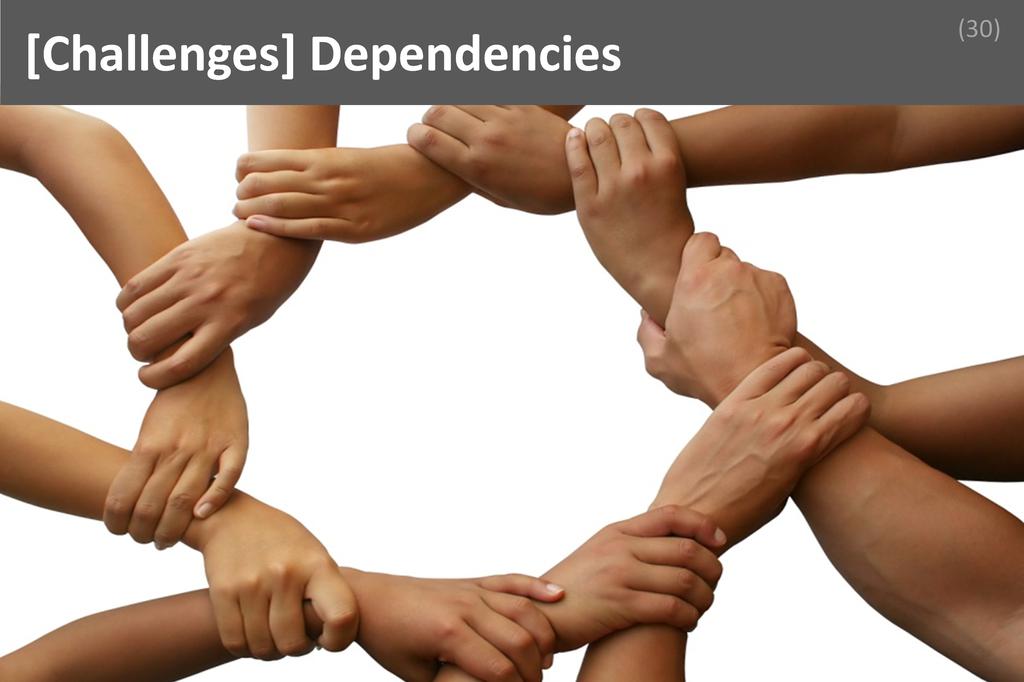
In Campaign Management, "Dependencies" refer to the reliance on other teams, systems, or external partners to deliver essential inputs, approvals, or resources required for campaign execution. This is demanding because delays, miscommunication, or misalignment among stakeholders can disrupt timelines, compromise quality, and increase stress for campaign managers.
Dependencies can significantly complicate the daily workflow of campaign managers. When progress hinges on others’ deliverables, even the most meticulously planned campaigns can stall, causing frustration and uncertainty. This challenge demands resilience, as professionals must adapt to shifting timelines and unexpected obstacles. Successful campaign managers proactively communicate with stakeholders, set clear expectations, and build strong relationships to foster accountability. They also develop contingency plans and prioritize flexibility, allowing them to pivot quickly when dependencies threaten progress. By maintaining transparency and regularly updating all parties involved, they minimize misunderstandings and keep projects moving forward, even when external factors are beyond their control.
Consider a campaign manager tasked with launching a multi-channel marketing initiative that requires creative assets from the design team and data from the analytics department. When the design team faces an unexpected backlog, the campaign’s timeline is at risk. The campaign manager responds by immediately communicating the impact to all stakeholders, renegotiating deadlines, and identifying interim solutions, such as using placeholder assets for initial testing. Simultaneously, they coordinate with the analytics team to ensure data is delivered on time, preventing further delays. Through proactive communication, flexibility, and creative problem-solving, the campaign manager successfully navigates the dependencies, ensuring the campaign launches with minimal disruption and maintains its strategic objectives.
Political Friction

Political friction in campaign management refers to the tension, disagreements, and competing interests that arise among stakeholders, team members, or external partners due to differing political ideologies, strategies, or personal ambitions. This challenge is demanding because it can disrupt collaboration, slow decision-making, and threaten the unity and effectiveness of a campaign’s operations.
Political friction can permeate daily work in campaign management, manifesting as miscommunication, stalled initiatives, or even open conflict within teams. This environment requires professionals to demonstrate resilience, adaptability, and emotional intelligence. Navigating such friction demands a keen ability to listen, mediate, and find common ground, all while maintaining focus on the campaign’s overarching goals. Successful professionals often manage this constraint by fostering transparent communication, building trust among stakeholders, and emphasizing shared objectives over individual differences. They remain calm under pressure, proactively address emerging conflicts, and encourage a culture where diverse perspectives are valued but aligned toward collective success. By doing so, they transform potential obstacles into opportunities for stronger collaboration and more robust campaign outcomes.
Consider a campaign manager overseeing a mayoral race who faces internal division between progressive and moderate factions within the campaign team. Tensions escalate during strategy meetings, with each side advocating for conflicting messaging and outreach tactics. Recognizing the risk to campaign unity, the manager organizes a series of facilitated discussions, allowing each group to voice concerns and priorities. By actively listening and highlighting areas of agreement, the manager guides the team toward a blended strategy that incorporates key elements from both perspectives. This approach not only diffuses immediate tensions but also builds mutual respect and a renewed sense of shared purpose. As a result, the campaign moves forward with a unified message, ultimately strengthening its public appeal and internal cohesion.
Ground-level Support

Ground-level Support in Campaign Management refers to the consistent, hands-on assistance required from volunteers, field staff, and local stakeholders to execute campaign activities. This challenge is demanding because it involves motivating diverse individuals, managing logistics, and ensuring reliable participation, all while adapting to unpredictable circumstances and limited resources.
The challenge of securing ground-level support can disrupt daily operations, as campaign managers must constantly address gaps in manpower, fluctuating volunteer morale, and logistical setbacks. This environment demands resilience because setbacks are frequent and often outside the manager’s direct control. Successful professionals navigate these constraints by fostering strong relationships with local teams, maintaining open communication, and demonstrating adaptability. They invest time in understanding individual motivations, offering recognition, and providing clear guidance to keep teams engaged. By anticipating challenges and remaining flexible, they are able to mobilize support even when resources are stretched thin, ensuring campaign objectives remain on track despite ongoing obstacles.
Consider a campaign manager overseeing a voter outreach initiative in a region with low volunteer turnout and limited infrastructure. Initially, the lack of ground-level support led to missed canvassing targets and low event attendance. Recognizing the issue, the manager spent time meeting with local volunteers, listening to their concerns, and adjusting schedules to accommodate their availability. By personally acknowledging their contributions and providing small incentives, the manager rebuilt trust and enthusiasm within the team. Over time, this approach resulted in a more reliable volunteer base, improved coordination, and ultimately, the successful execution of campaign activities. This scenario illustrates how proactive engagement and adaptability can transform ground-level support from a persistent challenge into a campaign strength.
A Day Of
Political Campaign Management
The hum of anticipation fills the air before the first email even lands in the inbox. In campaign management, every day is a high-stakes balancing act, where strategy meets spontaneity and deadlines are as relentless as the competition. The pace is brisk, the environment is charged with collaboration and creativity, and the nature of the work demands both analytical precision and quick, decisive action. Whether orchestrating a product launch or fine-tuning a digital ad blitz, campaign managers thrive in a world where no two days are ever the same, and every moment counts toward achieving measurable impact.
As the sun rises, campaign managers dive into their dashboards, reviewing overnight performance metrics and campaign analytics. This early morning ritual is all about assessing what’s working, identifying any red flags, and recalibrating priorities for the day ahead. With a fresh cup of coffee in hand, they scan through reports, flag urgent issues, and draft quick updates for stakeholders, ensuring everyone is aligned before the day’s momentum builds.
Mid-morning is when the real action begins. Campaign managers shift gears into high-intensity mode, leading brainstorming sessions with creative teams, coordinating with media buyers, and fielding rapid-fire questions from clients or internal partners. This is the heart of the day, where strategic plans are translated into actionable tasks, assets are reviewed and approved, and last-minute adjustments are made to keep campaigns on track. The energy is palpable as ideas are exchanged and decisions are made in real time.
The afternoon brings a wave of meetings and collaborative work. Campaign managers connect with data analysts to interpret performance trends, sync with sales teams to align messaging, and oversee the deployment of new campaign elements across multiple channels. It’s a time for troubleshooting, ensuring seamless execution, and making sure every moving part is in sync. The focus shifts from planning to doing, as campaigns go live and results start to trickle in.
As the day winds down, campaign managers circle back to review the latest performance data, document key learnings, and update campaign trackers. They respond to lingering emails, prepare end-of-day reports, and outline priorities for tomorrow. This is a moment for reflection and strategic thinking, setting the stage for continuous improvement and ensuring that every campaign is one step closer to its goals before the lights go out. |


 Home
Home Abroad
 Plan
Plan Philosophy
 Seminar
 Pages
Pages Advisors
 Testimonials












 Workshop
 Discuss
 Meet
Meet
 Advisor
 Story
Story
 Fine Print
 Links
Links
 Blog
Blog
 Follow
