The Journey of Politics
What Is Politics
Politics
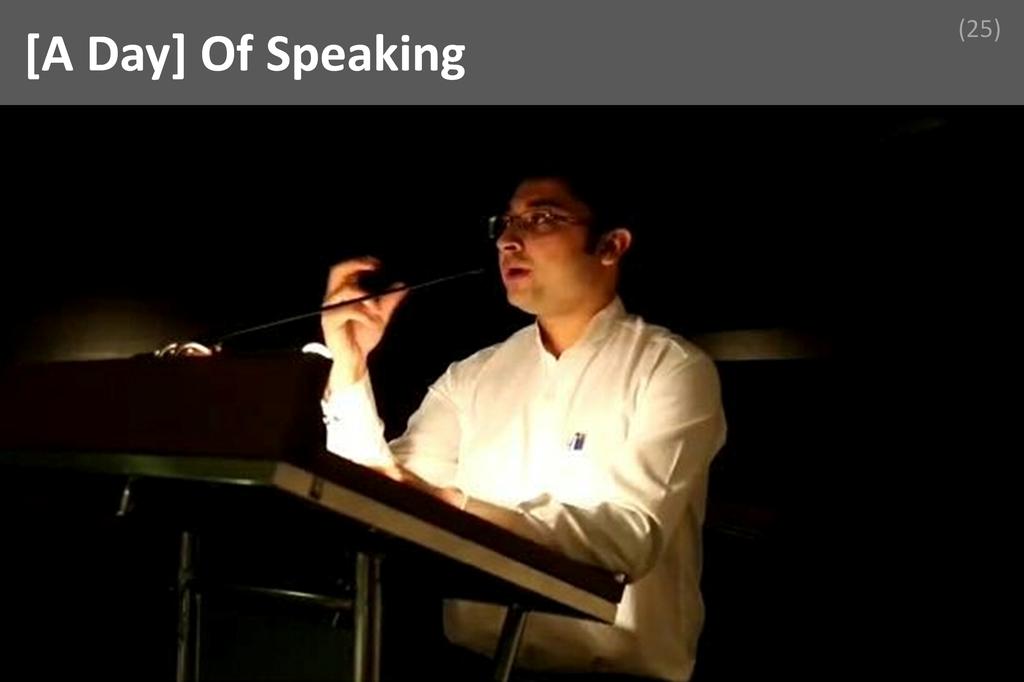
Politics is the process by which groups of people make collective decisions, allocate resources, and exercise power and authority. It involves negotiation, debate, and compromise to shape laws, policies, and governance structures that affect society at local, national, and international levels.
Politics plays a crucial role in shaping the direction of societies and the daily lives of citizens. For professionals in politics, their work directly influences public policy, social justice, and the distribution of resources. Engaging in politics allows individuals to advocate for change, represent diverse communities, and address pressing societal issues. The benefits of a career in politics include the ability to drive meaningful change, the opportunity to build influential networks, and the chance to develop strong leadership and communication skills. These advantages not only enhance personal growth but also contribute to the broader well-being of society by fostering informed decision-making and civic engagement.
A city council member exemplifies how professionals in politics use their expertise to serve the public. They regularly engage with constituents to understand their needs, collaborate with other officials to draft and pass local ordinances, and oversee the implementation of community programs. Through negotiation and advocacy, the council member works to balance competing interests, secure funding for public projects, and ensure that local government remains transparent and accountable. This hands-on involvement demonstrates how political professionals use their skills to navigate complex issues, build consensus, and make decisions that have a tangible impact on the quality of life within their communities.
Education
General Knowledge

General Knowledge refers to a broad understanding of facts, concepts, current events, history, culture, and societal trends that are commonly accepted and widely recognized. In the context of politics, it forms the essential backdrop against which political theories, policies, and decisions are made, bridging academic learning with real-world application.
For anyone preparing for or working in politics, mastering general knowledge is indispensable. It enables professionals to interpret and respond to complex societal issues, engage in informed debates, and make decisions that reflect a nuanced understanding of the world. General knowledge forms the bedrock upon which specialized political expertise is built, allowing individuals to connect historical precedents, cultural contexts, and global events to current policy challenges. Over the long term, a strong foundation in general knowledge enhances credibility, fosters critical thinking, and supports effective communication with diverse stakeholders. It also ensures that political professionals remain adaptable and relevant in a rapidly changing world, where understanding the broader context is as important as mastering the specifics of policy or governance.
Imagine a politician participating in a televised debate about education reform. Drawing on their general knowledge, they reference historical shifts in educational policy, compare international models, and relate current events affecting local schools. This broad understanding allows them to answer questions confidently, counter opponents’ arguments with relevant facts, and connect with the audience by demonstrating awareness of societal concerns. Their ability to synthesize information from various domains—such as economics, history, and social trends—enables them to propose well-rounded solutions and anticipate potential challenges. In daily operations, this depth of general knowledge not only informs strategic decisions but also builds trust among constituents, colleagues, and the media.
History

History is the study of past events, societies, and cultures, focusing on how they have shaped the present and influence the future. It involves analyzing sources, interpreting evidence, and understanding change over time. In Politics, history provides essential context, guiding decision-making and policy development through lessons learned from previous experiences.
Understanding history is crucial for anyone preparing for or working in Politics because it offers a framework for interpreting current events and anticipating future trends. Historical knowledge allows political professionals to recognize patterns, understand the origins of conflicts, and appreciate the evolution of political systems and ideologies. This foundation helps in crafting informed policies, avoiding past mistakes, and fostering diplomatic relationships. Over the long term, a solid grasp of history enhances critical thinking, supports persuasive communication, and builds credibility with constituents and colleagues. By drawing on historical precedents, political professionals can navigate complex situations with greater confidence and effectiveness, ensuring their actions are grounded in a deep awareness of societal development and change.
Consider a government official tasked with negotiating a peace agreement between two longstanding rival groups. By applying their understanding of history, the official can identify the root causes of the conflict, recognize previous attempts at reconciliation, and anticipate potential obstacles based on past failures. This historical perspective enables the official to propose solutions that address underlying issues rather than just surface-level disagreements. Furthermore, referencing historical events during discussions can build trust and demonstrate empathy, showing all parties that their experiences are acknowledged and respected. In daily operations, such historical insight informs not only high-level negotiations but also the development of policies that promote long-term stability and cooperation, ultimately contributing to more effective and sustainable political outcomes.
Civics

Civics is the study of the rights, duties, and responsibilities of citizens within a society, focusing on the structure and functions of government and the principles of democracy. In both academic and professional contexts, civics provides essential knowledge for anyone pursuing a career in Politics, grounding them in the workings of public institutions.
A thorough understanding of civics is indispensable for anyone preparing for or working in Politics. It equips professionals with a clear grasp of governmental structures, legislative processes, and the legal frameworks that underpin society. This foundational knowledge enables political actors to navigate complex policy issues, advocate effectively for their constituents, and uphold democratic values. Mastery of civics also fosters ethical decision-making and accountability, ensuring that political professionals can interpret laws, respect civil liberties, and engage meaningfully with diverse communities. Over the long term, a strong background in civics supports career advancement by building credibility, enhancing communication skills, and enabling informed participation in debates and policy formulation.
Consider a city council member faced with a controversial zoning proposal that has sparked public debate. Drawing on their civics education, the council member understands the legal procedures required for public hearings, the rights of citizens to voice their opinions, and the importance of transparency in decision-making. They facilitate an inclusive public forum, ensuring all stakeholders are heard and that the process adheres to established democratic principles. By applying their theoretical knowledge of civics, the council member not only complies with legal requirements but also builds public trust and demonstrates a commitment to fair governance, ultimately leading to more effective and legitimate policy outcomes.
Skills
Communication Skills
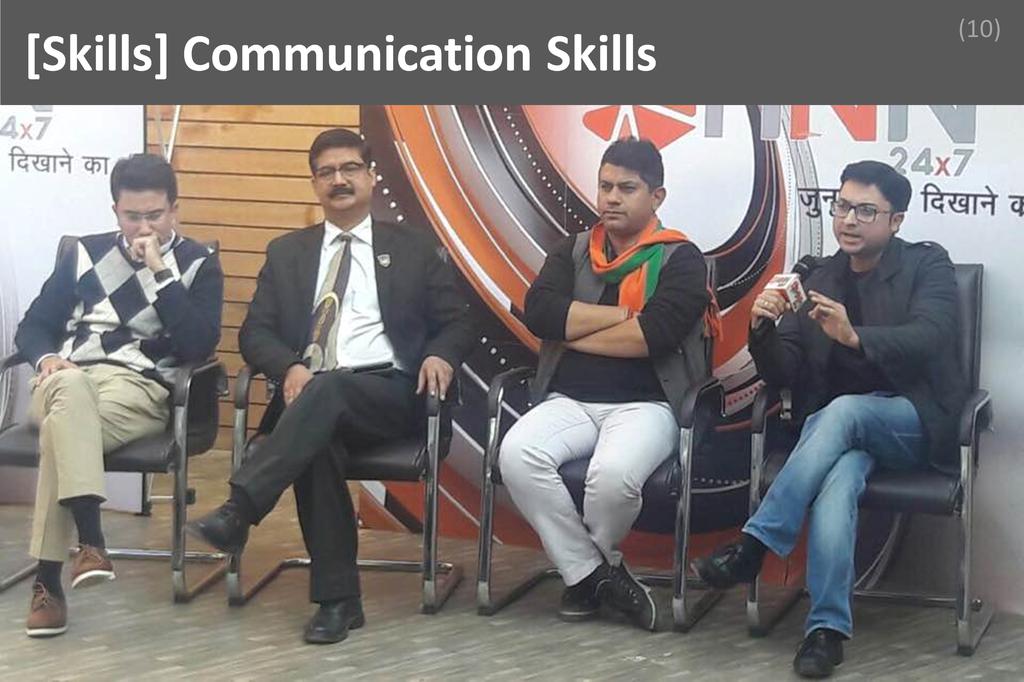
Communication skills encompass the ability to clearly express ideas, actively listen, interpret nonverbal cues, and adapt messages to diverse audiences. In politics, these skills enable professionals to articulate policies, build consensus, and foster trust. Effective communication is fundamental for influencing public opinion, negotiating agreements, and representing constituents’ interests.
Strong communication skills directly enhance a political professional’s effectiveness by enabling them to convey complex ideas in accessible ways, respond thoughtfully to criticism, and inspire confidence among stakeholders. Employers and clients value these abilities because they lead to productive collaborations, successful advocacy, and positive public engagement. To cultivate communication skills, individuals should seek opportunities for public speaking, engage in active listening during discussions, and solicit feedback to refine their approach. Over time, consistent practice, exposure to diverse viewpoints, and participation in debates or negotiations help sharpen both verbal and nonverbal communication abilities, making professionals more persuasive and adaptable in high-pressure situations.
Imagine a politician facing a heated town hall meeting where constituents are upset about a proposed policy change. By employing strong communication skills, the politician listens attentively to concerns, acknowledges the emotions in the room, and responds with clear, empathetic explanations of the policy’s intent and benefits. Through transparent dialogue and respectful engagement, the politician diffuses tension, addresses misinformation, and builds trust with the audience. This approach not only resolves immediate conflict but also strengthens the politician’s reputation as a responsive and effective leader, ultimately contributing to greater public support and successful policy implementation.
Convincing Skills

Convincing skills refer to the ability to influence others’ thoughts, beliefs, or actions through clear communication, logical reasoning, and emotional appeal. In politics, this skill enables professionals to garner support, build consensus, and drive policy decisions. It is fundamental for persuading stakeholders, negotiating agreements, and achieving legislative or electoral success.
Convincing skills directly enhance a political professional’s effectiveness by enabling them to articulate ideas persuasively, address concerns, and motivate action among diverse audiences. Employers and clients highly value this ability because it leads to successful campaigns, stronger alliances, and smoother policy implementation. Cultivating convincing skills involves continuous practice in public speaking, active listening, and adapting messages to different audiences. Over time, professionals refine their approach by analyzing feedback, studying persuasive techniques, and engaging in debates or negotiations. This ongoing development ensures that political professionals remain adaptable and influential in complex, fast-changing environments.
Imagine a political advisor tasked with securing bipartisan support for a crucial piece of legislation. Facing skepticism from opposition members, the advisor leverages convincing skills by presenting compelling data, addressing concerns empathetically, and framing the bill’s benefits in terms that resonate with each group’s priorities. Through patient dialogue and strategic messaging, the advisor gradually builds trust and overcomes resistance. Ultimately, the advisor’s ability to persuade key stakeholders leads to the bill’s passage, demonstrating how convincing skills can resolve critical impasses and drive meaningful political outcomes. This scenario highlights the indispensable role of persuasive communication in achieving success within the political arena.
Interpretation Skills
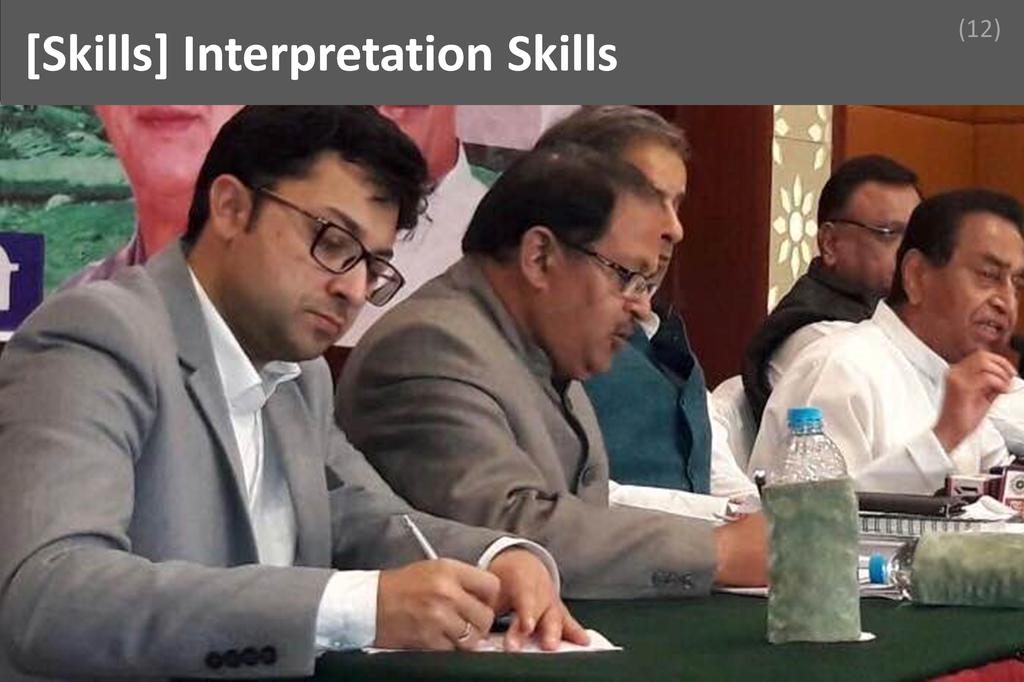
Interpretation skills refer to the ability to accurately understand, analyze, and convey the meaning of complex information, messages, or data from various sources. In politics, this skill enables professionals to navigate diverse viewpoints, interpret legislation, and respond effectively to rapidly changing circumstances, making it indispensable for informed decision-making and communication.
Interpretation skills directly enhance a political professional’s performance by allowing them to grasp the nuances of policy documents, public sentiment, and stakeholder communications. Employers and clients highly value this ability because it ensures that messages are not only received but also correctly understood and acted upon, reducing the risk of miscommunication or misinterpretation. Cultivating interpretation skills involves continuous learning, active listening, and exposure to diverse perspectives, as well as practicing critical thinking and empathy. Over time, professionals can refine this skill by engaging in debates, analyzing case studies, and seeking feedback on their interpretations, thereby becoming more adept at handling complex political scenarios.
Imagine a political advisor working on a legislative reform that has sparked controversy among various interest groups. The advisor must interpret the legal language of the bill, understand the concerns of different stakeholders, and anticipate the public’s reaction. By skillfully interpreting these diverse inputs, the advisor can craft a communication strategy that addresses misconceptions, clarifies the intent of the reform, and builds consensus among opposing parties. This ability to interpret and synthesize complex information not only helps resolve conflicts but also ensures that the reform is implemented smoothly and gains broader acceptance, ultimately contributing to the advisor’s success and credibility in the political arena.
Spontaneity

Spontaneity is the ability to think, decide, and act quickly and effectively in unpredictable situations, without prior planning or rehearsal. In politics, this skill enables professionals to respond to rapidly changing circumstances, unexpected questions, or crises with confidence, clarity, and authenticity, making it a vital asset in their toolkit.
Spontaneity directly enhances a political professional’s performance by allowing them to handle live debates, media interviews, and unforeseen events with poise and agility. Employers and clients value this skill because it signals adaptability, quick thinking, and the capacity to maintain composure under pressure—qualities essential for leadership and public trust. To cultivate spontaneity, individuals can engage in activities that require improvisation, such as public speaking, debate clubs, or role-playing scenarios. Regular exposure to unpredictable situations, combined with reflective practice and feedback, helps build the confidence and mental flexibility necessary to respond effectively in real time. Over time, this skill becomes second nature, empowering professionals to navigate the dynamic landscape of politics with assurance.
Imagine a political candidate participating in a live televised debate when an opponent unexpectedly raises a controversial issue not previously discussed. The candidate, drawing on their spontaneity, quickly assesses the situation, crafts a thoughtful response, and addresses the concern directly, all while maintaining composure and credibility. This immediate, unscripted reaction not only reassures the audience of the candidate’s competence but also demonstrates their ability to handle pressure and think on their feet. By responding authentically and effectively in the moment, the candidate turns a potential setback into an opportunity to showcase leadership, ultimately gaining public support and strengthening their campaign.
Patience

Patience is the ability to remain calm, composed, and persistent in the face of delays, obstacles, or frustration, without becoming agitated or giving up. In politics, patience is indispensable because progress is often slow, negotiations are complex, and outcomes may take years to materialize. It allows professionals to navigate setbacks, build consensus, and foster trust among diverse stakeholders. Patience ensures that political leaders and staff can endure lengthy legislative processes, adapt to changing circumstances, and maintain focus on long-term goals despite immediate challenges. As a core skill, it underpins effective decision-making, conflict resolution, and the ability to inspire confidence in colleagues and constituents alike.
Patience directly enhances performance in politics by enabling professionals to thoughtfully analyze situations, listen to opposing viewpoints, and wait for the right moment to act. Clients and employers value patience because it leads to more sustainable solutions, reduces the risk of rash decisions, and helps maintain positive relationships even during contentious debates. Cultivating patience involves practicing mindfulness, setting realistic expectations, and learning from experienced mentors who exemplify calm perseverance. Over time, exposure to the slow pace of policy change and repeated engagement with complex issues help individuals build resilience. By embracing patience, political professionals can better manage stress, avoid burnout, and consistently work toward meaningful, long-term outcomes.
Imagine a political advisor working on a major legislative reform that faces strong opposition and repeated delays in committee. Rather than reacting impulsively or expressing frustration, the advisor exercises patience by continuing to engage with stakeholders, gathering additional data, and refining arguments. Over several months, this steady approach allows the advisor to build alliances, address concerns, and gradually shift opinions. When the reform finally comes to a vote, the groundwork laid through patient effort pays off, resulting in successful passage. In this scenario, patience was not just a passive waiting game but an active, strategic skill that enabled the professional to navigate obstacles and achieve a critical policy victory.
Positives
Growth Opportunities

Growth opportunities refer to the potential for personal and professional advancement, skill development, and increased responsibility within a chosen field. In politics, these opportunities allow individuals to expand their influence, gain new experiences, and continually learn, which contributes to a dynamic and fulfilling career path.
The presence of growth opportunities in politics is a powerful motivator for those seeking a meaningful and evolving career. This aspect matters because it ensures that professionals are constantly challenged and engaged, preventing stagnation and fostering a sense of purpose. As politicians and public servants navigate complex issues, they acquire new skills, broaden their perspectives, and build valuable networks. The dynamic nature of political work means that every day brings fresh challenges and chances to make a tangible difference. This continual progression not only boosts job satisfaction but also empowers individuals to take on greater responsibilities, influence policy, and drive positive change in their communities and beyond.
Consider a young legislative aide who begins their career supporting a city council member. Over time, they seize opportunities to lead community initiatives, participate in policy research, and collaborate with diverse stakeholders. As they gain experience and demonstrate leadership, they are entrusted with managing larger projects and eventually promoted to a senior advisory role. This journey exemplifies how growth opportunities in politics can transform an entry-level position into a platform for significant impact and personal fulfillment. The aide’s evolving responsibilities and expanding influence not only enhance their own career but also contribute meaningfully to the well-being of their community, illustrating the profound rewards that come from embracing growth in the political arena.
Social Stature

Social stature refers to the level of respect, recognition, and influence an individual holds within their community or society, often shaped by their role, achievements, and public perception. In politics, social stature elevates a professional’s voice, enabling them to inspire, lead, and effect meaningful change while earning widespread admiration and trust.
The social stature gained through a political career is a powerful motivator and source of fulfillment. It brings a sense of pride and validation, as politicians are often seen as leaders and role models within their communities. This recognition opens doors to new opportunities, fosters valuable connections, and enhances credibility, making it easier to advocate for important causes. The daily experience of being respected and sought after for guidance boosts job satisfaction and personal growth. Knowing that one’s actions and decisions are valued by society encourages politicians to strive for excellence and maintain high ethical standards, reinforcing their commitment to public service.
Imagine a city council member who, after years of dedicated service, is regularly approached by citizens seeking advice or support on community issues. At public events, this politician is greeted warmly, their opinions are quoted in local media, and their presence commands attention. This daily affirmation of their social stature not only fuels their passion for service but also empowers them to rally support for initiatives that benefit the community. The respect and trust they receive make their work deeply rewarding, as they witness firsthand the positive impact of their leadership and the lasting relationships built through their elevated standing in society.
Networking

Networking is the process of building and maintaining relationships with individuals, groups, and organizations to exchange information, support, and opportunities. In politics, networking connects professionals with colleagues, constituents, stakeholders, and influencers, fostering collaboration and trust. This ongoing interaction enhances communication, broadens perspectives, and opens doors to new possibilities and partnerships.
The significance of networking in politics cannot be overstated. It is the foundation upon which trust, influence, and collaboration are built. Through networking, political professionals gain access to valuable insights, resources, and support systems that are essential for effective decision-making and problem-solving. These connections often lead to mentorship, alliances, and opportunities for career advancement. Networking also boosts job satisfaction by creating a sense of belonging and shared purpose, as professionals work together toward common goals. On a daily basis, politicians and their teams rely on their networks to gather information, mobilize support, and respond to the needs of their communities, making their work more impactful and rewarding.
Imagine a young policy advisor attending a regional conference on environmental legislation. Throughout the event, she engages in thoughtful conversations with lawmakers, activists, and industry experts. By exchanging ideas and contact information, she not only gains fresh perspectives on pressing issues but also establishes relationships that will prove invaluable in her career. Months later, when her office faces a complex policy challenge, she reaches out to her new contacts for advice and collaboration. Their willingness to share expertise and resources enables her team to craft a more effective solution. This experience demonstrates how networking transforms professional challenges into opportunities for growth, learning, and meaningful impact in the political arena.
Challenges
Initial Struggle

Initial Struggle in politics refers to the early phase where professionals face limited influence, scarce resources, and skepticism from peers and constituents. This period is demanding because it tests one’s commitment, adaptability, and ability to build trust while navigating complex networks and overcoming barriers to entry in a highly competitive environment.
The initial struggle in politics can make daily work feel overwhelming, as newcomers often juggle unfamiliar protocols, limited access to decision-makers, and the pressure to prove their worth. This challenge demands resilience because setbacks and criticism are frequent, and progress can be slow. Successful professionals manage this constraint by cultivating patience, seeking mentorship, and consistently demonstrating reliability. They focus on building genuine relationships, learning from experienced colleagues, and gradually earning respect through small but meaningful contributions. Over time, these efforts help them establish credibility, expand their networks, and gain the confidence needed to influence outcomes, turning early struggles into valuable learning experiences that shape their political careers.
Consider a young policy advisor who joins a legislative office with little prior experience or connections. Initially, she faces skepticism from senior staff and struggles to have her ideas heard. Rather than becoming discouraged, she dedicates herself to mastering the legislative process and volunteering for challenging assignments. By consistently delivering thorough research and supporting her team during critical debates, she gradually earns the trust of her colleagues. Over several months, her persistence and reliability lead to greater responsibilities and opportunities to contribute to key policy discussions. Through this journey, she transforms her initial struggle into a foundation for long-term success, demonstrating how perseverance and strategic relationship-building can overcome early obstacles in politics.
Competition

Competition in politics refers to the constant struggle among individuals and groups to gain influence, secure positions, and achieve policy goals. This environment is demanding because it requires continuous demonstration of competence, adaptability, and strategic thinking, while navigating shifting alliances and public scrutiny, all under intense pressure to outperform rivals.
The challenge of competition permeates every aspect of a political professional’s daily work, from campaigning and policy development to public engagement and internal negotiations. This relentless rivalry can lead to heightened stress, rapid decision-making, and the need for constant vigilance. Resilience becomes essential, as setbacks and criticism are inevitable. Successful professionals manage this constraint by cultivating strong networks, honing persuasive communication skills, and maintaining a clear vision of their objectives. They also invest in continuous learning and adaptability, enabling them to anticipate shifts in the political landscape and respond proactively. By focusing on collaboration where possible and maintaining ethical standards, they can turn competition into an opportunity for growth and innovation rather than a source of burnout.
Consider a city council member facing re-election in a highly competitive district. Multiple challengers emerge, each with strong community ties and compelling platforms. Instead of resorting to negative campaigning, the council member focuses on transparent communication, highlighting past achievements and future plans through town halls and social media engagement. By actively listening to constituents’ concerns and collaborating with local organizations, the council member builds trust and demonstrates responsiveness. This approach not only differentiates them from opponents but also strengthens community relationships. Ultimately, the council member’s ability to navigate competition with integrity and strategic outreach leads to a successful re-election, illustrating how resilience and adaptability can turn a challenging environment into a platform for continued public service.
Always at Scrutiny

"Always at Scrutiny" in politics refers to the constant observation, evaluation, and judgment that professionals face from the public, media, and colleagues. Every action, statement, and decision is analyzed, making it a demanding environment where mistakes are magnified and privacy is limited, requiring unwavering vigilance and self-awareness.
The relentless scrutiny in politics shapes every aspect of a professional’s daily work. Decisions must be carefully weighed, communications meticulously crafted, and personal conduct consistently aligned with public expectations. This environment can be mentally exhausting, as even minor missteps may lead to public backlash or loss of credibility. The need for resilience is paramount, as criticism is inevitable and often public. Successful professionals manage this constraint by developing strong communication skills, maintaining transparency, and building a trustworthy support network. They also practice self-care and emotional regulation, allowing them to respond thoughtfully rather than react impulsively. By embracing accountability and learning from feedback, they turn scrutiny into an opportunity for growth and strengthened public trust.
Consider a city mayor who faces intense media attention during a controversial infrastructure project. Every decision, from budget allocations to public statements, is dissected by journalists and citizens alike. The mayor proactively addresses concerns through regular press briefings, openly shares project updates, and invites community feedback. When criticism arises, she acknowledges valid points and explains the rationale behind her choices, demonstrating transparency and accountability. By remaining accessible and composed, she gradually builds trust, even among skeptics. Her ability to withstand scrutiny without defensiveness, and to adapt based on constructive input, not only helps her navigate the immediate challenge but also enhances her reputation as a responsive and resilient leader.
Expectations

In politics, "Expectations" refer to the often conflicting demands and hopes placed on professionals by constituents, colleagues, party leaders, and the media. These expectations are demanding because they require politicians to balance diverse interests, deliver tangible results, and maintain public trust, all under constant scrutiny and time pressure.
The weight of expectations in politics can shape every decision, interaction, and public statement a professional makes. Daily work is affected as politicians must constantly prioritize competing needs, respond to criticism, and adapt to shifting public opinion. This environment demands resilience because setbacks and disappointments are inevitable, and the pressure to satisfy everyone is relentless. Successful professionals manage this constraint by setting clear, realistic goals, communicating transparently about what is achievable, and building strong support networks. They learn to accept that not all expectations can be met and focus on delivering consistent, principled leadership. By maintaining integrity and being honest about limitations, they foster trust and credibility, which helps to navigate the ongoing challenge of high expectations.
Consider a city mayor facing public outcry over housing shortages while also being pressured by business leaders to prioritize commercial development. The mayor organizes a series of town hall meetings to listen to concerns from all sides, openly discusses the city’s budget constraints, and outlines a phased plan that addresses both housing and business interests over time. By communicating transparently and involving stakeholders in the decision-making process, the mayor manages expectations realistically. Although not everyone is fully satisfied, the mayor’s honest approach and willingness to engage with criticism help maintain public trust and demonstrate effective leadership in the face of competing demands.
A Day Of
Politics
In the world of politics, no two days are ever quite the same, yet each one pulses with a relentless energy that demands adaptability, quick thinking, and an unwavering commitment to the cause. The pace is brisk, the stakes are high, and the environment is a whirlwind of shifting priorities, urgent communications, and constant negotiation. Whether working behind the scenes or in the public eye, politics professionals must navigate a landscape where every moment counts and every decision can ripple far beyond the confines of the office. From the first cup of coffee to the last email sent, the day is a carefully orchestrated dance of strategy, collaboration, and action.
As dawn breaks, a politics professional’s day begins with a thorough review of overnight developments. This early morning phase is dedicated to scanning news headlines, monitoring social media chatter, and reviewing internal memos or briefing documents that set the agenda for the day. With a keen eye for emerging issues and potential crises, the practitioner prioritizes tasks, drafts talking points, and prepares for the first round of meetings or calls. This quiet but focused time is essential for grounding the day’s strategy and ensuring that no critical detail slips through the cracks.
By mid-morning, the tempo accelerates as the core activities of the day take center stage. This is when politics professionals dive into high-stakes meetings with stakeholders, whether they are constituents, advocacy groups, or fellow policymakers. The work is intensely interactive, requiring persuasive communication, deft negotiation, and the ability to think on one’s feet. Whether crafting policy positions, responding to media inquiries, or coordinating with campaign teams, this period is marked by rapid decision-making and the need to balance competing interests while advancing key objectives.
The afternoon brings a shift toward collaborative execution, as the focus turns to internal strategy sessions, committee meetings, or coalition-building efforts. Politics professionals work closely with colleagues to analyze legislative developments, refine messaging, and coordinate outreach efforts. This is the time for translating morning plans into actionable steps, troubleshooting obstacles, and ensuring that all moving parts are aligned. The environment is dynamic and often unpredictable, requiring flexibility and a readiness to pivot as new information or challenges arise.
As the day winds down, attention turns to wrapping up ongoing projects, responding to outstanding correspondence, and conducting deeper research on emerging issues. This late afternoon and early evening phase is a time for reflection and forward planning, as practitioners assess the day’s outcomes, update leadership on progress, and outline priorities for tomorrow. Administrative tasks are completed, notes are organized, and the groundwork is laid for another demanding day ahead. Even as the office quiets, the sense of purpose remains, fueled by the knowledge that in politics, the work is never truly finished. |


 Home
Home Abroad
 Plan
Plan Philosophy
 Seminar
 Pages
Pages Advisors
 Testimonials












 Workshop
 Discuss
 Meet
Meet
 Advisor
 Story
Story
 Fine Print
 Links
Links
 Blog
Blog
 Follow
