The Journey of General Medicine
What Is General Medicine
General Medicine
General Medicine is a medical specialty focused on the prevention, diagnosis, and non-surgical treatment of adult diseases. Physicians in this field, often called internists, manage a wide range of health conditions, coordinate patient care, and provide comprehensive, long-term healthcare for adults in both outpatient and inpatient settings.
General Medicine plays a vital role in the healthcare system by serving as the foundation for adult patient care. Professionals in this field are often the first point of contact for patients, allowing them to build long-term relationships and gain a holistic understanding of each individual's health. This specialty enables practitioners to address a broad spectrum of medical issues, from acute illnesses to chronic disease management. The benefits of a career in General Medicine include the opportunity to make a significant difference in patients’ lives through early detection and prevention, the intellectual challenge of diagnosing complex cases, and the ability to collaborate with other specialists to ensure comprehensive care. These aspects make General Medicine both rewarding and essential for the well-being of communities.
A general medicine physician in a busy urban clinic might see a patient presenting with fatigue and weight loss. Through careful history-taking, physical examination, and ordering appropriate tests, the physician identifies undiagnosed diabetes and hypertension. The internist then develops a personalized treatment plan, educates the patient about lifestyle modifications, and coordinates referrals to a dietitian and ophthalmologist. Over time, the physician monitors the patient’s progress, adjusts medications as needed, and addresses new health concerns as they arise. This ongoing relationship not only improves the patient’s immediate health but also helps prevent future complications, illustrating the comprehensive and continuous care that defines General Medicine.
Education
Clinical Practice
Clinical Practice refers to the direct application of medical knowledge, skills, and judgment in diagnosing, treating, and managing patient health within real-world healthcare settings. It bridges theoretical learning and hands-on patient care, forming a cornerstone of both academic training and professional competence in General Medicine.
Understanding Clinical Practice is essential for anyone preparing for or working in General Medicine because it transforms theoretical knowledge into actionable patient care. Mastery of this subject ensures that practitioners can accurately assess symptoms, develop effective treatment plans, and respond to evolving clinical situations with confidence. Clinical Practice also fosters critical thinking, ethical decision-making, and effective communication with patients and colleagues. Over time, a strong foundation in Clinical Practice supports lifelong learning, adaptability to new medical advancements, and the ability to provide high-quality, evidence-based care. This expertise not only enhances patient outcomes but also contributes to professional growth, job satisfaction, and leadership opportunities within the healthcare system.
Imagine a general physician encountering a patient with unexplained fatigue and weight loss. Drawing on their clinical practice training, the physician conducts a thorough history and physical examination, considers a broad differential diagnosis, and orders targeted investigations. By integrating theoretical knowledge with practical skills, the physician identifies subtle signs pointing to an underlying endocrine disorder. The ability to synthesize information, communicate findings to the patient, and coordinate further care demonstrates how clinical practice knowledge is applied daily. This approach ensures timely diagnosis, appropriate management, and compassionate patient support, exemplifying the critical role of clinical practice in delivering comprehensive and effective healthcare in General Medicine.
Health

Health is a dynamic state of complete physical, mental, and social well-being, not merely the absence of disease or infirmity. In General Medicine, understanding health is essential, as it frames the approach to patient care, prevention, and treatment, forming a cornerstone of both academic study and clinical practice.
A thorough grasp of health is indispensable for anyone entering or working in General Medicine. This foundational knowledge enables practitioners to assess patients holistically, considering not just symptoms but also lifestyle, environment, and psychosocial factors. By understanding health in its broadest sense, professionals can develop more effective prevention strategies, foster patient education, and promote long-term wellness. Mastery of this subject also supports interdisciplinary collaboration, as it allows for better communication with specialists, nurses, and allied health professionals. Over the course of a career, this comprehensive perspective on health enhances clinical judgment, supports evidence-based practice, and ultimately leads to improved patient outcomes and professional satisfaction.
Consider a general practitioner seeing a middle-aged patient with high blood pressure. Instead of focusing solely on prescribing medication, the physician draws upon their understanding of health to explore the patient’s diet, stress levels, physical activity, and social support systems. By addressing these broader determinants, the doctor collaborates with the patient to develop a personalized care plan that includes lifestyle modifications, stress management techniques, and community resources. This holistic approach not only treats the immediate medical issue but also empowers the patient to make sustainable changes, reducing the risk of future complications and enhancing overall well-being. Such daily applications of health concepts are central to effective practice in General Medicine.
Biology
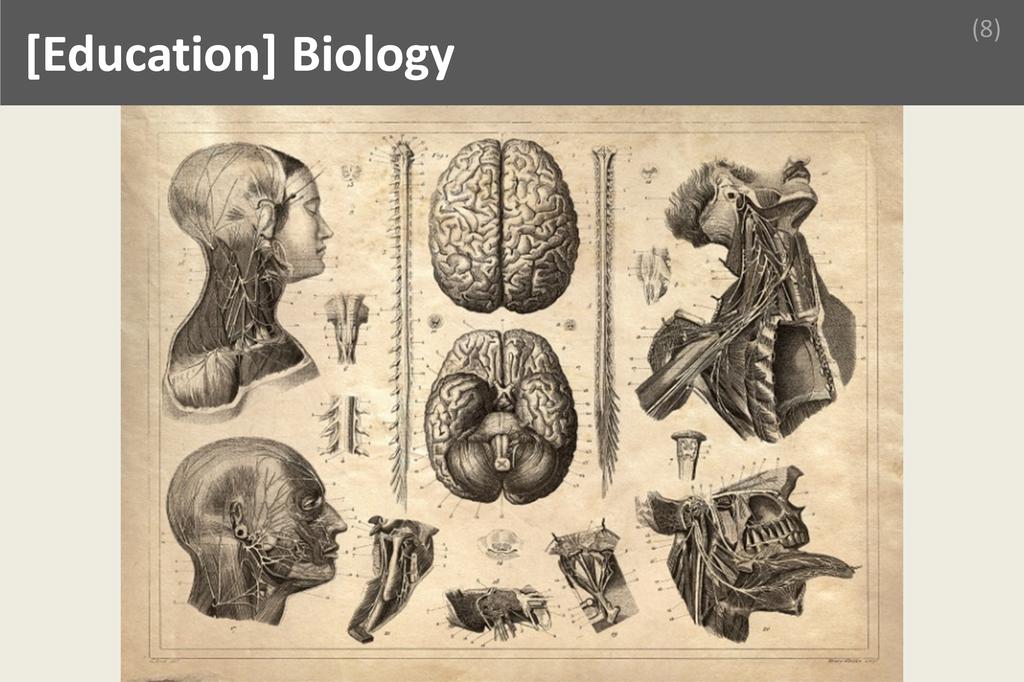
Biology is the scientific study of living organisms, encompassing their structure, function, growth, evolution, distribution, and interactions. It serves as a cornerstone of medical education, providing essential insights into the mechanisms of life. For those in General Medicine, biology forms the basis for understanding health, disease, and therapeutic interventions.
A thorough grasp of biology is indispensable for anyone pursuing or practicing General Medicine. This subject lays the groundwork for comprehending human anatomy, physiology, genetics, and microbiology, all of which are crucial for diagnosing and treating patients. Understanding biological processes enables medical professionals to interpret laboratory results, recognize disease patterns, and appreciate the impact of pathogens and environmental factors on health. Over the course of a medical career, this foundational knowledge supports lifelong learning, adaptation to new scientific discoveries, and the integration of emerging medical technologies. Ultimately, mastery of biology empowers practitioners to make informed clinical decisions, contribute to research, and provide holistic patient care.
Consider a general practitioner faced with a patient presenting symptoms of a bacterial infection. Drawing on their knowledge of biology, the physician understands how bacteria invade the body, trigger immune responses, and can develop resistance to antibiotics. This theoretical background allows the doctor to select appropriate diagnostic tests, interpret the results accurately, and prescribe the most effective treatment while considering potential side effects and resistance patterns. Furthermore, the physician can educate the patient about the importance of completing antibiotic courses and preventing the spread of infection. In this scenario, the practical application of biological principles directly influences patient outcomes and public health.
Diseases
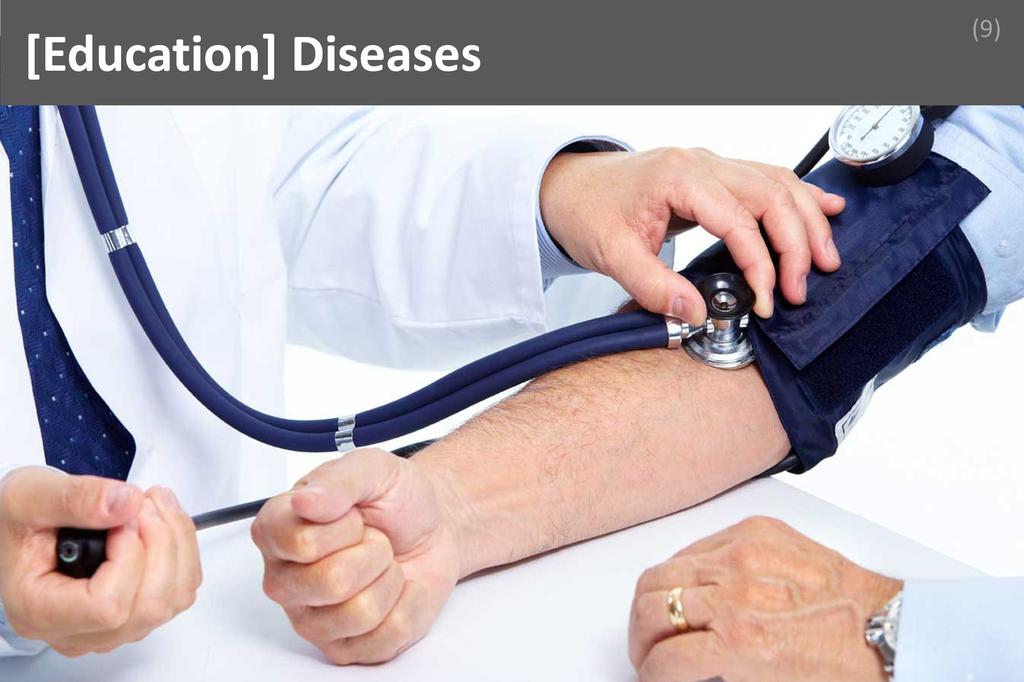
Diseases are abnormal conditions affecting the structure or function of an organism, often characterized by specific signs and symptoms. In General Medicine, understanding diseases encompasses their causes, mechanisms, progression, and effects on the human body, forming a critical component of both academic study and clinical practice for medical professionals.
A thorough understanding of diseases is essential for anyone in General Medicine, as it underpins every aspect of patient care. Mastery of this subject allows practitioners to accurately diagnose, manage, and prevent a wide range of health conditions. It provides the framework for interpreting clinical presentations, choosing appropriate investigations, and formulating effective treatment plans. This foundational knowledge is not only vital for immediate patient outcomes but also supports lifelong learning and adaptability as new diseases emerge and medical knowledge evolves. Professionals with a strong grasp of disease mechanisms are better equipped to educate patients, collaborate with multidisciplinary teams, and contribute to public health initiatives, ensuring their ongoing relevance and effectiveness in the medical field.
Consider a general practitioner who encounters a patient presenting with persistent cough, fever, and fatigue. Drawing on their comprehensive understanding of diseases, the practitioner systematically evaluates possible infectious, inflammatory, and neoplastic causes. By integrating knowledge of disease epidemiology, pathophysiology, and risk factors, the practitioner orders targeted diagnostic tests and interprets the results in context. This informed approach leads to an accurate diagnosis of community-acquired pneumonia, enabling timely initiation of appropriate antibiotic therapy and patient education on disease management and prevention. Such application of theoretical knowledge ensures high-quality care, optimizes patient outcomes, and exemplifies the critical role that disease mastery plays in everyday medical practice.
English Language

English Language refers to the study and use of the English tongue, encompassing grammar, vocabulary, comprehension, and effective communication skills. In General Medicine, English serves as the primary medium for academic instruction, medical literature, patient interactions, and professional collaboration, making it an essential component of both learning and practice.
A strong command of the English Language is crucial for anyone preparing for or working in General Medicine. Medical textbooks, research articles, and clinical guidelines are predominantly written in English, requiring practitioners to interpret complex information accurately. Effective communication with patients, colleagues, and multidisciplinary teams relies on clear and precise language use, which helps prevent misunderstandings and medical errors. Mastery of English also enables professionals to participate in international conferences, contribute to global research, and stay updated with advancements in the field. Over the course of a medical career, proficiency in English enhances opportunities for professional growth, collaboration, and leadership, ensuring that practitioners can deliver high-quality care and remain competitive in a globalized healthcare environment.
Consider a physician in a busy hospital who must explain a complex diagnosis to a patient whose first language is not English. The doctor draws upon their understanding of English Language to simplify medical jargon, ensuring the patient comprehends their condition and treatment options. During ward rounds, the physician also communicates findings and care plans to a diverse team, using clear and concise language to avoid ambiguity. When documenting patient records, the doctor employs precise terminology and grammar, which is critical for legal accuracy and continuity of care. This daily reliance on English Language skills demonstrates how theoretical knowledge translates into effective practice, fostering better patient outcomes and professional collaboration.
Skills
Educating Skills

Educating Skills refer to the ability to effectively communicate complex medical information in a clear, understandable, and empathetic manner to patients, colleagues, and the wider community. In General Medicine, this skill is crucial for fostering patient understanding, promoting adherence to treatment, and supporting collaborative healthcare environments.
Educating Skills directly enhance a general medicine professional’s performance by enabling them to bridge the gap between medical knowledge and patient comprehension. Patients who understand their diagnoses and treatment plans are more likely to follow recommendations, leading to better health outcomes. Employers and clients highly value this skill because it reduces misunderstandings, increases patient satisfaction, and supports preventative care initiatives. Cultivating Educating Skills involves continuous practice, seeking feedback from patients and peers, attending communication workshops, and staying updated with the latest educational strategies. Over time, professionals who prioritize patient education become trusted advisors, contributing to a positive reputation and improved healthcare delivery.
Consider a scenario where a general practitioner encounters a patient recently diagnosed with diabetes. The patient is overwhelmed and unsure about managing their condition. Relying on strong Educating Skills, the physician patiently explains the nature of diabetes, demonstrates how to monitor blood sugar, and discusses dietary changes in simple terms. The doctor encourages questions, addresses misconceptions, and provides written resources for further reading. As a result, the patient leaves the appointment feeling empowered and confident in managing their health. This approach not only improves the patient’s immediate well-being but also fosters long-term trust and adherence, illustrating the critical role of Educating Skills in achieving successful outcomes in General Medicine.
Counselling Skills

Counselling skills refer to the ability to actively listen, empathize, communicate clearly, and provide guidance or support to individuals facing emotional, psychological, or practical challenges. In General Medicine, these skills enable practitioners to build trust, understand patient concerns, and facilitate shared decision-making, ultimately enhancing patient care and outcomes.
Mastering counselling skills directly elevates a general medicine professional’s ability to connect with patients, leading to more accurate diagnoses and improved adherence to treatment plans. Patients and employers highly value practitioners who can offer reassurance, explain complex medical information in understandable terms, and support patients through difficult decisions. These skills foster a therapeutic alliance, reduce patient anxiety, and contribute to higher satisfaction rates. Developing counselling skills involves ongoing self-reflection, seeking feedback, participating in communication workshops, and learning from experienced mentors. Over time, consistent practice and a genuine commitment to patient-centered care help refine these abilities, making them an integral part of a successful medical career.
Imagine a patient recently diagnosed with a chronic illness who feels overwhelmed and uncertain about their future. A general medicine professional with strong counselling skills recognizes the patient’s distress, listens attentively, and acknowledges their fears. Through empathetic conversation, the practitioner explains the diagnosis, outlines treatment options, and addresses misconceptions. By fostering an open dialogue, the physician empowers the patient to ask questions and express concerns, ultimately helping them make informed decisions about their care. This supportive approach not only alleviates anxiety but also strengthens the patient’s trust in the healthcare system, leading to better engagement and adherence to the prescribed management plan.
Socialization

Socialization is the process by which individuals learn to interact effectively with others, adapting to social norms, values, and behaviors within a professional or community setting. In General Medicine, socialization enables practitioners to build trust, communicate clearly, and collaborate efficiently with patients, colleagues, and multidisciplinary teams, ensuring optimal care delivery.
Socialization enhances a physician’s ability to connect with patients, understand their concerns, and foster a supportive environment, which directly improves diagnostic accuracy and treatment adherence. Employers and clients value this skill because it leads to better patient satisfaction, smoother teamwork, and a more positive workplace culture. To cultivate socialization, medical professionals should actively engage in team discussions, seek feedback, and participate in community or professional events. Over time, consistent exposure to diverse social situations helps refine communication, empathy, and adaptability, making socialization an indispensable asset for career advancement and effective patient care in General Medicine.
Consider a scenario where a general practitioner encounters a patient who is hesitant to discuss sensitive symptoms due to cultural differences. By drawing on strong socialization skills, the physician creates a welcoming atmosphere, uses culturally sensitive language, and demonstrates genuine empathy. This approach encourages the patient to open up, allowing the doctor to gather crucial information and make an accurate diagnosis. The ability to navigate social nuances not only resolves the immediate clinical issue but also builds long-term trust, ensuring the patient feels comfortable returning for future care. In this way, socialization proves vital in overcoming barriers, improving health outcomes, and achieving professional success in General Medicine.
Patience & Self Control
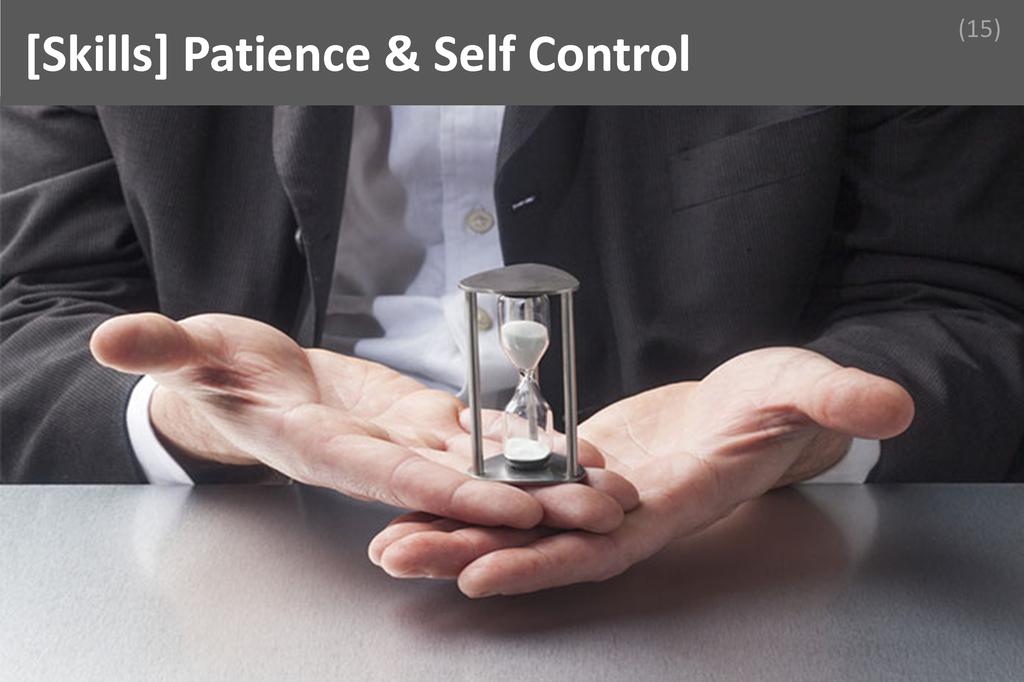
Patience & Self Control is the ability to remain calm, composed, and measured in thoughts, emotions, and actions, especially under stress or provocation. In General Medicine, this skill allows practitioners to thoughtfully assess situations, manage complex patient interactions, and make sound decisions without being influenced by frustration or haste.
Patience & Self Control directly enhances a general medicine professional’s performance by enabling clear judgment, effective communication, and resilience in high-pressure environments. Patients and employers value this skill because it fosters trust, ensures thorough care, and reduces the likelihood of errors caused by impulsive reactions. Cultivating Patience & Self Control involves self-reflection, mindfulness practices, and learning from challenging experiences. Over time, professionals can strengthen this skill by seeking feedback, practicing empathy, and consistently prioritizing thoughtful responses over immediate reactions. This ongoing development not only improves patient outcomes but also contributes to a more supportive and collaborative workplace culture.
Consider a scenario where a general medicine physician is faced with an anxious patient who is frustrated by long wait times and expresses anger during the consultation. Instead of reacting defensively or rushing through the appointment, the physician exercises Patience & Self Control by listening attentively, acknowledging the patient’s concerns, and maintaining a calm demeanor. This approach diffuses tension, builds rapport, and allows the physician to gather accurate information for diagnosis and treatment. By prioritizing patience and self-control, the physician not only resolves the immediate conflict but also reinforces the patient’s trust in the healthcare system, ultimately leading to better health outcomes and professional satisfaction.
Dedication

Dedication is the unwavering commitment to consistently pursue excellence, overcome challenges, and fulfill responsibilities, even in the face of adversity or fatigue. In General Medicine, dedication forms the backbone of a professional’s approach, ensuring that patient care remains thorough, ethical, and compassionate, regardless of external pressures or personal obstacles.
Dedication directly enhances performance in General Medicine by fostering reliability, resilience, and a continual drive for improvement. Patients and employers alike value this quality because it translates into consistent, high-quality care, attention to detail, and a willingness to go the extra mile for patient well-being. Dedication also encourages ongoing learning and adaptation, which are vital in a field where medical knowledge and best practices evolve rapidly. To cultivate dedication, professionals should set clear personal and professional goals, seek mentorship, reflect regularly on their motivations, and embrace challenges as opportunities for growth. Over time, these habits reinforce a steadfast commitment to the profession and to the patients served.
Consider a general practitioner working in a rural clinic who faces a sudden outbreak of a contagious illness. Despite long hours and limited resources, the physician’s dedication drives them to stay late, research the latest treatment protocols, and coordinate with public health officials to contain the spread. Their commitment ensures that every patient receives timely care and accurate information, and that the community feels supported during a stressful period. This unwavering dedication not only helps resolve the immediate crisis but also strengthens trust between the physician and the community, illustrating how essential this core skill is for achieving success and making a meaningful impact in General Medicine.
Staying Updated

Staying updated means consistently acquiring and integrating the latest medical knowledge, research findings, clinical guidelines, and technological advancements into daily practice. For professionals in General Medicine, this skill ensures that patient care is informed by the most current evidence, leading to better outcomes and maintaining high standards of safety and effectiveness.
Staying updated directly enhances a general medicine professional’s performance by enabling timely adoption of new diagnostic tools, treatments, and preventive strategies. Employers and patients value this skill because it demonstrates a commitment to excellence, adaptability, and patient safety. Professionals who stay current are better equipped to recognize emerging health threats, avoid outdated practices, and provide care that aligns with the latest standards. Cultivating this skill involves regularly reading medical journals, attending conferences, participating in continuing education, and engaging with professional networks. Over time, these habits foster a mindset of lifelong learning, ensuring that practitioners remain at the forefront of their field and can confidently navigate the evolving landscape of healthcare.
Consider a general medicine physician who encounters a patient with symptoms suggestive of a respiratory infection during a period when new guidelines for antibiotic stewardship have just been released. Because the physician has stayed updated through recent medical literature and professional seminars, they are aware of the latest recommendations to reduce unnecessary antibiotic use. Applying this knowledge, the physician opts for a more targeted diagnostic approach and educates the patient on symptom management without antibiotics. This decision not only aligns with best practices but also helps combat antibiotic resistance, improves patient outcomes, and demonstrates to both the patient and the healthcare team the value of staying current in medical knowledge.
Positives
Serving Community
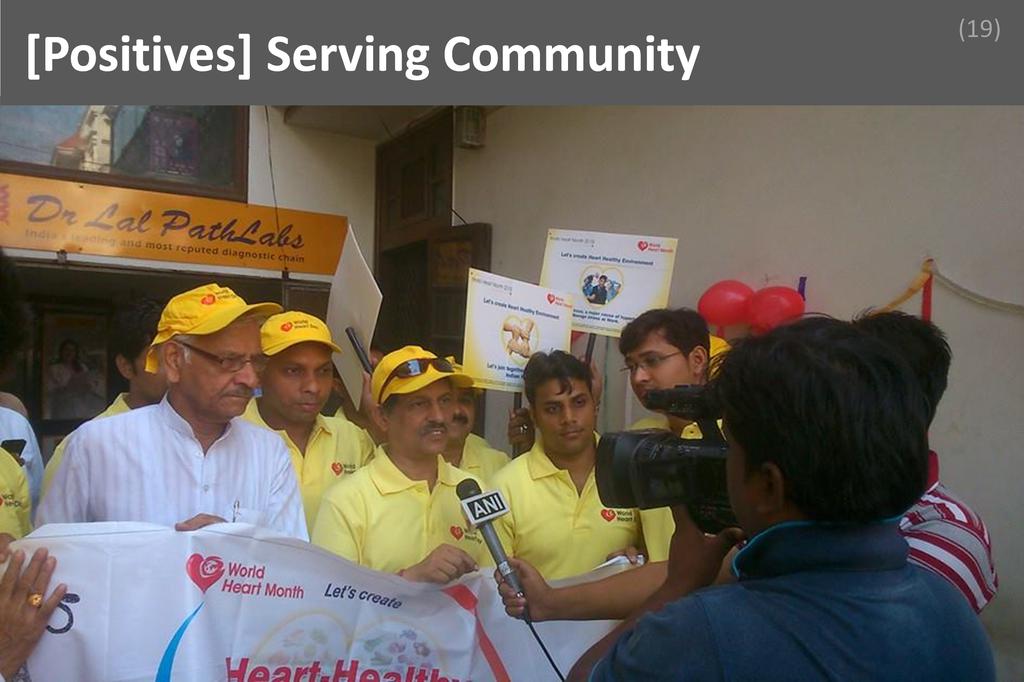
Serving community in general medicine means dedicating one’s skills, knowledge, and compassion to improve the health and well-being of individuals within a specific population. This involves addressing diverse medical needs, promoting preventive care, and fostering trust, ultimately strengthening the fabric of society through accessible, continuous, and holistic healthcare for all.
The opportunity to serve the community is a cornerstone of fulfillment in general medicine. Physicians in this field are uniquely positioned to make a tangible difference in people’s lives, often forming long-term relationships with patients and their families. This ongoing connection fosters a deep sense of purpose and belonging, as practitioners witness the positive outcomes of their care firsthand. The daily act of helping others not only enhances job satisfaction but also encourages personal and professional growth. By addressing a wide range of health concerns, general medicine professionals develop a broad skill set and adaptability, making their work both challenging and meaningful. The gratitude and trust received from the community further reinforce their commitment, creating a cycle of motivation and continuous improvement.
Imagine a general practitioner working in a small town, where access to specialized healthcare is limited. Over the years, this physician becomes a trusted figure, caring for multiple generations within families. One day, a patient arrives with early signs of diabetes. Through education, regular follow-ups, and community outreach, the doctor helps the patient adopt healthier habits, preventing complications and improving quality of life. The physician’s involvement extends beyond the clinic, participating in local health fairs and school programs to promote wellness. Witnessing the community’s overall health improve and knowing their efforts have a lasting impact brings immense personal satisfaction, illustrating the profound rewards of serving the community in general medicine.
Independence
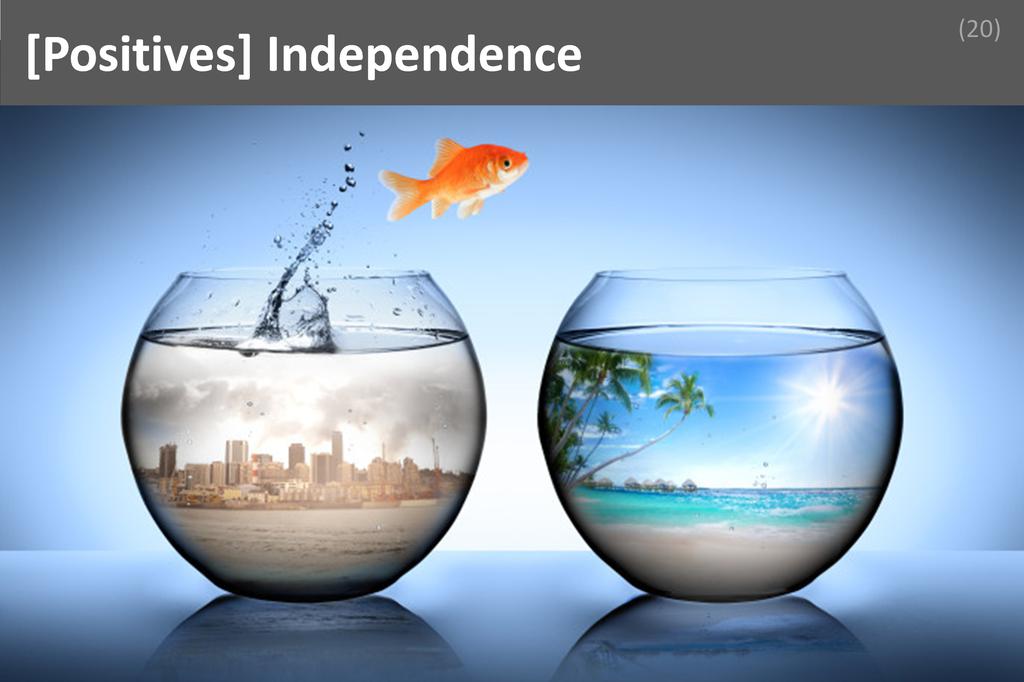
Independence in general medicine refers to the ability of physicians to make autonomous decisions, manage patient care, and shape their professional environment without excessive external control. This freedom empowers practitioners to apply their expertise, adapt to unique patient needs, and innovate in their practice, ultimately enhancing both patient outcomes and personal fulfillment.
The independence enjoyed by general medicine professionals is a cornerstone of job satisfaction and career growth. With the autonomy to diagnose, treat, and manage a wide range of health conditions, physicians can tailor their approach to each patient, fostering deeper connections and trust. This self-direction allows them to continually refine their skills, pursue areas of special interest, and implement new methods that improve care. The daily experience of making meaningful decisions reinforces a sense of purpose and professional pride, motivating practitioners to stay engaged and committed to their work. Independence also encourages lifelong learning and adaptability, essential qualities in a constantly evolving medical landscape.
Consider a general practitioner working in a community clinic. Each day, they encounter patients with diverse backgrounds and health concerns. One morning, a patient presents with a complex set of symptoms that do not fit a textbook diagnosis. Drawing on their training and experience, the physician independently decides which diagnostic tests to order and which specialists to consult, all while communicating openly with the patient. This autonomy allows the doctor to craft a personalized care plan, respond quickly to changing circumstances, and advocate for the patient’s best interests. The ability to make these impactful decisions without waiting for approval from higher authorities brings a deep sense of accomplishment and reaffirms the value of independence in their role.
Low Investment
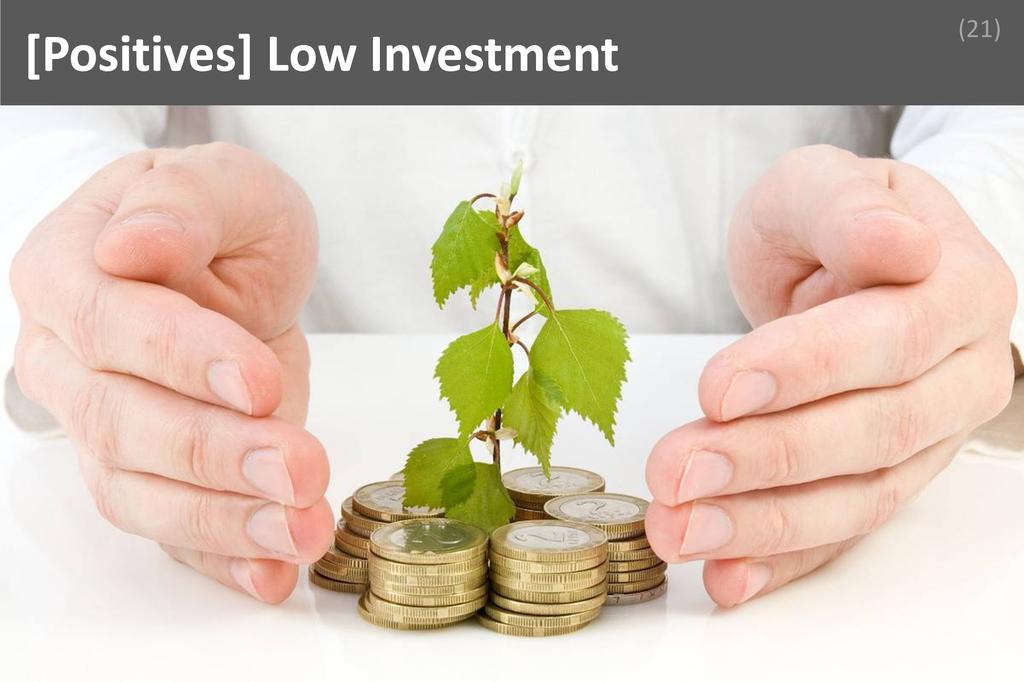
Low Investment in General Medicine refers to the relatively modest financial, educational, and resource requirements needed to enter and sustain a career in this field. This means that aspiring general practitioners can begin their professional journey without the burden of excessive debt, prolonged training, or the need for expensive equipment and infrastructure. This accessibility not only opens doors for a diverse range of individuals but also allows practitioners to focus on patient care rather than financial pressures. By lowering the barriers to entry, General Medicine becomes an attractive and attainable path for those passionate about healthcare, fostering a workforce that is both dedicated and diverse.
The low investment required for a career in General Medicine significantly enhances job satisfaction and professional growth. Without the weight of overwhelming student loans or the necessity to purchase costly specialized equipment, general practitioners can concentrate on building meaningful relationships with their patients and communities. This financial freedom allows them to make career choices based on passion and purpose rather than economic necessity. Additionally, the accessible nature of General Medicine encourages continuous learning and adaptability, as practitioners can easily update their skills without incurring prohibitive costs. Every day, professionals in this field experience the satisfaction of providing essential care, knowing that their career choice supports both their personal well-being and the health of their communities.
Consider Dr. Patel, a general practitioner in a small town, who began her career with minimal debt thanks to the lower educational and setup costs associated with General Medicine. She was able to open her own clinic without the need for expensive diagnostic machines or specialized facilities. This allowed her to focus on patient care, community outreach, and preventive medicine rather than worrying about financial returns or paying off large loans. Dr. Patel’s daily routine is filled with meaningful patient interactions and the satisfaction of making a tangible difference in her community. The low investment required for her career has given her the freedom to prioritize her patients and personal growth, making her work both fulfilling and sustainable.
Working till Old Age
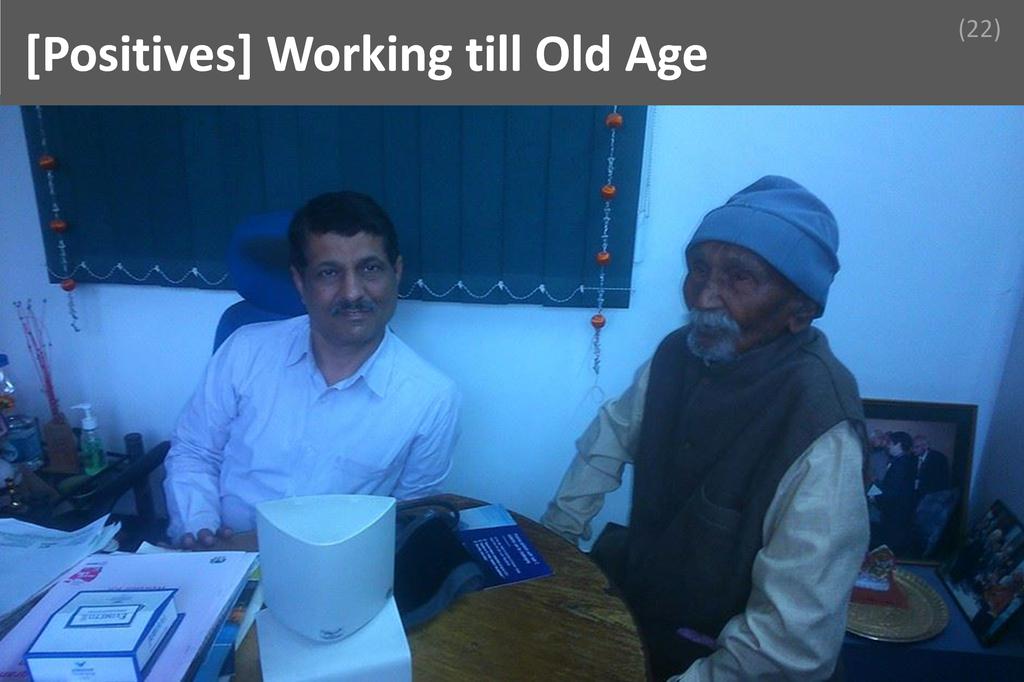
"Working till Old Age" refers to the unique ability of general medicine professionals to continue practicing their craft well into their later years, often beyond traditional retirement age. This enduring career span is possible due to the profession’s reliance on knowledge, experience, and patient relationships rather than solely on physical stamina. In general medicine, the wisdom and expertise accumulated over decades become invaluable assets, allowing physicians to remain active, relevant, and deeply engaged in their work. This longevity not only sustains personal fulfillment but also enriches the healthcare community, as seasoned doctors mentor younger colleagues and provide continuity of care to generations of patients.
The opportunity to work till old age in general medicine is a profound advantage that sets this field apart. It allows physicians to build long-lasting relationships with patients and witness the impact of their care over time, which greatly enhances job satisfaction. The profession’s intellectual demands and the constant evolution of medical knowledge keep practitioners mentally sharp and engaged, fostering lifelong learning and growth. This extended career span also provides stability and a sense of purpose, as doctors continue to contribute meaningfully to society. Every day, general medicine professionals experience the privilege of being trusted advisors, drawing on years of experience to solve complex health challenges and mentor the next generation of healthcare providers.
Consider Dr. Patel, a general practitioner who, at seventy-two, still greets patients with the same enthusiasm as when he began his career. Over the decades, he has cared for entire families, watching children grow into adults and then return with their own children. His deep understanding of his patients’ histories allows him to provide personalized care that newer doctors admire and learn from. Dr. Patel’s continued presence in the clinic not only reassures his patients but also inspires younger colleagues, who seek his guidance on difficult cases. For Dr. Patel, working till old age is not a burden but a source of pride and fulfillment, as he remains a vital part of his community and profession.
Economic Advantage

Economic Advantage refers to the financial stability, competitive compensation, and long-term earning potential that a profession offers, along with the security of consistent demand and opportunities for career advancement. In General Medicine, this advantage ensures that practitioners are rewarded for their expertise, dedication, and the essential services they provide to society.
The economic advantage in General Medicine is a powerful motivator and source of fulfillment for many professionals. Knowing that their skills are highly valued and consistently in demand, general practitioners enjoy a sense of security that allows them to focus on delivering quality patient care. This financial stability not only supports their personal and family needs but also enables them to invest in further education, professional development, and even community initiatives. The assurance of a steady income and opportunities for advancement enhances job satisfaction, reduces stress related to financial uncertainty, and encourages long-term commitment to the field. As a result, general medicine professionals can build rewarding careers while making a meaningful difference in the lives of their patients.
Consider Dr. Patel, a general practitioner in a thriving suburban clinic. Thanks to the economic advantage of her career, she enjoys a stable income that allows her to provide for her family, save for her children’s education, and contribute to local health outreach programs. The consistent demand for her expertise means she rarely worries about job security, and she can plan for the future with confidence. This financial peace of mind empowers Dr. Patel to focus on her patients, pursue additional certifications, and mentor new doctors entering the field. The economic advantage she experiences daily not only enriches her personal life but also amplifies her professional satisfaction and commitment to her community.
Respect & Recognition
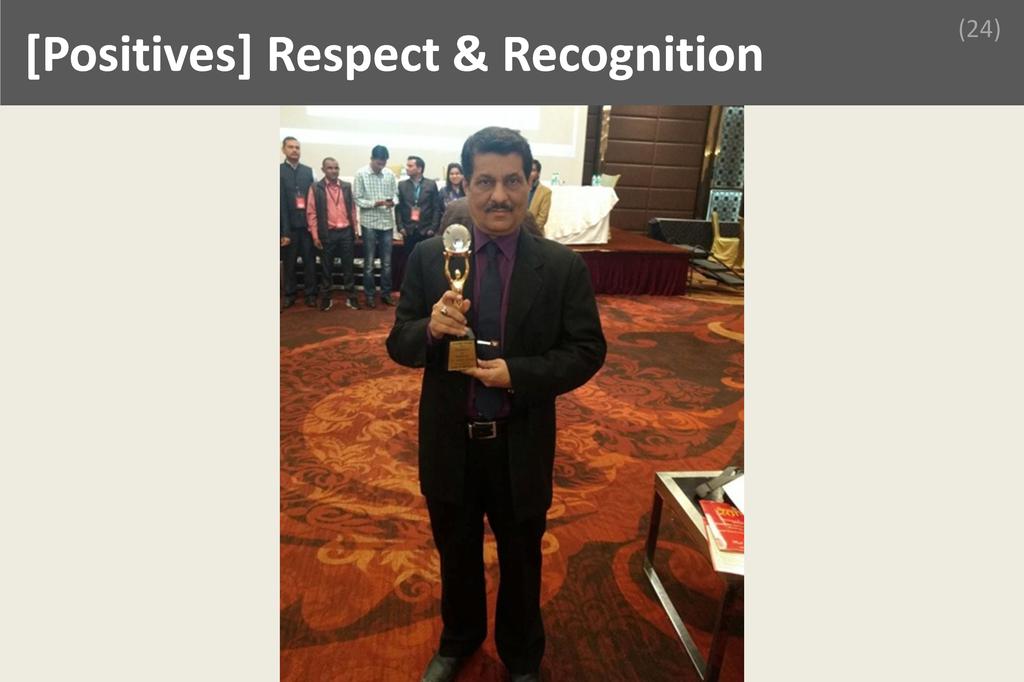
Respect and recognition refer to the admiration, trust, and appreciation that society, colleagues, and patients extend to medical professionals for their expertise, dedication, and compassionate care. In general medicine, this acknowledgment fosters a sense of value and purpose, reinforcing the vital role physicians play in individual lives and communities.
The respect and recognition earned in general medicine are powerful motivators that enhance both personal and professional fulfillment. When physicians are valued by patients and peers, it strengthens their sense of purpose and belonging within the healthcare community. This positive reinforcement leads to higher job satisfaction, increased motivation, and a greater commitment to lifelong learning and improvement. Daily, general practitioners witness the tangible impact of their work through patient gratitude and professional trust, which not only validates their efforts but also encourages them to strive for excellence. The esteem associated with the profession also opens doors for career advancement, leadership opportunities, and a lasting legacy within the medical field.
Imagine a general practitioner who has been caring for families in a small town for many years. One day, a patient arrives with a complex set of symptoms, and through careful listening and thorough examination, the doctor identifies a serious but treatable condition. The patient and their family express heartfelt gratitude, sharing their appreciation not only for the doctor’s medical expertise but also for the empathy and reassurance provided during a stressful time. Later, the local community honors the physician at a public event, acknowledging the positive difference made in countless lives. This experience of respect and recognition reaffirms the doctor’s dedication, instilling pride and deep satisfaction in their chosen path.
Challenges
Course Duration
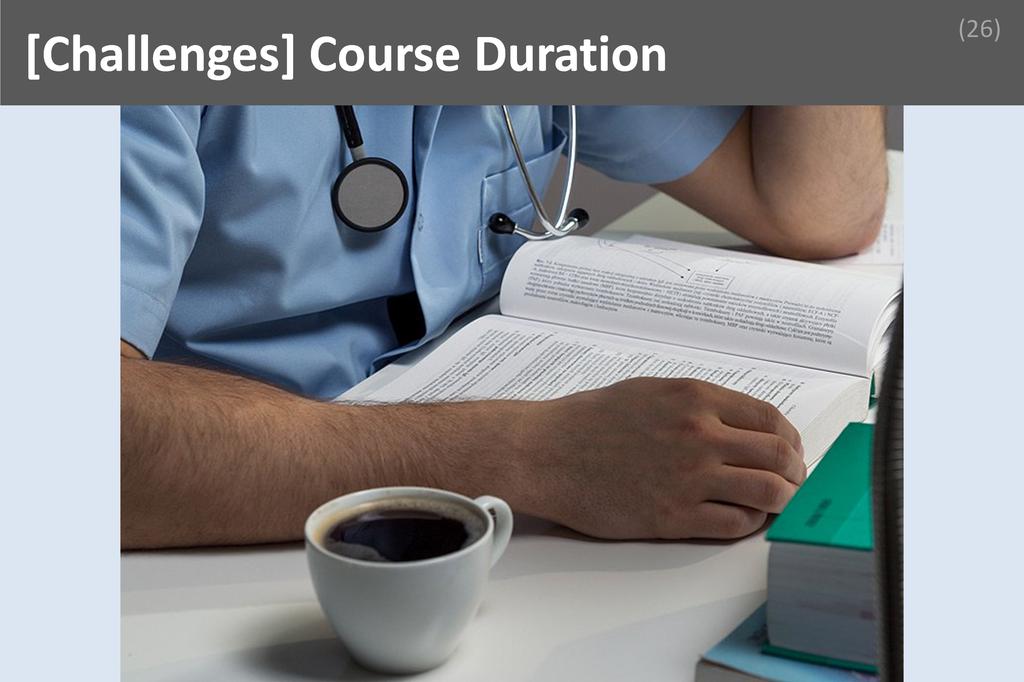
Course Duration in General Medicine refers to the extended period required to complete medical education and training, often spanning several years of rigorous study, clinical rotations, and residency. This lengthy commitment is demanding because it requires sustained focus, adaptability, and personal sacrifice, often delaying career progression and impacting work-life balance.
The prolonged course duration in General Medicine can lead to fatigue, burnout, and a sense of delayed gratification, as professionals often spend years in training before achieving full autonomy in their careers. This challenge demands resilience, as individuals must maintain motivation and performance despite the long timeline. Successful professionals manage this constraint by setting short-term goals, seeking mentorship, and maintaining a strong support network. They also prioritize self-care and continuously remind themselves of their long-term purpose, which helps sustain their commitment. By embracing lifelong learning and adapting to the evolving demands of the field, they turn the lengthy training period into an opportunity for comprehensive skill development and personal growth.
Consider a resident physician who, after completing medical school, faces several more years of demanding residency training. Despite the exhaustion and the pressure of balancing personal life with professional responsibilities, this individual actively seeks guidance from experienced mentors and regularly reflects on their progress. By celebrating small achievements, such as mastering a new clinical skill or receiving positive feedback from patients, the resident maintains motivation. They also engage in wellness activities outside of work, ensuring mental and physical health are not neglected. Through these strategies, the resident not only endures the lengthy course duration but emerges as a well-rounded, resilient medical professional ready to take on independent practice.
No Campus Placement

No Campus Placement in General Medicine refers to the absence of institutional recruitment drives or guaranteed job offers for medical graduates at the end of their studies. This situation is demanding because it leaves new professionals solely responsible for finding employment, often without structured support, guidance, or immediate opportunities in a highly competitive field.
The lack of campus placement can create uncertainty and stress for new graduates, as they must independently seek positions, network, and prove themselves in a crowded job market. This challenge can affect daily work by increasing anxiety and diverting focus from clinical learning to job hunting. It demands resilience, adaptability, and proactive career management. Successful professionals often respond by building strong professional networks, seeking mentorship, and continuously updating their skills. They may also explore diverse roles in clinics, hospitals, or research, and remain open to relocating or starting in less-preferred positions to gain experience. Over time, this proactive approach helps them establish credibility, expand their opportunities, and ultimately secure rewarding roles in the medical field.
Consider a recent graduate in General Medicine who, facing no campus placement, decides to volunteer at a local community health center while simultaneously applying for positions in hospitals. Through dedication and consistent performance, the graduate earns the trust of senior doctors and gains valuable hands-on experience. This exposure not only enhances clinical skills but also expands the graduate’s professional network. Eventually, a senior physician recommends the graduate for a full-time position at a reputable hospital. By remaining persistent, adaptable, and open to alternative pathways, the graduate successfully overcomes the initial lack of structured placement and builds a strong foundation for a fulfilling medical career.
Social Insecurity

Social Insecurity in General Medicine refers to the persistent uncertainty and anxiety professionals experience due to fluctuating social status, public perception, and job stability. This challenge is demanding because it undermines confidence, affects professional relationships, and can erode the sense of purpose essential for delivering compassionate, effective patient care.
The effects of social insecurity in General Medicine are far-reaching, often manifesting as self-doubt, decreased job satisfaction, and strained interactions with colleagues and patients. Daily work becomes more challenging as professionals may feel undervalued or misunderstood by society, leading to emotional fatigue. This environment demands resilience, as practitioners must continually reaffirm their value and commitment despite external pressures. Successful professionals manage this constraint by fostering supportive peer networks, engaging in ongoing professional development, and seeking mentorship. They focus on intrinsic rewards, such as patient outcomes and personal growth, rather than external validation. By building strong relationships within their teams and communities, they create a buffer against the negative impacts of social insecurity and maintain their motivation to serve.
Consider a general practitioner working in a community where public trust in healthcare is low and media scrutiny is high. Facing skepticism from patients and occasional criticism from the public, this physician initially struggled with feelings of inadequacy and isolation. Recognizing the toll on her well-being, she began attending local medical forums and joined a peer support group. Through open discussions and shared experiences, she rebuilt her confidence and learned new communication strategies to address patient concerns. By investing in these relationships and focusing on the positive impact she had on individual patients, she gradually overcame her social insecurity. Her renewed sense of purpose not only improved her job satisfaction but also strengthened her connection with the community she served.
Expensive Education

Expensive Education in General Medicine refers to the substantial financial burden associated with medical school tuition, fees, books, and living expenses. This challenge is particularly demanding because it often leads to significant student debt, which can influence career choices, personal well-being, and long-term financial stability for aspiring and practicing physicians.
The high cost of medical education can weigh heavily on professionals, affecting their daily work through stress about loan repayment and financial insecurity. This pressure may limit their ability to pursue certain specialties or practice in underserved areas, as higher-paying positions become more attractive. Resilience is essential, as professionals must balance patient care with financial obligations. Successful practitioners often seek scholarships, grants, or loan forgiveness programs, and some choose to work in public health or rural settings where incentives are available. Others manage costs by budgeting carefully, seeking part-time work during training, or collaborating with mentors for financial advice. By remaining adaptable and resourceful, they find ways to focus on their passion for medicine despite the economic hurdles.
Consider a young physician who graduates from medical school with significant debt but is passionate about serving in a rural community. Aware of the financial strain, she applies for a federal loan forgiveness program that rewards service in underserved areas. She also negotiates a modest signing bonus with her employer and takes advantage of housing stipends. By living frugally and prioritizing her loan payments, she gradually reduces her debt while gaining valuable clinical experience. Over time, the combination of loan forgiveness, careful financial planning, and community support allows her to thrive professionally and personally, demonstrating that even daunting educational expenses can be managed with determination and strategic choices.
A Day Of
General Medicine
In the world of General Medicine, no two days are ever quite the same, yet each one pulses with a steady rhythm of urgency, compassion, and adaptability. The hospital corridors hum with early footsteps, the air tinged with anticipation as practitioners prepare to face a whirlwind of patient stories, diagnostic puzzles, and critical decisions. The pace is relentless but purposeful, demanding both clinical expertise and a deep well of empathy. Here, the environment is a dynamic blend of controlled chaos and meticulous care, where every moment counts and every interaction can alter the course of a patient’s life.
As dawn breaks, the general medicine professional arrives, often before the sun has fully risen. The day begins with a thorough review of patient charts, overnight updates, and lab results, setting the stage for the hours ahead. This quiet, focused time is essential for absorbing the details of each case, prioritizing patients who need immediate attention, and preparing for the morning handover with the night team. The practitioner listens intently as colleagues recount the night’s developments, ensuring a seamless transition of care and updating their mental checklist for the day’s priorities.
By mid-morning, the hospital is in full swing. The practitioner moves briskly from room to room, conducting patient rounds with a multidisciplinary team. This is the heart of the day, where clinical acumen and communication skills are put to the test. Each encounter is a blend of rapid assessment, compassionate listening, and decisive action—whether it’s diagnosing a new admission, adjusting treatment plans, or addressing unexpected complications. The pace is intense, and the stakes are high, as every decision can have immediate consequences for patient outcomes.
The afternoon brings a shift in focus toward collaboration and execution. The practitioner participates in case discussions with specialists, consults with nursing staff, and attends multidisciplinary meetings to coordinate complex care plans. Practical tasks such as performing procedures, reviewing imaging, and following up on test results fill the hours. This period is marked by teamwork and problem-solving, as the practitioner navigates the intricate web of patient needs, resource constraints, and evolving clinical scenarios.
As the day winds down, attention turns to documentation, research, and preparation for the next shift. The practitioner meticulously updates patient records, ensuring that every detail is captured for continuity of care. There is time for reviewing the latest medical literature, reflecting on challenging cases, and planning for tomorrow’s admissions and discharges. The hospital may quieten, but the sense of responsibility lingers, as the practitioner ensures that every patient is set up for the best possible care in the hours to come. |


 Home
Home Abroad
 Plan
Plan Philosophy
 Seminar
 Pages
Pages Advisors
 Testimonials

















 Workshop
 Discuss
 Meet
Meet
 Advisor
 Story
Story
 Fine Print
 Links
Links
 Blog
Blog
 Follow
