The Journey of Medical Counselling
What Is Medical Counselling
Medical Counselling

Medical counselling is a professional service that provides guidance, support, and information to individuals navigating medical decisions, treatments, or health-related challenges. It involves trained counsellors who help patients, families, or students understand medical options, cope with diagnoses, and make informed choices for their health and well-being.
Medical counselling plays a crucial role in the healthcare system by bridging the gap between complex medical information and patient understanding. For professionals in this field, it offers the opportunity to make a tangible difference in people’s lives by empowering them with knowledge and emotional support. One major benefit is the improvement of patient outcomes, as individuals who receive counselling are more likely to adhere to treatment plans and make informed decisions. Another benefit is the reduction of anxiety and stress, as counsellors provide a safe space for clients to express concerns and receive reassurance. Additionally, medical counselling fosters better communication between patients and healthcare providers, leading to more effective and personalized care.
A medical counsellor working in a hospital oncology department might meet with a patient who has just been diagnosed with cancer. The counsellor listens to the patient’s fears and questions, explains the diagnosis in understandable terms, and discusses potential treatment options. They help the patient weigh the pros and cons of each option, considering both medical facts and personal values. Throughout the process, the counsellor provides emotional support, helping the patient manage anxiety and make decisions that align with their goals and lifestyle. This ongoing guidance ensures the patient feels informed, supported, and empowered during a challenging time, illustrating the vital role of medical counselling in real-world healthcare settings.
Education
Child Psychology

Child Psychology is the scientific study of the mental, emotional, and behavioral development of children from birth through adolescence. It explores how children grow, learn, and adapt within their environments. In Medical Counselling, understanding child psychology is essential for assessing, guiding, and supporting young patients and their families effectively.
A thorough grasp of child psychology is indispensable for anyone preparing for or working in medical counselling. This subject provides insight into the cognitive, emotional, and social development of children, enabling professionals to recognize normal versus atypical behaviors and developmental milestones. Such knowledge forms the backbone of effective communication with young patients and their caregivers, allowing counsellors to tailor their approaches to each child’s unique needs. Over the long term, expertise in child psychology enhances a counsellor’s ability to build trust, foster resilience, and support positive health outcomes. It also equips professionals to collaborate with multidisciplinary teams, advocate for child-friendly healthcare policies, and pursue specialized roles in pediatric mental health.
Consider a medical counsellor working in a pediatric clinic who encounters a seven-year-old patient exhibiting anxiety about an upcoming medical procedure. Drawing on their understanding of child psychology, the counsellor recognizes that the child’s fears are developmentally appropriate and employs age-specific communication strategies to address them. By using simple language, play therapy techniques, and reassurance, the counsellor helps the child express their concerns and gradually reduces their anxiety. This approach not only eases the immediate distress but also fosters a sense of safety and trust in the healthcare environment. The counsellor’s expertise in child psychology thus directly contributes to a more positive medical experience for both the child and their family.
Types of Counselling

"Types of Counselling" refers to the various approaches, methods, and frameworks used to guide individuals through personal, psychological, or situational challenges. In the context of Medical Counselling, understanding these types is essential for tailoring interventions to meet diverse patient needs, ensuring effective communication, and supporting holistic patient care.
A thorough grasp of the different types of counselling is fundamental for anyone preparing for or working in Medical Counselling. This knowledge equips professionals to recognize which counselling approach best suits a patient’s unique circumstances, whether dealing with emotional distress, chronic illness, or lifestyle changes. Mastery of these concepts enhances a counsellor’s ability to build trust, foster open dialogue, and provide patient-centered care. Over time, this expertise not only improves patient outcomes but also strengthens the counsellor’s adaptability and problem-solving skills. As medical environments grow increasingly complex, the ability to draw from a broad repertoire of counselling types becomes a significant asset, supporting both professional growth and the delivery of high-quality healthcare.
Consider a medical counsellor working in a hospital oncology department. A newly diagnosed cancer patient arrives feeling overwhelmed and anxious. Drawing on their understanding of types of counselling, the counsellor assesses the situation and chooses a supportive counselling approach to provide emotional comfort. As the patient’s needs evolve, the counsellor may shift to a more directive or cognitive-behavioral style to help the patient develop coping strategies and make informed decisions about treatment. By skillfully applying different counselling types, the professional ensures that the patient receives personalized support throughout their medical journey, demonstrating the practical value of this foundational knowledge in everyday clinical practice.
Types of Diseases

Types of Diseases refers to the systematic classification and understanding of various illnesses based on their causes, characteristics, and effects on the human body. This knowledge is fundamental in medical education and is essential for professionals in Medical Counselling, as it underpins accurate guidance, patient education, and informed decision-making in healthcare settings.
A thorough grasp of the types of diseases is crucial for anyone involved in Medical Counselling because it enables professionals to interpret medical information accurately and communicate effectively with patients and their families. Understanding infectious, genetic, chronic, and lifestyle-related diseases allows counsellors to provide tailored advice, clarify treatment options, and address patient concerns with confidence. This foundational knowledge not only enhances the credibility of the counsellor but also ensures that they can collaborate efficiently with healthcare teams, contribute to preventive health strategies, and support patients through complex medical journeys. Over time, this expertise fosters trust, improves patient outcomes, and opens doors to advanced roles in healthcare education, policy, and patient advocacy.
Consider a scenario where a medical counsellor is guiding a family whose child has been diagnosed with Type 1 diabetes. Drawing on their understanding of disease types, the counsellor explains the autoimmune nature of the condition, differentiates it from Type 2 diabetes, and outlines the implications for daily management and long-term health. By clarifying the genetic and environmental factors involved, the counsellor helps the family understand the necessity of insulin therapy and lifestyle adjustments. This informed approach not only alleviates anxiety but also empowers the family to make educated decisions about care, demonstrating how theoretical knowledge of disease types translates directly into compassionate, effective support in real-world medical counselling.
Human Behaviour

Human behaviour refers to the range of actions, reactions, and interactions exhibited by individuals or groups in response to internal and external stimuli. In the context of Medical Counselling, understanding human behaviour is essential, as it provides insight into patients’ motivations, emotions, and decision-making processes, forming a crucial part of professional expertise.
A thorough grasp of human behaviour is indispensable for anyone entering or advancing in the field of Medical Counselling. This knowledge enables professionals to interpret patients’ verbal and non-verbal cues, anticipate their concerns, and respond empathetically to diverse emotional states. By understanding behavioural patterns, counsellors can tailor their communication strategies, foster trust, and facilitate more effective guidance. Over time, this foundational expertise enhances the counsellor’s ability to manage complex cases, address sensitive issues, and support patients through challenging decisions. Mastery of human behaviour not only improves immediate counselling outcomes but also contributes to long-term professional growth, adaptability, and credibility within the healthcare environment.
Consider a medical counsellor working with a student who is anxious about selecting a medical specialization. By applying their understanding of human behaviour, the counsellor recognizes signs of stress and hesitation, such as avoidance of eye contact and fidgeting. Instead of focusing solely on academic achievements, the counsellor gently explores the student’s fears, values, and aspirations. Through empathetic listening and open-ended questions, the counsellor helps the student articulate underlying concerns, such as fear of disappointing family or uncertainty about future job prospects. This approach not only alleviates anxiety but also empowers the student to make a well-informed, personally meaningful decision, demonstrating the practical value of behavioural insight in everyday counselling practice.
Skills
Listening

Listening is the focused and intentional process of receiving, interpreting, and understanding spoken and unspoken messages from others, without interruption or judgment. In medical counselling, listening forms the foundation for building trust, accurately assessing client needs, and providing tailored guidance, making it indispensable for effective and empathetic support.
Mastering the art of listening significantly enhances a medical counselling professional’s ability to understand clients’ concerns, fears, and expectations. This skill allows counsellors to gather vital information, recognize subtle cues, and respond with empathy, which leads to more accurate assessments and effective interventions. Clients and employers highly value this ability because it fosters a supportive environment, encourages open communication, and improves overall satisfaction with the counselling process. To cultivate listening skills, professionals should practice mindfulness, maintain eye contact, avoid distractions, and regularly reflect on their interactions to identify areas for improvement. Over time, consistent effort and feedback from peers or mentors can help refine this skill, making it an integral part of a successful medical counselling career.
Consider a scenario where a medical counsellor is working with a patient recently diagnosed with a chronic illness. The patient expresses confusion and anxiety about treatment options. By attentively listening, the counsellor picks up on the patient’s underlying fears about side effects and lifestyle changes, which were not explicitly stated. Through patient, nonjudgmental listening, the counsellor is able to address these specific concerns, clarify misconceptions, and provide reassurance. This approach not only helps the patient feel heard and understood but also empowers them to make informed decisions about their care. In this way, listening becomes the key to resolving uncertainty and building a trusting therapeutic relationship.
Observation

Observation is the attentive and systematic process of noticing, interpreting, and understanding verbal and non-verbal cues, behaviors, and environmental factors. In medical counselling, observation enables professionals to gather crucial information beyond spoken words, allowing for a deeper understanding of clients’ needs, emotional states, and underlying issues that may not be immediately apparent.
Observation significantly enhances a medical counsellor’s ability to assess clients accurately and respond appropriately. Clients and employers value this skill because it leads to more personalized and effective care, fostering trust and rapport. By noticing subtle changes in body language, tone, or mood, counsellors can identify concerns that clients might hesitate to express directly. To cultivate observation, professionals should practice active listening, remain present during interactions, and reflect on their observations to recognize patterns over time. Continuous learning, supervision, and feedback from peers also help sharpen this skill, ensuring that counsellors remain sensitive to the nuances of each unique client interaction.
Consider a scenario where a client insists they are coping well with a recent diagnosis, yet their posture is tense, and they avoid eye contact. A medical counsellor, relying on keen observation, notices these inconsistencies and gently explores the client’s true feelings. Through empathetic questioning, the counsellor uncovers underlying anxiety and fear that the client was reluctant to admit. By addressing these hidden emotions, the counsellor provides targeted support and resources, ultimately helping the client manage their situation more effectively. This outcome would not have been possible without the counsellor’s strong observational skills, demonstrating how essential observation is in achieving successful outcomes in medical counselling.
Empathy

Empathy is the ability to understand and share the feelings, thoughts, and experiences of another person, while maintaining a supportive and nonjudgmental attitude. In medical counselling, empathy allows professionals to connect deeply with clients, fostering trust and open communication, which are crucial for effective guidance and emotional support.
Empathy enhances a medical counsellor’s performance by enabling them to perceive and respond to the emotional needs of clients, making interactions more meaningful and supportive. Clients and employers value this skill because it leads to better patient satisfaction, improved adherence to treatment plans, and a more positive healthcare experience overall. To cultivate empathy, professionals can practice active listening, engage in reflective exercises, and seek feedback from peers and mentors. Over time, consistent self-awareness and exposure to diverse patient experiences help deepen empathetic understanding, making it an integral part of a counsellor’s approach and professional growth.
Imagine a medical counsellor working with a patient recently diagnosed with a chronic illness. The patient feels overwhelmed, anxious, and uncertain about the future. By employing empathy, the counsellor listens attentively, acknowledges the patient’s fears, and validates their emotions without judgment. This empathetic approach helps the patient feel understood and less isolated, encouraging them to express concerns openly. As a result, the counsellor can tailor information and support to the patient’s unique emotional state, guiding them through treatment options and coping strategies. Ultimately, empathy transforms a potentially distressing consultation into a collaborative and reassuring experience, fostering trust and empowering the patient to actively participate in their care.
Paraphrasing

Paraphrasing is the act of restating information, ideas, or statements using different words while preserving the original meaning. In medical counselling, this skill allows professionals to clarify complex information, confirm understanding, and foster effective communication between clients and healthcare providers. It is a cornerstone of empathetic and accurate dialogue.
Mastering paraphrasing significantly enhances a medical counselling professional’s ability to communicate clearly and build trust with clients. By rephrasing medical jargon or sensitive information in accessible language, counsellors ensure that clients fully understand their options and concerns are addressed. Employers and clients value this skill because it reduces misunderstandings, improves compliance with medical advice, and demonstrates active listening. To cultivate paraphrasing, professionals should practice attentive listening, engage in reflective exercises, and seek feedback on their communication style. Over time, consistent practice and a commitment to understanding clients’ perspectives help refine this essential skill, making it an integral part of effective medical counselling.
Imagine a scenario where a patient expresses confusion and anxiety about a complex treatment plan. The medical counsellor listens carefully and then paraphrases the patient’s concerns, saying, “It sounds like you’re worried about how the medication schedule will fit into your daily routine and whether you’ll experience side effects.” This restatement reassures the patient that their concerns are understood and opens the door for further discussion. By paraphrasing, the counsellor clarifies the patient’s needs, addresses misconceptions, and collaborates on practical solutions, ultimately leading to greater patient satisfaction and adherence to the treatment plan. This example highlights how paraphrasing can resolve critical misunderstandings and foster a supportive therapeutic relationship.
Analytical
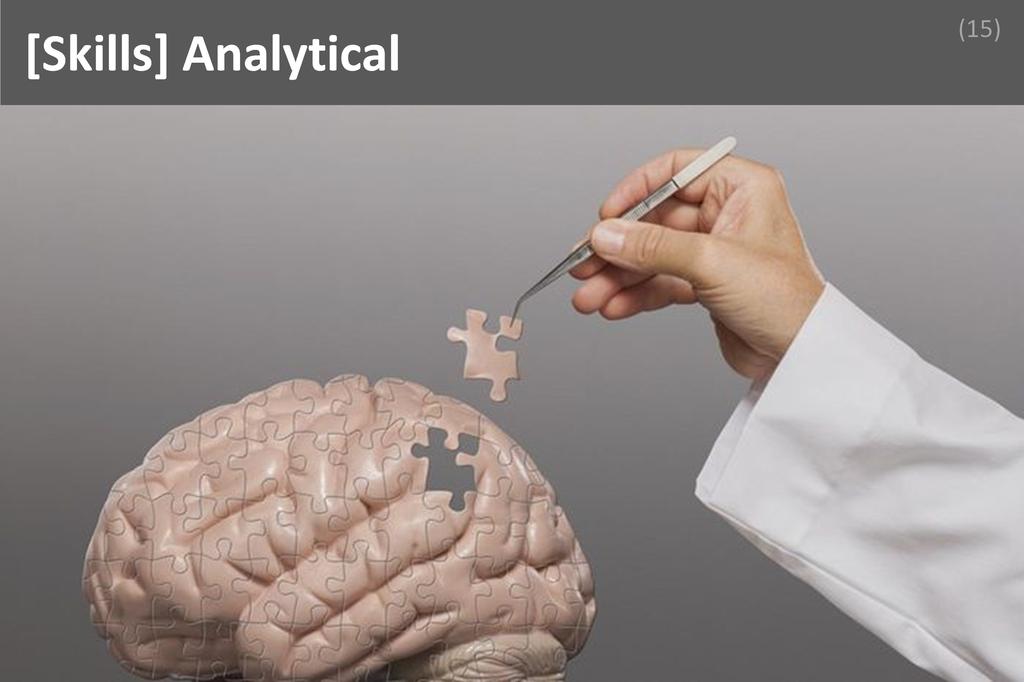
Analytical refers to the ability to systematically examine information, identify patterns, interpret data, and draw logical conclusions. In medical counselling, this skill enables professionals to assess complex medical histories, understand psychological factors, and evaluate treatment options, ensuring that clients receive accurate guidance tailored to their unique needs and circumstances.
Analytical skills are fundamental in medical counselling because they empower professionals to make informed decisions based on comprehensive data and nuanced client backgrounds. Clients and employers value this ability as it leads to precise assessments, effective problem-solving, and the development of personalized care plans. Analytical thinking helps counsellors navigate intricate medical and emotional issues, ensuring that recommendations are both evidence-based and empathetic. To cultivate this skill, professionals should engage in continuous learning, practice critical thinking exercises, and seek feedback from peers and mentors. Over time, exposure to diverse cases and reflective practice further sharpens analytical abilities, making counsellors more adept at handling the evolving challenges within the healthcare landscape.
Consider a medical counsellor working with a client who presents with recurring symptoms that have not responded to standard treatments. The counsellor utilizes their analytical skills to review the client’s medical history, lifestyle factors, and previous interventions. By systematically comparing the data and identifying overlooked patterns, the counsellor uncovers a rare side effect from a medication prescribed for an unrelated condition. This insight leads to a collaborative discussion with the client’s healthcare team, resulting in an adjusted treatment plan and significant improvement in the client’s well-being. In this scenario, the counsellor’s analytical approach was crucial in resolving a complex issue and achieving a positive outcome.
Communication

Communication is the process of exchanging information, ideas, and emotions through verbal, nonverbal, and written means to achieve mutual understanding. In medical counselling, communication serves as the foundation for building trust, gathering accurate information, and delivering clear guidance, making it indispensable for effective client support and professional collaboration.
Strong communication skills directly enhance a medical counsellor’s ability to understand clients’ concerns, explain complex medical information, and foster a supportive environment. Clients and employers highly value this skill because it ensures that sensitive topics are handled with empathy and clarity, reducing misunderstandings and promoting better health outcomes. Over time, communication can be cultivated through active listening, seeking feedback, participating in professional development workshops, and practicing clear, compassionate dialogue. By consistently refining these abilities, medical counsellors can adapt to diverse client needs and maintain high standards of care, ultimately contributing to their professional growth and the trustworthiness of their services.
Imagine a medical counsellor working with a patient recently diagnosed with a chronic illness. The patient is overwhelmed and confused about treatment options. The counsellor uses effective communication to listen attentively, acknowledge the patient’s fears, and explain the diagnosis and available treatments in simple, reassuring language. By encouraging questions and providing clear, empathetic responses, the counsellor helps the patient feel understood and empowered to make informed decisions. This approach not only alleviates anxiety but also strengthens the therapeutic relationship, demonstrating how communication is vital in resolving critical issues and achieving successful outcomes in medical counselling.
Positives
Inner Satisfaction

Inner Satisfaction is a profound sense of fulfillment and contentment that arises from knowing one’s actions have a meaningful, positive impact on others. It is the deep emotional reward that comes from aligning personal values with professional duties, fostering a sense of purpose and well-being in everyday work. In the field of medical counselling, this feeling is especially significant because professionals are directly involved in guiding individuals through challenging health-related decisions. The knowledge that their expertise and empathy can change lives for the better enhances their own sense of worth and motivation, making the profession not just a job, but a truly rewarding vocation.
The presence of inner satisfaction in medical counselling is a powerful driver of both personal and professional growth. When counsellors feel genuinely fulfilled by their work, they are more likely to approach each day with enthusiasm and resilience, even when faced with emotionally taxing situations. This positive outlook not only boosts job satisfaction but also encourages ongoing learning and development, as professionals strive to improve their skills to better serve their clients. Inner satisfaction fosters a supportive and compassionate environment, benefiting both counsellors and those they help. It creates a cycle of positivity, where the act of helping others reinforces the counsellor’s own sense of purpose and happiness, making the career both sustainable and deeply meaningful.
Imagine a medical counsellor working with a young patient recently diagnosed with a chronic illness. The patient and their family are overwhelmed, anxious, and unsure about the future. Through patient listening, clear communication, and empathetic guidance, the counsellor helps them understand the diagnosis, explore treatment options, and develop coping strategies. Witnessing the family’s transformation from fear to hope, and knowing that their support has made a tangible difference, the counsellor experiences a profound sense of inner satisfaction. This feeling lingers long after the session ends, reaffirming the counsellor’s commitment to their profession and reminding them why they chose this path. Each success story becomes a source of inspiration, fueling their passion to continue making a difference.
Learning and Growth

Learning and Growth refers to the continuous process of acquiring new knowledge, developing skills, and evolving personally and professionally. In medical counselling, this means staying updated with medical advancements, refining communication techniques, and deepening empathy. This ongoing development empowers professionals to provide better care and adapt to the ever-changing healthcare landscape.
The emphasis on learning and growth in medical counselling is a cornerstone of job satisfaction and professional advancement. As medical knowledge evolves rapidly, counsellors who embrace lifelong learning remain effective and relevant in their roles. This commitment not only enhances their expertise but also fosters a sense of accomplishment and purpose. Each day presents new challenges, from understanding complex diagnoses to supporting patients through emotional journeys, which encourages counsellors to expand their skills and perspectives. This dynamic environment keeps the work engaging and meaningful, as professionals witness their own progress and the positive impact they have on patients’ lives. Ultimately, the culture of learning and growth transforms routine tasks into opportunities for personal enrichment and career development.
Consider a medical counsellor working with patients newly diagnosed with chronic illnesses. As new treatment options and psychological support strategies emerge, the counsellor actively seeks out workshops, medical journals, and peer discussions to stay informed. One day, a patient expresses anxiety about a novel therapy. Drawing on recent learning, the counsellor confidently explains the treatment, addresses concerns, and tailors emotional support to the patient’s needs. The patient leaves feeling reassured and empowered. In this scenario, the counsellor’s commitment to learning and growth not only enhances their professional competence but also directly improves patient outcomes, making the daily work deeply fulfilling and impactful.
Challenges
100% Attention

In Medical Counselling, "100% Attention" refers to the unwavering focus and presence required during every client interaction. Professionals must listen actively, interpret subtle cues, and respond empathetically, all while processing complex information. This level of attentiveness is demanding because it leaves little room for distraction or mental fatigue, making sustained engagement challenging.
The necessity for 100% attention in medical counselling can lead to mental exhaustion, reduced empathy, and increased risk of errors if not managed properly. Professionals often find themselves emotionally drained after consecutive sessions, as each client requires individualized care and undivided focus. This challenge demands resilience, self-awareness, and effective coping mechanisms. Successful counsellors recognize their limits and prioritize self-care, ensuring they take regular breaks and engage in reflective practices. They may also employ mindfulness techniques to remain present and attentive, even during long or emotionally taxing days. By setting boundaries and seeking peer support, they create a sustainable work environment that allows them to consistently deliver high-quality care without compromising their own well-being.
Consider a medical counsellor working in a busy hospital setting, where back-to-back appointments are the norm. One afternoon, after several emotionally charged sessions, the counsellor feels mentally fatigued but recognizes the importance of maintaining full attention for the next patient, who is anxious about a recent diagnosis. The counsellor takes a brief moment to practice deep breathing and mentally resets before the session begins. During the appointment, the counsellor listens intently, asks thoughtful questions, and provides reassurance, ensuring the patient feels heard and supported. By consciously managing their focus and employing quick self-care strategies, the counsellor successfully overcomes the challenge of sustaining 100% attention, ultimately fostering a positive outcome for the patient.
Resistance Towards Change

Resistance towards change in Medical Counselling refers to the reluctance or refusal of clients, colleagues, or even counsellors themselves to adapt to new methods, protocols, or perspectives. This challenge is demanding because it can hinder progress, disrupt therapeutic relationships, and slow the adoption of evidence-based practices essential for effective client care.
The presence of resistance towards change can significantly affect the daily workflow of medical counsellors. It may manifest as skepticism towards new treatment approaches, reluctance to adopt digital tools, or hesitancy in embracing updated ethical guidelines. Such resistance can create friction within teams, reduce the effectiveness of interventions, and ultimately impact client outcomes. Overcoming this challenge requires resilience, as professionals must balance empathy for those struggling with change while persistently advocating for necessary improvements. Successful medical counsellors manage this constraint by fostering open communication, building trust, and demonstrating the benefits of change through small, achievable steps. They remain patient, adaptable, and committed to ongoing professional development, ensuring that both clients and colleagues feel supported throughout transitions.
Consider a medical counsellor working in a hospital where a new electronic health record (EHR) system is being introduced. Many staff members express frustration and anxiety about learning the new technology, fearing it will disrupt their workflow and compromise patient care. Recognizing this resistance, the counsellor organizes informal training sessions and offers one-on-one support, addressing concerns and highlighting how the new system can streamline documentation and improve patient outcomes. By validating colleagues’ feelings and providing practical assistance, the counsellor gradually helps the team adapt to the change. Over time, the staff becomes more comfortable with the EHR, and the initial resistance diminishes, resulting in a more efficient and collaborative work environment.
Resistance Towards Sharing

Resistance Towards Sharing in Medical Counselling refers to clients’ reluctance or refusal to disclose personal, emotional, or medical information during sessions. This challenge is demanding because it hinders the counsellor’s ability to accurately assess needs, build trust, and provide effective support, ultimately impacting the quality of care and outcomes.
This difficulty can significantly disrupt the flow of daily work for medical counsellors, as incomplete information limits their ability to offer tailored guidance or interventions. It demands resilience because professionals must remain patient and empathetic, even when progress seems slow or stagnant. Successful counsellors manage this constraint by fostering a safe, non-judgmental environment, demonstrating consistent empathy, and respecting the client’s pace. They use active listening and gentle encouragement to gradually build trust, allowing clients to feel more comfortable sharing sensitive information. Over time, this approach helps break down barriers, enabling more open communication and effective counselling outcomes.
Consider a medical counsellor working with a young adult recently diagnosed with a chronic illness. Initially, the client is withdrawn and provides only minimal responses, clearly exhibiting resistance towards sharing. Recognizing this, the counsellor avoids pressuring the client for details and instead focuses on building rapport through casual conversation and validating the client’s feelings. Over several sessions, the counsellor’s patience and genuine concern help the client feel understood and respected. Gradually, the client begins to open up about their fears and challenges, allowing the counsellor to offer more targeted support and resources. This scenario illustrates how persistence, empathy, and a client-centered approach can effectively overcome resistance towards sharing in medical counselling.
A Day Of
Medical Counselling
The day in the life of a medical counselling professional unfolds in a dynamic blend of empathy, precision, and adaptability. Far from the static hum of a typical office, the environment pulses with the urgency of patient needs, the complexity of medical information, and the ever-present responsibility to guide individuals through some of their most vulnerable moments. Each hour brings a new challenge, whether it’s decoding a labyrinth of test results, offering solace to anxious families, or collaborating with healthcare teams to chart the best path forward. The pace is brisk, the stakes are high, and every interaction is an opportunity to make a meaningful difference.
As the day begins, the medical counselling professional arrives early, settling into a calm workspace before the rush of appointments. This time is dedicated to reviewing patient files, updating notes from the previous day, and scanning for any urgent messages or changes in patient status. The morning light offers a brief window for reflection and organization, allowing the counsellor to mentally prepare for the emotional and intellectual demands ahead. This foundational hour ensures that each case is approached with clarity and up-to-date information, setting the tone for a day of focused, compassionate care.
Mid-morning marks the heart of the day, as the counsellor meets with patients and their families, either in person or virtually. These sessions are intense and deeply personal, requiring a balance of clinical knowledge and emotional intelligence. The counsellor listens to concerns, explains complex diagnoses, discusses treatment options, and helps patients navigate the maze of medical decisions. Every conversation is tailored to the individual, blending empathy with expertise to empower patients in their healthcare journey. The energy in the office rises as stories are shared, questions are answered, and trust is built, one interaction at a time.
After a brief lunch, the afternoon shifts toward collaboration with other healthcare professionals. The counsellor participates in multidisciplinary meetings, case conferences, or rounds, sharing insights and advocating for patients’ needs. This phase is marked by active problem-solving, as the team discusses care plans, addresses barriers to treatment, and coordinates follow-up actions. The counsellor’s role as a bridge between patients and providers becomes especially vital, ensuring that communication flows smoothly and that each patient’s voice is heard in the broader context of their care.
As the day winds down, the focus turns to documentation and preparation for tomorrow. The counsellor updates patient records, writes follow-up notes, and responds to outstanding emails or phone calls. There is also time set aside for reviewing the latest research, attending a webinar, or planning educational materials for patients. This quieter period allows for thoughtful reflection on the day’s challenges and successes, as well as strategic planning for upcoming cases. By the time the office lights dim, the counsellor has not only supported patients through critical moments but also laid the groundwork for another day of impactful work. |


 Home
Home Abroad
 Plan
Plan Philosophy
 Seminar
 Pages
Pages Advisors
 Testimonials














 Workshop
 Discuss
 Meet
Meet
 Advisor
 Story
Story
 Fine Print
 Links
Links
 Blog
Blog
 Follow
