The Journey of Graphic Designing
What Is Graphic Designing
Graphic Designing

Graphic designing is the art and practice of creating visual content to communicate messages. By applying visual hierarchy and page layout techniques, designers use typography, imagery, color, and form to solve problems and achieve specific communication goals, ensuring information is both engaging and easily understood by the intended audience.
Graphic designing plays a crucial role in shaping how information is perceived and understood in today’s visually driven world. For professionals, it offers the ability to influence brand identity, marketing effectiveness, and user experience across various media. The field empowers designers to express creativity while solving real-world communication challenges. One major benefit is the opportunity to work across diverse industries, from advertising to technology. Another advantage is the potential for remote and freelance work, providing flexibility and autonomy. Additionally, graphic designers contribute to building memorable brands and campaigns, making their work both impactful and highly visible in society.
A graphic designer working for a digital marketing agency might be tasked with creating a visual campaign for a new product launch. They would begin by researching the target audience and collaborating with copywriters and marketers to develop a cohesive message. Using design software, the designer creates logos, social media graphics, and promotional materials that align with the brand’s identity. Throughout the process, they ensure that each visual element communicates the intended message clearly and attracts the audience’s attention. The final campaign not only enhances the product’s visibility but also strengthens the brand’s presence in the market, demonstrating the practical and influential role of graphic designing in business success.
Education
Design Software

Design software refers to specialized computer programs used to create, edit, and manipulate visual content such as images, illustrations, and layouts. It is an essential component of both academic study and professional practice in graphic designing, enabling designers to transform creative ideas into polished, communicative visual products efficiently and effectively.
Understanding design software is crucial for anyone aspiring to succeed in graphic designing because it serves as the primary toolset for executing creative concepts. Mastery of these programs allows designers to bring their visions to life, experiment with different styles, and meet client specifications with precision. Familiarity with design software also ensures that professionals can adapt to evolving industry standards and collaborate seamlessly with peers across various projects. Over time, proficiency in these tools enhances productivity, fosters innovation, and opens doors to advanced career opportunities, as employers and clients alike value designers who can leverage technology to deliver high-quality, impactful visual solutions.
Consider a graphic designer tasked with developing a brand identity for a new company. Drawing on their knowledge of design software, the designer begins by sketching logo concepts digitally, refining shapes and colors using vector tools. They then create mockups of business cards and social media graphics, ensuring consistency across all materials. Throughout the process, the designer utilizes advanced features such as layer management, color correction, and typography controls to achieve professional results. This practical application of design software not only streamlines workflow but also allows for quick revisions based on client feedback, demonstrating how theoretical understanding translates directly into efficient, high-quality creative output in a real-world setting.
Photography
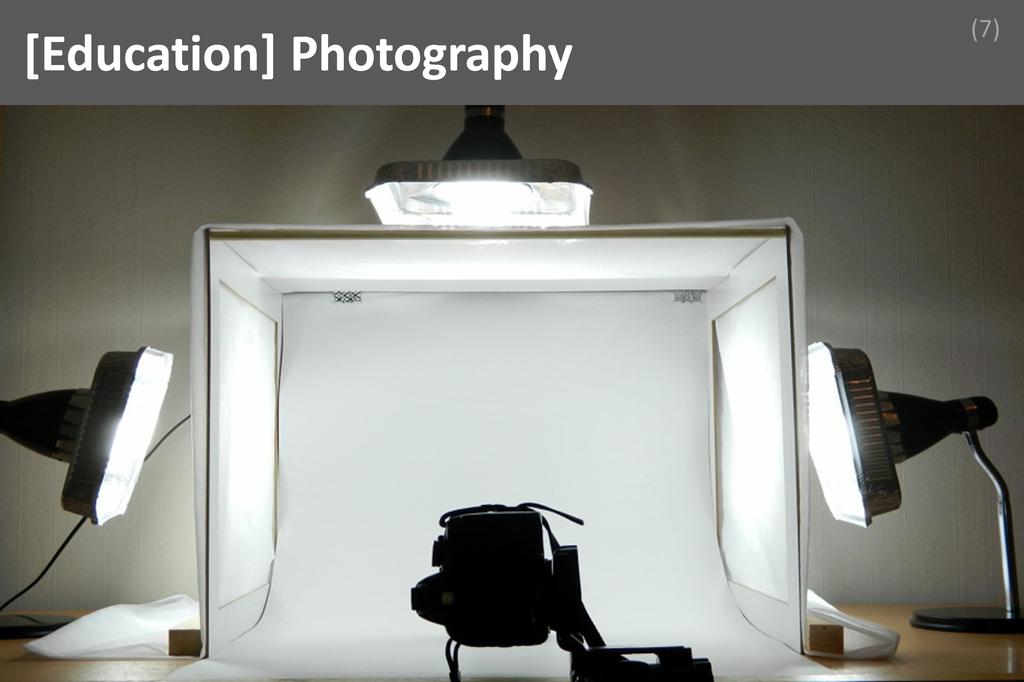
Photography is the art and science of capturing light to create images using cameras or other imaging devices. It involves understanding composition, lighting, exposure, and visual storytelling. In the context of graphic designing, photography forms a crucial academic and professional foundation, enabling designers to create, manipulate, and integrate compelling visual content effectively.
A solid grasp of photography is essential for graphic designers because it directly influences the quality and impact of visual communication. Understanding photographic principles such as composition, lighting, and color theory allows designers to select or create images that enhance their designs, ensuring coherence and professionalism. This knowledge also empowers designers to collaborate effectively with photographers, art directors, and clients, bridging the gap between concept and execution. Over time, proficiency in photography expands creative possibilities, improves project outcomes, and increases a designer’s value in the job market. As visual trends evolve, those with a strong photographic background can adapt more readily, maintaining relevance and delivering innovative solutions in a competitive industry.
Consider a graphic designer tasked with creating a promotional poster for a new product launch. Instead of relying solely on stock images, the designer uses their understanding of photography to plan and execute a custom photoshoot. They carefully arrange the lighting to highlight the product’s features, choose a background that complements the brand’s color palette, and compose the shot to draw attention to key details. This hands-on approach ensures the final image aligns perfectly with the overall design vision. By applying photographic knowledge, the designer not only achieves a unique and cohesive look but also demonstrates creative control and technical expertise, resulting in a more impactful and professional final product.
Basic Computers

Basic Computers refers to the fundamental understanding of computer hardware, software, operating systems, file management, and essential troubleshooting. For graphic designers, this knowledge forms the backbone of their technical skill set, enabling them to efficiently use design tools, manage digital assets, and adapt to evolving technological environments in both academic and professional settings.
A solid grasp of Basic Computers is crucial for anyone pursuing a career in graphic designing. This foundational knowledge empowers designers to navigate operating systems, install and update design software, and manage files and storage effectively. Understanding how computers function allows professionals to troubleshoot common technical issues, ensuring uninterrupted workflow and productivity. As graphic design is a field deeply intertwined with digital technology, proficiency in computer basics enhances adaptability to new tools and platforms. Over time, this competence not only boosts efficiency but also opens doors to advanced learning, such as mastering specialized design software or collaborating on complex digital projects, thereby contributing to long-term career growth and versatility in the industry.
Consider a graphic designer working on a branding project for a client. Throughout the day, they use their knowledge of Basic Computers to organize project files into clearly labeled folders, ensuring easy access and version control. When their design software crashes unexpectedly, they apply troubleshooting skills to diagnose the issue, such as checking system resources or updating drivers, minimizing downtime. Their familiarity with keyboard shortcuts and system settings allows them to work more efficiently, switching between applications and exporting files in various formats as required by the client. This seamless integration of computer basics into daily tasks not only streamlines their workflow but also enhances the quality and reliability of their professional output.
Marketing
Marketing is the process of identifying, anticipating, and satisfying customer needs through the creation, communication, and delivery of value. It encompasses research, strategy, branding, and promotion to connect products or services with target audiences. For graphic designers, marketing knowledge bridges creative work with business goals, enhancing both academic and professional expertise.
Understanding marketing is essential for graphic designers because it provides the strategic context behind every visual decision. By learning marketing principles, designers can create visuals that not only look appealing but also effectively communicate messages, influence consumer behavior, and support brand objectives. This foundational knowledge enables designers to collaborate more effectively with marketing teams, interpret briefs with greater insight, and contribute to campaigns that drive measurable results. Over the long term, designers who grasp marketing concepts are better equipped to adapt to industry trends, expand their roles into creative direction or brand strategy, and demonstrate their value as integral contributors to business success. This holistic perspective ensures their work remains relevant and impactful in a competitive marketplace.
Imagine a graphic designer working for a retail company launching a new product line. Drawing on their marketing knowledge, the designer analyzes the target audience, understands the product’s unique selling points, and reviews the overall campaign strategy. This insight guides their choices in color schemes, typography, and imagery to ensure the visuals resonate with the intended demographic and reinforce the brand’s message. During team meetings, the designer confidently discusses how their creative concepts align with marketing goals, such as increasing brand awareness or driving sales. By integrating marketing theory into their daily workflow, the designer not only produces more effective designs but also positions themselves as a strategic partner in achieving the company’s objectives.
Skills
Creativity

Creativity is the ability to generate original ideas, envision new possibilities, and approach challenges with innovative solutions. It involves thinking beyond conventional boundaries and combining concepts in unique ways. In graphic designing, creativity is the driving force that transforms abstract concepts into visually compelling and effective designs, setting professionals apart in a competitive field.
Creativity directly enhances a graphic designer’s performance by enabling them to produce distinctive and memorable visuals that capture attention and communicate messages effectively. Clients and employers highly value this skill because it leads to fresh, engaging designs that help brands stand out in crowded markets. A creative designer can adapt to diverse project requirements and solve visual problems with ingenuity, making them indispensable to any team. Cultivating creativity involves continuous learning, experimentation with new styles and techniques, and seeking inspiration from various sources such as art, nature, and technology. Over time, regular practice, constructive feedback, and staying updated with industry trends help designers refine their creative abilities and consistently deliver innovative work.
Imagine a graphic designer tasked with rebranding a company whose image has become outdated and disconnected from its target audience. The designer faces the challenge of creating a new visual identity that resonates with modern consumers while preserving the brand’s core values. By tapping into their creativity, the designer explores unconventional color schemes, typography, and imagery, ultimately developing a fresh logo and cohesive visual language that revitalizes the brand’s presence. This creative approach not only solves the immediate problem of an outdated image but also positions the company for greater recognition and success in the marketplace. The designer’s ability to think creatively proves crucial in delivering a solution that exceeds client expectations and drives business growth.
Communication

Communication is the process of exchanging information, ideas, and emotions through verbal, non-verbal, and visual means to achieve mutual understanding. In graphic designing, communication is fundamental because it bridges the gap between a designer’s creative vision and the client’s expectations, ensuring that the final product effectively conveys the intended message.
Strong communication skills enable graphic designers to accurately interpret client briefs, articulate design concepts, and collaborate efficiently with team members. This skill directly improves performance by minimizing misunderstandings, reducing revisions, and fostering productive feedback loops. Clients and employers highly value designers who can clearly explain their creative choices and listen actively to project requirements, as this leads to smoother workflows and more successful outcomes. Cultivating communication skills involves practicing active listening, seeking constructive feedback, and regularly presenting ideas both verbally and visually. Over time, designers who invest in these abilities become more adaptable, confident, and effective in their roles, ultimately enhancing their professional reputation and career prospects.
Imagine a graphic designer tasked with creating a brand identity for a new startup. During initial meetings, the client struggles to articulate their vision, leading to vague or conflicting feedback. The designer leverages strong communication skills by asking clarifying questions, summarizing the client’s ideas, and presenting mood boards to visually guide the discussion. Through open dialogue and attentive listening, the designer uncovers the client’s core values and desired aesthetic. This collaborative process not only resolves confusion but also builds trust, resulting in a final design that resonates with the client’s goals. In this scenario, effective communication transforms a potentially challenging project into a successful partnership and a compelling visual identity.
Keeping up with Trends

Keeping up with trends means consistently monitoring, understanding, and adapting to the latest styles, technologies, and cultural shifts within the design industry. For a graphic designer, this skill ensures that their work remains relevant, visually appealing, and competitive. It is a crucial part of staying innovative and meeting evolving client expectations.
Staying current with design trends directly enhances a graphic designer’s performance by allowing them to create work that resonates with contemporary audiences and stands out in a crowded marketplace. Clients and employers highly value designers who can deliver fresh, modern visuals that align with current aesthetics and communication strategies. This skill also signals adaptability and a commitment to professional growth. Cultivating it involves regularly exploring design publications, attending industry events, engaging with online communities, and experimenting with new tools and techniques. Over time, this habit not only sharpens a designer’s creative instincts but also builds a portfolio that reflects both versatility and awareness of the industry’s direction.
Imagine a graphic designer tasked with rebranding a company that wants to appeal to a younger demographic. The designer researches current visual trends, such as bold color palettes, minimalist layouts, and dynamic typography, which are popular among younger audiences. By integrating these elements into the new brand identity, the designer creates a modern and engaging look that resonates with the target market. The successful rebrand leads to increased customer engagement and positive feedback, demonstrating how keeping up with trends can directly contribute to achieving business goals and client satisfaction. This scenario highlights the practical value of staying informed and adaptable in the fast-paced world of graphic design.
Time Management

Time management is the process of organizing and planning how to divide your time between specific activities to maximize efficiency and productivity. For a graphic designer, mastering time management is crucial because it enables the balancing of multiple projects, meeting tight deadlines, and delivering high-quality work consistently.
Effective time management directly enhances a graphic designer’s performance by ensuring that projects are completed on schedule without sacrificing creativity or attention to detail. Clients and employers highly value this skill because it demonstrates reliability, professionalism, and the ability to handle multiple assignments simultaneously. Cultivating time management involves setting realistic deadlines, prioritizing tasks based on urgency and importance, and regularly reviewing progress to make necessary adjustments. Over time, designers can refine their approach by learning from past experiences, adopting digital tools for scheduling, and maintaining open communication with clients and team members. This ongoing development not only improves workflow but also builds a reputation for dependability and excellence.
Imagine a graphic designer working in a fast-paced agency who is assigned three client projects with overlapping deadlines. By applying strong time management skills, the designer creates a detailed schedule, allocates specific time blocks for each project, and sets internal milestones to track progress. When an unexpected revision request arrives from a major client, the designer is able to adjust the plan without missing any deadlines or compromising the quality of the work. This proactive approach not only ensures client satisfaction but also reduces stress and prevents last-minute rushes, highlighting how essential time management is for overcoming challenges and achieving consistent success in the field of graphic design.
Team Management
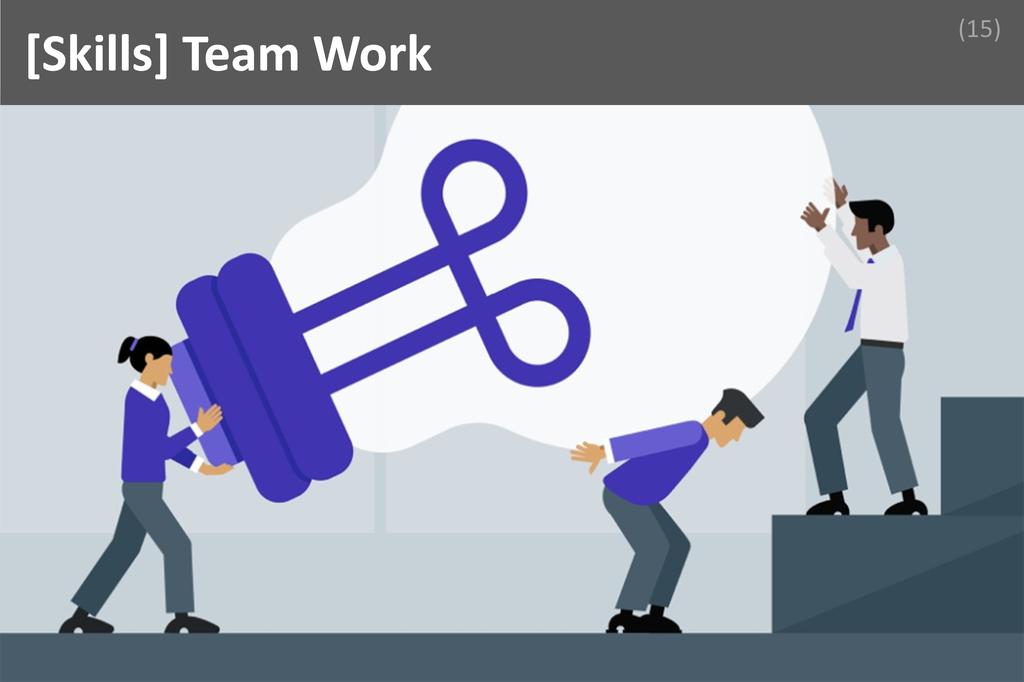
Team Management is the ability to coordinate, guide, and motivate a group of individuals toward achieving common objectives, ensuring effective communication, resource allocation, and conflict resolution. In graphic designing, this skill enables professionals to harmonize creative efforts, streamline workflows, and deliver cohesive visual solutions that meet client expectations and project deadlines.
Mastering team management directly enhances a graphic designer’s performance by fostering collaboration, reducing misunderstandings, and ensuring that each team member’s strengths are utilized effectively. Clients and employers highly value this skill because it leads to smoother project execution, higher-quality outcomes, and timely delivery. A designer who manages teams well can handle complex projects involving multiple contributors, such as illustrators, copywriters, and developers, ensuring everyone is aligned with the project vision. Cultivating this skill involves actively seeking leadership opportunities, learning to delegate tasks appropriately, and developing strong interpersonal communication. Over time, experience in managing diverse teams and navigating challenges helps refine these abilities, making the designer a more reliable and influential contributor to any creative environment.
Imagine a graphic designer leading a team tasked with rebranding a major client’s visual identity under a tight deadline. Midway through the project, conflicting ideas emerge between the illustrators and the marketing strategists, threatening to derail progress. The designer steps in, facilitating open discussions to clarify the client’s objectives and mediate between differing perspectives. By assigning clear roles, setting achievable milestones, and maintaining transparent communication, the designer ensures that creative differences are resolved constructively. As a result, the team delivers a unified and impactful brand identity on schedule, impressing the client and strengthening the agency’s reputation. This scenario highlights how effective team management can turn potential setbacks into opportunities for collaborative success.
Positives
Creative Satisfaction

Creative satisfaction is the deep sense of fulfillment and joy that arises when individuals use their imagination and skills to produce original, meaningful work. In graphic designing, this feeling emerges from transforming ideas into visual realities, allowing designers to express themselves while solving problems and communicating messages through their art.
Creative satisfaction is a cornerstone of a rewarding career in graphic designing because it transforms daily tasks into meaningful experiences. When designers feel creatively fulfilled, their enthusiasm and motivation naturally increase, leading to higher job satisfaction and a stronger sense of purpose. This positive energy often translates into greater productivity and innovation, as designers are more willing to experiment and push boundaries. Experiencing creative satisfaction also fosters personal growth, as professionals continually refine their skills and develop their unique artistic voice. The ongoing opportunity to bring fresh ideas to life not only keeps the work engaging but also helps designers build a distinctive portfolio, opening doors to new opportunities and career advancement.
Imagine a graphic designer tasked with developing the visual identity for a local nonprofit’s awareness campaign. After researching the cause and brainstorming concepts, the designer crafts a series of compelling posters and digital graphics that capture the organization’s mission and resonate with the target audience. When the campaign launches, the designer sees their work displayed across the community and receives positive feedback from both the client and viewers. This moment of recognition, combined with the knowledge that their creativity has made a tangible difference, brings a profound sense of creative satisfaction. The experience not only validates their skills but also inspires them to tackle future projects with renewed passion and confidence.
Hands on Job

A "Hands on Job" refers to work that involves direct engagement with tools, materials, or processes, allowing individuals to actively create, build, or manipulate outcomes. In graphic designing, this means designers are constantly involved in crafting visuals, experimenting with concepts, and bringing ideas to life through tangible actions. This direct involvement fosters creativity, sharpens technical skills, and provides immediate feedback, making the profession dynamic and deeply satisfying. The hands-on nature of graphic design ensures that professionals are not just passive thinkers but active creators, shaping their work environment and outcomes through their own efforts and ingenuity.
The hands-on aspect of graphic designing is a significant advantage because it transforms abstract ideas into visible, impactful results. This process of creation offers a sense of accomplishment that is both immediate and tangible, fueling motivation and job satisfaction. Designers experience growth as they continuously refine their skills through practice, learning new techniques, and adapting to evolving trends. The daily engagement with creative tools and real-world projects keeps the work fresh and exciting, preventing monotony and encouraging innovation. This active participation also strengthens problem-solving abilities, as designers must think critically and adapt quickly to client needs or project challenges. Ultimately, the hands-on nature of the job empowers professionals to see the direct impact of their work, fostering pride and a deep connection to their craft.
Imagine a graphic designer working on a branding project for a local business. From the initial brainstorming session to sketching logo concepts and experimenting with color palettes, the designer is fully immersed in each stage of creation. As they manipulate design software, adjust layouts, and refine details, they witness their ideas evolving into a cohesive visual identity. The client’s enthusiastic feedback and the public’s positive response to the new branding provide immediate validation of the designer’s hands-on efforts. This daily process of turning imagination into reality, and seeing the tangible results appreciated by others, brings a profound sense of fulfillment and demonstrates the unique rewards of a hands-on career in graphic design.
Artistic Inclination

Artistic inclination is the innate or developed tendency to appreciate, create, and express visual ideas with creativity, imagination, and aesthetic sensitivity. In graphic designing, this quality fuels innovation, allowing professionals to craft visually compelling solutions that communicate messages effectively and resonate emotionally with audiences, setting their work apart in a competitive field.
Artistic inclination is a cornerstone of fulfillment and success in graphic designing because it transforms routine tasks into opportunities for creative expression. When designers channel their artistic sensibilities, they infuse originality and personality into every project, making their work both meaningful and memorable. This not only leads to higher job satisfaction, as professionals see their unique vision come to life, but also opens doors for career advancement. Clients and employers value designers who consistently deliver fresh, visually engaging concepts, which can lead to greater recognition and more exciting projects. On a daily basis, graphic designers experience the joy of turning abstract ideas into tangible visuals, knowing their artistry has a direct impact on how brands and messages are perceived.
Imagine a graphic designer tasked with creating a new visual identity for a local nonprofit organization. Drawing on their artistic inclination, the designer experiments with color palettes, typography, and imagery that reflect the organization’s mission and values. Through this creative process, the designer not only solves a communication challenge but also experiences deep satisfaction as their artistic choices evoke emotion and inspire action within the community. The final design receives enthusiastic feedback, both from the client and the public, reinforcing the designer’s sense of purpose and pride. This scenario highlights how artistic inclination transforms everyday work into a source of personal fulfillment and professional achievement in the world of graphic design.
Building your Portfolio

Building your portfolio means curating a collection of your best design work to showcase your skills, creativity, and growth as a graphic designer. This evolving visual resume demonstrates your unique style, technical abilities, and versatility to potential clients or employers, serving as tangible proof of your professional journey and achievements.
The process of building a portfolio is a cornerstone of success in graphic designing because it provides a living record of your progress and accomplishments. Each new project adds depth and diversity to your portfolio, reflecting your expanding expertise and adaptability. This ongoing development not only boosts your confidence but also makes you more attractive to employers and clients who seek evidence of real-world results. The pride in seeing your creative evolution fuels motivation and job satisfaction, while the ability to present a compelling body of work opens doors to new opportunities, collaborations, and career advancement. Every day, designers experience the satisfaction of adding fresh, innovative pieces to their portfolio, reinforcing their sense of purpose and professional identity.
Imagine a graphic designer who started their career with simple logo designs for local businesses. Over time, they take on more complex projects, such as branding campaigns, web design, and packaging. With each completed assignment, they thoughtfully select their strongest work to include in their portfolio. When applying for a coveted position at a leading design agency, they present this curated collection, which not only highlights their technical skills but also tells the story of their creative growth and versatility. The interviewer is impressed by the range and quality of their work, leading to a job offer. This moment is deeply fulfilling for the designer, as their portfolio has become a testament to their dedication, talent, and professional journey.
Travelling

Travelling is the act of moving from one place to another, often across cities, countries, or continents, to explore new environments, cultures, and experiences. In the context of graphic designing, travelling exposes professionals to diverse artistic styles, cultural motifs, and creative inspirations, enriching their visual vocabulary and broadening their perspectives. This exposure not only fuels creativity but also fosters adaptability, as designers learn to incorporate global trends and local nuances into their work. Travelling thus becomes a catalyst for personal and professional growth, enabling graphic designers to stay ahead in a dynamic industry and deliver innovative solutions that resonate with a wider audience.
The opportunity to travel as a graphic designer is a significant advantage that enhances both job satisfaction and career growth. Experiencing new places allows designers to draw inspiration from different cultures, architecture, and art forms, which can be directly reflected in their creative projects. This constant influx of fresh ideas keeps their work innovative and relevant, making them more valuable to employers and clients alike. Travelling also helps designers build a global network, opening doors to international collaborations and diverse projects. The sense of adventure and discovery that comes with travelling makes daily work more exciting, preventing creative stagnation and fostering a lifelong passion for learning and exploration.
Imagine a graphic designer who is commissioned to create branding materials for a global conference in Tokyo. To truly capture the essence of the event, the designer travels to Japan, immersing themselves in the local culture, observing traditional art, and exploring the vibrant cityscape. This firsthand experience allows them to incorporate authentic Japanese elements into their designs, resulting in visuals that resonate deeply with the target audience. The journey not only enhances the quality of their work but also provides a sense of accomplishment and fulfillment. By travelling, the designer gains unique insights and memories, transforming a routine project into a meaningful and inspiring creative adventure.
Challenges
Client Expectation

Client expectation in graphic designing refers to the specific visions, preferences, and standards that clients hold regarding the outcome of a design project. This challenge is demanding because clients often have subjective tastes, unclear requirements, or shifting goals, making it difficult for designers to consistently deliver work that satisfies all parties involved.
The challenge of client expectation significantly shapes the daily workflow of graphic designers. It can lead to frequent revisions, creative constraints, and communication hurdles, often stretching project timelines and testing a designer’s patience. Navigating this landscape requires resilience, adaptability, and strong interpersonal skills. Successful professionals manage these constraints by establishing clear communication from the outset, setting realistic boundaries, and educating clients about the design process. They also document requirements thoroughly and provide regular updates, which helps align both parties’ visions and minimizes misunderstandings. By fostering a collaborative relationship and remaining open to feedback, designers can transform client expectations from a source of stress into an opportunity for creative partnership and professional growth.
Consider a graphic designer tasked with creating a brand identity for a startup. The client initially requests a modern, minimalist logo but later introduces new ideas inspired by competitors, leading to conflicting feedback. The designer addresses this by organizing a discovery session to clarify the client’s core values and objectives. Through mood boards and iterative drafts, the designer guides the client toward a cohesive vision, explaining design choices and their impact on brand perception. By maintaining open communication and demonstrating patience, the designer not only meets the client’s expectations but also educates them about effective branding. This approach results in a successful project and a strengthened client relationship, showcasing the value of proactive expectation management.
Constructive Criticism

Constructive criticism in graphic designing refers to feedback that aims to improve a designer’s work by pointing out areas for enhancement while offering suggestions for better results. This process is demanding because it requires designers to balance personal creativity with client expectations, often challenging their artistic vision and emotional investment in their work.
The challenge of constructive criticism can significantly influence a graphic designer’s daily workflow. Receiving feedback that questions design choices or requests substantial changes can be emotionally taxing, especially when a designer has invested time and creative energy into a project. This ongoing scrutiny demands resilience, as professionals must separate personal feelings from professional growth opportunities. Successful designers manage this constraint by viewing criticism as a valuable tool for improvement rather than a personal affront. They actively listen, ask clarifying questions, and remain open-minded, using feedback to refine their skills and deliver stronger results. By fostering a mindset that embraces learning and adaptability, they transform criticism into a catalyst for professional development and client satisfaction.
Consider a graphic designer working on a branding project for a startup. After presenting the initial logo concepts, the client expresses concerns that the designs do not fully capture the brand’s youthful energy and requests significant revisions. Instead of reacting defensively, the designer listens carefully to the feedback, asks for specific examples, and discusses the client’s vision in more detail. By approaching the situation with curiosity and professionalism, the designer incorporates the suggestions, explores new color palettes, and adjusts the typography. The revised concepts resonate strongly with the client, leading to a successful outcome. This experience not only strengthens the designer’s portfolio but also builds trust and a positive working relationship with the client.
Meeting Deadlines

Meeting deadlines in graphic designing means delivering creative work within a set timeframe, often under pressure from clients or project managers. This is demanding because it requires balancing creativity with speed, managing multiple projects simultaneously, and adapting to last-minute changes, all while maintaining high-quality standards and originality.
The challenge of meeting deadlines in graphic designing can lead to stress, reduced creativity, and compromised work quality if not managed properly. Designers often juggle overlapping projects, shifting client expectations, and unexpected revisions, which can disrupt workflow and focus. This environment demands resilience, adaptability, and strong time management skills. Successful professionals navigate these constraints by setting realistic expectations, breaking projects into manageable phases, and maintaining clear communication with clients and team members. They also prioritize tasks based on urgency and complexity, allowing them to allocate their creative energy efficiently. By developing a disciplined workflow and learning to anticipate potential bottlenecks, graphic designers can consistently meet deadlines without sacrificing the quality of their work.
Consider a graphic designer working for a marketing agency who is tasked with creating a series of promotional materials for a product launch, all due within a tight timeframe. The client requests several last-minute changes just days before the deadline. Instead of panicking, the designer quickly reassesses the project timeline, communicates transparently with the client about what is feasible, and reprioritizes tasks to focus on the most critical deliverables first. By leveraging design templates and efficient software tools, the designer streamlines repetitive tasks and ensures that the most impactful visuals are completed on time. Through proactive planning, adaptability, and clear communication, the designer successfully delivers high-quality work by the deadline, earning client satisfaction and demonstrating professional reliability.
Language Barrier

In graphic designing, a language barrier refers to the difficulty in understanding, interpreting, or communicating ideas due to differences in spoken or written language between designers and clients, collaborators, or audiences. This challenge is demanding because it can hinder creative collaboration, misrepresent concepts, and compromise the effectiveness of visual communication.
The language barrier in graphic designing can disrupt daily workflows by causing misunderstandings in project briefs, feedback, and client expectations. Designers may struggle to grasp nuanced requirements or convey their creative intentions, leading to revisions and delays. This challenge demands resilience, adaptability, and empathy, as professionals must often decode ambiguous instructions and clarify uncertainties. Successful designers overcome this constraint by leveraging visual references, using translation tools, and fostering open communication. They develop cultural sensitivity, ask clarifying questions, and sometimes collaborate with bilingual colleagues to bridge gaps. By prioritizing clear, concise communication and embracing patience, they transform linguistic obstacles into opportunities for creative problem-solving and professional growth.
Consider a graphic designer working remotely with an international client whose primary language differs from their own. Initial project discussions are marked by confusion, with feedback lost in translation and design drafts missing the mark. Recognizing the challenge, the designer begins to use visual mockups and annotated sketches to illustrate ideas, supplementing conversations with simple language and translation software. They schedule regular video calls to read non-verbal cues and confirm understanding, gradually building trust and rapport. Over time, the designer not only delivers a successful project but also gains valuable cross-cultural communication skills, demonstrating that persistence and creative adaptation can turn a language barrier into a catalyst for professional development.
A Day Of
Graphic Designing
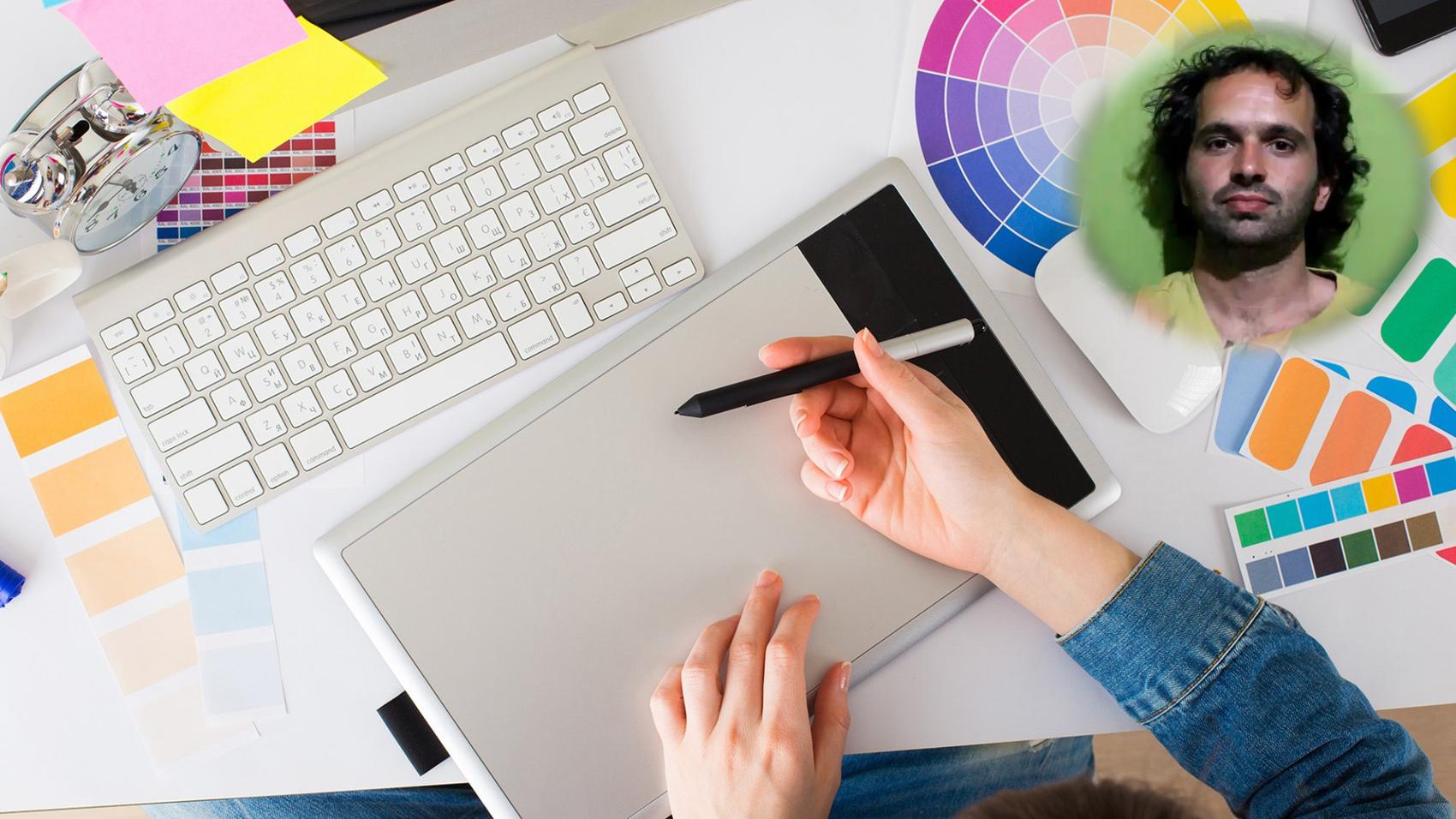
The hum of creativity pulses through the studio as the day begins, sunlight filtering through windows onto a desk scattered with sketchbooks, color swatches, and a well-worn tablet. For a graphic designer, no two days are ever quite the same, yet each one is a blend of inspiration, collaboration, and technical finesse. The pace is brisk but never chaotic, driven by deadlines and the ever-present challenge of transforming abstract ideas into striking visuals. Whether working solo or as part of a dynamic team, a graphic designer’s day is a seamless dance between imagination and execution, where every hour brings new opportunities to shape the visual language of brands, campaigns, and stories.
As the morning light brightens the workspace, the day starts with a quiet moment of preparation. The designer sips coffee while reviewing emails, client feedback, and the day’s project list. This is the time to revisit ongoing designs, assess priorities, and gather inspiration from mood boards or design blogs. Sketching out rough concepts or tweaking color palettes helps to ease into a creative mindset, setting the tone for a productive day ahead.
Mid-morning is when the real creative engine kicks into high gear. The designer dives into core projects, whether that means refining a brand logo, laying out a magazine spread, or developing digital assets for a marketing campaign. This is often the most focused period, with headphones on and distractions minimized. Virtual meetings or quick calls with clients and team members may punctuate the workflow, providing feedback or clarifying project goals, ensuring that the vision aligns with expectations before moving forward.
After lunch, the energy shifts toward collaboration and execution. The designer joins team meetings to discuss project progress, brainstorm solutions to design challenges, and coordinate with copywriters, developers, or marketing strategists. With feedback in hand, it’s back to the drawing board—literally or digitally—to implement revisions, finalize assets, and prepare files for delivery. The afternoon is a blend of creative problem-solving and technical precision, as projects move closer to completion.
As the day winds down, the designer reviews completed work, double-checks deliverables, and ensures that files are organized and backed up. This is also the time for administrative tasks like logging hours, responding to late emails, and updating project management tools. A few quiet moments are spent researching new design trends or sketching ideas for upcoming projects, laying the groundwork for tomorrow’s creative challenges. With a sense of accomplishment, the designer powers down, ready to recharge and return with fresh inspiration. |


 Home
Home Abroad
 Plan
Plan Philosophy
 Seminar
 Pages
Pages Advisors
 Testimonials













 Workshop
 Discuss
 Meet
Meet
 Advisor
 Story
Story
 Fine Print
 Links
Links
 Blog
Blog
 Follow
