The Journey of Media Graphics
What Is Media Graphics
Media Graphics

Media graphics refers to the creation and integration of visual elements such as images, animations, and typography for use in various media platforms. It combines artistic design with digital technology to communicate messages, enhance storytelling, and engage audiences across print, web, video, and interactive environments.
Media graphics play a crucial role in shaping how information is presented and consumed in today’s visually driven world. For professionals in this field, mastering media graphics means having the ability to influence perception, capture attention, and convey complex ideas quickly and effectively. One major benefit is the opportunity to work across diverse industries, from advertising to entertainment. Another advantage is the creative freedom to experiment with new technologies and styles, keeping the work dynamic and engaging. Additionally, strong media graphics skills can significantly boost a professional’s marketability, as businesses increasingly rely on compelling visuals to stand out in crowded digital spaces.
A media graphics professional working for a digital marketing agency might be tasked with designing a campaign for a new product launch. They would conceptualize and produce eye-catching social media posts, animated web banners, and short promotional videos, all tailored to the brand’s identity. By integrating consistent visual themes and engaging motion graphics, they ensure the campaign captures the target audience’s attention across multiple platforms. Their expertise in media graphics allows them to adapt designs for different formats, optimize visuals for mobile devices, and collaborate with copywriters and marketers to deliver a cohesive and impactful message that drives engagement and sales.
Education
Basic of Design

Basic of Design refers to the fundamental principles and elements that guide the creation and organization of visual content. These include concepts such as balance, contrast, alignment, repetition, proximity, and color theory. In Media Graphics, mastering these basics is essential for producing effective, visually appealing, and communicative designs in both academic and professional contexts.
Understanding the Basic of Design is crucial for anyone aspiring to excel in Media Graphics because it provides the essential framework upon which all creative decisions are made. Without a solid grasp of these principles, even the most imaginative ideas can fall flat due to poor execution. Mastery of design basics ensures that professionals can create work that is not only aesthetically pleasing but also functional and purposeful. This foundational knowledge enables designers to adapt to new trends, technologies, and client needs throughout their careers. Over time, a deep understanding of design fundamentals enhances problem-solving skills, fosters creative confidence, and opens doors to advanced roles and leadership opportunities within the media and graphics industry.
Imagine a media graphics professional tasked with designing a promotional poster for a new product launch. Drawing on their knowledge of Basic of Design, they carefully select a color palette that evokes the desired mood and aligns with the brand identity. They use principles of balance and alignment to arrange text and images in a way that guides the viewer’s eye naturally through the poster, ensuring key information stands out. By applying contrast and repetition, they create visual interest and reinforce brand recognition. This thoughtful application of design fundamentals not only results in an attractive poster but also ensures the message is communicated clearly and effectively to the target audience.
Reading and Research

Reading and Research refers to the systematic process of gathering, analyzing, and synthesizing information from various sources to inform understanding and decision-making. In Media Graphics, it underpins the ability to interpret trends, evaluate visual communication strategies, and apply theoretical frameworks, forming a critical component of academic and professional expertise.
A deep understanding of Reading and Research is essential for anyone pursuing a career in Media Graphics because it enables professionals to stay current with evolving design trends, technologies, and audience preferences. By mastering research skills, individuals can critically assess the effectiveness of visual content, draw inspiration from diverse sources, and justify creative choices with evidence-based reasoning. This foundational knowledge not only enhances the quality and originality of graphic work but also supports effective communication with clients and stakeholders. Over time, strong research abilities foster adaptability, innovation, and professional growth, ensuring that media graphics practitioners remain competitive and relevant in a rapidly changing industry.
Consider a media graphics professional tasked with developing a visual identity for a new brand. Before beginning the design process, they engage in thorough reading and research to understand the target audience, analyze competitors’ branding, and explore cultural trends influencing visual preferences. By reviewing academic articles, industry reports, and successful case studies, the designer identifies key elements that resonate with the intended demographic. This research-driven approach allows them to create graphics that are not only visually appealing but also strategically aligned with the brand’s goals. Throughout the project, their ability to synthesize information ensures that every design decision is purposeful and grounded in a solid understanding of the broader media landscape.
History of Graphics

History of Graphics is the study of visual communication’s evolution, tracing how images, symbols, and design principles have developed from ancient times to the digital era. This discipline provides essential context for understanding current trends and techniques, making it a foundational element in academic and professional Media Graphics education.
A solid grasp of the History of Graphics is crucial for anyone pursuing a career in Media Graphics because it offers insights into the origins and progression of visual styles, technologies, and communication methods. By understanding how past movements, such as Art Nouveau, Bauhaus, or the digital revolution, have shaped today’s visual language, professionals can make more informed creative decisions. This knowledge empowers designers to draw inspiration from historical sources, avoid unintentional repetition, and create work that resonates with contemporary audiences while respecting cultural and historical contexts. Over time, this foundational understanding enhances critical thinking, fosters innovation, and positions professionals as thoughtful contributors to the evolving field of visual communication.
Consider a media graphics professional tasked with designing a campaign for a retro-themed product launch. Their knowledge of the History of Graphics allows them to accurately reference and reinterpret visual elements from the relevant era, such as typography, color palettes, and layout styles. By applying this theoretical understanding, they ensure the campaign authentically captures the intended nostalgic feel, resonates with the target audience, and avoids anachronisms or clichés. This expertise not only elevates the quality of the final product but also demonstrates the designer’s ability to blend historical awareness with contemporary creativity, making their work stand out in a competitive marketplace.
Current Affairs

Current Affairs refers to the ongoing events, developments, and issues happening locally, nationally, and globally across various domains such as politics, economy, culture, science, and technology. For Media Graphics professionals, understanding Current Affairs is essential as it shapes the context, relevance, and messaging of visual content in both academic and professional settings.
Grasping Current Affairs is crucial for anyone in Media Graphics because it ensures that the visuals and messages they create are timely, relevant, and resonate with the intended audience. This knowledge allows professionals to anticipate trends, avoid outdated or insensitive content, and contribute meaningfully to public discourse. By staying informed, Media Graphics specialists can craft visuals that not only inform but also influence and inspire viewers. Over time, this habit of integrating current events into their work enhances credibility, fosters adaptability, and opens up opportunities for collaboration with news organizations, marketing agencies, and social campaigns. Ultimately, a strong command of Current Affairs empowers professionals to remain competitive and innovative in a rapidly evolving media landscape.
Imagine a Media Graphics designer working for a news outlet during a major international climate summit. Their understanding of Current Affairs enables them to quickly interpret the significance of the event and create infographics that accurately represent the latest agreements, statistics, and global reactions. By incorporating up-to-date information and relevant visual cues, the designer ensures that the audience receives clear, engaging, and trustworthy content. This not only aids public understanding but also positions the news outlet as a reliable source of information. The designer’s ability to respond swiftly and appropriately to unfolding events demonstrates the practical value of staying informed about Current Affairs in their daily workflow.
Rules and Regulations

Rules and Regulations refer to the established legal, ethical, and procedural standards that govern the creation, distribution, and use of media graphics. In both academic and professional contexts, understanding these guidelines is essential for ensuring compliance, protecting intellectual property, and maintaining ethical standards within the media graphics industry.
Learning about Rules and Regulations is crucial for anyone pursuing a career in media graphics because it provides the framework for responsible and lawful creative work. This knowledge helps professionals avoid legal pitfalls such as copyright infringement, plagiarism, and misuse of licensed content. It also ensures that media graphics adhere to industry standards, client requirements, and societal expectations. Mastery of these concepts builds credibility and trust with employers, clients, and audiences, while also fostering a culture of ethical practice. Over the long term, a strong grasp of rules and regulations supports career advancement by minimizing legal risks and enhancing professional reputation, making it an indispensable part of a media graphics professional’s foundational knowledge.
Consider a graphic designer working for an advertising agency who is tasked with creating a campaign for a major brand. The designer must ensure that all images, fonts, and design elements used are either original, properly licensed, or fall under fair use. By applying their understanding of rules and regulations, the designer carefully reviews licensing agreements and obtains necessary permissions before incorporating third-party assets. This diligence not only protects the agency from potential lawsuits and financial penalties but also upholds the brand’s reputation for ethical conduct. In daily operations, such awareness allows the designer to confidently navigate complex legal landscapes, ensuring that every project meets both creative and regulatory standards.
Skills
Artistic Sense

Artistic Sense is the innate or developed ability to perceive, interpret, and create visually appealing and meaningful compositions by understanding elements like color, balance, proportion, and style. In Media Graphics, it enables professionals to transform concepts into compelling visuals that effectively communicate messages and captivate audiences across diverse platforms.
Artistic Sense elevates the quality and impact of media graphics by ensuring each design resonates with its intended audience and fulfills its communicative purpose. Clients and employers highly value this skill because it distinguishes work that is not only technically proficient but also emotionally engaging and memorable. A strong Artistic Sense allows professionals to make informed choices about layout, color schemes, and visual hierarchy, resulting in graphics that stand out in competitive markets. Cultivating this skill involves continuous observation of visual trends, studying classic and contemporary art, seeking constructive feedback, and experimenting with different styles and mediums. Over time, consistent practice and critical analysis help refine one’s ability to intuitively create designs that are both aesthetically pleasing and strategically effective.
Imagine a media graphics designer tasked with creating a campaign for a new eco-friendly product. The initial drafts feel cluttered and fail to convey the product’s clean, natural ethos. Drawing on Artistic Sense, the designer reimagines the layout, opting for a minimalist approach with earthy tones and ample white space. This shift not only aligns the visuals with the brand’s values but also makes the message clearer and more appealing to environmentally conscious consumers. The client is impressed by how the revised graphics evoke the desired emotions and stand out in a crowded marketplace. In this scenario, Artistic Sense was crucial in diagnosing the problem and crafting a solution that led to the campaign’s success.
Analytical

Analytical refers to the ability to systematically examine information, identify patterns, interpret data, and draw meaningful conclusions. In Media Graphics, this skill enables professionals to assess visual trends, understand audience preferences, and make informed design choices. Analytical thinking ensures that creative decisions are grounded in logic and aligned with project objectives.
Analytical skills directly enhance a Media Graphics professional’s performance by enabling them to evaluate the effectiveness of visual elements, troubleshoot design challenges, and optimize workflows. Clients and employers highly value this skill because it leads to data-driven decisions, ensuring that creative work not only looks appealing but also achieves strategic goals. To cultivate analytical abilities, individuals should regularly review project outcomes, seek feedback, and stay updated on industry analytics. Engaging in critical reflection and learning from both successes and failures helps sharpen one’s analytical mindset over time, making it an indispensable asset in the fast-evolving media landscape.
Imagine a Media Graphics designer tasked with revamping a brand’s digital campaign after poor engagement results. By analyzing user interaction data and reviewing previous design choices, the professional identifies that certain color schemes and layouts failed to capture attention. Using this analytical insight, they redesign the visuals to better align with audience preferences and test multiple variations. The revised campaign sees a significant boost in engagement, demonstrating how analytical thinking not only solves immediate problems but also drives measurable success. This scenario highlights the importance of being able to interpret data and apply findings to creative solutions in real-world projects.
Technically sound and Software

"Technically sound and Software" refers to a professional’s comprehensive understanding of digital tools, platforms, and processes used in media graphics, combined with the ability to troubleshoot, adapt, and optimize workflows. This skill ensures seamless integration of creative ideas with technical execution, forming the backbone of efficient and innovative graphic production.
Being technically sound and proficient with software directly enhances a media graphics professional’s ability to deliver high-quality work efficiently. Clients and employers highly value this skill because it minimizes errors, reduces turnaround times, and ensures compatibility across various platforms and formats. Mastery of industry-standard software such as Adobe Creative Suite, along with a solid grasp of file management, color profiles, and export settings, allows professionals to meet diverse project requirements. Cultivating this skill involves continuous learning, staying updated with software updates, and engaging in hands-on practice. Over time, professionals who invest in technical growth become more adaptable, resourceful, and capable of tackling complex creative challenges.
Imagine a scenario where a media graphics designer is tasked with delivering a multi-platform advertising campaign under a tight deadline. Midway through the project, the client requests last-minute changes that require reformatting graphics for both print and digital use. The designer’s technical proficiency enables them to quickly adjust color profiles, resize assets without loss of quality, and export files in the correct formats for each platform. By leveraging advanced features in their software and troubleshooting compatibility issues on the fly, the designer not only meets the deadline but also ensures the final deliverables are polished and consistent across all media. This technical expertise proves crucial in maintaining client satisfaction and project success.
Time Management

Time management is the process of organizing and planning how to divide your time between specific activities to maximize efficiency and productivity. In Media Graphics, it ensures that creative projects are completed within deadlines, resources are allocated wisely, and multiple tasks are balanced without compromising quality or client expectations.
Mastering time management directly enhances a Media Graphics professional’s ability to deliver high-quality work on schedule, even when juggling multiple projects or tight deadlines. Clients and employers highly value this skill because it leads to reliable delivery, fewer last-minute crises, and a smoother workflow, which ultimately builds trust and reputation. To cultivate time management, professionals can start by setting clear priorities, breaking projects into manageable phases, and regularly reviewing progress to adjust plans as needed. Over time, consistent practice and reflection help refine these habits, allowing individuals to anticipate challenges, allocate resources more effectively, and maintain a healthy balance between creativity and productivity.
Imagine a Media Graphics designer working on a major advertising campaign with a strict launch date. Midway through the project, the client requests significant changes to the visual concept. By applying strong time management skills, the designer quickly reassesses the project timeline, reallocates hours to accommodate revisions, and communicates updated milestones to both the client and team members. This proactive approach prevents delays, ensures the revised graphics meet quality standards, and maintains the client’s confidence. Without effective time management, the designer might miss the deadline or deliver subpar work, but by staying organized and adaptable, the project is completed successfully and on time.
Positives
Easy to Enter

"Easy to Enter" means that starting a career in media graphics does not require extensive formal education, expensive equipment, or years of prior experience. With accessible tools, online resources, and a welcoming community, newcomers can quickly learn essential skills and begin building a portfolio, opening doors to creative opportunities. This accessibility empowers individuals from diverse backgrounds to pursue their passion for visual storytelling without significant barriers. As a result, the field thrives on fresh perspectives and innovation, making it an exciting and dynamic profession for those eager to express their creativity and grow.
The easy entry into media graphics is a significant advantage because it lowers the threshold for participation, allowing more people to discover and develop their creative talents. This inclusivity fosters a vibrant, diverse community where ideas and inspiration flow freely. Professionals benefit from the ability to quickly transition from learning to doing, which accelerates skill development and builds confidence. The sense of immediate progress and achievement enhances job satisfaction, as individuals see tangible results from their efforts early on. This dynamic also encourages ongoing growth, as professionals are motivated to experiment, collaborate, and continuously improve. Every day, media graphics professionals experience the satisfaction of turning creative ideas into visual realities, knowing they belong to a field that values accessibility and innovation.
Consider a young designer who discovers a passion for digital art through free online tutorials and accessible design software. Without needing a formal degree or expensive tools, they start creating graphics for social media and small businesses in their community. As their skills improve, they build an impressive portfolio and attract more clients, eventually landing a full-time role at a creative agency. The ease of entry allowed them to transform their interest into a rewarding career, experiencing the joy of creative expression and professional growth. This journey highlights how the welcoming nature of media graphics empowers individuals to pursue their dreams and make a meaningful impact, regardless of their starting point.
Growth Opporunity
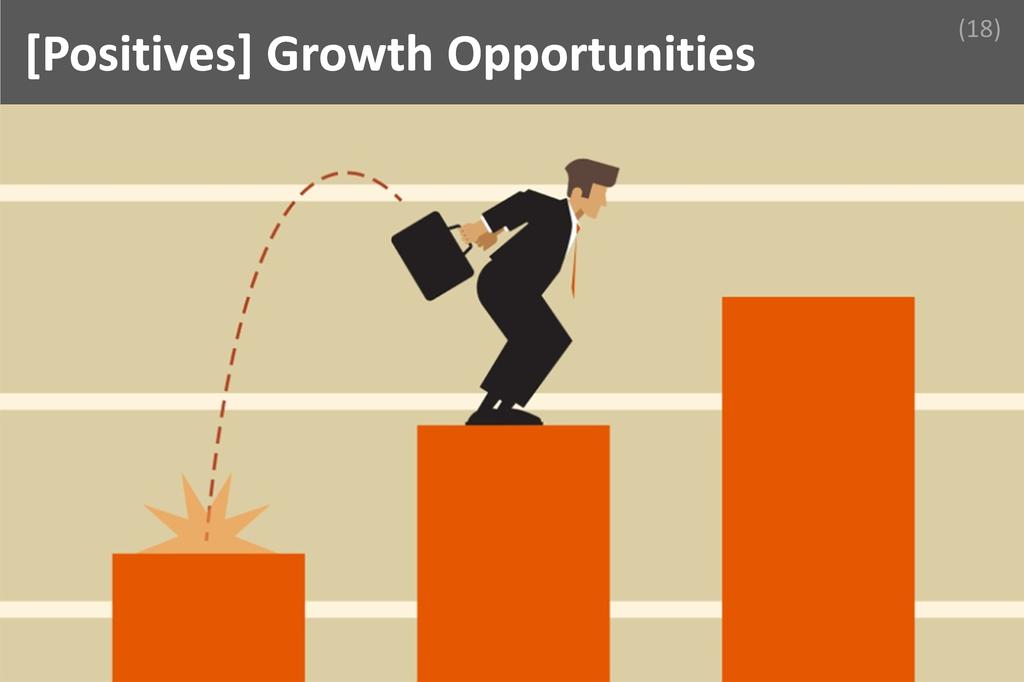
Growth opportunity refers to the potential for continuous personal and professional development, skill enhancement, and career advancement within a chosen field. In media graphics, this means the chance to learn new technologies, adapt to evolving trends, and expand creative abilities, all of which contribute to a dynamic and fulfilling career path.
The presence of growth opportunity in media graphics is a powerful motivator for professionals. It ensures that every project brings a chance to learn something new, whether it’s mastering a cutting-edge design tool or exploring innovative visual storytelling techniques. This constant evolution keeps the work exciting and prevents stagnation, making each day unique and engaging. As professionals see their skills and portfolios expand, their confidence and job satisfaction naturally increase. The industry’s fast-paced nature means that those who embrace growth are often rewarded with promotions, leadership roles, or the ability to branch into specialized areas. Ultimately, growth opportunity transforms a job into a lifelong journey of discovery and achievement, making media graphics an exceptionally rewarding field.
Imagine a graphic designer who starts their career creating simple social media graphics. As they embrace new challenges and seek out learning opportunities, they begin experimenting with motion graphics and interactive media. Over time, their expanding skill set allows them to take on more complex projects, such as designing immersive digital experiences for major brands. This journey not only brings recognition and career advancement but also a deep sense of fulfillment. Each new project becomes a testament to their growth, fueling their passion and inspiring them to push creative boundaries even further. In this way, growth opportunity becomes the driving force behind both personal satisfaction and professional success in media graphics.
Good Pay Scale

A "Good Pay Scale" refers to a compensation structure that offers competitive salaries, regular increments, and financial rewards that reflect the skill, creativity, and expertise required in a profession. In media graphics, a good pay scale ensures that professionals are fairly compensated for their innovative work, technical proficiency, and artistic contributions. This positive aspect not only acknowledges the value of their creative output but also motivates individuals to continually refine their skills and stay updated with industry trends. Ultimately, a good pay scale in media graphics serves as a powerful incentive, attracting talented individuals and fostering a culture of excellence within the field.
The presence of a good pay scale in media graphics significantly enhances job satisfaction and professional growth. When individuals know that their creative efforts and technical skills are rewarded with competitive salaries, they feel valued and motivated to push their boundaries. This financial recognition allows professionals to invest in further education, attend industry events, and upgrade their tools, all of which contribute to personal and career development. Moreover, a good pay scale reduces financial stress, enabling media graphics professionals to focus on producing high-quality work. The daily experience of being well-compensated fosters a sense of pride and loyalty, encouraging long-term commitment to the field and inspiring continuous innovation.
Consider a media graphics designer working at a leading advertising agency. After successfully delivering a visually stunning campaign that drives significant client engagement, the designer receives a substantial salary increase and a performance bonus. This recognition not only boosts their confidence but also provides the financial means to enroll in advanced design courses and purchase the latest graphic software. The designer feels genuinely appreciated and motivated to take on more challenging projects, knowing that their hard work directly translates into tangible rewards. This cycle of recognition and reward creates a fulfilling professional environment, where the designer’s passion and dedication are continually nurtured by a good pay scale.
Job Satisfaction

Job satisfaction is the sense of fulfillment, pride, and happiness that comes from engaging in work that aligns with personal values, skills, and interests, while also providing recognition and opportunities for growth. In the field of Media Graphics, job satisfaction is a driving force that fuels creativity and professional enthusiasm, making each project meaningful and rewarding.
The positive aspect of job satisfaction in Media Graphics is significant because it transforms daily tasks into opportunities for creative expression and personal achievement. When professionals feel satisfied, they are more motivated to push creative boundaries, collaborate effectively, and deliver high-quality work. This satisfaction not only enhances individual well-being but also contributes to a positive workplace culture, where innovation thrives and ideas are valued. As a result, professionals experience continuous growth, both in their technical abilities and their confidence. The sense of accomplishment that comes from seeing one’s designs make an impact—whether in advertising, digital media, or branding—reinforces the desire to excel and fosters a lifelong passion for the craft.
Imagine a media graphics designer tasked with creating a visual campaign for a nonprofit organization. After weeks of brainstorming, designing, and refining, the final graphics are launched and quickly gain traction online, helping the organization reach its fundraising goals. The designer receives heartfelt feedback from the client, who credits the campaign’s success to the compelling visuals. This moment of recognition and the tangible impact of their work provide the designer with a deep sense of job satisfaction. Knowing that their creative skills contributed to a meaningful cause not only boosts their confidence but also reaffirms their passion for the profession, making every challenge along the way worthwhile.
Challenges
Competition

Competition in Media Graphics refers to the constant rivalry among professionals and agencies striving to secure projects, clients, and recognition in a rapidly evolving industry. This challenge is demanding because it requires individuals to consistently deliver innovative, high-quality work while adapting to new technologies and meeting ever-changing client expectations.
The pressure of competition in Media Graphics can influence daily work by fostering a sense of urgency and the need for continuous improvement. Professionals may experience stress as they strive to stand out in a crowded marketplace, often working long hours to refine their portfolios and skills. This environment demands resilience, as setbacks and rejections are common. Successful individuals manage this constraint by embracing lifelong learning, networking with peers, and staying updated on industry trends. They also focus on building a unique personal brand, which helps them differentiate their work and attract opportunities. By remaining adaptable and proactive, they turn competition into motivation, using it as a catalyst for growth rather than a source of discouragement.
Consider a freelance graphic designer who notices a decline in client inquiries due to an influx of new talent in the market. Instead of feeling defeated, the designer analyzes current trends and invests time in mastering motion graphics, a skill that is increasingly in demand. They update their portfolio to showcase these new capabilities and actively engage with online design communities to expand their network. As a result, the designer not only regains their competitive edge but also attracts clients seeking specialized expertise. This proactive approach demonstrates how embracing competition and adapting to industry shifts can lead to renewed success and professional growth in the field of Media Graphics.
High Pressure

High pressure in Media Graphics refers to the intense demand for rapid, high-quality visual content under tight deadlines, frequent revisions, and evolving client expectations. This environment is demanding because it requires creative excellence, technical precision, and adaptability, all while managing multiple projects and collaborating with diverse teams in fast-paced settings.
The high-pressure environment in Media Graphics can lead to stress, creative fatigue, and decreased productivity if not managed properly. Professionals often face overlapping deadlines, last-minute changes, and the need to consistently deliver visually compelling work. This constant demand tests their resilience and ability to prioritize tasks efficiently. Successful media graphics professionals develop strong time management skills, maintain open communication with clients and colleagues, and set realistic expectations for deliverables. They also invest in self-care and continuous learning to stay motivated and adaptable. By fostering a supportive work culture and leveraging collaborative tools, they can navigate high-pressure situations with greater confidence and maintain the quality of their creative output.
Consider a graphic designer working for a digital marketing agency during a major product launch. The client requests multiple campaign assets with only a few days’ notice, and feedback cycles are rapid and demanding. Despite the mounting pressure, the designer organizes their workflow, communicates proactively with the client to clarify priorities, and collaborates closely with copywriters and project managers. By breaking the project into manageable tasks and taking short breaks to recharge, the designer maintains both creativity and accuracy. The campaign launches on time, exceeding client expectations, and the designer’s ability to manage high pressure not only ensures project success but also strengthens their professional reputation within the agency.
A Day Of
Media Graphics
The hum of computers and the glow of dual monitors set the stage for a day that’s anything but routine in the world of Media Graphics. Here, creativity collides with deadlines, and every project is a new puzzle to solve. The pace is brisk, fueled by the constant interplay of inspiration and technical precision. Whether it’s crafting eye-catching visuals for a digital campaign or fine-tuning animations for a client presentation, a media graphics professional navigates a landscape where artistry and efficiency must go hand in hand. Each day unfolds as a dynamic blend of solitary focus and collaborative energy, all within an environment that thrives on innovation and adaptability.
As the day begins, the studio is quiet except for the soft click of a mouse and the gentle hum of brainstorming. This is the time to review the day’s agenda, scan through emails from clients or team leads, and revisit ongoing projects with fresh eyes. Mood boards are updated, inspiration folders are browsed, and design software is launched. Early morning is all about setting priorities, organizing assets, and mentally mapping out the creative flow that will guide the rest of the day.
By mid-morning, the real creative engine kicks into high gear. This is when the bulk of design work happens—sketching out concepts, refining layouts, and bringing static ideas to life through motion graphics or interactive elements. Video calls with clients or creative directors often take place during this window, providing feedback and direction that shape the next iteration. The energy is palpable as deadlines loom and the pressure to deliver compelling visuals intensifies, pushing both technical skills and artistic instincts to the forefront.
The afternoon ushers in a wave of collaboration and execution. Team meetings fill the calendar, offering a chance to align on project milestones, troubleshoot design challenges, and share progress updates. This is also the time for hands-on production—rendering final assets, exporting files for review, and integrating feedback from earlier sessions. The studio buzzes with conversation and the steady rhythm of creative output, as everyone works in tandem to ensure deliverables are on track.
As the day winds down, attention shifts to wrapping up loose ends and preparing for what’s next. Files are organized, project management platforms are updated, and notes are jotted down for tomorrow’s priorities. There’s often a final review of the day’s work, making last-minute tweaks or adjustments before sending assets off for approval. The evening is also a time for research—scanning design blogs, exploring new tools, and gathering inspiration to fuel future projects. With a sense of accomplishment, the studio lights dim, ready to spark creativity anew the next morning. |


 Home
Home Abroad
 Plan
Plan Philosophy
 Seminar
 Pages
Pages Advisors
 Testimonials










 Workshop
 Discuss
 Meet
Meet
 Advisor
 Story
Story
 Fine Print
 Links
Links
 Blog
Blog
 Follow
