The Journey of Visual Designing
What Is Visual Designing
Visual Designing
Visual designing is the art and practice of creating engaging, effective visual content for digital and print media. It combines principles of graphic design, color theory, typography, and layout to communicate messages, enhance user experiences, and solve problems through visual solutions that align with brand identity and project goals.
Visual designing plays a crucial role in shaping how information is perceived and understood in today’s visually driven world. For professionals, it offers the opportunity to influence brand recognition, user engagement, and overall communication effectiveness. The impact of strong visual design is evident in increased audience trust, improved usability of products or websites, and the ability to convey complex ideas quickly and memorably. By mastering visual design, professionals can set themselves apart in competitive industries, foster creative problem-solving skills, and contribute to the success of marketing, advertising, and product development initiatives. The benefits extend beyond aesthetics, as effective visual design drives business growth, enhances customer satisfaction, and supports cohesive brand storytelling.
A visual designer working for a technology startup might be tasked with creating the user interface for a new mobile application. They begin by researching the target audience and analyzing competitors’ designs to ensure their approach is both unique and user-friendly. Using tools like Adobe XD or Figma, the designer develops wireframes and high-fidelity mockups, carefully selecting color schemes, typography, and iconography that align with the company’s brand guidelines. Throughout the process, they collaborate with developers and product managers to refine the design, ensuring it is both visually appealing and functional. The final product not only looks professional but also provides an intuitive, enjoyable user experience that helps the startup attract and retain customers.
Education
Principles of Design
Principles of Design are the fundamental guidelines that govern how visual elements are arranged and interact within a composition. They include concepts such as balance, contrast, emphasis, movement, pattern, rhythm, and unity. Mastering these principles is essential in both academic study and professional practice within the field of Visual Designing.
Understanding the Principles of Design is vital for anyone pursuing a career in Visual Designing because these principles form the backbone of effective visual communication. They enable designers to create work that is aesthetically pleasing, functional, and purposeful. Mastery of these concepts ensures that a designer can solve visual problems creatively and consistently, regardless of the medium or project scope. Over time, a strong grasp of design principles enhances a professional’s ability to adapt to new trends, collaborate with multidisciplinary teams, and articulate design decisions to clients or stakeholders. This foundational knowledge not only improves the quality of work but also increases career longevity and opens doors to advanced roles within the creative industry.
Consider a visual designer tasked with creating a promotional poster for a new product launch. By applying the Principles of Design, the designer strategically uses contrast to make the product image stand out against the background, employs balance to distribute visual weight evenly, and leverages emphasis to draw attention to the call-to-action. The designer’s understanding of unity ensures that all elements—typography, imagery, and color—work harmoniously to convey a cohesive message. Throughout the process, the designer continually references these principles to make informed decisions, resulting in a visually compelling and effective poster that captures the audience’s attention and communicates the intended message clearly.
Drawing Knowledge
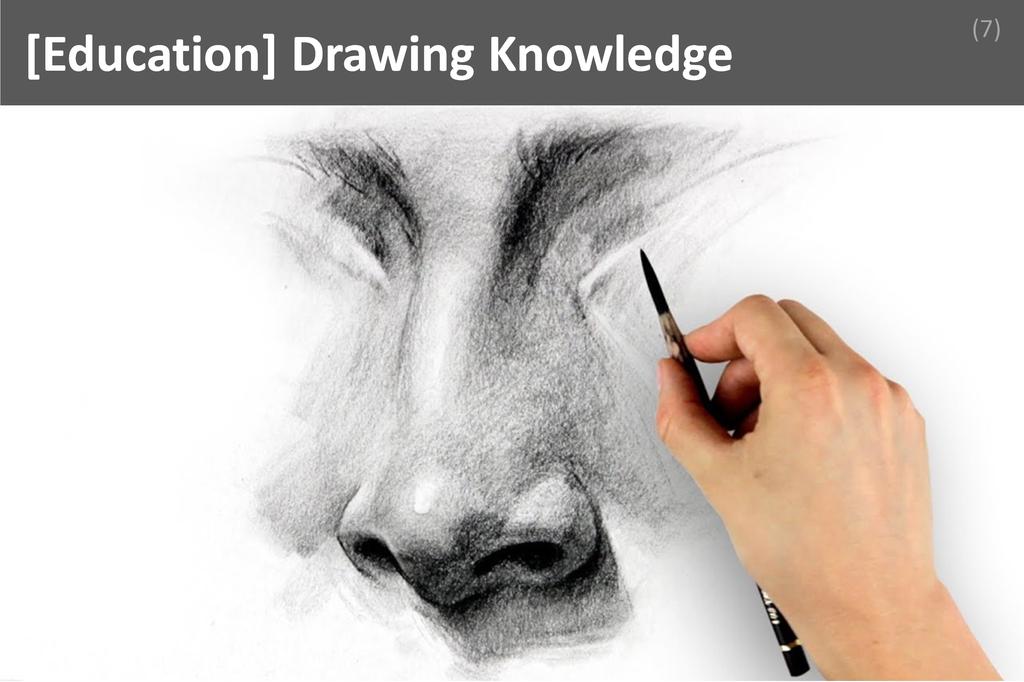
Drawing Knowledge refers to the comprehensive understanding of visual representation, including the principles, techniques, and tools used to depict objects, spaces, and ideas on a two-dimensional surface. In Visual Designing, it forms a critical academic and professional foundation, enabling designers to communicate concepts clearly and effectively through visual language.
A strong grasp of Drawing Knowledge is essential for anyone pursuing a career in Visual Designing because it underpins the ability to visualize and communicate ideas with precision. Mastery of drawing principles such as perspective, proportion, shading, and composition allows designers to create compelling visuals that resonate with audiences and clients. This foundational knowledge not only enhances creativity but also improves problem-solving skills, as designers can quickly sketch solutions and iterate on concepts. Over time, professionals with solid drawing skills find it easier to adapt to new design tools and trends, collaborate with multidisciplinary teams, and articulate their ideas confidently. Ultimately, Drawing Knowledge serves as a lifelong asset, supporting career growth and innovation in the ever-evolving field of visual design.
Consider a visual designer tasked with creating a branding campaign for a new product. During the initial brainstorming phase, the designer uses their Drawing Knowledge to sketch rough concepts by hand, exploring different logo ideas, layouts, and visual motifs. This ability to quickly translate abstract thoughts into tangible visuals allows for efficient communication with clients and team members, facilitating feedback and refinement. As the project progresses, the designer’s understanding of perspective and composition ensures that the final digital renderings are visually balanced and engaging. By applying theoretical drawing principles throughout the process, the designer not only streamlines their workflow but also elevates the overall quality and impact of the campaign’s visual identity.
Designing Tools

Designing Tools refers to the software, hardware, and digital platforms used to create, edit, and refine visual content. In visual designing, these tools are essential for translating creative concepts into tangible outputs, making them a fundamental part of both academic learning and professional practice within the field.
Understanding designing tools is crucial for anyone aspiring to excel in visual designing because these tools serve as the primary medium through which creative ideas are realized. Mastery of industry-standard applications and platforms enables designers to efficiently execute projects, collaborate with teams, and adapt to evolving design trends. This foundational knowledge not only enhances technical proficiency but also fosters creative problem-solving and innovation. Over time, professionals who are adept at using a variety of designing tools are better positioned to take on complex projects, respond to client needs with agility, and remain competitive in a rapidly changing industry. Ultimately, a strong command of designing tools is a key driver of career growth and long-term success in visual design.
Consider a visual designer working for a digital marketing agency who is tasked with creating a brand campaign. Drawing on their theoretical understanding of designing tools, the designer selects the most appropriate software for vector illustration, photo editing, and layout composition. Throughout the project, they seamlessly switch between applications, optimizing images, adjusting color schemes, and ensuring consistency across all campaign materials. Their expertise allows them to troubleshoot technical issues, experiment with advanced features, and deliver high-quality visuals under tight deadlines. By leveraging their knowledge of designing tools, the designer not only meets the client’s expectations but also contributes innovative ideas that enhance the overall impact of the campaign.
Current Trends

Current Trends refers to the prevailing styles, techniques, technologies, and visual languages that are widely adopted and influential in the field of visual design at a given time. Understanding these trends is essential for both academic study and professional practice, ensuring designers remain relevant and competitive in a rapidly evolving industry.
Learning about current trends is vital for visual designers because it equips them with the awareness and adaptability needed to meet client expectations and industry standards. By staying informed about what is popular and effective, designers can create work that resonates with contemporary audiences and aligns with market demands. This knowledge forms a foundational base, allowing professionals to innovate while maintaining relevance. Over the long term, understanding trends helps designers anticipate shifts in visual culture, adapt their skills to new tools and platforms, and position themselves as forward-thinking experts. This adaptability not only enhances employability but also fosters creative growth and leadership within the design community.
Imagine a visual designer working at a digital marketing agency who is tasked with creating a new brand identity for a tech startup. By leveraging their understanding of current trends, such as minimalist aesthetics, bold typography, and the use of vibrant gradients, the designer crafts a visual language that feels modern and engaging. During the design process, they reference recent successful campaigns and incorporate elements that are gaining traction in the industry, ensuring the brand stands out while appealing to its target audience. This application of trend awareness not only satisfies the client’s desire for a contemporary look but also demonstrates the designer’s expertise in aligning creative solutions with the evolving expectations of the market.
Skills
Aesthetic Sense

Aesthetic Sense is the innate or developed ability to perceive, appreciate, and create visual harmony, balance, and beauty in design. It involves understanding how elements like color, form, space, and typography interact to evoke emotions and communicate messages effectively. In visual design, this skill ensures compelling and impactful outcomes.
Aesthetic Sense directly enhances a visual designer’s performance by enabling them to craft visually appealing and coherent designs that resonate with audiences. Clients and employers highly value this skill because it distinguishes professional work from amateur efforts, ensuring that branding, marketing materials, and user interfaces are both attractive and functional. Cultivating Aesthetic Sense involves continuous observation of design trends, studying art and design principles, and seeking constructive feedback. Over time, designers refine their intuition for what works visually by experimenting with different styles, analyzing successful projects, and remaining open to inspiration from diverse sources. This ongoing development allows them to consistently deliver designs that not only meet functional requirements but also leave a memorable impression.
Imagine a visual designer tasked with revamping a company’s website that suffers from high bounce rates due to a cluttered and outdated appearance. Drawing on their Aesthetic Sense, the designer identifies which elements disrupt visual harmony and reimagines the layout with balanced spacing, a cohesive color palette, and modern typography. By intuitively arranging content and visuals, the designer creates a more inviting and user-friendly interface. As a result, visitors find the site easier to navigate and more visually appealing, leading to increased engagement and longer browsing sessions. In this scenario, the designer’s Aesthetic Sense is the key factor in transforming a failing website into a successful digital experience.
Imagination & Visualization

Imagination & Visualization is the ability to mentally create, manipulate, and explore images, concepts, and scenarios before bringing them to life. For a visual designer, this skill enables the transformation of abstract ideas into compelling visual solutions, forming the foundation for innovative, effective, and engaging design work across various media.
Imagination & Visualization directly enhances a visual designer’s performance by allowing them to conceptualize unique solutions, anticipate design challenges, and communicate ideas clearly to clients and team members. Employers and clients highly value this skill because it leads to original, tailored outcomes that stand out in competitive markets. Cultivating this ability involves regular practice in sketching, mood boarding, and experimenting with different styles and mediums. Engaging with diverse sources of inspiration, such as art, nature, and technology, also helps expand creative horizons. Over time, consistent effort in visual thinking and creative exploration sharpens the mind’s eye, enabling designers to quickly generate and refine ideas that meet both aesthetic and functional requirements.
Imagine a visual designer tasked with rebranding a company whose image has become outdated. The client wants a fresh, modern look but struggles to articulate their vision. The designer draws upon their imagination and visualization skills to mentally explore various color palettes, logo shapes, and typography combinations. By visualizing how these elements interact across different platforms—such as websites, packaging, and social media—the designer can present a cohesive concept that resonates with the client’s goals. This ability to foresee the end result, adapt ideas on the fly, and communicate them effectively not only solves the client’s challenge but also establishes the designer as a creative problem-solver and trusted partner.
Storytelling

Storytelling is the art of conveying ideas, emotions, and information through a structured narrative that engages and connects with an audience. In visual designing, storytelling transforms static visuals into meaningful experiences, allowing designers to communicate messages effectively, evoke emotions, and guide viewers through a purposeful journey within their work.
Mastering storytelling as a visual designer elevates the impact of every project by ensuring that each design element serves a clear purpose within a cohesive narrative. This skill enables designers to craft visuals that resonate with audiences, making messages more memorable and persuasive. Clients and employers highly value storytelling because it bridges the gap between abstract concepts and tangible outcomes, helping brands connect authentically with their target audiences. To cultivate storytelling, designers should study narrative techniques, observe how stories are told across different media, and practice weaving narratives into their own projects. Over time, consistent reflection and feedback help refine this skill, making it an integral part of a designer’s creative process.
Imagine a visual designer tasked with rebranding a nonprofit organization struggling to attract donors. Rather than simply updating the logo and color palette, the designer delves into the nonprofit’s mission and the stories of people it has helped. By integrating these real-life narratives into the visual identity—through imagery, typography, and layout—the designer crafts a compelling story that highlights the organization’s impact. This narrative-driven approach not only revitalizes the brand’s appearance but also forges a deeper emotional connection with potential donors. As a result, the nonprofit experiences increased engagement and support, demonstrating how storytelling can be the key to solving critical challenges and achieving meaningful success in visual design.
Drawing Skills
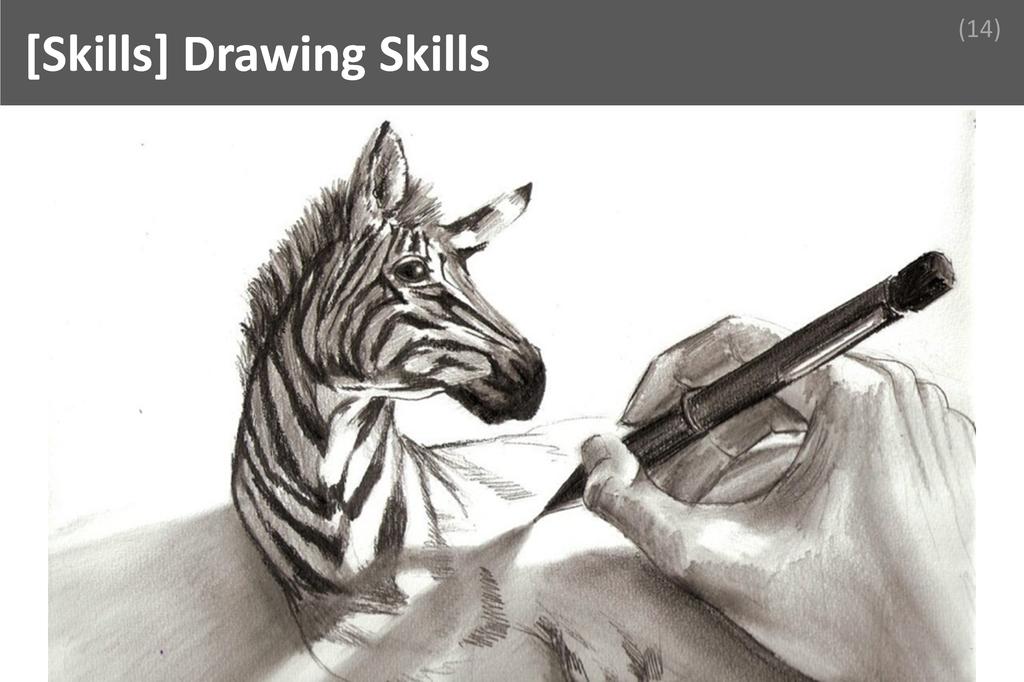
Drawing skills refer to the ability to visually represent ideas, concepts, and objects using lines, shapes, and shading, either by hand or digitally. In visual designing, drawing skills enable professionals to quickly communicate concepts, explore creative solutions, and lay the foundation for compelling visual compositions that resonate with audiences.
Mastering drawing skills directly enhances a visual designer’s ability to conceptualize and iterate on ideas with speed and clarity. Clients and employers highly value this skill because it allows designers to translate abstract thoughts into tangible visuals, ensuring that creative visions are accurately communicated and understood. Drawing skills also foster better collaboration, as sketches and drafts can bridge gaps between team members and stakeholders. Over time, one can cultivate this skill through consistent practice, studying anatomy and perspective, and experimenting with different mediums and techniques. Engaging in life drawing sessions, analyzing the work of skilled illustrators, and seeking constructive feedback are effective ways to refine one’s drawing abilities and integrate them seamlessly into the design process.
Imagine a visual designer working on a branding project for a new startup. During a crucial client meeting, the team encounters a creative block when trying to visualize a unique logo concept that captures the brand’s identity. The designer quickly sketches several logo ideas on paper, experimenting with shapes and typography in real time. These hand-drawn drafts help the client and team visualize abstract concepts, sparking productive discussion and immediate feedback. The ability to draw on the spot not only accelerates the decision-making process but also demonstrates the designer’s creative agility and problem-solving skills. Ultimately, the chosen sketch evolves into a successful logo, highlighting the indispensable role of drawing skills in achieving project goals.
Sense of Humour
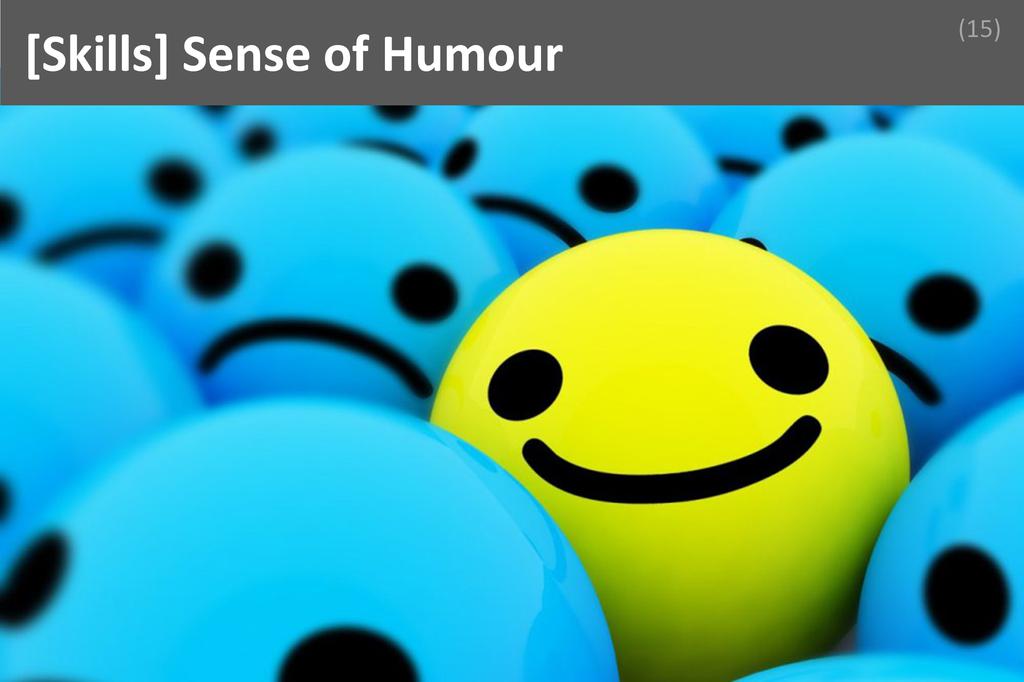
A sense of humour is the ability to perceive, appreciate, or express what is amusing, playful, or witty in situations, communication, or design. In visual designing, it helps professionals connect with audiences, diffuse tension, and foster creativity, making their work more engaging, relatable, and memorable in a competitive field.
A well-developed sense of humour enhances a visual designer’s ability to approach challenges with creativity and resilience. It encourages innovative thinking, making it easier to generate fresh ideas and unique concepts that stand out. Clients and employers value designers who can inject levity into their work, as humour often makes designs more approachable and memorable, increasing audience engagement. Additionally, a light-hearted attitude can ease collaboration and communication within teams, especially during high-pressure projects. To cultivate this skill, designers can expose themselves to diverse comedic styles, observe how humour is used effectively in visual media, and practice incorporating playful elements into their own work, all while remaining sensitive to context and audience.
Imagine a visual designer working on a campaign for a brand facing negative public perception. During brainstorming sessions, tensions run high as the team struggles to find a positive direction. The designer uses their sense of humour to lighten the mood, suggesting playful visual metaphors that reframe the brand’s challenges in a more optimistic light. This approach not only breaks the creative deadlock but also inspires the team to develop a campaign that uses witty, self-aware visuals to address the brand’s issues head-on. The resulting work resonates with audiences, turning criticism into conversation and ultimately restoring the brand’s image, all thanks to the designer’s ability to use humour strategically and thoughtfully.
Communication

Communication is the process of exchanging information, ideas, and emotions through verbal, non-verbal, and visual means to achieve mutual understanding. In visual designing, communication bridges the gap between creative concepts and practical execution, ensuring that the designer’s vision aligns with client expectations and resonates effectively with the intended audience.
Strong communication skills enable visual designers to articulate their ideas clearly, interpret client feedback accurately, and collaborate efficiently with team members. This skill directly improves project outcomes by minimizing misunderstandings and streamlining the design process. Clients and employers highly value designers who can present concepts persuasively and respond constructively to critique, as this fosters trust and smooth project progression. Cultivating communication skills involves active listening, practicing clear and concise expression, and seeking feedback to refine one’s approach. Over time, engaging in collaborative projects and presenting work to diverse audiences helps designers become more adept at tailoring their message and understanding different perspectives.
Imagine a visual designer working on a branding project for a new startup. The client provides vague feedback, expressing dissatisfaction with the initial logo concepts but struggling to articulate their vision. The designer leverages strong communication skills by asking targeted questions, paraphrasing the client’s concerns, and presenting visual references to clarify preferences. Through this open dialogue, the designer uncovers the client’s desire for a more modern and minimalist aesthetic. By effectively interpreting and responding to feedback, the designer revises the concepts to better align with the client’s goals, ultimately delivering a successful outcome that satisfies both the client and the project’s objectives. This scenario highlights how communication is pivotal in resolving ambiguity and achieving design success.
Reading Skills

Reading skills refer to the ability to comprehend, interpret, and analyze written information efficiently and accurately. In visual designing, these skills enable professionals to understand project briefs, design guidelines, client feedback, and industry trends. Mastery of reading skills ensures that designers can translate written requirements into effective visual solutions, making them indispensable.
Strong reading skills directly enhance a visual designer’s performance by ensuring that every aspect of a project’s requirements is fully understood and accurately implemented. Clients and employers highly value designers who can quickly grasp complex briefs, interpret style guides, and stay updated with the latest design literature. This ability minimizes miscommunication, reduces costly revisions, and leads to more effective collaboration. To cultivate reading skills, designers should regularly engage with diverse written materials, from technical documentation to creative articles, and practice summarizing or discussing what they have read. Over time, this habit sharpens comprehension and analytical abilities, making it easier to extract key information and apply it to design tasks.
Imagine a visual designer tasked with creating a brand identity for a new client. The client provides a detailed document outlining their vision, target audience, and specific preferences. By carefully reading and interpreting this document, the designer identifies subtle nuances, such as preferred color palettes and tone of communication, that are not explicitly stated but implied. This attention to detail allows the designer to craft visuals that perfectly align with the client’s expectations. When the client reviews the initial concepts, they are impressed by how accurately the designs reflect their brand’s personality, leading to a successful project outcome. In this scenario, the designer’s reading skills were crucial in bridging the gap between written instructions and creative execution.
Patience

Patience is the ability to remain calm, composed, and persistent when facing delays, challenges, or setbacks, without becoming frustrated or giving up. In visual designing, patience allows professionals to thoughtfully refine their work, absorb feedback, and iterate on ideas, ensuring that the final product meets both creative and functional expectations.
Patience directly enhances a visual designer’s performance by fostering a mindset that embraces the iterative nature of the creative process. Projects often require multiple revisions, client feedback, and unexpected changes in direction. Employers and clients highly value designers who can handle these demands without rushing or compromising quality. A patient designer is more likely to produce thoughtful, well-crafted solutions and maintain positive working relationships. Cultivating patience involves practicing mindfulness, setting realistic expectations, and viewing setbacks as opportunities for growth. Over time, consistently approaching challenges with a calm and open attitude helps designers build resilience and adaptability, both of which are crucial for long-term success in the field.
Imagine a visual designer working on a brand identity project for a major client. After several rounds of drafts and presentations, the client requests significant changes that require rethinking the entire color palette and logo concept. Instead of reacting with frustration, the designer takes a step back, carefully considers the feedback, and methodically explores new directions. By patiently revisiting the research phase and experimenting with fresh ideas, the designer not only meets the client’s expectations but also discovers a more innovative solution. This approach not only resolves the immediate challenge but also strengthens the client’s trust, demonstrating that patience can turn setbacks into opportunities for creative growth and professional success.
Positives
Creative Satisfaction
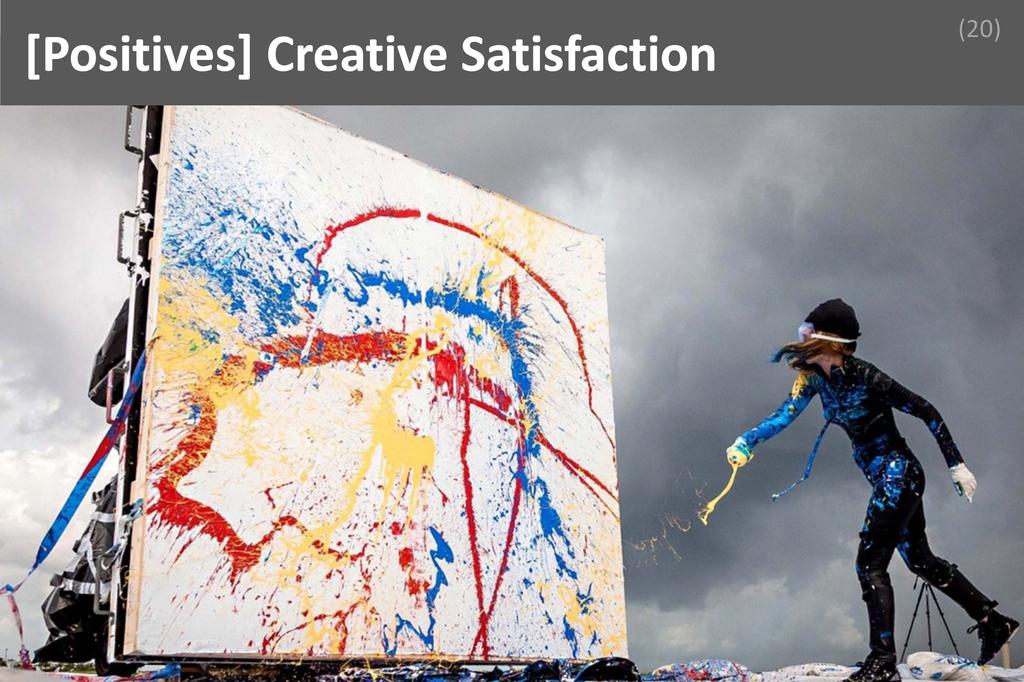
Creative satisfaction is the deep sense of fulfillment and joy that arises from expressing ideas, solving problems, and bringing imaginative concepts to life through one’s work. In visual designing, this satisfaction emerges as designers transform abstract thoughts into visually compelling solutions, making their unique mark while positively impacting audiences and clients.
Creative satisfaction is a cornerstone of a rewarding career in visual designing because it fuels motivation, engagement, and a sense of purpose. When designers feel creatively fulfilled, they are more likely to approach challenges with enthusiasm and resilience, leading to higher job satisfaction and personal growth. This positive energy often translates into innovative work, as professionals are inspired to push boundaries and refine their skills. Experiencing creative satisfaction daily helps designers maintain passion for their craft, fosters a collaborative spirit, and encourages lifelong learning. Ultimately, this benefit not only enhances individual well-being but also elevates the quality and impact of the work produced, making visual designing a truly gratifying profession.
Imagine a visual designer tasked with rebranding a local nonprofit organization. Through research, brainstorming, and experimentation, the designer crafts a fresh visual identity that captures the nonprofit’s mission and values. When the new branding is unveiled, the organization receives enthusiastic feedback from the community, and donations increase. The designer feels a profound sense of accomplishment, knowing their creative vision has made a tangible difference. This moment of recognition and the realization that their skills have contributed to a meaningful cause exemplify the powerful impact of creative satisfaction. It is this daily opportunity to blend artistry with purpose that makes a career in visual designing deeply fulfilling.
Networking

Networking is the process of building and nurturing professional relationships with peers, mentors, clients, and industry leaders to exchange ideas, share opportunities, and foster collaboration. In visual designing, networking opens doors to creative partnerships, career advancement, and continuous learning, making it an essential and uplifting part of the profession.
The power of networking in visual designing lies in its ability to connect individuals with a vibrant community of creative minds. By engaging with others in the field, designers gain access to fresh perspectives, constructive feedback, and potential collaborations that can elevate their work. These connections often lead to new projects, freelance opportunities, and even full-time positions, significantly enhancing career growth. On a daily basis, professionals experience increased motivation and job satisfaction as they share ideas, celebrate successes, and overcome challenges together. The sense of belonging to a supportive network not only boosts confidence but also inspires designers to push their creative boundaries and stay updated with industry trends.
Imagine a visual designer attending a local design conference, where they strike up a conversation with a fellow attendee during a workshop. Through this interaction, they discover shared interests and complementary skills, leading to a collaborative project that gains recognition in a prominent design publication. This partnership not only expands their portfolio but also introduces them to new clients and mentors within the industry. The designer feels a renewed sense of purpose and excitement, knowing that their network is a source of inspiration, support, and professional growth. This real-world experience highlights how networking transforms everyday encounters into meaningful opportunities that shape a fulfilling and dynamic career in visual designing.
Work-life Balance
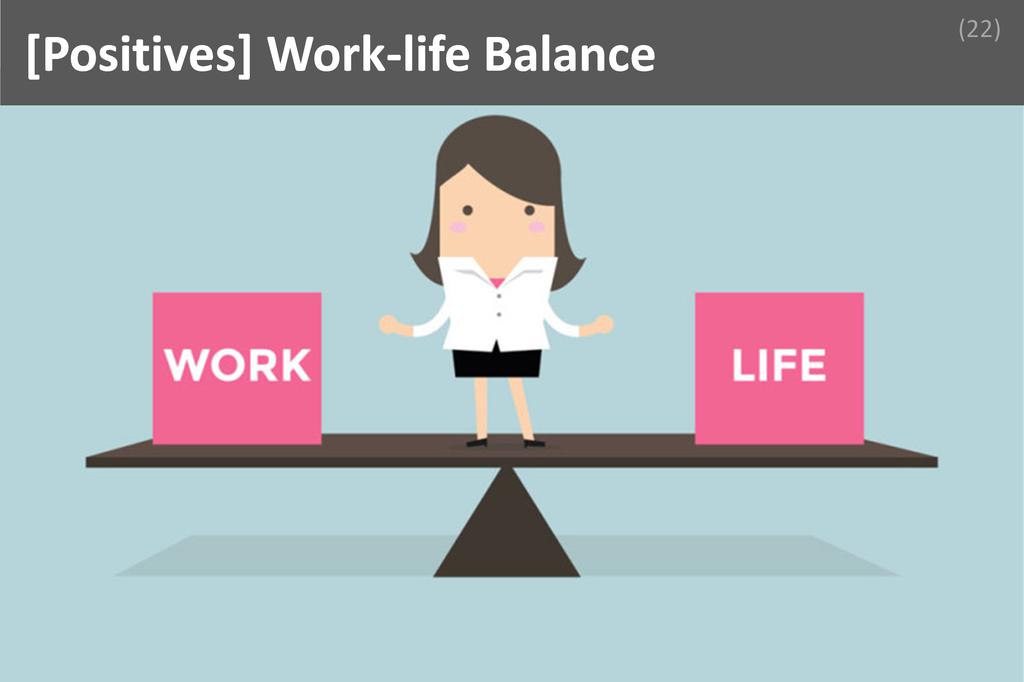
Work-life balance is the harmonious integration of professional responsibilities and personal life, allowing individuals to meet career goals while nurturing well-being, relationships, and personal interests. In visual designing, this balance fosters creativity, reduces stress, and enhances productivity, enabling designers to thrive both professionally and personally without sacrificing one for the other.
Work-life balance is a cornerstone of job satisfaction in visual designing because it empowers professionals to manage their time and energy effectively. When designers have the flexibility to set their schedules, work remotely, or take breaks as needed, they are more likely to feel motivated and inspired. This autonomy not only leads to higher quality creative output but also supports continuous learning and growth. The ability to recharge outside of work hours prevents burnout, making it easier to approach projects with fresh perspectives. As a result, visual designers often experience a sense of fulfillment, knowing they can excel in their careers while also enjoying meaningful moments in their personal lives.
Imagine a visual designer who works for a creative agency that values flexible hours and remote work. She starts her day early, tackling a major branding project in the morning when her creativity peaks. In the afternoon, she takes a break to attend her child’s school event, returning later to review client feedback and make revisions. Because her employer trusts her to manage her workload, she feels empowered to prioritize both her family and her career. This supportive environment not only boosts her job satisfaction but also inspires her to produce her best work, knowing she doesn’t have to choose between professional success and personal happiness.
Growth

Growth is the continuous process of learning, evolving, and expanding one’s skills, knowledge, and creative abilities over time. In visual designing, growth means not only mastering new tools and techniques but also developing a deeper understanding of aesthetics, communication, and user experience. This ongoing development fuels innovation and personal fulfillment.
The dynamic nature of visual designing ensures that professionals are always learning and adapting, which keeps the work engaging and meaningful. Growth in this field leads to increased confidence as designers see their abilities improve and their creative visions come to life. This sense of progress boosts job satisfaction, as each project presents new challenges and opportunities to refine skills. The industry’s rapid evolution encourages designers to stay curious and open-minded, fostering a culture of lifelong learning. As designers grow, they become more valuable to employers and clients, opening doors to advanced roles, leadership opportunities, and diverse creative projects. This constant evolution makes a career in visual designing both exciting and deeply rewarding.
Imagine a visual designer who starts their career creating simple graphics for social media. Over time, they actively seek feedback, experiment with new design software, and study emerging trends in user interface design. As their skills expand, they take on more complex projects, such as designing entire brand identities or interactive web experiences. With each new challenge, they see tangible improvements in their work and receive recognition from colleagues and clients. This journey of growth not only enhances their professional portfolio but also instills a sense of pride and accomplishment. The designer’s evolving expertise leads to greater creative freedom, higher-profile assignments, and a lasting passion for their craft.
Challenges
Inconsistent
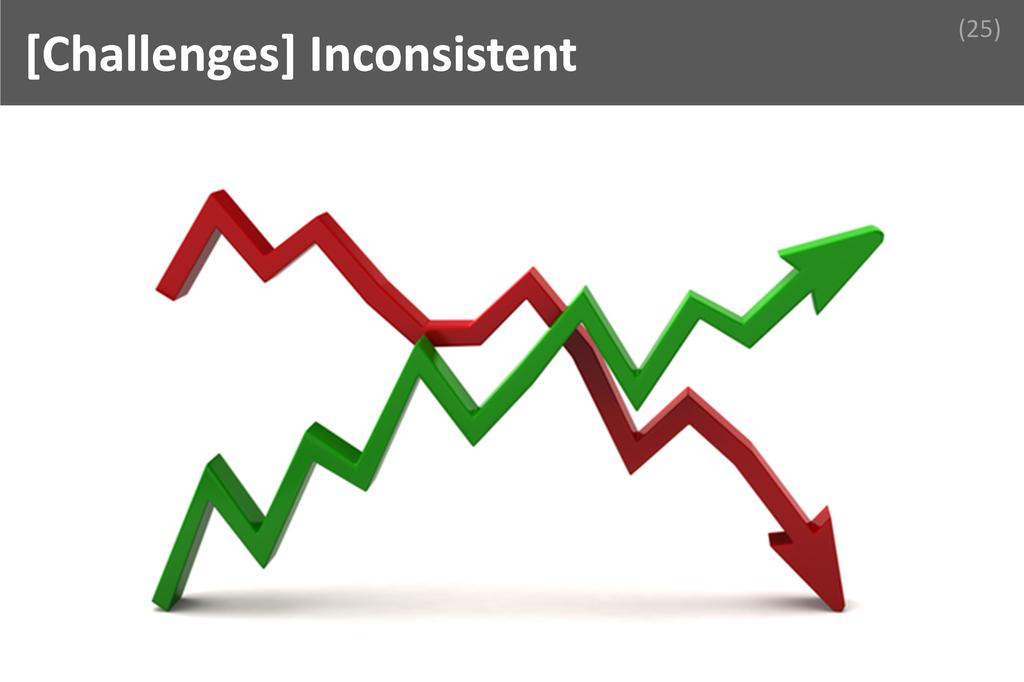
In the context of Visual Designing, "Inconsistent" refers to the frequent lack of uniformity in design elements, processes, or feedback, which disrupts visual harmony and brand identity. This challenge is demanding because it undermines coherence, confuses audiences, and complicates collaboration, making it difficult to deliver polished, professional, and effective design solutions.
Inconsistency in visual design can manifest in mismatched color schemes, fluctuating typography, or unpredictable feedback from stakeholders. This disrupts workflow, slows project progress, and can erode client or team trust. Professionals must exercise resilience by maintaining a strong commitment to design systems and clear communication. They often create and rigorously follow style guides, document decisions, and advocate for unified standards across teams. By proactively addressing discrepancies and seeking alignment early, successful designers minimize confusion and rework. They also remain adaptable, balancing creative flexibility with the discipline needed to uphold consistency, which ultimately leads to more cohesive and impactful visual outcomes.
Consider a visual designer working for a fast-growing tech startup where multiple teams contribute to the company’s digital presence. Each department submits requests with varying expectations and inconsistent branding guidelines. The designer recognizes the risk of a fragmented user experience and takes initiative to develop a comprehensive style guide, organizing workshops to educate colleagues about its importance. By consistently referencing this guide and diplomatically addressing deviations, the designer gradually fosters a culture of visual consistency. Over time, the company’s digital assets become more unified, strengthening the brand and streamlining future projects, all thanks to the designer’s proactive and persistent approach to overcoming inconsistency.
Handling Clients

Handling clients in visual designing refers to the ongoing process of communicating, negotiating, and aligning creative visions with client expectations. This challenge is demanding because clients often lack design expertise, may have unclear goals, and can request frequent changes, requiring designers to balance creativity with diplomacy and adaptability.
The difficulty of handling clients significantly shapes the daily workflow of visual designers. Constant feedback cycles, shifting requirements, and misaligned expectations can disrupt creative momentum and extend project timelines. This environment demands resilience, as designers must remain patient and professional while advocating for effective design solutions. Successful professionals manage these constraints by establishing clear communication channels, setting realistic expectations early, and educating clients about the design process. They also develop strong interpersonal skills to diplomatically address feedback and negotiate compromises, ensuring that both the client’s needs and the integrity of the design are maintained. By fostering trust and transparency, experienced designers turn client interactions into collaborative partnerships rather than adversarial exchanges.
Consider a visual designer working with a startup that frequently changes its branding direction. Initially, the client requests a modern, minimalist logo, but after several drafts, they express interest in a more playful and colorful approach. Instead of becoming frustrated, the designer schedules a meeting to clarify the client’s core values and long-term vision. Through thoughtful questioning and active listening, the designer helps the client articulate their goals, then presents a mood board to visually align expectations. By guiding the conversation and providing professional insights, the designer not only delivers a logo that satisfies the client but also establishes a foundation for smoother collaboration in future projects. This approach transforms a potentially chaotic process into a constructive experience for both parties.
Meeting Deadlines
Meeting deadlines in visual designing means delivering creative assets, prototypes, or final designs within a set timeframe, often under tight schedules. This is demanding because it requires balancing creativity, technical execution, and client expectations, all while adapting to feedback and unforeseen changes without compromising the quality or originality of the work.
The pressure to meet deadlines in visual designing can lead to stress, rushed creativity, and potential burnout, impacting both the quality of work and personal well-being. Designers must often juggle multiple projects, each with its own set of requirements and timelines, making time management a critical skill. Resilience is essential, as unexpected revisions or shifting priorities are common. Successful professionals navigate these challenges by setting realistic expectations, breaking projects into manageable phases, and maintaining open communication with clients and team members. They also prioritize tasks based on urgency and importance, allowing for flexibility when last-minute changes arise. By fostering a disciplined workflow and embracing adaptability, visual designers can consistently deliver high-quality results within demanding timeframes.
Consider a visual designer working at an agency who is tasked with creating a comprehensive branding package for a new client, with a tight two-week deadline. Midway through the project, the client requests significant changes to the color palette and logo concept. Instead of panicking, the designer reassesses the project timeline, communicates transparently with the client about the impact of the revisions, and reprioritizes tasks to focus on the most critical deliverables first. By leveraging design templates and efficient software tools, the designer streamlines repetitive tasks and allocates extra time for creative problem-solving. Ultimately, the project is delivered on time, meeting the client’s expectations while maintaining the quality and originality of the design.
Creative Block
Creative Block in Visual Designing is a temporary inability to generate original ideas or execute visual concepts, often caused by mental fatigue, pressure, or self-doubt. This challenge is demanding because it disrupts workflow, hampers productivity, and can erode confidence, making it difficult to meet deadlines or maintain creative standards.
Creative Block can significantly disrupt a visual designer’s daily routine, leading to frustration, missed deadlines, and a decline in the quality of work. The pressure to consistently produce innovative designs can intensify the sense of stagnation, making it emotionally and professionally taxing. Overcoming this challenge requires resilience, adaptability, and self-awareness. Successful professionals often manage creative block by stepping away from their work to gain fresh perspectives, seeking inspiration from unrelated fields, or engaging in collaborative brainstorming. They may also establish routines that encourage creativity, such as regular sketching or exploring new design tools. By acknowledging the block rather than fighting it, designers can gradually restore their creative flow and maintain their professional momentum.
Consider a visual designer tasked with creating a brand identity for a new client, only to find themselves staring at a blank canvas for days. Instead of forcing ideas, the designer decides to visit a local art exhibit and spends time observing different artistic styles. This break from routine sparks new inspiration, allowing the designer to return to the project with renewed energy and a fresh perspective. By integrating elements observed at the exhibit, the designer develops a unique and compelling visual identity that satisfies the client’s needs. This scenario demonstrates how stepping away and seeking external inspiration can effectively break the cycle of creative block and lead to successful outcomes.
A Day Of
Visual Designing
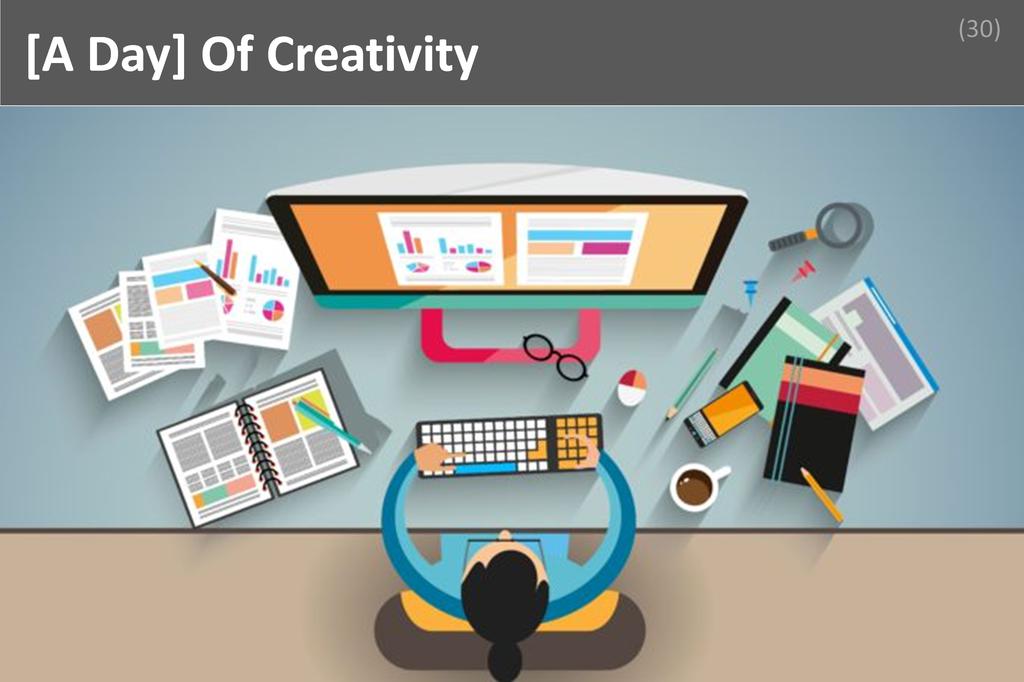
The hum of creativity is palpable as a visual designer steps into their workspace, whether it’s a sunlit studio or a cozy home office. Each day unfolds as a dynamic blend of artistry and problem-solving, where inspiration meets tight deadlines and collaboration fuels innovation. The pace is brisk but invigorating, with every hour presenting new challenges—balancing client visions, brand guidelines, and the ever-evolving trends of digital aesthetics. In this world, no two days are identical, but the rhythm of a visual designer’s routine is a testament to both discipline and imagination.
As the morning light filters in, the day begins with a quiet moment of preparation. A visual designer reviews their project list, checks emails for client feedback, and scans design blogs or social media for fresh inspiration. This early hour is reserved for organizing digital workspaces, updating mood boards, and setting clear intentions for the day’s creative goals. It’s a time to sip coffee, sketch out rough ideas, and mentally map out the visual narratives that will soon take shape on the screen.
Mid-morning marks the transition into the most concentrated period of the day. With distractions minimized, the designer dives into core projects—refining layouts, selecting color palettes, and experimenting with typography. This is when the real magic happens: translating abstract concepts into compelling visuals, iterating on drafts, and pushing creative boundaries. Communication with clients or team members may occur through quick messages or feedback sessions, but the primary focus remains on producing high-quality, innovative design work.
After lunch, the energy shifts toward teamwork and execution. The designer joins virtual or in-person meetings to present concepts, discuss revisions, and align with developers, copywriters, or project managers. Constructive feedback is exchanged, and design files are updated in real time. This collaborative phase is crucial for ensuring that every visual element not only looks stunning but also functions seamlessly within the broader project. The afternoon is a blend of creative problem-solving and practical adjustments, as ideas are refined and brought closer to completion.
As the day winds down, the designer shifts gears to wrap up ongoing tasks and prepare for tomorrow. Final files are exported, project management tools are updated, and notes are made on what worked well or needs further attention. There’s time for a bit of research—exploring new design tools, reading industry articles, or jotting down ideas sparked throughout the day. This reflective period ensures that creativity is not only sustained but also strategically directed, setting the stage for another productive and inspired day in the world of visual design. |


 Home
Home Abroad
 Plan
Plan Philosophy
 Seminar
 Pages
Pages Advisors
 Testimonials












 Workshop
 Discuss
 Meet
Meet
 Advisor
 Story
Story
 Fine Print
 Links
Links
 Blog
Blog
 Follow
