The Journey of Hair Dressing
What Is Hair Dressing
Hair Dressing

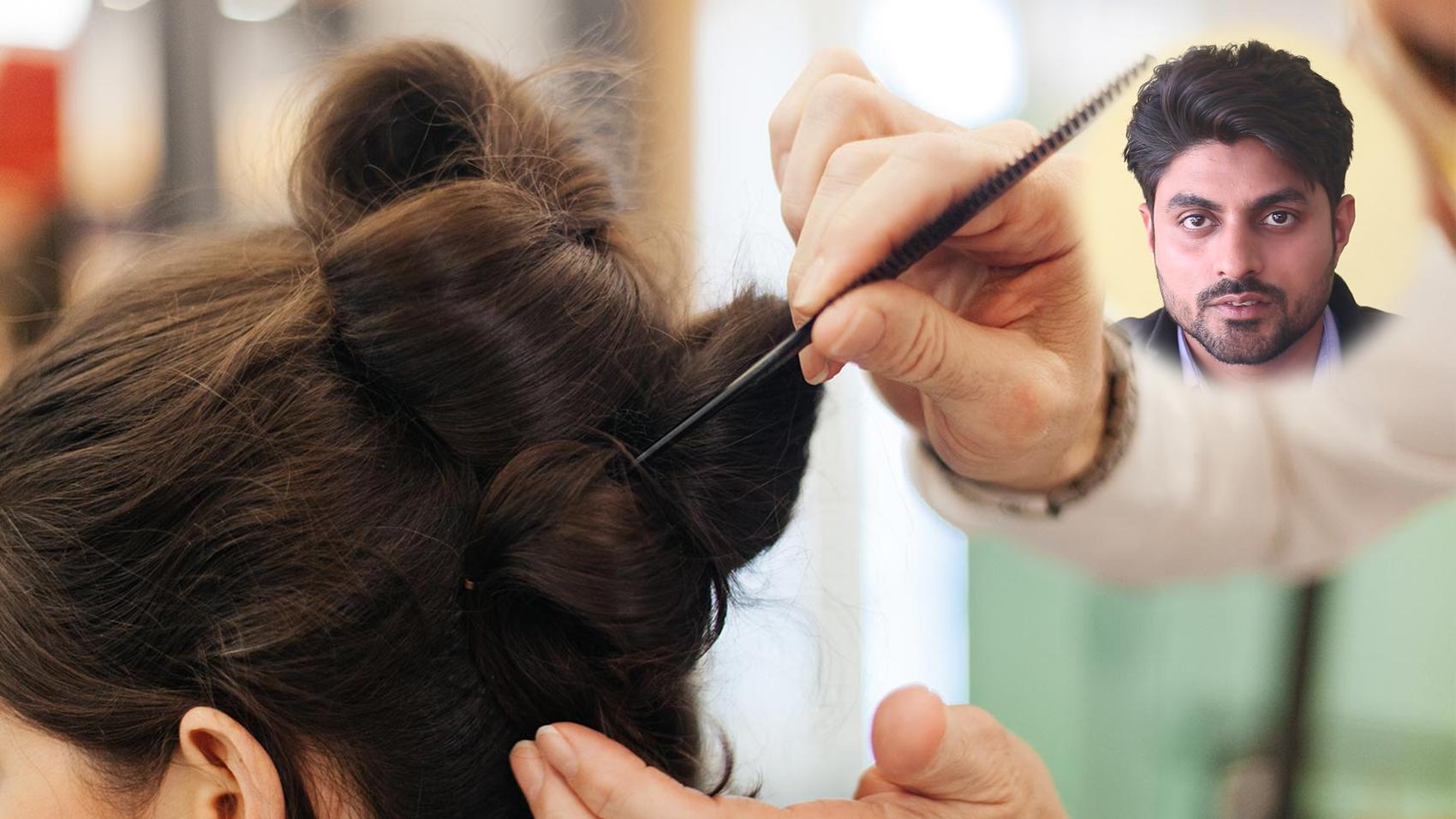
Hair dressing is the professional art and science of cutting, styling, coloring, and treating hair to enhance appearance, express personality, and maintain hair health. It involves using specialized tools, techniques, and products to create a variety of looks tailored to individual client needs and current fashion trends.
Hair dressing plays a significant role in personal grooming, self-expression, and confidence building. For professionals, it offers a creative and dynamic career path with opportunities for continuous learning and growth. The field fosters strong client relationships, allowing hairdressers to positively influence how people feel about themselves. It also provides flexibility, as many hairdressers can choose to work in salons, spas, or as independent freelancers. Additionally, the demand for skilled hairdressers remains steady, ensuring job stability and the potential for entrepreneurship. The profession’s social and artistic aspects make it both rewarding and engaging for those passionate about beauty and style.
A professional hairdresser begins their day by consulting with clients to understand their preferences and lifestyle needs. For example, a client might request a new haircut and color for an upcoming event. The hairdresser assesses the client’s hair type and condition, recommends suitable styles and shades, and explains the process. Using their expertise, the hairdresser carefully cuts, colors, and styles the hair, ensuring the client’s vision is achieved while maintaining hair health. Throughout the appointment, the hairdresser offers advice on aftercare and styling tips, building trust and rapport. By the end of the session, the client leaves feeling refreshed and confident, showcasing the transformative power of skilled hair dressing in everyday life.
Education
Chemical Knowledge

Chemical Knowledge refers to the understanding of substances, their properties, reactions, and safe handling, especially as they relate to products and processes used in hair dressing. This knowledge is essential both academically and professionally, forming a critical part of the science that underpins effective and safe hair treatments in the salon environment.
Learning chemical knowledge is vital for anyone pursuing a career in hair dressing because it ensures the safe and effective use of products such as dyes, bleaches, relaxers, and perms. A solid grasp of chemistry allows professionals to predict how different hair types will react to various treatments, minimizing the risk of damage or adverse reactions. This foundational understanding also empowers hairdressers to customize services for individual clients, enhancing both results and client satisfaction. Over the long term, chemical knowledge supports ongoing professional development, enabling practitioners to adapt to new products and techniques as the industry evolves. It also fosters a culture of safety and professionalism, which is essential for building trust and a strong reputation in the field.
Consider a hairdresser who is about to perform a color correction on a client whose hair has been previously bleached and dyed multiple times. Drawing on their chemical knowledge, the hairdresser assesses the hair’s current condition, porosity, and underlying pigment. They select a color formula that will neutralize unwanted tones without causing further damage, carefully measuring and mixing the chemicals according to manufacturer guidelines. Throughout the process, the hairdresser monitors the hair’s reaction, adjusting timing and application as needed to achieve the desired result safely. This scenario demonstrates how theoretical understanding of chemical interactions directly informs practical decisions, ensuring both the health of the client’s hair and the success of the service.
Product Knowledge

Product Knowledge refers to a comprehensive understanding of the ingredients, uses, benefits, and limitations of hair care and styling products. In Hair Dressing, it encompasses the ability to select and recommend suitable products for various hair types and conditions, forming a crucial part of both academic study and professional expertise.
Developing strong product knowledge is essential for anyone pursuing a career in Hair Dressing because it directly impacts the quality of service provided to clients. By understanding the science behind products, hairdressers can make informed decisions that protect hair health and achieve desired results. This foundational knowledge enables professionals to confidently address client concerns, recommend appropriate treatments, and avoid potential adverse reactions. Over time, mastery of product knowledge builds trust with clients, enhances professional credibility, and supports ongoing career growth. As trends and formulations evolve, staying informed ensures that hairdressers remain competitive and capable of delivering up-to-date, effective services in a dynamic industry.
Imagine a client arrives at a salon with chemically treated, fragile hair seeking a new style and color. A hairdresser with strong product knowledge assesses the hair’s condition and selects a gentle, sulfate-free shampoo and a protein-rich conditioner to minimize further damage. When choosing a coloring product, the hairdresser opts for an ammonia-free formula and explains the benefits to the client, ensuring transparency and building trust. Throughout the appointment, the professional recommends aftercare products tailored to the client’s specific needs, demonstrating expertise and care. This thoughtful application of product knowledge not only achieves the client’s desired look but also safeguards hair health and fosters long-term client loyalty.
Types of Hair

"Types of Hair" refers to the classification of hair based on texture, thickness, curl pattern, and porosity. This concept is fundamental in hairdressing, as it guides professionals in selecting appropriate techniques, products, and treatments. Understanding hair types is essential academic and practical knowledge for anyone pursuing a career in hairdressing.
A thorough understanding of hair types is crucial for anyone entering or advancing in the hairdressing profession. This knowledge enables professionals to assess clients’ hair accurately, recommend suitable products, and execute techniques that enhance hair health and appearance. Mastery of hair types forms the backbone of effective consultation, personalized service, and client satisfaction. It also helps in preventing damage by ensuring that chemical treatments, heat styling, and cutting methods are tailored to the individual’s unique hair characteristics. Over time, expertise in this area builds trust with clients, fosters repeat business, and positions the hairdresser as a knowledgeable and reliable expert in the field.
Consider a hairdresser welcoming a new client with naturally curly, fine hair. Drawing on their understanding of hair types, the professional recognizes that this hair is prone to dryness and breakage. Instead of using heavy products or aggressive brushing, the hairdresser selects a moisturizing shampoo and a wide-tooth comb to gently detangle. When recommending a haircut, they suggest layers that enhance the curl pattern without adding unnecessary weight. During styling, they use a diffuser attachment and low heat to preserve the hair’s integrity. This tailored approach, rooted in knowledge of hair types, ensures the client leaves with healthy, vibrant hair and a positive salon experience.
Hair Equipments

Hair Equipments refers to the various tools, devices, and machinery used in the practice of hair dressing, including scissors, combs, dryers, straighteners, and clippers. Mastery of these implements is essential in both academic training and professional practice, forming a core component of a hair dresser’s technical expertise.
Understanding Hair Equipments is crucial for anyone entering or advancing in the hair dressing field because it underpins every aspect of the profession. Knowledge of the correct use, maintenance, and selection of tools ensures not only the quality of hair services but also the safety and satisfaction of clients. Mastery of equipment allows professionals to perform a wide range of techniques, adapt to evolving trends, and maintain high standards of hygiene and efficiency. Over time, this expertise leads to greater confidence, improved client trust, and increased career opportunities, as employers and clients alike value those who demonstrate skillful and responsible equipment handling.
Consider a hair dresser preparing for a busy day in a salon. Before the first client arrives, they inspect and sanitize their scissors, combs, and clippers, ensuring each tool is in optimal condition. When a client requests a layered haircut followed by a blowout, the hair dresser selects the appropriate scissors for precision cutting and uses a round brush and professional-grade hair dryer to achieve the desired style. Their deep understanding of each piece of equipment allows them to work efficiently, deliver consistent results, and address any technical challenges that arise, such as adjusting clipper guards for different hair lengths or troubleshooting a malfunctioning straightener. This practical application of theoretical knowledge directly impacts client satisfaction and professional reputation.
Sectioning & Parting
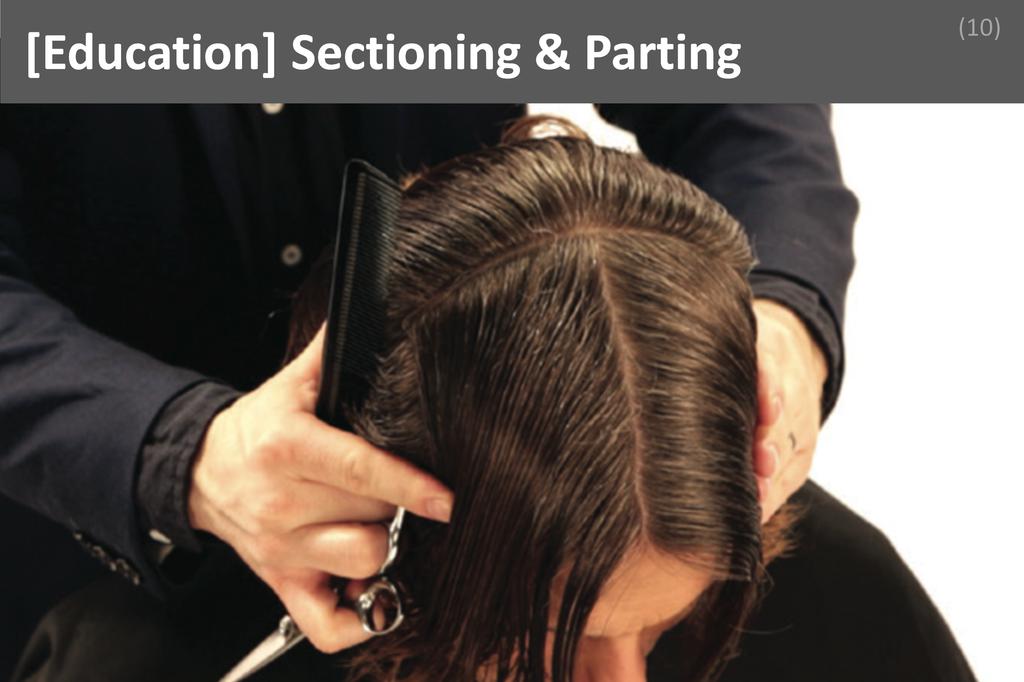
Sectioning and parting refer to the techniques of dividing hair into manageable areas and creating precise lines or separations within the hair. These methods are fundamental in hairdressing, forming the basis for cutting, coloring, styling, and chemical treatments, and are essential skills in both academic training and professional practice.
Understanding sectioning and parting is crucial for anyone entering or advancing in the hairdressing profession. These techniques ensure accuracy, consistency, and efficiency in all hair services, from basic trims to complex color applications. Mastery of sectioning and parting allows professionals to work methodically, maintain control over the hair, and achieve desired results for clients. This foundational knowledge supports the development of advanced skills and creative techniques, enabling hairdressers to adapt to evolving trends and client needs. Over time, proficiency in sectioning and parting contributes to building a reputation for precision and professionalism, which is vital for career growth, client retention, and success in the competitive beauty industry.
Imagine a hairdresser preparing to perform a layered haircut on a client with thick, long hair. Before picking up the scissors, the professional carefully sections the hair into quadrants, using clips to keep each area separate. By parting the hair along natural lines and creating clean divisions, the hairdresser ensures that each layer is cut evenly and symmetrically. This organized approach not only saves time but also allows the stylist to focus on one section at a time, reducing the risk of mistakes and ensuring a polished, balanced final look. The client leaves with a haircut that falls beautifully, thanks to the hairdresser’s expert application of sectioning and parting techniques.
Skills
Patience

Patience is the ability to remain calm, composed, and persistent in the face of delays, challenges, or repetitive tasks, without becoming frustrated or giving up. In hair dressing, patience is crucial because it allows professionals to deliver meticulous results, handle diverse client needs, and navigate the unpredictable nature of the service industry.
Patience directly enhances a hair dresser’s performance by enabling them to focus on precision and quality, even when tasks are time-consuming or clients are indecisive. Clients and employers highly value this trait because it fosters a relaxed atmosphere, builds trust, and ensures that services are delivered with care rather than haste. Patience also helps professionals manage stressful situations, such as last-minute changes or difficult hair types, with grace. To cultivate patience, one can practice mindfulness, set realistic expectations, and reflect on each experience to learn from challenges. Over time, these habits help hair dressers remain composed and attentive, which ultimately leads to higher client satisfaction and professional growth.
Imagine a client arrives with severely damaged hair, requesting a dramatic transformation. The process requires multiple treatments, careful product application, and frequent reassessments to avoid further damage. A skilled hair dresser relies on patience to methodically work through each step, explaining the process to the client and managing their expectations. Instead of rushing, the professional takes the necessary time to ensure the client’s hair remains healthy, even if it means scheduling several appointments. By patiently guiding the client through the journey, the hair dresser not only achieves a beautiful result but also earns the client’s trust and loyalty, demonstrating how patience is integral to overcoming challenges and achieving long-term success in the industry.
Communication

Communication is the process of exchanging information, ideas, and feelings through speaking, listening, writing, and non-verbal cues. In hair dressing, communication is vital for understanding client needs, explaining services, and building trust. It enables professionals to deliver personalized results, ensuring client satisfaction and fostering long-term relationships.
Strong communication skills directly enhance a hair dresser’s performance by allowing them to accurately interpret client requests, provide clear explanations about procedures, and offer professional advice. Clients and employers highly value this skill because it minimizes misunderstandings, increases satisfaction, and encourages repeat business. Effective communication also helps in managing expectations and resolving conflicts amicably. To cultivate this skill, professionals should practice active listening, seek feedback, and continuously refine their ability to articulate ideas clearly. Over time, engaging with diverse clients and participating in customer service training can further strengthen communication abilities, making it an indispensable asset in a successful hair dressing career.
Imagine a client arrives for a drastic hairstyle change but is unsure about the specifics. The hair dresser uses communication skills to ask open-ended questions, listen attentively, and clarify the client’s preferences. By discussing options and showing visual references, the professional ensures both parties share the same vision. During the appointment, the hair dresser explains each step, checks in for feedback, and reassures the client throughout the process. As a result, the client feels understood and confident, leading to a successful transformation and a satisfied, loyal customer. This scenario highlights how effective communication can prevent disappointment and create a positive, memorable experience.
Artistic

Artistic is the ability to creatively visualize, design, and execute unique and aesthetically pleasing styles, blending imagination with technical skill. In hair dressing, it involves interpreting trends, understanding color theory, and crafting personalized looks that enhance a client’s features, ensuring each result is both innovative and flattering.
Artistic skill directly elevates a hair dresser’s performance by enabling them to offer bespoke styles that stand out in a competitive industry. Clients and employers highly value this ability because it transforms routine haircuts into personalized works of art, fostering client loyalty and positive word-of-mouth. Artistic professionals can adapt to changing trends, create signature looks, and solve styling challenges with creative solutions. To cultivate this skill, one should regularly practice new techniques, study fashion and art for inspiration, and seek feedback from mentors and peers. Over time, exposure to diverse styles and continuous experimentation help refine artistic judgment, allowing hair dressers to confidently express their vision while meeting client expectations.
Imagine a client arrives with a last-minute request for a dramatic transformation before an important event, but their hair is damaged and unevenly colored. A hair dressing professional with strong artistic skills assesses the client’s features, listens to their desires, and quickly conceptualizes a style that both conceals imperfections and highlights their best attributes. By skillfully blending colors and sculpting a flattering cut, the stylist not only resolves the immediate issue but also creates a look that exceeds the client’s expectations. The client leaves feeling confident and satisfied, and the stylist’s reputation for creativity and problem-solving is further solidified, leading to more referrals and professional growth.
Creativity
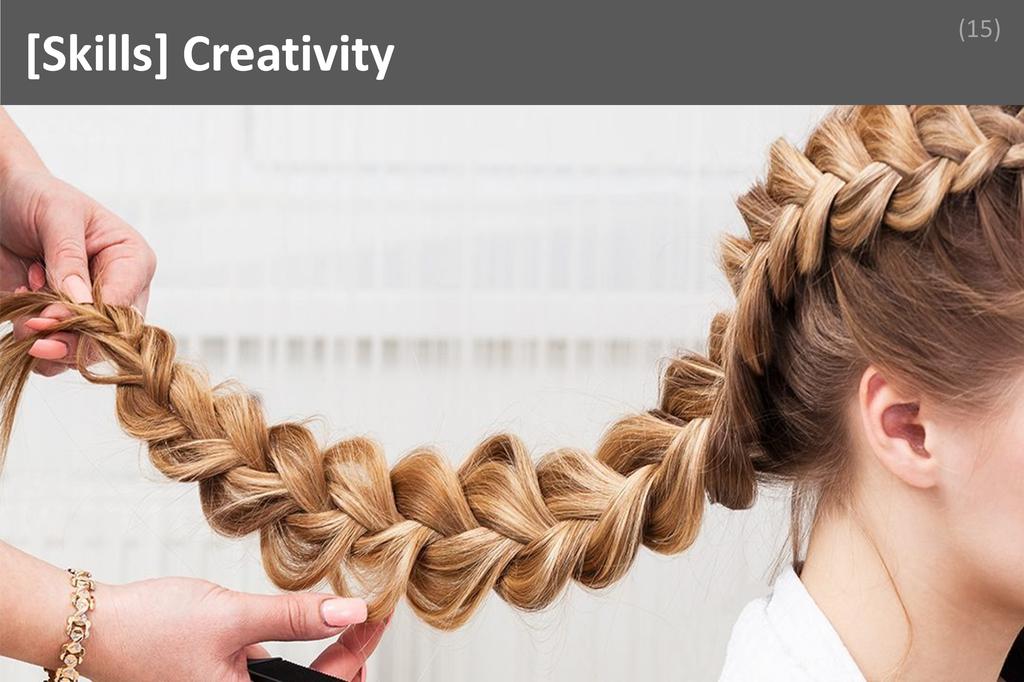
Creativity is the ability to generate original ideas, approaches, or solutions by thinking beyond conventional boundaries and combining imagination with practical skills. In hair dressing, creativity empowers professionals to craft unique styles, adapt trends, and personalize services, making it a vital component for delivering standout results and client satisfaction.
Creativity directly enhances a hair dresser’s performance by enabling them to design innovative hairstyles, adapt to diverse client preferences, and stay ahead of evolving trends. Clients and employers highly value this skill because it leads to personalized, memorable experiences that foster loyalty and positive word-of-mouth. Cultivating creativity involves continuous learning, experimenting with new techniques, and seeking inspiration from various sources such as fashion, art, and nature. Over time, exposure to different styles and challenges helps professionals refine their creative instincts, allowing them to confidently suggest fresh ideas and solutions. By embracing creative thinking, hair dressers can distinguish themselves in a competitive industry and consistently exceed expectations.
Imagine a client arrives at a salon just before an important event, feeling dissatisfied with their current hairstyle and unsure of what would suit them best. The hair dresser listens carefully, assesses the client’s features, and draws upon their creativity to envision a flattering, on-trend look that aligns with the client’s personality. Using a combination of advanced cutting techniques and color blending, the professional transforms the client’s appearance, resulting in a style that is both unique and confidence-boosting. This creative approach not only solves the immediate challenge but also leaves a lasting impression, demonstrating the hair dresser’s ability to think imaginatively under pressure and deliver exceptional results.
Positives
Self Satisfaction

Self satisfaction is the deep sense of fulfillment and contentment that arises from achieving personal goals, meeting high standards, and making a positive difference in others’ lives. In hair dressing, this feeling is cultivated through creative expression, skill mastery, and the ability to transform clients’ appearances, directly impacting their confidence and happiness.
Self satisfaction is a cornerstone of a rewarding career in hair dressing because it fuels motivation, resilience, and personal growth. When professionals witness the immediate results of their artistry and see clients leave with renewed confidence, it reinforces their sense of purpose. This positive feedback loop encourages hairdressers to continually refine their skills, stay passionate about their craft, and embrace new challenges. The daily experience of making a tangible difference in someone’s life not only boosts morale but also fosters long-term job satisfaction. Over time, this intrinsic reward becomes a driving force, helping professionals navigate the demands of the industry while maintaining enthusiasm and pride in their work.
Imagine a hairdresser working with a client who feels self-conscious about their appearance before a big event. Through careful listening, creative vision, and skilled technique, the hairdresser transforms the client’s look, resulting in a radiant smile and heartfelt gratitude. In that moment, the professional experiences a profound sense of self satisfaction, knowing their expertise has made a meaningful impact. This fulfillment is not just about the technical success of the hairstyle, but about the emotional connection and confidence instilled in the client. Such experiences reaffirm the hairdresser’s passion for their work and highlight the unique joy that comes from helping others feel their best.
Meeting New People

Meeting new people refers to the ongoing opportunity to interact with individuals from diverse backgrounds, cultures, and walks of life. In hair dressing, this means welcoming clients with unique stories, personalities, and styles. These interactions foster a dynamic work environment, enriching the professional’s experience and broadening their perspective every day.
The chance to meet new people is a cornerstone of job satisfaction in hair dressing. Each client brings fresh energy, ideas, and challenges, ensuring that no two days are ever the same. This constant variety keeps the work engaging and stimulating, preventing monotony and burnout. Building relationships with clients not only enhances communication skills but also creates a sense of community and belonging. As hair dressers connect with people, they develop empathy, adaptability, and cultural awareness, all of which are invaluable for personal and professional growth. The daily experience of meeting new people transforms the salon into a vibrant social hub, making every appointment an opportunity to learn, inspire, and be inspired.
Imagine a hair dresser welcoming a first-time client who has recently moved to the city. As they discuss hairstyle preferences, the conversation naturally shifts to the client’s experiences adjusting to a new environment. The hair dresser listens, offers local tips, and shares stories of other clients who have faced similar transitions. By the end of the appointment, the client not only leaves with a fresh look but also feels more connected and supported in their new community. For the hair dresser, this interaction is deeply rewarding, as it highlights the unique role they play in helping people feel confident and at home, simply by being open to meeting someone new.
Good Income

Good income refers to earning a stable and substantial amount of money that not only covers basic living expenses but also allows for savings, investments, and personal enjoyment. In hair dressing, good income means professionals can achieve financial security, pursue their passions, and enjoy a higher quality of life through their creative work.
The prospect of earning a good income is a significant motivator for many who choose a career in hair dressing. It transforms the profession from a simple job into a sustainable and rewarding career path. When hair dressers receive fair compensation for their skills and creativity, it boosts their confidence and job satisfaction. This financial stability allows them to invest in further education, advanced tools, and even their own salons, fostering both personal and professional growth. The daily experience of earning well for their artistry encourages hair dressers to continually improve their craft, knowing their efforts are valued and rewarded. Ultimately, good income empowers professionals to lead fulfilling lives and build lasting relationships with clients, enhancing their sense of purpose and pride in their work.
Consider a talented hair dresser who has built a loyal clientele over several years. Through dedication, skill, and excellent customer service, she consistently books appointments and receives generous tips. Her good income enables her to support her family, take annual vacations, and invest in the latest hair styling courses and equipment. She feels secure knowing she can handle unexpected expenses and still enjoy the fruits of her labor. This financial well-being not only brings her peace of mind but also motivates her to keep innovating and delivering exceptional results to her clients. The satisfaction of earning a good income through her passion for hair dressing makes every day at work meaningful and rewarding.
Continuous Learning

Continuous Learning is the ongoing process of acquiring new knowledge, skills, and techniques throughout one’s career, rather than relying solely on initial training. In hair dressing, this means staying updated with the latest trends, products, and methods, which fosters creativity, adaptability, and professional growth, making the profession dynamic and fulfilling.
Embracing continuous learning in hair dressing transforms the daily work environment into a space of constant evolution and excitement. Stylists who actively seek out new techniques and trends find themselves more engaged and motivated, as each day brings fresh challenges and opportunities to refine their craft. This ongoing development not only enhances their technical abilities but also boosts their confidence and reputation among clients. As hair dressers master new styles and adapt to changing client preferences, they experience greater job satisfaction and career advancement. The sense of achievement that comes from mastering a new skill or impressing a client with a trendy look reinforces their passion for the profession and ensures their relevance in a competitive industry.
Imagine a hair dresser who attends a workshop on the latest balayage coloring techniques. Inspired by what they learn, they return to their salon eager to apply these new skills. When a regular client requests a modern, sun-kissed look, the stylist confidently delivers a stunning result using the freshly acquired method. The client is thrilled with the transformation, and the stylist feels a deep sense of accomplishment. This experience not only strengthens the stylist’s relationship with the client but also fuels their enthusiasm for learning more. Each new technique mastered becomes a stepping stone, making every day in the salon an opportunity for growth and creative expression.
Challenges
Keeping Up With Trends

Keeping up with trends in hair dressing means staying informed and skilled in the latest styles, techniques, and products that constantly evolve within the industry. This is demanding because trends shift rapidly, requiring professionals to continually adapt, learn, and invest time and resources to meet clients’ ever-changing expectations.
The challenge of keeping up with trends can significantly impact a hair dresser’s daily work, as clients often request the newest styles seen on social media or celebrities. This pressure can lead to stress and a fear of falling behind. Resilience is essential, as professionals must balance ongoing learning with their regular workload. Successful hair dressers manage this by dedicating time to education, whether through online tutorials, workshops, or networking with peers. They also cultivate adaptability, embracing change as a constant part of their profession. By fostering a growth mindset and seeking inspiration from various sources, they remain relevant and confident, turning the challenge of trends into an opportunity for creativity and professional growth.
Consider a hair dresser who notices a surge in requests for a new coloring technique popularized by influencers. Rather than feeling overwhelmed, she researches the method, attends a virtual seminar, and practices on mannequin heads before offering it to clients. She also engages with online communities to discuss tips and troubleshoot challenges. As a result, she not only masters the trend but also builds her reputation as a stylist who is both knowledgeable and innovative. Her proactive approach ensures her clients trust her expertise, and she remains competitive in a fast-paced industry, demonstrating that staying current is achievable with dedication and resourcefulness.
Client Expectations

Client expectations in hair dressing refer to the specific desires, preferences, and outcomes clients anticipate from their salon experience, including style, color, and overall appearance. This is demanding because clients often have idealized visions influenced by trends or media, which may not align with their hair type, condition, or realistic possibilities.
The challenge of meeting client expectations can significantly impact a hair dresser’s daily routine, introducing pressure to deliver flawless results and maintain client satisfaction. This demand requires resilience, as professionals must balance artistic vision with technical limitations and honest communication. Successful hair dressers navigate this constraint by actively listening to clients, setting clear and realistic expectations, and educating clients about what is achievable based on their unique hair characteristics. They also develop strong interpersonal skills to handle disappointment gracefully and foster trust, ensuring clients feel heard and valued even if the final result differs from their initial vision. By managing expectations proactively, professionals can reduce misunderstandings and build lasting client relationships.
Consider a client who arrives with a photo of a celebrity’s platinum blonde hairstyle, hoping to achieve the same look in a single session despite having dark, previously colored hair. The hair dresser listens attentively, assesses the hair’s condition, and explains the risks of damage and the need for a gradual lightening process. By providing a realistic timeline and suggesting interim styles that complement the client’s features, the professional sets achievable goals while maintaining the client’s enthusiasm. Throughout the process, the hair dresser offers reassurance, answers questions, and celebrates each stage of progress. This approach not only manages expectations but also builds trust, resulting in a satisfied client who appreciates the honesty and expertise provided.
Time Management

Time management in hair dressing refers to the ability to efficiently allocate and control the minutes and hours spent on each client, task, and appointment throughout the workday. This is demanding because hairdressers must balance creativity, client expectations, and unpredictable schedules while maintaining high-quality service and minimizing client wait times.
The challenge of time management in hair dressing can lead to overbooked schedules, rushed services, and dissatisfied clients if not handled skillfully. Professionals often face back-to-back appointments, unexpected delays, and the need to adapt quickly to changes. This environment requires resilience, as stress and fatigue can easily accumulate. Successful hairdressers develop strategies such as setting realistic appointment durations, communicating clearly with clients about timing, and learning to anticipate potential delays. They also prioritize tasks and remain flexible, adjusting their workflow as needed to accommodate last-minute changes. By mastering these approaches, they maintain a steady pace, deliver consistent quality, and foster positive client relationships, all while minimizing stress and maximizing productivity.
Consider a seasoned hairdresser working in a busy urban salon with a fully booked day. Mid-morning, a client arrives late for a complex color treatment, threatening to disrupt the entire schedule. Drawing on experience, the hairdresser quickly reassesses the day’s appointments, communicates transparently with waiting clients, and adjusts the workflow by enlisting a colleague’s help for shampooing and prepping. By staying calm and organized, the hairdresser manages to complete the color treatment without compromising quality, keeps subsequent appointments on track, and ensures every client feels valued. This scenario highlights how effective time management, adaptability, and teamwork enable hair professionals to overcome daily scheduling challenges and maintain a high standard of service.
A Day Of
Hair Dressing
The hum of blow dryers, the scent of freshly washed hair, and the constant buzz of conversation set the rhythm for a hair dressing professional’s day—a world where creativity meets precision and every hour brings a new transformation. In the salon, time moves quickly, punctuated by the laughter of clients, the snip of scissors, and the ever-present pressure to deliver not just a service, but an experience. Each day is a blend of artistry and hustle, requiring both technical skill and a warm, welcoming presence. For those behind the chair, no two days are ever the same, but every one is defined by a shared goal: helping people look and feel their best.
As the sun rises, the salon is quiet, offering a rare moment of calm before the day’s whirlwind begins. The hair dressing professional arrives early to prepare the workspace, ensuring every tool is sanitized, towels are folded, and products are restocked. This is also the time to review the day’s appointments, noting any special requests or color corrections that may require extra attention. A quick scan of the schedule helps anticipate the flow of clients, setting the tone for a smooth and organized day ahead.
By mid-morning, the salon is alive with energy as clients fill the chairs, each seeking a new look or a trusted touch-up. This is the heart of the day, where the hair dresser’s technical expertise and interpersonal skills shine. Consultations are conducted with care, listening closely to clients’ desires before mixing colors, sectioning hair, and executing precise cuts. The pace is brisk, with back-to-back appointments and little time to pause, but the satisfaction of seeing a client’s face light up at the reveal makes every moment worthwhile.
Afternoons often bring a collaborative spirit, as stylists consult with one another on challenging color formulas or new styling trends. This is also when apprentices may shadow experienced professionals, learning the nuances of the trade. Between appointments, there’s time to catch up on ongoing education, whether it’s a quick demonstration of a new product or sharing tips for managing different hair types. The focus remains on delivering consistent quality, even as the day’s demands continue to evolve.
As the last clients depart and the salon begins to quiet, the hair dressing professional shifts gears to wrap up the day. Stations are cleaned and tools are sanitized once more, ensuring everything is ready for tomorrow. There’s a moment to reflect on the day’s successes and challenges, update client records, and respond to messages or appointment requests. Before heading home, the professional reviews the next day’s bookings, making note of any special preparations needed, and leaves the salon with a sense of accomplishment, already anticipating the transformations yet to come. |


 Home
Home Abroad
 Plan
Plan Philosophy
 Seminar
 Pages
Pages Advisors
 Testimonials










 Workshop
 Discuss
 Meet
Meet
 Advisor
 Story
Story
 Fine Print
 Links
Links
 Blog
Blog
 Follow
