The Journey of Hair Styling
What Is Hair Styling
Hair Styling
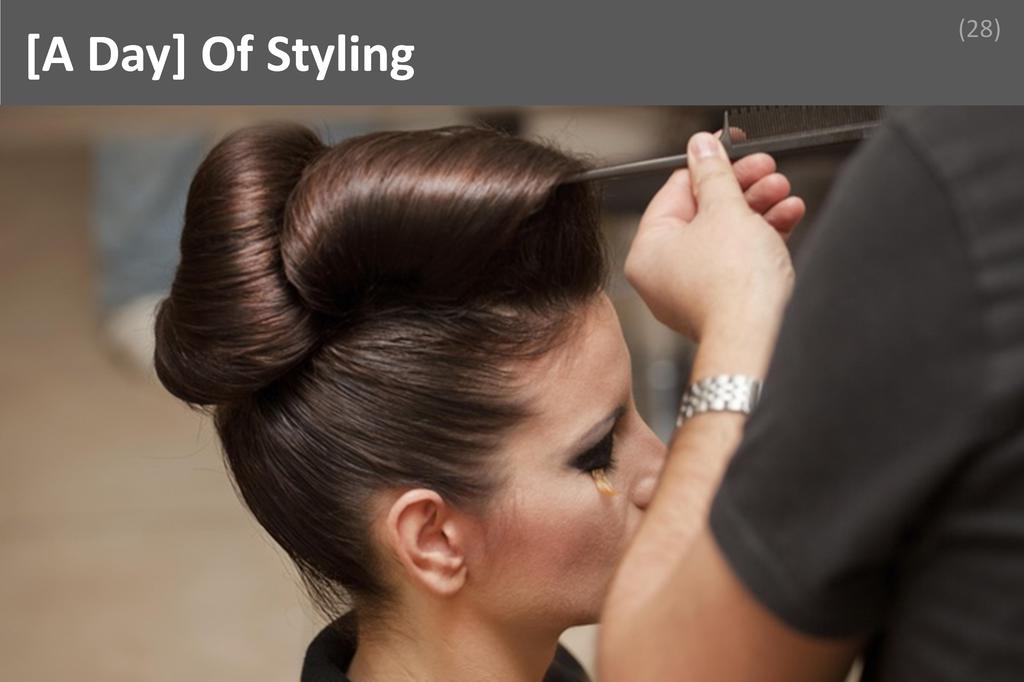
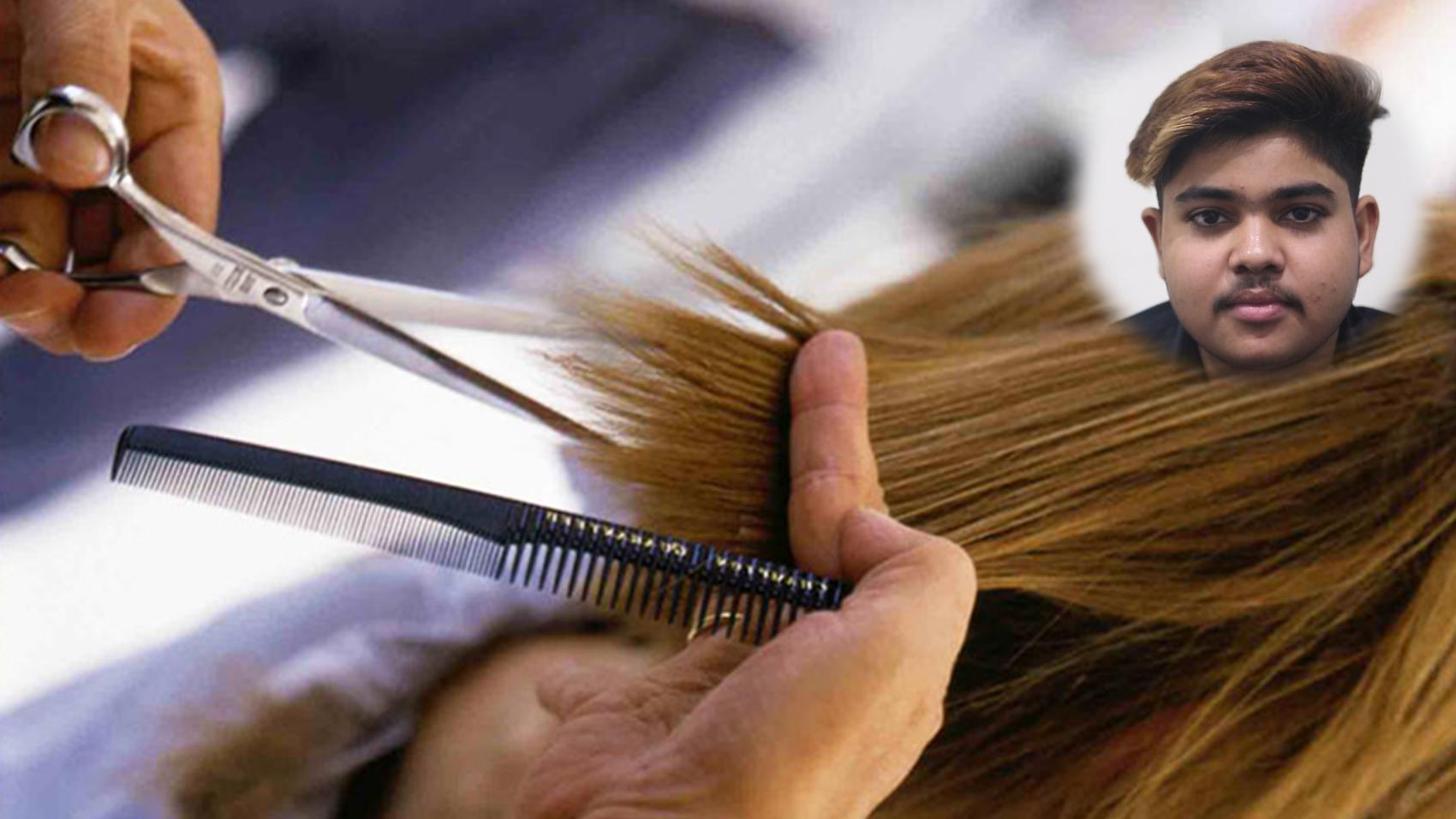
Hair styling is the art and practice of cutting, shaping, coloring, and arranging hair to enhance appearance, express personality, or suit specific occasions. It involves using various tools, products, and techniques to create desired looks, ranging from everyday styles to elaborate designs for special events.
Hair styling plays a significant role in personal grooming, self-expression, and confidence building. For professionals, mastering hair styling opens doors to creative opportunities and client satisfaction. It allows stylists to transform appearances, boost clients' self-esteem, and stay current with fashion trends. The career offers flexibility, as stylists can work in salons, freelance, or even start their own businesses. Additionally, the profession fosters continuous learning, as new techniques and products regularly emerge. The ability to positively impact clients’ lives, enjoy creative freedom, and pursue entrepreneurial ambitions are three major benefits that make hair styling a rewarding and dynamic career choice.
A professional hair stylist might begin their day consulting with a client who wants a fresh look for an important job interview. After discussing the client’s preferences and considering their hair type and face shape, the stylist recommends a modern, manageable cut and subtle highlights. Using their expertise, the stylist carefully cuts and colors the hair, then finishes with styling products to create a polished appearance. The client leaves feeling more confident and prepared for their interview. Throughout the day, the stylist adapts techniques for different clients, from quick trims to intricate updos for special events, demonstrating both technical skill and creativity in every appointment.
Education
Hair Styling Course

A Hair Styling Course is a structured educational program that teaches the techniques, theories, and practical skills required to style hair professionally. It covers topics such as cutting, coloring, texturizing, and finishing, forming a crucial part of the academic and professional foundation for anyone pursuing a career in hair styling.
Understanding the principles taught in a Hair Styling Course is essential for anyone entering or advancing in the hair styling profession. This subject provides the technical expertise needed to execute a wide range of styles, from classic to contemporary, while also emphasizing hygiene, client consultation, and product knowledge. Mastery of these concepts ensures that professionals can adapt to evolving trends and client preferences, maintaining relevance in a competitive industry. Furthermore, a solid grasp of foundational techniques enhances creativity and confidence, enabling stylists to deliver consistent, high-quality results. Over time, this knowledge supports career growth, opens opportunities for specialization, and builds a reputation for excellence, all of which are crucial for long-term success in the field.
Consider a professional hair stylist working in a busy salon who is approached by a client seeking a complete transformation for a special event. Drawing on the theoretical and practical knowledge gained from a Hair Styling Course, the stylist assesses the client’s hair type, face shape, and personal style preferences. Using advanced cutting and coloring techniques learned during their training, the stylist creates a customized look that enhances the client’s features and aligns with current trends. Throughout the process, the stylist applies principles of hair health and product selection to ensure the final result is both beautiful and sustainable. This scenario highlights how the comprehensive education provided by a Hair Styling Course directly informs daily professional practice, leading to client satisfaction and professional success.
Grooming

Grooming refers to the practices and routines involved in maintaining and enhancing personal appearance, hygiene, and presentation. In the context of Hair Styling, grooming encompasses hair care, scalp health, and overall neatness. It is a fundamental concept in both academic study and professional practice, forming the basis for effective client service.
Understanding grooming is essential for anyone preparing for or working in Hair Styling because it underpins every aspect of the profession. Mastery of grooming principles ensures that stylists can assess and address a client’s hair and scalp condition, recommend appropriate treatments, and maintain high standards of cleanliness and professionalism. This foundational knowledge not only improves technical skills but also builds client trust and satisfaction, which are crucial for career advancement. Over time, a strong grasp of grooming allows professionals to adapt to evolving trends, offer personalized advice, and establish a reputation for excellence. Ultimately, expertise in grooming supports long-term success by fostering client loyalty and opening doors to advanced roles within the beauty industry.
Consider a hair stylist welcoming a new client for a haircut and style. Before beginning, the stylist conducts a thorough assessment of the client’s hair and scalp, drawing on their understanding of grooming to identify any issues such as dryness, oiliness, or product buildup. The stylist discusses daily hair care routines with the client, offering tailored advice to improve hair health and recommending suitable products. Throughout the appointment, the stylist maintains a clean and organized workspace, demonstrating professional grooming standards. By integrating theoretical knowledge of grooming into practical service, the stylist not only delivers a flattering hairstyle but also educates the client on maintaining their look, thereby enhancing the overall client experience and reinforcing the stylist’s expertise.
Skills
Communication

Communication is the process of exchanging information, ideas, and feelings through speaking, listening, writing, and nonverbal cues. In hair styling, communication enables professionals to understand client needs, explain techniques, and build trust. It is a foundational skill that ensures clarity, satisfaction, and a positive experience for both stylist and client.
Strong communication skills directly enhance a hair stylist’s performance by ensuring that client expectations are clearly understood and met. Clients and employers highly value stylists who can listen attentively, ask clarifying questions, and articulate recommendations or concerns with confidence and empathy. Effective communication helps prevent misunderstandings, fosters loyalty, and encourages repeat business. Over time, this skill can be cultivated through active listening, seeking feedback, practicing clear explanations, and adapting one’s style to suit different personalities. Continuous learning, such as attending workshops or observing experienced colleagues, also sharpens a stylist’s ability to connect with clients and colleagues, making communication an ongoing journey of improvement.
Imagine a client arrives at a salon with a vague idea for a new hairstyle but struggles to describe it. The hair stylist uses communication skills to ask open-ended questions, interpret visual cues, and confirm details by showing reference images. Through attentive listening and clear explanations, the stylist ensures they fully understand the client’s vision before starting. During the appointment, the stylist checks in regularly, explaining each step and inviting feedback. As a result, the client feels heard and confident, and the final outcome matches their expectations. This scenario highlights how effective communication not only resolves uncertainty but also builds trust and satisfaction, leading to a successful and memorable salon experience.
Convincing Power

Convincing Power is the ability to effectively communicate ideas, inspire trust, and influence others’ decisions through confidence, empathy, and clarity. In hair styling, this skill enables professionals to guide clients toward suitable styles, gain their trust, and ensure satisfaction, making it a vital asset for career growth and client retention.
Convincing Power directly enhances a hair stylist’s performance by fostering stronger client relationships and increasing the likelihood of positive outcomes. Clients and employers value this skill because it reassures clients that their stylist is knowledgeable and genuinely invested in their satisfaction. When a stylist can confidently recommend styles or treatments, clients are more likely to accept professional advice, leading to better results and repeat business. To cultivate convincing power, stylists should focus on active listening, continuous learning, and practicing clear, honest communication. Over time, experience and feedback help refine this skill, allowing stylists to adapt their approach to different personalities and situations, ultimately building a loyal clientele and a reputable career.
Imagine a client arrives with a specific hairstyle in mind that may not suit their hair type or face shape. The stylist recognizes that the requested look could lead to disappointment but also senses the client’s excitement. Relying on convincing power, the stylist gently explains the potential drawbacks and suggests alternative styles that would better complement the client’s features. Through empathetic communication and professional insight, the stylist reassures the client, addresses their concerns, and highlights the benefits of the recommended options. As a result, the client feels understood and valued, agrees to the new suggestion, and leaves the salon delighted with the outcome. This scenario demonstrates how convincing power can turn a challenging situation into a successful, trust-building experience.
Trust Building

Trust Building is the ongoing process of establishing credibility, reliability, and genuine rapport with others through consistent actions, transparent communication, and empathy. In hair styling, this skill is crucial because clients entrust their appearance and confidence to the stylist, making trust the foundation of every successful client-stylist relationship.
Trust Building directly enhances a hair stylist’s performance by fostering open communication and mutual respect with clients. When clients feel understood and valued, they are more likely to share their preferences and concerns, leading to better results and higher satisfaction. Employers also prize this skill, as it encourages client loyalty and positive word-of-mouth, both vital for business growth. To cultivate trust, a stylist should actively listen, maintain professionalism, and consistently deliver on promises. Over time, demonstrating reliability and genuine care helps build a reputation for trustworthiness, which is essential for long-term career success in the industry.
Imagine a client arrives at a salon feeling anxious about a dramatic hairstyle change for a major life event. The hair stylist recognizes the client’s apprehension and takes time to listen carefully, ask thoughtful questions, and explain each step of the process. By sharing honest advice and showing empathy, the stylist reassures the client and builds confidence in their expertise. As a result, the client feels comfortable proceeding with the new style, leaves the salon satisfied, and becomes a loyal customer. In this scenario, trust building not only resolves the client’s initial uncertainty but also strengthens the professional relationship, leading to ongoing success for the stylist.
Identifying own forte
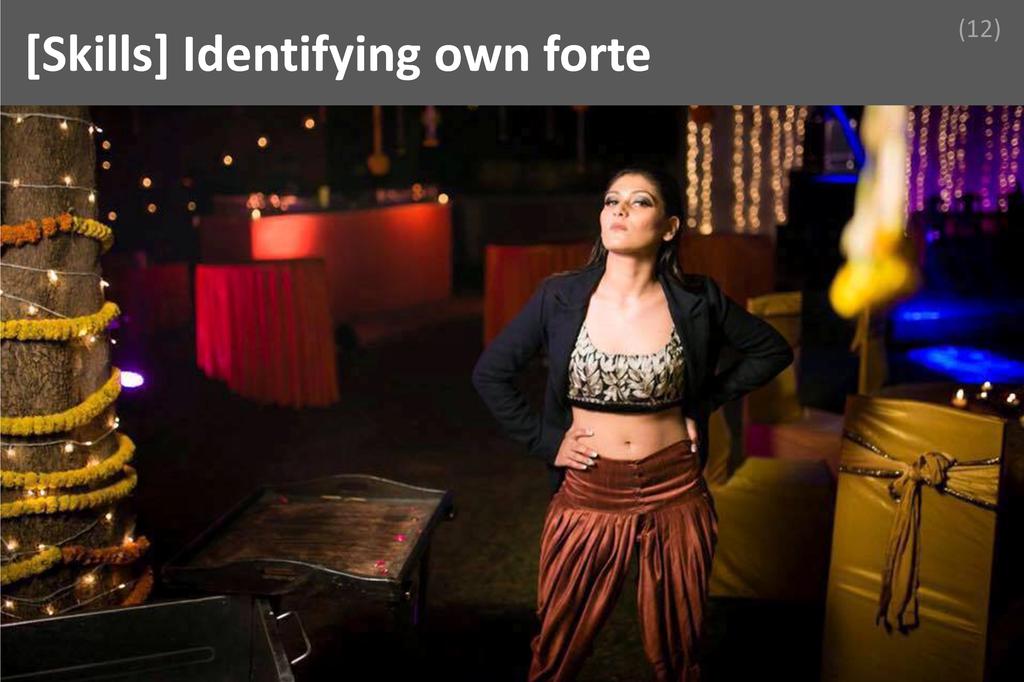
Identifying own forte means recognizing and understanding your unique strengths, talents, and areas of expertise within the field of hair styling. This self-awareness enables professionals to focus on what they do best, refine their signature techniques, and build a reputation based on consistent, high-quality results that set them apart in a competitive industry.
Mastering the ability to identify your own forte directly enhances performance by allowing you to specialize and excel in specific techniques or styles, such as precision cutting, creative coloring, or bridal updos. Clients and employers highly value stylists who demonstrate clear expertise, as it assures them of reliable, standout results and fosters trust. Over time, this skill can be cultivated through honest self-reflection, seeking feedback from mentors and clients, and staying attuned to which services consistently yield satisfaction and positive outcomes. By focusing on continuous learning and embracing opportunities to showcase your strengths, you can further refine your forte and position yourself as a go-to expert in your chosen niche.
Imagine a hair stylist working in a busy salon where a client arrives with a last-minute request for an intricate bridal hairstyle. The stylist, having identified their forte in creative updos and event styling, confidently steps forward to take on the challenge. Drawing on their specialized skills and experience, they quickly assess the client’s needs, select the appropriate tools and products, and execute a stunning, long-lasting style under tight time constraints. The client leaves delighted, the salon’s reputation is enhanced, and the stylist’s confidence grows. This scenario illustrates how recognizing and leveraging one’s own forte not only solves immediate challenges but also contributes to ongoing professional success and client satisfaction.
Understanding Clients Need

Understanding Clients Need is the ability to accurately perceive, interpret, and respond to a client’s preferences, lifestyle, and expectations regarding their hair. In hair styling, this skill ensures that the stylist delivers personalized results, builds trust, and creates a positive experience, making it a foundational element for professional success.
Mastering the art of understanding clients’ needs directly enhances a hair stylist’s performance by enabling them to deliver tailored services that exceed expectations. Clients and employers highly value this skill because it leads to higher satisfaction, repeat business, and positive word-of-mouth referrals. To cultivate this ability, stylists must practice active listening, ask insightful questions, and remain attentive to both verbal and nonverbal cues during consultations. Over time, experience and continuous learning help stylists refine their intuition, allowing them to anticipate and adapt to diverse client requirements. By consistently prioritizing the client’s perspective, a stylist not only improves technical outcomes but also fosters lasting professional relationships.
Imagine a client arrives for a haircut before an important job interview, feeling anxious about making a strong impression. The hair stylist listens carefully, asks about the client’s industry, personal style, and desired level of maintenance. By understanding these needs, the stylist recommends a professional yet manageable look that boosts the client’s confidence. After the appointment, the client feels reassured and prepared, attributing their positive experience to the stylist’s attentiveness and expertise. This scenario highlights how understanding clients’ needs enables a stylist to deliver not just a haircut, but a solution that supports the client’s goals, ultimately strengthening the stylist’s reputation and client loyalty.
Passion

Passion is a deep, enduring enthusiasm and commitment toward a particular activity or profession, driving individuals to pursue excellence and continuous growth. In the context of hair styling, passion fuels creativity, motivates ongoing learning, and inspires stylists to deliver exceptional results, making it an indispensable part of their professional toolkit.
Passion directly enhances a hair stylist’s performance by fostering creativity, resilience, and a genuine desire to exceed client expectations. Clients and employers recognize and value passionate stylists because their enthusiasm translates into attentive service, innovative styles, and a positive salon atmosphere. Passionate professionals are more likely to stay updated with trends, invest in advanced training, and approach challenges with optimism. Cultivating passion involves seeking inspiration from industry leaders, experimenting with new techniques, and reflecting on personal achievements. Over time, engaging with the community, attending workshops, and celebrating small successes can help maintain and deepen one’s passion, ensuring sustained motivation and professional growth in the ever-evolving world of hair styling.
Imagine a hair stylist facing a last-minute request from a client who needs a complete transformation for an important event. Despite a tight schedule and the complexity of the desired look, the stylist’s passion drives them to embrace the challenge with excitement rather than stress. Drawing on their love for the craft, they creatively adapt techniques, communicate openly with the client, and work diligently to achieve the perfect result. The client leaves feeling confident and grateful, while the stylist experiences a sense of accomplishment. In this scenario, passion not only helps the stylist overcome pressure but also elevates the quality of their work, reinforcing their reputation and client loyalty.
Team Work
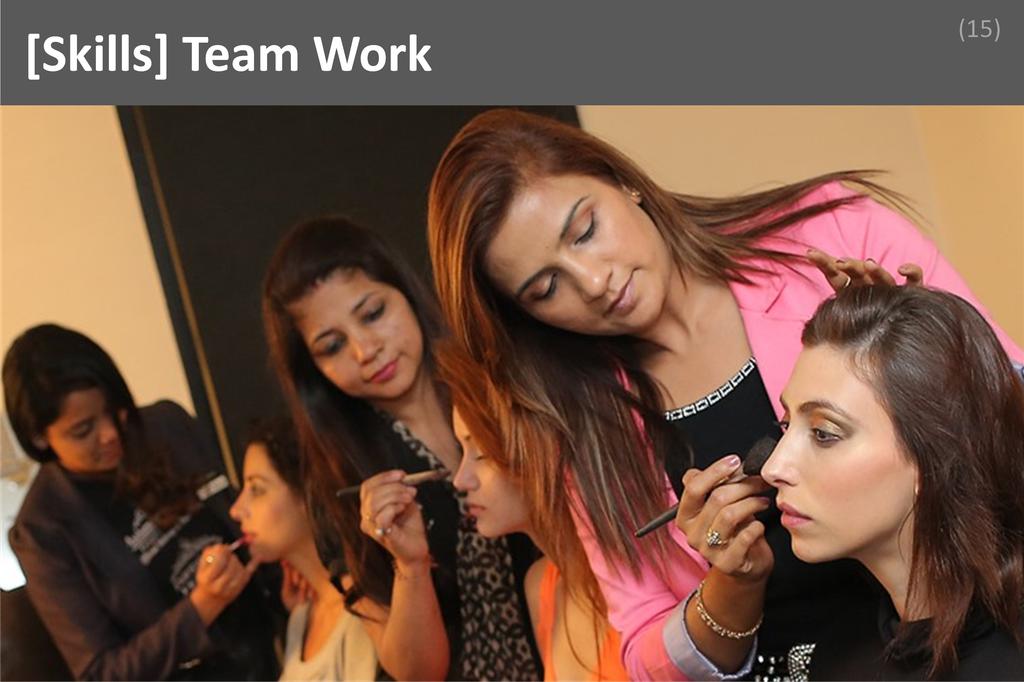
Team work is the ability to collaborate effectively with others by sharing responsibilities, communicating openly, and supporting each other to achieve common goals. In hair styling, team work is crucial because it ensures smooth salon operations, enhances creativity, and delivers consistent, high-quality results for clients, fostering a positive work environment.
Team work directly improves performance in hair styling by enabling stylists to share expertise, manage busy schedules, and handle complex client requests efficiently. Clients and employers highly value this skill because it leads to seamless service, faster problem-solving, and a welcoming atmosphere that encourages repeat business. Cultivating team work involves actively listening to colleagues, offering help when needed, and participating in group training or brainstorming sessions. Over time, these actions build trust and rapport, making it easier to coordinate tasks and adapt to changing demands. By consistently practicing open communication and mutual support, hair stylists can strengthen their team work abilities and contribute to the overall success of the salon.
Imagine a salon during a busy wedding season, where multiple clients require intricate hairstyles within a tight timeframe. One stylist encounters a challenge with a complex updo and seeks assistance from a colleague who specializes in bridal hair. By working together, they quickly resolve the issue, ensuring the client leaves satisfied and on schedule. Meanwhile, other team members coordinate to manage appointments, prepare tools, and maintain a calm atmosphere. This collaborative effort not only prevents delays but also showcases the salon’s professionalism and commitment to client satisfaction. In this scenario, team work is the key factor that transforms a potentially stressful situation into a successful and memorable experience for both clients and staff.
Positives
Experiment on Yourself

"Experiment on Yourself" in hair styling means using your own hair as a canvas to try new techniques, colors, and styles before offering them to clients. This self-driven exploration allows stylists to refine their skills, build confidence, and stay ahead of trends, making the profession dynamic and personally enriching.
The ability to experiment on yourself is a unique advantage in hair styling because it transforms learning into a personal journey. Stylists can test innovative ideas without fear of disappointing a client, which fosters creativity and encourages risk-taking. This hands-on approach leads to deeper understanding of products, tools, and methods, directly enhancing professional expertise. As stylists see visible results on themselves, their confidence grows, which translates into better client consultations and more adventurous service offerings. Daily, this benefit is experienced as stylists try out new haircuts, colors, or treatments on themselves, turning their own appearance into a living portfolio that attracts clients and showcases their evolving artistry.
Imagine a stylist who has heard about a bold new coloring technique that promises vibrant, multi-dimensional results. Instead of waiting for a willing client, she decides to try it on her own hair first. She carefully follows the process, adjusting the formula and timing based on her hair’s response. The outcome is a stunning, head-turning look that not only boosts her self-esteem but also sparks curiosity among her clients. When clients see her transformation, they feel inspired and confident in her abilities, leading to more requests for the new technique. Through this personal experiment, the stylist gains practical experience, builds trust with her clientele, and experiences the satisfaction of turning creative ideas into reality.
Build your own name
"Build your own name" means establishing a personal reputation and unique identity within the hair styling industry through skill, creativity, and client relationships. It is the process of becoming recognized for your individual style, professionalism, and results, which sets you apart and attracts loyal clients who trust your expertise.
The opportunity to build your own name in hair styling is a powerful motivator and a source of deep satisfaction. As stylists develop their signature techniques and personal brand, they gain recognition and respect from both clients and peers. This recognition leads to increased client loyalty, word-of-mouth referrals, and opportunities for career advancement. Every day, professionals experience the tangible rewards of their reputation, from fully booked schedules to invitations to work on special events or collaborate with other creatives. The pride that comes from seeing your name associated with quality and artistry fuels ongoing passion for the craft and encourages continuous growth and learning.
Imagine a stylist who started as an apprentice in a busy salon, gradually developing a distinct approach to color and cuts. Over time, clients specifically request her by name, praising her attention to detail and creative flair. Her reputation spreads beyond the salon, leading to social media recognition and invitations to style hair for local fashion shows. She feels a profound sense of accomplishment each time a new client sits in her chair because of a personal recommendation. This daily affirmation of her growing name in the industry not only brings her professional success but also a deep sense of fulfillment and pride in her work.
Entrepreneurship Opportunities

Entrepreneurship opportunities refer to the potential for individuals to create, own, and manage their own businesses, develop unique services, and shape their professional destinies. In hair styling, this means stylists can open salons, launch product lines, or offer specialized services, fostering independence, creativity, and financial growth within the industry.
The entrepreneurial nature of hair styling transforms it from a routine job into a dynamic and empowering career. Professionals are not limited to working for others; instead, they can build their own brands, set their schedules, and cultivate loyal clienteles. This autonomy leads to higher job satisfaction, as stylists see direct results from their hard work and innovation. The ability to make business decisions, experiment with new techniques, and respond to market trends keeps the profession exciting and ever-evolving. Every day, stylists experience the satisfaction of personal achievement, knowing their success is a direct reflection of their talent, dedication, and vision. This sense of ownership and possibility is a powerful motivator, fueling both personal and professional growth.
Consider a hair stylist who, after gaining experience in a busy salon, decides to open her own boutique studio. She curates a unique atmosphere, selects eco-friendly products, and develops a signature style that attracts a devoted clientele. As her reputation grows, she expands her services, hires a small team, and even begins offering workshops for aspiring stylists. Through entrepreneurship, she not only achieves financial independence but also shapes her work environment and career path according to her values and passions. The daily fulfillment she experiences comes from seeing her vision come to life, building lasting relationships with clients, and mentoring others in the industry, all made possible by the entrepreneurial opportunities inherent in hair styling.
Personal Grooming
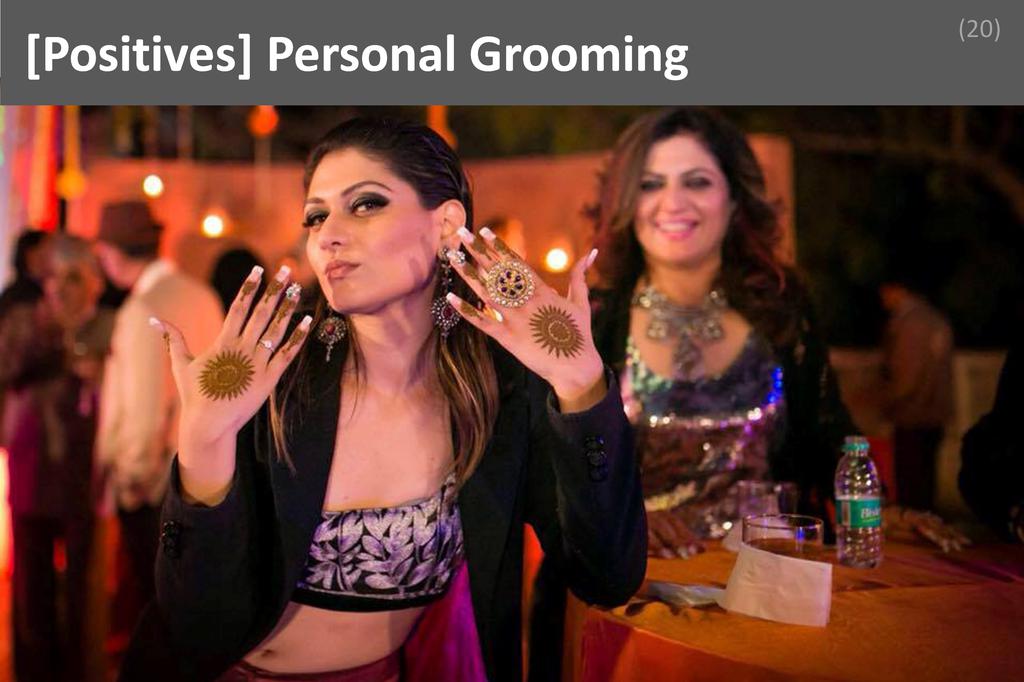
Personal grooming is the ongoing practice of maintaining and enhancing one’s appearance through hygiene, hair care, skin care, and overall presentation. In the field of hair styling, personal grooming is not just a routine but a reflection of professionalism and creativity. It sets the standard for client expectations and builds trust.
Embracing personal grooming as a hair stylist brings a multitude of advantages that extend far beyond appearance. When stylists prioritize their own grooming, they become living examples of their craft, inspiring confidence in clients and colleagues alike. This daily commitment to self-care fosters a sense of pride and professionalism, which translates into higher job satisfaction. Clients are more likely to trust and return to stylists who visibly care for themselves, leading to stronger client relationships and increased business opportunities. Additionally, the discipline of personal grooming encourages ongoing learning about new trends and techniques, fueling personal and professional growth. Ultimately, this positive aspect creates a cycle of motivation, self-respect, and career advancement.
Imagine a hair stylist who arrives at the salon each morning with impeccably styled hair, well-manicured nails, and a polished appearance. As clients walk in, they immediately notice the stylist’s attention to detail and feel reassured about the quality of service they will receive. Throughout the day, the stylist’s confidence shines through every interaction, making consultations more engaging and recommendations more credible. Clients often compliment the stylist’s look and ask for tips, deepening their trust and loyalty. This daily experience of embodying the standards of personal grooming not only enhances the stylist’s reputation but also brings a deep sense of fulfillment, knowing that their appearance positively influences others and elevates their professional standing.
Monetary Potential

Monetary Potential refers to the capacity for earning a substantial income and achieving financial growth within a chosen profession. In hair styling, this means the opportunity to increase earnings through skill development, client retention, and expanding services. This positive aspect empowers professionals to shape their financial future and enjoy economic stability.
The monetary potential in hair styling is a powerful motivator that drives both personal and professional growth. Knowing that hard work, creativity, and dedication can directly translate into higher earnings inspires stylists to continually improve their craft. This financial incentive not only boosts job satisfaction but also opens doors to entrepreneurship, such as owning a salon or launching a product line. Every day, hair stylists experience the tangible rewards of their efforts, whether through generous tips, repeat clients, or increased demand for their expertise. This ongoing financial recognition fosters a sense of accomplishment and encourages professionals to set ambitious goals, making the journey in hair styling both fulfilling and sustainable.
Consider a hair stylist who began their career at a local salon, steadily building a loyal clientele through exceptional service and innovative techniques. As their reputation grew, so did their income, allowing them to invest in advanced training and specialized equipment. Eventually, this stylist opened their own boutique salon, attracting high-profile clients and commanding premium prices for their services. The financial rewards enabled them to support their family, travel, and even mentor aspiring stylists. This journey illustrates how the monetary potential in hair styling not only provides immediate financial benefits but also creates long-term opportunities for personal and professional fulfillment.
Challenges
Fussy Clients

Fussy clients in hair styling are individuals who have exceptionally high, specific, or frequently changing expectations regarding their hair services. They often express dissatisfaction easily, request multiple adjustments, and may struggle to articulate their desired outcome, making it challenging for stylists to meet their standards and maintain a positive experience.
Dealing with fussy clients can significantly impact a hair stylist’s daily routine, often leading to longer appointment times, increased stress, and the need for heightened communication skills. This challenge demands resilience because repeated criticism or indecision can erode a stylist’s confidence and disrupt workflow. Successful professionals manage this constraint by practicing active listening, setting clear boundaries, and maintaining patience. They focus on building trust through transparent consultations and realistic discussions about what is achievable. By remaining calm and solution-oriented, stylists can turn potentially negative encounters into opportunities for client education and loyalty, ultimately strengthening their reputation and client relationships.
Consider a scenario where a client arrives with a vague idea for a new hairstyle but is quick to reject suggestions and becomes visibly frustrated during the consultation. The stylist remains composed, asking open-ended questions to clarify the client’s preferences and gently guiding the conversation toward feasible options. Throughout the appointment, the stylist provides regular updates, seeks feedback at key stages, and reassures the client about the process. By the end, the client feels heard and satisfied with the result, expressing appreciation for the stylist’s patience and professionalism. This approach not only resolves the immediate challenge but also fosters trust, increasing the likelihood of a positive ongoing relationship.
Difficult Work Environment

A difficult work environment in hair styling refers to workplaces marked by high stress, interpersonal conflicts, unclear expectations, or inadequate resources. These conditions are demanding because they challenge creativity, patience, and professionalism, often leading to burnout or dissatisfaction if not managed effectively within the fast-paced and client-focused nature of the industry.
A challenging work environment can significantly affect a hair stylist’s daily routine by increasing stress levels, reducing job satisfaction, and hindering creative expression. Constant pressure from demanding clients, tight schedules, or unsupportive colleagues can make it difficult to maintain motivation and deliver quality service. This environment requires resilience, adaptability, and strong interpersonal skills. Successful professionals often navigate these constraints by setting clear boundaries, seeking support from mentors, and focusing on continuous self-improvement. They prioritize communication and self-care, ensuring that workplace challenges do not overshadow their passion for the craft. By fostering positive relationships and maintaining a solution-oriented mindset, they turn adversity into opportunities for personal and professional growth.
Consider a stylist working in a busy urban salon where competition among colleagues is intense and management provides little support. Initially overwhelmed by gossip and unrealistic client demands, the stylist chooses to focus on building rapport with clients and maintaining professionalism. By consistently delivering excellent results and treating everyone with respect, the stylist gradually earns trust and loyalty from both clients and coworkers. Over time, this approach helps to shift the salon’s atmosphere toward greater collaboration and mutual respect. The stylist’s resilience and commitment not only improve their own work experience but also inspire others to adopt a more positive and supportive attitude, demonstrating how difficult environments can be transformed through perseverance and integrity.
Competition

Competition in Hair Styling refers to the constant presence of other talented professionals and salons vying for the same clients, recognition, and opportunities. This environment is demanding because it requires stylists to continuously innovate, maintain high standards, and differentiate themselves to attract and retain clients in a crowded marketplace.
The challenge of competition in hair styling can create daily pressure, as professionals must consistently deliver exceptional results to stand out. This environment can lead to stress, especially when new trends emerge or when clients are tempted by rival salons offering promotions or novel services. Resilience becomes essential, as setbacks are inevitable and client loyalty can be unpredictable. Successful stylists manage this constraint by investing in ongoing education, refining their unique style, and building strong relationships with clients. They also leverage social media and word-of-mouth to showcase their work, ensuring their reputation grows. By focusing on personal growth and client satisfaction, professionals can transform competition from a threat into a motivator for continuous improvement.
Consider a hair stylist working in a busy urban area where new salons frequently open nearby. Instead of feeling threatened, the stylist decides to specialize in curly hair, a niche often underserved. She attends advanced workshops, shares her expertise on social media, and offers personalized consultations. Her dedication to mastering this specialty attracts clients seeking tailored solutions, and positive reviews begin to spread. While competition remains fierce, her commitment to excellence and her unique skill set help her build a loyal clientele. By embracing her strengths and staying adaptable, she not only survives but thrives, turning competition into an opportunity for professional growth and recognition.
Capital

Capital in Hair Styling refers to the financial resources required to start, maintain, and grow a hair styling business. This includes funds for equipment, salon space, products, marketing, and staff. Securing sufficient capital is demanding because it determines the quality of services, business stability, and opportunities for innovation or expansion.
The challenge of capital directly influences a hair stylist’s daily operations, from the ability to purchase high-quality products to maintaining an inviting salon environment. Limited funds can restrict marketing efforts, staff hiring, and even the range of services offered, making it harder to attract and retain clients. This constraint requires resilience, as professionals must often work with what they have, prioritize essential expenses, and find creative solutions to financial shortfalls. Successful hair stylists manage this obstacle by building strong client relationships, reinvesting profits wisely, and seeking alternative funding sources such as small business loans or partnerships. By staying adaptable and resourceful, they gradually strengthen their financial position and lay the groundwork for sustainable growth.
Consider a hair stylist who dreams of opening her own salon but faces limited capital. She starts by renting a small booth in an established salon, minimizing overhead costs while building a loyal clientele. She carefully budgets her earnings, reinvesting profits into better tools and premium products. Over time, her reputation grows, allowing her to increase her prices and save more aggressively. Eventually, she secures a small business loan, using her proven track record to convince lenders of her potential. With this additional capital, she opens her own salon, having learned valuable lessons in financial management and resourcefulness along the way. Her journey demonstrates how determination and strategic planning can overcome the challenge of limited capital.
A Day Of
Hair Styling
The hum of blow dryers, the scent of freshly brewed coffee mingling with hair products, and the steady rhythm of scissors snipping through the morning air—this is the pulse of a hair styling professional’s world. Each day unfolds as a blend of artistry and precision, where creativity meets client care in a fast-paced environment that demands both technical skill and a personal touch. From the moment the salon lights flicker on to the last sweep of the broom, a hair stylist’s day is a dynamic dance of appointments, transformations, and teamwork, all set against the backdrop of a bustling, ever-changing workspace.
As the sun rises, the salon comes to life with the arrival of the first stylists. Early mornings are dedicated to transforming the workspace into a welcoming haven. Stations are meticulously sanitized, tools are sharpened and arranged, and appointment books are reviewed to anticipate the day’s unique challenges. Stylists take a few quiet moments to check inventory, mix color formulas, and mentally prepare for the creative demands ahead, ensuring that every detail is in place before the first client walks through the door.
By mid-morning, the salon buzzes with energy as the core of the day’s work begins. Stylists greet clients with warm smiles, consult on desired looks, and set to work crafting everything from precision cuts to vibrant color treatments. The pace quickens as chairs fill, phones ring with new bookings, and the team collaborates seamlessly to keep appointments running smoothly. This is the heart of the day, where technical expertise and personal connection combine to deliver confidence-boosting transformations and memorable experiences for every client.
Afternoons are marked by a steady flow of appointments and a spirit of collaboration among the salon staff. Stylists often consult with one another on challenging color corrections or innovative styling techniques, sharing insights and lending a hand when needed. Between clients, there may be quick team meetings to discuss upcoming promotions or review client feedback. The focus remains on delivering consistent, high-quality service while supporting colleagues and maintaining the welcoming atmosphere that keeps clients coming back.
As the day winds down, stylists shift their attention to closing tasks and preparation for the next day. Stations are cleaned and restocked, tools are sanitized, and notes are made on client preferences or follow-up needs. Stylists may spend time researching new trends, updating social media portfolios, or reviewing the next day’s schedule to ensure a seamless start. The final moments in the salon are a blend of reflection and anticipation, as each professional takes pride in the day’s accomplishments and looks forward to the creative possibilities that tomorrow will bring. |


 Home
Home Abroad
 Plan
Plan Philosophy
 Seminar
 Pages
Pages Advisors
 Testimonials










 Workshop
 Discuss
 Meet
Meet
 Advisor
 Story
Story
 Fine Print
 Links
Links
 Blog
Blog
 Follow
