The Journey of Hair Styling
What Is Hair Styling
Hair Styling
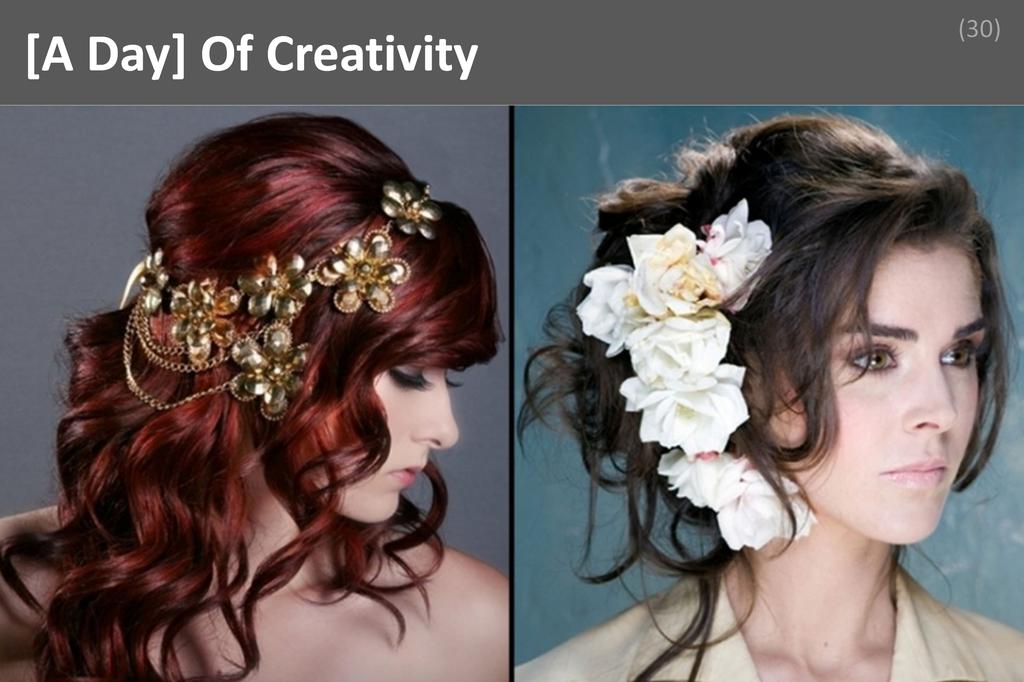
Hair styling is the art and science of cutting, shaping, coloring, and arranging hair to enhance appearance, express personality, or follow trends. It involves using various tools, techniques, and products to achieve desired looks for clients, ranging from everyday styles to elaborate designs for special occasions.
Hair styling plays a significant role in the beauty and fashion industries, shaping personal and cultural identities. For professionals, it offers a creative outlet and the opportunity to build strong client relationships. The career provides flexibility, as stylists can work in salons, freelance, or even own businesses. Hair styling also fosters continuous learning, with new trends and techniques emerging regularly. Additionally, it can be emotionally rewarding, as stylists help clients feel confident and refreshed. The profession’s social aspect allows stylists to connect with diverse individuals, making each day unique and engaging.
A professional hair stylist might begin their day consulting with a client who wants a new look for an upcoming event. After discussing the client’s preferences and assessing hair type and condition, the stylist recommends a layered cut with soft highlights to add dimension. Using precision cutting techniques and carefully selected coloring products, the stylist transforms the client’s hair while ensuring its health. Throughout the process, the stylist educates the client on aftercare and styling tips, ensuring the look can be maintained at home. The client leaves the salon feeling more confident and satisfied, while the stylist gains a sense of accomplishment from delivering a personalized, high-quality service.
Education
Styling Categories

Styling Categories refers to the systematic classification of hair styling techniques, finishes, and trends into distinct groups based on style, texture, occasion, and client needs. This concept is fundamental in both academic study and professional practice, providing a structured framework for understanding, teaching, and executing diverse hair styling methods effectively.
Understanding Styling Categories is essential for anyone pursuing a career in hair styling because it establishes a clear foundation for mastering a wide range of techniques and approaches. By learning how to categorize styles, professionals can more easily identify client preferences, recommend suitable options, and stay current with evolving trends. This knowledge also enhances communication within the salon environment, ensuring that stylists and clients share a common language when discussing desired outcomes. Over time, a strong grasp of Styling Categories supports career growth by enabling stylists to adapt to new styles, specialize in particular categories, and build a versatile portfolio that appeals to a broader clientele.
Consider a hairstylist working in a busy urban salon who greets a client seeking a look for a formal event. Drawing on their understanding of Styling Categories, the stylist quickly assesses whether the client’s needs align with updos, sleek finishes, or textured styles. By referencing their theoretical knowledge, the stylist confidently recommends a classic chignon, explaining how it fits within the formal styling category and complements the client’s face shape and attire. Throughout the appointment, the stylist uses specific techniques associated with this category, ensuring the result is polished and appropriate for the occasion. This practical application of Styling Categories not only streamlines the consultation process but also enhances client satisfaction and professional credibility.
Hair Texture
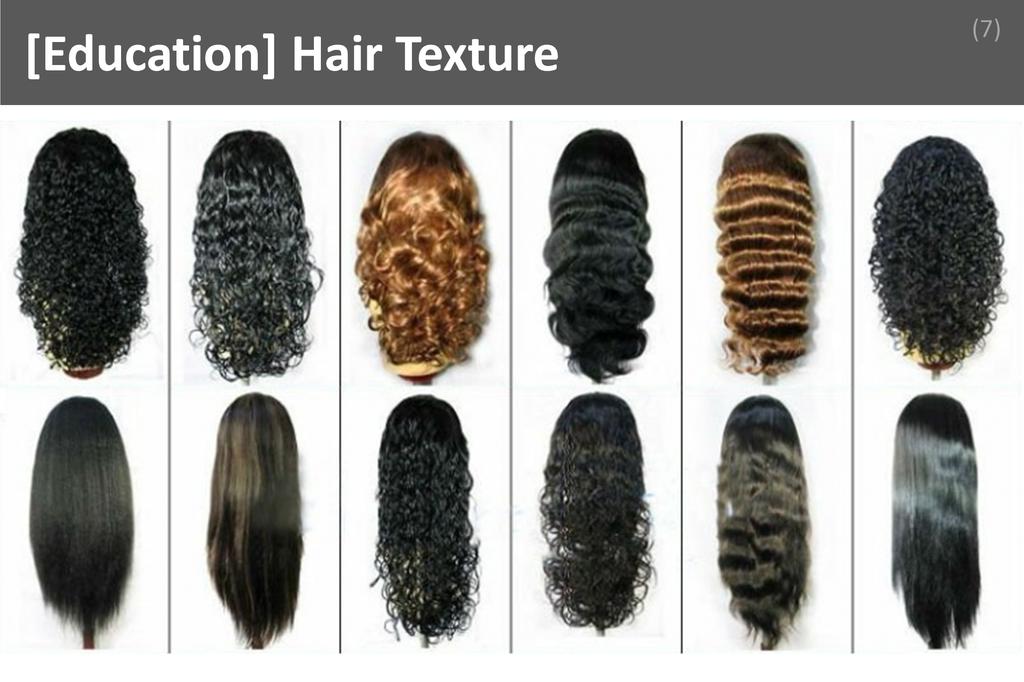
Hair texture refers to the natural shape, thickness, and pattern of individual hair strands, encompassing categories such as straight, wavy, curly, or coily. In both academic study and professional practice, understanding hair texture is essential for tailoring techniques, selecting appropriate products, and achieving optimal results in hair styling.
A deep understanding of hair texture is fundamental for anyone pursuing a career in hair styling. This knowledge enables professionals to assess each client’s unique hair characteristics and adapt their approach accordingly, ensuring both the health and appearance of the hair are maintained. Mastery of hair texture concepts allows stylists to recommend suitable treatments, select the right tools, and apply techniques that enhance natural beauty while minimizing damage. Over time, this expertise builds client trust, fosters repeat business, and distinguishes a stylist as a knowledgeable and versatile professional. As trends and technologies evolve, a solid grasp of hair texture remains a cornerstone of ongoing education and professional growth in the industry.
Consider a stylist working with a client who has naturally curly, fine hair. Drawing on their understanding of hair texture, the stylist recognizes that this hair type is prone to dryness and breakage. Instead of using high heat or heavy products, the stylist opts for a gentle, hydrating approach, selecting lightweight styling creams and diffusing the hair at a low temperature. By customizing their technique, the stylist enhances the client’s natural curl pattern while preserving hair health. This thoughtful application of theoretical knowledge not only produces a beautiful result but also demonstrates the stylist’s expertise, leading to greater client satisfaction and loyalty.
Product Knowledge

Product Knowledge in hair styling refers to a comprehensive understanding of the ingredients, functions, benefits, and limitations of various hair care and styling products. It encompasses the ability to select, recommend, and apply products appropriately, forming a critical component of both academic study and professional expertise in the hair styling industry.
Developing strong product knowledge is essential for anyone pursuing a career in hair styling because it directly impacts the quality of service provided to clients. Understanding the science behind different shampoos, conditioners, treatments, and styling aids enables professionals to make informed decisions tailored to individual hair types and client needs. This expertise not only ensures client satisfaction and safety but also builds trust and credibility, which are crucial for career advancement. Over time, a solid foundation in product knowledge allows stylists to stay current with industry trends, adapt to new technologies, and confidently educate clients, all of which contribute to long-term professional growth and success in a competitive field.
Imagine a client arrives at a salon with color-treated, fine hair that is prone to breakage. A skilled hair stylist draws upon their product knowledge to select a sulfate-free, color-safe shampoo and a lightweight, protein-rich conditioner to protect the hair’s color and strengthen its structure. During the consultation, the stylist explains the benefits of these products, demonstrating their expertise and building client trust. When styling, the professional chooses a heat protectant spray specifically formulated for fine hair, ensuring the client’s hair remains healthy and vibrant. This thoughtful application of product knowledge not only delivers optimal results but also enhances the client’s overall salon experience, encouraging loyalty and positive word-of-mouth.
Tools & Equipments
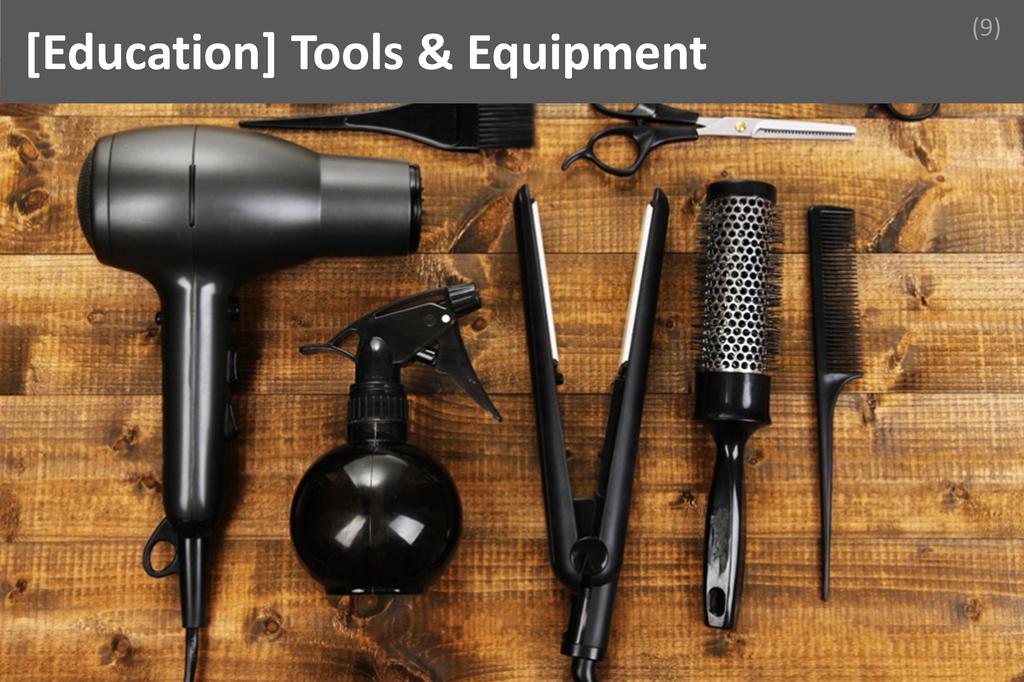
"Tools & Equipments" refers to the various implements, devices, and machinery used in the practice of hair styling, including scissors, combs, brushes, dryers, straighteners, and sanitizing units. Mastery of these items is essential in both academic training and professional practice, ensuring effective, safe, and creative hair styling outcomes.
Understanding tools and equipment is fundamental for anyone entering or advancing in the hair styling profession. This knowledge allows stylists to select the right implement for each technique, maintain hygiene standards, and ensure client safety. Familiarity with the latest tools also enables professionals to deliver modern styles and adapt to evolving trends. Over time, expertise in this area enhances efficiency, reduces the risk of accidents, and builds client trust. Mastery of tools and equipment forms the backbone of technical proficiency, supporting creativity and innovation in hair design. Ultimately, it is this foundational knowledge that distinguishes skilled professionals and opens doors to advanced career opportunities within the beauty industry.
Consider a hair stylist preparing a client for a layered haircut and blowout. The stylist’s understanding of tools and equipment guides their choice of sharp, well-maintained scissors for precision cutting, a wide-tooth comb for detangling, and a round brush paired with a professional-grade hair dryer for volume and smoothness. Throughout the process, the stylist ensures all tools are sanitized, minimizing the risk of infection. When switching between cutting and styling, the stylist seamlessly transitions between implements, demonstrating efficiency and expertise. This practical application of theoretical knowledge not only results in a polished final look but also reassures the client of the stylist’s professionalism and commitment to safety and quality.
Color
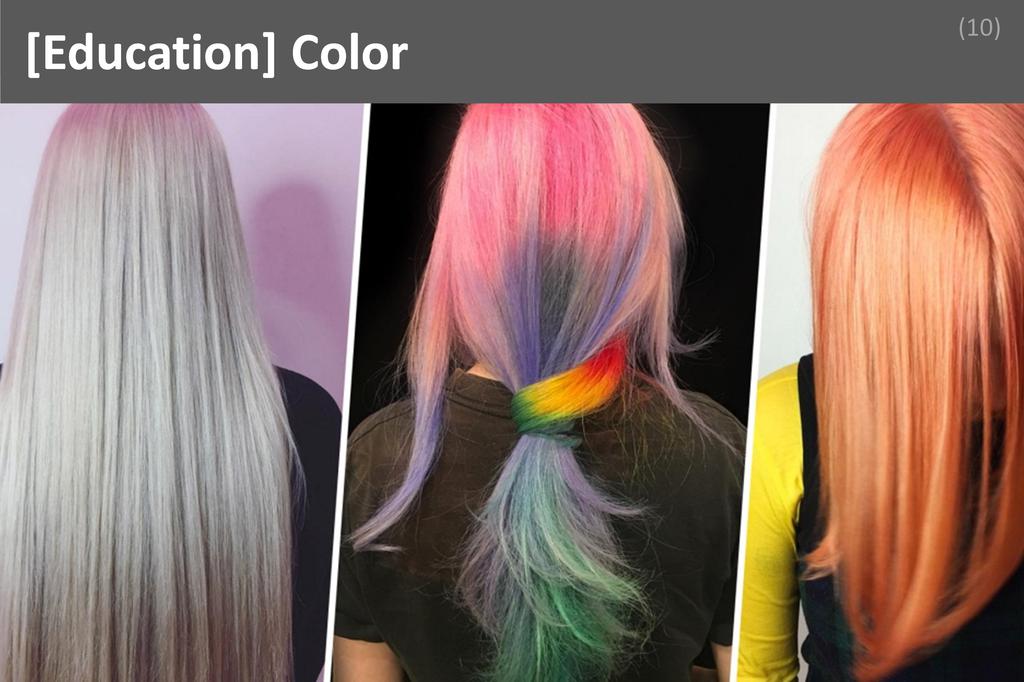
Color, in the context of hair styling, refers to the science and art of altering or enhancing the natural shade of hair using various pigments and chemical processes. It encompasses understanding color theory, pigment composition, and the interaction between hair structure and colorants, forming a crucial part of professional hair styling education and practice.
A deep understanding of color is essential for any hair stylist, as it underpins the ability to create customized looks that suit individual clients’ preferences and features. Mastery of color theory allows professionals to predict outcomes, correct unwanted tones, and achieve harmonious blends, ensuring client satisfaction and safety. This foundational knowledge is not only vital for technical execution but also for effective communication with clients about realistic results and maintenance. Over time, expertise in color elevates a stylist’s reputation, opens doors to advanced career opportunities, and fosters creative growth. As trends and technologies evolve, a solid grasp of color principles ensures adaptability and continued professional relevance in the competitive beauty industry.
Imagine a client arrives at a salon requesting to transition from dark brown hair to a cool, platinum blonde. The stylist must draw upon their understanding of color theory, hair porosity, and underlying pigments to plan the process. They assess the client’s hair health, select appropriate lightening products, and anticipate the appearance of warm undertones that may emerge during bleaching. By applying their theoretical knowledge, the stylist skillfully neutralizes unwanted yellow or orange hues with the correct toners, achieving the desired shade while maintaining hair integrity. This expertise not only delivers the client’s vision but also builds trust and loyalty, showcasing the practical importance of mastering color in daily salon operations.
Face Cuts & Complexion

Face Cuts & Complexion refers to the study of facial shapes—such as oval, round, square, or heart-shaped—and the analysis of skin tones, undertones, and textures. This knowledge is essential in hair styling, as it guides professionals in selecting and customizing hairstyles that enhance a client’s natural features and overall appearance.
Understanding face cuts and complexion is fundamental for anyone pursuing a career in hair styling. Mastery of these concepts allows professionals to tailor their services to each client’s unique features, ensuring flattering and harmonious results. This expertise not only improves client satisfaction but also builds a stylist’s reputation for personalized service. Over time, a deep knowledge of face shapes and skin tones enables stylists to confidently recommend styles, colors, and treatments that complement individual clients. This skill set is highly valued in the industry, as it demonstrates a commitment to both artistry and client care, fostering long-term relationships and career advancement opportunities.
Imagine a client with a square face and warm, medium complexion visits a salon seeking a new look. A skilled hair stylist assesses the client’s facial structure and skin tone before recommending a layered haircut with soft waves to balance the angular jawline. The stylist suggests caramel highlights to enhance the client’s warm undertones, ensuring the chosen shades complement her complexion. Throughout the process, the stylist explains how the selected style and color will accentuate her best features. By applying their understanding of face cuts and complexion, the stylist delivers a result that not only flatters the client’s appearance but also boosts her confidence, exemplifying the practical value of this essential knowledge in daily professional practice.
Latest Trends

Latest Trends refers to the most current styles, techniques, products, and influences shaping the world of hair styling. It encompasses evolving fashion movements, technological advancements, and cultural shifts that impact how hair is cut, colored, and styled. Understanding these trends is essential for academic study and professional practice in hair styling.
Learning about the latest trends is vital for anyone pursuing a career in hair styling because the industry is constantly evolving. Staying updated ensures that professionals can meet client expectations, offer innovative services, and maintain a competitive edge. Mastery of current trends forms the foundation for creative expression, technical proficiency, and client satisfaction. It also demonstrates a commitment to ongoing education, which is highly valued in the beauty industry. Over the long term, professionals who consistently engage with new trends are more likely to build a loyal clientele, adapt to market changes, and advance their careers. This knowledge not only enhances technical skills but also fosters confidence and credibility among peers and clients alike.
Imagine a hair stylist working in a busy urban salon who regularly researches and practices the latest hair coloring techniques, such as balayage or vivid color melts. When a client requests a look inspired by a celebrity’s recent appearance at a major fashion event, the stylist confidently recommends suitable options, explains the process, and executes the style flawlessly. Their up-to-date knowledge allows them to customize the service to the client’s hair type and preferences, resulting in a fashionable, personalized outcome. By applying their understanding of the latest trends, the stylist not only meets the client’s expectations but also builds trust and encourages repeat business, reinforcing their reputation as a trend-savvy professional.
Skills
Personal Grooming

Personal grooming refers to the consistent practice of maintaining a neat, clean, and presentable appearance through proper hygiene, attire, and self-care routines. In the context of hair styling, personal grooming is a vital skill because it reflects professionalism, builds client trust, and sets a standard for the quality of service provided.
Personal grooming directly enhances a hair stylist’s performance by projecting confidence, attention to detail, and respect for both the client and the workplace. Clients and employers value well-groomed professionals because they inspire trust and create a welcoming environment, making clients feel comfortable and cared for. A stylist who is meticulous about their own appearance is often perceived as more competent and reliable, which can lead to repeat business and positive referrals. Cultivating this skill involves developing daily habits such as maintaining clean hands and nails, wearing appropriate attire, and ensuring hair and skin are well cared for. Over time, these habits become second nature, reinforcing a professional image and contributing to long-term career success.
Imagine a hair stylist preparing for an important client who is considering booking a series of high-profile appointments. The stylist ensures their uniform is spotless, their hair is styled neatly, and their hands are impeccably clean. During the consultation, the client immediately notices the stylist’s polished appearance and feels reassured about the level of care they will receive. When the client expresses concerns about hygiene and professionalism, the stylist’s personal grooming becomes a silent but powerful testament to their standards. As a result, the client feels confident in proceeding, and the stylist secures not only the appointment but also a valuable, ongoing relationship. This scenario highlights how personal grooming can directly influence client perceptions and professional opportunities.
Communication
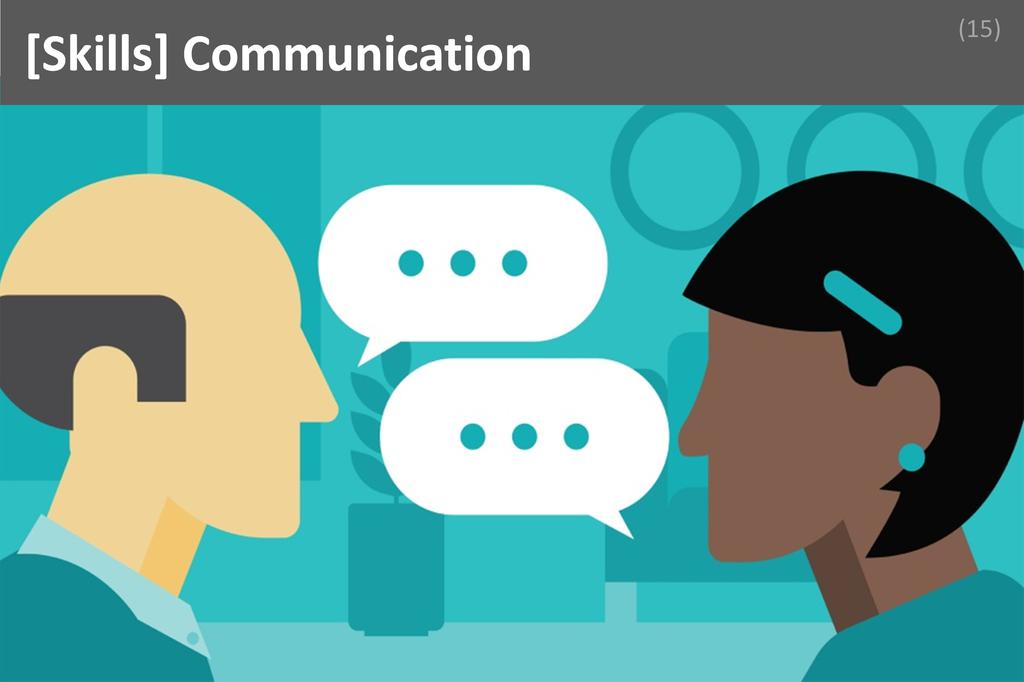
Communication is the process of exchanging information, ideas, and feelings through speaking, listening, writing, and non-verbal cues. In hair styling, communication enables professionals to understand client needs, explain services, and build trust. It is a vital skill that ensures clarity, satisfaction, and a positive experience for both stylist and client.
Strong communication skills directly enhance a hair stylist’s performance by ensuring that client expectations are clearly understood and met. Clients and employers highly value stylists who can listen attentively, ask clarifying questions, and articulate recommendations or concerns with confidence. This skill helps prevent misunderstandings, fosters loyalty, and encourages repeat business. Over time, communication can be cultivated through active listening, seeking feedback, and practicing empathy in every interaction. Stylists who consistently refine their communication abilities are better equipped to handle diverse clients, resolve conflicts, and collaborate effectively with colleagues, making them indispensable assets in any salon environment.
Imagine a client arrives at a salon with a vague idea for a new hairstyle but struggles to articulate their vision. The hair stylist uses open-ended questions and reflective listening to draw out the client’s preferences, lifestyle needs, and concerns. By summarizing what the client shares and offering professional suggestions, the stylist ensures both parties are aligned before beginning the service. During the appointment, the stylist continues to check in, explaining each step and inviting feedback. This clear, ongoing communication not only prevents disappointment but also builds trust, resulting in a satisfied client who feels heard and valued. The stylist’s communication skills turn a potentially uncertain situation into a successful and rewarding experience for both.
Observation

Observation is the focused act of noticing details, behaviors, and subtle cues in people and environments to gather information and insights. In hair styling, observation enables professionals to assess hair texture, face shape, client preferences, and current trends, ensuring that every style is tailored to individual needs and expectations.
Observation is a cornerstone of excellence in hair styling because it allows professionals to deliver personalized and precise results. By carefully watching how hair falls, how clients react to suggestions, and how styles complement features, stylists can make informed decisions that elevate their work. Clients and employers highly value this skill because it leads to consistently satisfying outcomes and fosters trust. To cultivate observation, stylists should practice active listening, pay attention to visual details, and reflect on feedback from both clients and colleagues. Over time, these habits sharpen one’s ability to notice nuances, anticipate needs, and adapt techniques, ultimately enhancing both technical and interpersonal effectiveness in the salon environment.
Imagine a client arrives for a haircut, expressing dissatisfaction with their current look but unsure of what they want. A skilled hair stylist uses observation to notice the client’s hair growth patterns, natural part, and subtle facial expressions when discussing different styles. By observing the client’s wardrobe and accessories, the stylist gains further insight into their personality and lifestyle. This careful attention allows the stylist to suggest a style that not only flatters the client’s features but also aligns with their daily routine and self-image. The client leaves feeling understood and confident, a result made possible by the stylist’s keen observational skills.
Time Management

Time management is the ability to plan, organize, and control how much time is spent on specific activities to maximize efficiency and productivity. In the world of hair styling, it ensures that appointments run smoothly, clients are not kept waiting, and services are delivered with consistent quality and professionalism.
Mastering time management in hair styling leads to smoother daily operations and a more satisfying experience for both clients and professionals. When a stylist manages their schedule effectively, they can accommodate more clients without sacrificing the quality of their work. This reliability builds trust with clients and makes a positive impression on employers, who value punctuality and efficiency in a fast-paced environment. To cultivate this skill, stylists can start by setting realistic appointment durations, using digital scheduling tools, and regularly evaluating their workflow to identify areas for improvement. Over time, consistent practice and reflection help stylists become more adept at balancing multiple tasks, handling unexpected delays, and maintaining a calm, organized approach throughout their workday.
Imagine a hair stylist working in a busy salon with back-to-back appointments. One morning, a client arrives late for a complex color treatment, threatening to disrupt the entire day’s schedule. By applying strong time management skills, the stylist quickly reassesses the remaining appointments, communicates transparently with affected clients, and adjusts the workflow to minimize delays. They might delegate shampooing or blow-drying to an assistant or streamline certain steps without compromising quality. As a result, the stylist keeps the day on track, maintains client satisfaction, and demonstrates professionalism under pressure. This scenario highlights how effective time management not only resolves immediate challenges but also strengthens the stylist’s reputation and client relationships.
Patience

Patience is the ability to remain calm, composed, and persistent in the face of delays, challenges, or repetitive tasks, without becoming frustrated or giving up. In the world of hair styling, patience is indispensable, as it allows professionals to deliver meticulous results, handle demanding clients, and master complex techniques over time.
Patience directly enhances a hair stylist’s performance by enabling them to focus on precision and quality, especially during intricate procedures such as coloring, braiding, or corrective work. Clients and employers highly value this trait because it fosters a relaxing atmosphere, builds trust, and ensures that services are never rushed, leading to consistently excellent outcomes. To cultivate patience, stylists can practice mindfulness, set realistic expectations, and view each challenge as an opportunity for growth. Over time, repeated exposure to diverse client needs and technical demands helps professionals develop a calm, steady approach, which becomes a hallmark of their service and reputation.
Imagine a stylist working with a client who wants to transition from dark hair to a much lighter shade. This process requires multiple sessions, careful application of products, and long waiting periods for color to lift without damaging the hair. The stylist must remain patient throughout, explaining each step to the client and resisting the urge to rush the process. By maintaining patience, the stylist not only protects the client’s hair health but also builds a trusting relationship, ensuring the final result meets expectations. This approach ultimately leads to client satisfaction and professional success, demonstrating how patience is a vital asset in overcoming challenges and achieving the best possible outcomes in hair styling.
Networking

Networking is the process of building and nurturing professional relationships that can provide support, information, and opportunities. In the context of hair styling, networking connects stylists with clients, colleagues, mentors, and industry leaders, allowing them to share knowledge, stay updated on trends, and access new career opportunities that might otherwise remain out of reach.
Networking directly enhances a hair stylist’s performance by opening doors to new clients, collaborations, and learning experiences. Clients and employers value stylists who are well-connected because it often means access to the latest techniques, products, and industry insights. A stylist who networks effectively can offer fresh ideas and solutions, making them more adaptable and resourceful. Cultivating this skill involves attending industry events, engaging with peers on social media, and maintaining relationships with clients and other professionals. Over time, consistent communication and genuine interest in others help build a strong network that supports personal and professional growth, ultimately leading to a more successful and resilient career.
Imagine a hair stylist who is faced with a last-minute request from a high-profile client for a complex hairstyle that requires a specific product not available in their salon. Because the stylist has built a strong network with other professionals in the area, they are able to quickly reach out to a fellow stylist who has the product in stock. The connection not only saves the day but also impresses the client with the stylist’s resourcefulness and reliability. This scenario highlights how networking enables hair stylists to solve critical problems efficiently, maintain client satisfaction, and reinforce their reputation as dependable professionals within the industry.
Keen Learner
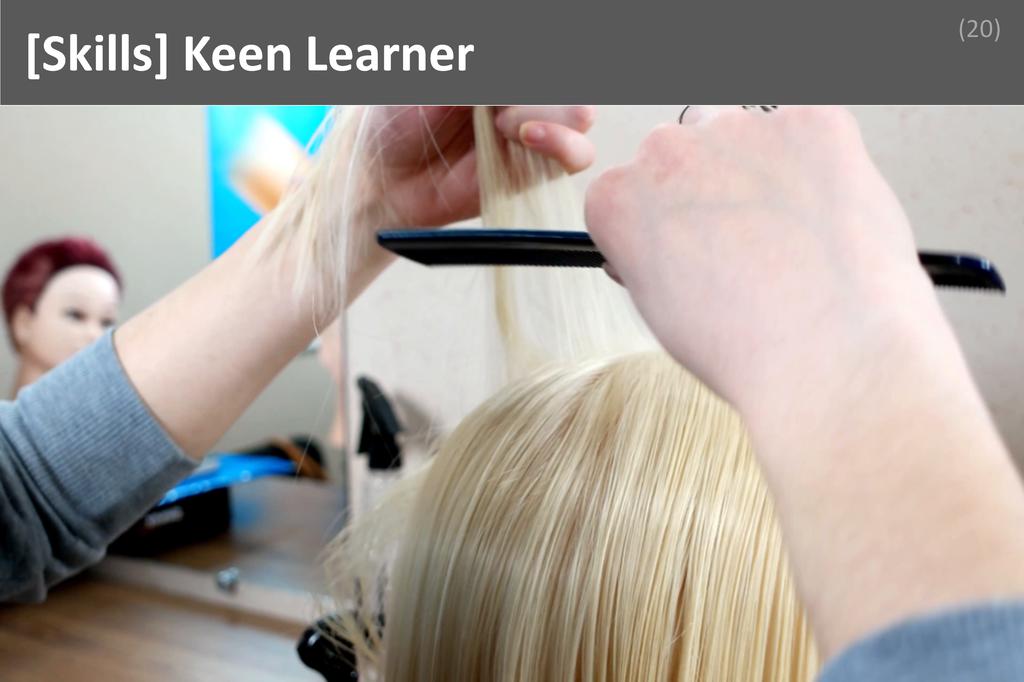
A "Keen Learner" is someone who actively seeks out new knowledge, adapts quickly to changes, and embraces continuous improvement with curiosity and enthusiasm. In hair styling, this quality enables professionals to stay updated with evolving trends, master new techniques, and respond effectively to client needs, ensuring ongoing relevance and success.
Being a keen learner directly enhances a hair stylist’s performance by allowing them to quickly adopt innovative styles, tools, and products, which keeps their services fresh and appealing. Clients and employers highly value this skill because it demonstrates adaptability, a commitment to excellence, and the ability to meet diverse and changing preferences. Cultivating this skill involves regularly attending workshops, seeking feedback, observing industry leaders, and practicing new methods. Over time, this proactive approach builds confidence and expertise, making the stylist more versatile and competitive in the marketplace. The willingness to learn also fosters resilience, helping professionals navigate challenges and seize new opportunities as the industry evolves.
Imagine a hair stylist whose client requests a trendy coloring technique that has just gained popularity on social media. The stylist, being a keen learner, has already researched and practiced this technique after noticing its rise in demand. Confident in their new skills, they deliver the look flawlessly, impressing the client and attracting positive attention online. This scenario highlights how a keen learner not only meets client expectations but also positions themselves as a go-to expert for the latest trends. Their dedication to learning ensures they never fall behind, turning challenges into opportunities for growth and professional distinction.
Positives
Work Life Balance

Work Life Balance is the ability to effectively manage professional responsibilities and personal life, ensuring neither is neglected, and both contribute to overall well-being. In hair styling, this balance allows professionals to pursue their passion while maintaining time for family, hobbies, and self-care, leading to a more fulfilling career.
The positive aspect of work life balance in hair styling is significant because it empowers professionals to design their schedules around their lives, not the other way around. This flexibility leads to higher job satisfaction, as stylists can avoid burnout and maintain enthusiasm for their craft. The ability to choose working hours and days off means stylists can attend important family events, take vacations, or simply enjoy downtime, all while building a loyal clientele. This autonomy fosters personal growth, creativity, and a sense of control over one’s career path. Each day, hair stylists experience the benefit of work life balance by being present for both their clients and their loved ones, which enhances their overall happiness and professional longevity.
Imagine a hair stylist named Maya who has two young children. She chooses to work four days a week, with her busiest days on weekends when her partner is home. This arrangement allows Maya to be present for her children’s school events and after-school activities, while still advancing her career and growing her client base. Maya feels energized and motivated at work because she knows she is not missing out on important family moments. Her clients appreciate her positive attitude and dedication, which in turn strengthens her professional relationships. For Maya, the ability to balance her work and personal life is not just a benefit—it is the foundation of her happiness and success in the hair styling industry.
Meeting New People

Meeting new people means regularly interacting with individuals from diverse backgrounds, personalities, and walks of life. In hair styling, this constant influx of new clients and colleagues brings fresh perspectives, stories, and opportunities for connection. It enriches the professional experience, making each day unique and personally rewarding.
The opportunity to meet new people is a cornerstone of job satisfaction in hair styling. Every client who sits in the chair brings a new story, a different style preference, and a unique personality, making the workday dynamic and engaging. This ongoing interaction fosters strong communication skills, builds a loyal clientele, and often leads to lasting friendships. The diversity of people encountered not only keeps the job interesting but also encourages personal growth and empathy. For many stylists, these daily connections are a source of inspiration and motivation, fueling creativity and passion for the craft. The relationships formed can open doors to new opportunities, collaborations, and even mentorship, making the profession both socially and professionally enriching.
Imagine a hair stylist welcoming a first-time client who has just moved to the city. As they discuss hairstyle preferences, the conversation naturally flows into topics about adjusting to a new environment and finding community. Through attentive listening and genuine interest, the stylist not only provides a great haircut but also offers local recommendations and a warm sense of belonging. Over time, this client becomes a regular, bringing friends and sharing stories from their own life. The stylist’s day is brightened by these meaningful interactions, and the salon becomes more than just a workplace—it transforms into a vibrant hub of connection and support, all sparked by the simple act of meeting someone new.
Confidence & Self Development

Confidence & Self Development refers to the ongoing process of building belief in one’s abilities while continuously improving personal and professional skills. In hair styling, this means embracing new techniques, overcoming challenges, and growing from each client interaction. This positive mindset empowers stylists to deliver exceptional results and thrive in their careers.
The journey of confidence and self development is a cornerstone of a fulfilling career in hair styling. As stylists master new skills and witness the transformation they bring to clients, their self-assurance grows. This boost in confidence translates into greater creativity, better communication, and a willingness to take on new challenges. The constant evolution in trends and techniques ensures that stylists are always learning, which keeps the profession exciting and dynamic. Experiencing personal growth on a daily basis not only enhances job satisfaction but also opens doors for career advancement, leadership roles, and entrepreneurial opportunities. Ultimately, the sense of achievement and self-worth gained from this ongoing development makes hair styling a deeply rewarding profession.
Imagine a hair stylist who once felt nervous about performing complex color corrections. Through dedicated practice, attending workshops, and learning from mentors, she gradually builds her expertise and confidence. One day, a client arrives with a challenging request to fix a previous dye job. Drawing on her developed skills and newfound self-assurance, the stylist delivers a stunning transformation. The client’s joy and gratitude reinforce the stylist’s belief in her abilities. This experience not only boosts her confidence but also motivates her to continue learning and growing. Each successful challenge becomes a stepping stone, illustrating how confidence and self development are woven into the daily fabric of a hair stylist’s career.
Vast Career Opportunities

Vast Career Opportunities refers to the wide range of professional paths, roles, and environments available within the hair styling industry. This includes working in salons, spas, film and television, fashion, education, and entrepreneurship. Such diversity allows individuals to tailor their careers to their unique skills, interests, and ambitions, fostering long-term satisfaction.
The abundance of career options in hair styling is a powerful motivator for those entering the field. It means that professionals are not confined to a single role or workplace; instead, they can explore various specialties, from colorist to platform artist, or even salon ownership. This flexibility encourages continuous learning and personal growth, as stylists can shift their focus or advance into new areas as their interests evolve. The dynamic nature of the industry ensures that boredom is rare, and the potential for advancement is always present. As a result, hair stylists often feel empowered and inspired, knowing that their career can adapt to their changing goals and lifestyles, leading to greater job satisfaction and a sense of achievement.
Consider a hair stylist who begins their journey working in a local salon, mastering foundational techniques and building a loyal clientele. Over time, their passion for creativity leads them to pursue advanced training in editorial styling, opening doors to work on fashion shoots and runway shows. Later, they discover a love for teaching and transition into an educator role, sharing their expertise with aspiring stylists. Each step of their career is shaped by the vast opportunities available in the industry, allowing them to reinvent themselves and find fulfillment in new challenges. This journey exemplifies how the breadth of career paths in hair styling can provide ongoing inspiration and professional satisfaction.
Challenges
Competition

Competition in Hair Styling refers to the constant presence of other skilled professionals and salons vying for the same clients, recognition, and market share. This environment is demanding because it requires stylists to continuously innovate, maintain high standards, and differentiate themselves to attract and retain clients in a saturated industry.
The challenge of competition in hair styling can create daily pressure to deliver exceptional results, stay updated with trends, and provide memorable client experiences. This environment often leads to stress and uncertainty, as clients have numerous options and can easily switch to other stylists. To thrive, professionals must develop resilience, adaptability, and a commitment to lifelong learning. Successful hair stylists manage this constraint by building strong client relationships, investing in ongoing education, and leveraging social media to showcase their unique skills. By focusing on personal branding and consistently exceeding client expectations, they create loyal followings that help them stand out, even in crowded markets.
Consider a hair stylist working in a busy urban area with many competing salons nearby. Instead of feeling threatened by the competition, she chooses to specialize in curly hair, a niche often underserved in her community. She attends advanced workshops, shares her expertise through online tutorials, and actively engages with clients on social media. Her dedication to mastering this specialty and her willingness to educate clients set her apart. Over time, she builds a reputation as the go-to expert for curly hair, attracting a steady stream of loyal clients who appreciate her knowledge and personalized service. By embracing competition as motivation for growth, she transforms a challenging environment into an opportunity for professional success.
Client Feedback

Client feedback in hair styling refers to the opinions, reactions, and suggestions provided by clients regarding their hair services. This feedback can be positive or negative and often reflects personal preferences, expectations, and satisfaction levels. It is demanding because it directly influences reputation, client retention, and professional growth.
The challenge of client feedback permeates every aspect of a hair stylist’s daily routine, shaping interactions and outcomes. Negative feedback can be disheartening, potentially undermining confidence and motivation. It requires resilience to accept criticism gracefully and to view it as an opportunity for improvement rather than a personal affront. Successful professionals manage this constraint by actively listening to clients, clarifying expectations before beginning any service, and maintaining open communication throughout the process. They also follow up after appointments to ensure satisfaction and demonstrate a commitment to client care. By embracing feedback as a tool for growth, stylists can refine their skills, build stronger client relationships, and foster a reputation for adaptability and professionalism.
Consider a stylist who completes a haircut for a long-time client, only to receive feedback that the style is shorter than expected. Instead of becoming defensive, the stylist listens attentively, acknowledges the client’s disappointment, and offers solutions such as styling tips or complimentary follow-up appointments to adjust the look as it grows out. The stylist’s empathetic response reassures the client, turning a potentially negative experience into an opportunity to demonstrate care and expertise. Over time, this approach not only retains the client but also builds trust, as the client feels heard and valued. This scenario illustrates how skillful management of client feedback can transform challenges into lasting professional relationships.
A Day Of
Hair Styling
The hum of blow dryers, the scent of fresh shampoo, and the gentle buzz of conversation fill the air as the salon comes alive each morning. For a hair styling professional, every day is a blend of artistry, precision, and personal connection—a fast-paced dance that begins before the first client arrives and doesn’t slow until the last chair is swept clean. The environment is vibrant and ever-changing, where creativity meets routine and every appointment brings a new opportunity to transform not just appearances, but confidence and mood. In this world, no two days are ever quite the same, but each follows a rhythm that keeps the salon—and its stylists—moving seamlessly from dawn to dusk.
As the sun rises, the stylist arrives early to set the stage for a successful day. The quiet hours before clients arrive are dedicated to preparing the workspace, sanitizing tools, and reviewing the day’s schedule. This is the time to check inventory, mix color formulas, and ensure that every station is spotless and fully stocked. The stylist might also take a few moments to review client notes, refresh on new techniques, or mentally rehearse complex services scheduled for later. This calm, methodical start is essential for creating a welcoming environment and setting a professional tone.
By mid-morning, the salon is bustling with activity as the core of the day’s work begins. Stylists greet clients with a warm smile, consult on desired looks, and get to work with scissors, color, and styling tools. The energy is high as appointments overlap and the pace quickens. Each client presents a unique challenge, whether it’s a dramatic color change, a precision cut, or a restorative treatment. The stylist must balance technical skill with attentive listening, ensuring every client leaves feeling heard and looking their best. Between appointments, there’s just enough time to tidy up, reset the station, and prepare for the next transformation.
The afternoon brings a shift in focus as stylists collaborate with colleagues and tackle more complex services. This is often when bridal parties, group bookings, or advanced color corrections are scheduled, requiring seamless teamwork and communication. Stylists may consult with one another on challenging requests, share tips, or assist with overlapping appointments. The salon’s atmosphere is lively, with laughter and encouragement flowing freely as everyone works together to deliver exceptional results. This period is also a chance to mentor junior stylists, share new trends, and foster a sense of community within the team.
As the day winds down, the stylist shifts gears to focus on closing duties and preparing for tomorrow. This includes thorough cleaning and sanitizing of tools and stations, updating client records, and reviewing the next day’s appointments. There’s time to reflect on the day’s successes and challenges, perhaps jotting down notes on what worked well or areas for improvement. The stylist might also spend a few moments researching new techniques or trends, ensuring their skills remain sharp and current. With the salon quiet once more, the day ends as it began—with careful preparation and a sense of pride in a job well done. |


 Home
Home Abroad
 Plan
Plan Philosophy
 Seminar
 Pages
Pages Advisors
 Testimonials










 Workshop
 Discuss
 Meet
Meet
 Advisor
 Story
Story
 Fine Print
 Links
Links
 Blog
Blog
 Follow
