The Journey of Music Production
What Is Music Production
Music Production
Music production is the process of creating, recording, arranging, editing, and finalizing music tracks. It involves both technical and creative skills, combining sound engineering, songwriting, and artistic direction to transform musical ideas into polished recordings ready for distribution, performance, or broadcast across various media platforms.
Music production plays a pivotal role in shaping the sound and quality of modern music. It empowers professionals to bring artistic visions to life, ensuring that songs resonate with audiences and meet industry standards. The impact of music production extends beyond the studio, influencing trends, genres, and the overall listening experience. One major benefit is the ability to collaborate with diverse artists and musicians, fostering creativity and innovation. Another advantage is the development of technical expertise in audio engineering and digital tools, which are highly valued in the industry. Additionally, music production offers creative fulfillment, as producers see their ideas evolve from concept to finished product, making a tangible mark on the cultural landscape.
A professional music producer might work with an emerging singer-songwriter to develop a debut single. The process begins with discussing the artist’s vision and refining the song’s structure. The producer then arranges instrumental parts, selects appropriate sounds, and oversees recording sessions. Using digital audio workstations, the producer edits and mixes the track, balancing vocals and instruments for clarity and impact. Throughout, the producer provides creative input, suggesting changes to lyrics or melodies to enhance the song’s appeal. Once the mix is finalized, the producer coordinates mastering and prepares the track for release on streaming platforms. This collaborative journey demonstrates how music production transforms raw ideas into professional, market-ready music.
Education
Music Knowledge

Music Knowledge encompasses the understanding of musical theory, history, genres, instrumentation, and cultural context. It involves recognizing musical structures, styles, and techniques, as well as the evolution of music across time and cultures. In Music Production, this knowledge forms the backbone of both creative and technical decision-making processes.
A deep grasp of Music Knowledge is essential for anyone aspiring to excel in Music Production. It enables producers to communicate effectively with artists, musicians, and engineers, ensuring that creative visions are accurately realized. Understanding musical theory and history allows professionals to craft original compositions, arrange pieces thoughtfully, and make informed choices about instrumentation and style. This foundational knowledge also aids in identifying trends, referencing influential works, and innovating within various genres. Over the long term, a strong command of Music Knowledge fosters adaptability, allowing producers to work across diverse projects and collaborate with a wide range of talent, ultimately enhancing their reputation and career longevity in a competitive industry.
Consider a music producer working with a singer-songwriter to develop a new track. Drawing on their Music Knowledge, the producer analyzes the song’s chord progression and suggests subtle harmonic changes to enhance emotional impact. They reference classic arrangements from similar genres, guiding the artist toward instrumentation choices that complement the song’s mood. During recording sessions, the producer communicates using precise musical terminology, ensuring that session musicians understand the desired style and dynamics. By applying their theoretical understanding, the producer not only elevates the quality of the final product but also streamlines the creative process, building trust and rapport with collaborators. This daily application of Music Knowledge transforms abstract ideas into polished, professional recordings.
Technical Knowledge

Technical Knowledge refers to the specialized understanding of tools, equipment, software, and processes essential for a particular field. In Music Production, it encompasses the ability to operate recording hardware, use digital audio workstations, manage signal flow, and apply audio effects. This expertise underpins both academic study and professional practice.
Developing technical knowledge is crucial for anyone aspiring to succeed in music production. It forms the backbone of a producer’s skill set, enabling them to translate creative ideas into polished, professional recordings. Mastery of technical concepts such as signal routing, audio editing, and mixing techniques ensures that producers can troubleshoot issues, optimize workflows, and maintain high production standards. Over time, this expertise not only boosts efficiency but also enhances creative possibilities, allowing professionals to experiment confidently with new technologies and production methods. As the music industry evolves, those with strong technical foundations remain adaptable and competitive, making technical knowledge an invaluable asset for long-term career growth and success.
Consider a music producer working on a new track in a professional studio. Their technical knowledge allows them to set up microphones correctly, configure the audio interface, and select appropriate preamps for different instruments. During the recording session, they adjust input levels to prevent distortion and use their understanding of signal flow to route audio efficiently through various outboard processors. When mixing, they apply equalization and compression based on both theoretical principles and practical experience, ensuring each element of the song sits well in the mix. This seamless integration of technical skills enables the producer to deliver high-quality results, meet client expectations, and maintain a productive workflow throughout the project.
Music Instrument

A music instrument is any device or object designed to produce musical sounds, encompassing a wide range of acoustic, electronic, and digital tools. In music production, understanding instruments is essential for creating, arranging, and manipulating sounds, forming a crucial part of both academic study and professional expertise in the field.
A deep understanding of music instruments is vital for anyone pursuing a career in music production because it underpins the ability to craft compelling and authentic soundscapes. Knowledge of how different instruments function, their tonal qualities, and their expressive capabilities allows producers to make informed decisions when selecting, recording, or synthesizing sounds. This foundational knowledge enhances collaboration with musicians, facilitates effective communication in studio settings, and empowers producers to experiment creatively with arrangements and textures. Over the long term, mastery of music instruments broadens a producer’s versatility, enabling adaptation to various genres and production styles, and ultimately contributes to a more distinctive and professional sonic identity.
Consider a music producer working on a pop track who needs to blend live acoustic guitar with synthesized strings. Their theoretical understanding of both instruments allows them to choose appropriate microphones for the guitar, set optimal recording levels, and select virtual instruments that complement the guitar’s timbre. During mixing, this knowledge helps them balance frequencies and dynamics so that each instrument occupies its own space in the arrangement. By understanding the expressive range and limitations of each instrument, the producer can guide performers to achieve the desired emotional impact, resulting in a polished and cohesive final product that resonates with listeners.
Different Genres of Music

Different genres of music refer to the various categories or styles within the musical landscape, each defined by unique characteristics such as rhythm, instrumentation, structure, and cultural origins. Understanding these genres is essential in music production, as it enables professionals to create, adapt, and innovate across diverse musical contexts and audiences.
A deep understanding of different genres of music is vital for anyone pursuing a career in music production. This knowledge forms the backbone of creative decision-making, allowing producers to tailor their work to specific audiences, collaborate effectively with artists, and navigate the expectations of the music industry. Mastery of genres also enhances versatility, enabling professionals to transition seamlessly between projects that may require vastly different stylistic approaches. Over time, this expertise not only broadens a producer’s creative palette but also increases their marketability and adaptability in a rapidly evolving industry. Ultimately, a solid grasp of musical genres empowers producers to innovate, blend styles, and contribute meaningfully to the evolution of contemporary music.
Consider a music producer working in a studio with an artist who wants to blend elements of hip-hop and jazz for a new track. The producer’s theoretical understanding of both genres allows them to identify compatible rhythms, instrumentation, and production techniques that honor each style’s traditions while creating something fresh. During the session, the producer might suggest incorporating jazz chord progressions with hip-hop drum patterns, ensuring the final mix respects the nuances of both genres. This ability to navigate and merge different musical styles not only satisfies the artist’s creative vision but also results in a unique sound that stands out in the marketplace. Such expertise is only possible through a comprehensive understanding of different genres of music.
Skills
Musical Sense

Musical Sense is the intuitive ability to perceive, interpret, and respond to musical elements such as melody, harmony, rhythm, and dynamics. It enables a music production professional to make creative and technical decisions that enhance the emotional impact and coherence of a track, ensuring a polished and compelling final product.
Musical Sense directly elevates a music producer’s work by guiding choices in arrangement, instrumentation, and mixing that resonate with listeners. Clients and employers highly value this skill because it ensures that projects not only meet technical standards but also evoke the intended emotional response and stand out artistically. Cultivating Musical Sense involves active listening to diverse genres, studying music theory, and consistent hands-on practice in both creating and analyzing music. Over time, this ongoing engagement sharpens one’s ability to anticipate what a song needs, adapt to different styles, and collaborate effectively with artists and other professionals, making the producer indispensable in any creative environment.
Imagine a producer working with an artist who feels that their song lacks emotional depth. Relying on Musical Sense, the producer identifies that the chorus melody could be more impactful if the harmony is altered and subtle dynamic changes are introduced. By suggesting a chord substitution and layering in a gentle string section, the producer transforms the chorus, giving it a richer, more expressive quality. This intuitive adjustment not only satisfies the artist’s vision but also elevates the track’s appeal to listeners. The producer’s Musical Sense bridges the gap between technical execution and emotional storytelling, ensuring the final product is both technically sound and artistically compelling.
Patience

Patience is the ability to remain calm, composed, and persistent in the face of delays, obstacles, or repetitive tasks, without becoming frustrated or giving up. In music production, patience allows professionals to navigate the intricate and often time-consuming process of creating, editing, and perfecting audio projects, ensuring high-quality results.
Patience directly enhances performance in music production by enabling professionals to meticulously refine their work, troubleshoot technical issues, and collaborate effectively with artists and team members. Clients and employers value patience because it leads to more thoughtful decision-making, fewer mistakes, and a willingness to revisit and improve tracks until they meet the highest standards. Cultivating patience involves embracing the iterative nature of music production, practicing mindfulness during stressful moments, and setting realistic expectations for progress. Over time, consistent exposure to complex projects and learning to appreciate gradual improvement help producers develop a resilient and patient mindset, which ultimately contributes to long-term success in the industry.
Imagine a music producer working on a track with a demanding artist who requests multiple revisions to achieve a specific sound. Each revision requires careful listening, subtle adjustments, and repeated playback to ensure the desired outcome. Instead of becoming frustrated by the slow progress, the producer exercises patience, understanding that creative breakthroughs often emerge through persistent effort and open communication. By maintaining a calm and positive attitude, the producer not only delivers a polished final product but also builds a strong professional relationship with the artist. This scenario highlights how patience enables music producers to navigate challenges, foster collaboration, and achieve excellence in their work.
Good Listener

A "Good Listener" is someone who attentively receives, processes, and understands both spoken and unspoken communication, as well as subtle audio details. In music production, this skill enables professionals to accurately interpret artistic visions, identify technical nuances, and foster effective collaboration, making it indispensable for delivering high-quality results.
Being a good listener directly enhances a music producer’s ability to capture the essence of an artist’s vision and translate it into a polished final product. Clients and employers highly value this skill because it ensures their creative input is respected and integrated, leading to greater satisfaction and trust. To cultivate this ability, one must practice active listening during sessions, seek feedback, and remain open-minded to diverse perspectives. Over time, consistently focusing on both verbal instructions and the finer details within audio tracks sharpens this skill, allowing producers to anticipate needs, resolve misunderstandings quickly, and maintain strong working relationships with artists, engineers, and other collaborators.
Imagine a scenario where a band is frustrated because their recorded track lacks the emotional impact they envisioned. A music producer who is a good listener pays close attention to the band’s verbal feedback and carefully analyzes the recorded material for subtle cues in tone and dynamics. By understanding both the explicit concerns and the underlying emotional intent, the producer suggests nuanced adjustments in arrangement and mixing. This attentiveness leads to a revised version that resonates with the band’s original vision, restoring their confidence and satisfaction. The producer’s ability to listen deeply not only solves the immediate issue but also strengthens the creative partnership for future projects.
Observation

Observation is the attentive and systematic process of noticing, analyzing, and interpreting details in one’s environment, behaviors, or outputs. In music production, observation enables professionals to detect subtle nuances in sound, workflow, and collaboration, ensuring that creative and technical decisions are informed, precise, and aligned with the project’s vision.
Observation directly enhances a music producer’s ability to identify strengths and weaknesses in a track, spot inconsistencies in audio quality, and recognize the emotional impact of a mix. Clients and employers highly value this skill because it leads to higher-quality productions, fewer errors, and a more efficient workflow. Producers who are keen observers can anticipate potential issues before they escalate, adapt to changing creative directions, and communicate more effectively with artists and engineers. Cultivating observation involves active listening, critical reflection on feedback, and continuous exposure to diverse musical styles and production techniques. Over time, this habit sharpens intuition and technical acuity, making observation an indispensable asset in a competitive industry.
Imagine a music producer working on a complex track with multiple vocal layers and instrumental elements. During a late-stage mixing session, the producer notices a subtle frequency clash between the lead vocal and a synth pad that others have overlooked. By carefully observing the interaction of these elements, the producer pinpoints the exact frequency range causing muddiness and applies precise equalization to resolve the issue. This attention to detail not only improves the clarity and impact of the final mix but also impresses the client, who appreciates the producer’s commitment to excellence. In this scenario, observation proves crucial in transforming a good track into an outstanding one, highlighting its value in achieving professional success.
Creativity

Creativity is the ability to generate original ideas, approaches, or solutions by combining imagination, intuition, and experience. In music production, creativity enables professionals to craft unique sounds, experiment with new techniques, and push artistic boundaries. It transforms technical skills into compelling, memorable music that resonates with audiences and stands out in the industry.
Creativity directly enhances a music producer’s performance by enabling them to approach projects with fresh perspectives and innovative solutions. Clients and employers highly value this skill because it leads to distinctive tracks that capture attention and set trends, rather than simply following established formulas. To cultivate creativity, producers can immerse themselves in diverse musical genres, collaborate with other artists, and regularly challenge themselves with new tools or unfamiliar workflows. Over time, consistent practice, openness to experimentation, and a willingness to learn from both successes and failures help nurture and expand creative abilities, making producers more adaptable and resourceful in their craft.
Imagine a music producer working on a high-profile album when a key track suddenly feels uninspired and flat during the final mixing stage. Instead of relying solely on technical adjustments, the producer taps into their creativity, reimagining the arrangement by introducing unconventional instruments and layering unexpected sound textures. This inventive approach not only revitalizes the song but also impresses the artist and label, turning a potential setback into a standout moment on the album. By leveraging creativity, the producer transforms a critical issue into an opportunity for artistic growth and professional recognition, demonstrating the indispensable value of this core skill in music production.
Passion

Passion is an intense enthusiasm and unwavering commitment that drives individuals to pursue their interests with energy, creativity, and resilience. In music production, passion fuels the desire to innovate, learn, and overcome challenges. It inspires professionals to push boundaries, refine their craft, and consistently deliver high-quality work that resonates with audiences.
Passion directly enhances a music producer’s performance by fostering creativity, perseverance, and a willingness to experiment with new sounds and techniques. Clients and employers highly value passionate producers because their enthusiasm translates into inspired projects, greater attention to detail, and a positive, motivating studio environment. Passionate professionals are more likely to stay updated with industry trends, invest time in mastering new tools, and collaborate effectively with artists. Cultivating passion involves immersing oneself in diverse musical genres, seeking feedback, and setting personal goals that align with one’s artistic vision. Over time, regularly reflecting on achievements and reconnecting with the reasons for entering the field can help sustain and deepen this essential skill.
Imagine a music producer working late into the night on a track that just isn’t coming together. Frustration mounts as deadlines approach and creative blocks persist. Instead of giving up, the producer’s passion for music drives them to experiment with unconventional sounds and seek inspiration from unexpected sources. This dedication leads to a breakthrough, resulting in a unique and compelling track that impresses both the client and listeners. The producer’s passion not only helps overcome obstacles but also elevates the final product, demonstrating how essential this quality is for achieving success and standing out in the competitive world of music production.
Positives
Never Getting Bored

"Never Getting Bored" means constantly encountering new challenges, ideas, and creative opportunities that keep the work fresh and engaging. In music production, this translates to a dynamic environment where every project is different, requiring unique solutions and artistic approaches. This ongoing novelty fuels passion and prevents monotony, making the profession deeply satisfying.
The ever-changing nature of music production ensures that professionals are always learning, adapting, and growing. This constant stimulation keeps the mind sharp and the creative spirit alive, leading to high levels of job satisfaction. When every day brings a new sound, collaboration, or technical hurdle, boredom simply cannot take root. This variety not only makes the workday exciting but also encourages personal and professional development. Producers find themselves inspired by new genres, technologies, and artistic visions, which broadens their skill set and keeps their enthusiasm alive. As a result, the profession remains invigorating, and the sense of accomplishment grows with each unique project completed.
Imagine a music producer working in a bustling studio, one day crafting a soulful jazz track with a live band, and the next, experimenting with electronic beats for a pop artist. Each session brings fresh challenges, from learning new recording techniques to collaborating with diverse musicians. The producer never falls into a routine because every artist brings a distinct vision and set of expectations. This constant change keeps the producer engaged and motivated, as they are always exploring new sounds and pushing creative boundaries. The sense of fulfillment comes from knowing that their work is never repetitive, and each day offers a new opportunity to innovate and grow as an artist and professional.
Financial Instability

Financial instability refers to the unpredictable and fluctuating nature of income, opportunities, and financial security within a profession. In music production, this means earnings can vary dramatically from month to month, with periods of abundance followed by leaner times. This unpredictability fosters resilience, creativity, and a relentless drive to innovate and adapt.
Embracing financial instability in music production transforms challenges into opportunities for personal and professional growth. The absence of a fixed paycheck encourages producers to constantly hone their craft, seek new collaborations, and diversify their skill sets. This dynamic environment fuels a sense of adventure and possibility, making each project feel like a fresh start. The thrill of not knowing what the next day will bring keeps professionals motivated and engaged, pushing them to exceed their own expectations. Over time, this uncertainty cultivates a deep sense of accomplishment and pride, as success is earned through persistence and ingenuity rather than routine. The journey becomes as rewarding as the destination, with every achievement carrying the weight of genuine effort and passion.
Imagine a music producer who, after months of sporadic freelance gigs, lands an unexpected opportunity to work with a rising artist. The financial instability of previous months, rather than discouraging them, has kept their creative instincts sharp and their network active. When the chance arises, they are ready to deliver their best work, drawing on the skills and resilience developed during uncertain times. The satisfaction of turning unpredictability into a breakthrough moment is profound. Each new project brings the excitement of possibility, and the knowledge that their success is self-made. This ongoing cycle of uncertainty and reward creates a fulfilling, ever-evolving career that is uniquely satisfying for those who thrive on challenge and growth.
New Experience Everytime

"New Experience Everytime" refers to the constant variety and unpredictability that comes with each project, session, or collaboration in music production. No two days are ever the same, as each song, artist, and creative challenge brings fresh opportunities to learn, adapt, and grow. This dynamic environment fuels creativity and keeps the profession engaging.
The ever-changing nature of music production means professionals are continually exposed to new genres, technologies, and artistic visions. This diversity not only keeps the workday exciting but also encourages ongoing learning and skill development. Facing unique challenges with every project fosters adaptability and innovation, which are essential for long-term career growth. The anticipation of what each day might bring creates a sense of adventure and fulfillment, making routine monotony virtually nonexistent. As a result, music producers often find themselves more motivated and passionate about their work, leading to higher job satisfaction and a deeper connection to their craft.
Imagine a music producer who starts their week recording a soulful jazz ensemble, then spends the next day collaborating with an electronic dance music artist experimenting with cutting-edge software. Later in the week, they might be mixing a folk singer’s debut album, each session requiring different technical skills and creative approaches. This constant shift in musical styles, personalities, and production techniques ensures that the producer is always learning and never bored. The excitement of tackling new challenges and the satisfaction of helping artists realize their unique visions make every day in the studio a fresh and rewarding experience, embodying the true spirit of "New Experience Everytime."
Fame & Money

Fame & Money refers to the widespread recognition, admiration, and financial rewards that come from creating music that resonates with audiences. In music production, this means not only earning a lucrative income but also gaining public acknowledgment and respect for one’s creative contributions, which can open doors to new opportunities and collaborations.
The allure of fame and financial success is a powerful motivator for many music producers. Achieving recognition in the industry brings a sense of accomplishment and validation, fueling creative passion and ambition. Financial rewards provide stability and the freedom to invest in better equipment, pursue personal projects, or support loved ones. Daily, professionals in music production experience the tangible benefits of their hard work through royalties, endorsements, and invitations to high-profile events. This combination of public acknowledgment and monetary gain boosts job satisfaction, encourages continuous growth, and inspires producers to push creative boundaries, knowing their efforts can lead to both personal and professional fulfillment.
Imagine a music producer who has spent years perfecting their craft and finally lands a hit song with a well-known artist. As the track climbs the charts, the producer’s name becomes synonymous with innovation and quality. Invitations to collaborate with other top artists start pouring in, and lucrative deals for commercials and film soundtracks follow. The financial rewards allow the producer to upgrade their studio and support their family comfortably, while the recognition brings a deep sense of pride and motivation. Every day, the producer feels the impact of their success, knowing their talent and hard work have not only brought them wealth but also a lasting legacy in the music world.
Challenges
Social Pressure

Social pressure in music production refers to the external expectations and judgments from peers, audiences, industry professionals, and collaborators that influence creative decisions and career choices. This pressure is demanding because it can challenge personal artistic vision, create self-doubt, and push producers to conform rather than innovate or remain authentic.
Social pressure can infiltrate every aspect of a music producer’s daily work, from the choice of sounds and genres to the collaborators they select and the way they present themselves online. The constant awareness of others’ opinions can lead to creative paralysis, second-guessing, or the temptation to mimic popular trends at the expense of originality. Navigating this environment demands significant resilience, as producers must balance external feedback with their own artistic integrity. Successful professionals manage this constraint by cultivating a strong sense of self, seeking constructive criticism from trusted sources, and setting clear personal goals. They learn to filter out noise that does not align with their vision, allowing them to stay motivated and focused on their unique creative path.
Consider a music producer who is part of a tight-knit electronic music community where certain sounds and styles are highly favored. When this producer experiments with unconventional rhythms and textures, they initially face skepticism and subtle discouragement from peers who prefer more mainstream approaches. Instead of abandoning their ideas, the producer seeks feedback from a mentor outside their immediate circle, who encourages them to refine and pursue their distinctive sound. Over time, the producer’s persistence pays off as their innovative tracks gain recognition, inspiring others in the community to embrace more diverse influences. By staying true to their vision while selectively engaging with feedback, the producer successfully overcomes social pressure and carves out a respected niche.
Financial Instability
Financial instability in music production refers to the unpredictable and often inconsistent income streams that professionals face due to project-based work, fluctuating demand, and delayed payments. This challenge is demanding because it creates uncertainty, making it difficult to plan for expenses, invest in equipment, or maintain a stable personal and professional life.
The daily reality of financial instability can lead to stress, distraction, and difficulty focusing on creative work. Professionals may find themselves juggling multiple projects, hustling for new clients, or taking on unrelated side jobs to make ends meet. This environment demands resilience, adaptability, and a proactive approach to financial management. Successful music producers often diversify their income by engaging in teaching, licensing music, or offering mixing and mastering services. They also build strong networks to secure repeat clients and referrals, and develop disciplined budgeting habits to weather lean periods. By embracing flexibility and continuously updating their skills, these professionals create a more sustainable career path despite the inherent uncertainties of the industry.
Consider a freelance music producer who faces months with few client projects and inconsistent payments. Instead of relying solely on production gigs, they expand their services to include online tutorials and remote mixing for independent artists worldwide. By cultivating relationships with local studios and offering workshops, they attract new opportunities and steady income. During slow periods, they focus on building a library of licensable tracks for film and television, generating passive revenue over time. Through strategic diversification and networking, this producer not only manages financial instability but also builds a reputation for reliability and versatility, ensuring long-term professional growth and stability in a challenging field.
Health Issues

Health issues in music production refer to physical and mental challenges such as hearing loss, repetitive strain injuries, sleep deprivation, and stress-related conditions. The demanding nature of long studio hours, high volume levels, and creative pressure makes maintaining well-being difficult, often impacting both productivity and long-term career sustainability.
Health issues can significantly disrupt the daily workflow of music producers, manifesting as fatigue, chronic pain, or diminished concentration. The pressure to meet deadlines and deliver creative results often leads to neglecting self-care, increasing the risk of burnout or injury. Resilience is essential, as professionals must balance their passion for music with the discipline to set boundaries and prioritize health. Successful producers often adopt structured routines, incorporate regular breaks, and seek ergonomic solutions for their workspaces. They may also invest in hearing protection and mental health support, recognizing that sustained creativity and productivity depend on their overall well-being. By proactively addressing health concerns, they ensure their careers remain both fulfilling and sustainable.
Consider a seasoned music producer who began experiencing persistent wrist pain and mild hearing loss after years of intensive studio work. Recognizing the threat to his career, he consulted medical professionals and adjusted his workflow by integrating ergonomic equipment and voice-activated software to reduce physical strain. He also established a strict schedule that included regular breaks, exercise, and the use of high-quality ear protection. By openly discussing his challenges with collaborators, he fostered a supportive environment that respected his health needs. Through these proactive measures, he not only managed his symptoms but also maintained his creative output, demonstrating that prioritizing health can coexist with professional success in music production.
Time Management

Time management in music production refers to the deliberate organization and allocation of limited hours to creative, technical, and administrative tasks within a project. It is demanding because music production often involves unpredictable creative processes, tight deadlines, collaboration with multiple stakeholders, and the need to balance artistic vision with practical constraints.
The challenge of time management in music production can lead to missed deadlines, creative burnout, and compromised quality if not addressed properly. Daily work is affected as producers juggle recording sessions, editing, mixing, client communications, and revisions, often under pressure. This environment demands resilience because unexpected technical issues or creative blocks can disrupt even the best-laid plans. Successful professionals navigate this constraint by setting clear priorities, establishing realistic timelines, and maintaining open communication with collaborators. They also build in flexibility for creative exploration while adhering to project milestones, ensuring that both artistic and logistical needs are met. By developing disciplined routines and learning to delegate or automate repetitive tasks, they create space for creativity without sacrificing productivity.
Consider a music producer working on an album for an independent artist with a strict release date. The producer faces overlapping responsibilities, including coordinating studio sessions, managing session musicians, and handling post-production. To manage time effectively, the producer creates a detailed project calendar, allocating specific days for tracking, editing, and mixing. When unexpected delays occur, such as a vocalist needing extra takes, the producer adjusts the schedule by shifting less critical tasks and communicating changes promptly to the team. By maintaining focus on daily goals and regularly reviewing progress, the producer ensures that creative standards are upheld and deadlines are met, demonstrating how structured time management can lead to successful project completion in a demanding environment.
A Day Of
Creativity
The world of music production pulses with energy long before the first note is played or the red recording light flickers on. Each day unfolds in a whirlwind of creativity, technical mastery, and collaboration, where the boundaries between art and science blur. The studio hums with anticipation as producers, engineers, and artists chase the perfect sound, navigating a landscape where deadlines are tight, inspiration is fleeting, and every decision can shape the next big hit. In this fast-paced environment, no two days are ever quite the same, but each one is driven by a shared passion for turning raw ideas into unforgettable music.
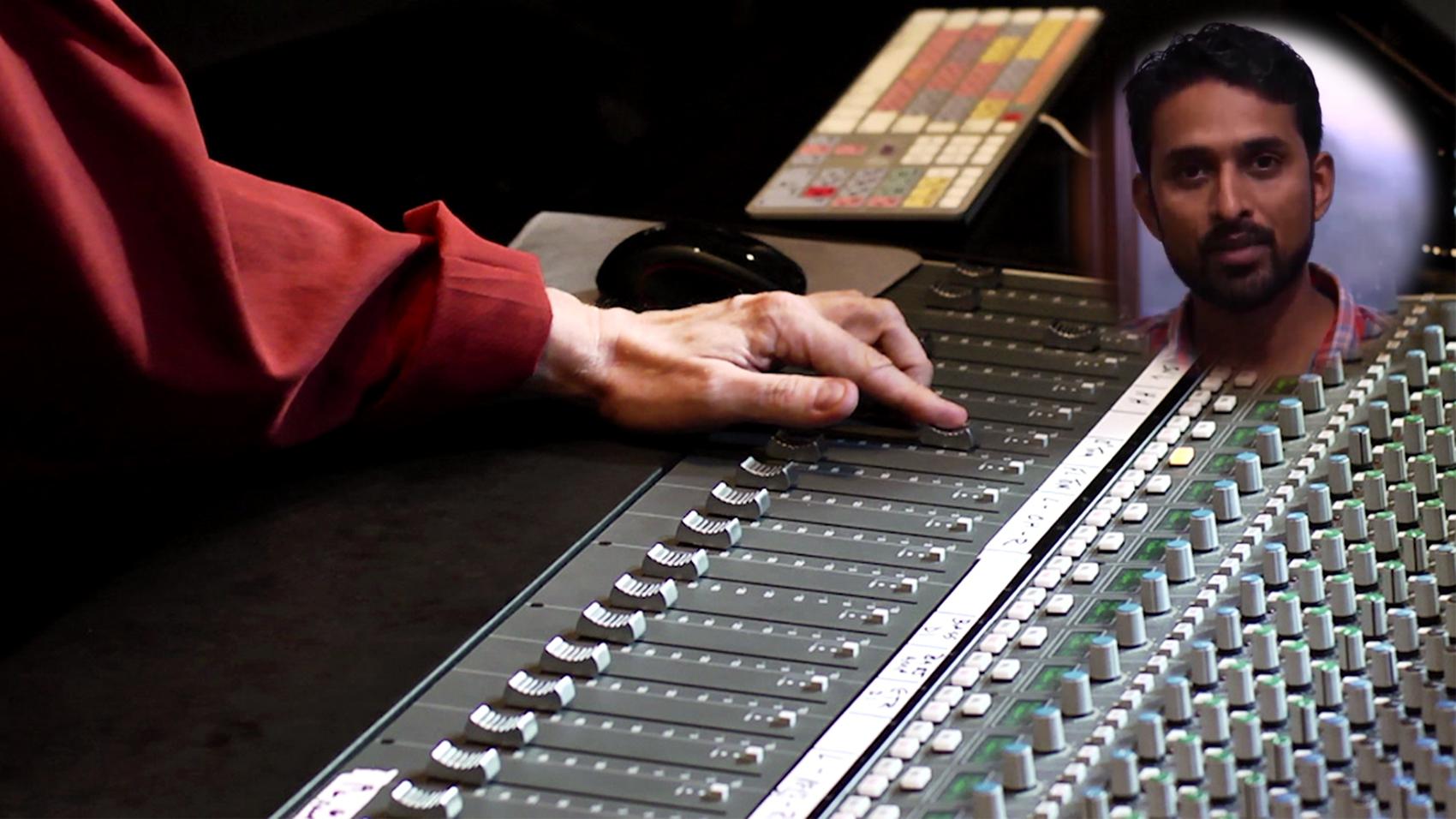
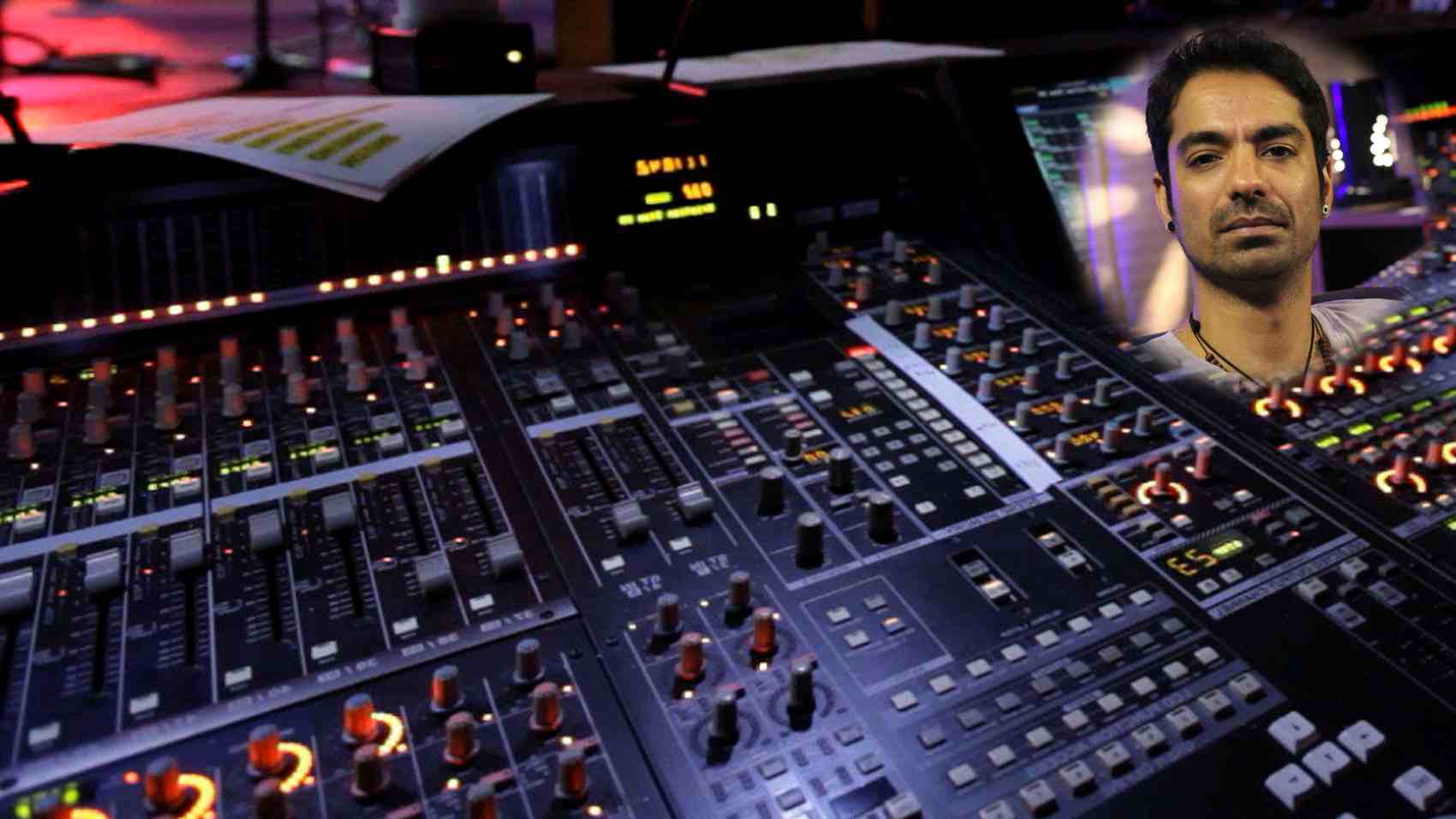
As the sun rises, a music production professional often starts the day by stepping into a quiet, dimly lit studio, greeted by the familiar scent of coffee and the soft glow of mixing consoles. The early hours are dedicated to setting up equipment, calibrating monitors, and reviewing the day’s session notes. This is the time to check in on project files, organize tracks, and ensure that every instrument and microphone is perfectly placed. Whether prepping for a solo production session or a full-band recording, this meticulous groundwork lays the foundation for a productive day, allowing creativity to flow without technical interruptions.
By mid-morning, the studio comes alive as artists and collaborators arrive, ready to dive into the heart of the day’s work. This is when the real magic happens: recording vocals, layering instruments, and experimenting with new sounds. The producer guides the session, offering feedback, adjusting arrangements, and capturing the best performances. The atmosphere is electric, filled with bursts of inspiration, candid discussions, and the relentless pursuit of the perfect take. Every minute counts as the team works against the clock, balancing technical precision with creative spontaneity.
The afternoon shifts focus to refining and shaping the raw material captured earlier. Producers and engineers huddle over mixing boards and computer screens, sculpting tracks with EQ, compression, and effects. This phase is highly collaborative, often involving remote calls with songwriters, feedback from artists, or input from label representatives. Decisions are made about arrangement tweaks, vocal tuning, and sonic textures, all while keeping the project’s vision front and center. The studio buzzes with focused energy as everyone works together to bring the song closer to its final form.
As the day winds down, the pace shifts to reflection and planning. The team listens back to the day’s progress, making notes on what worked and what needs further attention. Producers document session details, back up files, and handle administrative tasks like scheduling and invoicing. There’s also time for research—exploring new plugins, studying recent releases, or brainstorming ideas for upcoming projects. With the studio lights dimming, the day ends with a sense of accomplishment and anticipation, as tomorrow’s creative challenges begin to take shape. |


 Home
Home Abroad
 Plan
Plan Philosophy
 Seminar
 Pages
Pages Advisors
 Testimonials









 Workshop
 Discuss
 Meet
Meet
 Advisor
 Story
Story
 Fine Print
 Links
Links
 Blog
Blog
 Follow
