The Journey of Music Production
What Is Music Production
Music Production
Music production is the creative and technical process of composing, recording, arranging, editing, mixing, and mastering music. It involves transforming musical ideas into finished audio tracks, utilizing technology, instruments, and software. Producers collaborate with artists and engineers to shape the sound and style of songs across various genres.
Music production plays a pivotal role in shaping the soundscape of modern culture, influencing everything from radio hits to film scores. For professionals in this field, it offers the opportunity to blend creativity with technology, resulting in unique and memorable music. One major benefit is the ability to bring artistic visions to life, turning raw ideas into polished tracks. Another advantage is the versatility of the role, as producers can work in studios, live settings, or remotely. Additionally, music production skills are highly transferable, opening doors to careers in audio engineering, sound design, and multimedia content creation. The impact of music production extends beyond entertainment, as it also enhances branding, advertising, and storytelling across industries.
A professional music producer might collaborate with a singer-songwriter to create a new single. The process begins with discussing the artist’s vision and style, followed by recording vocals and instruments in a studio. The producer then arranges the song, adds digital effects, and edits the audio to enhance its quality. After mixing the various elements to achieve the desired balance and sound, the track is mastered to ensure it meets industry standards for release. Throughout this process, the producer’s expertise in both creative direction and technical execution is essential, resulting in a finished song ready for streaming platforms, radio, or commercial use. This example illustrates how music production transforms ideas into professional, market-ready music.
Education
Music Theory

Music theory is the study of the fundamental elements that make up music, including melody, harmony, rhythm, and structure. It provides a framework for understanding how music works, enabling musicians and producers to analyze, compose, and communicate musical ideas effectively within both academic and professional music production settings.
A solid grasp of music theory is essential for anyone pursuing a career in music production. It serves as the backbone for creating, arranging, and mixing music across genres. Understanding scales, chords, progressions, and rhythmic patterns allows producers to craft compelling tracks and collaborate seamlessly with musicians. This knowledge also empowers professionals to solve creative challenges, adapt to various musical styles, and communicate their ideas clearly with artists and engineers. Over time, a strong foundation in music theory enhances creative versatility, increases efficiency in the studio, and opens doors to advanced roles in composition, arrangement, and sound design, making it a long-term investment in professional growth and success.
Imagine a music producer working with a singer-songwriter to develop a new track. The artist brings a basic melody and lyrics, but the song lacks harmonic depth. Drawing on their understanding of music theory, the producer identifies suitable chord progressions to support the melody and suggests subtle changes to the rhythm to enhance the song’s emotional impact. They also use their knowledge of key signatures to transpose the piece into a more comfortable vocal range for the artist. Throughout the process, the producer’s theoretical expertise enables them to communicate ideas efficiently, make informed creative decisions, and ultimately transform a simple idea into a polished, professional production.
Technical Knowledge

Technical Knowledge refers to the specialized understanding of tools, equipment, processes, and systems essential for a specific field. In Music Production, it encompasses the expertise required to operate audio hardware, software, and recording technologies. This knowledge forms a crucial bridge between creative vision and the practical execution of professional-quality music projects.
Developing technical knowledge is vital for anyone aspiring to excel in music production because it underpins every aspect of the creative and production process. Mastery of audio workstations, signal flow, microphone placement, and digital editing tools allows professionals to translate artistic ideas into polished recordings. Without this foundational expertise, even the most innovative musical concepts can be lost in translation due to poor sound quality or inefficient workflows. Over time, a strong technical foundation enables producers to adapt to new technologies, troubleshoot issues independently, and collaborate effectively with engineers and artists. This adaptability and problem-solving ability not only enhance daily productivity but also ensure long-term career growth and relevance in a rapidly evolving industry.
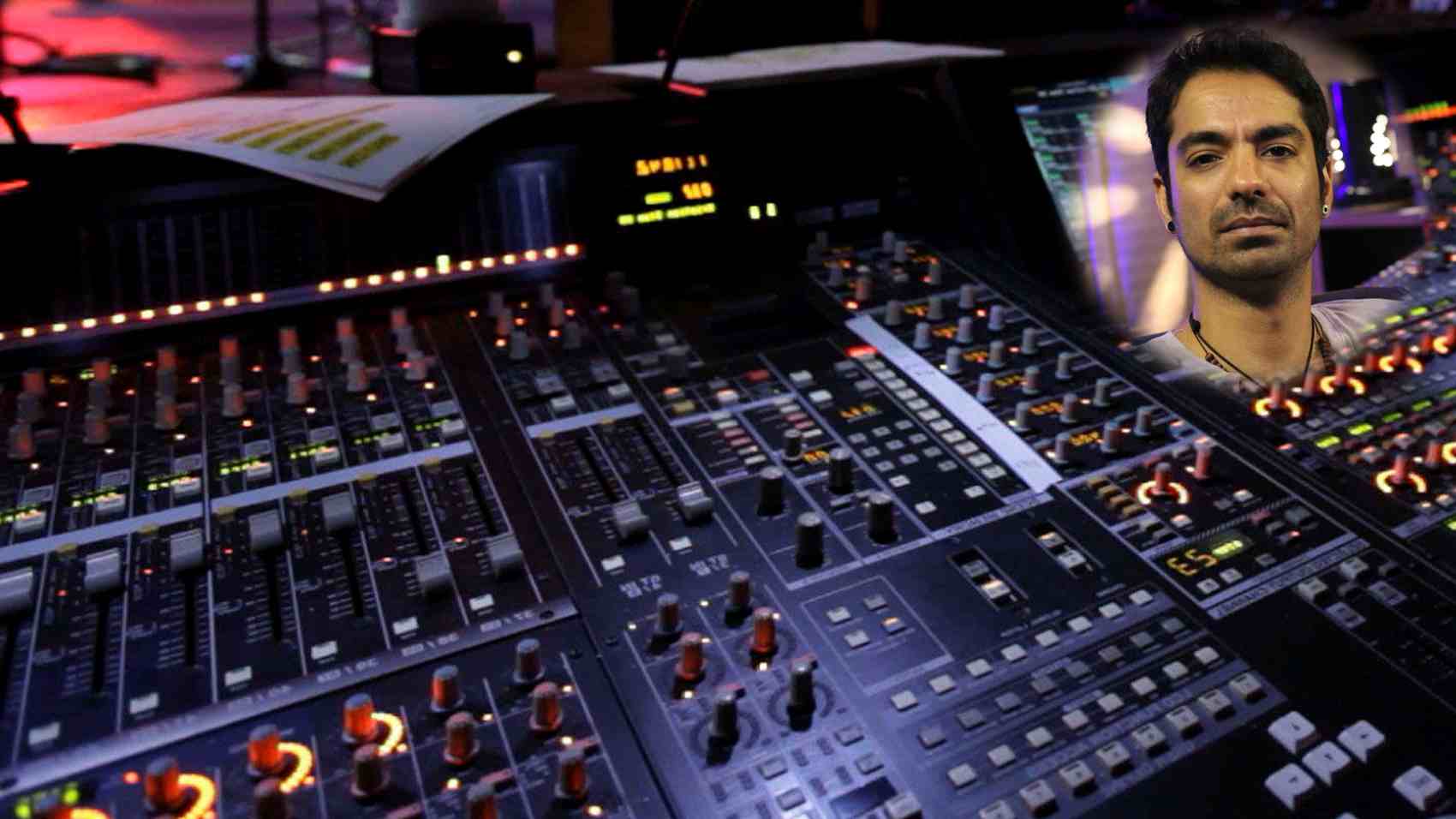
Consider a music producer working in a professional studio setting. During a recording session, the producer must set up microphones, configure the digital audio workstation, and manage signal routing to capture the best possible sound. When an unexpected issue arises, such as unwanted noise or latency, the producer draws on their technical knowledge to diagnose and resolve the problem quickly, ensuring the session runs smoothly. Their understanding of both analog and digital equipment allows them to make informed decisions about microphone selection, preamp settings, and audio processing. This seamless integration of technical skills and creative direction results in a high-quality recording that meets both artistic and industry standards, demonstrating the real-world value of technical expertise in music production.
Skills
Sense of Music

Sense of Music is the intuitive and analytical ability to perceive, interpret, and respond to musical elements such as melody, harmony, rhythm, dynamics, and structure. It enables a music production professional to make creative and technical decisions that enhance the emotional and aesthetic impact of a piece, ensuring its artistic integrity.
A strong Sense of Music allows producers to recognize what makes a track compelling, identify subtle flaws, and elevate the overall sound. This skill is highly valued by clients and employers because it leads to more engaging, polished, and marketable productions. Producers with a refined musical sense can anticipate trends, adapt to various genres, and communicate effectively with artists and engineers. Cultivating this skill involves active listening, studying diverse musical styles, practicing critical analysis, and seeking feedback from peers and mentors. Over time, consistent exposure to music and hands-on experience in production environments help sharpen this intuitive understanding, making it an indispensable asset for long-term success.
Imagine a producer working on a pop single who notices that the chorus lacks emotional impact despite technical perfection. Drawing on their Sense of Music, they identify that the chord progression feels predictable and the vocal phrasing is too rigid. By suggesting a subtle chord substitution and encouraging the vocalist to experiment with timing and dynamics, the producer transforms the chorus into a memorable, emotionally resonant moment. This not only solves the immediate issue but also elevates the entire track, demonstrating how a keen musical sense can be the difference between a forgettable song and a hit.
Analysing your Audience

Analysing your audience means systematically understanding the preferences, expectations, and cultural backgrounds of the listeners you aim to reach. In music production, this skill allows professionals to tailor their creative and technical decisions to resonate with specific demographics, ensuring their work connects meaningfully and achieves its intended impact.
The ability to analyse your audience directly enhances a music producer’s effectiveness by guiding choices in genre, arrangement, and production techniques that align with listener tastes. Clients and employers highly value this skill because it increases the likelihood of commercial success and audience engagement. Producers who consistently deliver music that appeals to target markets are seen as more reliable and insightful collaborators. Cultivating this skill involves staying informed about trends, actively seeking feedback, and engaging with diverse communities. Over time, producers refine their intuition for what resonates by combining data analysis with real-world listening experiences, allowing them to anticipate shifts in audience preferences and adapt their approach accordingly.
Imagine a music producer tasked with creating a debut single for an emerging pop artist. Initial drafts of the track receive lukewarm responses during test listening sessions. By analysing the audience—reviewing listener demographics, streaming habits, and social media feedback—the producer identifies that the target audience prefers upbeat tempos and relatable lyrics. Armed with this insight, the producer revises the arrangement and lyrical content to better match these preferences. The final version is met with enthusiastic reception, leading to increased streams and positive reviews. In this scenario, the producer’s ability to analyse the audience not only salvages the project but also propels the artist’s career forward, demonstrating the critical importance of this skill in achieving success.
Instruments

"Instruments" refers to the proficiency in playing, understanding, and utilizing musical instruments—both traditional and digital—within the context of music creation and production. This skill enables music producers to craft melodies, harmonies, and rhythms, directly shaping the sonic identity of a track and enhancing creative possibilities in the studio.
Mastery of instruments significantly elevates a music producer’s ability to communicate musical ideas, experiment with arrangements, and bring unique textures to a project. Clients and employers highly value this skill because it allows for greater versatility, faster workflow, and more authentic performances in recordings. Producers who can play instruments are often able to bridge gaps between artists and technical teams, translating creative visions into tangible results. Developing this skill involves regular practice, studying music theory, and staying updated with both acoustic and digital instrument technologies. Over time, exposure to different genres and collaborative experiences further refines a producer’s instrumental abilities, making them adaptable and in demand across various music production settings.
Imagine a music producer working with a singer-songwriter who has a strong vocal idea but struggles to convey the desired accompaniment. The producer, skilled in piano and guitar, quickly interprets the artist’s vision and records a fitting chord progression on the spot. This not only accelerates the songwriting process but also inspires the artist to explore new melodic directions. Later, when the production calls for a unique sound, the producer layers a digital synthesizer part, seamlessly integrating it with the live instruments. By relying on their instrumental expertise, the producer transforms a simple vocal idea into a fully realized track, impressing both the client and the label with their creative problem-solving and musicality.
Understanding Genres

Understanding genres means recognizing the distinct musical characteristics, conventions, and cultural contexts that define different styles of music. For a music production professional, this skill enables the creation, adaptation, and refinement of tracks that authentically represent their intended genre, ensuring both artistic integrity and audience appeal within the industry.
Mastering the ability to understand genres significantly enhances a music producer’s effectiveness by allowing them to tailor their creative and technical decisions to suit specific stylistic expectations. Clients and employers highly value this skill because it ensures that the final product resonates with target audiences and meets commercial or artistic objectives. Producers who deeply understand genres can confidently navigate collaborations, adapt to shifting trends, and innovate within established frameworks. Cultivating this skill involves active listening, studying genre histories, analyzing successful tracks, and experimenting with genre-specific production techniques. Over time, consistent exposure and practice help producers internalize the nuances that distinguish one genre from another, making them more versatile and in-demand within the competitive music industry.
Imagine a music producer working with an artist who wants to blend elements of hip-hop and electronic dance music for a new single. The producer’s deep understanding of both genres allows them to identify compatible tempos, rhythmic structures, and instrumentation. When the initial mix sounds too electronic and lacks the groove typical of hip-hop, the producer draws on their genre knowledge to adjust drum patterns and incorporate sampled elements, creating a more authentic fusion. This expertise not only resolves the creative challenge but also impresses the client, resulting in a track that stands out in both genres’ markets. The producer’s skill in understanding genres ultimately leads to a successful collaboration and a commercially viable release.
Focus

Focus is the ability to direct one’s full attention and mental energy toward a specific task or goal, filtering out distractions and maintaining clarity of purpose. In music production, focus enables professionals to manage complex workflows, make precise creative decisions, and consistently deliver high-quality results under tight deadlines and evolving project demands.
Focus is a cornerstone of effective music production because it allows professionals to navigate intricate technical processes, maintain creative momentum, and ensure every detail of a track is polished. Clients and employers highly value this skill, as it leads to reliable project delivery, fewer errors, and a reputation for professionalism. Cultivating focus involves practicing mindfulness, setting clear objectives, and creating an environment that minimizes interruptions. Over time, producers can strengthen their focus by developing routines, prioritizing tasks, and learning to manage stress, all of which contribute to sustained productivity and creative excellence in a fast-paced industry.
Imagine a music producer working on a high-profile album with a tight deadline. Midway through mixing a complex track, unexpected technical issues arise, threatening the project’s timeline. By harnessing focus, the producer systematically troubleshoots the problem, isolates the cause, and implements a solution without succumbing to frustration or distraction. This unwavering attention not only resolves the issue efficiently but also ensures that the creative vision remains intact. The producer’s ability to maintain focus under pressure impresses both the client and collaborators, ultimately leading to a successful project delivery and reinforcing the producer’s reputation for reliability and excellence.
Positives
Self Growth

Self Growth is the ongoing process of developing one’s abilities, expanding knowledge, and evolving personally and professionally through new experiences and challenges. In music production, self growth is a driving force that encourages individuals to push creative boundaries, adapt to new technologies, and continuously refine their artistic and technical skills. This journey of improvement not only enhances the quality of their work but also fosters a deep sense of fulfillment and resilience, making the profession both dynamic and personally rewarding.
The pursuit of self growth in music production is a powerful motivator that transforms routine tasks into opportunities for learning and innovation. As producers experiment with new sounds, collaborate with diverse artists, and embrace emerging technologies, they are constantly challenged to expand their skill set and adapt to an ever-evolving industry. This ongoing development leads to a heightened sense of accomplishment and confidence, as professionals witness their progress and creative evolution firsthand. The daily experience of overcoming obstacles, mastering new techniques, and achieving artistic breakthroughs not only boosts job satisfaction but also cultivates a lifelong passion for the craft. Ultimately, self growth empowers music producers to remain relevant, inspired, and resilient in a competitive field.
Imagine a music producer who began their career with a basic understanding of audio engineering and limited exposure to different genres. Over time, they dedicate themselves to learning advanced mixing techniques, experimenting with electronic music production, and collaborating with artists from various cultural backgrounds. Each project presents unique challenges, from mastering unfamiliar software to interpreting new musical styles. Through perseverance and curiosity, the producer gradually expands their creative toolkit and develops a distinctive sound. This journey of self growth is deeply rewarding, as the producer not only achieves professional milestones but also gains confidence, adaptability, and a renewed sense of purpose. The continuous evolution of their skills and artistry becomes a source of pride and motivation, fueling their passion for music production.
Stress Control

Stress Control is the ability to manage, reduce, and channel stress in a healthy and productive way, especially in high-pressure environments. In music production, this skill allows professionals to remain calm, focused, and creative, transforming potential anxiety into motivation and inspiration, which ultimately enhances both performance and well-being.
The ability to control stress is a cornerstone of success and satisfaction in music production. This field often involves tight deadlines, creative challenges, and collaboration with diverse personalities, all of which can be sources of tension. However, those who master Stress Control find themselves better equipped to handle these pressures with resilience and clarity. This not only leads to higher quality work but also fosters a more enjoyable and sustainable career. Professionals who excel at managing stress are more likely to embrace challenges, learn from setbacks, and maintain their passion for music. As a result, Stress Control directly contributes to long-term growth, job satisfaction, and a positive work environment, making it a key benefit of this creative profession.
Imagine a music producer working late into the night to meet a looming album deadline. The pressure is intense, with artists and record labels eagerly awaiting results. Instead of succumbing to anxiety, the producer uses Stress Control techniques such as mindful breathing and structured breaks to stay calm and focused. This approach not only helps maintain a clear mind but also sparks creative solutions to technical problems. By managing stress effectively, the producer delivers a polished final product on time, earning respect from collaborators and personal satisfaction from overcoming the challenge. This real-world scenario highlights how Stress Control transforms high-pressure moments into opportunities for growth and fulfillment in music production.
Travelling

Travelling, in the context of music production, refers to the opportunity to journey to different cities, countries, and cultures for recording sessions, collaborations, live performances, and industry events. This dynamic movement enriches professional experiences, broadens creative horizons, and fosters personal growth, making it a highly valued aspect of the career.
Travelling is a transformative benefit for music producers, offering exposure to diverse musical traditions, innovative technologies, and unique creative environments. This constant movement not only fuels inspiration but also builds a global network of collaborators and clients. The excitement of new places and cultures keeps the work fresh and invigorating, preventing creative stagnation. Daily, professionals find themselves energized by new surroundings, whether it’s a bustling city studio or a serene countryside retreat. These experiences contribute to both artistic development and personal fulfillment, making the profession more than just a job—it becomes a journey of discovery and growth. The sense of adventure and the stories collected along the way add depth to their work and satisfaction to their lives.
Imagine a music producer who is invited to work on an album in Tokyo. The journey itself is exhilarating, but the real reward comes from immersing in the local music scene, collaborating with Japanese artists, and experimenting with traditional instruments. Each day brings new sounds, flavors, and perspectives, sparking creativity in unexpected ways. The producer not only gains technical skills but also forms lasting friendships and professional connections. This experience becomes a source of inspiration for future projects, and the memories of exploring Tokyo’s vibrant neighborhoods linger long after the work is done. Travelling, in this way, transforms routine work into a series of unforgettable adventures, making the career deeply satisfying.
Connecting with Audience

Connecting with audience in music production means creating sounds, songs, or experiences that resonate emotionally with listeners, fostering a sense of shared understanding and impact. This connection transforms music from mere audio into a powerful medium for communication, allowing producers to influence, inspire, and move people across diverse backgrounds and cultures.
The ability to connect with an audience is a cornerstone of fulfillment in music production. When producers witness their work striking a chord with listeners, it validates their creative vision and hard work. This emotional exchange fuels motivation, encourages artistic growth, and builds a loyal fanbase. The feedback loop between creator and audience fosters a sense of purpose, making daily tasks more meaningful. Whether through streaming numbers, live performances, or heartfelt messages from fans, professionals continually experience the tangible results of their efforts. This ongoing connection not only boosts job satisfaction but also opens doors to new opportunities, collaborations, and creative exploration, ensuring that every project has the potential to make a lasting impact.
Imagine a music producer who spends months crafting an album, pouring personal stories and emotions into every track. Upon release, the songs begin to resonate with listeners worldwide, sparking conversations on social media and inspiring fan-made content. The producer receives messages from fans sharing how specific tracks helped them through difficult times or brought joy to their lives. During a live show, the energy in the room is palpable as the audience sings along, united by the music. In these moments, the producer experiences firsthand the profound fulfillment that comes from connecting with an audience, realizing that their creative work has made a genuine difference in people’s lives.
Fame

Fame is the widespread recognition and admiration received from the public and industry peers for one’s creative achievements and contributions. In music production, fame elevates a professional’s status, opening doors to new opportunities, collaborations, and influence. It fosters a sense of accomplishment and validation for one’s artistic vision and hard work.
Fame in music production is a powerful motivator that transforms the daily experience of work. When producers become well-known, their creative choices and unique sound are celebrated, leading to increased demand for their skills. This recognition not only brings financial rewards but also fuels personal growth and confidence. The admiration from fans and respect from fellow musicians create a supportive environment where producers are encouraged to innovate and push boundaries. Fame also provides a platform to inspire others, mentor emerging talent, and shape the direction of the music industry. The sense of pride and fulfillment that comes from knowing your work resonates with millions is a driving force that makes every challenge worthwhile.
Imagine a music producer who, after years of dedication, crafts a hit song that tops international charts. Suddenly, their name is recognized at award shows, in interviews, and across social media. Invitations to collaborate with top artists flood in, and aspiring producers reach out for guidance. Each day, this professional experiences the thrill of seeing their work celebrated by fans worldwide and respected by industry leaders. The fame they have achieved not only brings personal satisfaction but also amplifies their creative influence, allowing them to shape trends and inspire the next generation. This recognition transforms their career into a deeply rewarding journey filled with new possibilities and lasting impact.
Challenges
Innovation

Innovation in music production is the continuous pursuit of novel sounds, techniques, and creative approaches that push artistic boundaries. It requires integrating new technologies, experimenting with unconventional ideas, and adapting to evolving trends. This demand for originality is challenging because it involves constant learning, risk-taking, and the pressure to remain relevant.
The challenge of innovation permeates every stage of music production, from composing and arranging to mixing and mastering. Professionals often feel pressure to deliver fresh, unique work while meeting tight deadlines and high expectations. This can lead to creative blocks or burnout, making resilience essential. Successful producers embrace experimentation and view failure as a learning opportunity rather than a setback. They stay informed about emerging tools and trends, collaborate with diverse artists, and allocate time for creative exploration outside of commercial projects. By fostering a growth mindset and maintaining flexibility, they turn the challenge of innovation into a driving force for artistic and professional development.
Consider a music producer tasked with creating a soundtrack for a video game that demands an entirely new auditory experience. Instead of relying on familiar instruments and digital presets, the producer records everyday objects, manipulates their sounds using unconventional software plugins, and blends genres rarely combined in mainstream music. Despite initial skepticism from collaborators, the producer’s willingness to experiment and iterate leads to a distinctive, immersive soundtrack that garners critical acclaim. This scenario illustrates how embracing innovation, taking calculated risks, and persisting through uncertainty can transform a daunting challenge into a celebrated achievement in the music production industry.
Marketing

Marketing in music production refers to the strategic process of promoting music, building an audience, and establishing a recognizable brand in a highly competitive industry. It is demanding because it requires creativity, persistence, and business acumen, often outside the comfort zone of many producers who primarily focus on the artistic side.
The challenge of marketing can significantly impact the daily work of music producers, often diverting time and energy away from creative pursuits to focus on audience engagement, social media presence, and networking. This ongoing demand can be mentally taxing and requires resilience, as success is rarely immediate and rejection is common. To manage this constraint, successful professionals develop a consistent marketing routine, leverage digital platforms, and build authentic relationships with their audience. They also seek to understand current trends and adapt their strategies accordingly, ensuring their music reaches the right listeners. By embracing marketing as an integral part of their career, rather than a burdensome afterthought, they maintain motivation and steadily grow their presence in the industry.
Consider an independent music producer who initially struggled to gain traction despite producing high-quality tracks. Recognizing the importance of marketing, they began sharing behind-the-scenes content on social media, engaging directly with fans, and collaborating with influencers in their genre. Over time, their consistent online presence and authentic interactions helped them build a loyal following. They also analyzed listener feedback and streaming data to refine their promotional strategies, targeting platforms and audiences most receptive to their style. This proactive approach not only increased their visibility but also led to new opportunities, such as playlist placements and live performance invitations, demonstrating how effective marketing can transform challenges into career growth.
Getting Rejected

Getting rejected in music production refers to the frequent experience of having one’s tracks, beats, or creative ideas declined by labels, artists, or clients. This challenge is demanding because it tests self-confidence, creative drive, and perseverance, often making professionals question their talent and direction in a highly competitive industry.
The sting of rejection can permeate daily work, leading to self-doubt, creative blocks, and hesitation to share new material. This emotional toll requires significant resilience, as professionals must continually invest energy and passion into projects with no guarantee of acceptance. Successful music producers recognize that rejection is an inevitable part of growth. They reframe setbacks as learning opportunities, seeking constructive feedback and using it to refine their craft. By maintaining a long-term perspective and building a supportive network, they buffer the emotional impact of rejection. This approach allows them to stay motivated, persistently submit their work, and ultimately increase their chances of success in a field where perseverance is as vital as talent.
Consider a music producer who submits a carefully crafted track to multiple record labels, only to receive a series of polite rejections. Instead of internalizing the disappointment, the producer analyzes the feedback provided, identifying areas for improvement in mixing and arrangement. They dedicate time to honing these skills, collaborate with peers for fresh perspectives, and rework the track. Months later, the revised version is not only accepted by a respected label but also garners positive attention from listeners. By embracing rejection as a catalyst for growth rather than a final verdict, the producer transforms a setback into a stepping stone, demonstrating the resilience and adaptability essential for long-term success in music production.
Facing Criticism

Facing criticism in music production refers to receiving and processing feedback—often blunt or negative—about creative work from clients, collaborators, or audiences. This challenge is demanding because music production is deeply personal, and criticism can feel like a rejection of one’s artistic vision, technical skills, or professional worth.
The constant presence of criticism in music production can impact a professional’s confidence, motivation, and creative output. Every mix, arrangement, or production decision is subject to scrutiny, making it easy to internalize negative feedback and doubt one’s abilities. This environment demands resilience, as professionals must separate personal feelings from constructive input and maintain a growth mindset. Successful music producers learn to view criticism as an opportunity for improvement rather than a personal attack. They actively seek feedback, analyze it objectively, and use it to refine their craft. By building emotional detachment and focusing on the end goal—creating the best possible music—they transform criticism into a valuable tool for professional growth.
Consider a music producer working with a high-profile artist who expresses dissatisfaction with an initial mix, describing it as “uninspired” and “flat.” Instead of reacting defensively or feeling defeated, the producer listens carefully to the artist’s concerns, asks clarifying questions, and invites specific suggestions. They return to the studio, revisiting the mix with fresh ears and experimenting with new techniques to enhance the track’s energy and depth. After presenting the revised version, the artist is impressed by the improvements. Through this process, the producer demonstrates professionalism, adaptability, and a willingness to learn—turning criticism into a catalyst for creative and technical growth.
Being Flexible

Being flexible in music production means adapting quickly to changing creative directions, technical issues, client feedback, and evolving industry trends. This requires producers to shift approaches, workflows, and even mindsets on short notice. The demand for flexibility is high because unpredictability is inherent in both the creative and collaborative processes.
The challenge of being flexible can disrupt carefully planned schedules, introduce creative uncertainty, and cause stress when expectations shift unexpectedly. Producers must often revise arrangements, accommodate last-minute changes, or troubleshoot unforeseen technical problems, all while maintaining artistic integrity and meeting deadlines. This constant need for adaptation demands resilience, as it can be emotionally taxing to repeatedly adjust one’s vision or workflow. Successful professionals manage this by cultivating open communication, maintaining a positive attitude toward change, and developing a broad skill set that allows them to pivot smoothly. They also set realistic expectations with collaborators and clients, ensuring that flexibility becomes a shared value rather than a solitary burden.
Consider a music producer working with an artist who, midway through recording an album, decides to change the musical direction from electronic pop to acoustic folk. Instead of resisting, the producer listens carefully to the artist’s new vision, reassesses the available resources, and quickly adapts the recording setup and instrumentation. By drawing on previous experience with acoustic genres and leveraging strong relationships with session musicians, the producer is able to reorient the project without significant delays. This flexibility not only preserves the creative momentum but also strengthens the trust between the artist and producer, demonstrating how adaptability can turn a potential setback into an opportunity for growth and collaboration.
A Day Of
Music Producer

The world of music production thrums with a unique energy, where creativity and technical mastery collide in a whirlwind of sound. Far from the quiet solitude of a traditional office, a music producer’s day pulses with the rhythm of deadlines, collaboration, and the constant pursuit of sonic perfection. Whether in a bustling studio filled with artists and engineers or a home setup lined with blinking gear, every moment is shaped by the drive to capture inspiration and transform it into something unforgettable. The pace is relentless, the environment dynamic, and the nature of the work demands both artistic intuition and razor-sharp focus.
As the day begins, the studio is quiet but charged with anticipation. The early morning hours are dedicated to setting up the workspace, calibrating equipment, and reviewing the previous day’s sessions. This is the time to listen back to rough mixes, make notes on what needs tweaking, and organize the day’s project files. With a fresh cup of coffee in hand, the producer checks emails from artists and collaborators, updates the session schedule, and ensures that every instrument and microphone is ready for the creative storm ahead.
By mid-morning, the studio comes alive as musicians arrive and the core creative work begins. This is the heart of the day, where ideas are transformed into reality through recording, arranging, and experimenting with sounds. The producer guides artists through takes, offers feedback, and works closely with engineers to capture the perfect performance. The energy is intense and focused, with everyone in the room striving to push the boundaries of the track. Decisions are made quickly, and the producer’s role as both leader and collaborator is on full display.
The afternoon shifts into a blend of technical execution and collaboration. With the main recording done, attention turns to mixing tracks, fine-tuning levels, and adding effects to shape the final sound. This is also the time for meetings with clients, label representatives, or other producers to review progress and align on creative direction. The producer juggles feedback, manages timelines, and ensures that every detail meets the project’s vision. The studio buzzes with activity as the team works together to bring the music closer to completion.
As the day winds down, the focus shifts to wrapping up sessions and setting the stage for tomorrow. The producer saves and backs up all project files, documents changes, and reviews notes from the day’s work. There’s time for a final listen to the day’s progress, jotting down ideas for improvements or new directions. Administrative tasks, such as invoicing and scheduling, are handled before the lights go down. With a sense of accomplishment and a head full of melodies, the producer leaves the studio, already thinking about the next day’s creative challenges. |


 Home
Home Abroad
 Plan
Plan Philosophy
 Seminar
 Pages
Pages Advisors
 Testimonials










 Workshop
 Discuss
 Meet
Meet
 Advisor
 Story
Story
 Fine Print
 Links
Links
 Blog
Blog
 Follow
