The Journey of Navigation
What Is Navigation
Navigation

Navigation is the science and art of determining position, planning routes, and safely guiding vehicles or vessels from one location to another. It involves using tools, technology, and knowledge of geography, weather, and physics to ensure accurate and efficient travel across land, sea, air, or space.
Navigation plays a crucial role in a wide range of industries, including maritime, aviation, military, and space exploration. Professionals in navigation ensure the safe and efficient movement of people and goods, reducing risks and optimizing travel time. Mastery of navigation enhances decision-making, increases safety, and improves operational efficiency. It also enables professionals to respond effectively to unexpected challenges, such as adverse weather or equipment failures. The benefits of strong navigation skills include heightened situational awareness, the ability to adapt to changing environments, and the confidence to make critical decisions under pressure. As technology evolves, navigation professionals remain at the forefront of integrating new systems and methodologies, further increasing the reliability and precision of modern transportation and exploration.
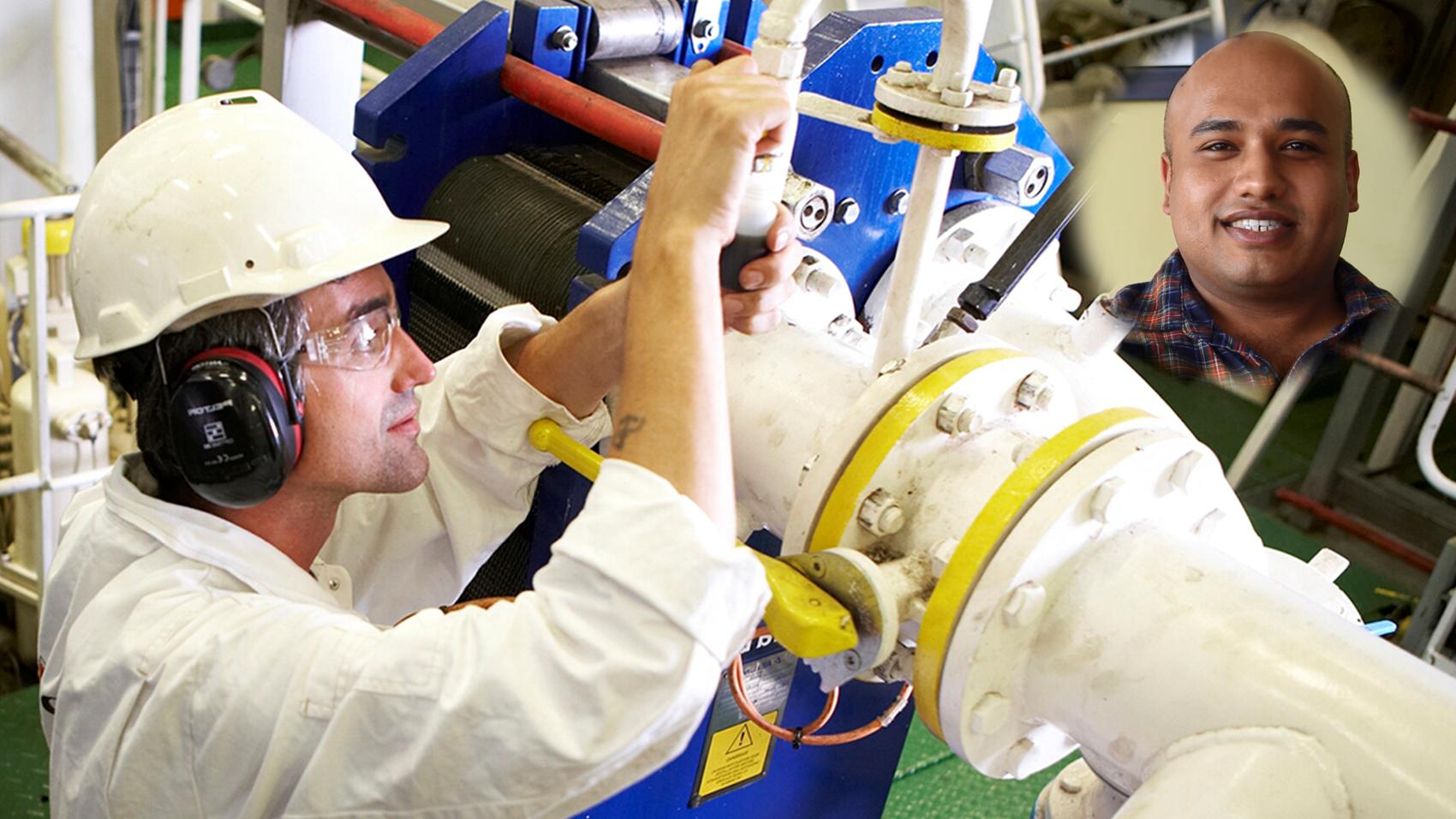
A maritime navigator aboard a cargo ship is responsible for plotting the vessel’s course across the ocean. Using electronic chart systems, GPS, radar, and traditional methods like celestial navigation, the navigator continuously monitors the ship’s position and adjusts the route to avoid hazards such as storms or shallow waters. When unexpected weather patterns arise, the navigator analyzes meteorological data and communicates with the captain to alter the course, ensuring the safety of the crew and cargo. This real-time decision-making process highlights the importance of navigation expertise, as it directly impacts the ship’s timely arrival at port and the overall success of the voyage.
Education
General Knowledge

General Knowledge refers to a broad understanding of facts, concepts, and information across various disciplines, including geography, history, science, and current affairs. In Navigation, it forms the essential background that supports specialized learning, enabling professionals to make informed decisions and adapt to diverse operational environments effectively.
A strong grasp of General Knowledge is crucial for anyone pursuing a career in Navigation because it underpins all specialized training and operational decision-making. Navigators must understand global geography, weather patterns, international regulations, and cultural differences to ensure safe and efficient passage. This foundational knowledge enables professionals to interpret charts, communicate effectively with international crews, and respond appropriately to unexpected situations. Over time, a well-developed base of General Knowledge enhances adaptability, problem-solving skills, and leadership abilities, all of which are highly valued in the navigation field. As technology and global conditions evolve, those with broad knowledge are better equipped to integrate new information and maintain professional competence.
Consider a navigator responsible for plotting a vessel’s course through international waters. Their understanding of General Knowledge allows them to interpret maritime charts, recognize geopolitical boundaries, and anticipate weather changes that could affect the journey. When approaching a foreign port, the navigator’s awareness of local regulations, cultural practices, and language differences ensures smooth communication with port authorities and compliance with international protocols. In the event of an unexpected detour due to adverse weather or political unrest, the navigator’s broad knowledge base enables quick, informed decision-making, minimizing risks and delays. This daily application of General Knowledge demonstrates its indispensable role in ensuring safe, efficient, and successful navigation operations.
Geography

Geography is the scientific study of the Earth's physical features, climates, populations, and the complex interactions between people and their environments. It encompasses both natural and human-made phenomena, providing insights into spatial relationships and patterns. In Navigation, geography forms a crucial part of the academic and professional knowledge base, guiding effective movement and decision-making.
Understanding geography is essential for anyone pursuing a career in navigation because it provides the foundational knowledge needed to interpret maps, analyze terrain, and anticipate environmental challenges. Geography equips professionals with the ability to assess spatial relationships, recognize geographic patterns, and understand the influence of natural and human factors on routes and destinations. This expertise is vital for safe and efficient travel, whether by sea, air, or land. Over the long term, a strong grasp of geography enhances problem-solving skills, supports strategic planning, and enables navigators to adapt to changing conditions, making them more effective and resilient in their roles.
Consider a maritime navigator plotting a course across the Atlantic Ocean. Their understanding of geography allows them to interpret nautical charts, recognize the significance of ocean currents, and anticipate weather patterns that could impact the voyage. By applying their theoretical knowledge, the navigator can select the safest and most efficient route, avoiding hazards such as shallow waters or storm-prone areas. This practical application of geography ensures not only the timely arrival of the vessel but also the safety of the crew and cargo. In daily operations, the navigator’s ability to integrate geographic information with real-time data is critical for making informed decisions and responding effectively to unexpected challenges.
Electronics

Electronics is the branch of science and engineering that deals with the study, design, and application of devices and systems that control the flow of electrons or other charge carriers. In Navigation, electronics forms a critical component, underpinning the operation and maintenance of navigational instruments, communication systems, and automated control mechanisms essential for safe and efficient travel.
A solid grasp of electronics is indispensable for anyone pursuing a career in Navigation. Navigational systems, from radar and sonar to GPS and autopilot controls, rely on intricate electronic circuits and components. Understanding how these systems function at a fundamental level enables professionals to troubleshoot malfunctions, optimize performance, and ensure reliability under demanding conditions. Mastery of electronics also fosters adaptability, allowing navigators to keep pace with rapid technological advancements and integrate new tools seamlessly into their workflow. Over the long term, this expertise not only enhances operational safety and efficiency but also opens doors to advanced roles in system design, maintenance, and innovation within the navigation sector.
Consider a navigation officer aboard a modern vessel who notices irregularities in the ship’s radar display. Drawing on their knowledge of electronics, the officer systematically diagnoses the issue, checking power supplies, signal pathways, and component integrity within the radar system. By identifying a faulty capacitor in the signal processing unit, the officer is able to replace the component and restore full functionality to the radar. This practical application of electronics not only prevents potential navigational hazards but also minimizes downtime and repair costs. Such scenarios highlight how theoretical understanding translates directly into effective problem-solving and operational resilience in real-world navigation environments.
Skills
Communication Skills

Communication skills encompass the ability to clearly convey information, listen actively, interpret messages accurately, and adapt language to different audiences and situations. For navigation professionals, these skills are vital for exchanging critical data, coordinating with teams, and ensuring that instructions and updates are understood without ambiguity, especially under pressure.
Strong communication skills directly enhance a navigation professional’s performance by minimizing misunderstandings and enabling swift, accurate decision-making. Clients and employers highly value these abilities because they ensure that navigational information is relayed efficiently, reducing the risk of errors that could compromise safety or mission success. Effective communicators can build trust within teams, foster collaboration, and respond adeptly to dynamic situations. To cultivate these skills, professionals should seek regular feedback, engage in active listening, and practice articulating complex concepts in simple terms. Over time, exposure to diverse communication scenarios and continuous self-reflection help refine both verbal and written abilities, making navigation professionals more adaptable and reliable in their roles.
Imagine a navigation officer aboard a vessel encountering unexpected weather changes that threaten the planned route. The officer must quickly interpret meteorological data and communicate revised instructions to the bridge crew, engine room, and external authorities. By clearly explaining the situation and the rationale behind the new course, the officer ensures everyone understands their roles and the urgency of the adjustments. This effective communication prevents confusion, aligns the team’s actions, and enables the vessel to safely navigate around the hazard. In this scenario, the officer’s communication skills are instrumental in coordinating a rapid, unified response, ultimately safeguarding both the crew and the mission’s objectives.
Adventurous

Adventurous describes a mindset characterized by a willingness to embrace uncertainty, explore unknown territories, and take calculated risks in pursuit of new experiences or solutions. For navigation professionals, being adventurous means confidently venturing beyond familiar routes, adapting to unexpected challenges, and seeking innovative paths to ensure safe and efficient journeys.
The adventurous spirit directly enhances a navigation professional’s performance by fostering adaptability, quick decision-making, and resilience in the face of unpredictable conditions. Clients and employers highly value this trait because it ensures that navigators can handle emergencies, discover alternative routes, and maintain composure under pressure. Cultivating adventurousness involves gradually stepping outside comfort zones, learning from diverse environments, and embracing continuous learning. Over time, exposure to varied scenarios and reflective practice helps professionals build confidence in their ability to navigate uncertainty. This growth not only improves technical proficiency but also inspires trust among colleagues and stakeholders, who rely on the navigator’s courage and resourcefulness to achieve mission success.
Imagine a navigation officer guiding a research vessel through uncharted polar waters. Suddenly, dense fog and shifting ice floes block the planned route. Drawing on their adventurous nature, the officer quickly assesses the situation, consults unconventional data sources, and proposes a bold new course through a narrow, previously unexplored channel. Despite the risks, their willingness to embrace uncertainty and adapt to the environment enables the crew to avoid danger and reach their destination safely. This scenario highlights how an adventurous approach empowers navigation professionals to make critical decisions under pressure, turning potential setbacks into opportunities for success and discovery.
Social Skills

Social skills refer to the ability to communicate, collaborate, and interact effectively with others by understanding social cues, expressing oneself clearly, and building positive relationships. In navigation, these skills are crucial for fostering teamwork, ensuring clear communication, and resolving conflicts, all of which are vital for operational success.
Social skills directly enhance a navigation professional’s performance by enabling seamless collaboration with team members, superiors, and clients. Effective communication ensures that instructions are understood and executed accurately, reducing the risk of errors during critical operations. Employers and clients value professionals who can work harmoniously in diverse teams, adapt to different personalities, and maintain composure under pressure. Cultivating social skills involves active listening, empathy, and regular self-reflection to understand one’s interactions. Over time, professionals can improve these abilities by seeking feedback, observing experienced colleagues, and participating in team-building activities. As navigation often involves high-stakes environments, strong social skills help build trust, facilitate problem-solving, and contribute to a positive and productive workplace culture.
Imagine a navigation officer on a vessel encountering unexpected severe weather, requiring immediate course adjustments. The officer must quickly communicate the situation to the crew, coordinate with the captain, and reassure anxious team members. By employing strong social skills, the officer listens to concerns, explains the plan clearly, and encourages cooperation. This approach not only ensures that everyone understands their roles but also maintains morale and reduces panic. As a result, the team responds efficiently, successfully navigating the vessel to safety. In this scenario, the officer’s ability to connect with others, foster trust, and facilitate clear communication is instrumental in overcoming the crisis and achieving a positive outcome.
Handling Crisis Situation

Handling Crisis Situation refers to the ability to remain calm, assess rapidly evolving threats, make effective decisions, and implement solutions during unexpected emergencies or high-pressure events. In Navigation, this skill ensures safety, minimizes risks, and maintains operational continuity, making it a fundamental competency for professionals responsible for guiding vessels or vehicles.
The ability to handle crisis situations directly enhances a navigation professional’s performance by enabling swift, decisive action when unforeseen challenges arise, such as equipment failure, severe weather, or sudden route obstructions. Clients and employers highly value this skill because it safeguards assets, protects lives, and upholds organizational reputation, especially in high-stakes environments where errors can be costly. Cultivating this skill involves rigorous training, scenario-based simulations, and learning from real-world incidents. Over time, professionals develop greater situational awareness, emotional resilience, and confidence, allowing them to respond effectively under pressure and lead teams through adversity.
Imagine a navigation officer guiding a cargo vessel through a narrow strait when a sudden systems malfunction disables the ship’s primary steering controls. With limited time before the vessel drifts toward hazardous rocks, the officer quickly assesses the situation, communicates with the crew, and initiates emergency steering protocols. By staying composed and drawing on crisis management training, the officer coordinates efforts to regain control, averting disaster and ensuring the safety of both crew and cargo. This scenario highlights how adept handling of crisis situations is not only vital for immediate problem-solving but also for maintaining trust and operational integrity in the navigation profession.
Leadership

Leadership is the ability to inspire, guide, and influence individuals or teams toward achieving common goals, while fostering trust, accountability, and effective communication. In the field of Navigation, leadership is crucial because professionals must often make critical decisions, coordinate teams, and ensure safety and efficiency in dynamic, high-pressure environments.
Leadership directly enhances performance in Navigation by enabling professionals to coordinate complex operations, delegate responsibilities effectively, and maintain clear communication during challenging situations. Clients and employers highly value this skill because it ensures that teams remain focused, motivated, and adaptable, especially when unexpected obstacles arise. Strong leadership fosters a culture of trust and continuous improvement, which is essential for safe and efficient navigation. To cultivate leadership, individuals should seek opportunities to take initiative, actively listen to team members, and pursue feedback to refine their approach. Over time, consistent practice, mentorship, and self-reflection help navigation professionals develop the confidence and judgment necessary to lead teams successfully.
Imagine a navigation officer aboard a vessel encountering sudden, severe weather that threatens the planned route. The officer must quickly assess the situation, communicate clearly with the crew, and make decisive adjustments to ensure the safety of everyone on board. By demonstrating leadership, the officer remains calm under pressure, delegates tasks based on each crew member’s strengths, and keeps everyone informed about the evolving situation. This approach not only helps the team navigate the crisis safely but also builds trust and morale among the crew. The successful resolution of the emergency highlights how essential leadership is for overcoming challenges and achieving mission objectives in navigation.
Positives
Good Salary

A "Good Salary" refers to a level of compensation that not only meets basic living expenses but also provides financial security, supports personal aspirations, and rewards professional expertise. In navigation, a good salary reflects the value of specialized skills, responsibility, and the critical role navigators play in ensuring safe and efficient journeys.
A good salary in the navigation field is a powerful motivator, enhancing both job satisfaction and long-term career growth. When professionals are well-compensated, they feel recognized for their expertise and dedication, which fosters a sense of pride and loyalty to their work. This financial reward allows navigators to invest in further education, pursue certifications, and stay updated with technological advancements, all of which contribute to their professional development. The assurance of a stable and attractive income also reduces financial stress, enabling navigators to focus on their demanding tasks with clarity and confidence. Every day, this benefit is experienced through the ability to provide for families, plan for the future, and enjoy a balanced lifestyle, making the navigation career path both fulfilling and sustainable.
Consider a marine navigator working for an international shipping company. With a good salary, she is able to support her family comfortably, afford quality education for her children, and save for future goals such as home ownership or travel. The financial stability she enjoys allows her to concentrate fully on her responsibilities at sea, knowing that her hard work is valued and rewarded. This sense of security and accomplishment translates into higher morale and motivation, inspiring her to continually improve her skills and contribute positively to her team. The tangible benefits of a good salary are evident in her daily life, reinforcing her commitment to the navigation profession and the vital role she plays in global transportation.
Personality Development

Personality development is the continuous process of enhancing one’s character, behavior, communication skills, and emotional intelligence to achieve personal and professional growth. In navigation, this growth is vital as it shapes individuals into adaptable, confident, and effective leaders, enabling them to thrive in dynamic and challenging environments.
The significance of personality development in navigation cannot be overstated. Navigators are often required to make critical decisions under pressure, communicate clearly with diverse teams, and adapt swiftly to changing circumstances. As professionals develop their personalities, they become more resilient, self-assured, and empathetic, which directly enhances their job satisfaction and career progression. This ongoing growth fosters a sense of accomplishment and purpose, as navigators witness their own transformation into more capable and respected individuals. Each day, they experience the benefits of improved interpersonal relationships, better conflict resolution, and a heightened ability to inspire and lead others, making their work both meaningful and rewarding.
Imagine a navigation officer aboard a vessel facing an unexpected storm. Drawing on well-developed communication skills and emotional intelligence, the officer remains calm, reassures the crew, and coordinates a safe course adjustment. This situation highlights how personality development empowers professionals to handle stress, maintain morale, and make sound decisions. The officer’s growth is evident in their ability to unite the team, foster trust, and ensure everyone’s safety. Such experiences not only reinforce the value of personality development but also provide a deep sense of fulfillment, as navigators realize the positive impact they have on their colleagues and the successful outcome of challenging situations.
Broaden Horizons

Broaden Horizons means expanding one’s knowledge, perspectives, and experiences beyond familiar boundaries, embracing new cultures, ideas, and environments. In navigation, this concept is central, as professionals constantly encounter diverse situations, technologies, and people. This continual exposure fosters adaptability, open-mindedness, and personal growth, making the profession both dynamic and deeply enriching.
The ability to broaden horizons is a cornerstone of satisfaction and growth in navigation careers. Navigators are regularly challenged to learn new skills, adapt to changing environments, and engage with people from various backgrounds. This constant evolution keeps the work stimulating and prevents stagnation. By encountering different cultures and operational scenarios, professionals develop a global mindset and a deeper appreciation for diversity. This not only enhances their problem-solving abilities but also builds confidence and resilience. The sense of adventure and discovery that comes with broadening horizons fuels motivation, making each day unique and rewarding. Over time, this benefit leads to both personal fulfillment and professional advancement, as navigators become more versatile and valuable in their field.
Imagine a navigation officer guiding a vessel through international waters, docking at ports across continents. Each destination brings new regulations, languages, and customs to navigate, requiring the officer to quickly adapt and communicate effectively with local authorities. In one port, they might collaborate with a multicultural crew to solve a logistical challenge, while in another, they learn innovative navigation techniques from local experts. These experiences not only enhance their technical skills but also deepen their understanding of the world and their place within it. The daily exposure to new ideas and environments transforms routine tasks into opportunities for growth, making their career a continuous journey of discovery and personal development.
Travel and Exposure

Travel and Exposure refers to the unique opportunities for movement across diverse regions and the chance to interact with different cultures, environments, and operational challenges. In navigation, this means professionals regularly venture beyond familiar surroundings, gaining firsthand experience in new places, which broadens their perspectives and enhances their adaptability.
The constant movement and immersion in new environments make navigation an exceptionally dynamic career. Professionals are not confined to a single location or routine; instead, they encounter fresh challenges and learning opportunities with every journey. This variety keeps the work engaging and prevents monotony, fostering a sense of adventure and curiosity. Exposure to different cultures and operational settings also sharpens problem-solving skills and cultural awareness, qualities highly valued in the global workforce. The ability to adapt quickly and communicate effectively with people from all walks of life boosts both personal and professional growth. Ultimately, the daily experience of travel and exposure leads to greater job satisfaction, as navigators witness the tangible impact of their work across the world.
Imagine a maritime navigator guiding a vessel from the bustling ports of Singapore to the icy waters of Northern Europe. Each leg of the journey presents new weather patterns, navigational hazards, and regulatory requirements. Along the way, the navigator interacts with international crews, learns local customs, and adapts to rapidly changing conditions. This exposure not only hones technical expertise but also builds confidence and cultural competence. At the end of each voyage, the navigator returns home with stories, insights, and skills that could never be gained from a static job. The sense of accomplishment and personal growth derived from such experiences is a testament to the profound impact of travel and exposure in the navigation profession.
Challenges
Erratic Family Life

Erratic Family Life in the context of Navigation refers to the unpredictable and often prolonged absences from home due to shifting schedules, extended voyages, or sudden deployments. This instability disrupts routines, strains relationships, and makes it difficult to maintain consistent family engagement, presenting a significant emotional and logistical challenge for navigators.
The unpredictable nature of a navigator’s schedule can lead to missed family milestones, weakened bonds, and increased stress both at home and at work. This challenge demands resilience, as professionals must balance their commitment to duty with the emotional needs of their loved ones. Successful navigators often develop strong communication habits, using technology to stay connected despite physical distance. They also work to maximize quality time during periods at home, fostering understanding and support within their families. By setting clear expectations and maintaining open dialogue, they mitigate the emotional toll, ensuring both professional focus and personal fulfillment are sustained despite the inherent unpredictability of their careers.
Consider a navigation officer who spends months at sea, missing birthdays and anniversaries. Recognizing the strain this places on his family, he establishes a routine of daily video calls when possible, sharing stories and updates to bridge the distance. He involves his family in planning homecomings, creating anticipation and shared goals. During shore leave, he prioritizes meaningful activities with loved ones, reinforcing connections and addressing any emotional gaps. Through proactive communication and intentional time management, he successfully navigates the challenges of erratic family life, maintaining both his professional performance and the well-being of his family. This approach demonstrates that with effort and adaptability, the demands of navigation need not come at the expense of family harmony.
Occupational Hazards

Occupational hazards in Navigation refer to the physical, psychological, and environmental risks that professionals encounter while guiding vessels, aircraft, or vehicles. These hazards include extreme weather, fatigue, isolation, and technical failures, making the role demanding due to constant vigilance, high responsibility, and the need for rapid, accurate decision-making under pressure.
The presence of occupational hazards in Navigation significantly shapes daily routines and mental states. Navigators must remain alert for extended periods, often in challenging environments, which can lead to fatigue and stress. The unpredictability of weather, equipment malfunctions, and isolation from support networks further intensify the pressure. This environment demands resilience, adaptability, and a proactive approach to safety. Successful professionals manage these constraints by adhering strictly to safety protocols, engaging in regular training, and fostering strong communication with their teams. They also prioritize self-care, ensuring adequate rest and mental well-being, and utilize technological aids to monitor and mitigate risks. Through these strategies, navigators maintain high performance and safety standards despite the inherent challenges of their profession.
Consider a maritime navigator tasked with guiding a cargo ship through a region known for sudden storms and heavy traffic. During a night passage, severe weather unexpectedly develops, reducing visibility and increasing the risk of collision. The navigator remains calm, relying on training and established protocols to assess the situation. By coordinating closely with the crew, using radar and communication systems effectively, and adjusting the vessel’s course, the navigator successfully steers clear of danger. Afterward, the navigator ensures the crew is debriefed and rested, recognizing the importance of recovery after high-stress situations. This scenario illustrates how professionalism, preparedness, and teamwork enable navigation professionals to overcome occupational hazards and ensure safety at sea.
A Day Of
Navigation
In the world of navigation, every day is a dynamic blend of precision, adaptability, and split-second decision-making. The hum of computers, the glow of digital maps, and the constant flow of data create an environment where focus is paramount and teamwork is essential. Whether charting a course across open seas, managing airspace, or guiding complex logistics on land, navigation professionals operate at the intersection of technology and human judgment. Their workday is a carefully orchestrated sequence of analysis, coordination, and real-time problem-solving, where the margin for error is razor-thin and the stakes are often high.
As dawn breaks, navigation professionals begin their day with a thorough review of weather reports, route updates, and system diagnostics. This early morning phase is all about preparation—verifying that all navigation instruments are calibrated, reviewing any overnight alerts, and ensuring that digital charts and communication channels are up to date. The quiet hum of the control room or bridge is punctuated by focused conversations and the tapping of keyboards, as each team member aligns on the day’s objectives and potential challenges.
By mid-morning, the pace accelerates as the core activities of the day take center stage. Navigation professionals are now fully engaged in monitoring live routes, adjusting to changing conditions, and communicating with crews or operators in the field. This is the most intense period, where quick thinking and clear communication are vital. Whether rerouting around unexpected weather, managing vessel traffic, or troubleshooting technical anomalies, every decision is informed by a blend of data analysis and practical experience. The environment buzzes with coordinated activity, as each action directly impacts safety and efficiency.
The afternoon brings a shift toward collaboration and execution. Navigation professionals participate in strategy meetings, debriefs, and cross-functional discussions to review ongoing operations and address emerging issues. This is the time for refining plans, sharing insights, and implementing tactical adjustments based on the latest intelligence. The focus is on seamless teamwork—ensuring that all stakeholders are aligned, resources are optimally deployed, and any operational hiccups are swiftly resolved. The atmosphere is one of collective problem-solving, where expertise and communication converge to keep everything on course.
As the day winds down, attention turns to wrap-up tasks and preparation for the next shift. Navigation professionals meticulously document the day’s activities, update logs, and review performance metrics. This is also a time for research—analyzing what worked well, identifying areas for improvement, and integrating new data into future plans. The environment becomes more reflective, as teams debrief and set priorities for the following day. By the time the evening settles in, every detail has been accounted for, ensuring a seamless handover and a strong foundation for tomorrow’s challenges. |


 Home
Home Abroad
 Plan
Plan Philosophy
 Seminar
 Pages
Pages Advisors
 Testimonials















 Workshop
 Discuss
 Meet
Meet
 Advisor
 Story
Story
 Fine Print
 Links
Links
 Blog
Blog
 Follow
