The Journey of Navigation
What Is Navigation
Navigation

Navigation is the science and skill of determining position, planning routes, and safely guiding vehicles or vessels from one location to another. It involves using maps, instruments, technology, and environmental cues to chart courses across land, sea, air, or space, ensuring accurate and efficient travel to intended destinations.
Navigation plays a critical role in a wide range of industries, from maritime and aviation to space exploration and autonomous vehicles. Professionals in navigation ensure the safety, efficiency, and reliability of journeys, minimizing risks and optimizing routes. The field offers significant benefits, including enhanced safety by preventing accidents and collisions, increased operational efficiency through precise route planning, and the ability to adapt to changing conditions using real-time data and advanced technologies. As global transportation networks expand and technology evolves, skilled navigators are essential for supporting commerce, exploration, and emergency response, making navigation a vital and rewarding career path.
A maritime navigator aboard a cargo ship exemplifies the importance of navigation in practice. Before departure, the navigator studies weather forecasts, ocean currents, and shipping lanes to chart the safest and most efficient route. During the voyage, they constantly monitor the ship’s position using GPS, radar, and visual landmarks, making real-time adjustments to avoid hazards such as storms or congested waters. The navigator communicates with the captain and crew, ensuring everyone is informed about course changes and potential risks. Their expertise not only ensures the timely delivery of goods but also protects the vessel, crew, and environment from accidents, demonstrating how navigation skills are crucial for successful and safe maritime operations.
Education
Physics

Physics is the scientific study of matter, energy, and the fundamental forces that govern the universe. It explores how objects move, interact, and respond to various forces. In the context of Navigation, physics provides the essential principles and analytical tools needed to understand and predict movement, positioning, and environmental influences.
A solid grasp of physics is indispensable for anyone preparing for or working in Navigation. The subject lays the groundwork for understanding motion, forces, energy transfer, and the behavior of objects in different environments, all of which are central to navigation tasks. Professionals rely on physics to interpret how vessels, aircraft, or vehicles respond to wind, currents, gravity, and other forces. This knowledge enables accurate route planning, risk assessment, and decision-making in dynamic conditions. Over the long term, a strong foundation in physics not only enhances technical competence but also fosters adaptability, problem-solving skills, and the ability to integrate new technologies and methodologies as the field evolves.
Consider a maritime navigator plotting a course across the open sea. The navigator must account for the effects of wind, ocean currents, and the Earth’s rotation, all of which are governed by physical laws. By applying principles such as Newton’s laws of motion and understanding vectors, the navigator can calculate the necessary heading and speed adjustments to maintain the intended route. This theoretical understanding of physics allows the navigator to anticipate and compensate for drift, ensuring the vessel arrives safely and efficiently at its destination. Such daily applications of physics are crucial for maintaining accuracy, safety, and reliability in navigation operations.
Maths

Maths, or mathematics, is the study of numbers, quantities, shapes, and patterns, using logical reasoning and systematic techniques to solve problems. It is a universal language that underpins scientific, engineering, and technological advancements. In Navigation, maths provides essential tools for calculating positions, plotting courses, and ensuring safe and efficient travel.
A solid grasp of maths is indispensable for anyone preparing for or working in Navigation. Mathematical concepts such as geometry, trigonometry, and algebra are foundational for understanding how to determine positions, calculate distances, and interpret navigational charts. These skills enable professionals to analyze data, make accurate predictions, and respond effectively to changing conditions at sea, in the air, or on land. Mastery of maths not only boosts confidence in handling complex navigational instruments but also enhances problem-solving abilities, which are critical in high-stakes environments. Over the long term, proficiency in maths opens doors to advanced roles, supports ongoing professional development, and ensures adaptability as navigation technologies evolve.
Consider a navigator aboard a cargo ship crossing the Atlantic Ocean. Each day, the navigator must determine the vessel’s precise location using celestial navigation, which involves measuring the angles between celestial bodies and the horizon. By applying trigonometric formulas and understanding spherical geometry, the navigator calculates the ship’s latitude and longitude. This mathematical process is crucial for plotting the safest and most efficient route, avoiding hazards, and ensuring timely arrival at the destination. Without a strong foundation in maths, the navigator would struggle to interpret the data accurately, potentially compromising the safety of the crew and cargo. Thus, maths is not just theoretical knowledge but a practical tool used daily in navigation.
Geography

Geography is the study of the Earth's physical features, climates, populations, and the intricate relationships between people and their environments. It encompasses both natural and human-made phenomena, providing insights into spatial patterns and processes. In Navigation, geography forms a crucial academic and professional pillar, guiding effective movement and decision-making across diverse terrains.
Understanding geography is indispensable for anyone pursuing a career in navigation. It equips professionals with the ability to interpret maps, analyze terrain, and comprehend environmental factors that influence routes and travel safety. Mastery of geographic concepts ensures navigators can anticipate obstacles, adapt to changing conditions, and make informed decisions, whether traversing oceans, airspaces, or land routes. This foundational knowledge not only enhances operational efficiency but also fosters critical thinking and problem-solving skills essential for long-term career growth. As navigation technologies evolve, a strong grounding in geography enables professionals to integrate new tools with traditional methods, ensuring adaptability and resilience in a rapidly changing field.
Consider a maritime navigator plotting a course through a busy shipping channel. Their understanding of geography allows them to interpret nautical charts, recognize coastal features, and account for tidal patterns and prevailing winds. By applying this theoretical knowledge, the navigator can select the safest and most efficient route, avoiding hazards such as shallow waters or congested areas. During the voyage, unexpected weather changes or shifting currents may require real-time adjustments, relying on geographic principles to reassess the situation and maintain course accuracy. This practical application of geography ensures not only the safety of the vessel and crew but also the timely and successful completion of the journey.
Basic Medicare

Basic Medicare refers to the federal health insurance program primarily for individuals aged 65 and older, as well as certain younger people with disabilities. It covers essential medical services, including hospital care and outpatient treatment. In Navigation, understanding Basic Medicare is crucial for guiding clients through healthcare systems and benefits.
A thorough grasp of Basic Medicare is essential for anyone working in Navigation because it directly impacts the quality of support provided to clients seeking healthcare guidance. Professionals in this field are often the first point of contact for individuals trying to understand their healthcare options. By mastering the intricacies of Basic Medicare, Navigators can accurately explain eligibility, coverage, and enrollment processes, ensuring clients make informed decisions. This foundational knowledge not only builds trust but also enhances the professional’s credibility and effectiveness. Over time, expertise in Basic Medicare opens doors to advanced roles and specialized positions within healthcare navigation, making it a critical component of long-term career growth and professional development.
Consider a Navigator assisting a recently retired client who is confused about their healthcare coverage options. Drawing on their knowledge of Basic Medicare, the Navigator explains the differences between Part A and Part B, clarifies enrollment periods, and helps the client avoid late penalties. The Navigator also assesses the client’s specific health needs and recommends supplemental coverage if necessary. By providing clear, accurate information and personalized guidance, the Navigator empowers the client to make confident choices about their healthcare. This scenario demonstrates how theoretical understanding of Basic Medicare translates into practical, impactful support in real-world situations, ultimately improving client outcomes and satisfaction.
Rules & Regulations

Rules & Regulations refer to the established legal frameworks, guidelines, and standards that govern the safe and efficient movement of vessels. In Navigation, these rules ensure order, safety, and compliance at sea and in port. Mastery of these regulations is essential for academic study and professional practice in the maritime field.
Understanding Rules & Regulations is crucial for anyone pursuing a career in Navigation because it underpins every aspect of maritime operations. These regulations dictate how vessels interact, communicate, and maneuver, ensuring the safety of crew, cargo, and the environment. Mastery of this subject forms a foundational knowledge base, enabling professionals to make informed decisions, avoid legal pitfalls, and maintain operational integrity. Over the long term, a strong grasp of Rules & Regulations enhances career prospects by demonstrating reliability, competence, and a commitment to safety. It also prepares individuals for leadership roles, as regulatory compliance is a key responsibility for those in command positions within the maritime industry.
Consider a navigation officer piloting a cargo ship through a busy shipping lane. The officer must constantly interpret and apply international collision regulations, such as the International Regulations for Preventing Collisions at Sea (COLREGs), to avoid accidents. When encountering another vessel on a potential collision course, the officer uses their knowledge of right-of-way rules, signaling protocols, and safe speed requirements to determine the correct maneuver. By adhering to these regulations, the officer not only ensures the safety of their own vessel and crew but also upholds legal and professional standards. This daily application of Rules & Regulations is fundamental to safe and efficient maritime navigation.
Meteorology

Meteorology is the scientific study of the atmosphere, focusing on weather processes, patterns, and forecasting. It encompasses the observation, analysis, and prediction of atmospheric phenomena. In navigation, meteorology is essential because it equips professionals with the knowledge to interpret weather data, anticipate changes, and make informed decisions to ensure safety and efficiency.
Understanding meteorology is crucial for anyone involved in navigation, whether at sea, in the air, or on land. Weather conditions directly impact the safety, timing, and success of any journey. Mastery of meteorological concepts enables navigators to interpret forecasts, recognize hazardous weather, and plan routes that minimize risk. This foundational knowledge not only helps in avoiding dangerous situations such as storms or fog but also optimizes fuel consumption and travel time by leveraging favorable winds or currents. Over the course of a career, proficiency in meteorology enhances decision-making, fosters confidence, and is often a requirement for professional certification, making it an indispensable skill for long-term success in navigation.
Consider a ship’s officer planning a transoceanic voyage. Before departure, the officer reviews meteorological charts and satellite data to assess potential weather systems along the route. By identifying a developing low-pressure system, the officer adjusts the course to avoid the projected path of a storm, thereby ensuring the safety of the crew and cargo. During the voyage, continuous monitoring of weather updates allows for real-time adjustments, such as altering speed or heading to avoid rough seas or take advantage of favorable winds. This application of meteorological knowledge not only prevents delays and damage but also demonstrates how theoretical understanding translates into practical, everyday decisions in the field of navigation.
Skills
Discipline

Discipline is the consistent practice of self-control, adherence to established procedures, and unwavering commitment to standards, even in challenging circumstances. In navigation, discipline ensures that professionals follow protocols, maintain accuracy, and make sound decisions under pressure. It is a foundational trait that supports safety, reliability, and operational excellence.
Discipline directly enhances a navigator’s performance by fostering meticulous attention to detail, timely execution of tasks, and strict compliance with safety and operational guidelines. Clients and employers value this quality because it minimizes errors, reduces risks, and ensures missions are completed efficiently and safely. Cultivating discipline involves regular training, self-reflection, and a commitment to continuous improvement. Navigators can develop this skill by setting personal standards, seeking feedback, and practicing routines that reinforce consistency. Over time, disciplined professionals become trusted team members who can be relied upon in both routine operations and high-stress situations, making them invaluable assets in any navigation-related role.
Imagine a navigation officer guiding a vessel through treacherous waters during a severe storm. Despite mounting pressure and fatigue, the officer relies on discipline to methodically check instruments, confirm coordinates, and adhere to established protocols. By resisting the urge to take shortcuts or make hasty decisions, the officer ensures the vessel stays on course and avoids hazards. This disciplined approach not only safeguards the crew and cargo but also upholds the reputation of the organization. In this scenario, discipline is the key factor that transforms potential chaos into a successful and safe passage, demonstrating its critical role in the navigation profession.
High Responsibility

High Responsibility is the unwavering commitment to owning one’s actions, decisions, and their outcomes, especially when stakes are high. It involves consistently meeting obligations, anticipating consequences, and prioritizing safety and accuracy. In Navigation, this skill ensures that professionals remain accountable, fostering trust and reliability in environments where precision and safety are paramount.
High Responsibility directly enhances a navigation professional’s performance by ensuring that every task, from route planning to real-time adjustments, is executed with meticulous care and accountability. Clients and employers highly value this trait because it minimizes errors, reduces risks, and builds confidence in the professional’s judgment. To cultivate High Responsibility, individuals should actively seek feedback, reflect on their decisions, and consistently follow through on commitments. Over time, embracing challenges and learning from mistakes further strengthens this skill, making it an integral part of a navigation expert’s professional identity. By demonstrating reliability and a proactive approach, navigation professionals not only safeguard operations but also advance their careers through trust and respect.
Imagine a navigation officer guiding a vessel through a narrow, fog-covered channel. Suddenly, unexpected currents threaten to push the ship off course. Relying on High Responsibility, the officer immediately assesses the situation, communicates clearly with the crew, and makes decisive adjustments to the route. They double-check all instruments, update the captain, and ensure all safety protocols are followed. By taking full ownership of the situation and acting swiftly, the officer prevents a potential accident, safeguarding both the crew and cargo. This scenario highlights how High Responsibility enables navigation professionals to respond effectively under pressure, ensuring successful outcomes even in the most challenging circumstances.
Patience

Patience is the ability to remain calm, composed, and persistent in the face of delays, obstacles, or challenging circumstances, without becoming frustrated or making hasty decisions. In navigation, patience is a vital skill that enables professionals to carefully analyze situations, adapt to changing conditions, and make sound decisions under pressure.
Patience directly enhances a navigation professional’s performance by allowing them to thoroughly assess data, wait for optimal conditions, and respond thoughtfully to unexpected events. Clients and employers value this trait because it leads to safer, more reliable outcomes and minimizes costly errors caused by rushed judgments. Cultivating patience involves practicing mindfulness, learning from experienced mentors, and embracing the reality that not all variables can be controlled. Over time, repeated exposure to high-pressure scenarios helps professionals build resilience and the ability to remain focused, even when progress seems slow. By consistently applying patience, navigators earn trust and demonstrate their commitment to excellence and safety.
Imagine a navigation officer guiding a vessel through dense fog in unfamiliar waters. Visibility is minimal, and the risk of collision or grounding is high. Instead of rushing or making impulsive maneuvers, the officer patiently monitors radar and sonar readings, communicates with the crew, and waits for intermittent clearings to confirm the vessel’s position. This deliberate, patient approach allows the officer to make informed decisions, avoid hazards, and safely reach the destination. In this scenario, patience is not just a virtue but a critical factor that ensures the safety of the crew, cargo, and vessel, highlighting its indispensable role in successful navigation.
Adaptability

Adaptability is the ability to adjust effectively to new conditions, challenges, or environments by embracing change, learning quickly, and remaining flexible in thought and action. For navigation professionals, adaptability is crucial because the field is constantly influenced by technological advances, regulatory updates, and unpredictable operational conditions that require swift, informed responses.
Adaptability directly enhances a navigation professional’s performance by enabling them to respond confidently to unexpected changes, such as shifting weather patterns, evolving maritime regulations, or sudden equipment failures. Clients and employers highly value this skill because it ensures reliability and safety, even in uncertain circumstances. An adaptable navigator can maintain operational continuity and minimize risks, which is essential for mission success. Cultivating adaptability involves continuous learning, staying updated with industry trends, and seeking diverse experiences. By embracing feedback and reflecting on past challenges, navigation professionals can build resilience and improve their capacity to handle future uncertainties with composure and effectiveness.
Imagine a navigation officer guiding a vessel through a busy shipping channel when a sudden storm disrupts visibility and alters the planned route. Relying on adaptability, the officer quickly assesses alternative paths using updated weather data and real-time communication with port authorities. By remaining calm and flexible, the officer adjusts the navigation plan, ensures the crew is informed, and safely steers the vessel away from hazards. This ability to pivot strategies under pressure not only prevents delays and accidents but also demonstrates to employers and clients that the navigator can be trusted to manage unforeseen challenges, reinforcing the critical importance of adaptability in the navigation profession.
Positives
Decent Salary

A "Decent Salary" refers to a level of compensation that not only meets basic living expenses but also provides financial security, supports personal aspirations, and allows for a comfortable lifestyle. In the field of Navigation, a decent salary reflects the specialized skills, responsibilities, and expertise required, making the profession both attractive and sustainable.
The promise of a decent salary in Navigation is a powerful motivator for both aspiring and experienced professionals. It validates the years of rigorous training and the critical decisions navigators make every day, whether at sea, in the air, or on land. This financial reward enhances job satisfaction by reducing financial stress and enabling individuals to focus on their work with greater dedication. It also opens doors for personal and professional growth, such as pursuing further education, supporting a family, or investing in long-term goals. The stability and recognition that come with a decent salary foster a sense of pride and loyalty, making professionals feel valued and empowered in their roles.
Imagine a navigation officer aboard a commercial vessel, responsible for guiding the ship safely across international waters. The decent salary they earn not only compensates for the long hours and time away from home but also allows them to provide a comfortable life for their family. With financial worries eased, they can concentrate fully on their duties, ensuring the safety of crew and cargo. This sense of security and accomplishment translates into higher morale and a deeper commitment to their profession. The tangible rewards of their expertise are felt every payday, reinforcing the value of their skills and the importance of their role in global transportation.
Respect

Respect is the recognition and appreciation of an individual’s skills, knowledge, and contributions by peers, superiors, and society. It is earned through consistent professionalism, reliability, and ethical behavior. In navigation, respect fosters trust, collaboration, and a sense of belonging, making the workplace more supportive and motivating for everyone involved.
Respect is a cornerstone of a fulfilling career in navigation because it validates the expertise and dedication required in this demanding field. When navigators are respected, they feel valued and empowered, which enhances their confidence and motivation. This positive environment encourages continuous learning and professional growth, as individuals are more likely to share insights and support one another. Respect also strengthens teamwork, as mutual regard among colleagues leads to better communication and safer, more efficient operations. Navigators experience this benefit daily through acknowledgment from their teams, constructive feedback, and the trust placed in their decisions. Ultimately, respect not only boosts job satisfaction but also elevates the overall standard of the profession.
Imagine a seasoned navigator guiding a vessel through challenging waters during a storm. The crew looks to this professional for guidance, trusting their judgment and expertise. After safely reaching port, the captain and crew express their gratitude, acknowledging the navigator’s skill and calm leadership. This moment of recognition is deeply fulfilling, as it reflects the respect earned through years of dedication and competence. The navigator feels a profound sense of pride and belonging, knowing their contributions are valued and essential to the team’s success. Such experiences reinforce the importance of respect in navigation, inspiring professionals to continue striving for excellence in their vital roles.
Travel

Travel is the act of moving from one location to another, often across cities, countries, or continents, for the purpose of exploration, work, or personal growth. In navigation, travel is not just a routine; it is a core element that brings excitement, learning, and a sense of adventure to the profession.
The opportunity to travel is a defining benefit for those pursuing a career in navigation. It transforms the workplace into a dynamic, ever-changing environment, offering exposure to diverse cultures, landscapes, and challenges. This constant movement fosters adaptability, broadens perspectives, and encourages lifelong learning. Navigators often find themselves in unique settings, from bustling ports to remote islands, each journey presenting new experiences and stories. The sense of discovery and the thrill of charting unfamiliar waters or skies can significantly boost job satisfaction. Travel also nurtures personal growth, as professionals develop resilience and confidence through overcoming the unpredictable nature of their journeys. Ultimately, the daily experience of travel makes navigation not just a job, but a fulfilling adventure.
Imagine a maritime navigator setting sail from a European port, tasked with guiding a vessel across the Atlantic to South America. Each day brings a new horizon, from the vibrant sunrise over open waters to the bustling activity of foreign harbors. Along the way, the navigator interacts with international crews, learns to adapt to changing weather patterns, and solves real-time challenges that only the open sea can present. The journey is more than a route on a map; it is a tapestry of cultures, environments, and personal achievements. This immersive experience exemplifies how travel in navigation offers not only professional accomplishment but also a profound sense of wonder and fulfillment.
Challenges
Natural Calamity

A natural calamity in navigation refers to sudden, severe environmental events such as storms, hurricanes, tsunamis, or earthquakes that disrupt planned routes, endanger vessels, and threaten the safety of crew and cargo. These unpredictable occurrences demand rapid decision-making and adaptability, making navigation under such conditions exceptionally challenging and high-stakes.
Natural calamities can drastically alter the daily routines of navigation professionals, forcing them to abandon established routes, delay schedules, and operate under heightened stress. The unpredictability of these events requires constant vigilance and the ability to interpret meteorological data swiftly. Navigators must remain resilient, as their decisions directly impact safety and mission success. Effective management involves leveraging advanced forecasting tools, maintaining open communication with coastal authorities, and adhering to rigorous emergency protocols. Successful professionals cultivate a mindset of preparedness, regularly updating their knowledge and skills to adapt to evolving threats. By fostering teamwork and maintaining composure under pressure, they ensure that both crew and cargo are safeguarded, even when nature presents its most formidable challenges.
Consider a cargo ship navigating the Pacific Ocean when a sudden typhoon forms along its intended route. The ship’s navigator, recognizing the threat through real-time weather updates, quickly recalculates a safer alternative path, coordinating with the captain and port authorities. Despite the increased journey time and logistical complications, the navigator’s prompt actions and clear communication keep the crew calm and focused. By continuously monitoring the storm’s progression and adjusting the course as needed, the navigator successfully steers the vessel away from danger. This scenario highlights how expertise, adaptability, and decisive leadership enable navigation professionals to overcome the unpredictable and potentially devastating impact of natural calamities.
Long Working Hours

Long working hours in Navigation refer to extended shifts, often exceeding standard workdays, due to the continuous and demanding nature of monitoring, route planning, and responding to dynamic conditions at sea or in the air. This requirement is physically and mentally taxing, as professionals must remain alert and focused for prolonged periods.
The challenge of long working hours significantly impacts daily work by increasing fatigue, reducing concentration, and heightening the risk of errors in critical decision-making. Navigators must demonstrate exceptional resilience, as the job often involves irregular schedules, night shifts, and minimal downtime. Successful professionals manage these constraints by developing strong time-management skills, prioritizing rest during off-hours, and maintaining healthy routines. They also rely on teamwork, rotating responsibilities when possible, and utilizing technology to automate routine tasks, thereby reducing cognitive load. By fostering a supportive work environment and practicing self-care, navigators can sustain high performance and safeguard their well-being despite the demands of extended hours.
Consider a maritime navigator on a transoceanic voyage, tasked with maintaining course and safety over several days of continuous travel. Facing twelve-hour shifts with limited rest, the navigator implements a disciplined routine: brief naps during breaks, regular hydration, and mental exercises to stay sharp. By coordinating closely with fellow crew members, responsibilities are rotated to ensure everyone receives adequate rest. The navigator also leverages automated navigation systems to monitor routine parameters, allowing more focus on critical tasks. Through these strategies, the navigator not only manages the physical and mental demands of long hours but also maintains the accuracy and safety required for successful passage, demonstrating resilience and adaptability in a challenging environment.
Sea Sicknesss
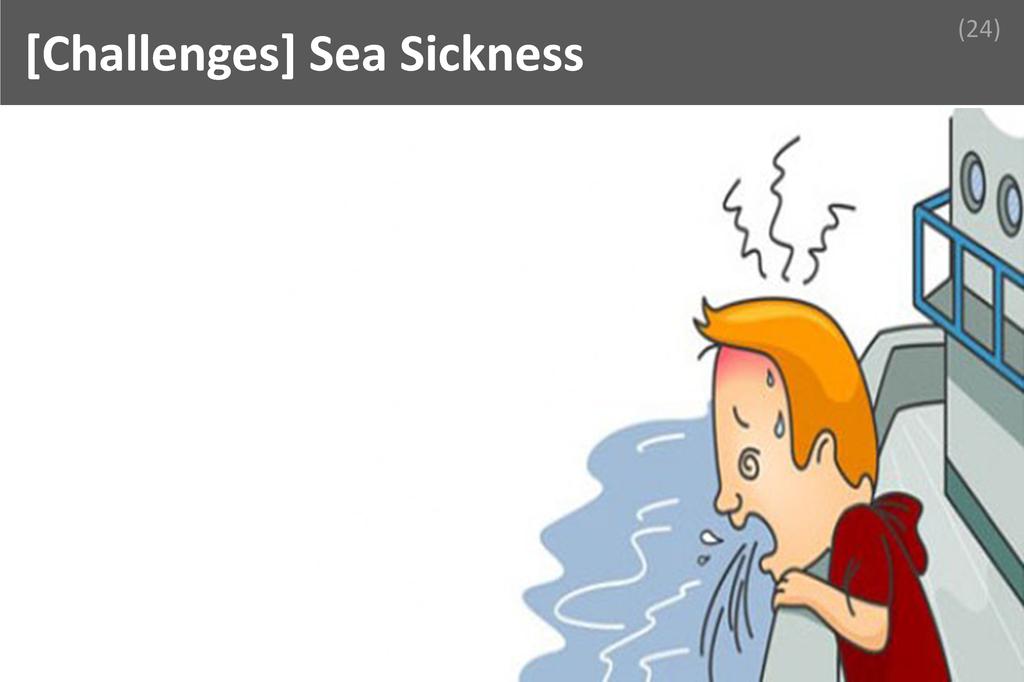
Sea Sicknesss, in the context of Navigation, refers to the physical discomfort and disorientation caused by the motion of a vessel at sea. It manifests as nausea, dizziness, and fatigue, making it particularly demanding for navigators who must maintain focus and precision in challenging, constantly moving environments.
Sea Sicknesss can significantly disrupt the daily routines of navigation professionals, undermining concentration, decision-making, and overall performance. The unpredictable onset of symptoms means that even experienced crew members may be affected, demanding a high level of resilience and adaptability. Navigators must learn to recognize early signs and implement coping mechanisms, such as adjusting their routines, maintaining hydration, and using medication or natural remedies when necessary. Successful professionals develop mental strategies to stay focused on their tasks, often relying on peer support and experience to push through discomfort. Over time, many adapt physiologically and psychologically, allowing them to continue performing critical duties despite the persistent challenge of Sea Sicknesss.
Consider a navigation officer embarking on a long voyage through rough seas. In the first days, she experiences intense nausea and dizziness, threatening her ability to plot courses and monitor instruments accurately. Drawing on her training, she positions herself on deck to get fresh air and keeps her gaze fixed on the horizon, which helps stabilize her senses. She stays hydrated, eats light meals, and takes prescribed medication to manage symptoms. By communicating openly with her team, she ensures that her responsibilities are covered during severe episodes. Gradually, her body adapts, and she regains her full capacity, demonstrating how resilience and practical strategies enable navigation professionals to overcome the obstacle of Sea Sicknesss.
Competition

Competition in Navigation refers to the ongoing struggle among professionals and organizations to secure limited opportunities, contracts, or recognition within the field. This challenge is demanding because it requires constant adaptation, technical excellence, and strategic positioning to stay relevant and ahead of peers in a rapidly evolving, high-stakes environment.
The pressure of competition in Navigation can shape every aspect of daily work, from the need to deliver precise results under tight deadlines to the constant pursuit of innovation and efficiency. Professionals often face stress as they strive to distinguish themselves and their organizations, which can lead to burnout if not managed carefully. Resilience becomes essential, as setbacks and failures are inevitable in such a competitive landscape. Successful navigation professionals overcome this constraint by continuously updating their skills, fostering strong professional networks, and embracing collaboration when possible. They focus on personal growth and adaptability, allowing them to respond proactively to industry changes and maintain a competitive edge without sacrificing well-being or ethical standards.
Consider a navigation officer working for a shipping company that is bidding for a major international contract. The officer recognizes that several rival firms are also competing for the same opportunity, each boasting advanced technology and experienced crews. Instead of succumbing to the pressure, the officer leverages their expertise by proposing innovative routing strategies that optimize fuel efficiency and safety, drawing on recent training and industry best practices. By collaborating closely with their team and demonstrating a commitment to continuous improvement, the officer helps the company present a compelling case to the client. Ultimately, their proactive approach and resilience enable the company to secure the contract, illustrating how competition can be managed constructively through skill, adaptability, and teamwork.
No Social Life

In Navigation, "No Social Life" refers to the persistent lack of personal time and meaningful social interactions due to long hours, irregular shifts, and extended periods away from home. This isolation is demanding because it strains relationships, limits support networks, and challenges emotional well-being, making work-life balance exceptionally difficult to achieve.
The absence of a social life can lead to feelings of loneliness, stress, and even burnout, impacting both mental health and job performance. Navigators often work in isolated environments or on rotating schedules, which makes maintaining friendships and family connections challenging. This reality demands significant resilience, as professionals must find ways to cope with solitude and emotional fatigue. Successful navigators manage this constraint by leveraging technology to stay connected with loved ones, establishing routines that prioritize self-care, and seeking camaraderie among colleagues. They also develop strong emotional intelligence, allowing them to adapt to changing circumstances and maintain a positive outlook despite the inherent social sacrifices of their profession.
Consider a marine navigator who spends months at sea, far from family and friends. Initially, the isolation takes a toll, leading to homesickness and decreased motivation. Recognizing the impact, the navigator begins scheduling regular video calls with loved ones during available downtime, creating a sense of connection despite the distance. Onboard, the navigator initiates group activities with fellow crew members, fostering a supportive micro-community. By actively nurturing relationships both on and off the vessel, the navigator gradually overcomes the challenge of having no social life, maintaining emotional balance and professional focus throughout the demanding voyage. This approach not only enhances personal well-being but also strengthens team cohesion and job satisfaction.
A Day Of
Navigation
The hum of computers, the steady flicker of digital charts, and the quiet intensity of focused professionals define the world of Navigation. Here, every day is a blend of precision, anticipation, and adaptability, where the stakes are high and the margin for error is slim. Whether plotting a course across open seas, guiding aircraft through crowded skies, or orchestrating the movement of autonomous vehicles, navigation professionals thrive in an environment where technology and human judgment intersect. The pace is brisk but measured, with each decision rippling outward to influence safety, efficiency, and success. In this dynamic field, a typical workday is anything but ordinary—each hour brings new challenges and opportunities to chart the best possible path forward.
As dawn breaks, navigation professionals begin their day with a thorough review of the latest weather reports, route updates, and operational notices. The early morning hours are dedicated to calibrating instruments, verifying system integrity, and cross-checking planned routes against real-time data. This quiet but critical phase sets the tone for the day, ensuring that every variable is accounted for and that the team is prepared to respond to any unexpected developments.
By mid-morning, the navigation center is alive with activity. Professionals are fully engaged in monitoring live data streams, adjusting courses, and communicating with crews or automated systems. This is the most intense period of the day, where situational awareness and quick thinking are paramount. Whether rerouting around sudden weather changes or coordinating with other teams to avoid congestion, navigation experts rely on a blend of technical expertise and instinct to keep operations running smoothly and safely.
As the afternoon unfolds, attention shifts to collaborative efforts and execution of tactical plans. Navigation professionals participate in briefings, update stakeholders on progress, and coordinate with engineers, pilots, or vessel captains to implement necessary adjustments. This phase is marked by problem-solving and teamwork, as new information is integrated and strategies are refined to optimize performance and maintain safety standards.
As the day winds down, navigation practitioners turn their focus to debriefing and documentation. They analyze the day’s operations, noting successes and areas for improvement, and compile reports for regulatory compliance and internal review. The final tasks involve researching upcoming routes, reviewing forecast data, and preparing preliminary plans for the next shift. This wrap-up phase ensures that knowledge is transferred seamlessly and that the next day begins with the same level of preparedness and precision. |


 Home
Home Abroad
 Plan
Plan Philosophy
 Seminar
 Pages
Pages Advisors
 Testimonials














 Workshop
 Discuss
 Meet
Meet
 Advisor
 Story
Story
 Fine Print
 Links
Links
 Blog
Blog
 Follow
