The Journey of Radiology
What Is Radiology
Radiology

Radiology is a medical specialty that uses imaging technologies, such as X-rays, CT scans, MRI, and ultrasound, to diagnose and sometimes treat diseases within the body. Radiologists interpret these images to help guide patient care, collaborating with other healthcare professionals to ensure accurate diagnosis and effective treatment.
Radiology plays a crucial role in modern healthcare by enabling early and accurate diagnosis of a wide range of conditions, from fractures to complex cancers. For professionals in radiology, this field offers the opportunity to make a significant difference in patient outcomes by providing essential information that guides treatment decisions. Radiology enhances the precision of medical interventions, reduces the need for exploratory surgeries, and supports minimally invasive procedures. The field also fosters continuous learning and adaptation to new technologies, making it intellectually stimulating and professionally rewarding. Radiology’s impact extends beyond hospitals, influencing public health through screening programs and contributing to research that advances medical knowledge.
A radiologist working in a busy hospital might receive a patient who arrives at the emergency department with severe abdominal pain. The radiologist reviews an urgent CT scan, carefully analyzing the images for signs of appendicitis or other acute conditions. By identifying an inflamed appendix, the radiologist provides a definitive diagnosis that allows the surgical team to proceed quickly with the appropriate treatment. Throughout the process, the radiologist communicates findings to the referring physician, ensuring that the patient receives timely and accurate care. This collaboration highlights how radiology is integral to patient management, helping to save lives and improve outcomes through expert interpretation of medical images.
Education
Anatomy

Anatomy is the scientific study of the structure and organization of living organisms, focusing on the physical relationships between tissues, organs, and systems. In Radiology, anatomy forms the cornerstone of both academic learning and professional practice, enabling practitioners to accurately interpret medical images and understand the human body's internal architecture.
A thorough understanding of anatomy is essential for anyone preparing for or working in Radiology because it provides the framework for identifying normal and abnormal structures within the body. Radiologists rely on their anatomical knowledge to interpret X-rays, CT scans, MRIs, and ultrasounds with precision. This expertise allows them to distinguish between healthy tissues and pathological changes, ensuring accurate diagnoses and effective communication with referring physicians. Mastery of anatomy also supports lifelong learning, as advances in imaging technology and medical knowledge continually expand the scope of what radiologists must recognize and understand. Ultimately, a strong foundation in anatomy enhances clinical decision-making, patient safety, and professional credibility throughout a radiologist’s career.
Consider a radiologist reviewing a chest CT scan for a patient with suspected lung disease. Their detailed knowledge of thoracic anatomy enables them to differentiate between the heart, lungs, blood vessels, and surrounding tissues. By recognizing the normal anatomical landmarks, the radiologist can identify subtle abnormalities such as a small pulmonary nodule or lymph node enlargement. This anatomical insight guides further diagnostic steps and informs treatment planning. Without a solid grasp of anatomy, the radiologist might overlook critical findings or misinterpret normal variations as disease, potentially leading to misdiagnosis. Thus, the practical application of anatomical knowledge is integral to delivering accurate and effective patient care in Radiology.
Pathology

Pathology is the scientific study of diseases, focusing on their causes, development, structural changes, and effects on the body. It bridges basic science and clinical practice, providing essential insights into disease mechanisms. For radiology professionals, pathology forms a critical component of the academic and practical knowledge required to interpret medical images accurately.
A deep understanding of pathology is indispensable for anyone preparing for or working in radiology. Radiologists rely on their knowledge of disease processes to interpret imaging studies, differentiate normal from abnormal findings, and provide accurate diagnoses. Mastery of pathology enables radiologists to recognize subtle imaging features that correspond to specific diseases, improving diagnostic precision. This foundational knowledge also enhances communication with referring physicians, as radiologists can correlate clinical information with imaging findings more effectively. Over the course of a career, a strong grasp of pathology supports ongoing learning, adaptation to new imaging technologies, and the ability to contribute meaningfully to multidisciplinary teams, ultimately leading to better patient outcomes and professional growth.
Consider a radiologist evaluating a chest CT scan for a patient with persistent cough and weight loss. Their understanding of pathology allows them to distinguish between infectious, inflammatory, and neoplastic processes based on imaging characteristics such as lesion shape, border definition, and tissue density. Recognizing the hallmarks of a malignant tumor, such as irregular margins and invasion into adjacent structures, the radiologist can suggest a likely diagnosis of lung cancer. This theoretical knowledge, grounded in pathology, guides further recommendations for biopsy or additional imaging, ensuring the patient receives timely and appropriate care. The radiologist’s expertise in pathology thus directly impacts diagnostic accuracy and patient management.
Medicine & Surgery

Medicine & Surgery encompasses the comprehensive study of human health, disease mechanisms, diagnostic processes, and therapeutic interventions, including both medical and surgical management. For radiology professionals, this discipline forms the backbone of clinical reasoning, enabling accurate interpretation of imaging studies and effective communication with multidisciplinary healthcare teams in patient care.
A strong grasp of Medicine & Surgery is indispensable for anyone entering or advancing in radiology. This foundational knowledge allows radiologists to understand the clinical context behind imaging requests, recognize normal and pathological findings, and anticipate potential complications. It also enhances the ability to correlate imaging results with patient symptoms and laboratory data, leading to more precise diagnoses. Over the course of a career, this expertise supports collaboration with referring clinicians, guides appropriate imaging choices, and informs recommendations for further management. Ultimately, mastery of Medicine & Surgery ensures radiologists contribute meaningfully to patient outcomes and remain integral members of the healthcare team.
Consider a radiologist reviewing a chest CT scan for a patient with acute shortness of breath. Drawing on their background in Medicine & Surgery, the radiologist recognizes imaging features consistent with a pulmonary embolism. Understanding the urgency and potential complications of this diagnosis, they promptly communicate findings to the clinical team, recommend immediate anticoagulation, and suggest follow-up imaging to monitor treatment response. Their medical and surgical knowledge enables them to anticipate related issues, such as right heart strain or risk of bleeding, ensuring comprehensive patient care. This scenario highlights how theoretical understanding directly informs practical decision-making and patient management in radiology.
Radiation Safety

Radiation Safety refers to the set of principles, practices, and regulations designed to protect patients, healthcare workers, and the public from unnecessary exposure to ionizing radiation. In Radiology, it is an essential academic and professional discipline, ensuring diagnostic and therapeutic procedures are performed safely and effectively while minimizing health risks.
Understanding Radiation Safety is vital for anyone pursuing a career in Radiology because it underpins every aspect of the profession, from patient care to equipment operation. Mastery of this subject ensures that radiologic procedures are conducted within established safety guidelines, reducing the risk of radiation-induced injuries or long-term health effects. This foundational knowledge is not only crucial for passing certification exams but also for maintaining professional licensure and credibility. Over the course of a career, a strong grasp of Radiation Safety enables professionals to adapt to evolving technologies and regulatory standards, fostering a culture of safety and responsibility within healthcare environments. Ultimately, it empowers radiology professionals to advocate for best practices and contribute to the overall well-being of patients and colleagues.
Consider a radiologic technologist working in a busy hospital imaging department. Each day, they must balance the need for high-quality diagnostic images with the imperative to minimize radiation exposure. Drawing on their knowledge of Radiation Safety, the technologist carefully selects the lowest effective dose settings for each patient, adjusts shielding devices, and positions patients accurately to avoid repeat exposures. They also routinely inspect equipment for proper functioning and educate patients about the procedure to alleviate concerns. By consistently applying these safety principles, the technologist not only protects themselves and their patients but also upholds the standards of the profession, demonstrating the real-world impact of a thorough understanding of Radiation Safety in daily radiology practice.
Radiology Contrast
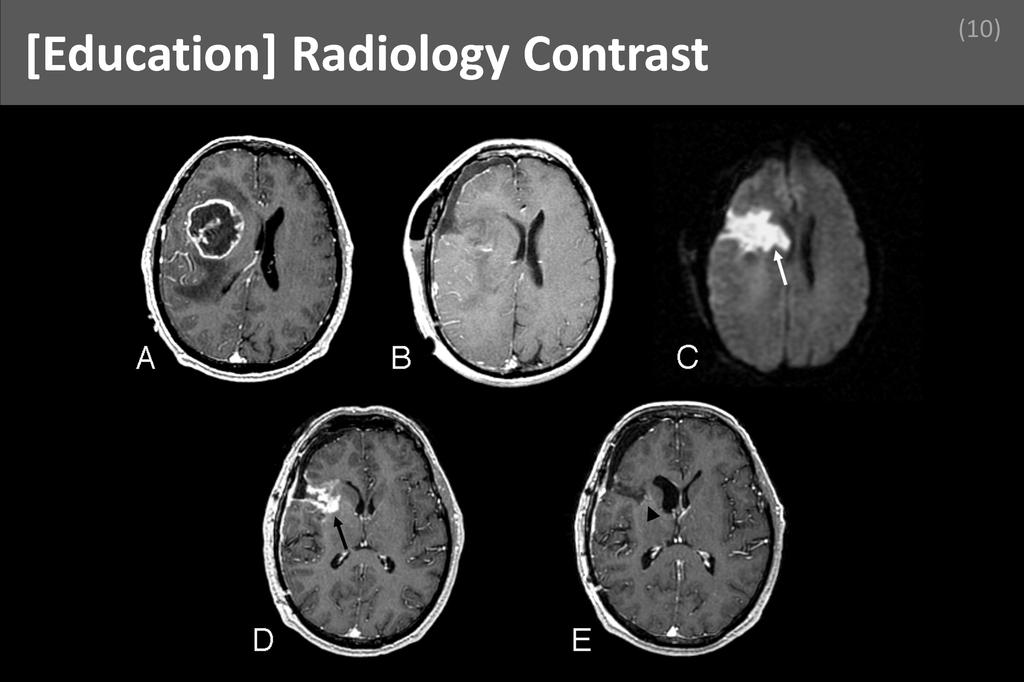
Radiology contrast refers to specialized substances administered to patients to enhance the visibility of specific tissues, organs, or blood vessels during imaging procedures such as X-rays, CT scans, and MRIs. Mastery of contrast agents is essential in both academic study and professional practice, forming a cornerstone of radiological expertise.
Understanding radiology contrast is crucial for anyone entering or advancing within the field of radiology. This knowledge enables professionals to select appropriate contrast agents, optimize imaging protocols, and ensure patient safety. Proficiency in contrast use underpins accurate diagnosis, as it allows subtle pathologies to be distinguished from normal anatomy. Furthermore, familiarity with contrast reactions, contraindications, and patient preparation is vital for minimizing risks and responding effectively to complications. As radiology continues to evolve with new imaging technologies and contrast agents, a solid grasp of these concepts ensures that professionals remain competent, adaptable, and capable of delivering high-quality patient care throughout their careers.
Consider a radiologic technologist preparing a patient for a CT angiography to evaluate suspected vascular disease. The technologist must select the correct iodinated contrast agent, calculate the appropriate dosage based on the patient’s weight and renal function, and monitor the patient for any adverse reactions. During the scan, the technologist times the contrast injection precisely to capture optimal images of the blood vessels. After the procedure, they assess the images to ensure diagnostic quality and provide post-procedure care instructions. This scenario highlights how theoretical knowledge of radiology contrast is applied in practice, directly impacting diagnostic accuracy, patient safety, and the overall effectiveness of radiological services.
Interventional Radiology

Interventional Radiology is a medical specialty that uses imaging guidance, such as X-rays, CT scans, or ultrasound, to perform minimally invasive diagnostic and therapeutic procedures. It bridges diagnostic radiology and surgical intervention, making it an essential component of both academic study and professional practice within the broader field of Radiology.
Understanding Interventional Radiology is crucial for anyone preparing for or working in Radiology because it represents the forefront of minimally invasive patient care. Mastery of this subject equips professionals with the ability to diagnose and treat a wide range of conditions using image-guided techniques, reducing the need for open surgery and improving patient outcomes. The knowledge gained in this area forms a foundational pillar for radiologists, as it enhances their ability to collaborate with multidisciplinary teams and adapt to evolving medical technologies. Over the long term, proficiency in Interventional Radiology opens doors to specialized career paths, increases professional versatility, and ensures practitioners remain relevant in a rapidly advancing healthcare landscape.
Consider a radiologist working in a busy hospital who is consulted for a patient with a suspected liver tumor. Using their expertise in Interventional Radiology, the radiologist performs an image-guided biopsy, precisely targeting the lesion while minimizing risk to surrounding tissues. Later, they may also participate in a minimally invasive procedure such as radiofrequency ablation to treat the tumor, all under real-time imaging guidance. This application of theoretical knowledge not only streamlines patient care by reducing recovery times and complications but also demonstrates the radiologist’s pivotal role in both diagnosis and treatment, highlighting the everyday importance of Interventional Radiology in clinical practice.
Skills
History Taking

History Taking is the systematic process of gathering relevant medical, social, and contextual information from patients to inform clinical decision-making. In Radiology, it serves as a foundational skill, enabling professionals to interpret imaging studies accurately, tailor protocols, and communicate effectively with referring clinicians, ultimately enhancing patient care and diagnostic precision.
Mastering History Taking significantly elevates a radiologist’s ability to provide precise and meaningful interpretations. By understanding the patient’s background, symptoms, and previous interventions, radiologists can select the most appropriate imaging modalities and protocols, reducing unnecessary tests and improving diagnostic yield. Employers and clients highly value this skill because it leads to better patient outcomes, optimizes resource use, and fosters interdisciplinary collaboration. Cultivating History Taking proficiency involves continuous practice, active listening, and staying updated on clinical guidelines. Engaging in regular feedback with colleagues and participating in multidisciplinary meetings further refines this skill, ensuring that radiologists remain attuned to the evolving needs of patients and healthcare teams.
Consider a radiologist reviewing a chest CT for a patient with vague respiratory symptoms. Through thorough History Taking, the radiologist learns the patient recently traveled abroad and has a history of immunosuppression. This crucial information prompts the radiologist to look for subtle signs of opportunistic infections rather than common pneumonia. As a result, the radiologist identifies early evidence of a rare fungal infection, enabling timely intervention and significantly improving the patient’s prognosis. Without detailed history, such a diagnosis might have been missed or delayed, underscoring how History Taking directly impacts clinical outcomes and exemplifies its indispensable role in radiological practice.
Accuracy

Accuracy is the ability to consistently produce correct, precise, and reliable results by minimizing errors and ensuring that every detail is thoroughly checked and verified. In radiology, accuracy is fundamental because it directly impacts diagnostic outcomes, patient safety, and the effectiveness of treatment plans, making it indispensable for professionals in the field.
Accuracy in radiology enhances performance by ensuring that imaging interpretations are correct and that subtle abnormalities are not overlooked. Employers and clients highly value this skill because it reduces the risk of misdiagnosis, unnecessary treatments, and potential legal issues. Radiologists can cultivate accuracy through continuous education, meticulous attention to detail, and regular self-auditing of their work. Engaging in peer reviews and staying updated with the latest imaging technologies also contribute to honing this skill. Over time, developing a habit of double-checking findings and fostering a culture of precision within the team can further strengthen accuracy, ultimately leading to improved patient outcomes and greater trust from colleagues and patients alike.
Consider a scenario where a radiologist is reviewing a series of chest CT scans for a patient with a history of lung cancer. The radiologist’s accuracy is crucial in detecting a small, early-stage nodule that could easily be missed. By carefully analyzing each image and cross-referencing previous scans, the radiologist identifies the subtle change, leading to early intervention and a significantly better prognosis for the patient. This attention to detail not only prevents a potentially life-threatening oversight but also reinforces the radiologist’s reputation for reliability and excellence. In this way, accuracy directly contributes to both patient care and professional success in the demanding field of radiology.
Intervention Skills

Intervention Skills refer to the ability to perform minimally invasive diagnostic and therapeutic procedures using imaging guidance, such as ultrasound, CT, or fluoroscopy. In Radiology, these skills enable professionals to directly treat or diagnose conditions, often providing alternatives to surgery and improving patient outcomes through precision and expertise.
Mastering Intervention Skills significantly enhances a radiologist’s performance by allowing them to offer advanced, patient-centered care. Clients and employers highly value these abilities because they lead to faster diagnoses, reduced recovery times, and lower risks compared to traditional surgical methods. Radiologists with strong intervention skills are often trusted with complex cases and play a pivotal role in multidisciplinary teams. Cultivating this skill requires a combination of formal education, hands-on training, and continuous learning through workshops, mentorship, and staying updated with technological advancements. Over time, consistent practice and reflection on outcomes help professionals refine their techniques and adapt to new challenges, ultimately making them indispensable assets in any healthcare setting.
Consider a scenario where a patient presents with a suspicious liver lesion. A radiologist with well-developed Intervention Skills can perform an image-guided biopsy, accurately targeting the lesion while minimizing discomfort and risk for the patient. During the procedure, the radiologist must adapt to anatomical variations and unforeseen complications, such as unexpected bleeding. By skillfully navigating these challenges, the radiologist ensures a successful tissue sample is obtained for diagnosis, enabling timely and appropriate treatment. This not only demonstrates technical proficiency but also builds trust with referring physicians and patients, showcasing the critical role of intervention skills in delivering high-quality, efficient care in Radiology.
Patience

Patience is the ability to remain calm, composed, and persistent when faced with delays, challenges, or repetitive tasks, without becoming frustrated or giving up. In Radiology, patience is crucial for carefully analyzing complex images, waiting for results, and ensuring accuracy in diagnoses, ultimately impacting patient care and outcomes.
Patience directly enhances a radiologist’s performance by allowing them to meticulously review imaging studies, avoid hasty conclusions, and ensure every detail is considered before making a diagnosis. Clients and employers highly value this trait because it leads to fewer errors, better communication with patients and colleagues, and a more reliable workflow. Cultivating patience involves practicing mindfulness, embracing continuous learning, and developing resilience in the face of routine or unexpected challenges. Over time, radiology professionals can strengthen their patience by reflecting on their experiences, seeking feedback, and maintaining a focus on long-term goals rather than immediate results.
Imagine a radiologist confronted with a particularly complex case involving subtle abnormalities on a series of MRI scans. Instead of rushing to a conclusion, the radiologist methodically reviews each image, consults with colleagues, and revisits the patient’s history. This patient, anxious for answers, requires reassurance and clear communication throughout the process. By exercising patience, the radiologist not only avoids a misdiagnosis but also builds trust with the patient and the healthcare team. Ultimately, the careful and patient approach leads to the correct identification of a rare condition, enabling timely and effective treatment, and demonstrating the profound impact patience can have on both clinical outcomes and professional reputation.
Correlating Skills

Correlating Skills refer to the ability to integrate and synthesize information from various sources—such as clinical history, laboratory results, and multiple imaging modalities—to form a comprehensive and accurate diagnosis. In radiology, this skill ensures that imaging findings are interpreted within the correct clinical context, minimizing errors and enhancing patient care.
Correlating Skills directly improve performance in radiology by enabling professionals to connect disparate pieces of information, leading to more precise and meaningful interpretations. Clients and employers value this skill because it reduces diagnostic errors, supports multidisciplinary collaboration, and ultimately improves patient outcomes. Cultivating this skill requires continuous learning, active engagement with clinical teams, and regular review of case studies. Radiologists can further develop their correlating abilities by seeking feedback, participating in interdisciplinary meetings, and staying updated with advances in imaging techniques and clinical guidelines. Over time, these practices foster a deeper understanding of disease processes and their manifestations across different diagnostic platforms, making the radiologist an indispensable member of the healthcare team.
Consider a scenario where a patient presents with vague abdominal pain and non-specific laboratory findings. The radiologist reviews an abdominal CT scan that shows subtle changes, which alone might not be conclusive. By correlating these imaging findings with the patient’s clinical history, recent laboratory results, and previous ultrasound images, the radiologist identifies a developing case of acute appendicitis that was initially overlooked. This comprehensive approach leads to timely surgical intervention and a positive patient outcome. Without strong correlating skills, the subtle imaging signs might have been dismissed, delaying diagnosis and treatment. This example illustrates how correlating skills are vital for accurate diagnosis and effective patient management in radiology.
Interpersonal Skills

Interpersonal skills refer to the ability to communicate, interact, and work effectively with others through empathy, active listening, and clear expression. In radiology, these skills are crucial for building trust with patients, collaborating with medical teams, and ensuring accurate information exchange, ultimately enhancing patient care and diagnostic outcomes.
Interpersonal skills directly enhance a radiology professional’s performance by fostering clear communication with patients and colleagues, reducing misunderstandings, and promoting a collaborative environment. Clients and employers highly value these abilities because they lead to better patient experiences, increased efficiency, and improved teamwork. Radiologists can cultivate interpersonal skills by seeking feedback, engaging in reflective practice, and participating in communication workshops. Over time, consistent practice in real-world settings, combined with a willingness to learn from interactions, helps professionals refine their approach, adapt to diverse personalities, and handle sensitive situations with greater confidence and empathy. This ongoing development ensures that radiologists remain effective contributors to multidisciplinary healthcare teams.
Imagine a radiologist who receives an urgent imaging request for a patient with ambiguous symptoms. The radiologist must quickly clarify the clinical question with the referring physician, explain the procedure to a nervous patient, and coordinate with technologists for timely imaging. By employing strong interpersonal skills, the radiologist reassures the patient, efficiently gathers necessary clinical details, and ensures the team works cohesively under pressure. This approach not only alleviates patient anxiety but also leads to a more accurate diagnosis and prompt treatment. In this scenario, the radiologist’s ability to communicate clearly, listen actively, and foster collaboration proves essential to achieving a successful outcome for both the patient and the healthcare team.
Positives
Proper Diagnosis

Proper Diagnosis is the accurate identification and understanding of a patient’s medical condition through the interpretation of imaging studies such as X-rays, CT scans, MRIs, and ultrasounds. It ensures that the underlying cause of symptoms is correctly determined, guiding effective treatment and improving patient outcomes. In radiology, proper diagnosis is the cornerstone of clinical decision-making, enabling radiologists to play a pivotal role in patient care. This responsibility not only elevates the importance of their work but also brings a profound sense of purpose, as their expertise directly influences the direction and success of medical interventions.
The ability to provide proper diagnosis is a defining advantage for radiologists, as it positions them at the heart of the healthcare process. Every day, radiologists use their specialized knowledge to unravel complex medical puzzles, offering clarity and direction to both patients and referring physicians. This critical function leads to high job satisfaction, as radiologists witness firsthand the tangible impact of their work on patient lives. The trust placed in their expertise fosters professional growth and continuous learning, while the intellectual challenge of interpreting diverse cases keeps the work engaging. Ultimately, the knowledge that their accurate diagnoses can change or even save lives is a powerful motivator, making the profession deeply rewarding.
Imagine a radiologist reviewing a series of MRI scans for a patient experiencing persistent headaches. Through careful analysis, the radiologist detects a small, early-stage brain tumor that had been missed in previous examinations. By providing a precise and timely diagnosis, the radiologist enables the medical team to initiate appropriate treatment before the condition worsens. The patient’s prognosis improves dramatically, and the radiologist receives heartfelt gratitude from both the patient and the referring physician. This experience highlights the profound fulfillment that comes from knowing their expertise and attention to detail have made a life-changing difference, reinforcing the vital role of proper diagnosis in radiology.
Self Satisfaction

Self satisfaction is the deep sense of fulfillment and contentment that arises from achieving personal and professional goals, knowing one’s efforts make a meaningful difference. In radiology, this feeling stems from the knowledge that each diagnosis and interpretation directly impacts patient care, fostering a strong sense of purpose and pride.
The presence of self satisfaction in radiology is a powerful motivator that enhances both job satisfaction and professional growth. Radiologists often work behind the scenes, yet their expertise is crucial in guiding patient treatment and outcomes. This awareness instills a profound sense of value and accomplishment, making daily tasks more meaningful. When professionals feel satisfied with their contributions, they are more likely to remain engaged, pursue continued learning, and strive for excellence. This positive mindset not only improves individual well-being but also elevates the quality of care provided, creating a ripple effect that benefits patients, colleagues, and the broader healthcare system.
Imagine a radiologist who, after carefully analyzing a complex set of images, identifies a subtle abnormality that leads to an early cancer diagnosis. The patient’s treatment begins promptly, significantly improving their prognosis. Later, the radiologist learns about the patient’s recovery and the gratitude expressed by both the patient and the medical team. This moment of recognition and the realization that their expertise directly contributed to saving a life brings an overwhelming sense of self satisfaction. It reinforces the radiologist’s commitment to their profession, reminding them that their daily efforts, though sometimes unseen, are vital and deeply rewarding.
Work Life Balance

Work life balance is the harmonious integration of professional responsibilities and personal life, allowing individuals to fulfill career goals while maintaining time for family, hobbies, and self-care. In radiology, this balance fosters well-being, reduces stress, and enhances productivity, making it a cornerstone of a rewarding and sustainable career in healthcare.
The emphasis on work life balance in radiology is a significant advantage that shapes both professional satisfaction and personal growth. Radiologists often benefit from structured schedules, predictable hours, and the ability to manage workloads efficiently, which is less common in many other medical specialties. This stability allows them to invest in their personal lives without compromising their commitment to patient care. As a result, radiologists experience less burnout, greater job satisfaction, and a stronger sense of fulfillment. The supportive environment encourages continuous learning and professional development, as individuals have the time and energy to pursue further education or research. Ultimately, work life balance in radiology not only enhances daily well-being but also contributes to long-term career longevity and happiness.
Consider Dr. Patel, a radiologist who starts her day reviewing imaging studies and consulting with colleagues. Her schedule is thoughtfully organized, allowing her to complete her clinical duties within regular working hours. After work, she has ample time to attend her daughter’s soccer game, enjoy dinner with her family, and pursue her passion for painting. Unlike many peers in other medical fields who face unpredictable hours and frequent emergencies, Dr. Patel consistently enjoys evenings and weekends free from work obligations. This balance empowers her to excel professionally while nurturing her personal relationships and interests. The fulfillment she gains from both her career and her life outside the hospital exemplifies the profound impact of work life balance in radiology.
Growth Opportunities

Growth opportunities refer to the potential for continuous learning, skill development, and career advancement within a profession. In radiology, this means professionals can expand their expertise, embrace new technologies, and take on greater responsibilities. Such opportunities foster personal and professional development, making the field dynamic and highly rewarding.
The presence of growth opportunities in radiology is a significant advantage because it ensures that professionals are never stagnant in their careers. As medical imaging technology rapidly evolves, radiologists are encouraged to stay updated, pursue further education, and specialize in emerging areas. This constant progression not only enhances job satisfaction but also instills a sense of purpose and achievement. Radiologists experience the excitement of mastering new diagnostic tools, collaborating with multidisciplinary teams, and even contributing to groundbreaking research. The ability to advance into leadership roles or subspecialties keeps the profession engaging and motivates individuals to strive for excellence every day.
Consider a radiologist who begins their career interpreting standard X-rays and ultrasounds. Over time, they pursue additional training in advanced imaging techniques such as MRI and CT scans. As they gain expertise, they are entrusted with more complex cases and invited to participate in research projects exploring innovative diagnostic methods. Eventually, they mentor junior colleagues and lead a specialized imaging department. This journey, marked by continuous learning and increasing responsibility, exemplifies how growth opportunities in radiology not only enhance professional fulfillment but also contribute to improved patient care and the advancement of medical science.
Challenges
Non-corporative Patients

Non-corporative patients in Radiology are individuals who, due to anxiety, pain, confusion, language barriers, or cognitive limitations, struggle to follow instructions or remain still during imaging procedures. This challenge is demanding because accurate imaging relies on patient cooperation, and non-compliance can compromise diagnostic quality and workflow efficiency.
The presence of non-corporative patients significantly affects the daily routine of radiology professionals by increasing the likelihood of repeated scans, prolonging appointment times, and potentially delaying diagnoses. This challenge requires resilience, patience, and adaptability, as professionals must maintain composure under pressure while ensuring patient safety and image quality. Successful radiology professionals navigate these constraints by employing clear communication, empathy, and creative problem-solving. They may use calming techniques, adapt instructions to the patient’s level of understanding, or seek assistance from colleagues. By fostering a supportive environment and remaining flexible, radiology staff can often turn a challenging encounter into a successful imaging session, thereby maintaining workflow and upholding diagnostic standards.
Consider a scenario where a radiologic technologist is tasked with performing an MRI scan on an elderly patient with dementia. The patient becomes agitated and repeatedly moves, making it difficult to obtain clear images. Recognizing the patient’s distress, the technologist calmly explains the procedure in simple terms, uses reassuring gestures, and allows a family member to remain in the room for comfort. By adjusting the scanning protocol to shorten the duration and providing gentle reminders throughout the process, the technologist successfully acquires the necessary images. This approach not only addresses the immediate challenge but also demonstrates how empathy, adaptability, and effective communication can overcome the obstacle of non-corporative patients in radiology.
Invasive Procedures

Invasive procedures in Radiology refer to diagnostic or therapeutic interventions that require entering the body, often using needles, catheters, or other instruments under imaging guidance. These procedures are demanding due to their complexity, the need for precision, patient safety concerns, and the emotional and physical stress they place on both patients and practitioners.
The challenge of invasive procedures significantly shapes the daily responsibilities of radiology professionals. Each intervention carries inherent risks, including complications, patient anxiety, and the pressure to maintain accuracy under time constraints. This environment demands resilience, adaptability, and a calm demeanor, as even minor errors can have serious consequences. Successful radiologists manage these challenges by continually refining their technical skills, staying updated with the latest procedural advancements, and fostering strong communication with multidisciplinary teams. They also prioritize patient education and comfort, which helps build trust and reduces anxiety. By embracing a culture of continuous learning and support, radiology professionals can navigate the complexities of invasive procedures while maintaining high standards of care.
Consider a radiologist performing a complex image-guided biopsy on a patient with a deep-seated lesion. The procedure requires meticulous planning, steady hands, and real-time decision-making to avoid vital structures and minimize discomfort. The radiologist begins by thoroughly explaining the process to the patient, addressing concerns and setting expectations. During the procedure, the radiologist collaborates closely with nurses and technologists, using advanced imaging to guide each step. When unexpected anatomical variations arise, the radiologist adapts quickly, drawing on experience and training to adjust the approach safely. After the procedure, the radiologist ensures the patient is monitored and informed about next steps, demonstrating how expertise, communication, and teamwork can overcome the challenges of invasive procedures in radiology.
Technology Challenges

Technology challenges in Radiology refer to the constant need to adapt to rapidly evolving imaging equipment, software, and digital workflows. This is demanding because professionals must continuously update their technical skills, troubleshoot complex systems, and ensure accurate diagnoses, all while maintaining patient safety and keeping pace with technological advancements.
Technology challenges can significantly disrupt daily workflows in Radiology, leading to delays, diagnostic errors, or increased stress when systems malfunction or new tools are introduced. This environment demands resilience, as professionals must quickly learn new interfaces, adapt to changing protocols, and remain vigilant against technical pitfalls. Successful radiologists and technologists manage these constraints by embracing lifelong learning, seeking ongoing training, and fostering collaborative relationships with IT specialists. They also develop strong problem-solving skills, enabling them to troubleshoot issues efficiently and minimize downtime. By staying proactive and adaptable, these professionals ensure that technological advancements enhance, rather than hinder, patient care and diagnostic accuracy.
Consider a radiology department that recently transitioned to a new Picture Archiving and Communication System (PACS). Initially, the staff faced confusion, workflow interruptions, and concerns about image retrieval and reporting. One radiologist took the initiative to attend specialized training sessions, becoming proficient with the new system. She then shared her knowledge with colleagues, created quick-reference guides, and established a direct line of communication with the IT team for prompt troubleshooting. Through her proactive approach and willingness to support her peers, the department overcame initial setbacks, restored workflow efficiency, and improved confidence in using the new technology. This example illustrates how embracing change and fostering teamwork can turn technology challenges into opportunities for professional growth.
A Day Of
Radiology
The hum of high-tech machines and the soft glow of monitors set the stage as the radiology department comes alive each day. Here, the pace is a blend of urgency and precision, where every image captured could hold the key to a patient’s diagnosis. Radiology professionals move seamlessly between focused solitude and collaborative teamwork, balancing the demands of technology with the human stories behind every scan. In this world, no two days are ever quite the same, but each follows a rhythm that keeps the heart of modern medicine beating.
As dawn breaks, radiology professionals arrive to a still-quiet department, greeted by the gentle whir of imaging equipment powering up. The early morning is dedicated to reviewing the day’s schedule, calibrating machines, and checking patient lists for urgent cases. This is a time for careful preparation, ensuring that all protocols are in place and that any overnight studies are reviewed and prioritized. The calm of these first hours allows for focused attention on detail, setting the tone for the busy day ahead.
By mid-morning, the department is bustling with activity as the core work of diagnostic imaging takes center stage. Radiologists and technologists work in tandem, performing and interpreting X-rays, CT scans, MRIs, and ultrasounds. The pace quickens as patients arrive steadily, each requiring a unique approach and a keen eye for subtle findings. Consultations with referring physicians become frequent, as radiology professionals provide critical insights that guide immediate clinical decisions. This is the most intense and interactive part of the day, where expertise and efficiency are paramount.
Afternoons are marked by a shift toward collaboration and hands-on procedures. Radiology professionals participate in multidisciplinary meetings, discussing complex cases with surgeons, oncologists, and other specialists. Interventional radiologists may perform image-guided biopsies or minimally invasive treatments, working closely with nursing staff and other team members. The focus is on executing precise interventions and ensuring seamless communication across departments, all while maintaining the highest standards of patient care.
As the day winds down, attention turns to finalizing reports, catching up on administrative duties, and reviewing any outstanding cases. Radiology professionals may dedicate time to research, staying current with the latest advancements in imaging technology and best practices. The late afternoon is also an opportunity to plan for the next day, coordinating with colleagues and preparing for any anticipated challenges. With a sense of accomplishment, the team ensures that every detail is addressed before the department settles into its evening rhythm, ready to begin the cycle anew tomorrow. |


 Home
Home Abroad
 Plan
Plan Philosophy
 Seminar
 Pages
Pages Advisors
 Testimonials









 Workshop
 Discuss
 Meet
Meet
 Advisor
 Story
Story
 Fine Print
 Links
Links
 Blog
Blog
 Follow
