The Journey of Urology & Renal Transplant
What Is Urology & Renal Transplant
Urology & Renal Transplant

Urology & Renal Transplant is a specialized medical field focusing on the diagnosis, treatment, and surgical management of urinary tract disorders and kidney diseases, including performing kidney transplants. It combines expertise in urology and transplant surgery to restore kidney function and improve patients’ quality of life.
Urology & Renal Transplant plays a crucial role in modern healthcare by addressing complex kidney and urinary tract conditions that can be life-threatening or severely impact daily living. Professionals in this field are at the forefront of innovative surgical techniques and patient care, often working in multidisciplinary teams. The field offers the benefit of making a tangible difference in patients’ lives through life-saving kidney transplants, providing long-term management for chronic kidney disease, and advancing minimally invasive procedures that reduce recovery times. Additionally, it offers professionals opportunities for research, teaching, and leadership in a rapidly evolving medical specialty.
A urologist specializing in renal transplant may encounter a patient with end-stage renal disease who has been on dialysis for several years. After thorough evaluation and preparation, the specialist leads a surgical team to perform a kidney transplant, carefully matching the donor organ and managing the complex perioperative care. Post-surgery, the professional continues to monitor the patient for signs of organ rejection, adjusts immunosuppressive medications, and collaborates with nephrologists to ensure the best possible outcome. Through this process, the urologist not only restores kidney function but also significantly enhances the patient’s quality of life and long-term health prospects.
Education
Medicine

Medicine is the science and practice of diagnosing, treating, and preventing diseases, encompassing a broad understanding of human biology, pathology, pharmacology, and clinical care. For those in Urology & Renal Transplant, medicine forms the essential academic and professional framework, integrating general medical principles with specialized surgical and transplant knowledge.
A strong grasp of medicine is indispensable for anyone pursuing a career in Urology & Renal Transplant. This field demands not only surgical expertise but also a comprehensive understanding of systemic diseases, pharmacological management, and the interplay between organ systems. Mastery of medical concepts enables professionals to recognize and manage complex comorbidities, optimize perioperative care, and anticipate complications that may arise from both urological conditions and renal transplantation. Over the long term, this foundational knowledge enhances clinical judgment, supports interdisciplinary collaboration, and ensures that patient care is both safe and holistic. Ultimately, a deep understanding of medicine empowers practitioners to deliver superior outcomes and adapt to the evolving landscape of healthcare.
Consider a urologist managing a patient with end-stage renal disease who is scheduled for a kidney transplant. The physician must apply their medical knowledge to assess the patient’s cardiovascular status, manage diabetes or hypertension, and adjust immunosuppressive therapy post-transplant. During the perioperative period, the urologist must anticipate potential complications such as infections, electrolyte imbalances, or acute rejection episodes, all of which require a solid grounding in general medicine. By integrating this theoretical understanding into daily practice, the professional ensures comprehensive care that addresses not only the surgical aspects but also the broader medical needs of the patient, ultimately improving both short-term recovery and long-term transplant success.
General Surgery

General Surgery is a medical specialty focused on the diagnosis, preoperative, operative, and postoperative management of a broad range of surgical conditions affecting various organs and tissues. It provides essential surgical principles and techniques, forming the backbone of surgical education and practice, including for those specializing in Urology and Renal Transplant.
A solid grasp of General Surgery is indispensable for anyone pursuing a career in Urology and Renal Transplant. This foundational discipline imparts critical knowledge about wound healing, infection control, surgical anatomy, and perioperative care, all of which are directly applicable to urological and transplant procedures. Understanding general surgical principles ensures that professionals can manage complex cases, anticipate complications, and make informed intraoperative decisions. Over the long term, this expertise enhances clinical judgment, fosters interdisciplinary collaboration, and increases adaptability in rapidly evolving surgical environments. Mastery of General Surgery not only improves patient outcomes but also opens doors to leadership roles and advanced training opportunities within the broader field of surgery.
Consider a urologist performing a kidney transplant who encounters unexpected bleeding from a major vessel during the operation. Their comprehensive training in General Surgery allows them to quickly assess the situation, apply vascular control techniques, and repair the vessel efficiently, minimizing blood loss and reducing the risk of graft failure. This scenario highlights how theoretical knowledge of surgical anatomy, hemostasis, and tissue handling—core components of General Surgery—are seamlessly integrated into specialized procedures. The ability to manage such intraoperative challenges confidently ensures patient safety and surgical success, demonstrating the indispensable role of General Surgery in the daily practice of Urology and Renal Transplant professionals.
Urology

Urology is a medical specialty focused on the diagnosis, treatment, and management of diseases affecting the urinary tract in both males and females, as well as the male reproductive system. It is a cornerstone discipline for those pursuing expertise in Urology & Renal Transplant, forming the essential academic and clinical framework for advanced practice.
A thorough understanding of urology is indispensable for anyone preparing for or working in Urology & Renal Transplant. This field encompasses a wide range of anatomical, physiological, and pathological knowledge that underpins every aspect of patient care, from initial assessment to complex surgical interventions. Mastery of urological principles ensures that professionals can accurately diagnose urinary tract disorders, manage pre- and post-transplant complications, and make informed decisions regarding patient eligibility and surgical techniques. Over the course of a career, this foundational expertise not only enhances clinical competence but also fosters innovation, improves patient outcomes, and opens doors to leadership roles within multidisciplinary teams. Continuous learning in urology is therefore vital for sustained professional growth and excellence in renal transplant care.
Consider a scenario where a renal transplant surgeon is evaluating a patient with end-stage renal disease who also presents with recurrent urinary tract infections. The surgeon’s deep knowledge of urology allows them to identify underlying structural abnormalities, such as vesicoureteral reflux or bladder dysfunction, that could compromise transplant success. By applying their theoretical understanding, the surgeon collaborates with the urology team to address these issues preoperatively, ensuring the urinary tract is optimized before transplantation. This integrated approach minimizes postoperative complications, such as infection or graft dysfunction, and significantly improves the patient’s prognosis. Such real-world applications of urological knowledge are routine in the daily practice of professionals dedicated to Urology & Renal Transplant.
Robotic Surgeries

Robotic surgeries refer to minimally invasive procedures performed using advanced robotic systems that enhance a surgeon’s precision, control, and visualization. In Urology and Renal Transplant, robotic surgeries have become integral, requiring practitioners to possess both theoretical and practical expertise as part of their academic and professional development.
Understanding robotic surgeries is essential for anyone pursuing a career in Urology and Renal Transplant because these procedures represent the forefront of surgical innovation in the field. Mastery of robotic systems enables professionals to perform complex operations with greater accuracy, reduced patient morbidity, and faster recovery times. As healthcare institutions increasingly adopt robotic platforms, proficiency in this technology not only enhances a clinician’s skill set but also makes them more competitive in the job market. Furthermore, a strong grasp of robotic surgery principles fosters adaptability, allowing practitioners to stay current with evolving surgical techniques and contribute to improved patient outcomes. Over the long term, expertise in robotic surgeries positions professionals as leaders and innovators within their specialty.
Consider a urologist performing a robotic-assisted kidney transplant. Drawing on their knowledge of robotic surgeries, the surgeon utilizes the robotic system’s enhanced dexterity to carefully dissect and anastomose delicate blood vessels, minimizing tissue trauma and blood loss. Throughout the procedure, the surgeon’s understanding of the robotic interface allows for precise instrument manipulation and optimal visualization of the surgical field. This expertise not only reduces operative time but also lowers the risk of complications, leading to better graft function and patient recovery. By integrating theoretical knowledge with hands-on proficiency, the urologist exemplifies how mastery of robotic surgeries directly translates into improved surgical outcomes and elevates the standard of care in Urology and Renal Transplant.
Skills
Hand Eye Coordination
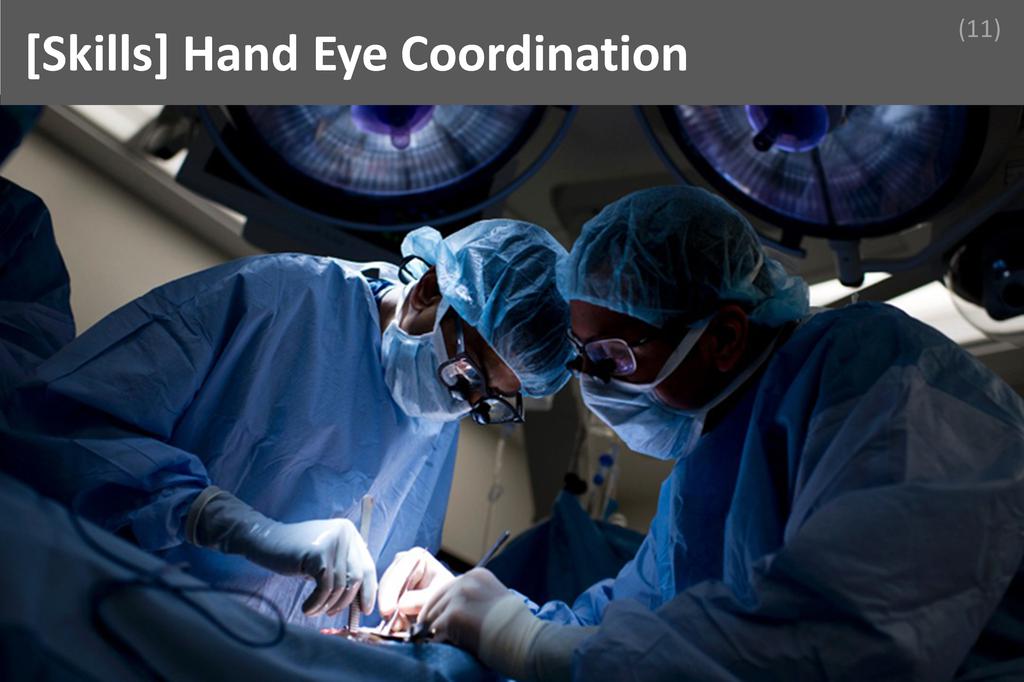
Hand eye coordination is the ability to synchronize visual input with precise hand movements, allowing for accurate and controlled actions. In urology and renal transplant, this skill is indispensable, as professionals must perform intricate procedures where even minor errors can have significant consequences for patient outcomes and surgical success.
Hand eye coordination directly enhances a urology and renal transplant professional’s ability to perform delicate surgical maneuvers, such as suturing blood vessels or manipulating tiny instruments within confined anatomical spaces. Clients and employers highly value this skill because it translates to safer surgeries, reduced complications, and quicker patient recovery times. Developing hand eye coordination requires consistent practice, often through simulation training, repetitive procedural drills, and real-time surgical experience. Over time, professionals refine their dexterity and precision, enabling them to handle complex cases with confidence and efficiency. By continually challenging themselves with new techniques and technologies, practitioners can maintain and further improve this critical skill throughout their careers.
During a renal transplant procedure, a surgeon encounters unexpected bleeding from a small arterial branch. Relying on exceptional hand eye coordination, the surgeon swiftly identifies the source, delicately maneuvers fine surgical instruments, and applies a precise suture to control the bleeding without damaging surrounding tissues. This rapid, coordinated response not only stabilizes the patient but also preserves the viability of the transplanted kidney. The surgeon’s ability to integrate visual cues with steady, accurate hand movements is crucial in such high-stakes moments, demonstrating how hand eye coordination can make the difference between a successful operation and a potentially life-threatening complication.
Pressure Handling

Pressure Handling is the ability to maintain composure, make sound decisions, and perform effectively when faced with high-stress situations, tight deadlines, or unexpected complications. In Urology & Renal Transplant, this skill is crucial because professionals often encounter life-altering scenarios where rapid, accurate responses can directly impact patient outcomes and team dynamics.
Mastering Pressure Handling significantly enhances a professional’s ability to deliver consistent, high-quality care even in the most challenging circumstances. Clients and employers deeply value this skill because it ensures that critical procedures are executed safely and efficiently, minimizing risks and fostering trust. Over time, one can cultivate Pressure Handling by seeking mentorship, engaging in simulation-based training, and reflecting on past experiences to build resilience. Regular exposure to complex cases, combined with mindfulness techniques and stress management strategies, helps professionals remain calm and focused. This ongoing development not only improves individual performance but also contributes to a positive, reliable work environment where patients and colleagues feel secure.
Imagine a urologist performing a renal transplant when the patient suddenly develops unexpected bleeding. The operating room becomes tense as every second counts. The surgeon’s ability to handle pressure is immediately tested. By staying calm, quickly assessing the situation, and communicating clearly with the surgical team, the urologist identifies the source of bleeding and implements corrective measures. This composed response prevents further complications and stabilizes the patient. The team’s confidence in the surgeon’s leadership grows, and the successful outcome reinforces the importance of Pressure Handling. In this scenario, the professional’s skill in managing stress and making decisive choices under pressure directly saves a life and upholds the highest standards of patient care.
Empathy

Empathy is the ability to understand and share another person's feelings, perspectives, and experiences, while responding with genuine care and concern. In Urology & Renal Transplant, empathy enables professionals to connect deeply with patients facing complex, life-altering diagnoses and treatments, fostering trust, comfort, and effective communication throughout the care journey.
Empathy directly enhances performance in Urology & Renal Transplant by allowing professionals to anticipate patient needs, address anxieties, and tailor communication to individual circumstances. Clients and employers value this skill because it leads to higher patient satisfaction, better adherence to treatment plans, and improved clinical outcomes. Cultivating empathy involves active listening, reflecting on patient experiences, and seeking feedback from colleagues and patients. Over time, professionals can deepen their empathetic abilities by engaging in reflective practice, participating in patient-centered care training, and remaining open to learning from diverse patient stories. This ongoing commitment to empathy not only benefits patients but also enriches the professional’s own sense of fulfillment and resilience in a demanding medical field.
Consider a scenario where a renal transplant patient expresses fear and uncertainty about the surgery and its aftermath. An empathetic urologist recognizes these emotions, takes time to listen attentively, and acknowledges the patient’s concerns without judgment. Instead of offering only clinical facts, the professional explains the procedure in accessible language, shares stories of similar patients who have thrived post-transplant, and reassures the patient that their feelings are valid and understood. This empathetic approach helps alleviate anxiety, builds trust, and empowers the patient to actively participate in their care decisions. Ultimately, empathy transforms a potentially overwhelming experience into one where the patient feels supported, respected, and hopeful about their future.
Communication

Communication is the process of effectively exchanging information, ideas, and emotions through verbal, non-verbal, and written means to achieve mutual understanding. In the context of Urology & Renal Transplant, communication is crucial for building trust with patients, coordinating multidisciplinary teams, and ensuring the safe and effective delivery of complex medical care.
Strong communication skills directly enhance a professional’s ability to explain diagnoses, treatment options, and surgical procedures to patients and their families, reducing anxiety and promoting informed decision-making. Employers and clients highly value this skill because it minimizes misunderstandings, improves patient satisfaction, and fosters collaboration among healthcare teams. To cultivate communication skills, professionals should engage in active listening, seek feedback, participate in simulation-based training, and stay updated on best practices in patient-centered communication. Over time, consistent practice and reflection help refine the ability to convey complex information clearly and empathetically, which is essential in high-stakes environments like Urology & Renal Transplant.
Consider a scenario where a renal transplant patient experiences unexpected post-operative complications. The urologist must quickly gather the surgical team, nephrologists, and nursing staff to discuss the patient’s status and coordinate an urgent intervention. Clear, concise communication ensures everyone understands their roles and the immediate steps required. Simultaneously, the urologist must explain the situation to the patient’s family, addressing their concerns with empathy and transparency. By effectively communicating with both the medical team and the family, the professional not only facilitates a swift, coordinated response but also maintains trust and reassurance during a critical moment, ultimately contributing to a successful patient outcome.
Patience

Patience is the ability to remain calm, composed, and persistent in the face of delays, challenges, or adversity, without becoming frustrated or giving up. In Urology & Renal Transplant, patience is vital for managing complex cases, supporting patients through lengthy treatments, and ensuring meticulous attention to detail during intricate procedures.
Patience directly enhances performance in Urology & Renal Transplant by allowing professionals to approach each case methodically, even when progress is slow or setbacks occur. Clients and employers value this trait because it leads to better patient outcomes, fosters trust, and reduces the risk of errors under pressure. Cultivating patience involves conscious self-reflection, learning to manage stress, and embracing a mindset that values long-term results over immediate gratification. Over time, repeated exposure to challenging situations and a commitment to continuous learning help professionals strengthen their patience, making them more resilient and effective in their roles.
Consider a scenario where a urologist is managing a patient awaiting a renal transplant. The process involves extensive preoperative assessments, waiting for a suitable donor, and navigating the patient’s anxiety and medical complications. Throughout this journey, the professional must exercise patience, providing consistent support and clear communication while adapting to unforeseen delays. When a compatible organ finally becomes available, the urologist’s patient approach ensures all protocols are meticulously followed, reducing risks and optimizing the chances of a successful transplant. This steadfast patience not only reassures the patient and their family but also upholds the highest standards of care, ultimately contributing to a positive outcome.
Positives
Independency

Independency is the ability to make autonomous decisions, manage complex cases, and take full responsibility for patient care without excessive reliance on others. It empowers professionals to apply their expertise, exercise critical judgment, and shape outcomes directly, fostering a sense of ownership, confidence, and professional fulfillment in their daily practice.
The independency found in urology and renal transplant is a cornerstone of professional satisfaction and growth. This autonomy allows specialists to tailor treatment plans, perform intricate procedures, and respond swiftly to evolving clinical situations. The trust placed in their hands by patients and colleagues enhances their sense of purpose and achievement. Daily, these professionals experience the reward of seeing their decisions lead to tangible improvements in patient health and quality of life. The ability to independently navigate complex medical challenges not only sharpens their skills but also fuels continuous learning and innovation. This environment of trust and responsibility cultivates a deep sense of pride and motivation, making each day both challenging and deeply rewarding.
Imagine a urologist and renal transplant surgeon faced with a critically ill patient whose kidney function is rapidly deteriorating. Drawing on years of training and experience, the specialist independently assesses the situation, determines the need for an urgent transplant, and coordinates the surgical team. Throughout the process, every decision—from preoperative planning to postoperative care—rests on the surgeon’s judgment and expertise. The successful outcome, marked by the patient’s recovery and renewed hope, is a direct result of the professional’s autonomy and skill. This experience not only reinforces the value of independency but also leaves a lasting sense of accomplishment, knowing that their independent actions have profoundly changed a life.
Monetary Benefits

Monetary benefits refer to the financial rewards, including salary, bonuses, incentives, and other forms of compensation, that professionals receive in exchange for their expertise and services. In the field of Urology & Renal Transplant, these benefits play a crucial role in recognizing the demanding nature and high level of skill required for this specialty. The substantial financial compensation not only acknowledges the years of rigorous training and dedication but also provides professionals with the means to enjoy a comfortable lifestyle, invest in their future, and support their families. This positive aspect enhances the overall appeal of the profession and serves as a motivating factor for many aspiring medical specialists.
The significant monetary benefits associated with a career in Urology & Renal Transplant matter greatly because they directly influence job satisfaction and professional growth. When specialists are rewarded generously for their expertise, it validates their commitment and encourages them to continually improve their skills. Financial stability allows professionals to focus on delivering the best patient care without the stress of economic insecurity. This sense of security and recognition fosters a positive work environment, where individuals feel valued and motivated to excel. Over time, the financial rewards can also open doors to further educational opportunities, research, and personal development, making the career both fulfilling and sustainable in the long run.
Imagine a dedicated urologist specializing in renal transplants who has just completed a complex, life-saving surgery. The gratitude from the patient and their family is deeply rewarding, but the substantial financial compensation that follows adds another layer of fulfillment. With this income, the specialist is able to provide a high standard of living for their family, invest in advanced medical equipment for their practice, and contribute to charitable causes. The monetary benefits not only reflect the value of their expertise but also empower them to pursue professional growth and personal aspirations. This tangible reward reinforces their passion for the field and inspires them to continue making a meaningful difference in patients’ lives.
Self Satisfaction

Self satisfaction is the deep sense of fulfillment and contentment that arises from achieving meaningful goals, overcoming challenges, and making a positive difference in the lives of others. In urology and renal transplant, this feeling is amplified by the direct impact practitioners have on restoring health and improving patient outcomes. Self satisfaction in this field stems from the unique blend of technical expertise, compassionate care, and the ability to transform lives through innovative surgical interventions and long-term patient support. This intrinsic reward not only motivates professionals but also sustains their passion and commitment to excellence, making every day in the specialty both purposeful and rewarding.
The positive aspect of self satisfaction is a cornerstone of professional happiness in urology and renal transplant. When practitioners witness the tangible results of their work—such as a patient regaining kidney function or overcoming a life-threatening condition—they experience a profound sense of accomplishment. This emotional reward fuels resilience, helping them navigate the demanding nature of the specialty and the inevitable challenges that arise. Self satisfaction also fosters a growth mindset, encouraging continuous learning and improvement. As professionals see the direct impact of their skills and decisions, their confidence grows, leading to greater job satisfaction and a deeper connection to their vocation. This ongoing cycle of achievement and fulfillment creates a supportive environment where both personal and professional growth thrive.
Imagine a urologist specializing in renal transplants who has just completed a complex surgery for a patient with end-stage kidney disease. After months of preparation and collaboration with a multidisciplinary team, the transplant is successful, and the patient’s new kidney begins to function almost immediately. The gratitude expressed by the patient and their family, combined with the knowledge that the procedure has given someone a new lease on life, fills the surgeon with an overwhelming sense of self satisfaction. This moment of fulfillment reinforces the value of their expertise and dedication, reminding them why they chose this challenging yet deeply rewarding path. Each successful outcome becomes a powerful motivator, inspiring continued excellence and compassion in their daily practice.
Societal Impact

Societal Impact refers to the meaningful and lasting influence that a profession or individual has on the well-being, health, and quality of life within a community or society at large. In urology and renal transplant, this impact is realized through restoring health, prolonging lives, and enabling patients to re-engage fully with their families and communities. The positive societal contribution of this field is profound, as it not only transforms individual lives but also uplifts families and strengthens the fabric of society by reducing the burden of chronic illness and disability.
The societal impact inherent in urology and renal transplant is a powerful motivator for professionals in this field. Knowing that their expertise directly alleviates suffering and restores hope to patients with life-threatening or debilitating conditions brings a deep sense of purpose and fulfillment. This positive aspect matters because it transforms daily work into a mission that extends far beyond the operating room or clinic. It fosters a sense of pride and belonging among practitioners, who witness firsthand the ripple effect of their interventions on families and communities. This ongoing experience of making a tangible difference not only boosts job satisfaction but also fuels professional growth, resilience, and a lifelong commitment to excellence in patient care.
Imagine a urologist and transplant surgeon who performs a successful kidney transplant for a young adult suffering from end-stage renal disease. Before the procedure, the patient’s life was dominated by dialysis, fatigue, and uncertainty, affecting not only their own well-being but also the emotional and financial stability of their family. After the transplant, the patient regains independence, returns to work or school, and re-engages with loved ones. The professional witnesses the transformation, seeing the patient’s renewed vitality and the family’s restored hope. This moment encapsulates the societal impact of their work, providing a profound sense of accomplishment and reinforcing the value of their role in creating healthier, more resilient communities.
Challenges
Long Gestation Period

In Urology and Renal Transplant, "Long Gestation Period" refers to the extended time required to achieve significant clinical outcomes, career milestones, or research breakthroughs. This period is demanding because it involves years of rigorous training, complex patient management, and delayed gratification, often testing the patience and perseverance of professionals in the field.
The long gestation period in Urology and Renal Transplant can lead to frustration, burnout, and self-doubt, as professionals may not see immediate results from their efforts. Daily work often involves intricate surgeries, prolonged patient follow-ups, and ongoing research, all of which require sustained commitment without instant rewards. This environment demands exceptional resilience, as setbacks and complications are common. Successful professionals manage this constraint by setting incremental goals, seeking mentorship, and celebrating small victories along the way. They cultivate a mindset focused on long-term impact rather than short-term recognition, drawing motivation from the gradual progress of their patients and the eventual transformative outcomes of their work.
Consider a urologist specializing in renal transplantation who spends years developing expertise and building a transplant program. Early in their career, they face repeated challenges, such as limited resources, complex patient cases, and slow institutional change. Despite these obstacles, the professional remains committed, investing time in patient education, multidisciplinary collaboration, and continuous learning. Over time, their persistence leads to improved patient survival rates and the establishment of a robust transplant protocol. By embracing the long gestation period, the urologist not only achieves personal fulfillment but also contributes to lasting advancements in patient care and institutional excellence. This scenario exemplifies how patience, resilience, and a long-term vision can turn a daunting challenge into a rewarding journey.
Inappropriate Government Policies

Inappropriate government policies in Urology & Renal Transplant refer to regulations or laws that are misaligned with clinical realities, restrict access to essential treatments, or impose administrative burdens. These policies complicate patient care, hinder innovation, and create ethical dilemmas, making it challenging for professionals to deliver optimal outcomes.
The presence of inappropriate government policies can significantly disrupt the workflow of urology and renal transplant professionals. These policies may limit the availability of necessary medications, delay approval for critical procedures, or enforce rigid protocols that do not account for individual patient needs. Navigating such constraints requires considerable resilience, as professionals must balance regulatory compliance with their commitment to patient welfare. Successful practitioners often stay informed about policy changes, engage in continuous dialogue with regulatory bodies, and collaborate with multidisciplinary teams to find creative solutions within legal boundaries. By advocating for evidence-based reforms and leveraging professional networks, they manage to uphold high standards of care despite systemic obstacles.
Consider a urologist specializing in renal transplants who encounters a new government policy restricting the use of certain immunosuppressive drugs due to cost concerns. Recognizing the potential harm to patient outcomes, the professional proactively gathers clinical data and collaborates with colleagues to present evidence to policymakers, demonstrating the necessity of these medications. Simultaneously, the urologist adapts treatment protocols to optimize available resources while ensuring patient safety. Through persistent advocacy and adaptive clinical practice, the professional not only secures exceptions for critical cases but also contributes to a gradual policy revision, ultimately improving access to essential therapies for future patients.
24*7 Job
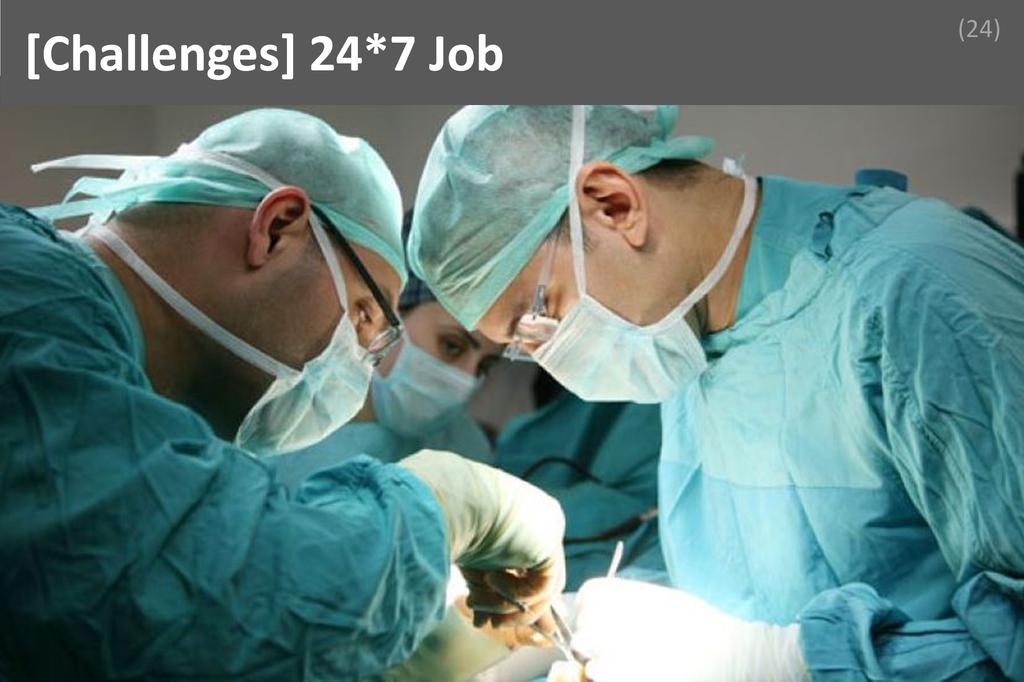
A "24*7 Job" in Urology & Renal Transplant refers to the continuous, round-the-clock responsibility that professionals bear, often requiring immediate response to emergencies such as organ transplant calls or acute urological crises. This relentless demand is driven by the unpredictable nature of patient needs and the critical timing of transplant procedures.
The constant readiness required in Urology & Renal Transplant can lead to significant physical and mental fatigue, affecting both personal life and professional performance. The unpredictability of emergencies means that professionals must be resilient, adaptable, and capable of functioning under pressure at any hour. Successful practitioners often develop strong support systems, delegate tasks effectively, and prioritize self-care to maintain their well-being. They also cultivate efficient communication within multidisciplinary teams, ensuring that patient care is seamless even during off-hours. By setting boundaries where possible and leveraging technology for remote monitoring, these professionals manage to balance the demands of a 24*7 job while sustaining high standards of care and personal health.
Consider a senior urologist who is also part of a renal transplant team. One night, just as she is about to leave for a family event, she receives an urgent call about a potential donor kidney becoming available. Recognizing the critical time window for transplantation, she quickly coordinates with her surgical team, arranges for patient preparation, and manages logistics remotely while commuting to the hospital. By relying on her well-trained colleagues and clear protocols, she ensures that the process moves smoothly even before her arrival. After the successful surgery, she takes a brief period to rest and recuperate, demonstrating how proactive planning, teamwork, and personal discipline enable her to meet the demands of a 24*7 job without compromising patient outcomes or her own resilience.
Imbalance Work Life

Imbalance Work Life in Urology & Renal Transplant refers to the persistent struggle professionals face in maintaining personal well-being and relationships due to unpredictable hours, emergency surgeries, and high-stakes patient care. The specialty’s demanding nature often blurs boundaries between work and home, making sustained balance exceptionally challenging for practitioners.
The relentless pace and unpredictability of urology and renal transplant work can lead to fatigue, emotional exhaustion, and strained personal relationships. Professionals must often respond to emergencies at odd hours, manage complex cases, and make critical decisions under pressure. This environment requires significant resilience, adaptability, and emotional intelligence. Successful practitioners recognize the importance of setting boundaries, prioritizing self-care, and seeking support from colleagues and family. They may also leverage effective time management techniques and delegate non-essential tasks when possible. By consciously creating moments for rest and reflection, these professionals can mitigate burnout and maintain a sense of fulfillment, even in the face of ongoing demands.
Consider a urologist specializing in renal transplants who faces frequent late-night surgeries and unpredictable on-call duties. Recognizing the toll on personal life, this professional establishes clear communication with family about work commitments and schedules regular downtime, even if brief. They collaborate closely with a multidisciplinary team, ensuring responsibilities are shared and support is available during high-stress periods. By integrating mindfulness practices and maintaining open dialogue with both colleagues and loved ones, the urologist manages to preserve personal well-being while delivering exceptional patient care. This approach not only sustains their passion for the field but also fosters a healthier, more balanced work life.
A Day Of
Urology & Renal Transplant
In the world of Urology and Renal Transplant, each day unfolds with a sense of urgency and purpose, where the stakes are high and the rewards are deeply human. The environment pulses with the quiet intensity of a hospital’s surgical wing, blending the precision of science with the unpredictability of patient care. Here, practitioners move seamlessly between the sterile calm of operating rooms, the focused bustle of clinics, and the collaborative hum of multidisciplinary teams. Every moment is charged with the knowledge that lives can change in an instant, and every decision carries weight. The pace is relentless, yet the camaraderie and shared mission create a unique sense of fulfillment that drives these professionals forward, day after day.
As dawn breaks, the day begins with a thorough review of surgical schedules, patient charts, and lab results. The practitioner meets with residents and nursing staff to discuss the day’s renal transplant cases and urological procedures, ensuring every detail is accounted for. This early morning phase is marked by meticulous preparation, from double-checking immunosuppressive protocols to confirming donor organ viability. The quiet anticipation in the pre-op area is palpable, as each team member readies themselves for the complex choreography ahead.
By mid-morning, the heart of the day is underway in the operating theater. Here, the practitioner’s focus sharpens as they perform intricate urological surgeries or lead a renal transplant, balancing technical skill with split-second decision-making. The atmosphere is intense yet controlled, with every member of the surgical team working in concert. Between procedures, the practitioner may consult with colleagues about unexpected findings or pivot to address urgent consults from the emergency department, all while maintaining a steady hand and a clear mind.
The afternoon brings a shift from the surgical suite to the collaborative realm of multidisciplinary rounds. The practitioner joins nephrologists, transplant coordinators, and pharmacists to assess post-operative patients, adjust treatment plans, and address complications. This phase is defined by teamwork and communication, as complex cases are discussed and decisions are made collectively. Later, the practitioner moves to the outpatient clinic, meeting with patients for follow-up visits, counseling families, and managing long-term care for transplant recipients and those with chronic urological conditions.
As the day winds down, the practitioner turns to the essential but quieter tasks of documentation and planning. Operative notes are finalized, patient records updated, and follow-up calls made to check on recovery progress. There is time set aside for reviewing the latest research, discussing challenging cases with peers, and preparing for tomorrow’s surgeries and consults. Even as the hospital corridors grow quieter, the sense of responsibility lingers, knowing that each detail attended to today lays the groundwork for successful outcomes tomorrow. |


 Home
Home Abroad
 Plan
Plan Philosophy
 Seminar
 Pages
Pages Advisors
 Testimonials









 Workshop
 Discuss
 Meet
Meet
 Advisor
 Story
Story
 Fine Print
 Links
Links
 Blog
Blog
 Follow
