The Journey of Anchoring
What Is Anchoring
Anchoring
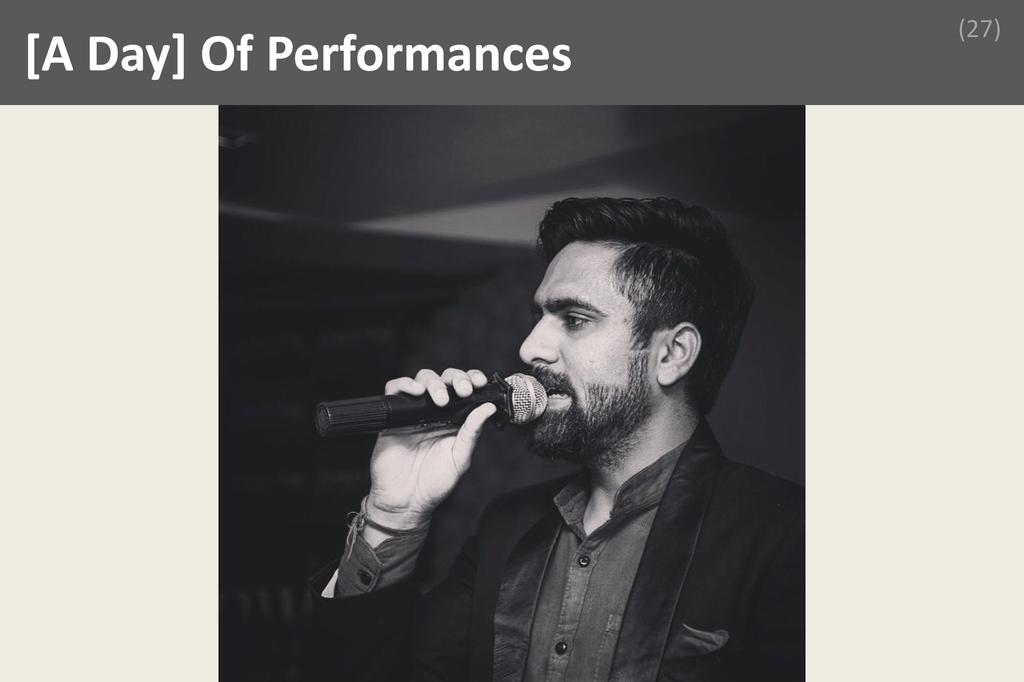
Anchoring is the profession of presenting news, events, or shows on television, radio, or digital platforms. Anchors guide audiences through content, introduce segments, interview guests, and maintain the flow of programs. They serve as the primary communicators, ensuring information is delivered clearly, engagingly, and accurately to viewers or listeners.
Anchoring plays a crucial role in shaping public perception and delivering timely information. Professionals in this field become trusted voices, influencing how audiences interpret news and events. Anchoring enhances communication skills, builds public confidence, and provides opportunities for personal branding. It also fosters adaptability, as anchors must respond to breaking news or unexpected developments with composure. The profession offers visibility and the chance to connect with diverse audiences, making it both impactful and rewarding. Anchors often become influential figures, capable of driving conversations and raising awareness on important issues, which further amplifies their professional reach and societal contribution.
A news anchor at a major television network begins their day by reviewing the latest headlines and collaborating with producers to finalize the program’s script. During the live broadcast, the anchor introduces breaking news, interviews an expert about a developing story, and transitions smoothly between segments. When unexpected news arises, the anchor quickly adapts, providing updates with clarity and composure. Throughout the broadcast, the anchor maintains audience engagement through confident delivery and clear articulation. After the show, the anchor may interact with viewers on social media, answering questions and gathering feedback. This daily routine highlights how anchoring combines preparation, adaptability, and communication to inform and connect with the public.
Education
Self Development Books

Self Development Books are written works focused on personal growth, emotional intelligence, communication, and self-improvement. These books provide practical strategies and insights that help individuals enhance their skills, confidence, and mindset. For those in anchoring, such literature is essential for building the interpersonal and presentation skills demanded by the profession.
Understanding self development books is crucial for anyone pursuing a career in anchoring because these resources offer guidance on effective communication, emotional regulation, and personal branding. Anchors must consistently present themselves with confidence, clarity, and authenticity, all of which are cultivated through self-awareness and continuous improvement. By engaging with self development literature, professionals gain access to proven techniques for overcoming stage fright, managing stress, and connecting with diverse audiences. Over time, this knowledge not only enhances on-air performance but also fosters adaptability and resilience, which are indispensable traits in the fast-paced and ever-evolving media industry. Ultimately, a strong foundation in self development empowers anchors to grow both personally and professionally, ensuring long-term success.
Imagine an anchor preparing for a live broadcast who feels nervous about interviewing a high-profile guest. Drawing from concepts learned in self development books, the anchor practices mindfulness techniques to calm their nerves and uses positive self-talk to boost confidence. During the interview, the anchor applies active listening skills and empathy, creating a comfortable environment for the guest and ensuring a smooth, engaging conversation. If unexpected technical issues arise, the anchor remains composed and adapts quickly, thanks to resilience strategies gleaned from their reading. This practical application of self development principles not only enhances the quality of the broadcast but also strengthens the anchor’s reputation as a poised and reliable professional.
Languages
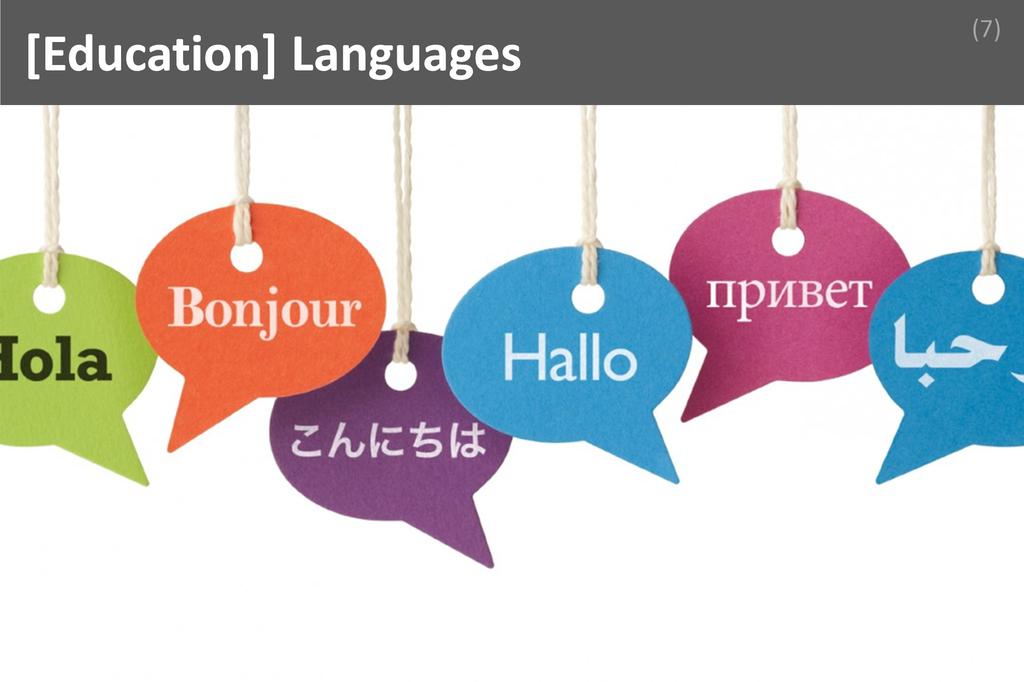
Languages refer to structured systems of communication, encompassing spoken, written, and non-verbal forms, used to convey ideas, emotions, and information. In the context of anchoring, proficiency in languages is essential, as it enables anchors to articulate messages clearly, engage diverse audiences, and adapt to various communication settings within the media industry.
A strong command of languages is indispensable for anyone aspiring to excel in anchoring. Mastery of language skills allows anchors to present news, conduct interviews, and moderate discussions with clarity and confidence. Understanding nuances such as tone, diction, and cultural context ensures that messages are delivered accurately and respectfully, fostering trust with the audience. Additionally, multilingual abilities can expand career opportunities, enabling anchors to reach broader demographics and work in international or multilingual environments. Over time, continued development in language proficiency enhances credibility, adaptability, and effectiveness, making it a foundational asset for long-term success in the dynamic field of anchoring.
Consider a news anchor preparing to host a live international broadcast. Their theoretical understanding of languages enables them to switch seamlessly between English and another language, ensuring that viewers from different backgrounds feel included. During the broadcast, the anchor interprets complex statements from interviewees, rephrasing them in simpler terms for clarity. They also adjust their tone and vocabulary to suit the cultural expectations of their diverse audience. This practical application of language skills not only maintains the flow of the program but also builds rapport with viewers, demonstrating the anchor’s professionalism and adaptability in real-time communication scenarios.
Youtube

Youtube is a global online video-sharing platform where users can upload, view, share, and comment on videos. It serves as a hub for diverse content, including news, entertainment, education, and live broadcasts. For anchors, Youtube is essential for digital presence, audience engagement, and multimedia storytelling in today’s media landscape.
Understanding Youtube is crucial for anyone preparing for or working in anchoring because it bridges traditional broadcasting with the digital world. Mastery of Youtube allows anchors to reach wider audiences, adapt to evolving viewer habits, and stay relevant in a competitive industry. Knowledge of Youtube’s algorithms, analytics, and content strategies empowers anchors to optimize their content for maximum visibility and engagement. This expertise also enables professionals to build personal brands, interact directly with viewers, and respond to real-time feedback. Over time, proficiency in Youtube not only enhances an anchor’s credibility and adaptability but also opens up new career opportunities in digital journalism, content creation, and multimedia production, making it a foundational skill for long-term success.
Consider an anchor who hosts a daily news segment. By leveraging their understanding of Youtube, they upload edited clips of their broadcasts to their channel, using effective titles, descriptions, and tags to increase discoverability. They monitor viewer analytics to identify which topics generate the most interest and adjust future content accordingly. During live streams, the anchor interacts with viewers through chat, answering questions and addressing comments, which fosters a sense of community and trust. This active engagement not only boosts the channel’s subscriber base but also enhances the anchor’s reputation as a responsive and modern media professional. Ultimately, their expertise in Youtube transforms traditional anchoring into a dynamic, interactive experience.
Current Affairs

Current Affairs refers to the ongoing events, developments, and issues happening locally, nationally, and globally across various fields such as politics, economics, science, sports, and culture. For those in Anchoring, it is an essential component of both academic study and professional expertise, forming the backbone of informed and engaging communication.
A thorough understanding of Current Affairs is indispensable for anyone preparing for or working in Anchoring. Anchors are expected to present news, moderate discussions, and interact with guests on a wide range of topics, all of which require up-to-date knowledge and contextual awareness. Mastery of Current Affairs enables anchors to ask relevant questions, provide insightful commentary, and maintain credibility with their audience. This foundational knowledge not only enhances on-air performance but also fosters adaptability in rapidly changing news environments. Over the long term, staying informed about Current Affairs helps anchors build a reputation for reliability and authority, which is crucial for career growth and sustained success in the competitive media industry.
Consider a news anchor preparing to host a live debate on a recent government policy announcement. Their theoretical understanding of Current Affairs allows them to quickly summarize the policy, highlight its implications, and frame questions that encourage meaningful discussion among panelists. During the broadcast, the anchor draws on their awareness of related events and public sentiment to steer the conversation, clarify complex points for viewers, and respond confidently to unexpected developments. This ability to seamlessly integrate up-to-date information into their role not only keeps the audience engaged but also demonstrates the anchor’s professionalism and command over the subject matter.
Skills
Spontaneous

Spontaneous refers to the ability to think and act quickly, adapting to unexpected situations with confidence and creativity. In anchoring, this skill enables professionals to handle live broadcasts, sudden changes, or unforeseen events seamlessly. It ensures the anchor remains composed, engaging, and effective, regardless of circumstances.
Spontaneity directly enhances an anchor’s performance by allowing them to respond intelligently and confidently to breaking news, technical glitches, or unpredictable guest behavior. Clients and employers highly value this skill because it guarantees smooth, professional broadcasts even under pressure. To cultivate spontaneity, aspiring anchors should practice improvisation, stay well-informed on current events, and regularly engage in live or simulated on-air scenarios. Over time, exposure to diverse situations and constructive feedback helps anchors develop the mental agility and poise required to excel. This ongoing development not only boosts individual confidence but also reassures employers that the anchor can uphold the program’s integrity and audience engagement, no matter what challenges arise during a broadcast.
Imagine an anchor hosting a live morning show when a scheduled guest fails to arrive on time. Instead of panicking or allowing awkward silence, the anchor draws on their spontaneity to seamlessly shift the conversation. They engage the audience with relevant anecdotes, introduce an impromptu segment, or interact with viewers through social media. This quick thinking keeps the broadcast lively and professional, preventing any disruption to the show’s flow. The anchor’s ability to adapt in real time not only impresses viewers but also reassures producers and clients that the program is in capable hands. In this scenario, spontaneity transforms a potential crisis into an opportunity for creativity and connection.
Pleasing Personality
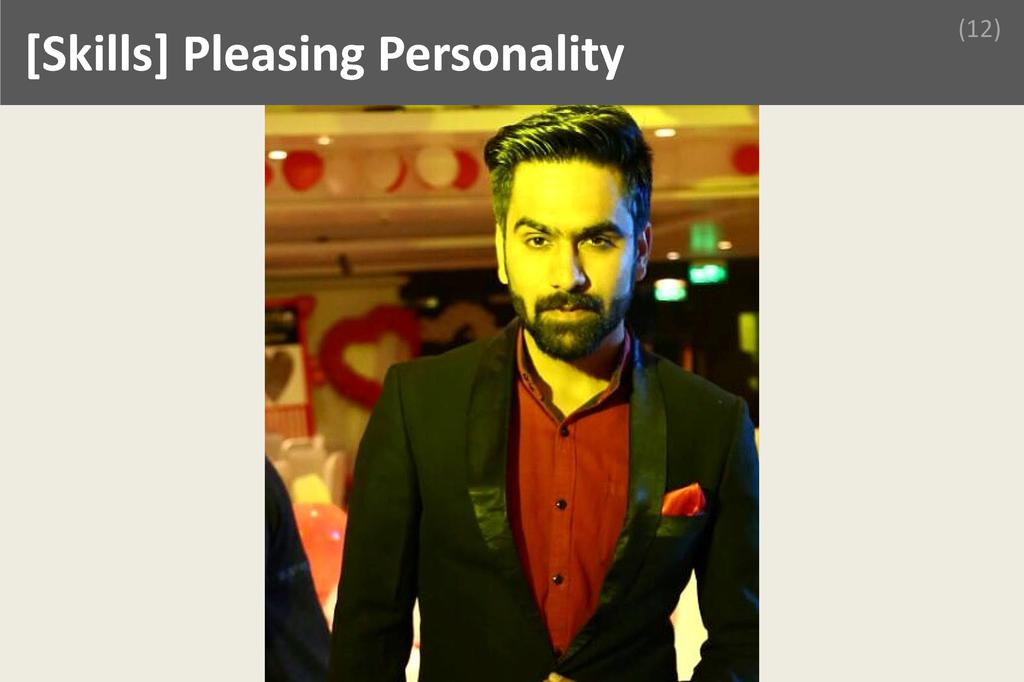
A pleasing personality is the harmonious blend of approachability, warmth, confidence, and genuine interest in others, expressed through positive body language, clear communication, and an engaging demeanor. In anchoring, this quality fosters trust, draws in audiences, and creates a welcoming atmosphere, making it indispensable for professional success.
A pleasing personality directly enhances an anchor’s ability to connect with viewers, guests, and colleagues, making broadcasts more engaging and memorable. Clients and employers highly value this trait because it elevates the reputation of their programs, attracts larger audiences, and encourages viewer loyalty. Cultivating a pleasing personality involves consistent self-awareness, active listening, and empathy, as well as practicing effective communication and maintaining a positive attitude under pressure. Over time, anchors can refine this skill by seeking feedback, observing industry role models, and embracing opportunities to interact with diverse groups. This ongoing development ensures that anchors remain relatable and adaptable, both of which are crucial for long-term career growth in the dynamic field of media.
Imagine an anchor hosting a live panel discussion when a heated disagreement erupts between guests. The situation threatens to derail the broadcast and alienate viewers. Drawing on a pleasing personality, the anchor maintains composure, uses a calm and friendly tone, and respectfully acknowledges each guest’s perspective. By skillfully redirecting the conversation and injecting light humor, the anchor diffuses tension and restores a collaborative atmosphere. This not only salvages the segment but also earns praise from the production team and audience for professionalism and grace under pressure. The anchor’s ability to leverage a pleasing personality transforms a potential crisis into a showcase of leadership and poise.
Communication

Communication is the process of effectively exchanging information, ideas, and emotions through verbal, non-verbal, and written means. For an anchoring professional, communication is the foundation of their craft, enabling them to engage audiences, convey messages clearly, and facilitate smooth interactions with guests, co-hosts, and production teams during live or recorded broadcasts.
Mastering communication significantly enhances an anchor’s performance by ensuring clarity, confidence, and adaptability in every broadcast. Employers and clients highly value this skill because it directly influences audience engagement, brand reputation, and the overall professionalism of a show. Effective communicators can navigate unexpected situations, manage interviews, and maintain composure under pressure. To cultivate this skill, aspiring anchors should practice active listening, seek feedback, and engage in regular public speaking or media training. Over time, consistent practice and exposure to diverse scenarios help anchors refine their delivery, tone, and ability to connect with varied audiences, making them indispensable assets to any media organization.
Imagine an anchor hosting a live panel discussion when a technical glitch disrupts the scheduled video segment. Relying on strong communication skills, the anchor seamlessly addresses the audience, reassures panelists, and fills the unexpected gap with insightful commentary and spontaneous questions. By maintaining composure and clarity, the anchor keeps the discussion engaging and prevents awkward silences or confusion. This ability to think on their feet and communicate effectively not only salvages the broadcast but also demonstrates professionalism and reliability, earning the trust of both the production team and viewers. Such moments highlight how essential communication is in overcoming challenges and achieving success in anchoring.
Creativity

Creativity is the ability to generate original ideas, think outside conventional boundaries, and approach situations with fresh perspectives. In anchoring, creativity enables professionals to craft engaging narratives, adapt to unexpected changes, and connect with diverse audiences. It transforms routine presentations into memorable experiences, making the anchor stand out in a competitive field.
Creativity directly enhances an anchor’s performance by enabling them to present information in captivating ways, maintain audience interest, and handle live situations with flair. Employers and clients value this skill because it leads to higher viewer engagement, positive feedback, and a distinctive brand identity for the show or channel. To cultivate creativity, anchors can expose themselves to various content styles, practice improvisation, and seek inspiration from different media. Over time, regularly challenging oneself with new formats and collaborating with creative teams helps anchors refine their ability to think innovatively and respond dynamically to on-air challenges.
Imagine an anchor hosting a live event when a technical glitch interrupts the scheduled broadcast. Instead of panicking or filling time with generic commentary, the anchor draws on their creativity to engage the audience. They might improvise a relevant story, initiate an impromptu interview with someone on set, or introduce an interactive segment with viewers. This quick thinking not only keeps the broadcast flowing smoothly but also turns a potential setback into a memorable highlight. The anchor’s creative response reassures the audience, maintains professionalism, and demonstrates their unique value, ultimately strengthening their reputation and the trust of both viewers and employers.
Body Language

Body language is the nonverbal communication expressed through gestures, posture, facial expressions, and eye contact. It conveys emotions, intentions, and reactions without words. For an anchoring professional, body language is crucial as it enhances on-screen presence, builds audience trust, and complements verbal communication, making messages more impactful and engaging.
Mastering body language significantly elevates an anchor’s performance by fostering a strong connection with viewers and guests. Effective use of gestures, confident posture, and expressive facial cues can make presentations more dynamic and credible. Employers and clients highly value anchors who can project authority and warmth simultaneously, as this draws in audiences and maintains their attention. Developing this skill involves self-awareness, regular practice in front of mirrors or cameras, and seeking feedback from mentors or peers. Over time, anchors learn to control nervous habits, refine their expressive range, and adapt their nonverbal cues to suit different formats, from breaking news to light-hearted segments, ensuring they remain relatable and professional in every situation.
Imagine an anchor covering a breaking news story where emotions run high and information is still unfolding. The anchor’s calm demeanor, steady eye contact, and composed posture reassure viewers, even as the story develops rapidly. When interviewing a distressed eyewitness, the anchor leans in slightly, maintains gentle eye contact, and nods empathetically, signaling understanding and support without interrupting. These subtle yet powerful nonverbal cues help the anchor manage the tense atmosphere, encourage honest responses, and maintain control of the broadcast. By skillfully using body language, the anchor not only delivers information effectively but also builds trust and credibility with the audience during a critical moment.
Positives
Networking

Networking is the process of building and nurturing professional relationships that facilitate the exchange of information, opportunities, and support. In anchoring, networking enables individuals to connect with industry experts, colleagues, and audiences, fostering collaboration and growth. This interconnectedness enhances career prospects and personal development, making the profession more dynamic and rewarding.
The significance of networking in anchoring cannot be overstated. It opens doors to exclusive interviews, insider information, and collaborative projects that would otherwise remain inaccessible. Anchors who actively network are more likely to be considered for high-profile assignments and promotions, as their connections often lead to valuable recommendations and insights. Daily, networking enriches the work environment by fostering a sense of community and shared purpose, which boosts job satisfaction. It also provides anchors with a support system to navigate challenges, exchange ideas, and stay updated on industry trends. Ultimately, networking transforms the anchoring profession into a vibrant, ever-evolving field where growth and learning are constant companions.
Consider an anchor who attends a media industry conference and strikes up a conversation with a renowned journalist. Through this connection, the anchor is later invited to co-host a special segment on a major news channel. This opportunity not only elevates the anchor’s profile but also introduces them to a wider network of professionals, including producers, editors, and public relations experts. The relationships formed at the conference lead to further collaborations, mentorship, and access to exclusive stories. This real-world scenario demonstrates how networking directly contributes to career advancement, personal fulfillment, and the ongoing excitement that defines a successful career in anchoring.
Fame & Recognition

Fame and recognition refer to the widespread acknowledgment and admiration received from the public and peers for one’s work and presence in the media. In anchoring, this means being a familiar face and trusted voice, celebrated for delivering news, entertainment, or information, and making a lasting impression on audiences. This positive aspect elevates the profession by providing anchors with a sense of accomplishment, validation, and influence. It fosters a unique connection with viewers, who often look up to anchors as role models and reliable sources of information. The visibility and respect that come with fame and recognition not only enhance personal pride but also open doors to new opportunities and professional growth.
Fame and recognition are powerful motivators in the field of anchoring, significantly enhancing job satisfaction and career development. When anchors are recognized and celebrated, they experience a deep sense of purpose and pride in their work. This public acknowledgment often leads to increased confidence, inspiring them to continually improve and innovate in their roles. The visibility gained through fame can attract new opportunities, such as invitations to host prestigious events, collaborate with influential personalities, or participate in meaningful social initiatives. On a daily basis, anchors feel the impact of their recognition through positive audience feedback, media coverage, and the respect of their peers. This ongoing affirmation not only fuels their passion but also solidifies their reputation as trusted communicators, making their career journey both fulfilling and dynamic.
Imagine a news anchor who has spent years building trust with viewers through consistent, reliable reporting and a charismatic on-screen presence. One day, while attending a community event, the anchor is approached by several people who express gratitude for the clarity and empathy shown during a recent crisis broadcast. The anchor is invited to speak at local schools and is featured in a magazine profile highlighting their contributions to journalism. These moments of public appreciation and recognition reinforce the anchor’s sense of purpose and pride, reminding them that their work has a meaningful impact on society. The fame and recognition they receive not only validate their efforts but also inspire them to continue striving for excellence in their profession.
Good Income

Good income refers to a stable and substantial financial reward that not only meets basic living needs but also allows for savings, investments, and a comfortable lifestyle. In the field of anchoring, good income reflects the value placed on communication skills, charisma, and the ability to engage and inform audiences effectively.
The promise of good income in anchoring is a powerful motivator that elevates the profession’s appeal. Anchors who receive competitive compensation feel recognized for their talent and hard work, which directly boosts their job satisfaction. Financial stability allows them to focus on honing their craft, pursuing creative opportunities, and investing in personal growth. This sense of security also encourages anchors to take on challenging assignments, knowing their efforts are rewarded. The daily experience of earning a good income translates into greater confidence and motivation, fostering a positive work environment and inspiring anchors to consistently deliver their best performances. Ultimately, good income not only supports a comfortable lifestyle but also fuels long-term career growth and professional fulfillment.
Consider a news anchor who, after years of dedication and skill development, secures a position with a leading television network. With a good income, she is able to provide for her family, invest in further training, and enjoy experiences that enrich her personal life. The financial rewards allow her to focus on delivering high-quality broadcasts without the stress of financial insecurity. She can travel to cover important stories, attend industry events, and upgrade her professional wardrobe, all of which enhance her on-screen presence. This tangible impact of good income not only brings her peace of mind but also empowers her to grow as a respected and influential figure in the world of anchoring.
Charm Of The Show

"Charm Of The Show" refers to the unique charisma, energy, and captivating presence an anchor brings to a program, transforming ordinary content into an engaging and memorable experience for the audience. This quality not only draws viewers in but also elevates the overall appeal and credibility of the show, making it stand out.
The "Charm Of The Show" is a defining trait that sets successful anchors apart, infusing each broadcast with personality and warmth. This positive aspect matters because it fosters a strong connection between the anchor and the audience, building trust and loyalty over time. When anchors embrace their charm, they experience greater job satisfaction, as their authentic selves are celebrated and appreciated. This dynamic presence often leads to increased recognition, career advancement, and opportunities to host high-profile events. Every day, professionals in anchoring witness the immediate impact of their charm through audience engagement, positive feedback, and the sense of fulfillment that comes from making a difference in how stories are told and received.
Imagine an anchor hosting a live morning show, where the news could easily feel routine or monotonous. Through their charm, the anchor injects humor, empathy, and genuine enthusiasm into each segment, making viewers feel as though they are part of a lively conversation rather than passive spectators. As a result, the audience tunes in not just for information, but for the uplifting experience the anchor provides. The anchor receives messages from viewers expressing how the show brightens their day and helps them start mornings on a positive note. This daily affirmation of their impact reinforces the anchor’s passion for the profession, making the "Charm Of The Show" a deeply rewarding and motivating aspect of their career.
Challenges
Confidence

Confidence in anchoring is the assured belief in one’s ability to communicate clearly, engage audiences, and handle unexpected situations live on air. It is demanding because anchors must project authority and composure under pressure, often with little room for error, while maintaining credibility and connecting authentically with viewers.
A lack of confidence can manifest as hesitation, nervousness, or visible discomfort, which can undermine an anchor’s credibility and disrupt the flow of a broadcast. This challenge demands resilience because anchors are constantly exposed to public scrutiny and must adapt quickly to unforeseen developments, such as breaking news or technical glitches. Successful professionals manage this constraint by preparing thoroughly, practicing mindfulness, and seeking feedback to identify areas for improvement. They also develop routines that help them center themselves before going live, allowing them to project calmness and authority even in high-pressure moments. Over time, repeated exposure to challenging situations helps anchors build a reservoir of self-assurance, enabling them to perform consistently and maintain the trust of their audience.
Consider an anchor who, moments before going live, learns that a major news story has broken, requiring them to abandon their prepared script and improvise. Initially, the anchor feels a surge of anxiety, but draws on their training and experience to steady their nerves. They take a deep breath, recall similar situations they have handled in the past, and focus on delivering the facts clearly and calmly. By trusting their preparation and relying on their ability to think on their feet, the anchor navigates the broadcast smoothly, maintaining composure and credibility throughout. This experience not only reinforces their confidence but also demonstrates to colleagues and viewers alike that they can be relied upon in moments of uncertainty.
Managing Variety Of Crowds

Managing Variety Of Crowds in anchoring refers to the skill of engaging and controlling audiences that differ widely in size, background, mood, and expectations. This challenge is demanding because it requires adaptability, quick thinking, and the ability to connect with diverse groups, often under unpredictable and high-pressure circumstances.
The challenge of managing a variety of crowds can significantly impact an anchor’s daily work, as each audience brings its own energy, preferences, and potential disruptions. This unpredictability can make it difficult to maintain flow and engagement, demanding a high level of resilience and emotional intelligence from the anchor. Successful professionals overcome this by reading the room quickly, adjusting their tone and content on the fly, and employing techniques such as humor, storytelling, or direct interaction to bridge gaps. They also prepare for different scenarios, drawing on experience and feedback to refine their approach. By staying calm and flexible, anchors can turn even the most challenging crowd into an engaged and responsive audience.
Imagine an anchor hosting a live event where the audience includes both enthusiastic young adults and reserved senior citizens. Early in the event, the anchor notices that jokes appealing to the younger crowd are not resonating with the older attendees, leading to a split in engagement. Recognizing this, the anchor shifts strategies by incorporating anecdotes that appeal to shared experiences and universal themes, gradually drawing in the entire audience. Through attentive observation and adaptive communication, the anchor successfully unites the crowd, creating a lively and inclusive atmosphere. This scenario demonstrates how skilled anchors manage the complexity of diverse audiences, ensuring everyone feels involved and valued.
Breaking the Monotony

Breaking the monotony in anchoring refers to the ongoing struggle to keep content delivery fresh, engaging, and dynamic, despite repetitive formats and routines. Anchors must continually reinvent their approach to avoid predictability, which is demanding because it requires constant creativity, adaptability, and energy in an environment that often values consistency and structure.
The challenge of monotony in anchoring can lead to decreased enthusiasm, reduced audience engagement, and even professional burnout. Anchors may find themselves repeating similar scripts, gestures, or tones, which can sap the excitement from both their performance and the viewer’s experience. Overcoming this requires resilience, as professionals must push through routine fatigue and actively seek inspiration. Successful anchors manage this by experimenting with new storytelling techniques, varying their delivery style, and staying attuned to audience feedback. They often draw on personal interests or current events to inject freshness into their segments, ensuring their presence remains vibrant and authentic. By embracing change and remaining open to learning, they transform routine into an opportunity for growth and renewed passion.
Consider a morning news anchor who, after several years on air, notices a decline in both personal motivation and viewer ratings. Recognizing the creeping monotony, she decides to revamp her approach by incorporating interactive segments, inviting diverse guest speakers, and sharing more personal anecdotes relevant to the day’s news. She also collaborates with the production team to experiment with new visual formats and live audience participation. Over time, these changes not only reignite her enthusiasm but also foster a stronger connection with viewers, who respond positively to the renewed energy and authenticity. Through proactive adaptation, she successfully breaks the cycle of monotony and revitalizes her anchoring career.
Sound Pitching

Sound Pitching in Anchoring refers to the ability to consistently control and modulate one’s vocal tone, frequency, and intensity to suit various segments, audiences, and moods during live or recorded broadcasts. This skill is demanding because it requires acute self-awareness, adaptability, and technical mastery, often under high-pressure, unpredictable circumstances.
The challenge of sound pitching can significantly affect an anchor’s daily performance, influencing audience engagement, message clarity, and overall broadcast quality. Inconsistent pitch may lead to listener fatigue, miscommunication, or diminished credibility. This difficulty demands resilience, as anchors must remain composed and adaptive despite nerves, technical glitches, or shifting program dynamics. Successful professionals often invest in vocal training, practice mindfulness to manage stress, and seek feedback to fine-tune their delivery. They learn to read the room, adjust their pitch in real time, and maintain vocal health through proper breathing and hydration. By developing these habits, anchors can consistently deliver compelling, clear, and engaging presentations, even in challenging situations.
Consider a news anchor tasked with covering a breaking story that shifts rapidly from somber updates to moments of hope. Initially, the anchor’s voice adopts a lower, steadier pitch to convey seriousness and respect for the gravity of the situation. As the story develops and positive news emerges, the anchor skillfully raises their pitch and infuses warmth into their tone, signaling optimism to viewers. Throughout the broadcast, the anchor remains attentive to audience cues and feedback from producers, making subtle adjustments to maintain engagement and clarity. By consciously managing their sound pitching, the anchor ensures the message resonates appropriately, demonstrating professionalism and emotional intelligence under pressure.
A Day Of
Anchoring
In the world of anchoring, the day begins long before the cameras roll and the lights flicker on. The newsroom buzzes with a sense of urgency, a blend of anticipation and adrenaline that never quite fades. Every minute is accounted for, every word scrutinized, as anchors juggle breaking news, live interviews, and the ever-present pressure to deliver information with clarity and poise. The pace is relentless, the environment electric, and the nature of the work demands both razor-sharp focus and the ability to adapt in real time. For an anchoring professional, no two days are ever quite the same, but each one is a masterclass in communication, composure, and connection.
Before the city stirs, an anchor’s day is already in motion. The early morning hours are dedicated to reviewing scripts, scanning the latest news wires, and conferring with producers about the day’s developing stories. There’s a quiet intensity in the studio as anchors rehearse their delivery, fine-tune their appearance, and mentally prepare for the unpredictability of live broadcasting. This is the time to internalize key facts, anticipate possible updates, and ensure every detail is in place before stepping in front of the camera.
As the clock strikes eight, the newsroom transforms into a hive of activity. Anchors take their places under the bright studio lights, earpieces in, ready to deliver the morning’s headlines to thousands of viewers. The energy is palpable as they navigate live interviews, breaking news segments, and real-time updates, all while maintaining composure and clarity. Every second counts, and the anchor must think on their feet, responding to cues from producers and adapting to the ever-changing flow of information. This is the heart of the day, where preparation meets performance.
By early afternoon, the focus shifts from the studio to collaboration and execution. Anchors participate in editorial meetings, discussing story angles, upcoming segments, and potential interviews with producers, reporters, and technical staff. There’s a strong emphasis on teamwork as they coordinate with field correspondents, review footage, and help shape the narrative for upcoming broadcasts. This phase is about refining content, ensuring accuracy, and strategizing how best to engage the audience in the next news cycle.
As the day winds down, anchors turn their attention to wrapping up administrative tasks and preparing for the next broadcast. This involves reviewing feedback from producers, researching emerging stories, and updating scripts to reflect the latest developments. There’s a moment to reflect on the day’s performance, identify areas for improvement, and set goals for tomorrow. The newsroom gradually quiets, but the anchor’s mind remains active, always scanning for the next big story and the best way to bring it to the audience with authority and authenticity. |


 Home
Home Abroad
 Plan
Plan Philosophy
 Seminar
 Pages
Pages Advisors
 Testimonials





















 Workshop
 Discuss
 Meet
Meet
 Advisor
 Story
Story
 Fine Print
 Links
Links
 Blog
Blog
 Follow
