The Journey of Artist Management
What Is Artist Management
Artist Management
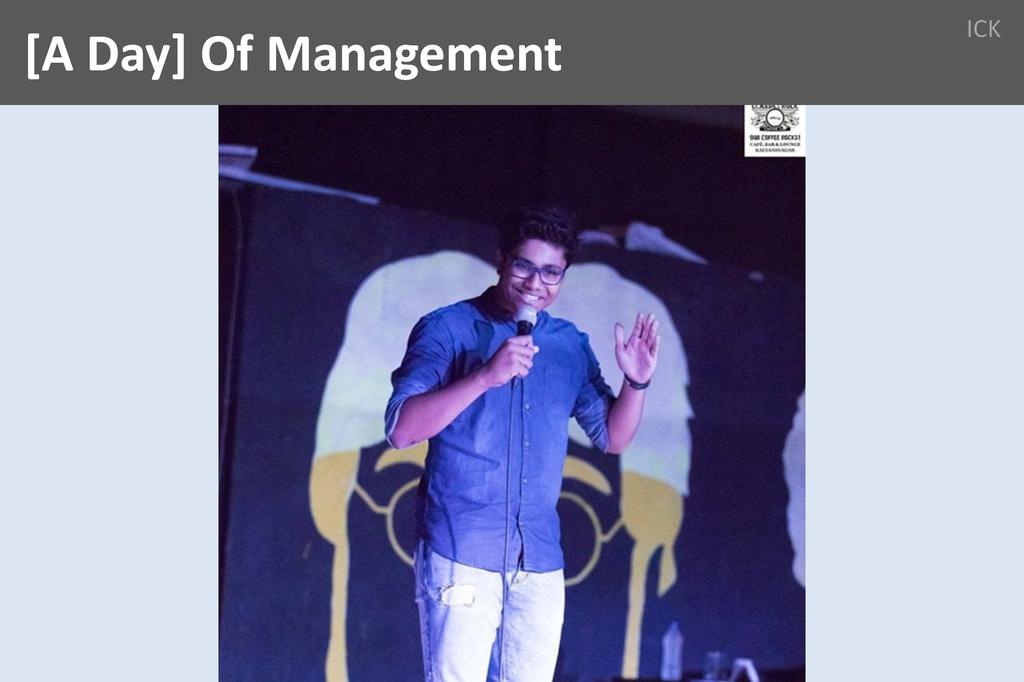
Artist management is the professional practice of guiding and representing artists in their careers. Managers handle business affairs, negotiate contracts, develop promotional strategies, and provide career advice. Their goal is to help artists achieve creative and financial success while navigating the complexities of the entertainment industry.
Artist management plays a crucial role in the success of creative professionals by bridging the gap between artistic talent and business opportunities. For those working in artist management, the field offers the chance to shape careers, build influential networks, and drive creative projects to new heights. One major benefit is the ability to advocate for artists, ensuring they receive fair compensation and recognition. Another advantage is the opportunity to collaborate with a wide range of industry professionals, from record labels to event organizers, which can lead to long-term partnerships and career growth. Additionally, artist managers gain valuable experience in negotiation, marketing, and strategic planning, making them indispensable to both emerging and established artists.
A professional in artist management might work with an up-and-coming musician to launch their debut album. The manager would coordinate recording sessions, secure a distribution deal, and develop a marketing campaign that includes social media promotion and live performances. Throughout the process, the manager negotiates contracts with venues and sponsors, ensuring the artist’s interests are protected. By handling logistics and business negotiations, the manager allows the artist to focus on their creative work, while also building the artist’s brand and expanding their audience. This hands-on approach demonstrates how artist management is essential for turning artistic vision into tangible career milestones.
Education
Commercials
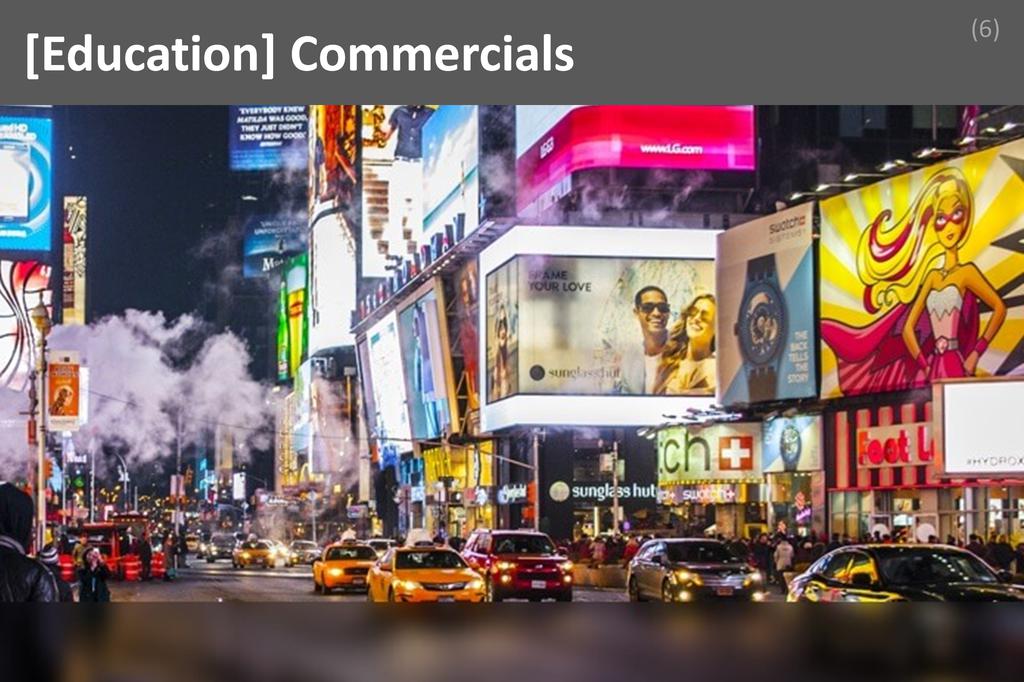
Commercials, in the context of artist management, refers to the financial, legal, and contractual aspects that govern the business relationships between artists, their representatives, and third parties. This includes understanding revenue streams, contract negotiations, licensing, endorsements, and the overall monetization of an artist’s brand. Mastery of commercials is essential for effective artist management.
Understanding commercials is crucial for anyone aspiring to succeed in artist management because it forms the backbone of every business decision involving an artist’s career. Professionals must be adept at navigating contracts, identifying revenue opportunities, and protecting the artist’s financial interests. This knowledge ensures that managers can negotiate favorable terms, avoid legal pitfalls, and maximize income from various sources such as touring, merchandising, and media appearances. Over time, a solid grasp of commercials not only safeguards the artist’s career but also enhances the manager’s reputation as a trustworthy and competent advocate. Mastery of these concepts is a long-term asset, enabling professionals to adapt to industry changes and sustain successful careers in a competitive field.
Consider an artist manager who is approached by a major brand seeking to collaborate with their client for a national advertising campaign. The manager’s understanding of commercials allows them to assess the proposed contract, negotiate terms that protect the artist’s image rights, and ensure fair compensation. They evaluate the potential impact on the artist’s brand, coordinate with legal advisors to clarify exclusivity clauses, and structure the deal to include royalties or residuals. By applying their theoretical knowledge of commercials, the manager not only secures a lucrative partnership but also strengthens the artist’s market position and long-term earning potential. This daily application of commercial expertise is vital for sustained success in artist management.
Legal Knowledge

Legal Knowledge refers to an understanding of laws, regulations, and legal principles that govern various aspects of society and business. In the context of Artist Management, it encompasses the rules and legal frameworks that affect contracts, intellectual property, negotiations, and the rights and obligations of artists and their representatives.
For anyone preparing for or working in Artist Management, mastering legal knowledge is essential because the music and entertainment industries are heavily regulated and contract-driven. Understanding legal concepts ensures that managers can safeguard their artists’ interests, negotiate favorable deals, and avoid costly legal disputes. This foundational knowledge allows professionals to interpret contracts, protect intellectual property, and comply with industry regulations. Over the long term, a solid grasp of legal matters enhances credibility, builds trust with clients and partners, and provides a competitive edge in a complex industry. It also empowers managers to anticipate legal challenges and proactively address them, ensuring smoother career trajectories for both themselves and the artists they represent.
Consider an artist manager who is negotiating a recording contract for a new client. By applying their legal knowledge, the manager carefully reviews the contract’s terms, identifying clauses related to royalties, ownership of master recordings, and termination conditions. Recognizing potentially unfavorable terms, the manager consults with a legal advisor and negotiates amendments that better protect the artist’s rights and future earnings. This proactive approach not only prevents future disputes but also demonstrates the manager’s professionalism and commitment to the artist’s long-term success. In daily operations, such legal awareness enables the manager to confidently handle licensing agreements, endorsement deals, and copyright issues, ensuring that all business dealings are legally sound and in the best interest of their client.
Marketing

Marketing is the strategic process of identifying, creating, communicating, and delivering value to target audiences to satisfy their needs and wants. In Artist Management, marketing is essential academic and professional knowledge, enabling managers to effectively promote artists, build their brands, and connect with fans and industry stakeholders in meaningful ways.
Understanding marketing is vital for anyone in artist management because it equips professionals with the tools to position artists competitively in a crowded marketplace. Mastery of marketing principles allows managers to craft compelling narratives, identify target audiences, and select the most effective channels for promotion. This foundational knowledge ensures that artists are not only visible but also relevant, fostering sustainable careers. Over the long term, a strong grasp of marketing empowers managers to adapt to industry changes, leverage emerging trends, and maximize opportunities for growth. It also enhances collaboration with other industry professionals, such as publicists and digital strategists, making the manager an indispensable asset to the artist’s team.
Consider an artist manager overseeing the launch of a new single. Drawing on their marketing expertise, the manager analyzes audience data to identify the most engaged fan segments and selects social media platforms where these fans are most active. They develop a promotional campaign that includes teaser content, interactive fan activities, and strategic partnerships with influencers. By coordinating release timing and messaging, the manager ensures maximum visibility and engagement. Throughout the campaign, they monitor analytics to adjust tactics in real time, optimizing reach and impact. This application of marketing theory to daily operations not only boosts the single’s success but also strengthens the artist’s brand and deepens fan loyalty.
Technical Knowledge
Technical Knowledge refers to the specialized understanding of tools, processes, and systems relevant to a specific field. In Artist Management, it encompasses expertise in music production, digital platforms, contract law, and industry technologies. This knowledge forms a crucial part of both academic study and professional practice, enabling effective artist representation and career development.
Understanding Technical Knowledge is essential for anyone pursuing a career in Artist Management because it provides the foundation for navigating the complexities of the modern music and entertainment industries. Mastery of technical concepts allows managers to communicate effectively with artists, producers, and industry stakeholders, ensuring that projects run smoothly and efficiently. It also empowers managers to make informed decisions regarding digital distribution, intellectual property rights, and the use of emerging technologies. Over time, this expertise not only enhances professional credibility but also opens doors to advanced career opportunities, as the ability to adapt to technological changes becomes increasingly valuable. Ultimately, a solid grasp of technical knowledge ensures that artist managers remain competitive and relevant in a rapidly evolving industry landscape.
Consider an artist manager overseeing the release of a new single for a client. Drawing on their technical knowledge, the manager coordinates with sound engineers to ensure the track meets industry standards, negotiates digital distribution agreements, and manages the upload process across streaming platforms. They also review metadata accuracy and monitor analytics to assess audience engagement. When technical issues arise, such as copyright claims or platform-specific requirements, the manager’s expertise allows for swift problem-solving and clear communication with all parties involved. This practical application of technical knowledge not only streamlines the release process but also maximizes the artist’s exposure and revenue, demonstrating the critical role such expertise plays in daily operations.
Skills
Networking

Networking is the process of building and maintaining mutually beneficial relationships with individuals and organizations within and beyond one’s industry. In artist management, networking enables professionals to access opportunities, share information, and foster collaborations that drive career growth for both themselves and the artists they represent. It is a cornerstone of success.
The ability to network effectively can dramatically enhance an artist manager’s performance by opening doors to new partnerships, gigs, and promotional opportunities. Clients and employers highly value this skill because it leads to increased visibility, resource sharing, and strategic alliances that can elevate an artist’s profile. Networking also helps managers stay informed about industry trends and best practices, ensuring they remain competitive and proactive. To cultivate this skill, professionals should consistently attend industry events, engage with peers on social platforms, and nurture relationships with key stakeholders. Over time, genuine and sustained interactions build trust and credibility, making it easier to leverage connections when opportunities or challenges arise.
Imagine an artist manager whose client is seeking a high-profile performance slot at a major music festival. The initial application is overlooked due to fierce competition. Drawing on years of networking, the manager reaches out to a trusted contact on the festival’s organizing committee. Through this established relationship, the manager is able to advocate for the artist, share recent achievements, and highlight their unique appeal. The contact, recognizing the manager’s professionalism and the artist’s potential, reconsiders the application and secures a coveted performance slot. This scenario demonstrates how effective networking can directly influence outcomes, turning potential setbacks into significant career milestones for both the manager and the artist.
Negotiation Skills

Negotiation skills refer to the ability to communicate, persuade, and reach mutually beneficial agreements between parties with differing interests. In artist management, these skills are vital for securing favorable contracts, resolving disputes, and ensuring that both the artist’s and stakeholders’ needs are met effectively and professionally.
Strong negotiation skills directly enhance an artist manager’s ability to secure better deals, protect their client’s interests, and build lasting industry relationships. Clients and employers highly value this skill because it often translates to increased earnings, more advantageous contract terms, and smoother collaborations. Cultivating negotiation skills involves continuous learning, observing experienced negotiators, and practicing active listening and clear communication. Over time, managers refine their approach by analyzing past negotiations, seeking feedback, and staying updated on industry standards. This ongoing development ensures they remain adaptable and effective, ultimately contributing to their reputation and success in the competitive world of artist management.
Imagine an artist manager representing a rising musician who is offered a recording contract by a major label. The initial terms include a low royalty rate and limited creative control. Relying on negotiation skills, the manager engages in discussions with the label, presenting data on the artist’s growing fanbase and recent streaming success. Through careful communication and strategic compromise, the manager secures a higher royalty rate and greater artistic freedom for the client. This not only results in a more favorable contract but also strengthens the artist’s trust in their manager’s abilities, demonstrating how negotiation skills can directly impact an artist’s career trajectory and long-term satisfaction.
Communication

Communication is the process of effectively exchanging information, ideas, and emotions through verbal, nonverbal, and written means to ensure mutual understanding. In artist management, communication is a fundamental skill that enables professionals to bridge gaps between artists, clients, and industry stakeholders, ensuring smooth collaboration and the successful execution of projects.
Strong communication skills directly enhance an artist manager’s performance by fostering trust, clarity, and efficiency in all interactions. Clients and employers highly value this skill because it minimizes misunderstandings, resolves conflicts swiftly, and ensures that everyone involved is aligned with shared goals. Effective communication also helps in negotiating contracts, promoting artists, and managing expectations. To cultivate this skill, aspiring artist managers should practice active listening, seek feedback, and engage in regular self-reflection. Over time, exposure to diverse situations and personalities further refines one’s ability to adapt messaging, maintain professionalism under pressure, and build lasting relationships that are crucial for long-term success in the industry.
Imagine an artist manager faced with a last-minute venue change for a high-profile concert. The artist is anxious, the event organizers are stressed, and fans are already en route. The manager must quickly communicate the new details to all parties, ensuring the artist feels supported, the organizers have clear instructions, and fans receive timely updates. By calmly relaying information, addressing concerns, and coordinating responses, the manager prevents confusion and disappointment. This scenario highlights how adept communication not only resolves immediate challenges but also preserves reputations and strengthens professional relationships, ultimately contributing to the artist’s and the manager’s ongoing success.
Management

Management is the process of planning, organizing, directing, and controlling resources—such as people, time, and finances—to achieve specific goals efficiently and effectively. In artist management, this skill is vital for coordinating all aspects of an artist’s career, ensuring smooth operations, and maximizing opportunities for growth and success.
Strong management skills enable artist managers to juggle multiple responsibilities, from scheduling and contract negotiations to marketing and crisis resolution. Clients and employers highly value this competency because it ensures that artists’ careers are handled with professionalism and foresight, minimizing risks and capitalizing on opportunities. Developing management skills involves gaining experience in project coordination, learning to prioritize tasks, and continuously improving communication and leadership abilities. Over time, managers refine their approach by reflecting on outcomes, seeking feedback, and staying updated on industry trends. This ongoing development not only enhances individual performance but also builds trust with artists and stakeholders, reinforcing the manager’s reputation as a reliable and strategic partner.
Imagine an artist manager overseeing a major album launch while simultaneously coordinating a national tour. Unexpectedly, a key venue cancels, threatening both the tour schedule and promotional activities. Relying on strong management skills, the manager quickly assesses alternative venues, negotiates new contracts, and updates all stakeholders, including the artist, promoters, and media partners. By efficiently reallocating resources and maintaining clear communication, the manager ensures the tour proceeds with minimal disruption. This proactive and organized approach not only salvages the event but also strengthens the artist’s public image and maintains valuable industry relationships. The manager’s ability to handle complex logistics under pressure demonstrates the indispensable role of management in achieving successful outcomes in artist management.
Positives
Monetary Benefits

Monetary benefits refer to the financial rewards, compensation, and income opportunities that professionals receive as a direct result of their work. In artist management, these benefits include salaries, commissions, bonuses, and profit-sharing from successful projects. Such financial incentives play a crucial role in motivating and sustaining professionals in this dynamic field.
Monetary benefits are a cornerstone of job satisfaction in artist management, offering tangible rewards for hard work, creativity, and strategic thinking. The potential for high earnings not only attracts talented individuals to the profession but also encourages them to excel and innovate. As artist managers help their clients achieve success, they directly share in the financial gains, which can be substantial in the entertainment industry. This ongoing financial recognition fosters a sense of accomplishment and security, enabling professionals to invest in their own growth and development. The daily experience of earning commissions from successful deals or receiving bonuses for milestone achievements reinforces the value of their expertise and dedication, making the career both lucrative and fulfilling.
Consider an artist manager who has spent months negotiating a major record deal for a rising musician. When the contract is finalized and the artist’s album becomes a commercial success, the manager receives a significant commission based on the deal’s value. This monetary benefit not only rewards the manager’s negotiation skills and industry knowledge but also provides financial stability and the means to pursue new opportunities. The satisfaction of seeing their hard work translate into both the artist’s success and their own financial gain creates a powerful sense of achievement. This real-world scenario highlights how monetary benefits serve as both motivation and reward, making a career in artist management exceptionally gratifying.
Independent Work

Independent Work refers to the ability to make decisions, manage tasks, and solve problems autonomously, without constant oversight or micromanagement. In artist management, this means professionals have the freedom to chart their own course, develop creative strategies, and take ownership of their clients’ careers, fostering both personal and professional growth.
The opportunity for independent work in artist management is a powerful driver of job satisfaction and professional development. When managers are trusted to operate autonomously, they can tailor their approach to each artist’s unique needs, experiment with innovative ideas, and respond quickly to industry changes. This sense of ownership not only builds confidence but also encourages continuous learning and adaptability. Daily, professionals experience the satisfaction of seeing their decisions directly influence an artist’s trajectory, which reinforces their sense of purpose and achievement. The autonomy inherent in independent work also allows managers to shape their schedules and workflows, creating a dynamic environment where creativity and initiative are truly valued.
Imagine an artist manager who identifies a promising collaboration opportunity for their client with an emerging producer. Without waiting for approval from a higher authority, the manager independently negotiates terms, coordinates schedules, and oversees the creative process. As the project unfolds, the manager adapts strategies based on real-time feedback, ensuring the collaboration aligns with the artist’s vision. When the resulting single garners critical acclaim and expands the artist’s audience, the manager experiences firsthand the fulfillment that comes from independent work. Their proactive efforts and autonomous decision-making not only advance the artist’s career but also affirm the manager’s expertise and impact, making the journey deeply rewarding.
Self Satisfaction
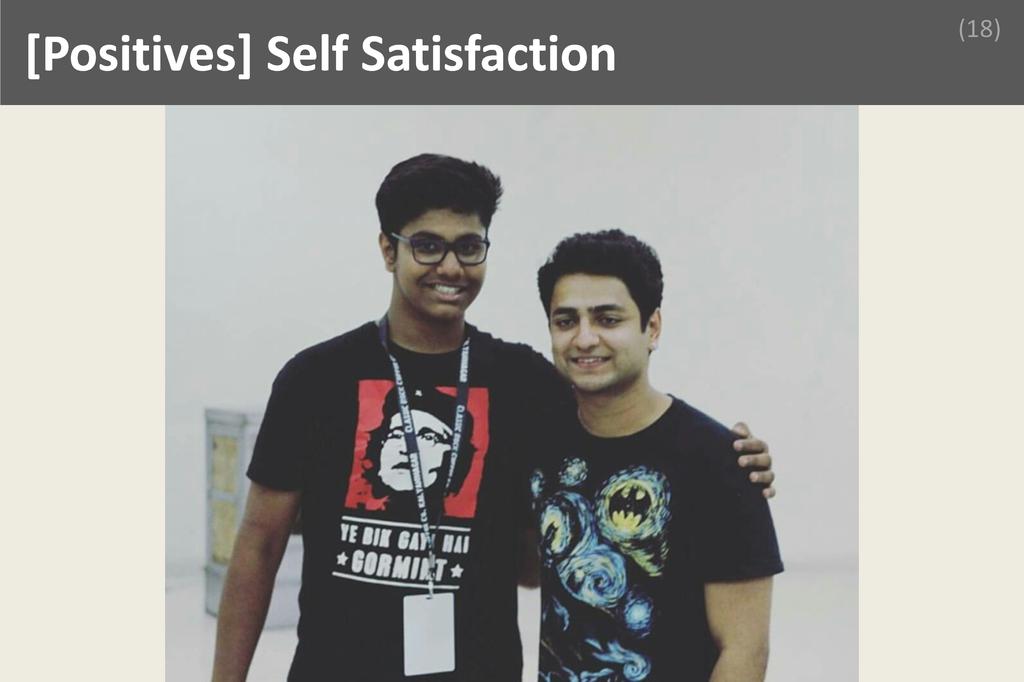
Self satisfaction is the deep sense of fulfillment and contentment that arises when one’s efforts, values, and achievements align, creating a personal sense of pride and accomplishment. In artist management, this feeling emerges from guiding creative talents toward success, knowing your dedication directly shapes their careers and artistic journeys.
Self satisfaction is a cornerstone of a rewarding career in artist management because it transforms daily challenges into meaningful experiences. When professionals witness the growth and recognition of the artists they support, it validates their hard work and commitment. This intrinsic reward not only boosts morale but also fuels ongoing motivation and resilience, even during demanding periods. The sense of personal achievement encourages managers to invest in their own development, fostering continuous learning and adaptability. Experiencing self satisfaction daily helps artist managers maintain a positive outlook, build stronger relationships with their clients, and approach each project with renewed enthusiasm. Ultimately, this benefit elevates job satisfaction, making the profession both personally and professionally fulfilling.
Imagine an artist manager who has spent months helping a young musician prepare for their first major concert. From organizing rehearsals to negotiating contracts and handling last-minute setbacks, the manager is deeply involved in every step. When the artist finally steps onto the stage and delivers a stunning performance to a cheering crowd, the manager feels an overwhelming sense of pride and fulfillment. In that moment, the challenges and long hours are overshadowed by the knowledge that their guidance and support made a real difference. This powerful sense of self satisfaction not only validates their efforts but also inspires them to continue nurturing talent and pursuing excellence in their career.
Challenges
Risk

Risk in artist management refers to the uncertainty and potential for loss or failure when making decisions about an artist’s career, such as investments, partnerships, or public exposure. This is demanding because outcomes are unpredictable, reputations are at stake, and both financial and creative futures can be affected.
The challenge of risk permeates nearly every aspect of an artist manager’s daily responsibilities. Decisions about touring, collaborations, or marketing campaigns can have significant financial and reputational consequences. This constant exposure to uncertainty requires managers to be highly resilient, adaptable, and forward-thinking. They must anticipate potential pitfalls, weigh the pros and cons of each opportunity, and develop contingency plans. Successful professionals in this field often rely on thorough research, strong industry networks, and transparent communication with their artists. By fostering trust and maintaining flexibility, they are able to navigate setbacks, learn from mistakes, and seize opportunities that others might avoid due to fear of failure.
Consider an artist manager who is approached with an offer for their client to headline a new music festival in an unfamiliar market. The financial investment is substantial, and the festival’s reputation is untested. Recognizing the risk, the manager conducts extensive research, consults with industry peers, and negotiates contract terms that protect the artist’s interests. They also develop a backup plan in case the event underperforms. When the festival proves successful, the artist gains new fans and valuable exposure, while the manager’s careful risk assessment and proactive planning ensure both financial gain and career growth. This scenario illustrates how calculated risk-taking, combined with diligent preparation, can turn uncertainty into opportunity in artist management.
Promoting Artist

Promoting Artist in Artist Management refers to the ongoing process of increasing an artist’s visibility, reputation, and marketability through strategic campaigns, networking, and media engagement. This task is demanding because it requires creativity, persistence, and adaptability in a highly competitive and ever-evolving entertainment landscape where attention is scarce.
The challenge of promoting an artist permeates every aspect of daily work for artist managers. It requires constant vigilance to seize fleeting opportunities, adapt to shifting trends, and maintain the artist’s relevance. The pressure to deliver tangible results can be intense, demanding resilience and resourcefulness. Successful professionals overcome this by building strong industry relationships, leveraging digital platforms, and crafting unique narratives that resonate with target audiences. They remain agile, learning from setbacks and quickly pivoting strategies when necessary. By fostering open communication with artists and stakeholders, they ensure alignment on goals and expectations, which helps to sustain motivation and momentum even when progress is slow or obstacles arise.
Consider a manager representing an emerging singer-songwriter struggling to gain traction in a saturated market. Recognizing the challenge, the manager identifies a niche audience on social media and collaborates with influencers who share similar musical tastes. Through persistent outreach and creative content campaigns, the artist’s music is featured in popular playlists and online communities. The manager also arranges intimate live-streamed performances, which foster a loyal fanbase and attract media attention. By continuously analyzing engagement data and refining promotional tactics, the manager successfully elevates the artist’s profile, demonstrating how adaptability, strategic networking, and innovative thinking can overcome the inherent difficulties of promoting an artist.
Expectations

In Artist Management, "Expectations" refer to the often high and sometimes conflicting demands placed on managers by artists, labels, fans, and industry partners. These expectations encompass career growth, creative output, financial success, and personal support, making the role uniquely challenging and requiring constant negotiation and adaptability.
The weight of expectations in artist management permeates every aspect of daily work, from negotiating contracts to planning tours and mediating creative decisions. This pressure can lead to stress, burnout, and strained relationships if not managed carefully. Professionals must demonstrate resilience by setting clear boundaries, communicating transparently, and prioritizing tasks to avoid being overwhelmed. Successful managers also cultivate strong relationships with their artists and stakeholders, ensuring that everyone’s goals and limitations are understood. By managing expectations proactively and realistically, they foster trust and maintain a sustainable working environment, allowing both the artist and the manager to thrive despite the inherent pressures of the industry.
Consider a manager overseeing the career of an emerging musician who is suddenly thrust into the spotlight after a viral hit. The artist expects rapid career advancement, while the label demands immediate follow-up releases, and fans clamor for constant engagement. The manager addresses these competing expectations by organizing a strategic meeting with all parties to outline realistic timelines and achievable goals. By openly discussing the artist’s creative process, the label’s marketing needs, and the importance of the artist’s well-being, the manager sets clear boundaries and negotiates a balanced schedule. This approach not only alleviates pressure on the artist but also aligns everyone’s expectations, resulting in a more harmonious and productive working relationship.
A Day Of
Artist Management
The world of artist management is a whirlwind of creativity, strategy, and relentless motion. Each day unfolds at a brisk tempo, set against a backdrop of ringing phones, urgent emails, and the ever-present hum of possibility. In this high-stakes environment, no two days are ever quite the same. The artist manager is both conductor and safety net, orchestrating opportunities while smoothing out the inevitable bumps along the way. From the first cup of coffee to the last late-night call, the pace is unyielding, the stakes are high, and the rewards—when they come—are hard-won and deeply satisfying.
As the sun rises, the artist manager’s day begins with a quiet moment of review and preparation. This is the time to scan through overnight emails, review the day’s calendar, and check in on any urgent messages from artists or industry contacts in different time zones. The morning hours are dedicated to organizing priorities, confirming appointments, and preparing for the day’s negotiations or creative discussions. This early focus sets the tone, ensuring that the manager is ready to respond to whatever the day may bring.
By mid-morning, the pace accelerates as the core work of artist management takes center stage. This is when the manager dives into contract negotiations, fields calls from record labels, booking agents, and publicists, and provides hands-on support to artists navigating the complexities of their careers. Whether it’s hammering out the details of a tour, troubleshooting a last-minute crisis, or brainstorming new promotional strategies, this period is marked by intense interaction, quick decision-making, and the constant balancing of creative vision with business realities.
The afternoon is all about collaboration and execution. Meetings with artists, creative teams, and external partners fill the schedule, each one focused on moving projects forward. This might involve coordinating logistics for an upcoming album release, overseeing social media campaigns, or strategizing with marketing teams to maximize exposure. The manager acts as the central hub, ensuring that everyone is aligned and that the artist’s brand and interests are being advanced on all fronts.
As the day winds down, the artist manager turns to administrative tasks and forward planning. This is the time to review progress, respond to outstanding emails, and document key decisions made throughout the day. Research into new opportunities, industry trends, and potential collaborations often takes place in these quieter hours. Before shutting down, the manager updates to-do lists, sets priorities for the next day, and checks in with artists to ensure they feel supported and informed. Even as the office lights dim, the work of nurturing talent and building careers continues, setting the stage for another dynamic day ahead. |


 Home
Home Abroad
 Plan
Plan Philosophy
 Seminar
 Pages
Pages Advisors
 Testimonials




















 Workshop
 Discuss
 Meet
Meet
 Advisor
 Story
Story
 Fine Print
 Links
Links
 Blog
Blog
 Follow
