The Journey of Radio Jockey
What Is Radio Jockey
Radio Jockey
A radio jockey, often called an RJ, is a professional who hosts and presents radio programs. They engage listeners through music, interviews, discussions, and entertainment segments, using their voice and personality to create a unique on-air experience. RJs play a vital role in shaping a station’s identity and audience connection.
Radio jockeys hold a significant place in the media and entertainment industry, as they bridge the gap between the station and its listeners. Their ability to inform, entertain, and inspire audiences makes them influential figures in shaping public opinion and trends. For professionals, being a radio jockey offers the opportunity to develop strong communication skills, build a personal brand, and connect with a diverse audience. The career also provides creative freedom, allowing RJs to experiment with content and presentation styles. Additionally, the dynamic nature of radio ensures that no two days are the same, keeping the work engaging and fresh for those passionate about storytelling and music.
A radio jockey working for a popular FM station might start their day by researching trending topics and curating a playlist that resonates with their target audience. During their show, they interact with listeners through live calls, social media, and contests, creating an interactive and lively atmosphere. The RJ might interview a local artist, discuss current events, and share personal anecdotes, all while maintaining a consistent energy and engaging tone. By blending music, conversation, and listener participation, the RJ not only entertains but also fosters a sense of community among listeners, demonstrating the multifaceted role and impact of a radio jockey in the real world.
Education
Reading

Reading is the process of interpreting written or printed symbols to derive meaning, comprehend information, and communicate ideas. For a Radio Jockey, reading is essential as it enables the accurate delivery of scripts, news, advertisements, and listener messages, forming a crucial part of both academic training and professional performance.
Understanding reading is vital for anyone aspiring to become a Radio Jockey because it underpins the ability to process and present information clearly and engagingly. A Radio Jockey must often read scripts, news bulletins, and promotional content live on air, requiring not just fluency but also the ability to interpret tone, context, and intent. Mastery of reading ensures that the RJ can adapt to last-minute changes, handle diverse content, and maintain professionalism under pressure. Over time, strong reading skills contribute to building credibility, enhancing audience engagement, and opening doors to advanced roles such as content creation, scriptwriting, and editorial responsibilities within the broadcasting industry.
Imagine a Radio Jockey hosting a morning show who receives a breaking news update moments before going live. The RJ must quickly read and understand the news script, identify key points, and deliver the information accurately and with the appropriate tone. Their ability to read efficiently allows them to avoid mispronunciations, maintain the flow of the broadcast, and ensure the audience receives timely and reliable information. This scenario highlights how theoretical reading skills translate into practical expertise, enabling the RJ to handle dynamic situations confidently and maintain the trust and interest of their listeners.
General Awareness

General Awareness refers to a broad understanding of current events, social issues, history, culture, and general knowledge about the world. For a Radio Jockey, it bridges academic learning and professional expertise, enabling them to engage audiences, discuss relevant topics, and respond intelligently to diverse situations during live broadcasts.
Developing strong general awareness is essential for anyone aspiring to become a successful Radio Jockey. This subject forms the backbone of a Radio Jockey’s ability to connect with listeners, as it allows them to discuss a wide range of topics confidently and accurately. Being well-informed enhances credibility and ensures that the content delivered is both engaging and relevant. Over time, a solid foundation in general awareness helps professionals adapt to changing trends, handle unexpected questions or discussions, and maintain a dynamic on-air presence. It also aids in building rapport with guests and listeners, fostering a loyal audience base, and opening doors to broader career opportunities within the media industry.
Imagine a Radio Jockey hosting a morning show during a major national event, such as an election or a significant sports tournament. Their understanding of general awareness enables them to provide timely updates, share insightful commentary, and facilitate meaningful discussions with callers and guests. When a listener calls in with a question about the event’s implications or historical context, the Radio Jockey can respond thoughtfully, drawing on their knowledge to inform and engage the audience. This not only keeps the show relevant and lively but also positions the Radio Jockey as a trusted source of information, enhancing their reputation and the station’s credibility.
Skills
Good Listener

A good listener is someone who attentively receives, understands, and processes information from others without interruption or judgment, ensuring that the speaker feels heard and valued. In the context of a Radio Jockey, being a good listener is crucial for engaging with callers, guests, and co-hosts, fostering authentic and dynamic conversations that resonate with the audience.
The ability to listen well directly enhances a Radio Jockey’s performance by allowing them to respond thoughtfully, ask relevant follow-up questions, and create a welcoming atmosphere on air. Employers and clients highly value this skill because it leads to more engaging shows, stronger audience loyalty, and fewer misunderstandings during live broadcasts. To cultivate this skill, aspiring Radio Jockeys should practice active listening by focusing fully on the speaker, avoiding distractions, and reflecting on what is being said before responding. Over time, consistent practice and feedback help refine this ability, making it second nature and an integral part of the Radio Jockey’s professional identity.
Imagine a live radio show where a listener calls in to share a personal story related to the show’s theme. The Radio Jockey, by being a good listener, picks up on subtle emotional cues and underlying messages in the caller’s voice. Instead of rushing to the next segment or offering generic responses, the RJ acknowledges the caller’s feelings, asks thoughtful questions, and provides meaningful feedback. This not only makes the caller feel valued but also creates a memorable moment for the audience. The show’s reputation for genuine interaction grows, attracting more listeners and establishing the RJ as a trusted and empathetic host.
Self Control

Self control is the ability to regulate one’s emotions, thoughts, and behaviors in the face of temptations and impulses, maintaining composure and professionalism under pressure. For a Radio Jockey, self control is crucial for managing live broadcasts, handling unexpected situations, and ensuring that on-air content remains appropriate and engaging for listeners.
Self control directly enhances a Radio Jockey’s performance by enabling them to stay calm during live shows, respond thoughtfully to callers, and avoid saying anything inappropriate or impulsive on air. Employers and clients highly value this skill because it ensures reliability and professionalism, which are vital for maintaining a station’s reputation and audience trust. Cultivating self control involves regular practice in mindfulness, learning to pause before reacting, and developing strategies to manage stress and emotions. Over time, consistent self-reflection and feedback from mentors or colleagues can help a Radio Jockey strengthen their self control, making them more adaptable and resilient in the fast-paced world of radio broadcasting.
Imagine a Radio Jockey is hosting a live morning show when a caller unexpectedly makes a provocative or offensive comment on air. In this high-pressure moment, the RJ must rely on self control to maintain composure, avoid reacting emotionally, and steer the conversation back to a positive direction without alienating listeners or violating broadcasting standards. By calmly addressing the situation and quickly redirecting the show, the RJ demonstrates professionalism and protects the station’s reputation. This ability to manage one’s reactions not only resolves the immediate issue but also reinforces the trust of both the audience and the employer, showcasing the indispensable value of self control in a successful radio career.
Clarity of Speech

Clarity of speech refers to the ability to articulate words distinctly, at an appropriate pace and volume, ensuring that every syllable is easily understood by listeners. For a Radio Jockey, this skill is fundamental, as it guarantees that messages, stories, and information are communicated effectively, keeping audiences engaged and informed.
Clarity of speech directly enhances a Radio Jockey’s performance by ensuring that listeners can follow every word without confusion or misinterpretation. Employers and clients highly value this skill because it reflects professionalism, boosts audience retention, and minimizes the risk of misunderstandings on air. A Radio Jockey with clear speech can build a stronger connection with listeners, making the broadcast more enjoyable and trustworthy. To cultivate this skill, one must practice regular voice exercises, seek feedback from mentors, and consciously work on pronunciation, modulation, and pacing. Over time, consistent practice and self-awareness help in refining speech, making it crisp and impactful for diverse audiences.
Imagine a Radio Jockey hosting a live call-in show during a citywide emergency, such as a severe weather alert. In this high-pressure situation, the RJ must deliver critical information quickly and accurately. By relying on clarity of speech, the RJ ensures that every instruction, update, and safety guideline is understood by listeners, regardless of their background or stress level. This prevents panic, enables effective communication with emergency services, and helps the community stay safe. The RJ’s ability to speak clearly under pressure not only resolves a critical issue but also establishes trust and reliability, reinforcing the importance of this core skill in their profession.
Planning

Planning is the process of setting clear objectives, organizing resources, and outlining steps to achieve desired outcomes within a specific timeframe. In the context of a Radio Jockey, planning ensures that every show segment flows smoothly, content is relevant and engaging, and technical aspects are managed efficiently, resulting in a seamless broadcast experience.
Effective planning directly enhances a Radio Jockey’s performance by allowing them to anticipate challenges, structure their shows thoughtfully, and maintain a consistent on-air presence. Clients and employers highly value this skill because it minimizes errors, maximizes audience engagement, and ensures that programming aligns with station goals and sponsor requirements. To cultivate planning skills, aspiring Radio Jockeys should practice creating detailed show outlines, rehearse transitions, and regularly review feedback to refine their approach. Over time, this habit of preparation fosters adaptability and confidence, enabling them to handle live situations with poise and professionalism.
Imagine a Radio Jockey scheduled to host a live interview with a celebrity guest. On the day of the broadcast, the guest’s arrival is delayed due to unforeseen traffic. Thanks to meticulous planning, the RJ has prepared backup segments, including trending news stories and interactive listener calls, to fill the unexpected gap. This foresight allows the show to continue smoothly without awkward pauses or loss of audience interest. When the guest finally arrives, the RJ transitions seamlessly into the interview, maintaining the program’s energy and professionalism. This scenario highlights how strategic planning enables a Radio Jockey to adapt quickly, uphold broadcast quality, and deliver a successful show despite last-minute disruptions.
Inquisitiveness

Inquisitiveness is a persistent desire to learn, explore, and understand new ideas, people, and situations. It drives individuals to ask questions, seek deeper insights, and remain open to fresh perspectives. For a Radio Jockey, inquisitiveness is crucial as it fuels engaging conversations, uncovers compelling stories, and keeps content vibrant and relevant.
Inquisitiveness directly enhances a Radio Jockey’s performance by enabling them to connect with diverse audiences, adapt to trending topics, and keep their shows dynamic. Employers and clients value this trait because it ensures the RJ remains updated, resourceful, and capable of handling unexpected situations with ease. To cultivate inquisitiveness, one should actively listen, read widely, and embrace curiosity in daily interactions. Over time, this habit leads to a richer understanding of various subjects, making the RJ more versatile and appealing to listeners. By consistently seeking out new information and perspectives, a Radio Jockey can maintain a fresh and engaging on-air presence that stands out in a competitive industry.
Imagine a Radio Jockey preparing for a live interview with a renowned musician whose latest album has sparked controversy. Instead of sticking to standard questions, the RJ’s inquisitiveness prompts them to research the artist’s background, motivations, and fan reactions. During the interview, the RJ asks insightful questions that reveal the artist’s creative process and address the controversy thoughtfully. This approach not only captivates listeners but also earns the respect of the guest, turning a potentially tense situation into a memorable and enlightening segment. The RJ’s inquisitive nature transforms a routine interview into a standout broadcast, demonstrating the power of curiosity in achieving professional success.
Witty/Spontaneous

Witty/Spontaneous refers to the ability to think quickly, respond cleverly, and adapt instantly to changing situations with humor and intelligence. For a Radio Jockey, this skill is crucial because it enables them to engage listeners, handle unexpected moments gracefully, and keep the show lively and entertaining, regardless of circumstances.
The ability to be witty and spontaneous directly enhances a Radio Jockey’s performance by making their on-air presence dynamic and engaging. Audiences are drawn to personalities who can inject humor and quick thinking into conversations, interviews, and live segments. Employers and clients highly value this skill because it ensures the show remains entertaining even when scripts fail or technical issues arise. To cultivate this skill, aspiring radio professionals should practice improvisation, stay informed about current events, and actively listen to others. Regularly challenging oneself with unscripted speaking opportunities and learning from experienced broadcasters can also help develop the confidence and mental agility needed to be both witty and spontaneous on air.
Imagine a Radio Jockey hosting a live morning show when a scheduled guest suddenly cancels at the last minute. With no time to prepare alternative content, the RJ quickly shifts gears, engaging listeners with impromptu games, witty commentary on trending topics, and spontaneous phone interactions. Their quick thinking and humor not only fill the unexpected gap but also keep the audience entertained and invested in the show. By relying on their wit and spontaneity, the RJ turns a potential setback into a memorable segment, demonstrating professionalism and creativity under pressure. This ability to adapt and entertain in real time is what sets successful Radio Jockeys apart in a competitive industry.
Voice Modulation

Voice modulation is the art of varying pitch, tone, pace, and volume while speaking to convey emotions, emphasize points, and maintain listener interest. For a Radio Jockey, it is a fundamental skill that transforms ordinary speech into engaging communication, making every broadcast lively, relatable, and memorable for the audience.
Mastering voice modulation directly elevates a Radio Jockey’s performance by making their delivery more dynamic and captivating. Listeners are more likely to stay tuned when the RJ’s voice reflects excitement, empathy, or suspense at the right moments. Employers and clients value this skill because it enhances audience engagement, boosts ratings, and creates a distinctive on-air personality. Developing voice modulation involves consistent practice, such as reading scripts aloud with varied emotions, recording and analyzing one’s own voice, and seeking feedback from mentors. Over time, exposure to different genres and regular vocal exercises help RJs fine-tune their modulation, ensuring their voice remains fresh, expressive, and adaptable to any show format or audience demographic.
Imagine a Radio Jockey hosting a live morning show when unexpected news breaks, such as a sudden weather alert affecting the city. The RJ must quickly shift from a cheerful, energetic tone to a calm, reassuring one to deliver the update responsibly. By modulating their voice to sound composed and empathetic, the RJ not only conveys the seriousness of the situation but also reassures listeners, preventing panic. After the announcement, the RJ smoothly transitions back to a lighter tone, maintaining the show’s flow and listener morale. This seamless adaptation, achieved through skilled voice modulation, ensures the broadcast remains professional, trustworthy, and engaging, even in challenging moments.
Observation

Observation is the focused act of attentively noticing, analyzing, and interpreting details in one’s environment, people’s behavior, and subtle cues, both verbal and non-verbal. For a Radio Jockey, observation is crucial because it enables them to understand their audience, respond to live situations, and create engaging, relevant content.
Observation enhances a Radio Jockey’s ability to pick up on trends, listener moods, and the nuances of guest interactions, which directly improves on-air performance and audience connection. Employers and clients highly value this skill because it leads to more authentic, timely, and relatable broadcasts, increasing listener loyalty and ratings. To cultivate observation, aspiring RJs should practice active listening, remain curious about their surroundings, and regularly reflect on their shows to identify what resonated with listeners. Over time, consistently applying these habits sharpens one’s ability to notice subtle shifts in audience engagement and adapt content accordingly, making observation an indispensable asset in the competitive world of radio.
Imagine a Radio Jockey hosting a live call-in segment when a regular listener’s tone suddenly shifts from cheerful to subdued. By keenly observing this change, the RJ gently steers the conversation, offering empathy and support without making the listener uncomfortable. This attentiveness not only helps the listener feel heard but also demonstrates to the wider audience that the RJ genuinely cares. Such observational skills can transform a routine segment into a memorable, impactful moment, strengthening the bond between the RJ and their audience. In this way, observation allows the RJ to respond authentically and sensitively, turning potential challenges into opportunities for deeper connection and success.
Positives
Popularity
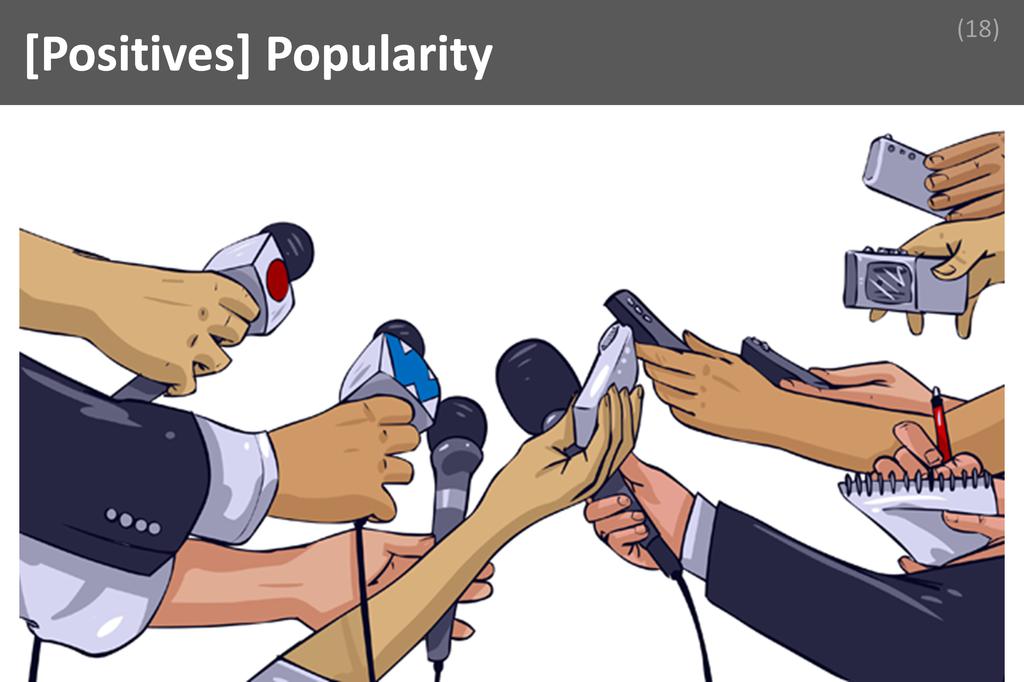
Popularity is the widespread recognition, admiration, and affection received from a large audience due to one’s engaging personality, unique voice, and ability to connect with listeners. In the world of radio jockeys, popularity is a powerful asset that elevates their influence, opens new opportunities, and fosters a loyal listener base. This positive attribute not only enhances the professional’s public image but also creates a sense of belonging and validation, making the career of a radio jockey both exciting and deeply rewarding.
Popularity in the field of radio jockeying brings a profound sense of accomplishment and motivation. When a radio jockey becomes a household name, their voice becomes a source of comfort, entertainment, and inspiration for countless listeners. This recognition often leads to increased job satisfaction, as the appreciation and feedback from fans serve as daily reminders of the impact they make. The admiration from the audience can also lead to career growth, with opportunities for hosting bigger shows, collaborating with celebrities, or branching into other media platforms. The daily experience of being recognized and valued by the public fuels creativity and passion, making every broadcast a chance to connect and leave a lasting impression.
Imagine a radio jockey who starts their morning show with a simple greeting, only to receive an outpouring of messages and calls from listeners who eagerly await their voice each day. As the show progresses, fans share stories of how the RJ’s humor and warmth have brightened their mornings or helped them through tough times. Invitations to community events and collaborations with popular artists become frequent, all thanks to the RJ’s growing popularity. This daily interaction and recognition not only boost the RJ’s confidence but also create a sense of purpose, knowing that their presence on air genuinely enriches the lives of thousands. The fulfillment derived from such popularity makes every moment behind the microphone truly special.
Career Growth

Career growth refers to the continuous process of advancing in one’s professional journey through skill development, increased responsibilities, and new opportunities. In radio jockeying, career growth means evolving from an entry-level presenter to a recognized voice, gaining influence, and exploring diverse roles within the media industry, which fuels motivation and ambition.
The prospect of career growth is a powerful motivator for radio jockeys, as it transforms their work into a dynamic and evolving journey. This positive aspect matters because it ensures that the profession never feels stagnant; there is always a new challenge to tackle or a higher position to aspire to. As radio jockeys hone their communication skills, build their personal brand, and expand their audience, they experience a sense of accomplishment and recognition. This ongoing progression boosts job satisfaction, as professionals see tangible results from their efforts and creativity. The daily experience of learning, adapting, and being rewarded for innovation makes the career both exciting and deeply fulfilling, encouraging radio jockeys to continually strive for excellence.
Imagine a radio jockey who starts out hosting a late-night show, initially reaching a modest audience. Through dedication, creativity, and consistent improvement, they gradually build a loyal listener base and catch the attention of station managers. Over time, they are offered the opportunity to host a prime-time show, collaborate with celebrities, and even mentor new talent. This journey not only brings professional recognition and increased responsibility but also personal satisfaction, as the jockey witnesses their influence and impact grow. The sense of achievement from climbing the career ladder and the excitement of new opportunities exemplify how career growth in radio jockeying can be both rewarding and transformative.
Societal Impact

Societal Impact refers to the meaningful influence an individual or profession has on the attitudes, behaviors, and well-being of the community at large. In the context of radio jockeys, it means shaping public opinion, spreading awareness, and fostering unity through the power of voice and communication, ultimately creating positive change.
The societal impact of being a radio jockey is a profound source of motivation and fulfillment. Every broadcast offers the chance to inform, entertain, and inspire listeners from diverse backgrounds. This unique platform enables radio jockeys to address social issues, promote important causes, and connect communities. The knowledge that their words can uplift spirits, encourage dialogue, or even mobilize support for charitable initiatives brings immense job satisfaction. This sense of purpose not only fuels personal growth but also enhances professional credibility and audience loyalty. Radio jockeys experience this benefit daily as they witness the tangible effects of their influence, whether through listener feedback, community engagement, or the positive changes sparked by their programs.
Imagine a radio jockey hosting a morning show during a time of crisis, such as a natural disaster or public health emergency. Through their platform, they provide accurate information, dispel rumors, and offer emotional support to anxious listeners. By inviting experts, sharing helpline numbers, and encouraging community solidarity, the radio jockey becomes a trusted voice in a challenging time. Listeners call in to express gratitude, share their stories, and support one another, creating a sense of unity and hope. In these moments, the radio jockey experiences firsthand the powerful societal impact of their role, realizing that their work not only entertains but also strengthens and uplifts the community.
Satisfaction

Satisfaction is the deep sense of fulfillment and contentment that arises when personal goals, passions, and values align with one’s professional activities and achievements. In the context of a radio jockey, satisfaction emerges from creative expression, audience connection, and the ability to make a positive difference through communication and entertainment.
Satisfaction is a cornerstone of a rewarding career as a radio jockey because it fuels motivation, creativity, and resilience. When radio jockeys feel genuinely satisfied, they are more likely to bring enthusiasm and authenticity to their shows, which resonates with listeners and builds loyal audiences. This sense of fulfillment encourages them to innovate, experiment with new formats, and engage deeply with their content. Over time, satisfaction not only enhances personal well-being but also contributes to professional growth, as satisfied radio jockeys are more likely to pursue continuous learning and improvement. Every day, the positive feedback from listeners, the excitement of live broadcasting, and the freedom to express unique perspectives reinforce this satisfaction, making the profession both enjoyable and sustainable.
Imagine a radio jockey who starts her morning show by sharing uplifting stories and playing listener requests. As messages of gratitude and appreciation pour in from her audience, she feels a profound sense of satisfaction knowing her work brightens someone’s day. During a live call-in segment, a listener thanks her for providing comfort during a difficult time, reinforcing the impact of her presence on air. This daily interaction and the knowledge that her voice makes a real difference in people’s lives create a lasting sense of fulfillment. The satisfaction she experiences motivates her to continually improve her craft, ensuring her passion for radio remains strong and her career deeply rewarding.
Challenges
Erratic Working Hours

Erratic working hours for a Radio Jockey refer to unpredictable and irregular shifts, often including late nights, early mornings, weekends, and holidays. This demanding schedule disrupts personal routines, challenges work-life balance, and requires constant adaptability, as live shows and audience engagement frequently occur outside traditional office hours.
The unpredictability of working hours can disrupt sleep patterns, strain personal relationships, and make it difficult to maintain a consistent daily routine. This challenge demands resilience, as Radio Jockeys must remain energetic and engaging regardless of the time of day. Successful professionals manage these constraints by prioritizing self-care, setting boundaries when possible, and developing effective time management skills. They often create flexible routines that accommodate changing shifts, ensuring they get adequate rest and downtime. By fostering a strong support system among colleagues and loved ones, they mitigate feelings of isolation. Embracing the dynamic nature of the job, they focus on the creative rewards and unique opportunities that come with connecting to diverse audiences at all hours.
Consider a Radio Jockey who hosts both a late-night music show and fills in for morning segments when needed. To manage the erratic hours, she establishes a flexible sleep schedule, taking naps during the day to compensate for lost nighttime rest. She communicates openly with her family about her shifting availability, ensuring quality time together is prioritized on her days off. By preparing show content in advance and using downtime between shifts for personal hobbies, she maintains her enthusiasm and creativity. Her proactive approach to health, such as regular exercise and mindful eating, helps her stay alert and positive, allowing her to consistently deliver engaging broadcasts despite the unpredictable nature of her work hours.
No Second Chance For Mistakes

In radio jockeying, "No Second Chance For Mistakes" means that every word, cue, and interaction happens live, with no opportunity to edit or redo. This relentless immediacy demands flawless execution, as even minor errors are broadcast instantly to listeners, potentially impacting reputation and audience trust.
The pressure of having no margin for error shapes every aspect of a radio jockey’s daily routine. Each broadcast requires intense focus, quick thinking, and the ability to recover gracefully from unexpected situations. This environment can be stressful, as even a small slip-up is immediately public and irreversible. Resilience becomes essential, as professionals must learn to handle criticism and move forward without dwelling on mistakes. Successful radio jockeys prepare meticulously, rehearse their scripts, and develop strong improvisational skills. They also cultivate a calm mindset, enabling them to adapt in real time and maintain composure under pressure. By embracing continuous learning and self-reflection, they turn each experience into an opportunity for growth, ensuring that the fear of mistakes does not hinder their creativity or confidence.
Consider a radio jockey hosting a live morning show when a technical glitch causes the scheduled song to fail mid-broadcast. Instead of panicking or drawing attention to the error, the jockey smoothly transitions by engaging the audience with an impromptu story, maintaining energy and flow. Listeners remain entertained, and the disruption goes largely unnoticed. After the show, the jockey reviews the incident, discusses solutions with the technical team, and incorporates the experience into future preparations. This ability to think on their feet, stay composed, and learn from the situation exemplifies how seasoned professionals manage the challenge of having no second chance for mistakes, turning potential setbacks into moments of connection and professionalism.
A Day Of
RJ

The studio lights flicker on, the ON AIR sign glows, and a familiar voice fills the airwaves—this is the pulse of a radio jockey’s world. Far from a routine desk job, each day is a whirlwind of creativity, quick thinking, and connection with an unseen audience. The pace is relentless, the environment alive with music, chatter, and the hum of technology, and the nature of the work demands both spontaneity and meticulous preparation. For a radio jockey, every day is a fresh opportunity to inform, entertain, and inspire, all while navigating the unpredictable currents of live broadcasting.
As dawn breaks, the radio jockey arrives at the station, coffee in hand, ready to transform the quiet studio into a vibrant hub of energy. The early hours are dedicated to reviewing the day’s playlist, scanning news headlines, and fine-tuning show scripts. There’s a careful check of equipment, microphones, and soundboards to ensure everything is broadcast-ready. This is also the time to connect with producers, discuss any last-minute changes, and mentally map out the flow of the show, setting the tone for the hours ahead.
With the clock striking eight, the real action begins. The radio jockey’s voice becomes the city’s morning companion, weaving together music, witty banter, listener calls, and interviews with local personalities. The studio buzzes with activity as the jockey juggles song requests, breaking news, and spontaneous on-air games, all while maintaining a seamless, engaging rhythm. Every second counts, and the adrenaline of live broadcasting keeps the energy high and the focus razor-sharp.
After the morning rush, the afternoon brings a shift toward collaboration and creative execution. The radio jockey meets with producers, sound engineers, and marketing teams to brainstorm upcoming segments, promotional campaigns, and special features. There’s time to record commercials, edit interviews, and plan social media content that extends the show’s reach beyond the airwaves. This phase is all about teamwork, innovation, and ensuring that the next broadcast is even more compelling than the last.
As the day winds down, the radio jockey turns to wrap-up duties and forward planning. This involves reviewing listener feedback, analyzing ratings, and logging the day’s highlights. There’s a final check of emails, updates to playlists, and research into trending topics or potential guests for future shows. The studio gradually quiets, but the jockey’s mind is already racing ahead, sketching out ideas and strategies to keep tomorrow’s broadcast fresh, relevant, and irresistible. |


 Home
Home Abroad
 Plan
Plan Philosophy
 Seminar
 Pages
Pages Advisors
 Testimonials



















 Workshop
 Discuss
 Meet
Meet
 Advisor
 Story
Story
 Fine Print
 Links
Links
 Blog
Blog
 Follow
