The Journey of Food Blogging
What Is Food Blogging
Food Blogging

Food blogging is the practice of creating and sharing content focused on food, recipes, culinary experiences, and related topics through digital platforms. Food bloggers often combine writing, photography, and sometimes video to engage audiences, share expertise, and build communities around food culture, trends, and personal culinary journeys.
Food blogging has transformed the way people discover, prepare, and appreciate food. It empowers individuals to share their culinary passions while influencing trends and consumer choices. For professionals, food blogging offers creative freedom, the opportunity to build a personal brand, and potential income streams through partnerships, advertising, and sponsored content. It also fosters connections with a global audience, allowing bloggers to inspire and educate others about diverse cuisines and cooking techniques. The interactive nature of blogging encourages feedback and collaboration, helping bloggers refine their skills and stay relevant in a rapidly evolving digital landscape. Ultimately, food blogging can turn a personal interest into a fulfilling and sustainable career.
A professional food blogger might start by developing unique recipes and photographing the cooking process in their home kitchen. They write engaging posts detailing each recipe, including tips and personal anecdotes, and publish them on their blog and social media channels. Over time, their consistent content attracts a loyal audience interested in home cooking and culinary inspiration. As their following grows, brands in the food industry approach them for collaborations, such as sponsored posts or product reviews. The blogger also receives invitations to food events and opportunities to contribute to cookbooks or magazines. Through these activities, the food blogger not only shares their passion but also builds a reputable career in the food and digital media industries.
Education
Languages

Languages refer to structured systems of communication, including spoken, written, and visual forms, used to convey ideas, information, and emotions. In the context of food blogging, languages encompass not only native and foreign tongues but also culinary terminology, digital communication, and storytelling techniques essential for engaging diverse audiences and building authority.
Understanding languages is vital for food bloggers because it enables them to connect authentically with readers from various backgrounds and cultures. Mastery of language allows bloggers to describe flavors, textures, and cooking techniques vividly, making recipes accessible and appealing. It also helps in interpreting culinary traditions, translating recipes, and collaborating with international brands or chefs. Effective communication builds trust and loyalty among followers, while proficiency in multiple languages can open doors to global partnerships and wider readership. Over time, strong language skills enhance a blogger’s ability to craft compelling narratives, optimize content for search engines, and adapt to evolving digital trends, ensuring long-term relevance and professional growth in the competitive world of food media.
Imagine a food blogger researching a traditional Japanese dish to feature on their blog. Their understanding of languages allows them to accurately translate original Japanese recipes, interpret cultural nuances, and communicate the dish’s history to their audience. When writing the blog post, they use descriptive language to evoke the dish’s sensory experience, making it enticing for readers. If a follower from Japan comments with a question in Japanese, the blogger’s language skills enable a thoughtful and respectful response, fostering international engagement. Additionally, when collaborating with a Japanese chef for a video, the blogger’s ability to bridge language barriers ensures smooth communication and authentic content creation, ultimately enriching their blog’s credibility and reach.
Marketing

Marketing is the strategic process of identifying, anticipating, and satisfying customer needs through the creation, communication, and delivery of valuable offerings. In food blogging, marketing encompasses promoting content, building a brand, and engaging audiences. It is a crucial academic and professional discipline that underpins successful content creation and audience growth.
Understanding marketing is essential for anyone preparing for or working in food blogging because it provides the tools and frameworks necessary to reach and influence audiences effectively. Mastery of marketing concepts enables food bloggers to craft compelling narratives, differentiate their brand in a crowded digital space, and foster loyal communities around their content. This knowledge forms the backbone of professional success, as it guides decisions on content strategy, audience engagement, and monetization opportunities. Over the long term, a solid grounding in marketing empowers food bloggers to adapt to changing trends, leverage new platforms, and build sustainable careers by consistently attracting and retaining followers and collaborators.
Consider a food blogger planning to launch a new series of seasonal recipes. Drawing on their marketing knowledge, they begin by researching audience preferences and identifying trending ingredients. They then craft engaging social media posts and newsletters tailored to their target demographic, ensuring the content resonates with followers’ interests. By analyzing engagement metrics and feedback, the blogger refines their approach, optimizing posting times and content formats for maximum reach. This strategic application of marketing principles not only increases traffic to their blog but also attracts potential brand partnerships and sponsorships, demonstrating how theoretical marketing knowledge translates into practical, daily actions that drive growth and professional opportunities in food blogging.
Cuisines

Cuisines refer to distinctive styles of cooking, characterized by specific ingredients, techniques, traditions, and cultural influences unique to a region or community. In food blogging, understanding cuisines is essential, as it forms the backbone of content creation, culinary critique, and the accurate representation of global food traditions for diverse audiences.
A deep understanding of cuisines is vital for food bloggers because it enables them to create authentic, engaging, and informative content. Mastery of this subject allows professionals to accurately describe dishes, contextualize recipes, and appreciate the cultural significance behind various foods. This foundational knowledge helps bloggers avoid misrepresentation and fosters respect for culinary diversity, which is increasingly important in a globalized digital landscape. Over time, expertise in cuisines enhances credibility, attracts a broader readership, and opens opportunities for collaborations with chefs, brands, and tourism boards. Ultimately, it positions food bloggers as trusted authorities, capable of educating and inspiring their audience while navigating the evolving world of food media.
Imagine a food blogger preparing a feature on traditional Thai cuisine. Drawing on their theoretical understanding of cuisines, they research the historical roots of Thai dishes, the balance of flavors, and the significance of ingredients like lemongrass and galangal. During recipe development and photography, this knowledge guides their presentation and storytelling, ensuring authenticity and cultural sensitivity. When engaging with their audience, the blogger confidently answers questions about regional variations and the origins of specific dishes, enriching the reader’s experience. This application of culinary theory not only elevates the quality of their content but also builds trust and engagement, demonstrating the practical value of mastering cuisines in daily food blogging operations.
Social Media Trends
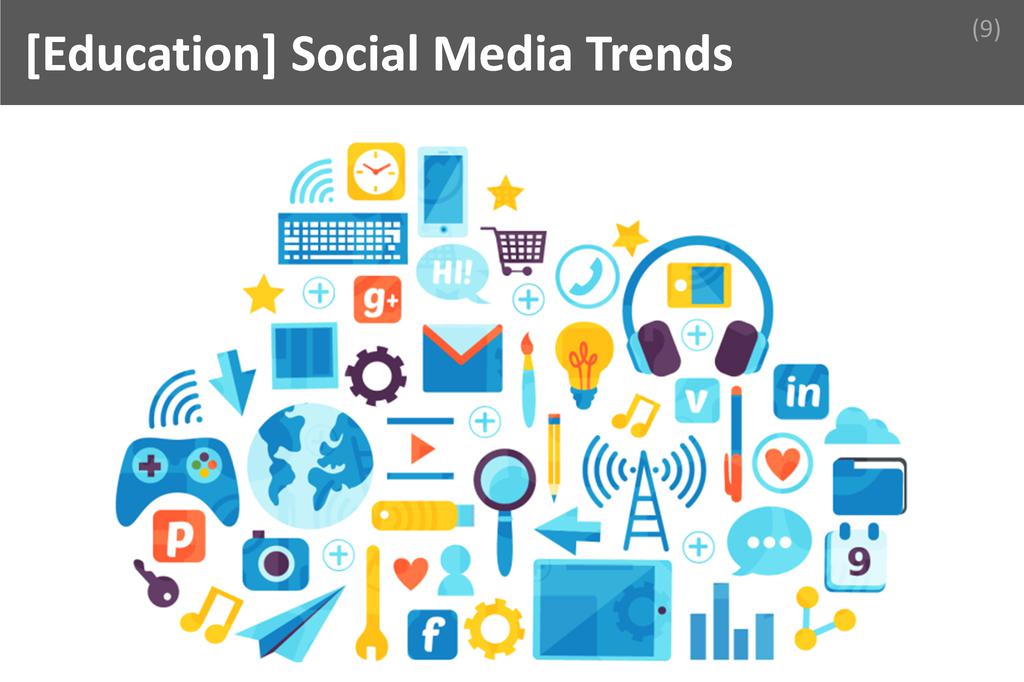
Social Media Trends refer to the evolving patterns, topics, and behaviors that gain popularity across social platforms over time. In food blogging, understanding these trends is essential, as they influence audience engagement, content creation, and the ability to stay relevant in a rapidly changing digital landscape, both academically and professionally.
Grasping social media trends is crucial for food bloggers because it enables them to anticipate what their audience wants to see and how they want to engage. This knowledge forms the backbone of effective content strategy, allowing professionals to craft posts, recipes, and visuals that resonate with current interests. By staying informed about trending hashtags, viral challenges, and platform algorithm changes, food bloggers can maximize their reach and foster a loyal following. Over time, this adaptability not only enhances visibility but also opens doors to collaborations, sponsorships, and monetization opportunities. Mastery of social media trends ensures that a food blogger remains competitive, innovative, and influential in a crowded digital space, providing long-term career sustainability.
Imagine a food blogger who notices a surge in popularity for plant-based recipes on platforms like Instagram and TikTok. Drawing on their understanding of social media trends, they quickly develop a series of visually appealing vegan dishes, incorporating trending ingredients and using popular hashtags. They also engage with followers through interactive stories and short-form videos, aligning their content with the current algorithm preferences. As a result, their posts gain significant traction, attracting new followers and increasing engagement rates. This strategic response not only boosts their online presence but also attracts brands seeking partnerships with influencers who demonstrate trend awareness and adaptability, directly translating theoretical knowledge into tangible career growth.
Skills
Photography

Photography is the art and practice of capturing images using a camera, combining technical skill with creative vision to produce visually compelling pictures. In food blogging, photography is indispensable because it transforms culinary creations into captivating visual stories, enticing audiences and enhancing the overall appeal of content shared across digital platforms.
Mastering photography significantly elevates a food blogger’s performance by making dishes appear more appetizing and engaging, which in turn attracts and retains a larger audience. Clients and employers highly value this skill because high-quality images drive traffic, increase social media engagement, and can directly influence purchasing decisions. To cultivate photography skills, a food blogger should consistently practice shooting in different lighting conditions, study composition techniques, and stay updated with editing tools and trends. Over time, this dedication leads to a distinctive visual style that sets a blogger apart in a competitive field, making their content more memorable and marketable.
Imagine a food blogger preparing to launch a new recipe series in collaboration with a well-known kitchenware brand. The success of this partnership hinges on the blogger’s ability to present each dish in a way that highlights both the food and the featured products. By leveraging advanced photography skills, the blogger carefully styles each scene, uses natural light to enhance textures, and edits images to achieve a cohesive, professional look. As a result, the campaign garners significant attention online, increases the brand’s visibility, and leads to further collaboration opportunities. In this scenario, photography is not just a supplementary skill but the driving force behind the campaign’s success.
Editing
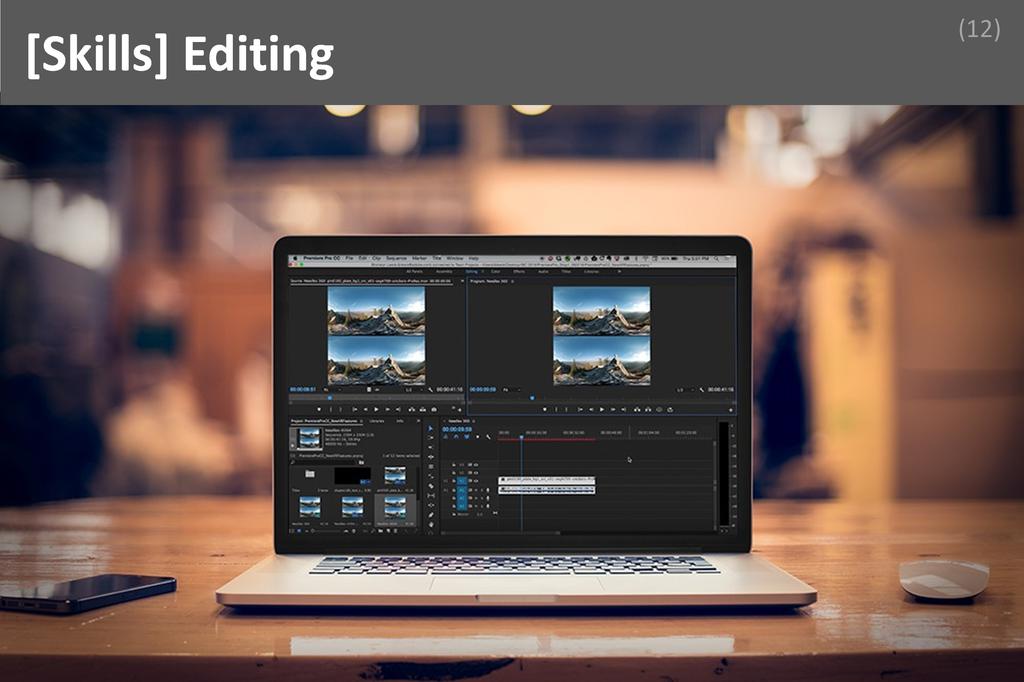
Editing is the process of reviewing, refining, and improving written or visual content to ensure clarity, accuracy, and engagement. In food blogging, editing transforms raw ideas and drafts into polished, compelling posts that captivate readers. It is a vital skill that elevates content quality and maintains a blogger’s credibility.
Mastering editing significantly enhances a food blogger’s performance by ensuring that recipes are easy to follow, stories are engaging, and visuals are appealing. Clients and employers highly value this skill because it leads to error-free, professional content that builds trust and attracts a loyal audience. Effective editing minimizes misunderstandings, corrects inconsistencies, and strengthens the overall message. To cultivate editing skills, food bloggers should practice self-review, seek constructive feedback, and stay updated on language trends and style guides. Over time, consistent application of editing techniques leads to sharper, more impactful content that stands out in a crowded digital landscape.
Imagine a food blogger preparing a sponsored post for a major kitchenware brand. The initial draft contains unclear instructions, inconsistent ingredient measurements, and distracting typos. By applying strong editing skills, the blogger meticulously revises the post, clarifies each step, standardizes measurements, and corrects all errors. The final version is not only visually appealing but also easy for readers to follow, ensuring a positive experience. As a result, the brand is impressed with the professionalism and accuracy, leading to more collaboration opportunities. In this scenario, editing is the key factor that transforms a potentially problematic post into a successful partnership and a valuable addition to the blogger’s portfolio.
Communication Skills

Communication skills refer to the ability to convey information clearly, effectively, and engagingly through spoken, written, and visual means, while also actively listening and responding appropriately. In food blogging, these skills are crucial for sharing recipes, telling compelling stories, connecting with audiences, and collaborating with brands or other professionals.
Strong communication skills directly enhance a food blogger’s ability to engage readers, build a loyal following, and establish credibility in a crowded digital landscape. Clients and employers highly value bloggers who can articulate ideas, instructions, and feedback with clarity and warmth, as this fosters trust and encourages audience interaction. Over time, these skills can be cultivated through consistent writing practice, seeking constructive feedback, participating in public speaking or networking events, and staying attuned to audience preferences. By refining their communication, food bloggers can better express their unique voice, adapt content for different platforms, and form meaningful partnerships within the food industry.
Imagine a food blogger collaborating with a local restaurant to create a sponsored post. During the project, the restaurant’s chef expresses concerns about how their signature dish will be portrayed. The blogger listens attentively, asks clarifying questions, and thoughtfully explains their creative approach, ensuring the chef’s vision is respected. By maintaining open, respectful dialogue and promptly addressing any misunderstandings, the blogger builds trust and delivers content that satisfies both the restaurant and their own audience. This effective use of communication skills not only resolves potential conflicts but also strengthens professional relationships and enhances the blogger’s reputation for reliability and professionalism.
Positives
Fame and Money

Fame and Money refers to the widespread recognition and financial rewards that food bloggers can achieve through their work. This combination elevates their personal brand, attracts lucrative partnerships, and opens doors to exclusive opportunities. It transforms a passion for food into a sustainable career, offering both visibility and financial independence.
The allure of fame and money is a powerful motivator in food blogging, making the profession not only creatively fulfilling but also highly rewarding. Recognition brings a sense of accomplishment, as bloggers see their influence grow and their content reach wider audiences. Financial success allows them to invest in better equipment, travel for culinary experiences, and dedicate more time to their craft. This dual benefit leads to higher job satisfaction, as bloggers witness tangible results from their efforts and receive validation from both their followers and industry partners. The daily experience of being sought after for collaborations, receiving positive feedback, and enjoying a steady income reinforces their commitment and passion for food blogging, fueling continuous growth and innovation.
Imagine a food blogger who started by sharing simple home-cooked recipes online. Over time, their unique voice and creative presentations attract thousands of followers, leading to features in popular magazines and invitations to judge culinary competitions. As their fame grows, brands approach them for sponsored content, and their blog generates significant advertising revenue. This recognition not only boosts their confidence but also provides financial stability, allowing them to travel, explore new cuisines, and invest in professional photography. The combination of widespread acclaim and monetary rewards transforms their passion into a thriving career, making every day both exciting and deeply satisfying.
Interacting with Celebrity Chef
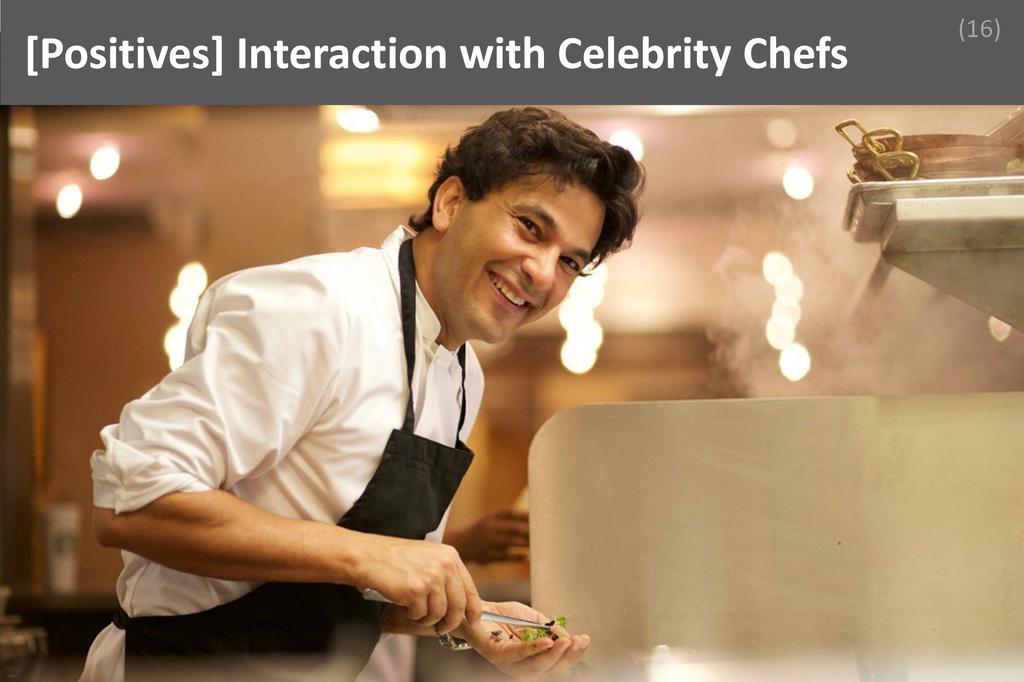
Interacting with Celebrity Chef refers to the unique opportunities food bloggers have to connect, collaborate, and communicate directly with renowned culinary personalities. This interaction can take the form of interviews, joint cooking sessions, exclusive events, or behind-the-scenes access, providing invaluable insights, inspiration, and exposure that elevate the food blogging profession.
The chance to interact with celebrity chefs is a transformative aspect of food blogging, offering both personal and professional enrichment. These encounters allow bloggers to learn cutting-edge techniques, gain insider knowledge, and develop authentic relationships within the culinary world. Such experiences not only boost credibility and authority but also open doors to new audiences and collaborations. The excitement of engaging with culinary icons fuels creativity and motivation, making each day on the job more dynamic and fulfilling. For many food bloggers, these interactions are a source of pride and inspiration, reinforcing their passion for sharing stories, recipes, and experiences with their followers.
Imagine a food blogger invited to an exclusive cooking demonstration hosted by a world-famous chef. During the event, the blogger has the chance to ask questions, observe expert techniques up close, and even participate in preparing a signature dish. This hands-on experience becomes the centerpiece of a compelling blog post, complete with personal anecdotes and professional tips shared by the chef. The blogger’s audience responds enthusiastically, drawn in by the authenticity and excitement of the encounter. Not only does this interaction deepen the blogger’s expertise, but it also strengthens their connection with readers and enhances their reputation within the food community.
Travel and Exposure

Travel and Exposure in food blogging refers to the opportunity to visit diverse locations, immerse oneself in different cultures, and experience a wide variety of cuisines firsthand. This dynamic aspect allows food bloggers to broaden their perspectives, enrich their content, and connect with global audiences through authentic storytelling and culinary discovery.
The chance to travel and gain exposure is a cornerstone of what makes food blogging so rewarding. Exploring new places and cultures not only fuels creativity but also deepens a blogger’s understanding of food traditions and culinary techniques. This constant learning and discovery keep the profession exciting and fresh, preventing monotony and sparking inspiration for new content. The ability to share unique experiences with followers builds a loyal audience and enhances personal growth. Each journey offers fresh stories, flavors, and insights, making every day different from the last. This ongoing adventure is a powerful motivator, driving job satisfaction and opening doors to collaborations, partnerships, and professional growth that might not be possible in more static careers.
Imagine a food blogger traveling to the bustling streets of Bangkok, where they sample authentic street food, learn traditional recipes from local chefs, and document their experiences through vivid photography and engaging stories. This immersive exposure allows them to share not just recipes, but the cultural context and personal connections behind each dish. Their audience is transported alongside them, experiencing the sights, sounds, and flavors of Thailand. The blogger returns home with a wealth of new knowledge, inspiration, and content ideas, feeling energized and fulfilled by the journey. This real-world adventure exemplifies how travel and exposure transform food blogging into a vibrant, ever-evolving career.
Challenges
Health Issues

Health issues in food blogging refer to the physical and mental strains that arise from constant recipe testing, frequent dining out, irregular eating patterns, and long hours spent editing content. These challenges are demanding because they can lead to weight fluctuations, digestive problems, stress, and burnout, directly impacting a blogger’s well-being.
The demands of food blogging often require professionals to taste multiple dishes in a single day, work late into the night editing photos and writing posts, and attend numerous food events. This lifestyle can disrupt healthy eating habits, sleep schedules, and exercise routines, leading to fatigue and health complications. Overcoming these challenges requires resilience, self-awareness, and proactive management. Successful food bloggers set boundaries around their work hours, plan balanced meals, and incorporate regular physical activity into their routines. They also prioritize mental health by scheduling downtime and seeking support when needed. By developing mindful eating habits and maintaining a structured schedule, they manage to balance their passion for food with their personal health.
Consider a food blogger who began experiencing digestive issues and fatigue after several years of constant recipe development and restaurant reviews. Recognizing the toll on her health, she decided to implement structured meal planning and limited her tasting sessions to specific days. She also scheduled regular exercise and meditation breaks, ensuring she maintained both physical and mental well-being. By communicating her new boundaries to collaborators and followers, she managed expectations and fostered understanding. Over time, her health improved, and she found renewed creativity and energy for her work. This approach not only enhanced her personal well-being but also set a positive example for her audience about the importance of self-care in a demanding profession.
Constant Updating

Constant Updating in Food Blogging refers to the ongoing need to refresh content, adapt to evolving food trends, update recipes, and maintain active engagement across multiple platforms. This demand is relentless, requiring bloggers to stay relevant, respond to audience expectations, and consistently deliver fresh, high-quality material in a highly competitive environment.
The necessity for constant updating can make daily work in food blogging feel overwhelming, as it requires perpetual vigilance and adaptability. Bloggers must monitor trends, revise older posts, and maintain a steady stream of new content, all while engaging with their audience in real time. This ongoing pressure can lead to burnout if not managed carefully, demanding resilience and strong organizational skills. Successful professionals address this challenge by developing efficient content calendars, batching tasks, and leveraging automation tools for scheduling posts and social media updates. They also prioritize self-care and set realistic expectations, understanding that sustainable growth comes from consistency rather than perfection. By embracing flexibility and continuous learning, they transform the challenge of constant updating into an opportunity for creative evolution.
Consider a food blogger who notices a surge in interest for plant-based recipes. Instead of feeling overwhelmed by the need to update her content, she reviews her most popular posts and refreshes them with new plant-based alternatives, photographs, and nutritional information. She schedules these updates strategically, using analytics to determine optimal posting times and automating her social media announcements. By planning ahead and repurposing existing content, she maintains her blog’s relevance and keeps her audience engaged without sacrificing her well-being. This approach not only helps her stay ahead of trends but also fosters a loyal readership that values her commitment to providing timely, high-quality content.
Difficulties with PR Company

Difficulties with PR Company in food blogging refer to miscommunications, mismatched expectations, or lack of timely support from public relations agencies representing brands. This challenge is demanding because it can hinder access to collaborations, disrupt content schedules, and strain professional relationships, ultimately impacting a food blogger’s credibility and growth opportunities.
When food bloggers encounter difficulties with PR companies, their workflow can be disrupted by delayed responses, unclear briefs, or last-minute changes to campaigns. This uncertainty can lead to missed deadlines, inconsistent content, and frustration. Navigating these challenges requires resilience, as bloggers must remain adaptable and maintain professionalism even when communication falters. Successful professionals manage this constraint by proactively clarifying expectations, documenting agreements, and building direct relationships with brand representatives when possible. They also develop contingency plans for content and maintain a positive, solution-oriented attitude, which helps preserve long-term partnerships and ensures that their creative output remains consistent despite external obstacles.
Consider a food blogger who is invited to participate in a high-profile product launch but receives vague instructions and sporadic communication from the PR company managing the campaign. Instead of allowing confusion to derail the project, the blogger takes initiative by requesting a detailed brief, confirming deadlines, and suggesting a call to clarify deliverables. By maintaining open, polite communication and documenting all agreements, the blogger ensures both parties are aligned. When the PR company later requests a last-minute change, the blogger refers to the documented agreement and negotiates a feasible solution, ultimately delivering quality content on time. This proactive approach not only salvages the collaboration but also strengthens the blogger’s reputation for professionalism.
A Day Of
Food Blogging
The aroma of freshly brewed coffee mingles with the anticipation of a new recipe as the day begins for a food blogging professional. Far from a leisurely stroll through the kitchen, each day is a fast-paced blend of creativity, precision, and digital savvy. The kitchen doubles as a studio, the laptop is never far from reach, and the clock ticks in sync with the demands of content creation, social media engagement, and the ever-hungry appetites of an online audience. In this world, inspiration and deadlines are equally important ingredients, and every hour brings a new flavor to the workday.
As dawn breaks, the food blogger’s day starts with a quiet review of the editorial calendar and a scan of overnight analytics. This early hour is reserved for prepping ingredients, sketching out recipe ideas, and setting up the kitchen for the day’s shoot. The soft morning light is perfect for food photography, so there’s a careful arrangement of props, backdrops, and camera equipment. Emails from brands, readers, and collaborators are checked, ensuring that the day’s priorities are clear and that any urgent messages are addressed before the creative whirlwind begins.
By mid-morning, the kitchen comes alive with the sizzle of pans and the vibrant colors of fresh produce. This is the heart of the food blogger’s day, where recipes are tested, tweaked, and brought to life. The process is a dance between cooking and capturing—each step meticulously photographed or filmed for blog posts, social media stories, and video content. There’s a constant balancing act between culinary artistry and visual storytelling, with attention paid to lighting, composition, and the narrative behind each dish. The pressure is on to create content that is not only delicious but also visually irresistible to followers.
Afternoon signals a shift from the kitchen to the digital workspace. Here, the focus turns to editing photos and videos, crafting engaging blog posts, and scheduling content across multiple platforms. Collaboration is key, whether it’s responding to comments, coordinating with brand partners, or participating in virtual meetings with fellow bloggers and photographers. The work is detail-oriented and deadline-driven, requiring a sharp eye for aesthetics and a knack for connecting with an online community that craves both authenticity and inspiration.
As the day winds down, the food blogger reviews the day’s accomplishments and begins planning for tomorrow. This is the time for administrative tasks like updating editorial calendars, tracking expenses, and researching upcoming food trends or seasonal ingredients. There’s a final check of social media engagement, responding to late comments and messages, and jotting down fresh ideas sparked by the day’s work. The kitchen is tidied, equipment is stored, and a sense of satisfaction settles in, knowing that tomorrow will bring another round of culinary creativity and digital storytelling. |


 Home
Home Abroad
 Plan
Plan Philosophy
 Seminar
 Pages
Pages Advisors
 Testimonials











 Workshop
 Discuss
 Meet
Meet
 Advisor
 Story
Story
 Fine Print
 Links
Links
 Blog
Blog
 Follow
