The Journey of Food Blogging
What Is Food Blogging
Food Blogging

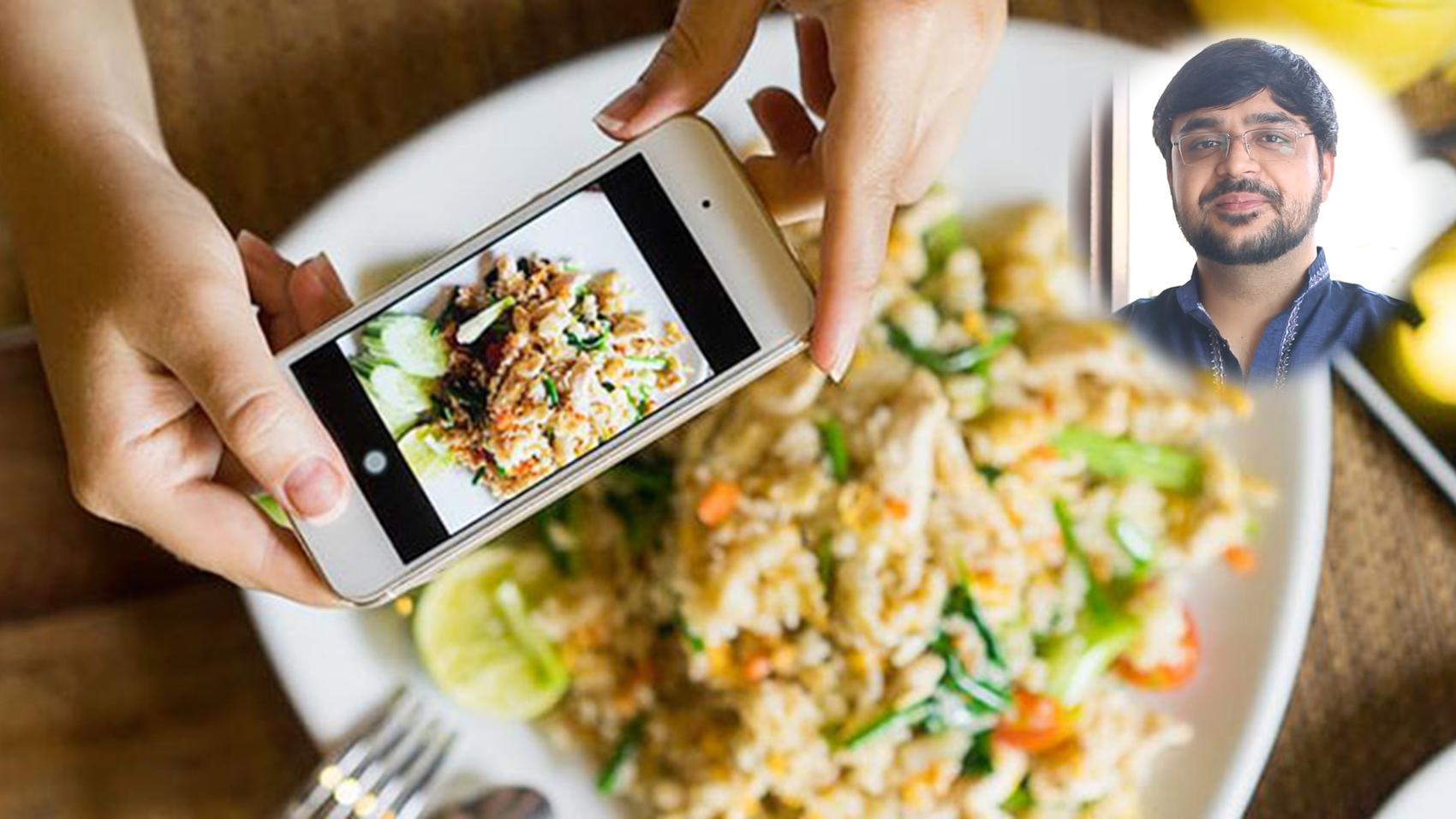
Food blogging is the practice of creating and sharing content focused on food, recipes, culinary experiences, and related topics through digital platforms. Food bloggers often combine writing, photography, and sometimes video to engage audiences, share expertise, and build communities around their passion for cooking, dining, and food culture.
Food blogging has transformed the way people discover, prepare, and appreciate food. It empowers individuals to share their culinary journeys, connect with like-minded enthusiasts, and influence food trends globally. For professionals, food blogging offers creative freedom, the ability to build a personal brand, and opportunities for income through partnerships, sponsored content, and advertising. It also fosters a sense of community, as bloggers interact with readers and other creators, exchanging ideas and inspiration. The platform allows for continuous learning and skill development in areas such as photography, writing, and digital marketing, making it a dynamic and rewarding career path for those passionate about food and storytelling.
A professional food blogger might start by developing original recipes in their home kitchen, carefully documenting each step with high-quality photographs and detailed notes. They then craft engaging blog posts that not only share the recipe but also tell the story behind it, perhaps highlighting cultural influences or personal memories. By consistently publishing content and interacting with readers through comments and social media, the blogger builds a loyal audience. Over time, they may collaborate with brands, review restaurants, or even publish a cookbook, leveraging their blog as a platform for broader opportunities. This approach demonstrates how food blogging can evolve from a personal passion into a viable and influential career.
Education
Food

Food refers to any substance consumed to provide nutritional support for the body, typically originating from plants or animals, and containing essential nutrients such as carbohydrates, fats, proteins, vitamins, and minerals. In food blogging, understanding food encompasses its cultural, nutritional, and sensory aspects, forming a crucial foundation for credible content.
A deep understanding of food is essential for anyone aspiring to excel in food blogging. This knowledge enables bloggers to accurately describe ingredients, cooking methods, and flavor profiles, lending authenticity and authority to their content. Mastery of food concepts allows bloggers to create engaging narratives, offer reliable advice, and connect with diverse audiences who seek both inspiration and information. Over time, this expertise builds trust and credibility, distinguishing a professional food blogger from hobbyists. It also opens doors to collaborations with chefs, brands, and publishers, as well as opportunities for product development and culinary education. Ultimately, a solid grasp of food forms the backbone of a sustainable, respected career in food blogging.
Consider a food blogger preparing a post about a traditional Italian risotto. Their theoretical understanding of food enables them to explain the science behind the creamy texture achieved through the gradual addition of broth and the use of specific rice varieties. They can discuss the cultural significance of the dish, recommend ingredient substitutions for dietary needs, and suggest wine pairings based on flavor profiles. This depth of knowledge not only enriches the blog post but also fosters reader engagement and trust. By applying their expertise, the blogger ensures their content is both informative and inspiring, setting themselves apart in a competitive field and attracting a loyal audience.
Photography & Editing

Photography & Editing refers to the art and technique of capturing images and refining them through digital or manual processes to enhance their visual appeal. In food blogging, this discipline is essential, as it bridges creative expression and technical skill, forming a cornerstone of both academic study and professional practice within the field.
Understanding photography and editing is crucial for anyone aspiring to excel in food blogging. The visual presentation of food is often the first point of engagement for readers, making high-quality images indispensable for attracting and retaining an audience. Mastery of photography allows bloggers to showcase dishes in the most appetizing and authentic way, while editing skills ensure that colors, textures, and details are optimized for various digital platforms. This knowledge not only elevates the overall aesthetic of a blog but also enhances brand credibility and marketability. Over time, proficiency in these areas can open doors to collaborations with restaurants, brands, and publishers, solidifying a food blogger’s reputation and expanding their professional opportunities.
Consider a food blogger preparing a post about a homemade pasta recipe. After carefully plating the dish, the blogger uses their understanding of lighting, composition, and camera settings to capture a series of photographs that highlight the pasta’s texture and vibrant colors. Once the shoot is complete, they employ editing software to adjust brightness, contrast, and saturation, ensuring the final images are visually striking and true to life. By applying these photography and editing techniques, the blogger creates content that not only entices readers to try the recipe but also enhances the blog’s visual identity, ultimately driving engagement and growth in their audience.
Culture

Culture encompasses the shared beliefs, customs, traditions, values, and practices that define a group of people or society. In food blogging, understanding culture is essential because it shapes culinary practices, influences food preferences, and provides context for recipes and dining experiences. Academically and professionally, culture underpins authentic storytelling and responsible content creation.
A deep understanding of culture is vital for food bloggers because it allows them to present food in its authentic context, respecting its origins and significance. This knowledge forms the backbone of credible and engaging content, enabling bloggers to connect with diverse audiences and avoid cultural appropriation or misrepresentation. By appreciating the cultural roots of dishes, food bloggers can craft richer narratives, foster cross-cultural appreciation, and build trust with their readers. Over time, this cultural literacy enhances a blogger’s reputation, opens opportunities for collaborations, and ensures their work remains relevant and respectful in a globalized digital landscape. Ultimately, mastering cultural concepts is a long-term investment in professional integrity and audience engagement.
Imagine a food blogger researching and writing about traditional Japanese ramen. Their understanding of Japanese culture guides them to highlight the dish’s historical evolution, regional variations, and the etiquette surrounding its consumption. Instead of merely sharing a recipe, the blogger explains the significance of ingredients like miso or dashi, and the cultural importance of slurping noodles. By interviewing local chefs and referencing authentic sources, the blogger ensures their content is both accurate and respectful. This approach not only educates readers but also honors the dish’s cultural heritage, setting the blogger apart as a thoughtful and credible voice in the food blogging community.
Social Platforms

Social platforms are online digital spaces or applications where users create, share, and interact with content and communities. In food blogging, these platforms serve as essential tools for publishing recipes, engaging with audiences, and building a personal brand. Mastery of social platforms is crucial for effective communication and audience growth.
Understanding social platforms is vital for anyone pursuing or advancing a career in food blogging. These platforms are the primary channels through which food bloggers reach their audience, showcase their culinary creations, and establish their authority in the field. By mastering the algorithms, content formats, and engagement strategies unique to each platform, food bloggers can significantly expand their reach and influence. This foundational knowledge not only helps in attracting and retaining followers but also opens doors to collaborations, sponsorships, and monetization opportunities. Over the long term, a deep understanding of social platforms ensures that food bloggers remain adaptable and competitive in a rapidly evolving digital landscape, securing sustained professional growth and relevance.
Consider a food blogger who has developed a new vegan dessert recipe. Drawing on their understanding of social platforms, they tailor their content for Instagram by creating visually appealing photos and short videos, while using Pinterest to share step-by-step infographics. They engage with followers in the comments, respond to direct messages, and participate in trending food challenges to boost visibility. By analyzing platform analytics, they identify the best times to post and the types of content that generate the most engagement. This strategic use of social platforms not only increases their audience but also attracts potential brand partnerships, demonstrating how theoretical knowledge is applied in daily food blogging operations.
Marketing

Marketing is the strategic process of identifying, anticipating, and satisfying customer needs through the creation, communication, and delivery of value. In the context of food blogging, marketing encompasses the skills and knowledge needed to attract, engage, and retain an audience, making it essential for professional growth and success.
Understanding marketing is crucial for anyone pursuing a career in food blogging because it bridges the gap between content creation and audience engagement. Mastery of marketing principles enables food bloggers to effectively promote their content, build a recognizable brand, and foster a loyal community. This knowledge forms the backbone of professional food blogging, as it empowers individuals to analyze market trends, understand audience preferences, and strategically position their blog within a competitive landscape. Over time, strong marketing skills open doors to collaborations, sponsorships, and monetization opportunities, ensuring long-term sustainability and growth in the ever-evolving digital food space.
Consider a food blogger who has developed a unique recipe series focused on plant-based meals. By applying their marketing knowledge, they conduct audience research to identify trending dietary interests and tailor their content accordingly. They craft compelling social media posts, optimize their blog for search engines, and collaborate with brands that align with their niche. Through targeted email newsletters and engaging storytelling, they nurture a dedicated readership. This strategic approach, rooted in marketing theory, not only increases their blog traffic but also attracts partnership offers from food companies, demonstrating how marketing expertise translates into tangible professional success in daily food blogging operations.
Skills
Patience

Patience is the ability to remain calm, composed, and persistent in the face of delays, challenges, or setbacks, without becoming frustrated or discouraged. In food blogging, patience is a vital skill that allows professionals to perfect recipes, build an audience, and steadily improve their craft over time.
Patience directly enhances a food blogger’s performance by enabling them to handle the inevitable setbacks that come with recipe testing, content creation, and audience engagement. Clients and employers value patience because it ensures consistent quality and reliability, even when results are not immediate. A patient food blogger is more likely to experiment with new techniques, refine their photography, and thoughtfully respond to feedback, all of which contribute to long-term success. Cultivating patience involves setting realistic expectations, practicing mindfulness, and viewing each challenge as an opportunity to learn rather than a reason to give up. Over time, this mindset leads to greater resilience and a more sustainable, rewarding career in food blogging.
Imagine a food blogger developing a new recipe for a client’s campaign. The initial attempts result in dishes that lack the desired flavor and visual appeal. Instead of rushing to publish or becoming discouraged, the blogger patiently tweaks ingredients, adjusts cooking times, and retests the recipe multiple times. They also wait for the perfect natural lighting to photograph the finished dish, even if it means postponing the shoot. Through this patient, iterative process, the blogger eventually creates a standout recipe and stunning visuals that delight the client and engage their audience. This scenario highlights how patience enables food bloggers to overcome obstacles, deliver exceptional results, and build a reputation for quality and reliability.
Communication Skills

Communication skills refer to the ability to convey information clearly, effectively, and appropriately through written, verbal, and visual means, while also actively listening and responding to others. In food blogging, these skills are crucial for engaging audiences, collaborating with brands, and sharing recipes or stories in a compelling and accessible manner.
Strong communication skills directly enhance a food blogger’s ability to connect with readers, articulate culinary techniques, and build a loyal following. Clients and employers highly value these skills because they ensure that sponsored content, reviews, and collaborations are presented professionally and authentically, reflecting positively on both the blogger and their partners. To cultivate communication skills, food bloggers should practice writing engaging posts, interact with their audience through comments and social media, and seek feedback to refine their messaging. Over time, consistent effort in storytelling, clarity, and responsiveness helps bloggers establish credibility and trust, making their content more influential and their professional relationships more fruitful.
Imagine a food blogger who receives negative feedback on a newly published recipe due to unclear instructions. By leveraging strong communication skills, the blogger promptly acknowledges the concerns, clarifies the steps in a follow-up post, and engages with readers to ensure understanding. This transparent and empathetic approach not only resolves confusion but also demonstrates professionalism and respect for the audience. As a result, the blogger strengthens their reputation, retains reader loyalty, and attracts potential brand collaborations, all by effectively addressing a critical issue through clear and thoughtful communication.
Content Writing

Content writing is the art and science of creating clear, engaging, and purposeful written material tailored to a specific audience and objective. In food blogging, content writing transforms recipes, reviews, and culinary experiences into compelling stories that inform, entertain, and inspire readers, making it indispensable for building a loyal audience.
Mastering content writing elevates a food blogger’s ability to communicate ideas, share recipes, and convey personal experiences in a way that resonates with readers. This skill enhances blog visibility through search engine optimization, encourages audience engagement, and establishes authority within the niche. Clients and employers highly value content writers who can consistently produce high-quality, original, and well-structured posts that drive traffic and foster community. Developing this skill involves regular practice, studying successful blogs, seeking feedback, and staying updated on trends in both food and digital content. Over time, a food blogger who hones their writing will notice improved reader retention, increased opportunities for collaboration, and greater professional credibility.
Imagine a food blogger facing declining website traffic despite sharing innovative recipes. By leveraging strong content writing skills, the blogger revises their posts to include vivid storytelling, descriptive language, and engaging introductions that draw readers in. They optimize their content for search engines and incorporate personal anecdotes that connect emotionally with their audience. As a result, readers spend more time on the blog, share posts on social media, and leave enthusiastic comments. This renewed engagement not only reverses the traffic decline but also attracts sponsorships and partnerships, demonstrating how essential content writing is for overcoming challenges and achieving lasting success in food blogging.
Awareness

Awareness is the ability to perceive, understand, and respond thoughtfully to one’s environment, trends, audience needs, and personal strengths or weaknesses. In food blogging, awareness enables professionals to create relevant content, adapt to changing tastes, and maintain authenticity, making it a cornerstone for sustained engagement and growth.
Awareness enhances a food blogger’s performance by allowing them to anticipate audience preferences, recognize emerging culinary trends, and adjust their content strategy accordingly. Clients and employers value this skill because it ensures the blog remains fresh, relatable, and competitive in a crowded market. Cultivating awareness involves actively listening to feedback, monitoring analytics, staying informed about industry developments, and reflecting on one’s creative process. Over time, consistent practice of these habits sharpens a blogger’s intuition, enabling them to make informed decisions that resonate with their audience and align with brand goals. This ongoing development not only boosts content quality but also fosters trust and loyalty among readers and collaborators.
Imagine a food blogger who notices a sudden spike in interest around plant-based recipes through comments and social media engagement. By being aware of this shift, the blogger quickly researches and experiments with new vegan dishes, sharing them on their platform. This timely response not only satisfies existing followers but also attracts a broader audience seeking plant-based options. The blogger’s awareness allows them to collaborate with brands specializing in vegan products, further expanding their reach and credibility. In this scenario, awareness acts as the catalyst for seizing new opportunities, strengthening the blog’s relevance, and positioning the blogger as an industry leader attuned to both audience desires and market trends.
Promptness

Promptness is the ability to respond, act, or deliver work swiftly and within expected timeframes, ensuring tasks are completed without unnecessary delay. In food blogging, promptness means publishing content while trends are hot, engaging with audiences in real time, and meeting deadlines for collaborations or sponsored posts. This skill ensures that a food blogger remains relevant, builds trust with followers, and maintains strong professional relationships. Promptness is a cornerstone of reliability, helping food bloggers stand out in a fast-paced digital landscape where timing can be the difference between viral success and missed opportunities.
Promptness directly enhances a food blogger’s performance by ensuring that content is timely, relevant, and aligned with current trends or seasonal events. Clients and employers highly value this skill because it demonstrates professionalism, respect for deadlines, and the ability to capitalize on fleeting opportunities, such as trending recipes or viral food challenges. Cultivating promptness involves setting clear schedules, using planning tools, and practicing disciplined time management. Over time, consistently meeting deadlines and responding quickly to feedback or opportunities builds a reputation for reliability. This not only attracts more collaborations but also fosters a loyal audience who can depend on fresh and timely content.
Imagine a food blogger who receives a last-minute invitation to participate in a trending social media challenge involving a unique recipe ingredient. By acting promptly, the blogger quickly develops a creative recipe, photographs the process, and publishes a blog post and social media updates within hours. This swift response allows the blogger’s content to ride the wave of the trend, attracting significant attention and engagement from both followers and brands. The blogger’s promptness not only boosts their visibility but also demonstrates to potential collaborators that they can deliver high-quality work under tight deadlines, opening doors to future opportunities and partnerships.
Food Presentation Skills

Food Presentation Skills refer to the ability to arrange, style, and display food in a visually appealing manner, enhancing its attractiveness and desirability. In food blogging, this skill transforms ordinary dishes into captivating visual stories, making content more engaging and shareable. It is a cornerstone for building a successful online presence.
Mastering food presentation directly elevates the quality of a food blog, making posts more visually compelling and likely to attract a larger audience. Clients and employers highly value this skill because beautifully presented food increases engagement, drives traffic, and can even influence purchasing decisions. A food blogger with strong presentation skills stands out in a crowded market, often leading to more collaborations and sponsorships. To cultivate this skill, one should study plating techniques, experiment with color and texture, and stay updated on visual trends in food media. Regular practice, constructive feedback, and analyzing successful food blogs can further refine one’s ability to present food in the most appealing way possible.
Imagine a food blogger preparing a post about a homemade chocolate cake. The initial photos, though technically sound, fail to capture the cake’s rich texture and decadent appeal, resulting in low engagement. Recognizing the issue, the blogger applies advanced food presentation skills by carefully slicing the cake to reveal its moist interior, adding a dusting of powdered sugar, and styling the scene with complementary props and natural lighting. The updated images transform the post, drawing enthusiastic responses from readers and attracting the attention of a baking brand seeking collaboration. In this scenario, food presentation skills not only solve the immediate problem of lackluster visuals but also open doors to new professional opportunities.
Positives
Trying New Cuisines

Trying new cuisines means exploring and tasting dishes from different cultures, regions, and traditions, often venturing beyond familiar flavors and ingredients. For food bloggers, this practice opens doors to unique culinary experiences, broadens their palate, and enriches their content, making their work more diverse, engaging, and culturally insightful.
Embracing new cuisines is a cornerstone of food blogging, offering both personal and professional enrichment. This continual exploration keeps the work dynamic and exciting, preventing monotony and sparking creativity. Food bloggers who regularly try unfamiliar dishes gain a deeper appreciation for global food traditions, which translates into more authentic and compelling storytelling. This not only attracts a wider audience but also fosters professional growth, as bloggers become recognized for their adventurous spirit and cultural sensitivity. The daily opportunity to taste and review new foods transforms routine work into a journey of discovery, making each day uniquely satisfying and inspiring.
Imagine a food blogger traveling to Thailand for the first time, eager to immerse themselves in the local street food scene. As they sample spicy papaya salad, fragrant coconut curries, and crispy insect snacks, they document their reactions and insights for their readers. The excitement of tasting unfamiliar flavors and learning the stories behind each dish fuels their passion for sharing these experiences. This adventure not only provides fresh, engaging content for their blog but also deepens their understanding of Thai culture and cuisine. The fulfillment comes from both personal growth and the joy of connecting their audience to new culinary worlds, illustrating the profound impact of trying new cuisines in food blogging.
Travelling

Travelling is the act of journeying to different places, both near and far, to explore new environments, cultures, and experiences. In food blogging, travelling means venturing beyond familiar surroundings to discover unique cuisines, local ingredients, and culinary traditions. This exposure enriches content and broadens the blogger’s perspective, making their work more vibrant and authentic.
The opportunity to travel is a transformative benefit for food bloggers, as it allows them to immerse themselves in diverse culinary landscapes. Experiencing food in its native context deepens understanding and appreciation, which translates into more engaging and insightful content for their audience. Travelling fosters creativity, as bloggers encounter new flavors, techniques, and stories that inspire fresh ideas. This constant exposure to novelty keeps the work exciting and prevents stagnation, leading to greater job satisfaction. Additionally, building connections with chefs, artisans, and fellow food enthusiasts around the world can open doors to collaborations and professional growth. Every journey becomes a source of inspiration, making each day on the job feel like an adventure.
Imagine a food blogger who travels to Vietnam to explore its vibrant street food culture. Walking through bustling markets in Hanoi, they sample pho from a family-run stall, learn the secrets of making banh mi from a local baker, and capture the lively atmosphere through photos and stories. These firsthand experiences allow the blogger to share authentic insights and flavors with their readers, transporting their audience to the heart of Vietnamese cuisine. The journey not only enriches the blogger’s content but also fuels their passion for discovery, reminding them why they chose this path. Travelling transforms their work into a continuous journey of learning and connection.
Networking

Networking is the process of building and nurturing relationships with individuals, groups, or organizations to exchange information, ideas, and opportunities. In food blogging, networking connects creators with fellow bloggers, chefs, brands, and audiences, fostering collaboration, inspiration, and growth. This dynamic web of connections enriches the professional journey and opens new doors.
The power of networking in food blogging lies in its ability to transform solitary work into a vibrant, collaborative experience. By connecting with others in the industry, food bloggers gain access to fresh perspectives, valuable feedback, and potential partnerships. These relationships often lead to exciting collaborations, invitations to exclusive events, and opportunities to learn from seasoned professionals. Networking also helps bloggers stay updated on trends, tools, and best practices, which can significantly enhance their content and reach. The sense of community and support that comes from networking boosts job satisfaction, making the journey less isolating and more fulfilling. Every day, professionals in this field experience the joy of sharing knowledge, celebrating successes, and growing together.
Imagine a food blogger who attends a local culinary event and strikes up a conversation with a renowned chef. Through this connection, the blogger is invited to an exclusive kitchen tour, where they meet other influential figures in the food industry. These new relationships lead to collaborative recipe projects, guest posts, and even sponsorship opportunities from food brands. As the blogger shares these experiences with their audience, their credibility and following grow. The encouragement and inspiration gained from these interactions not only enhance the blogger’s skills but also create a sense of belonging within the food community. This real-world scenario highlights how networking can turn passion into lasting professional success and personal fulfillment.
Satisfaction

Satisfaction is the deep sense of fulfillment and contentment that arises when personal passions align with meaningful achievements and positive feedback. In food blogging, satisfaction stems from the creative process, sharing culinary experiences, and connecting with an engaged audience. This feeling fuels motivation, enhances well-being, and fosters a rewarding professional journey.
Satisfaction is a cornerstone of a thriving career in food blogging because it transforms daily tasks into meaningful experiences. When bloggers feel satisfied, they are more likely to approach their work with enthusiasm and creativity, which leads to higher-quality content and stronger audience engagement. This positive cycle not only boosts personal happiness but also encourages professional growth, as satisfied bloggers are more resilient to challenges and open to learning new skills. The sense of accomplishment that comes from inspiring others, receiving appreciative comments, or seeing a recipe go viral reinforces the value of their work. Ultimately, satisfaction sustains long-term commitment and helps food bloggers build a unique and influential presence in the digital world.
Imagine a food blogger who spends hours perfecting a new recipe, photographing each step, and crafting a heartfelt story to accompany the post. After publishing, they receive messages from readers who tried the recipe and loved it, sharing photos of their own creations. The blogger feels a profound sense of satisfaction, knowing their passion has inspired others and brought joy into their kitchens. This fulfilling feedback not only validates the blogger’s efforts but also motivates them to continue exploring new ideas and sharing their culinary journey. Each positive interaction and moment of connection with the audience reinforces the blogger’s love for their craft, making every challenge worthwhile.
Challenges
No Support

"No Support" in food blogging refers to the absence of encouragement, guidance, or assistance from peers, family, or the professional community. This challenge is demanding because it can lead to isolation, self-doubt, and a lack of resources, making it difficult to sustain motivation and achieve consistent growth.
The absence of support in food blogging can make daily tasks such as content creation, recipe testing, and audience engagement feel overwhelming and solitary. Without encouragement or feedback, bloggers may struggle with motivation and creative blocks, leading to burnout or stagnation. This challenge demands resilience, as professionals must rely on their own resourcefulness and determination to push through setbacks. Successful food bloggers often manage this constraint by seeking out online communities, building virtual networks, and engaging with their audience to create a sense of belonging. They also invest in self-education and celebrate small wins to maintain momentum, gradually transforming isolation into an opportunity for self-growth and independent achievement.
Consider a food blogger who starts their journey without support from friends or family, facing skepticism about the viability of their passion. Despite this, they consistently publish recipes and food stories, reaching out to fellow bloggers through social media and participating in online forums. Over time, they build a network of like-minded individuals who share advice and encouragement. By interacting with their readers and responding to comments, they foster a loyal community that provides the feedback and motivation previously lacking. This proactive approach not only helps them overcome the initial lack of support but also strengthens their confidence and establishes their presence in the food blogging world.
Criticism

Criticism in food blogging refers to the feedback, both constructive and negative, that bloggers receive from readers, peers, or brands regarding their content, recipes, photography, or opinions. It is demanding because it often targets personal taste, creativity, and expertise, making it emotionally challenging and potentially discouraging for professionals.
The constant presence of criticism can affect a food blogger’s daily workflow by introducing self-doubt and anxiety, which may hinder creativity and productivity. Navigating this environment requires significant resilience, as bloggers must separate valuable feedback from unhelpful negativity. Successful professionals approach criticism as an opportunity for growth, using constructive comments to refine their skills and content. They develop a thick skin, learning not to take harsh words personally, and focus on their passion for food and storytelling. By engaging positively with their audience and maintaining a clear sense of purpose, they transform criticism into motivation, ensuring that their work continues to evolve and resonate with their followers.
Consider a food blogger who shares a unique fusion recipe that receives mixed reactions. Some readers praise the creativity, while others criticize the authenticity and flavor combinations. Instead of reacting defensively, the blogger thoughtfully responds to comments, acknowledging differing tastes and explaining their inspiration behind the dish. They use the feedback to experiment with new variations and invite followers to share their own adaptations. By embracing the conversation and showing openness to improvement, the blogger not only diffuses negativity but also fosters a sense of community. This approach strengthens their credibility and demonstrates that criticism, when managed constructively, can lead to richer content and deeper engagement.
Social Challenges

Social challenges in food blogging refer to the difficulties professionals face in building genuine connections, maintaining a supportive network, and handling public scrutiny or criticism online. These challenges are demanding because they require constant emotional resilience, adaptability, and the ability to engage authentically with diverse audiences while protecting one’s personal well-being.
Social challenges can significantly affect a food blogger’s daily work by creating emotional stress, reducing motivation, and sometimes leading to burnout. The pressure to maintain a positive online persona, respond to criticism, and continuously engage with followers can be overwhelming. This environment demands resilience, as bloggers must learn to separate constructive feedback from negativity and avoid taking harsh comments personally. Successful professionals often manage these constraints by setting healthy boundaries, seeking support from peers, and focusing on authentic engagement rather than popularity metrics. They prioritize self-care, curate their online interactions thoughtfully, and remember their passion for food and storytelling as the core motivation behind their work.
Consider a food blogger who receives negative comments after posting a culturally inspired recipe. Instead of reacting defensively, the blogger takes time to understand the feedback, engages respectfully with critics, and uses the opportunity to educate both themselves and their audience about cultural sensitivity. They reach out to fellow bloggers for advice and emotional support, which helps them process the experience constructively. By addressing the criticism openly and thoughtfully, the blogger not only strengthens their community relationships but also demonstrates resilience and professionalism. This approach transforms a potentially discouraging situation into a learning moment, reinforcing the importance of empathy and adaptability in overcoming social challenges.
Lack of Awareness

Lack of Awareness in food blogging refers to the limited recognition or understanding of a blogger’s content, expertise, or brand among potential readers, collaborators, or sponsors. This challenge is demanding because it restricts audience growth, engagement, and opportunities, making it difficult for bloggers to gain traction and establish credibility.
The challenge of lack of awareness can make daily work in food blogging feel isolating and discouraging. Content may go unnoticed despite significant effort, leading to slow audience growth and limited feedback. This situation demands resilience, as bloggers must persist through periods of low visibility and motivation. Successful professionals address this constraint by consistently producing high-quality, unique content and actively engaging with their target audience through social media, collaborations, and networking. They also invest time in understanding search engine optimization and digital marketing to increase their reach. By remaining adaptable and open to feedback, they gradually build a loyal following and establish their presence in the competitive food blogging landscape.
Consider a food blogger who initially struggled to attract readers despite sharing innovative recipes and beautiful photography. Recognizing the lack of awareness as a barrier, they began participating in online food communities, commenting on other blogs, and collaborating with fellow bloggers on themed recipe challenges. They also optimized their posts for search engines and shared behind-the-scenes stories on social media to connect with a broader audience. Over time, these efforts led to increased traffic, more engagement, and invitations to guest post on established platforms. By proactively addressing the challenge, the blogger transformed their visibility and built a supportive, engaged community around their work.
A Day Of
Food Blogging
The aroma of freshly brewed coffee mingles with the anticipation of a new recipe as the day begins for a food blogging professional. Far from a leisurely stroll through the kitchen, each workday is a dynamic blend of creativity, precision, and digital hustle. The pace is brisk, the environment ever-changing—one moment spent styling a plate in natural light, the next fielding comments from a global audience. Behind every mouthwatering post lies a carefully orchestrated routine that transforms culinary passion into a thriving online presence.
As dawn breaks, the food blogger’s day starts with a quiet review of the editorial calendar and a scan of overnight analytics. This early hour is reserved for prepping ingredients, jotting down recipe tweaks, and setting up the kitchen studio for optimal lighting. Emails from brands and followers are answered with a fresh mind, while a mental checklist forms for the day’s shoot. The calm of the morning is the perfect backdrop for organizing props, gathering inspiration, and ensuring every detail is in place before the creative storm begins.
By mid-morning, the kitchen transforms into a bustling production studio. This is the heart of the day, where recipes are tested, dishes are plated, and cameras click in rapid succession. The food blogger moves seamlessly between chef and photographer, adjusting garnishes for the perfect shot and capturing behind-the-scenes videos for social media. The pressure is on to balance authenticity with visual appeal, all while keeping an eye on the clock to catch the best natural light. It’s an intense, immersive period where creativity and technical skill converge to bring new content to life.
Afternoon signals a shift from creation to collaboration and execution. The freshly captured photos and videos are uploaded and meticulously edited, with attention paid to color, composition, and storytelling. Captions are crafted to engage readers, and posts are scheduled across various platforms. This is also the time for virtual meetings with brand partners, brainstorming sessions with fellow bloggers, and responding to comments from the community. The focus is on refining content and building relationships that sustain the blog’s growth.
As the day winds down, the food blogger turns to the numbers, reviewing post performance and audience feedback to gauge what resonated most. Administrative tasks like invoicing, updating the website, and organizing digital files are tackled with a sense of closure. Research for upcoming trends and recipe ideas fills the last quiet moments, while a rough plan for tomorrow’s content takes shape. The kitchen is tidied, the camera is set aside, and the cycle of creativity pauses—ready to begin anew with the next sunrise. |


 Home
Home Abroad
 Plan
Plan Philosophy
 Seminar
 Pages
Pages Advisors
 Testimonials












 Workshop
 Discuss
 Meet
Meet
 Advisor
 Story
Story
 Fine Print
 Links
Links
 Blog
Blog
 Follow
