The Journey of Food Blogging
What Is Food Blogging
Food Blogging
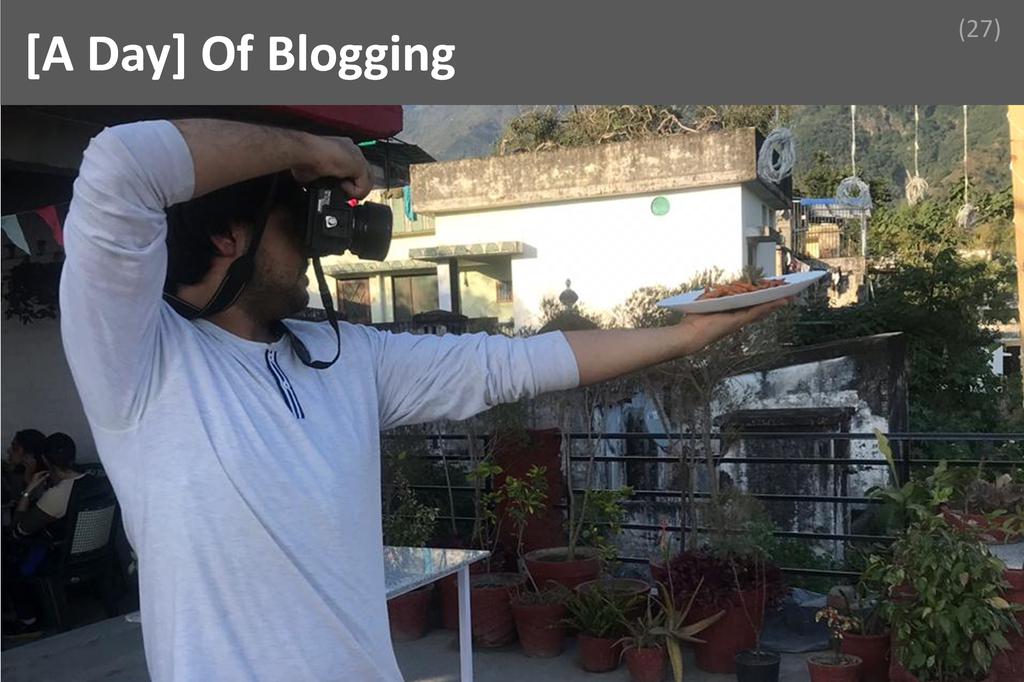
Food blogging is the practice of creating and sharing content focused on food, recipes, culinary experiences, and related topics through a personal or professional blog. Food bloggers often combine writing, photography, and sometimes video to engage audiences with stories, reviews, and tips about cooking, dining, and food culture.
Food blogging has become a significant platform for sharing culinary knowledge, inspiring creativity, and building communities around food. It allows professionals to showcase their expertise, connect with like-minded individuals, and influence food trends. One major benefit is the opportunity for personal branding, as bloggers can establish themselves as authorities in their niche. Another advantage is the potential for income through sponsored content, advertising, and partnerships with brands. Additionally, food blogging fosters continuous learning and skill development in areas such as writing, photography, and digital marketing, which are valuable across many industries.
A professional food blogger might start by developing unique recipes and documenting the process with high-quality photos and engaging stories. Over time, their blog attracts a loyal readership interested in home cooking and culinary tips. As their influence grows, they collaborate with kitchenware brands to review products and host giveaways, generating income and expanding their reach. They may also be invited to food festivals or cooking shows as guest speakers, further establishing their reputation. Through consistent content creation and audience engagement, the blogger not only shares their passion for food but also builds a sustainable career that blends creativity, entrepreneurship, and community interaction.
Education
Basic Principles of Photography

Basic Principles of Photography encompass the essential techniques and concepts such as exposure, composition, lighting, focus, and color balance that govern the creation of visually compelling images. In food blogging, mastering these principles is crucial, as high-quality photographs are fundamental for engaging audiences and conveying the appeal of culinary creations.
Understanding the basic principles of photography is vital for anyone pursuing a career in food blogging because visual storytelling is at the heart of this field. The ability to manipulate light, frame a shot, and control focus directly impacts how appetizing and professional a dish appears online. Mastery of these concepts not only enhances the aesthetic quality of blog content but also builds credibility and trust with readers. Over time, consistently well-executed photography can distinguish a food blogger in a crowded digital landscape, attract collaborations with brands, and open doors to broader opportunities such as cookbook publishing or food styling. Thus, a solid grasp of photographic fundamentals is a long-term investment in both creative expression and professional growth.
Imagine a food blogger preparing to publish a new recipe for a vibrant summer salad. Drawing on their knowledge of photography basics, they carefully select natural light near a window to highlight the freshness of the ingredients. They adjust the camera’s aperture to create a shallow depth of field, ensuring the salad remains the focal point while the background softly blurs. By thoughtfully composing the shot and considering color balance, they capture the vivid greens and reds in a way that looks both natural and enticing. This attention to photographic detail not only results in a visually stunning image but also encourages readers to try the recipe, demonstrating how theoretical knowledge translates into practical, impactful results in daily blogging activities.
Platform

Platform refers to the combination of digital spaces, tools, and channels that a food blogger uses to share content, engage with audiences, and build their brand. In food blogging, understanding platform means knowing how to leverage websites, social media, and content management systems to maximize reach and influence.
Grasping the concept of platform is essential for anyone pursuing a career in food blogging because it determines how effectively content reaches and resonates with an audience. A strong platform not only amplifies a blogger’s voice but also establishes credibility and trust within the food community. Mastery of platform fundamentals—such as optimizing blog design, utilizing social media algorithms, and integrating multimedia—forms the backbone of a successful food blogging career. Over time, this knowledge enables professionals to adapt to evolving digital trends, expand their audience, and create sustainable income streams through partnerships, sponsored content, and product offerings. Ultimately, understanding platform ensures that a food blogger’s creative efforts translate into tangible professional growth and long-term relevance in a competitive industry.
Consider a food blogger who has developed a signature recipe series. By understanding their platform, they strategically post recipes on their blog while simultaneously sharing behind-the-scenes videos on Instagram and engaging with followers through live Q&A sessions on Facebook. This integrated approach allows them to reach different audience segments, drive traffic back to their main website, and foster a loyal community. Their knowledge of platform analytics helps them identify which content performs best on each channel, enabling them to refine their strategy and maximize engagement. Through this daily application of platform theory, the blogger not only increases their visibility but also attracts collaboration opportunities with brands and other influencers, further advancing their career.
Audience

Audience refers to the specific group of people a food blogger aims to reach, engage, and influence through their content. In food blogging, understanding the audience is essential for tailoring recipes, writing style, and visual presentation. Academically and professionally, audience awareness guides content strategy and fosters meaningful connections with readers.
Grasping the concept of audience is vital for anyone entering or advancing in food blogging because it shapes every aspect of content creation, from recipe selection to storytelling and photography. Knowing who your readers are allows you to address their preferences, dietary needs, and culinary skill levels, ensuring your content resonates and builds loyalty. This foundational knowledge enables food bloggers to differentiate themselves in a crowded digital landscape, attract consistent traffic, and foster a dedicated community. Over time, a deep understanding of audience not only improves engagement and feedback but also opens doors to collaborations, sponsorships, and monetization opportunities, making it a cornerstone for sustainable career growth in the field.
Imagine a food blogger who has identified that their primary audience consists of busy parents seeking quick, healthy meal ideas. Drawing on this understanding, the blogger crafts recipes that require minimal preparation time and use accessible ingredients. In daily operations, they write concise, encouraging introductions and include practical tips for meal prep and storage, knowing these details matter to their readers. The blogger also interacts with followers in the comments, responding to questions about substitutions or time-saving techniques. By consistently aligning content with the audience’s needs and preferences, the blogger builds trust and loyalty, resulting in higher engagement, repeat visits, and positive word-of-mouth within their target community.
Skills
Sense of Taste

Sense of taste is the ability to perceive and distinguish flavors, textures, and aromas in food, allowing for nuanced appreciation and critical evaluation. In food blogging, this skill enables professionals to accurately describe culinary experiences, recommend dishes, and create engaging content that resonates with readers seeking authentic and trustworthy opinions.
A refined sense of taste elevates a food blogger’s credibility and content quality. It allows for detailed, evocative descriptions that transport readers and help them make informed choices. Clients and employers value this skill because it ensures reviews and recipes are both accurate and enticing, fostering trust and engagement. Developing this skill involves mindful eating, exposure to diverse cuisines, and regular practice in identifying subtle flavor notes. Over time, documenting tasting experiences and seeking feedback from culinary experts can further hone this ability. Consistent effort in expanding one’s palate and vocabulary ensures that a food blogger remains relevant and authoritative in a competitive industry.
Imagine a food blogger attending the launch of a new restaurant, tasked with reviewing the signature dish. The chef’s creation features an unexpected blend of spices and textures. Relying on a keen sense of taste, the blogger identifies the delicate balance between sweet and savory, the subtle heat from a rare chili, and the creamy undertones of a unique sauce. This detailed sensory analysis allows the blogger to craft a vivid, insightful review that captures the essence of the dish, impresses the restaurant’s PR team, and draws in readers eager for authentic recommendations. In this scenario, the sense of taste is the foundation for both professional credibility and audience engagement.
Content Creation

Content Creation is the process of generating original, engaging, and valuable material—such as articles, photos, videos, and recipes—tailored for a specific audience and platform. In food blogging, it forms the foundation for building a unique voice, attracting readers, and establishing credibility within a highly competitive digital landscape.
Mastering content creation elevates a food blogger’s performance by enabling them to consistently deliver fresh, high-quality posts that captivate and inform their audience. Clients and employers highly value this skill because it drives traffic, fosters community engagement, and enhances brand reputation. Over time, content creation can be cultivated through regular practice, staying updated with industry trends, and actively seeking feedback. By experimenting with different formats and storytelling techniques, food bloggers refine their ability to communicate visually and verbally, ensuring their content remains relevant and appealing. This ongoing development not only sharpens technical abilities but also helps bloggers adapt to changing audience preferences and platform algorithms, making them indispensable assets in the digital food space.
Imagine a food blogger facing a sudden drop in website traffic due to changing search engine algorithms. By leveraging strong content creation skills, the blogger quickly analyzes trending topics and audience interests, then crafts a series of visually stunning, SEO-optimized recipes and behind-the-scenes cooking videos. This strategic response not only revitalizes the blog’s engagement but also attracts new followers and potential brand partnerships. The blogger’s ability to produce timely, high-quality content ensures continued relevance and growth, demonstrating how essential content creation is for overcoming challenges and achieving sustained success in the food blogging industry.
Experimentation

Experimentation is the process of trying new ideas, techniques, or ingredients to discover what works best, often through trial and error. In food blogging, it involves testing recipes, presentation styles, and content formats to create unique, engaging material that stands out in a crowded digital landscape.
Experimentation directly enhances a food blogger’s performance by fostering creativity, adaptability, and continuous improvement. Clients and employers value this skill because it leads to innovative recipes, visually appealing content, and fresh perspectives that attract and retain audiences. By regularly stepping outside their comfort zone, food bloggers can identify trends, refine their culinary voice, and respond effectively to audience feedback. Cultivating experimentation involves embracing curiosity, learning from both successes and failures, and dedicating time to research and hands-on testing. Over time, this approach builds confidence and expertise, enabling bloggers to consistently deliver high-quality, original content that resonates with readers and meets the evolving demands of the food industry.
Imagine a food blogger who notices a decline in audience engagement with traditional dessert recipes. Instead of repeating the same approach, they decide to experiment by fusing global flavors, such as incorporating matcha into classic brownies or using alternative sweeteners. Through trial and error, they document the process, share behind-the-scenes insights, and invite audience feedback. This willingness to experiment not only revitalizes their content but also sparks conversations and attracts new followers interested in innovative recipes. Ultimately, the blogger’s commitment to experimentation leads to a signature style, increased engagement, and recognition from brands seeking creative collaborators, demonstrating how essential this skill is for overcoming challenges and achieving long-term success in food blogging.
Photography Skills

Photography skills refer to the ability to capture, compose, and edit images effectively, utilizing technical knowledge of cameras, lighting, and post-processing to create visually appealing photographs. In food blogging, these skills are crucial for presenting dishes in the most enticing way, engaging audiences, and enhancing the overall storytelling experience.
Mastering photography skills directly elevates the quality and appeal of a food blog, making content more shareable and memorable. Clients and employers highly value this expertise because visually stunning images can drive higher engagement, increase website traffic, and attract brand partnerships. High-quality photographs help convey the taste, texture, and freshness of food, which words alone cannot achieve. To cultivate photography skills, aspiring food bloggers should practice regularly, study food photography techniques, experiment with different lighting setups, and learn editing software to refine their images. Over time, consistent effort and a keen eye for detail enable bloggers to develop a unique visual style that sets their content apart in a competitive digital landscape.
Imagine a food blogger preparing a post about a new seasonal recipe. The dish looks vibrant in person, but initial photos appear dull and unappetizing. Drawing on their photography skills, the blogger adjusts the lighting, changes the angle, and uses props to enhance the composition. After editing the images for color balance and sharpness, the final photos capture the dish’s freshness and appeal. When the post goes live, the captivating visuals attract more readers, prompt social media shares, and even catch the attention of a local restaurant interested in collaboration. In this scenario, strong photography skills transform an ordinary post into a standout success, demonstrating their critical role in food blogging.
Updated with Latest Trends

"Updated with Latest Trends" refers to the continuous process of monitoring, understanding, and integrating the newest developments, technologies, and preferences within the food blogging industry. For a food blogger, this means staying aware of emerging cuisines, dietary movements, social media features, and audience engagement strategies to remain relevant and competitive.
Being updated with the latest trends directly enhances a food blogger’s performance by ensuring content remains fresh, appealing, and aligned with what audiences are currently seeking. Clients and employers highly value this skill because it demonstrates adaptability and a proactive approach to content creation, which can drive higher engagement and growth. Cultivating this skill involves regularly reading industry publications, following influential food bloggers, participating in webinars, and experimenting with new platforms or content formats. Over time, these habits help a food blogger anticipate shifts in audience preferences and quickly adapt their strategies, ensuring sustained relevance and success in a rapidly evolving digital landscape.
Imagine a food blogger noticing a sudden surge in interest for plant-based recipes on social media. By being updated with this trend, the blogger quickly develops a series of innovative vegan dishes, incorporates trending hashtags, and utilizes new Instagram Reels features to showcase the recipes. This timely response not only attracts a broader audience but also secures a partnership with a plant-based food brand seeking influencers who are ahead of the curve. The blogger’s ability to recognize and act on the trend results in increased followers, higher engagement rates, and new business opportunities, illustrating the tangible benefits of staying updated with the latest trends in food blogging.
Patience

Patience is the ability to remain calm, composed, and persistent in the face of delays, challenges, or setbacks, without becoming frustrated or giving up. In food blogging, patience enables professionals to perfect recipes, build an audience, and navigate the slow, often unpredictable process of growing a successful online presence.
Patience directly enhances a food blogger’s performance by allowing them to focus on quality rather than rushing content creation or recipe development. Clients and employers value this trait because it leads to more thoughtful, polished work and fosters reliability over time. A patient food blogger is more likely to experiment with recipes until they are just right, respond thoughtfully to feedback, and steadily build a loyal following. Cultivating patience involves setting realistic expectations, practicing mindfulness, and embracing the learning process. Over time, repeated exposure to setbacks and delays helps develop resilience, making it easier to stay motivated and productive even when progress seems slow.
Imagine a food blogger who spends weeks testing a new gluten-free bread recipe. Despite numerous failed attempts, the blogger resists the urge to publish a mediocre version just to meet a deadline. Instead, they patiently tweak ingredients and techniques, documenting each step for their audience. Eventually, their persistence pays off with a recipe that is both delicious and reliable. This dedication not only results in a high-quality blog post but also earns the trust and appreciation of readers who rely on the blogger’s expertise. By exercising patience, the blogger turns a challenging process into an opportunity for growth and lasting success.
Positives
Eating Good Food

Eating good food means savoring high-quality, delicious, and thoughtfully prepared dishes that delight the senses and nourish the body. In food blogging, this involves exploring diverse cuisines, sampling innovative recipes, and appreciating culinary artistry. This experience enriches the profession by fueling creativity, enhancing content authenticity, and deepening the blogger’s passion for their craft.
The opportunity to eat good food is a cornerstone of food blogging, transforming daily work into a journey of sensory discovery. This constant exposure to exceptional meals not only keeps motivation high but also sharpens a blogger’s palate and culinary knowledge. As food bloggers taste and review a variety of dishes, they develop a nuanced understanding of flavors, textures, and presentation, which translates into more engaging and credible content for their audience. This ongoing culinary adventure fosters personal growth and professional satisfaction, making each day exciting and unique. The joy of eating good food also builds connections with chefs, restaurateurs, and fellow food lovers, expanding the blogger’s network and opening doors to new opportunities.
Imagine a food blogger invited to a newly opened farm-to-table restaurant. As they sample a beautifully plated seasonal salad, bursting with fresh flavors and vibrant colors, they not only enjoy a memorable meal but also gather inspiration for their next blog post. The experience allows them to write authentically about the taste, texture, and story behind the ingredients, captivating their readers with vivid descriptions. This direct engagement with good food elevates their content, strengthens their reputation as a trusted voice in the culinary world, and brings genuine joy to their work. Each delicious bite becomes both a personal reward and a professional asset, fueling their passion for food blogging.
Travelling & Meeting People
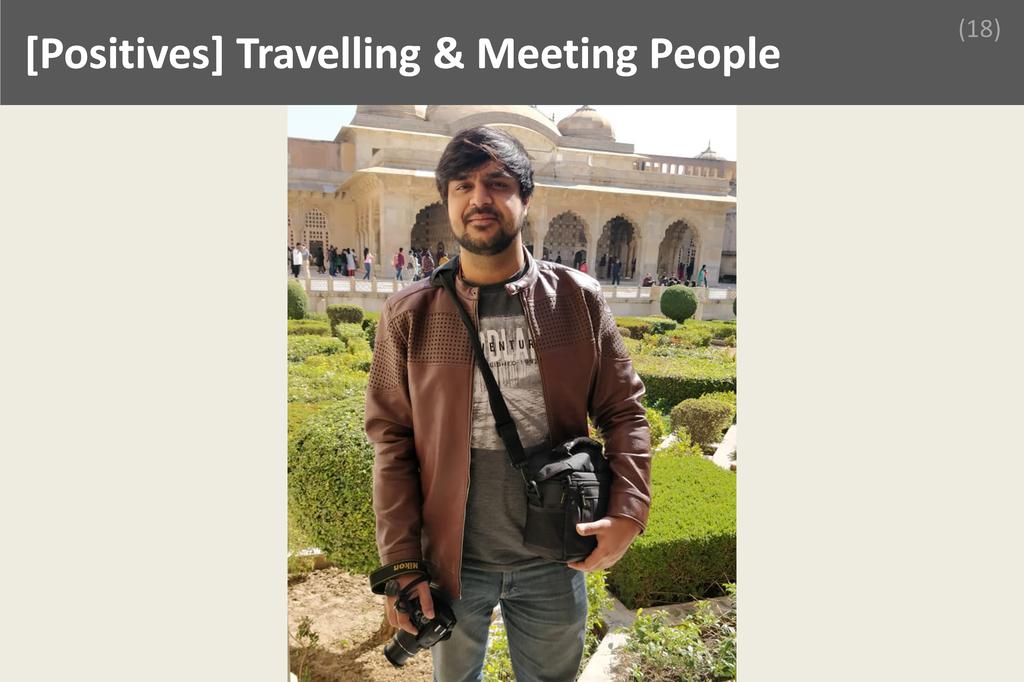
Travelling & Meeting People in food blogging means exploring diverse locations, cultures, and cuisines while connecting with chefs, home cooks, and fellow food enthusiasts. This dynamic interaction enriches content, fosters authentic storytelling, and opens doors to new culinary experiences, making the profession vibrant, engaging, and deeply rewarding for passionate food bloggers.
The opportunity to travel and meet people is a cornerstone of food blogging, transforming it from a solitary pursuit into a vibrant, interactive journey. Each new destination introduces bloggers to unique flavors, traditions, and stories, fueling creativity and expanding their culinary horizons. Engaging with local communities and industry professionals not only enhances content authenticity but also builds a supportive network that can lead to collaborations and growth opportunities. The daily experience of discovering new places and forming genuine connections infuses the work with excitement and purpose, making every assignment feel fresh and meaningful. This ongoing adventure significantly boosts job satisfaction, as food bloggers continuously learn, evolve, and share their discoveries with a global audience.
Imagine a food blogger traveling to a small coastal town to document its seafood traditions. Upon arrival, they are welcomed by a local fisherman who invites them to join a morning catch. Later, the blogger is introduced to a family-run restaurant where generations have perfected a signature dish. Through these encounters, the blogger not only gathers authentic recipes and stories but also forms lasting friendships and gains a deeper appreciation for the community’s culinary heritage. The resulting blog post resonates with readers, capturing the warmth and richness of the experience. This scenario highlights how travelling and meeting people transforms routine work into a deeply fulfilling and inspiring career.
Recognition

Recognition is the acknowledgment and appreciation received from others for one’s work, creativity, and influence. In food blogging, recognition comes from readers, fellow bloggers, brands, and the wider culinary community. This positive feedback not only validates the blogger’s efforts but also motivates them to continue sharing their passion and expertise.
Recognition is a driving force that elevates the food blogging experience, making it deeply rewarding. When bloggers receive praise, comments, or shares from their audience, it affirms their unique voice and culinary perspective. This sense of validation boosts self-confidence and encourages continuous improvement. Recognition also opens doors to collaborations, sponsorships, and invitations to exclusive events, which can accelerate professional growth. The daily experience of being valued by a supportive community fosters a sense of belonging and purpose. As food bloggers see their influence expand, their job satisfaction grows, inspiring them to innovate and connect even more deeply with their audience.
Imagine a food blogger who spends hours perfecting a new recipe and capturing its essence through stunning photography. After publishing the post, they receive heartfelt messages from readers who tried the recipe and loved it, as well as shares from prominent chefs and features on popular food websites. This outpouring of appreciation not only validates the blogger’s hard work but also amplifies their reach and reputation. The recognition fuels their passion, making the effort feel worthwhile and inspiring them to create even more engaging content. Through these daily moments of acknowledgment, the blogger experiences a profound sense of fulfillment and motivation to continue their culinary journey.
Challenges
Bloggers working for Less or No Money

In food blogging, "Bloggers working for Less or No Money" refers to individuals who create and share high-quality content without adequate financial compensation. This is demanding because it saturates the market, lowers perceived value, and makes it difficult for professionals to secure fair pay, sponsorships, or sustainable income.
This challenge affects daily work by intensifying competition and driving down rates for sponsored posts, freelance writing, and brand collaborations. Professionals must constantly justify their worth to clients who may expect free or low-cost content due to the abundance of unpaid bloggers. This environment demands resilience, as it can be discouraging to see hard work undervalued. Successful food bloggers navigate this constraint by building a unique brand, cultivating loyal audiences, and demonstrating the tangible results they deliver to partners. They focus on quality, consistency, and authenticity, which helps them stand out and command fair compensation despite the prevalence of unpaid work in the industry.
Consider a food blogger who noticed brands increasingly offering only free products instead of payment for recipe development and promotion. Rather than accepting these terms, the blogger invested time in developing a distinctive visual style and engaging storytelling that resonated with their audience. By sharing behind-the-scenes content and authentic reviews, they built trust and a strong following. When brands saw the blogger’s high engagement rates and loyal readership, they became willing to negotiate paid partnerships. This approach allowed the blogger to set clear boundaries, decline unpaid offers, and ultimately secure collaborations that recognized the true value of their work, successfully overcoming the challenge of competing with those working for little or no compensation.
Creating Good Content

Creating good content in food blogging means consistently producing engaging, visually appealing, and informative posts that resonate with readers while showcasing culinary expertise. This is demanding because it requires originality, high-quality photography, compelling storytelling, and up-to-date knowledge of food trends, all while maintaining authenticity and meeting audience expectations.
The challenge of creating good content can make daily work in food blogging both mentally and physically taxing. Professionals must constantly brainstorm fresh ideas, test recipes, style dishes, and capture enticing images, all while managing the technical aspects of blogging. This ongoing pressure can lead to creative fatigue and self-doubt, demanding resilience to push through uninspired periods. Successful food bloggers manage this constraint by developing a flexible content calendar, seeking inspiration from diverse sources, and allowing themselves room for experimentation and failure. They also engage with their audience to better understand preferences, which helps refine their content strategy. By embracing adaptability and continuous learning, they turn the challenge of content creation into an opportunity for growth and connection.
Consider a food blogger who faces a creative block after months of producing similar recipes. Instead of forcing uninspired content, they decide to explore a new cuisine, attending local cooking classes and documenting the learning process. This fresh perspective not only revitalizes their passion but also introduces their audience to unique flavors and techniques. By sharing behind-the-scenes stories, recipe trials, and even occasional failures, the blogger builds authenticity and trust with readers. The resulting content is richer and more engaging, demonstrating that overcoming the challenge of creating good content often involves stepping outside comfort zones, embracing curiosity, and inviting the audience along for the journey.
Difficulty in making Ends Meet

Difficulty in making ends meet in food blogging refers to the struggle of generating enough income to cover living expenses, content creation costs, and business investments. This challenge is demanding because monetization is often inconsistent, competition is fierce, and the time required to build a loyal audience can delay financial stability.
This financial strain can affect a food blogger’s daily workflow by forcing them to juggle multiple roles, from recipe development to photography and marketing, often without adequate resources. The uncertainty of income can lead to stress and burnout, making it essential to develop resilience and adaptability. Successful professionals often diversify their revenue streams, such as through sponsored content, affiliate marketing, and freelance writing, while maintaining a strict budget. They also focus on building a strong personal brand and cultivating a dedicated audience, which can lead to more stable opportunities. By continuously learning new skills and staying attuned to industry trends, food bloggers can better manage financial pressures and gradually achieve greater security.
Consider a food blogger who initially struggled to cover basic expenses due to irregular ad revenue and low sponsorship offers. Recognizing the need for stability, they began offering online cooking classes and selling digital cookbooks alongside their regular blog content. By engaging with their audience through social media and newsletters, they built a loyal community that supported their new ventures. Over time, these diversified income streams provided a more reliable financial foundation, allowing the blogger to invest in better equipment and dedicate more time to creative projects. This approach not only helped them make ends meet but also fostered long-term growth and sustainability in their food blogging career.
Fake Followers & Likes

In food blogging, "Fake Followers & Likes" refer to artificially inflated social media metrics created by bots or purchased engagement, rather than genuine audience interest. This issue is demanding because it undermines credibility, skews analytics, and can mislead brands or followers about a blogger’s true influence and reach within the food community.
The prevalence of fake followers and likes can significantly distort a food blogger’s daily workflow. It becomes challenging to accurately measure audience engagement, which is crucial for content planning and collaboration with brands. This artificial inflation can erode trust with both followers and potential partners, making it harder to build authentic relationships and secure meaningful sponsorships. Resilience is required to resist the temptation of shortcuts and to focus on organic growth, even when competitors appear to be advancing faster through inauthentic means. Successful professionals prioritize transparency, regularly audit their audience, and engage directly with real followers. By fostering genuine interactions and consistently delivering quality content, they maintain integrity and long-term credibility in a competitive digital landscape.
Consider a food blogger who notices a sudden spike in followers after a viral post, only to discover that many are inactive or bot accounts. Instead of ignoring the issue, the blogger uses analytics tools to identify and remove fake followers, ensuring their engagement rates remain accurate. They openly address the situation with their audience, explaining the importance of authentic community building. By continuing to interact with real followers through comments, polls, and live sessions, the blogger rebuilds trust and demonstrates a commitment to genuine engagement. This approach not only reassures brands of their credibility but also strengthens their reputation as an honest and reliable voice in the food blogging world.
Instagram's Ad Policy

Instagram's Ad Policy is a set of strict guidelines that govern what content can be promoted or advertised on the platform. For food bloggers, these rules are demanding because they restrict certain food-related claims, require transparency in partnerships, and often limit the promotion of specific products, impacting creative and commercial opportunities.
Instagram's Ad Policy significantly shapes the daily workflow of food bloggers by requiring careful scrutiny of every post, caption, and partnership. This constant vigilance can slow down content creation, introduce uncertainty about what will be approved, and sometimes result in rejected ads or shadowbanning. Navigating these constraints demands resilience, adaptability, and a willingness to stay informed about policy updates. Successful food bloggers manage this by proactively studying Instagram’s evolving guidelines, consulting with brand partners to ensure compliance, and crafting content that balances creativity with policy adherence. They often develop a keen sense for what is permissible, allowing them to maintain engagement and monetize their platforms without running afoul of Instagram’s rules.
Consider a food blogger who specializes in healthy recipes and regularly collaborates with supplement brands. When Instagram tightened its rules around health claims and supplement advertising, the blogger faced repeated ad rejections. Instead of abandoning these partnerships, the blogger adapted by working closely with brands to revise messaging, removing unsubstantiated claims, and focusing on educational content rather than direct promotion. By transparently disclosing partnerships and emphasizing the culinary aspects of the products, the blogger maintained compliance while still delivering value to both the audience and sponsors. This approach not only preserved the blogger’s income stream but also built trust with followers and brand partners, demonstrating resilience and adaptability in the face of policy challenges.
A Day Of
Food Blogging
The aroma of freshly brewed coffee mingles with the faint click of a camera shutter as the day begins for a food blogging professional. Far from a leisurely stroll through recipes and restaurant reviews, the pace is brisk and the environment is a whirlwind of creativity, precision, and digital hustle. Each day is a carefully orchestrated blend of culinary artistry, content creation, and online engagement, where the kitchen doubles as a studio and the laptop is never far from reach. In this world, every meal is a potential story, every photograph a chance to connect, and every hour a balancing act between inspiration and deadlines.
As dawn breaks, the food blogger’s day starts with a quiet moment of preparation. This is the time to review the editorial calendar, check overnight analytics, and scroll through trending topics on social media for a pulse on what’s capturing readers’ appetites. The kitchen is prepped for the day’s shoot, ingredients are gathered, and any necessary mise en place is completed. This early hour is also perfect for jotting down fresh ideas sparked by morning inspiration, setting the tone for a productive and creative day ahead.
Mid-morning marks the heart of the food blogger’s workflow, where culinary creativity and digital storytelling collide. The kitchen comes alive with the sizzle of pans and the vibrant colors of fresh produce as recipes are tested, tweaked, and perfected. Simultaneously, the camera is ever-present, capturing each step in the best natural light. This is the most intense and focused part of the day, requiring a seamless dance between cooking, styling, and photographing, all while keeping detailed notes for the eventual blog post. The goal is to create content that is as visually stunning as it is delicious.
The afternoon ushers in a shift from hands-on creation to digital execution. Photos and videos are uploaded and meticulously edited, transforming raw images into mouthwatering visuals ready for publication. Blog posts are drafted, SEO keywords are woven in, and captions are crafted for upcoming social media shares. This is also the time for engaging with followers, responding to comments, and collaborating with brands or fellow bloggers through virtual meetings or email exchanges. The focus is on polishing content and building relationships that sustain and grow the blog’s community.
As the day winds down, the food blogger turns to reflection and preparation for tomorrow’s challenges. Analytics are reviewed to gauge the day’s performance, and notes are made on what resonated with readers. Administrative tasks like invoicing, scheduling, and updating the content calendar are handled with care. The evening is also a prime opportunity for research—exploring new culinary trends, brainstorming future recipes, and outlining upcoming posts. With the kitchen cleaned and the day’s work documented, the food blogger closes the laptop, ready to do it all again with fresh energy in the morning. |


 Home
Home Abroad
 Plan
Plan Philosophy
 Seminar
 Pages
Pages Advisors
 Testimonials










 Workshop
 Discuss
 Meet
Meet
 Advisor
 Story
Story
 Fine Print
 Links
Links
 Blog
Blog
 Follow
