The Journey of Motivational Speaking
What Is Motivational Speaking
Motivational Speaking

Motivational speaking is the practice of delivering speeches or presentations designed to inspire, encourage, and energize audiences. Professionals in this field use personal stories, insights, and strategies to help individuals or groups overcome challenges, set goals, and achieve personal or professional growth through positive thinking and actionable advice.
Motivational speaking plays a significant role in personal development and organizational success. It matters because it can ignite change, foster resilience, and boost morale among listeners. For professionals in motivational speaking, the impact is seen in their ability to influence attitudes, inspire action, and create lasting connections with diverse audiences. One major benefit is the opportunity to make a meaningful difference in people’s lives by helping them realize their potential. Another benefit is the personal fulfillment that comes from witnessing transformation and growth in others. Additionally, motivational speakers often enjoy flexible career paths, allowing them to reach audiences in various settings such as schools, businesses, and conferences.
A professional motivational speaker might be invited to address employees at a company facing significant change, such as a merger or restructuring. During the session, the speaker shares personal experiences of overcoming adversity, offers practical strategies for adapting to new circumstances, and encourages a positive outlook. By connecting emotionally with the audience, the speaker helps employees feel understood and empowered, reducing anxiety and resistance to change. As a result, the organization experiences improved morale, increased engagement, and a smoother transition. This example illustrates how motivational speaking can be a powerful tool for guiding individuals and groups through challenging situations, ultimately leading to greater confidence and collective success.
Education
Sound Knowledge of Subject

Sound Knowledge of Subject refers to a deep, accurate, and comprehensive understanding of the core principles, theories, and practical applications within a specific field. In motivational speaking, it encompasses both academic insights and real-world experience, enabling speakers to communicate with authority, credibility, and relevance to diverse audiences.
Developing a sound knowledge of subject is essential for motivational speakers because it forms the backbone of their message and delivery. Without a strong grasp of their chosen topics, speakers risk losing credibility and failing to inspire their audience. This foundational knowledge allows professionals to craft compelling narratives, answer challenging questions, and adapt their presentations to different contexts or audiences. Over time, a well-developed expertise not only enhances a speaker’s confidence but also opens doors to more prestigious speaking engagements, collaborations, and media opportunities. By continually expanding their subject knowledge, motivational speakers ensure their content remains fresh, impactful, and aligned with current trends, which is crucial for long-term career growth and professional reputation.
Imagine a motivational speaker specializing in resilience and overcoming adversity. During a corporate seminar, an audience member asks about the psychological basis for resilience. Drawing on their sound knowledge of subject, the speaker explains key psychological theories, cites recent research, and shares relevant case studies. This ability to seamlessly integrate theory with practical examples reassures the audience of the speaker’s expertise and builds trust. As a result, participants feel more engaged and are more likely to apply the speaker’s advice in their own lives. This scenario highlights how a deep understanding of the subject matter enables motivational speakers to address spontaneous questions, tailor their message to the audience’s needs, and deliver lasting value.
Environment Learning

Environment Learning refers to the process of acquiring knowledge and skills by observing, interacting with, and adapting to one’s surroundings, including social, physical, and cultural contexts. In motivational speaking, it is essential for understanding audience dynamics, tailoring messages, and fostering engagement, making it a critical academic and professional competency.
Understanding Environment Learning is vital for motivational speakers because it enables them to read and respond to the unique characteristics of each audience and setting. By mastering this subject, speakers can adapt their delivery, language, and content to resonate more deeply with listeners. This adaptability not only enhances immediate audience engagement but also builds a reputation for effectiveness and authenticity. Over time, the ability to learn from and respond to different environments ensures continued professional growth, as speakers become more versatile and capable of addressing diverse groups. Ultimately, Environment Learning forms the backbone of a motivational speaker’s ability to inspire, connect, and leave a lasting impact, making it indispensable for long-term career success.
Imagine a motivational speaker invited to address a group of high school students in a rural community. Drawing on Environment Learning, the speaker observes the students’ interests, local culture, and prevalent challenges before the event. During the presentation, the speaker references familiar local experiences and uses relatable language, adjusting their tone and examples to match the audience’s background. This tailored approach, grounded in an understanding of the environment, results in greater attentiveness and emotional connection from the students. By applying theoretical knowledge of Environment Learning, the speaker not only delivers a more impactful message but also demonstrates respect and empathy, which are crucial for building trust and inspiring meaningful change.
Psychology

Psychology is the scientific study of the mind and behavior, exploring how individuals think, feel, and act in various situations. It encompasses a range of topics including cognition, emotion, motivation, and interpersonal relationships. For motivational speakers, psychology provides essential insights into human nature, enabling effective communication and audience engagement.
Understanding psychology is vital for anyone pursuing a career in motivational speaking because it equips professionals with the ability to connect deeply with their audience. Knowledge of psychological principles helps speakers recognize the diverse motivations, fears, and aspirations that drive human behavior. This foundational understanding allows them to craft messages that resonate emotionally and intellectually, fostering genuine inspiration and change. Over time, a strong grasp of psychology enhances a speaker’s credibility, adaptability, and effectiveness, ensuring their presentations remain impactful across different audiences and contexts. By continuously applying psychological insights, motivational speakers can refine their techniques, build trust, and sustain long-term professional growth in a competitive field.
Consider a motivational speaker addressing a group of high school students struggling with self-confidence. Drawing on their knowledge of psychology, the speaker identifies common cognitive distortions such as negative self-talk and imposter syndrome affecting the students. By referencing psychological theories and using relatable stories, the speaker helps the audience reframe their thoughts and recognize their strengths. This approach not only boosts engagement but also empowers students to adopt healthier mindsets. The speaker’s ability to read the room, adjust their tone, and respond empathetically to emotional cues further demonstrates the practical application of psychological principles, resulting in a more meaningful and transformative experience for the audience.
Puzzle Solving

Puzzle Solving is the cognitive process of analyzing, interpreting, and resolving complex or ambiguous situations by identifying patterns, connections, and solutions. In the context of Motivational Speaking, it represents the ability to break down challenges, both personal and collective, and guide audiences toward actionable insights and positive change.
Understanding Puzzle Solving is essential for motivational speakers because it underpins their ability to address diverse audience needs, adapt to unexpected questions, and craft compelling narratives. Mastery of this skill allows speakers to deconstruct complex life challenges into manageable components, making their messages more relatable and actionable. By honing their puzzle-solving abilities, professionals can foster deeper engagement, inspire creative thinking, and demonstrate resilience in the face of adversity. Over time, this expertise not only enhances their credibility but also equips them to offer practical strategies that audiences can apply in their own lives, ensuring long-term impact and professional growth within the field of motivational speaking.
Imagine a motivational speaker addressing a group of young professionals struggling with career uncertainty. Drawing on their puzzle-solving expertise, the speaker listens to the audience’s concerns, identifies recurring themes such as fear of failure and lack of direction, and then reframes these issues as interconnected pieces of a larger puzzle. By guiding the group through a step-by-step process of self-reflection and goal setting, the speaker helps participants see how each challenge can be addressed individually and collectively. This approach not only demystifies complex problems but also empowers the audience to develop their own solutions, illustrating the practical value of puzzle-solving skills in real-time motivational speaking engagements.
Reading Short Stories

Reading short stories involves engaging with concise works of fiction that typically focus on a single theme, character, or event. This practice sharpens comprehension, empathy, and interpretive skills. For motivational speakers, understanding short stories is essential as it enhances narrative techniques and provides a rich source of illustrative material for impactful communication.
Learning to read and analyze short stories is vital for motivational speakers because stories are at the heart of effective public speaking. Short stories offer compact, emotionally resonant narratives that can be easily adapted for speeches, helping speakers connect with diverse audiences. Mastery of this subject allows professionals to identify universal themes, craft compelling messages, and evoke emotional responses. Over time, this skill builds a speaker’s repertoire of anecdotes and parables, making their presentations more memorable and persuasive. Furthermore, the ability to interpret and retell stories fosters creativity, adaptability, and a deeper understanding of human behavior, all of which are crucial for long-term success in motivational speaking.
Imagine a motivational speaker preparing for a seminar on overcoming adversity. Drawing from their expertise in reading short stories, they recall a powerful tale about a character who triumphs over significant obstacles. The speaker adapts the story’s structure, using vivid imagery and emotional pacing learned from literary analysis to engage the audience. During the presentation, the speaker weaves the short story seamlessly into their message, illustrating key points and inspiring listeners to reflect on their own challenges. This approach not only makes the content relatable but also demonstrates the speaker’s ability to use narrative techniques effectively, ultimately leaving a lasting impression on the audience.
Literature

Literature encompasses written works, such as novels, poetry, plays, and essays, that express ideas, emotions, and stories through artistic language. In the context of motivational speaking, literature provides a rich source of inspiration, rhetorical techniques, and universal themes, forming a crucial part of the speaker’s academic and professional toolkit.
Understanding literature is vital for motivational speakers because it equips them with a deep well of stories, metaphors, and historical examples that resonate with diverse audiences. Literature sharpens a speaker’s ability to communicate complex ideas with clarity and emotional impact, while also fostering empathy and cultural awareness. By studying literature, motivational speakers learn to craft compelling narratives, draw on timeless wisdom, and adapt their message to different contexts. This foundational knowledge not only enhances their credibility but also ensures they can connect authentically with listeners, inspire change, and sustain a long-term, impactful career in the field.
Imagine a motivational speaker preparing for a keynote address on overcoming adversity. Drawing from their understanding of literature, they reference Viktor Frankl’s memoir "Man’s Search for Meaning," weaving its themes of resilience and purpose into their speech. By quoting poignant passages and relating Frankl’s experiences to the audience’s challenges, the speaker creates a powerful emotional connection. Their literary knowledge allows them to select stories and language that elevate their message, making it memorable and persuasive. In daily operations, this theoretical grounding in literature enables the speaker to continually refresh their content, adapt to different audiences, and maintain a high standard of engagement and inspiration.
Skills
Keen Learner

A keen learner is someone who actively seeks out new knowledge, adapts quickly to changing circumstances, and remains curious and open-minded throughout their career. In motivational speaking, this quality enables professionals to stay relevant, connect with diverse audiences, and continuously refine their message for maximum impact and authenticity.
Being a keen learner directly enhances a motivational speaker’s effectiveness by ensuring their content is fresh, relatable, and evidence-based. Clients and employers highly value this skill because it demonstrates adaptability and a commitment to growth, both personally and professionally. Audiences are more likely to engage with speakers who bring new perspectives and insights, which only comes from ongoing learning. To cultivate this skill, motivational speakers should regularly attend workshops, read widely, seek feedback, and reflect on their experiences. Over time, this habit of learning not only sharpens their expertise but also builds credibility and trust with those they aim to inspire.
Imagine a motivational speaker invited to address a corporate audience facing rapid technological change. Initially unfamiliar with the specific challenges of this industry, the speaker leverages their keen learner mindset by researching the latest trends, interviewing employees, and studying case studies relevant to the company. This dedication allows them to tailor their message, address real concerns, and offer actionable advice. As a result, the audience feels understood and empowered, and the speaker’s reputation for delivering meaningful, customized presentations grows. In this scenario, the ability to learn quickly and deeply makes the difference between a generic talk and a transformative experience for both the speaker and the audience.
Public Speaking

Public speaking is the art of effectively communicating ideas, emotions, and information to an audience through spoken words, gestures, and presence. It involves clarity, confidence, and engagement, enabling speakers to connect with listeners. For motivational speakers, public speaking is the foundation upon which their entire profession is built, as it allows them to inspire, persuade, and energize audiences. Without strong public speaking skills, even the most powerful messages can fail to resonate or create meaningful impact. In the toolkit of a motivational speaking professional, public speaking is not just a skill—it is the primary vehicle for delivering transformative experiences and fostering personal or organizational growth.
Mastery of public speaking directly enhances a motivational speaker’s ability to captivate and move audiences. It enables the speaker to convey messages with passion, authenticity, and clarity, ensuring that listeners remain engaged and receptive. Clients and employers value this skill because it translates into memorable presentations, increased audience participation, and measurable shifts in mindset or behavior. A motivational speaker who excels at public speaking can adapt to different audiences, handle unexpected challenges, and maintain composure under pressure. Cultivating this skill involves consistent practice, seeking feedback, studying accomplished speakers, and embracing opportunities to speak in diverse settings. Over time, these efforts build confidence, refine delivery, and foster a unique speaking style that resonates with audiences.
Imagine a motivational speaker invited to address a group of employees at a company struggling with low morale after a series of layoffs. The atmosphere is tense, and skepticism is high. Drawing on their public speaking expertise, the speaker opens with a compelling personal story, using tone, pacing, and body language to establish trust and empathy. As the session progresses, the speaker reads the audience’s reactions, adjusts their approach, and uses rhetorical techniques to reframe challenges as opportunities. By the end of the presentation, the employees feel heard, motivated, and optimistic about the future. In this scenario, the speaker’s public speaking skill is the critical factor that transforms resistance into engagement and inspires positive change.
Interpersonal

Interpersonal refers to the ability to effectively communicate, empathize, and build relationships with others through verbal and nonverbal means. In motivational speaking, this skill enables professionals to connect with diverse audiences, understand their needs, and foster trust, making their messages more impactful and inspiring for lasting personal or organizational change.
Interpersonal skill is a cornerstone of motivational speaking because it allows speakers to genuinely engage with their audience, read the room, and adapt their message in real time. Clients and employers value this ability as it ensures the speaker can create a supportive and inclusive atmosphere, making participants feel seen and understood. This connection often leads to greater audience participation and more meaningful outcomes. Developing interpersonal skills involves active listening, practicing empathy, seeking feedback, and engaging in regular self-reflection. Over time, motivational speakers who invest in these areas become more adept at building rapport, handling challenging questions, and navigating diverse group dynamics, all of which are crucial for sustained success in the field.
Imagine a motivational speaker addressing a group of employees experiencing low morale after a company restructuring. During the session, the speaker notices signs of disengagement and skepticism. Drawing on strong interpersonal skills, the speaker pauses to invite honest feedback, listens attentively to concerns, and acknowledges the audience’s emotions. By validating their experiences and adjusting the tone and content of the presentation, the speaker rebuilds trust and encourages open dialogue. This approach not only diffuses tension but also transforms the session into a collaborative experience, ultimately motivating the team to embrace change and move forward with renewed optimism. The speaker’s interpersonal abilities directly turn a challenging situation into a successful, impactful event.
Think Out of Box

"Think Out of Box" means approaching problems, ideas, or situations from fresh, unconventional perspectives that challenge traditional boundaries. For a Motivational Speaking professional, this skill is vital because it enables them to craft unique messages, connect with diverse audiences, and inspire transformative change by presenting solutions and stories that resonate beyond the ordinary.
Thinking out of the box elevates a motivational speaker’s performance by allowing them to break away from generic content and deliver messages that are memorable and impactful. Clients and employers highly value this skill because it ensures presentations are tailored, engaging, and relevant to specific audiences, rather than relying on overused clichés. To cultivate this ability, speakers should expose themselves to varied experiences, seek feedback from different perspectives, and consistently challenge their own assumptions. Over time, practicing creative brainstorming, embracing curiosity, and learning from other industries can help speakers develop the confidence and flexibility needed to innovate in their messaging and delivery.
Imagine a motivational speaker invited to address a group of young entrepreneurs who have grown disillusioned by repeated failures. Instead of using standard success stories, the speaker thinks out of the box by inviting the audience to participate in a live, collaborative problem-solving session. They encourage attendees to share their setbacks and, together, reframe these experiences as valuable learning opportunities. By shifting the focus from passive listening to active engagement, the speaker not only revitalizes the group’s energy but also demonstrates firsthand how creative thinking can transform obstacles into stepping stones. This approach leaves a lasting impression and empowers the audience to adopt a more resilient, innovative mindset.
Confidence

Confidence is the assured belief in one’s abilities, judgment, and worth, enabling individuals to face challenges, express ideas, and take action without undue fear or hesitation. For a Motivational Speaking professional, confidence is the foundation that empowers them to inspire, engage, and positively influence audiences, fostering trust and credibility.
Confidence directly enhances a motivational speaker’s performance by allowing them to communicate messages with clarity, conviction, and authenticity. Audiences and clients are drawn to speakers who exude self-assurance, as it signals expertise and reliability. Employers and event organizers value confident speakers because they can command attention, handle unexpected situations, and adapt their delivery to diverse audiences. Cultivating confidence involves consistent practice, seeking constructive feedback, and embracing opportunities for public speaking. Over time, experience and preparation help speakers internalize their strengths, manage nerves, and project a compelling presence on stage or in virtual settings, making confidence both a learned and continuously refined skill.
Imagine a motivational speaker invited to address a large corporate audience during a period of organizational change. Midway through the presentation, a technical issue disrupts the visuals, and the audience grows restless. Drawing on their confidence, the speaker remains composed, maintains eye contact, and seamlessly continues the talk without relying on slides. Their calm demeanor reassures the audience, turning a potential setback into an opportunity to connect more personally. By confidently navigating the unexpected, the speaker not only preserves the event’s momentum but also demonstrates resilience and adaptability, leaving a lasting impression on both the audience and the event organizers. This scenario highlights how confidence enables motivational speakers to thrive under pressure and deliver impactful messages regardless of circumstances.
Communication Skills

Communication skills refer to the ability to convey information, ideas, and emotions clearly and effectively through verbal, nonverbal, and written means, while also actively listening and responding appropriately. In motivational speaking, these skills are vital for engaging audiences, inspiring change, and ensuring messages resonate and motivate listeners to take action.
Strong communication skills are the foundation of effective motivational speaking, directly influencing how well a speaker connects with their audience. Clients and employers highly value this skill because it determines the speaker’s ability to inspire, persuade, and foster meaningful engagement. A motivational speaker with refined communication skills can adapt their message to diverse audiences, respond thoughtfully to questions, and maintain a compelling presence on stage. Cultivating this skill involves continuous practice, seeking feedback, studying accomplished speakers, and embracing opportunities for public speaking. Over time, deliberate effort in refining tone, body language, storytelling, and listening abilities leads to more impactful presentations and greater professional success.
Imagine a motivational speaker invited to address a group of employees experiencing low morale after a company restructuring. The speaker relies on their communication skills to read the room, adjust their tone, and share relatable stories that acknowledge the audience’s challenges. By actively listening to concerns during a Q&A session and responding with empathy and clarity, the speaker builds trust and credibility. Their ability to articulate hope and actionable steps helps shift the atmosphere from uncertainty to optimism. In this scenario, communication skills are the key to transforming skepticism into motivation, demonstrating how essential they are for achieving positive outcomes in motivational speaking.
Oration

Oration is the art of delivering spoken messages with clarity, persuasion, and emotional resonance, utilizing voice, language, and presence to engage and inspire audiences. In motivational speaking, oration is fundamental because it transforms ideas into impactful experiences, enabling speakers to connect deeply, influence perspectives, and drive positive change in listeners.
Mastering oration elevates a motivational speaker’s ability to captivate audiences, ensuring messages are not only heard but truly felt. Clients and employers seek speakers who can command attention, articulate concepts with passion, and adapt delivery to diverse audiences. Oration enhances credibility and trust, making the speaker’s message more memorable and actionable. Developing this skill involves consistent practice, studying accomplished orators, and seeking feedback to refine tone, pacing, and body language. Over time, speakers learn to read the room, adjust their approach, and use storytelling techniques to maximize engagement. Investing in oration is a continuous process that pays dividends in audience impact and professional reputation.
Imagine a motivational speaker addressing a group of employees facing organizational change and uncertainty. The room is tense, with skepticism and anxiety palpable among the audience. Drawing on oration skills, the speaker opens with a compelling story, modulating their voice to convey empathy and determination. Through expressive gestures and purposeful pauses, they build rapport and trust, gradually shifting the mood from apprehension to optimism. By the end of the session, the audience feels inspired and empowered to embrace change, crediting the speaker’s oratorical prowess for transforming their outlook. In this scenario, oration is the catalyst that turns resistance into motivation and hope.
Personal Management
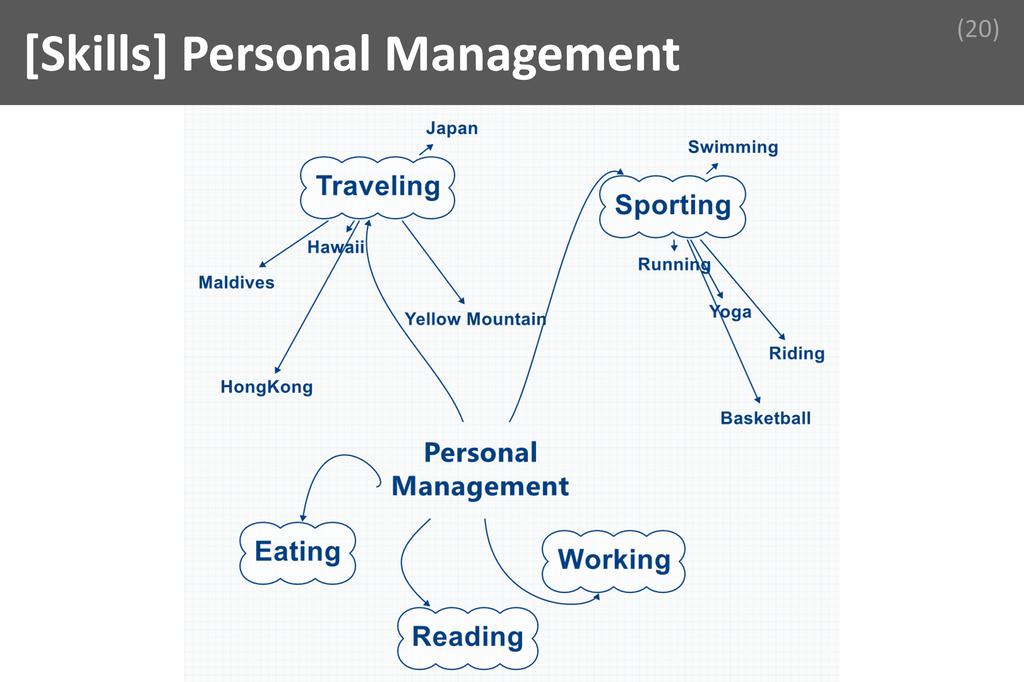
Personal Management is the ability to effectively organize, regulate, and direct one’s own time, energy, emotions, and resources to achieve personal and professional goals. In motivational speaking, this skill ensures that speakers maintain consistency, reliability, and authenticity, allowing them to inspire audiences while managing the demands and unpredictability of their profession.
Personal Management directly enhances a motivational speaker’s performance by fostering discipline, adaptability, and resilience. Speakers who master this skill are better equipped to handle rigorous travel schedules, last-minute changes, and the emotional demands of inspiring diverse audiences. Clients and employers value motivational speakers who demonstrate strong personal management because it signals professionalism, dependability, and the ability to deliver under pressure. Cultivating this skill involves setting clear goals, maintaining healthy routines, seeking feedback, and continuously reflecting on one’s strengths and areas for improvement. Over time, consistent practice and self-awareness help speakers refine their approach, ensuring they remain effective and impactful in every engagement.
Imagine a motivational speaker scheduled to deliver a keynote at a major conference. Hours before the event, unexpected travel delays and a last-minute change in the event’s theme threaten to derail their preparation. Relying on strong personal management, the speaker quickly reorganizes their schedule, adapts their presentation content, and manages their stress levels to stay focused. By drawing on their well-honed routines and self-regulation techniques, they arrive composed and ready to engage the audience. Their ability to navigate these challenges not only impresses the event organizers but also reinforces their reputation as a reliable and adaptable professional, ultimately leading to further opportunities and success.
Positives
Achievement of Goals

Achievement of Goals refers to the successful realization of specific, meaningful objectives that an individual sets for themselves or helps others attain. In motivational speaking, this concept is central, as speakers not only pursue their own ambitions but also empower audiences to reach their personal and professional milestones, creating a cycle of accomplishment.
The achievement of goals is a driving force that makes a career in motivational speaking deeply rewarding. When speakers witness the tangible results of their efforts—such as audience members transforming their lives, overcoming obstacles, or reaching new heights—they experience a profound sense of purpose and fulfillment. This ongoing cycle of setting, pursuing, and achieving goals keeps motivational speakers energized and passionate about their work. It fosters continuous personal growth, as each success story inspires speakers to refine their message and expand their impact. The daily experience of helping others achieve their dreams not only boosts job satisfaction but also reinforces the speaker’s own commitment to lifelong learning and self-improvement.
Imagine a motivational speaker who once struggled with self-doubt and adversity, but through perseverance, achieved personal success. After sharing their journey at a conference, an attendee approaches to share how the talk inspired them to pursue a long-held dream of starting a business. Months later, the attendee reaches out again, excitedly announcing the launch of their new venture and crediting the speaker’s words as the catalyst for their transformation. For the motivational speaker, this moment is a powerful affirmation of their purpose. Witnessing the direct impact of their message, they experience the true fulfillment that comes from achieving the goal of inspiring real change in others’ lives.
Satisfaction

Satisfaction is the deep sense of fulfillment and contentment that arises when one’s actions align with personal values, goals, and the positive impact made on others. In motivational speaking, satisfaction emerges from inspiring audiences, witnessing transformation, and knowing that your words and stories have sparked meaningful change in people’s lives.
The satisfaction gained from motivational speaking is a powerful driver of both personal and professional growth. This sense of fulfillment fuels a speaker’s passion, making each engagement more than just a job—it becomes a calling. When speakers see the tangible results of their efforts, such as audience members overcoming challenges or pursuing new ambitions, it reinforces their sense of purpose. This ongoing gratification not only boosts morale but also encourages continuous learning and improvement. As speakers experience satisfaction daily, they develop resilience and enthusiasm, which are essential for thriving in a career that demands energy, empathy, and authenticity. Ultimately, satisfaction transforms routine work into a meaningful journey, making motivational speaking a uniquely rewarding profession.
Imagine a motivational speaker who, after delivering a keynote at a youth leadership conference, is approached by a young attendee. The attendee shares how the speaker’s story of overcoming adversity inspired them to pursue their own dreams despite personal setbacks. In that moment, the speaker feels a profound sense of satisfaction, knowing their message has made a real difference. This encounter reaffirms the speaker’s commitment to their craft, providing a lasting sense of fulfillment that goes beyond applause or recognition. Such experiences are common in motivational speaking, where the impact on individuals’ lives becomes a daily source of joy and motivation, making every challenge worthwhile.
Positive Contribution to Society
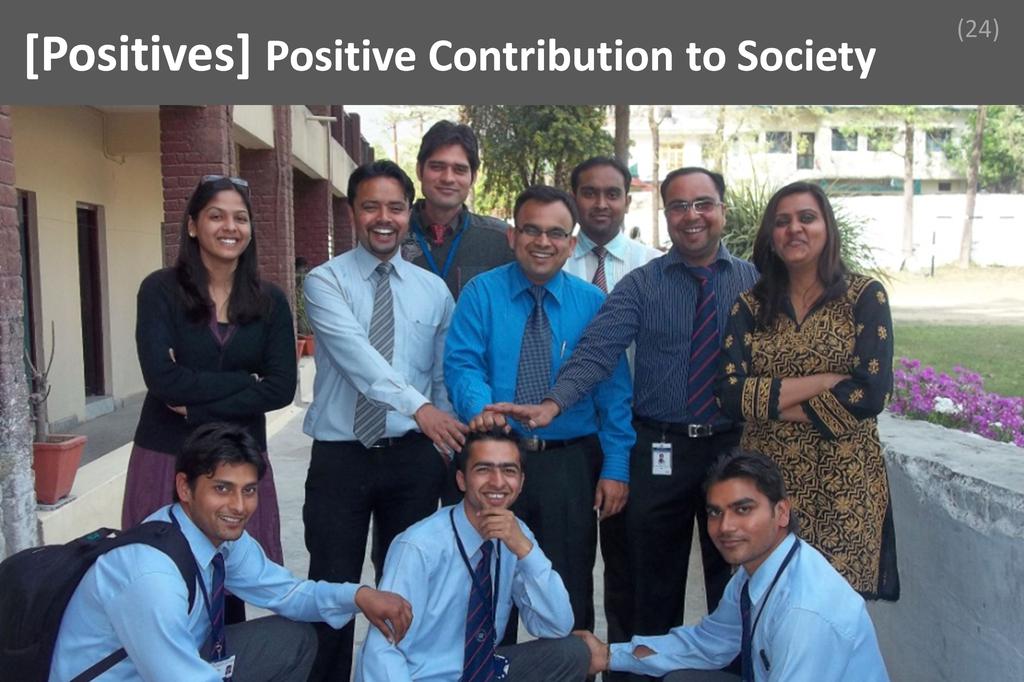
Positive Contribution to Society means actively creating meaningful change that uplifts individuals and communities, fostering growth, resilience, and well-being. In motivational speaking, this involves inspiring audiences to overcome challenges, pursue their goals, and develop a positive mindset. This contribution enriches the profession by aligning personal purpose with the broader good, making each engagement impactful.
The ability to make a positive contribution to society is a powerful motivator for those in motivational speaking. Knowing that your words and presence can spark transformation in others brings a deep sense of fulfillment and purpose. This aspect elevates job satisfaction, as speakers witness firsthand the ripple effect of their influence—helping people unlock potential, shift perspectives, and take meaningful action. The daily experience of connecting with diverse audiences and hearing stories of change reinforces the value of the work, fueling personal growth and professional development. As motivational speakers see the tangible results of their efforts, they are inspired to continually refine their message and expand their reach, making a lasting difference in the world.
Imagine a motivational speaker invited to address a group of high school students in an underserved community. Through sharing personal stories of resilience and practical strategies for overcoming adversity, the speaker ignites hope and ambition among the students. Weeks later, the speaker receives heartfelt messages from several attendees who credit the talk with inspiring them to pursue college applications and community projects. This feedback affirms the speaker’s positive contribution to society, providing a profound sense of accomplishment and reinforcing the meaningful impact of their career. Such moments highlight how motivational speaking can transform lives and communities, making the profession deeply rewarding.
A Profession

A profession is a specialized occupation that requires advanced knowledge, ongoing learning, and a commitment to ethical standards, often recognized by society as a vital and respected role. In motivational speaking, embracing this professional identity elevates the work beyond mere performance, fostering credibility, trust, and a sense of purpose for both speaker and audience.
Recognizing motivational speaking as a profession brings a profound sense of legitimacy and pride to those who pursue it. This professional status encourages speakers to continually develop their skills, adhere to ethical guidelines, and maintain high standards in their work. As a result, motivational speakers experience greater job satisfaction, knowing their efforts are valued and impactful. The professional framework also opens doors to career advancement, networking opportunities, and long-term growth. Each day, speakers benefit from the respect and trust they earn from clients, organizations, and audiences, reinforcing their commitment to making a positive difference. This ongoing recognition and validation help sustain their passion and drive, making every engagement more meaningful and rewarding.
Imagine a motivational speaker invited to address a large corporation during a critical period of organizational change. Because they approach their work as a true profession, they invest time in understanding the company’s culture, tailor their message to the audience’s needs, and uphold the highest standards of integrity and confidentiality. The employees respond with enthusiasm and gratitude, and the leadership team expresses appreciation for the speaker’s professionalism and expertise. This experience not only boosts the speaker’s confidence but also solidifies their reputation as a trusted advisor. The sense of fulfillment that comes from being recognized as a professional—someone who genuinely helps others navigate challenges—demonstrates the lasting and transformative impact of treating motivational speaking as a respected career.
Personal Development

Personal development is the ongoing process of self-improvement through acquiring new skills, expanding knowledge, enhancing self-awareness, and fostering emotional intelligence. In motivational speaking, personal development is essential because it enables speakers to connect authentically with their audience, adapt to diverse situations, and continually refine their message and delivery for maximum impact.
The emphasis on personal development in motivational speaking brings profound advantages to professionals in this field. As speakers strive to inspire others, they are naturally compelled to reflect on their own values, beliefs, and experiences, leading to continuous self-growth. This journey of self-improvement not only increases their confidence and resilience but also deepens their empathy and understanding of others. The process of preparing speeches, engaging with diverse audiences, and responding to feedback fosters adaptability and creativity. These daily experiences contribute to a strong sense of purpose and fulfillment, making the profession deeply satisfying. Ultimately, personal development ensures that motivational speakers remain authentic, relatable, and effective, which is crucial for long-term career growth and success.
Consider a motivational speaker who began their career with a fear of public speaking and limited self-confidence. Through years of practice, self-reflection, and learning from both successes and setbacks, they gradually developed strong communication skills and a resilient mindset. Each presentation became an opportunity to learn more about themselves and their audience, leading to greater self-awareness and adaptability. Over time, the speaker not only inspired countless individuals but also experienced a profound transformation in their own life. This ongoing journey of personal development became a source of daily motivation and fulfillment, reinforcing their passion for helping others while continually growing as a person and professional.
Challenges
People Perception

People Perception in Motivational Speaking refers to the judgments, biases, and preconceived notions that audiences form about a speaker’s credibility, authenticity, and message before or during a presentation. This challenge is demanding because it directly influences audience engagement, trust, and the overall effectiveness of the speaker’s motivational impact.
The difficulty of People Perception can shape every aspect of a motivational speaker’s daily work. Negative or skeptical perceptions may lead to disengaged audiences, reduced interaction, and even resistance to the speaker’s message. This challenge requires significant resilience, as speakers must continually prove their value and authenticity, often in the face of doubt or criticism. Successful professionals address this by investing in self-awareness, adapting their communication style, and demonstrating genuine empathy. They focus on building rapport quickly, using relatable stories and transparent vulnerability to break down barriers. By consistently delivering value and maintaining integrity, they gradually reshape perceptions and foster trust, allowing their message to resonate more deeply with diverse audiences.
Consider a motivational speaker invited to address a corporate team that has recently undergone layoffs and is skeptical about external consultants. Sensing the audience’s guarded demeanor, the speaker openly acknowledges the team’s challenges and shares a personal story of overcoming professional setbacks. By addressing the elephant in the room and connecting on a human level, the speaker gradually earns the group’s trust. As the session progresses, the audience becomes more engaged and receptive, asking questions and participating in discussions. Through authenticity and empathy, the speaker successfully transforms initial skepticism into meaningful dialogue, demonstrating how People Perception can be managed and even turned into an opportunity for deeper connection.
Sparking Content Building

Sparking Content Building in motivational speaking refers to the ongoing process of generating fresh, impactful, and relevant material that resonates with diverse audiences. This challenge is demanding because it requires constant creativity, deep self-reflection, and the ability to adapt messages to ever-changing audience needs and societal trends, all while maintaining authenticity.
The difficulty of sparking content building can lead to creative fatigue, self-doubt, and stagnation in a motivational speaker’s daily work. Each presentation demands new energy and perspective, making it easy to feel depleted or repetitive. This challenge requires resilience, as speakers must continually push past mental blocks and the pressure to inspire. Successful professionals manage this constraint by dedicating time to personal growth, seeking inspiration from varied sources, and engaging with their audience to understand evolving needs. They often reflect on their own experiences, collaborate with peers, and remain open to feedback, allowing them to refresh their content and maintain relevance without sacrificing their unique voice.
Consider a motivational speaker who, after years of delivering talks on overcoming adversity, begins to notice their stories no longer evoke the same response. Instead of forcing the same narratives, they immerse themselves in new experiences, such as volunteering or learning a new skill, to gain fresh insights. By connecting with individuals from different backgrounds and listening to their stories, the speaker discovers new angles and themes to incorporate into their presentations. This approach not only revitalizes their content but also deepens their connection with audiences, demonstrating how embracing change and seeking inspiration beyond one’s comfort zone can effectively overcome the challenge of sparking content building.
A Day Of
Motivational Speaking
The life of a motivational speaking professional is anything but routine. Each day unfolds with a blend of anticipation, adrenaline, and adaptability, as the speaker navigates a world where every word can spark transformation. The environment is dynamic, shifting from the quiet solitude of preparation to the electric energy of a live audience, and finally to the reflective calm of post-event planning. The pace is brisk, driven by tight schedules, travel demands, and the ever-present goal of inspiring others to reach their fullest potential. In this profession, the desk is just a starting point—the real work happens on stages, in conference rooms, and through countless personal interactions that shape lives and careers.
The day begins before sunrise, often in a hotel room or a quiet home office. This early hour is dedicated to centering the mind and reviewing the day’s agenda. The motivational speaker spends time rehearsing key points, visualizing the audience, and making last-minute adjustments to their presentation. There’s a focus on personal rituals—whether it’s meditation, a brisk walk, or simply sipping coffee while reviewing notes—to ensure both clarity and confidence before stepping into the spotlight.
By mid-morning, the heart of the day arrives as the speaker steps onto the stage, whether in a packed auditorium, a corporate boardroom, or a virtual platform. This is the most intense and interactive phase, where the speaker’s energy, storytelling, and authenticity must captivate and motivate the audience. Every gesture and word is intentional, designed to connect, challenge, and inspire. The atmosphere is charged with possibility, and the speaker thrives on the immediate feedback—laughter, applause, and the attentive silence that signals deep engagement.
The afternoon shifts to a more collaborative pace, as the speaker engages in breakout sessions, panel discussions, or one-on-one meetings with event organizers and attendees. These interactions are crucial for building relationships, answering questions, and tailoring advice to individual needs. The speaker may also participate in interviews or record podcast segments, extending their reach beyond the day’s event. This period is marked by active listening, thoughtful dialogue, and the exchange of ideas that reinforce the morning’s message.
As the day winds down, the motivational speaker transitions to reflection and planning. This is a quieter, more introspective time spent reviewing feedback, updating social media with highlights from the day, and responding to emails. Administrative tasks are handled, travel arrangements are confirmed, and preparations for upcoming engagements begin. The speaker takes stock of what resonated with the audience, notes areas for improvement, and sets intentions for the next day, ensuring that each experience builds upon the last in the ongoing journey to inspire others. |


 Home
Home Abroad
 Plan
Plan Philosophy
 Seminar
 Pages
Pages Advisors
 Testimonials












 Workshop
 Discuss
 Meet
Meet
 Advisor
 Story
Story
 Fine Print
 Links
Links
 Blog
Blog
 Follow
