The Journey of Special Education Training
What Is Special Education Training
Special Education Training
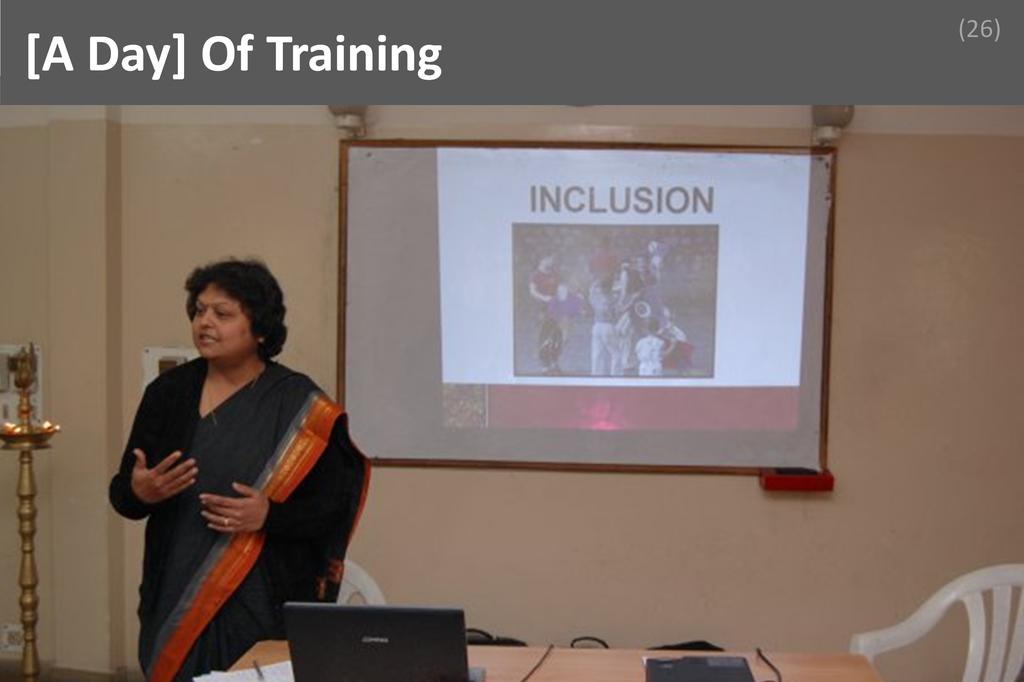
Special Education Training is a specialized educational process that equips professionals with the knowledge, skills, and strategies necessary to support and teach students with diverse learning needs, disabilities, or exceptionalities. It focuses on adapting instruction, developing individualized plans, and fostering inclusive environments to ensure all learners achieve their fullest potential.
Special Education Training plays a crucial role in shaping the quality of education for students with disabilities and learning differences. For professionals, it provides the expertise to create supportive, adaptive, and effective learning environments. This training enhances their ability to identify unique student needs, implement evidence-based interventions, and collaborate with families and multidisciplinary teams. One major benefit is the development of strong advocacy skills, empowering professionals to champion the rights and needs of their students. Another benefit is the ability to design and deliver individualized instruction, ensuring that each learner receives tailored support. Finally, Special Education Training fosters a culture of inclusivity and empathy, enriching the educational experience for all students and promoting positive outcomes across diverse classroom settings.
A special education teacher working in a public elementary school regularly draws upon their Special Education Training to support a student diagnosed with autism spectrum disorder. By using assessment tools learned during their training, the teacher identifies the student’s strengths and challenges. They then collaborate with speech therapists, occupational therapists, and the student’s family to develop an Individualized Education Program (IEP) that outlines specific goals and accommodations. Throughout the school year, the teacher adapts lesson plans, incorporates visual supports, and utilizes positive behavioral interventions to help the student engage with peers and curriculum. This approach not only supports the student’s academic growth but also fosters social skills and confidence, demonstrating the practical impact of Special Education Training in real educational settings.
Education
Child Development
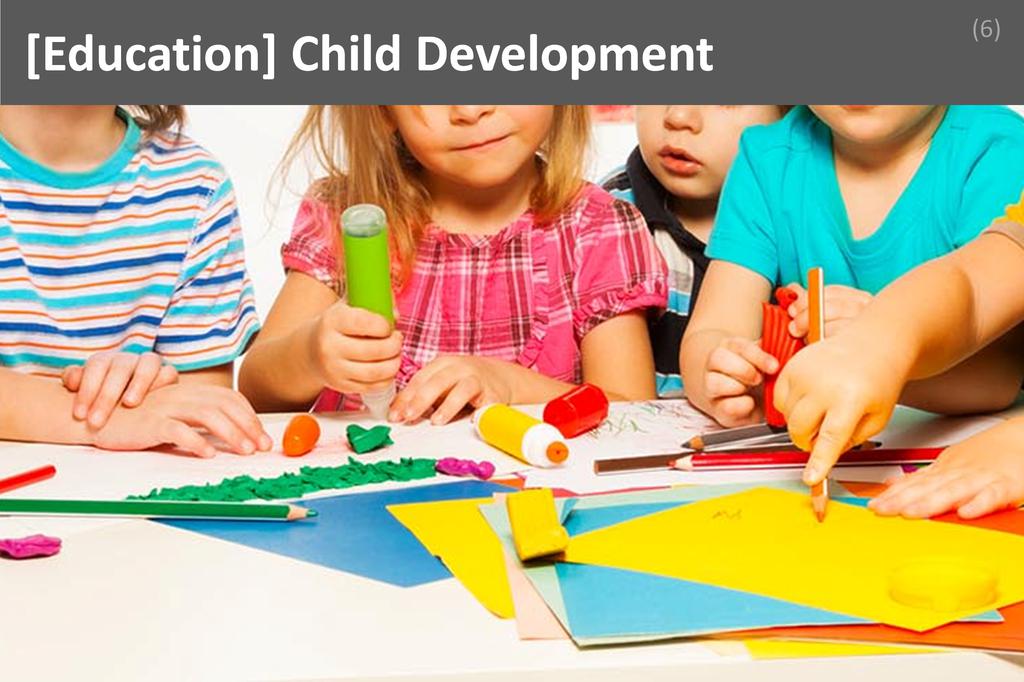
Child Development refers to the physical, cognitive, emotional, and social growth that occurs from infancy through adolescence. In Special Education Training, understanding these developmental stages is essential, as it provides the framework for identifying typical versus atypical progress, guiding effective interventions, and supporting diverse learning needs in educational settings.
A thorough grasp of child development is indispensable for anyone entering or advancing in the field of special education. This knowledge equips professionals to recognize developmental milestones, understand the variability in student growth, and tailor educational strategies to individual needs. By mastering these concepts, special education professionals can more accurately identify learning or behavioral challenges, collaborate effectively with families and multidisciplinary teams, and advocate for appropriate resources and supports. Over time, this foundational understanding enhances the ability to create inclusive, adaptive learning environments, fosters professional credibility, and opens pathways for career advancement in specialized roles such as intervention specialists, educational diagnosticians, or program coordinators.
Consider a special education teacher working with a group of elementary students, some of whom display delays in language and social skills. Drawing on their knowledge of child development, the teacher assesses each student’s abilities relative to typical developmental milestones. This understanding allows the teacher to differentiate instruction, introduce targeted interventions, and set realistic, individualized goals. For instance, the teacher might implement play-based activities to foster communication or use visual supports to aid comprehension, always aligning strategies with each child’s developmental stage. By applying this theoretical foundation, the teacher not only addresses immediate learning needs but also supports long-term growth, ensuring that every student has the opportunity to reach their full potential.
Psychology
Psychology is the scientific study of behavior and mental processes, exploring how individuals think, feel, and act in various contexts. In Special Education Training, psychology provides essential insights into learning differences, developmental challenges, and emotional needs, forming a crucial part of the academic and professional foundation for effective educational support.
A deep understanding of psychology is indispensable for anyone preparing for or working in Special Education Training. This subject equips professionals with the ability to interpret student behaviors, recognize diverse learning needs, and implement evidence-based interventions. By mastering psychological theories and principles, educators can create supportive learning environments tailored to individual strengths and challenges. Over time, this knowledge enhances their ability to collaborate with families, therapists, and other educators, ensuring holistic support for students. Furthermore, a strong grounding in psychology fosters empathy, patience, and adaptability, qualities that are essential for long-term success and professional growth in the field of special education.
Consider a special education teacher working with a student who exhibits frequent outbursts and struggles with transitions between activities. Drawing on their understanding of psychological theories such as behaviorism and cognitive development, the teacher identifies that the student’s reactions stem from anxiety related to changes in routine. The teacher then implements structured visual schedules and positive reinforcement strategies, helping the student anticipate transitions and gradually build coping skills. By applying psychological principles in this way, the teacher not only addresses immediate behavioral challenges but also supports the student’s emotional development and long-term independence, demonstrating the practical value of psychology in daily special education practice.
Different Disabilities
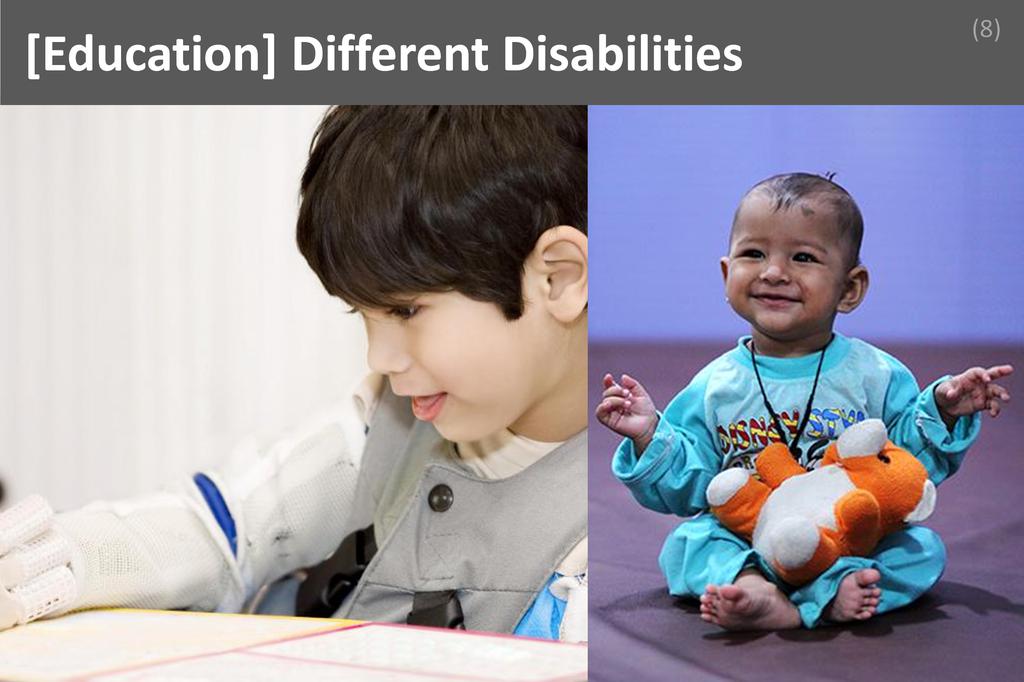
Different Disabilities refers to the wide range of physical, cognitive, emotional, sensory, and developmental conditions that affect individuals’ learning, communication, and daily functioning. In Special Education Training, understanding these differences is essential, as it equips professionals with the knowledge to recognize, accommodate, and support diverse learners effectively within educational environments.
Gaining a thorough understanding of Different Disabilities is crucial for anyone entering or advancing in the field of special education. This knowledge forms the backbone of effective teaching strategies, individualized education plans, and inclusive classroom practices. By mastering the characteristics, challenges, and strengths associated with various disabilities, professionals can foster equitable learning opportunities and advocate for appropriate resources and accommodations. Over the course of a career, this expertise not only enhances the ability to collaborate with families and multidisciplinary teams but also ensures compliance with legal and ethical standards. Ultimately, it empowers educators to make meaningful, positive impacts on students’ academic and personal growth.
Consider a special education teacher working in an inclusive classroom where students present with a variety of disabilities, such as autism spectrum disorder, dyslexia, and physical impairments. Drawing on their comprehensive understanding of Different Disabilities, the teacher adapts lesson materials, modifies classroom layouts, and employs alternative communication methods to meet each student’s unique needs. When a student with a sensory processing disorder becomes overwhelmed by noise, the teacher recognizes the signs and implements calming strategies learned through their training. This proactive, informed approach not only supports the student’s well-being but also models empathy and inclusivity for the entire class, demonstrating the practical value of specialized knowledge in daily educational practice.
Planning
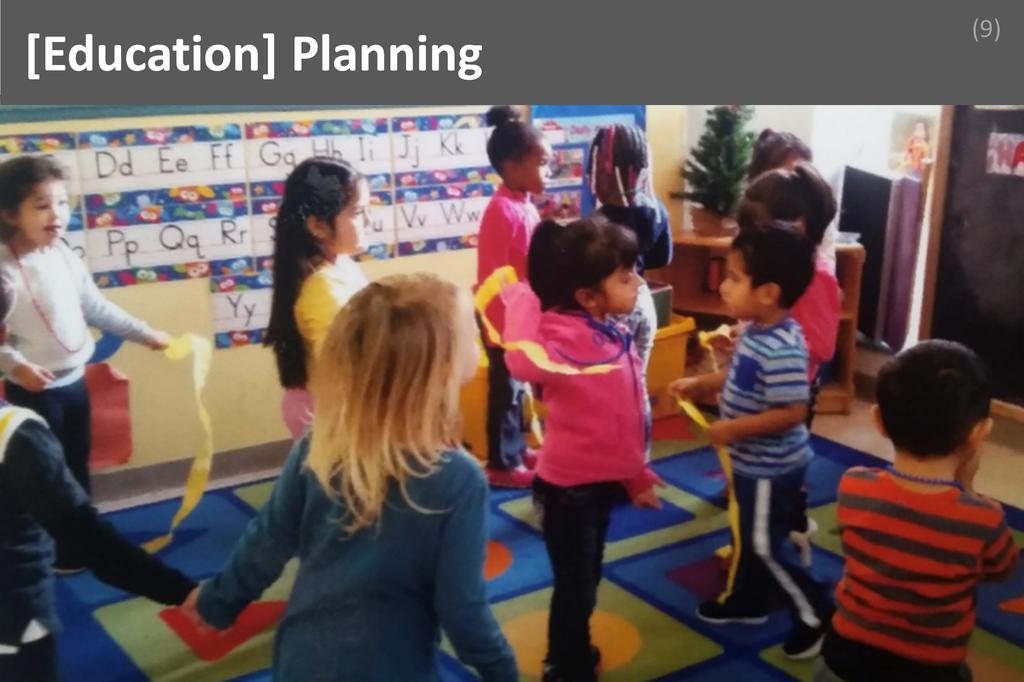
Planning is the deliberate process of setting goals, identifying resources, and outlining steps to achieve desired outcomes. In Special Education Training, planning ensures that educational strategies are tailored to meet diverse student needs, aligning instruction with legal requirements and best practices. It is essential for effective, individualized teaching and program development.
Understanding planning is crucial for anyone preparing for or working in Special Education Training because it forms the backbone of effective instruction and support. Professionals must anticipate student needs, coordinate with multidisciplinary teams, and comply with legal mandates such as Individualized Education Programs (IEPs). Mastery of planning enables educators to create structured, adaptable learning environments that foster student growth and inclusion. Over time, strong planning skills contribute to professional credibility, improved student outcomes, and the ability to respond proactively to challenges. This foundational knowledge empowers special education professionals to advocate for resources, collaborate with families, and continuously refine their practice, ensuring long-term success in a dynamic educational landscape.
Consider a special education teacher preparing for the start of a new school year. Drawing on their understanding of planning, the teacher reviews each student’s IEP, consults with therapists and parents, and organizes classroom materials to accommodate various learning styles and needs. Throughout the year, the teacher regularly revisits and adjusts lesson plans based on student progress, ensuring that goals remain attainable and relevant. By systematically planning instructional activities, assessment methods, and support strategies, the teacher not only meets legal and ethical obligations but also creates a nurturing environment where every student can thrive. This daily application of planning transforms theoretical knowledge into meaningful educational experiences for students with diverse abilities.
Task Analysis

Task Analysis is the systematic process of breaking down complex skills or activities into smaller, manageable steps to facilitate learning and mastery. In Special Education Training, it is essential because it enables educators to design effective instructional strategies tailored to individual student needs, ensuring accessible and meaningful learning experiences.
Understanding Task Analysis is vital for anyone preparing for or working in Special Education Training because it equips professionals with the tools to address diverse learning needs. By mastering this concept, educators can identify the specific steps students must learn, making instruction more targeted and effective. This foundational knowledge is crucial for developing individualized education plans, adapting curriculum content, and fostering student independence. Over the course of a career, proficiency in Task Analysis enhances an educator’s ability to assess progress, modify teaching approaches, and collaborate with multidisciplinary teams. Ultimately, it empowers professionals to create inclusive learning environments where all students can achieve their fullest potential.
Consider a special education teacher working with a student who is learning to tie their shoes. The teacher applies Task Analysis by first observing the entire process, then breaking it down into discrete steps such as picking up the laces, crossing them, making loops, and pulling them tight. Each step is taught individually, using prompts and supports tailored to the student’s abilities. As the student masters each component, the teacher gradually reduces assistance, allowing the student to gain confidence and independence. This practical application of Task Analysis not only helps the student acquire a valuable life skill but also demonstrates how theoretical understanding translates into effective, individualized instruction in daily educational practice.
Rights of People with Disability

Rights of People with Disability refers to the legal, social, and ethical entitlements ensuring equal opportunities, access, and participation for individuals with disabilities. This concept is central in Special Education Training, as it underpins inclusive practices, safeguards against discrimination, and guides educators in creating supportive, equitable learning environments for all students.
Understanding the Rights of People with Disability is essential for anyone preparing for or working in Special Education Training. This knowledge forms the backbone of ethical and legal compliance, ensuring that professionals advocate for and protect the interests of students with disabilities. Mastery of these rights empowers educators to design and implement individualized education plans, foster inclusive classrooms, and collaborate effectively with families and support services. It also prepares professionals to navigate complex situations involving accessibility, accommodations, and anti-discrimination policies. Over the long term, a strong grasp of these rights enhances professional credibility, supports career advancement, and contributes to building a more just and equitable educational system for all learners.
Consider a special education teacher who notices that a student with a physical disability is unable to participate fully in a school field trip due to inaccessible transportation. Drawing on their understanding of the Rights of People with Disability, the teacher advocates for accessible transportation options, ensuring the student’s right to equal participation is upheld. The teacher collaborates with school administrators to secure appropriate accommodations, communicates with the student’s family to address concerns, and educates peers about the importance of inclusion. By applying their theoretical knowledge in this real-world context, the teacher not only supports the individual student but also fosters a culture of respect and equity within the school community.
Skills
Teaching Skills

Teaching skills encompass the ability to effectively communicate concepts, adapt instructional methods, assess understanding, and foster a supportive learning environment. In special education training, these skills enable professionals to tailor educational experiences to diverse learners’ needs, ensuring that every student receives equitable opportunities for growth and development.
Mastering teaching skills directly enhances a special education professional’s ability to engage students with varying abilities, learning styles, and behavioral challenges. Clients and employers highly value these skills because they lead to improved student outcomes, greater classroom harmony, and more individualized support. Effective teaching skills also facilitate collaboration with families and other professionals, ensuring a holistic approach to education. To cultivate these abilities, professionals should pursue ongoing professional development, seek mentorship, and reflect on their teaching practices. Regularly adapting strategies based on student feedback and outcomes further sharpens these skills, making educators more responsive and effective in their roles.
Imagine a special education trainer working with a student who struggles to grasp basic math concepts due to a learning disability. By drawing on strong teaching skills, the trainer assesses the student’s unique needs and adapts the lesson using visual aids and hands-on activities. The trainer patiently explains concepts in multiple ways, checks for understanding, and provides positive reinforcement. As a result, the student begins to build confidence and demonstrates measurable progress. This scenario highlights how teaching skills empower professionals to break down barriers, foster meaningful learning experiences, and achieve success even in challenging circumstances.
Counselling

Counselling is a professional process that involves active listening, empathy, guidance, and support to help individuals understand and resolve personal, social, or psychological challenges. In Special Education Training, counselling enables professionals to address the unique emotional and behavioral needs of students, fostering a supportive environment that promotes learning and personal growth.
Mastering counselling as a core skill directly enhances a special education trainer’s ability to build trust and rapport with students, parents, and colleagues. This skill allows professionals to identify underlying issues that may hinder a student’s progress, such as anxiety, frustration, or low self-esteem, and to intervene effectively. Clients and employers highly value this ability because it leads to improved student outcomes, better classroom management, and stronger collaboration among stakeholders. Cultivating counselling skills requires ongoing self-reflection, formal training, and practical experience. Engaging in workshops, seeking mentorship, and practicing active listening in daily interactions all contribute to the gradual development of this essential competency.
Imagine a scenario where a student with learning disabilities begins to withdraw from classroom activities and shows signs of distress. A special education trainer, equipped with counselling skills, notices these changes and initiates a private conversation with the student. Through empathetic listening and gentle questioning, the trainer uncovers that the student feels overwhelmed by recent changes in the curriculum. By providing reassurance, discussing coping strategies, and involving the student’s family in the support process, the trainer helps the student regain confidence and re-engage with learning. This approach not only resolves the immediate issue but also strengthens the student’s resilience and trust in the educational environment.
Creativity
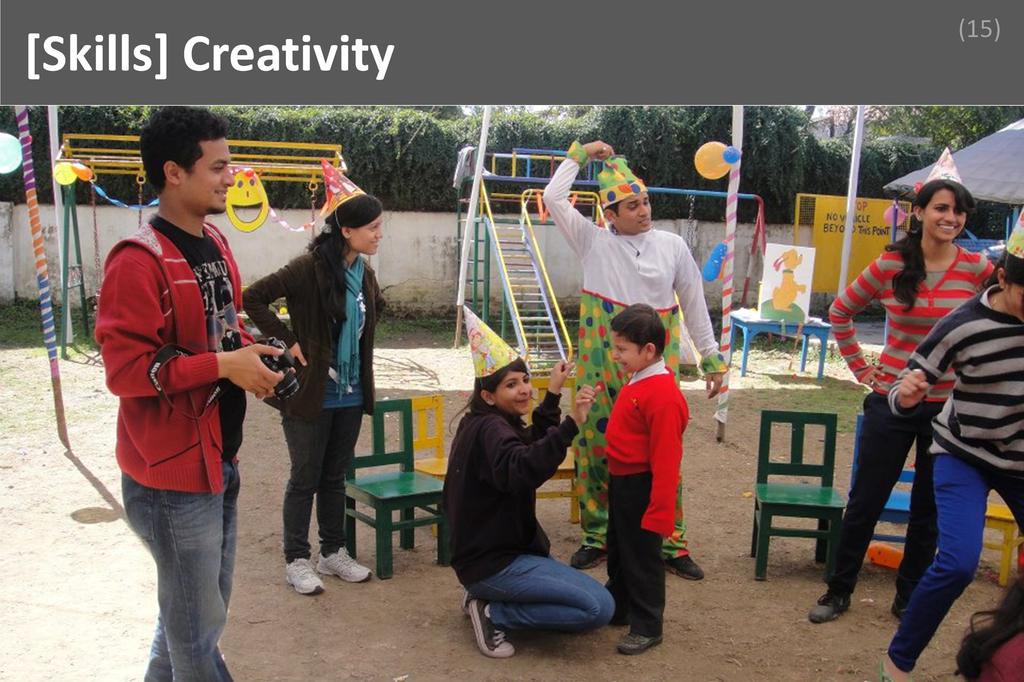
Creativity is the ability to generate original ideas, adapt to new situations, and approach challenges with innovative solutions. In Special Education Training, creativity empowers professionals to tailor educational strategies, develop engaging materials, and respond flexibly to the diverse and evolving needs of students with disabilities, ensuring effective and inclusive learning experiences.
Creativity directly enhances a special education trainer’s effectiveness by enabling them to design individualized learning plans, adapt teaching methods, and find alternative ways to communicate complex concepts. Clients and employers highly value this skill because it leads to better student engagement, improved learning outcomes, and the ability to overcome obstacles that standard approaches may not address. Cultivating creativity involves staying open to new ideas, seeking inspiration from various sources, collaborating with colleagues, and reflecting on past experiences to discover what works best for each unique learner. Over time, professionals can further develop their creative abilities through continuous professional development, experimentation, and a willingness to embrace change and uncertainty in their teaching practice.
Imagine a special education trainer working with a student who struggles to grasp basic math concepts through traditional instruction. Recognizing the student’s interest in music, the trainer creatively integrates rhythm and song into math lessons, transforming numbers into melodies and equations into catchy tunes. This inventive approach not only captures the student’s attention but also helps them internalize mathematical concepts in a way that feels natural and enjoyable. By thinking outside the box and leveraging the student’s strengths, the trainer successfully bridges the learning gap, demonstrating how creativity can turn a challenging situation into a rewarding educational breakthrough. This scenario highlights the transformative power of creativity in meeting individual needs and achieving meaningful progress.
Assessment

Assessment is the systematic process of gathering, analyzing, and interpreting information about a student’s abilities, needs, and progress to inform educational decisions. In Special Education Training, assessment enables professionals to identify learning challenges, tailor interventions, monitor growth, and ensure that every student receives appropriate support for their unique circumstances.
Mastering assessment is fundamental for special education professionals because it directly influences the quality of support provided to students with diverse needs. Accurate assessment allows for the creation of individualized education plans, ensuring interventions are both targeted and effective. Employers and clients highly value this skill, as it demonstrates a commitment to evidence-based practice and measurable outcomes. To cultivate assessment expertise, professionals should engage in ongoing professional development, stay current with assessment tools and methodologies, and seek feedback from colleagues and mentors. Over time, consistent practice and reflection help refine judgment, increase confidence, and enhance the ability to make informed decisions that positively impact student learning and development.
Consider a scenario where a special education trainer notices a student struggling with reading comprehension despite previous interventions. By conducting a thorough assessment, the trainer identifies specific areas of difficulty, such as decoding and vocabulary. Using this information, the trainer collaborates with teachers and parents to design a targeted instructional plan. Regular progress monitoring through further assessments reveals steady improvement, validating the chosen strategies. This process not only addresses the student’s immediate needs but also builds trust with the family and school, showcasing the trainer’s expertise. The ability to assess accurately and respond appropriately transforms challenges into opportunities for growth and success in the student’s educational journey.
Positives
Immense Satisfaction

Immense satisfaction is the profound sense of fulfillment and joy that arises from making a meaningful difference in the lives of others, especially when overcoming challenges. In special education training, this feeling stems from witnessing students achieve milestones, develop new skills, and gain confidence, knowing your guidance played a crucial role in their progress.
The immense satisfaction found in special education training is a powerful motivator that sustains professionals through daily challenges. This deep sense of purpose enhances job satisfaction, making each day feel significant and rewarding. As educators witness their students’ growth, they experience a unique pride that fuels personal and professional development. This satisfaction also fosters resilience, helping professionals navigate setbacks with optimism and renewed commitment. Over time, the positive emotional impact of seeing students thrive not only enriches the educator’s life but also strengthens their dedication to the field, creating a cycle of motivation and growth that benefits both teacher and student.
Consider a special education trainer working with a student who has struggled for months to master basic reading skills. Through patience, tailored instruction, and unwavering encouragement, the trainer finally witnesses the student read a sentence independently for the first time. The student’s beaming smile and newfound confidence are tangible rewards, but the trainer’s sense of immense satisfaction runs even deeper. Knowing that their expertise and compassion directly contributed to this breakthrough, the trainer feels a profound fulfillment that validates their career choice. This moment becomes a cherished memory, inspiring the trainer to continue making a difference in the lives of other students, day after day.
Making Children Independent
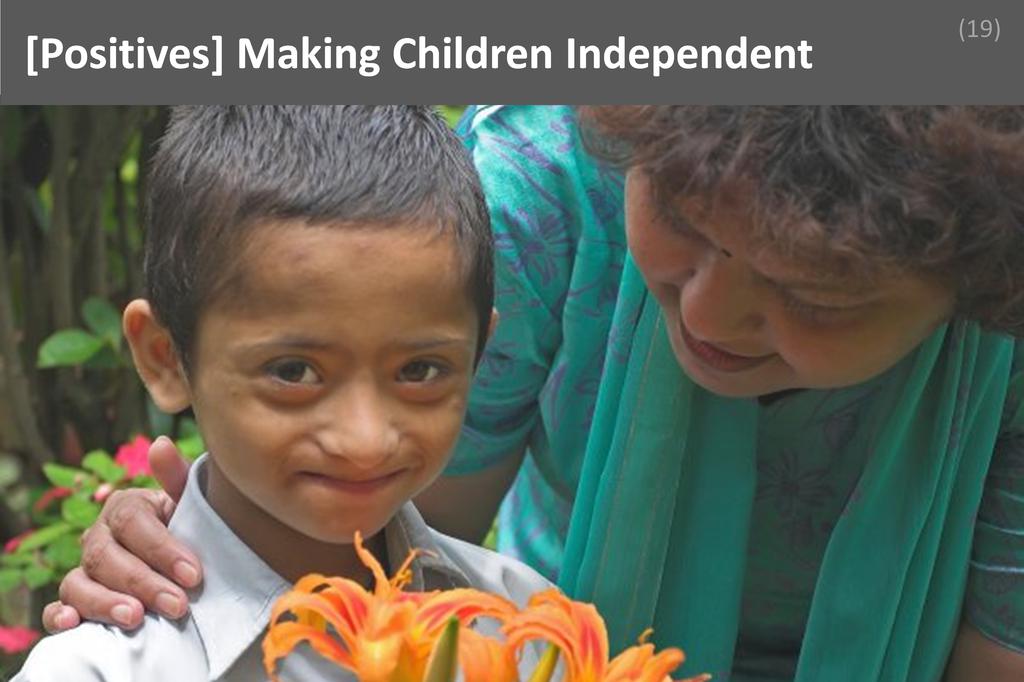
Making Children Independent means empowering students with special needs to perform daily tasks, make decisions, and participate in society with minimal assistance. This process involves teaching essential life skills, fostering self-confidence, and nurturing problem-solving abilities. It transforms students into self-reliant individuals, which is a deeply rewarding outcome for special education professionals.
The ability to help children become independent stands at the heart of special education training, offering profound personal and professional fulfillment. Witnessing students gain autonomy not only validates the educator’s efforts but also creates a ripple effect of positive change in families and communities. This aspect of the profession enhances job satisfaction because it allows educators to see tangible progress and lasting impact in their students’ lives. Each small milestone, from tying shoelaces to expressing personal choices, becomes a testament to the educator’s dedication and skill. Over time, this daily experience of nurturing independence fosters a sense of purpose and pride, motivating professionals to continually grow and innovate in their teaching approaches.
Imagine a special education trainer working with a young student who initially struggles with basic self-care tasks. Through patient instruction, encouragement, and tailored strategies, the student gradually learns to dress independently and communicate preferences. One day, the student confidently chooses their own outfit and dresses without assistance, beaming with pride. The trainer witnesses not just a new skill, but a transformation in the child’s self-esteem and sense of agency. This moment encapsulates the profound impact of making children independent, reaffirming the trainer’s commitment to the field and highlighting the unique joy that comes from empowering others to thrive on their own terms.
Social Impact

Social Impact is the meaningful and lasting influence that an individual or organization has on the well-being and development of people and communities. In special education training, social impact means empowering students with diverse needs to reach their full potential, fostering inclusion, and promoting equal opportunities, which enriches both individuals and society as a whole.
The social impact inherent in special education training is a powerful motivator for professionals in the field. Knowing that their work directly transforms lives and creates a more inclusive society brings a deep sense of purpose and fulfillment. This positive aspect not only enhances job satisfaction but also encourages personal and professional growth, as educators witness the progress and achievements of their students. Every day, special education trainers see firsthand how their dedication helps students overcome challenges, build confidence, and participate more fully in their communities. This ongoing experience of making a tangible difference inspires professionals to continually improve their skills and remain passionate about their work.
Imagine a special education trainer working with a student who has struggled with communication for years. Through patience, tailored strategies, and unwavering support, the trainer helps the student find their voice, enabling them to express their needs and connect with peers for the first time. The joy and pride on the student’s face, coupled with the gratitude from their family, highlight the profound social impact of the trainer’s efforts. This moment not only validates the trainer’s commitment but also reinforces the importance of their role in shaping a more inclusive and compassionate world. Such experiences are a daily reminder of the lasting difference special education professionals make.
Growth Opportunities

Growth opportunities refer to the potential for continuous personal and professional development, skill enhancement, and career advancement within a chosen field. In special education training, these opportunities empower educators to expand their expertise, adapt to evolving needs, and make a meaningful difference, fostering both individual fulfillment and positive student outcomes.
The presence of growth opportunities in special education training is a powerful motivator for professionals. It means that educators are not confined to a static role; instead, they are encouraged to pursue advanced certifications, explore innovative teaching strategies, and take on leadership responsibilities. This dynamic environment leads to higher job satisfaction, as teachers witness their own progress while directly impacting students’ lives. The chance to continually learn and evolve keeps the work engaging and meaningful, preventing burnout and fostering a sense of purpose. Every day, special education professionals experience the rewards of growth as they adapt to new challenges, collaborate with colleagues, and celebrate the achievements of their students.
Consider a special education teacher who begins their career supporting students with learning disabilities in a classroom setting. Over time, they pursue specialized training in assistive technology, allowing them to introduce new tools that transform their students’ learning experiences. Inspired by the positive results, the teacher takes on a mentorship role, guiding colleagues in implementing similar strategies. This journey not only enhances their own skills and confidence but also broadens their impact within the school community. The teacher’s growth is evident in the improved outcomes for students, the professional respect earned from peers, and the personal satisfaction that comes from knowing they are making a lasting difference.
Challenges
Lack of Awareness

Lack of Awareness in Special Education Training refers to insufficient understanding or recognition of the unique needs, rights, and potential of students with disabilities among educators, administrators, and the wider community. This challenge is demanding because it leads to inadequate support, limited resources, and persistent misconceptions, ultimately hindering effective teaching and student progress.
This difficulty permeates daily work by creating barriers to collaboration, limiting access to necessary accommodations, and fostering environments where students’ needs are overlooked or misunderstood. Professionals must demonstrate resilience as they often advocate for students while educating colleagues and families about best practices. Navigating this constraint requires patience, ongoing self-education, and proactive communication. Successful professionals build alliances with informed colleagues, seek out professional development opportunities, and use evidence-based practices to demonstrate the value of inclusive education. By modeling empathy and expertise, they gradually shift perceptions and encourage a culture of awareness, ensuring that students with disabilities receive the support they deserve.
Consider a special education teacher who notices that general education staff are unaware of how to implement individualized accommodations for a student with autism. Rather than expressing frustration, the teacher organizes a brief, informal workshop during a staff meeting, sharing practical strategies and personal insights. She follows up with supportive resources and offers to co-teach lessons, fostering a collaborative atmosphere. Over time, her colleagues become more confident and proactive in supporting students with disabilities. Through her initiative and persistence, the teacher not only addresses the immediate lack of awareness but also cultivates a more inclusive and informed school culture, directly benefiting her students and the broader educational community.
Lack of Skilled Professionals

Lack of skilled professionals in Special Education Training refers to the shortage of adequately trained and experienced educators who can address the diverse and complex needs of students with disabilities. This scarcity creates significant challenges, as specialized knowledge and adaptive teaching methods are essential for effective support and meaningful student progress.
This shortage directly impacts daily operations by increasing workloads, limiting individualized attention, and often forcing professionals to take on multiple roles beyond their expertise. The resulting stress and pressure can lead to burnout, making resilience a crucial trait for those in the field. Successful professionals manage this constraint by fostering strong collaboration among colleagues, seeking ongoing professional development, and leveraging available resources creatively. They often build supportive networks within their schools and communities, share strategies, and advocate for policy changes that prioritize recruitment and retention of skilled staff. By maintaining flexibility and a commitment to continuous learning, they ensure that students continue to receive quality education despite staffing limitations.
Consider a special education teacher in a rural district facing a severe shortage of trained colleagues. Despite being the only specialist for multiple grade levels, she establishes partnerships with general education teachers, providing them with targeted training and resources to better support students with special needs. She also utilizes online professional learning communities to stay updated on best practices and collaborates with local universities to mentor aspiring special educators. Through these efforts, she not only manages her workload more effectively but also helps build a more inclusive and knowledgeable school environment, ensuring that students with disabilities receive the attention and support they require, even in the face of limited professional resources.
A Day Of
Special Education Training
The hum of anticipation fills the air before the first bell rings, as a Special Education Training professional steps into a world where every day is a blend of structure and unpredictability. The pace is brisk, the environment ever-shifting, and the stakes are deeply personal. Here, the workday is not confined to a desk or a single routine; it unfolds across classrooms, meeting rooms, and quiet corners where breakthroughs happen. Each moment is shaped by the needs of students and educators alike, demanding empathy, adaptability, and a relentless commitment to fostering growth. In this role, every hour brings new challenges and opportunities to make a tangible difference.
As dawn breaks, the day begins with a quiet review of individualized education plans, training materials, and the latest updates from teachers and support staff. This early hour is dedicated to organizing resources, refining lesson adaptations, and ensuring that assistive technologies are ready for use. The calm before the storm allows for thoughtful reflection on each student’s unique needs, as well as last-minute adjustments to schedules or strategies. It’s a time for mental preparation, setting intentions, and building the foundation for a productive day ahead.
By mid-morning, the energy shifts as the core of the day’s work unfolds. This is when the Special Education Training professional leads interactive workshops, models instructional techniques, or coaches teachers in real-time classroom settings. The focus is on collaboration and problem-solving, whether it’s demonstrating behavioral interventions, facilitating communication strategies, or supporting the integration of new learning tools. The atmosphere is dynamic and often intense, as immediate feedback and creative solutions are essential to address the diverse challenges that arise.
The afternoon brings a wave of collaboration, as meetings with teachers, therapists, and administrators take center stage. During this time, the practitioner helps interpret assessment data, co-develops intervention plans, and observes classroom environments to ensure strategies are being effectively implemented. There is a strong emphasis on teamwork, as everyone works together to fine-tune supports and celebrate small victories. Practical execution is key, with the professional often moving between classrooms to provide hands-on assistance and encouragement.
As the day winds down, attention turns to documentation, research, and planning for tomorrow’s challenges. The late afternoon is spent updating progress notes, responding to emails, and reviewing the outcomes of the day’s interventions. This is also a time for professional growth, as the practitioner might delve into new research or connect with colleagues to share insights and resources. With a final look at the next day’s agenda, the Special Education Training professional leaves the building knowing that each day’s efforts lay the groundwork for ongoing progress and empowerment. |


 Home
Home Abroad
 Plan
Plan Philosophy
 Seminar
 Pages
Pages Advisors
 Testimonials












 Workshop
 Discuss
 Meet
Meet
 Advisor
 Story
Story
 Fine Print
 Links
Links
 Blog
Blog
 Follow
