The Journey of Communication Specialist
What Is Communication Specialist
Communication Specialist

A Communication Specialist is a professional responsible for creating, managing, and delivering messages on behalf of organizations or individuals. They develop communication strategies, craft content for various media, and ensure consistent messaging to internal and external audiences, supporting public relations, marketing, and organizational goals through effective communication practices.
Communication Specialists play a crucial role in shaping how organizations are perceived by the public, stakeholders, and employees. Their work ensures that information is clear, accurate, and aligned with organizational objectives, which helps build trust and credibility. By managing crisis communications, they protect reputations during challenging times. Communication Specialists also foster engagement and collaboration within teams, enhancing productivity and morale. Their expertise in tailoring messages for different audiences leads to more effective campaigns and outreach efforts, ultimately supporting business growth and success. The ability to adapt to rapidly changing communication channels and technologies further amplifies their value in today’s dynamic professional landscape.
A Communication Specialist working for a healthcare organization might be tasked with launching a public awareness campaign about a new health initiative. They would research the target audience, develop key messages, and create press releases, social media posts, and informational brochures. Throughout the campaign, the specialist would coordinate with medical experts to ensure accuracy, respond to media inquiries, and monitor public feedback. By analyzing the campaign’s effectiveness, they could adjust strategies in real time to maximize reach and impact. This hands-on approach not only informs the public but also strengthens the organization’s reputation as a reliable source of health information, demonstrating the vital role Communication Specialists play in achieving organizational goals.
Education
Types of Disability
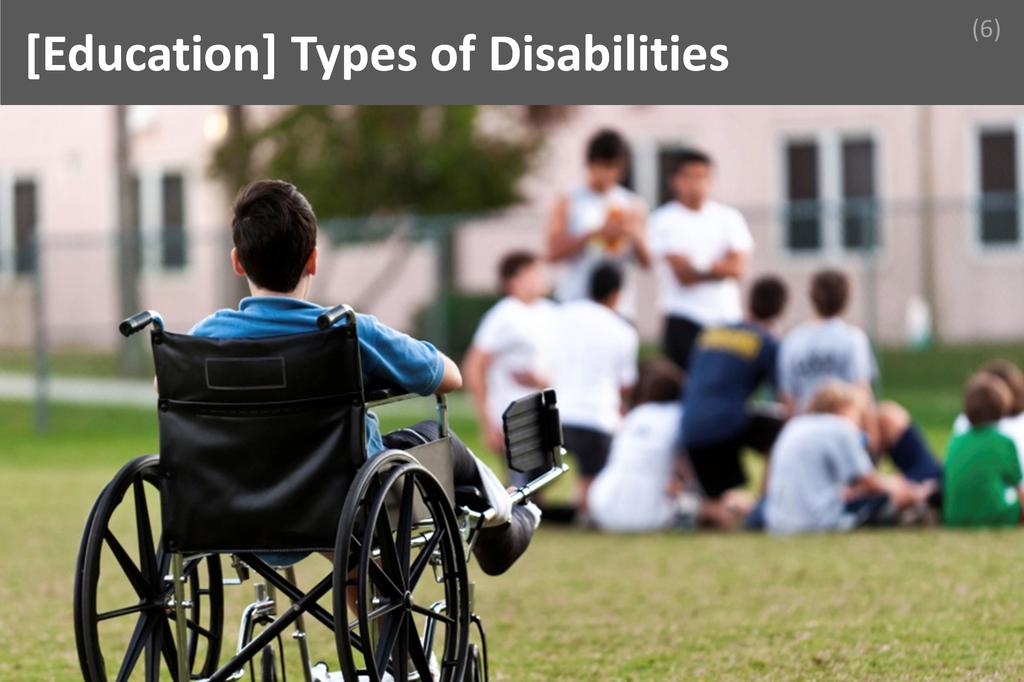
Types of Disability refers to the classification of various physical, sensory, cognitive, intellectual, and mental health impairments that impact individuals’ daily lives and communication abilities. For Communication Specialists, understanding these categories is essential for creating accessible content, fostering inclusive messaging, and ensuring effective communication across diverse audiences.
Grasping the different types of disability is crucial for Communication Specialists because it directly influences how messages are crafted, delivered, and received. This knowledge allows professionals to anticipate barriers, adapt communication strategies, and select appropriate channels to reach all audience segments. By understanding the unique needs and preferences associated with each type of disability, specialists can design campaigns and materials that are accessible and respectful, thereby enhancing organizational reputation and compliance with legal standards. Over time, this expertise not only improves the inclusivity and effectiveness of communication efforts but also positions professionals as leaders in ethical and socially responsible practices within their field.
Imagine a Communication Specialist tasked with launching a public health campaign. Drawing on their understanding of types of disability, they ensure that all materials are accessible to people with visual, hearing, and cognitive impairments. This might involve providing alternative text for images, offering sign language interpretation for videos, and simplifying language for those with intellectual disabilities. During the planning phase, the specialist consults with individuals from disability advocacy groups to identify potential barriers and test materials for usability. As a result, the campaign reaches a broader audience, receives positive feedback from the community, and sets a standard for inclusive communication within the organization. This scenario highlights how theoretical knowledge of disability types translates into practical, impactful actions in daily professional life.
Speech & Language
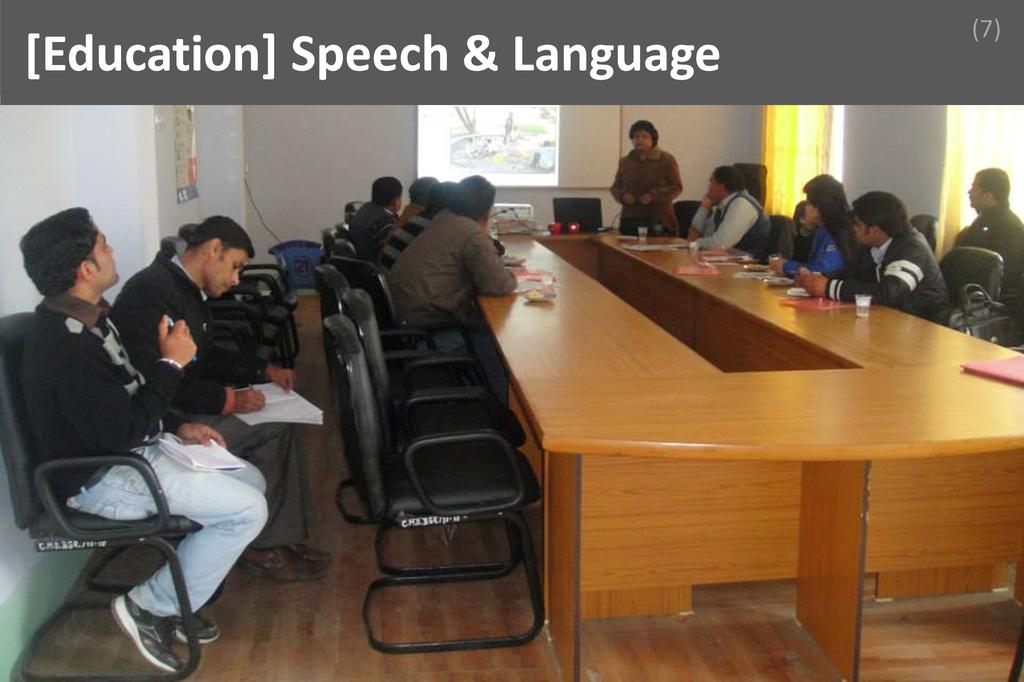
Speech and language refer to the systems and processes involved in producing, understanding, and interpreting spoken and written communication. Speech focuses on the physical act of speaking, while language encompasses the rules and structures for conveying meaning. Mastery of both is essential for effective professional communication.
Understanding speech and language is crucial for anyone preparing for or working as a Communication Specialist because it underpins every aspect of effective information exchange. Mastery of these concepts enables professionals to craft clear, persuasive messages tailored to diverse audiences, anticipate and overcome communication barriers, and foster mutual understanding. This foundational knowledge is not only essential for daily tasks such as writing, public speaking, and media relations, but also for long-term career growth. As communication channels evolve and audiences become increasingly diverse, a deep understanding of speech and language equips specialists to adapt their strategies, ensuring their messages remain impactful and relevant across various platforms and cultural contexts.
Consider a Communication Specialist working for a multinational corporation who is tasked with developing an internal campaign to introduce a new company policy. Drawing on their knowledge of speech and language, the specialist carefully analyzes the linguistic backgrounds and speech patterns of employees across different regions. They adapt the messaging to ensure clarity, avoid jargon that may confuse non-native speakers, and use culturally appropriate language to foster inclusivity. During presentations, the specialist employs effective speech techniques, such as pacing and emphasis, to maintain engagement and ensure comprehension. This thoughtful application of speech and language principles ensures the policy is understood and embraced by all employees, demonstrating the practical value of this expertise in real-world professional settings.
Factors Affecting Communication
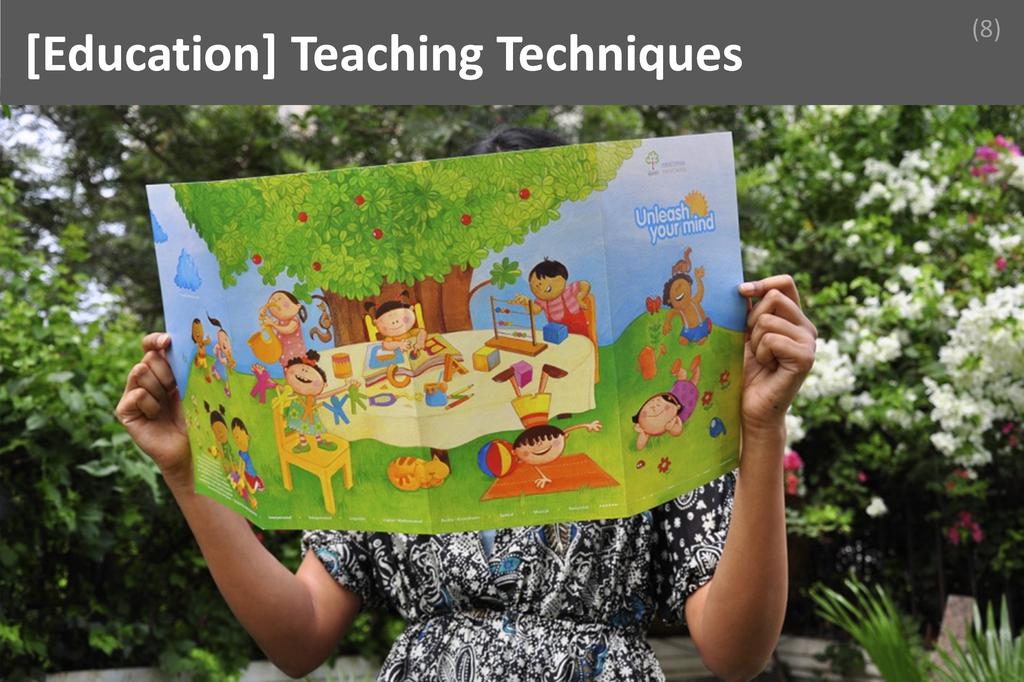
Factors Affecting Communication refers to the various elements—such as cultural, psychological, environmental, and linguistic influences—that can impact the effectiveness and clarity of message exchange between individuals or groups. For Communication Specialists, understanding these factors is essential in both academic study and professional practice to ensure successful information dissemination.
Grasping the factors that affect communication is fundamental for anyone aspiring to become a Communication Specialist. This knowledge enables professionals to identify barriers, adapt their messaging, and select appropriate channels for diverse audiences. By mastering these concepts, specialists can anticipate misunderstandings, foster inclusivity, and enhance engagement across different contexts. Over time, this expertise not only improves day-to-day interactions but also strengthens strategic communication planning, crisis management, and stakeholder relations. Ultimately, a deep understanding of these factors equips professionals to navigate complex communication landscapes, build trust, and drive organizational objectives, making it an indispensable part of a Communication Specialist’s long-term career success.
Imagine a Communication Specialist working for a multinational company tasked with launching an internal campaign across offices in different countries. Drawing on their knowledge of factors affecting communication, the specialist considers cultural norms, language preferences, and time zones when crafting messages. They tailor content to resonate with local values and ensure translations are accurate and culturally sensitive. By anticipating potential misunderstandings due to cultural or linguistic differences, the specialist proactively addresses them through clear, inclusive messaging and feedback channels. This thoughtful approach not only increases employee engagement but also minimizes confusion and resistance, demonstrating how theoretical understanding of communication factors is applied to achieve practical, positive outcomes in a global workplace.
Psychology
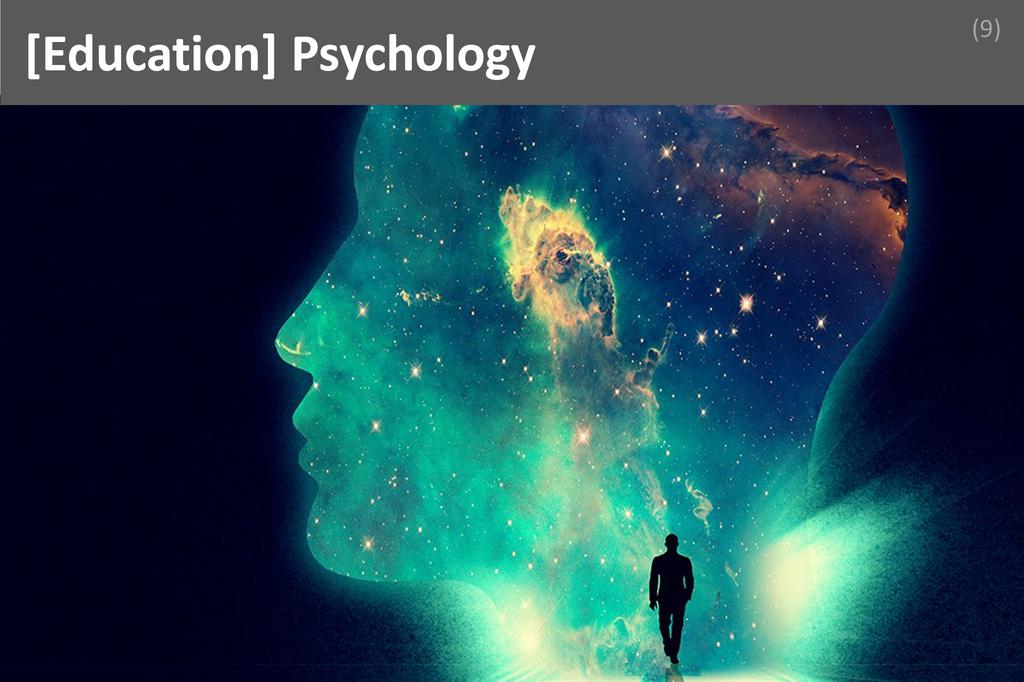
Psychology is the scientific study of human behavior and mental processes, exploring how individuals think, feel, and act in various situations. For a Communication Specialist, psychology provides essential insights into audience motivations, perception, and response, forming a crucial part of the academic and professional toolkit required to craft effective messages and strategies.
Understanding psychology is vital for Communication Specialists because it enables them to anticipate and influence audience reactions, tailor messages for maximum impact, and foster meaningful connections. Psychological principles such as perception, motivation, persuasion, and group dynamics form the backbone of effective communication strategies. By mastering these concepts, professionals can design campaigns that resonate emotionally and cognitively with diverse audiences. Over the long term, this knowledge enhances adaptability, problem-solving, and leadership abilities, allowing Communication Specialists to navigate complex interpersonal and organizational environments. Ultimately, a solid grounding in psychology not only improves message clarity and reception but also supports ethical communication practices and long-lasting professional success.
Imagine a Communication Specialist tasked with launching an internal campaign to encourage employees to adopt a new digital tool. Drawing on psychological theories of motivation and change management, the specialist crafts messages that address common fears and resistance, using positive reinforcement and social proof to build trust. By segmenting the audience based on readiness to change and tailoring communication styles accordingly, the specialist increases engagement and reduces pushback. Throughout the rollout, feedback mechanisms are implemented to monitor emotional responses and adjust strategies in real time. This practical application of psychological knowledge ensures the campaign is not only informative but also empathetic and persuasive, leading to higher adoption rates and a smoother organizational transition.
Communication Strategies
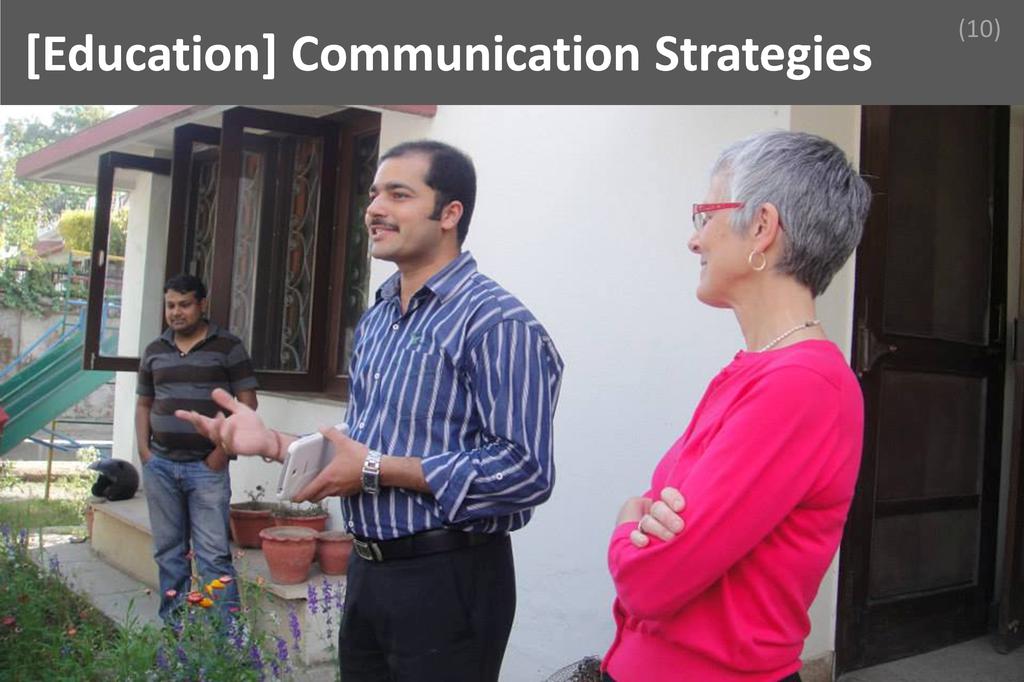
Communication strategies are deliberate methods and techniques used to convey information, ideas, or messages effectively to diverse audiences. For a Communication Specialist, understanding these strategies is essential, as they underpin both academic study and professional practice, enabling the creation and delivery of impactful, clear, and persuasive communications across various platforms and contexts.
A deep understanding of communication strategies is vital for anyone pursuing or advancing in a Communication Specialist role. Mastery of these strategies allows professionals to tailor messages for different audiences, anticipate and overcome barriers, and select the most effective channels for dissemination. This foundational knowledge is crucial for building trust, fostering engagement, and achieving organizational goals. Over time, expertise in communication strategies enhances a specialist’s ability to manage crises, support leadership, and drive change within an organization. It also positions professionals to adapt to evolving media landscapes and audience expectations, ensuring their skills remain relevant and in demand throughout their careers.
Consider a Communication Specialist working for a large healthcare organization during a public health crisis. Drawing on their knowledge of communication strategies, they assess the needs and concerns of various stakeholders, including patients, staff, and the general public. They craft clear, empathetic messages tailored to each group, choosing appropriate channels such as press releases, social media updates, and internal newsletters. By anticipating potential misunderstandings and proactively addressing them, the specialist ensures that accurate information is disseminated quickly and effectively. This strategic approach not only helps maintain public trust but also supports the organization’s reputation and operational stability during a challenging time.
Skills
Teaching Skills
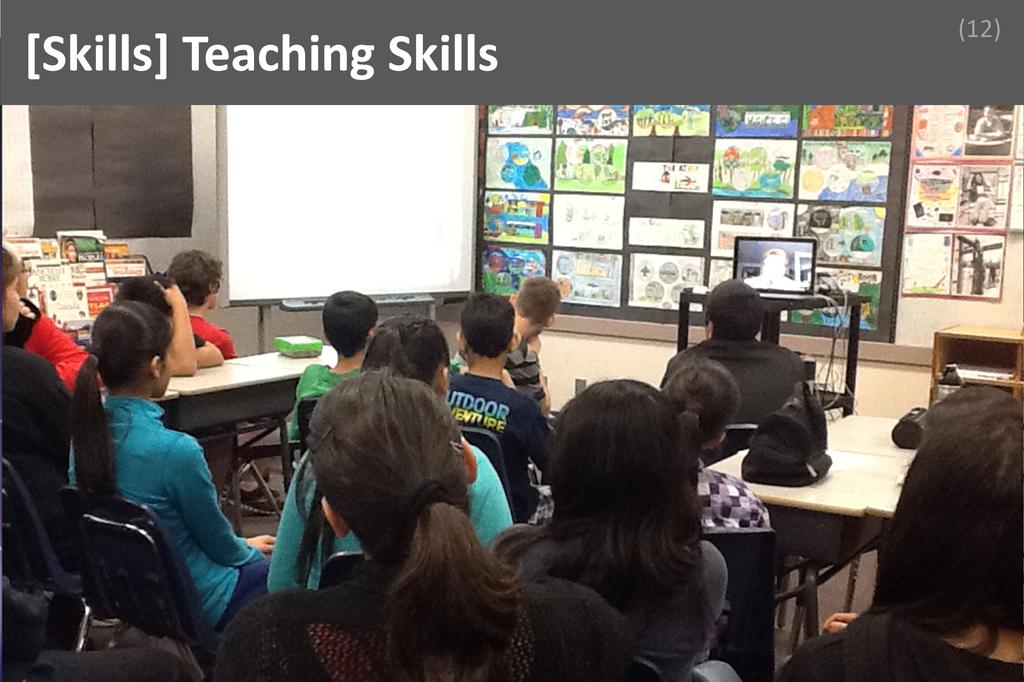
Teaching skills refer to the ability to clearly explain concepts, facilitate understanding, and guide others in acquiring new knowledge or abilities. For a Communication Specialist, teaching skills are vital because they enable the effective transfer of information, ensuring messages are not only delivered but also understood and retained by diverse audiences.
Teaching skills directly enhance a Communication Specialist’s performance by enabling them to break down complex information into accessible, engaging content. This ability is highly valued by clients and employers, as it ensures that key messages resonate with target audiences, leading to better comprehension and action. Communication Specialists who excel at teaching can lead workshops, onboard new team members, and support organizational change initiatives more effectively. Cultivating teaching skills involves continuous learning, seeking feedback, observing skilled educators, and practicing clear, audience-focused communication. Over time, these efforts build confidence and adaptability, allowing professionals to tailor their approach to different learning styles and communication challenges.
Imagine a Communication Specialist tasked with rolling out a new internal communication platform across a large organization. Many employees are unfamiliar with the technology and hesitant to adopt it. The specialist leverages their teaching skills by organizing interactive training sessions, using relatable examples, and patiently addressing questions. They create easy-to-follow guides and encourage hands-on practice, ensuring everyone feels supported throughout the transition. As a result, employees quickly become comfortable with the new platform, adoption rates soar, and the organization experiences minimal disruption. This scenario highlights how teaching skills enable a Communication Specialist to facilitate smooth change, build confidence among stakeholders, and achieve successful outcomes.
Creativity
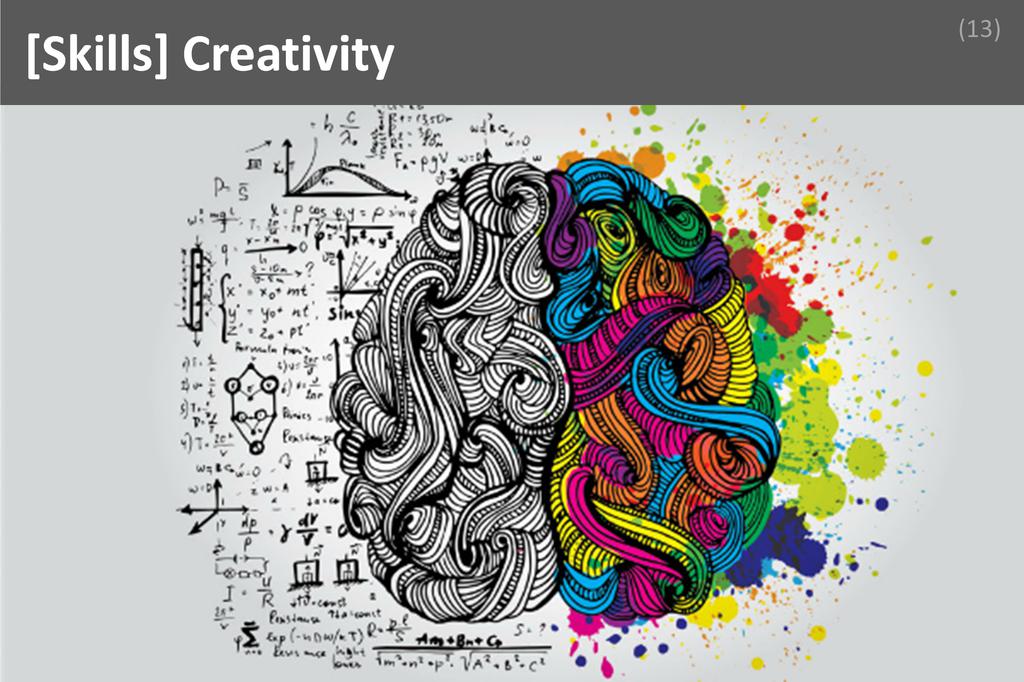
Creativity is the ability to generate original ideas, approaches, or solutions by thinking beyond conventional boundaries and combining information in novel ways. For a Communication Specialist, creativity is indispensable because it enables the development of compelling messages, innovative campaigns, and effective strategies that capture attention and drive engagement in a crowded media landscape.
Creativity directly enhances a Communication Specialist’s performance by enabling them to craft unique narratives, adapt messaging for diverse audiences, and respond dynamically to emerging challenges. Clients and employers highly value this skill because it leads to memorable campaigns, increased brand visibility, and stronger audience connections. Creative professionals can anticipate trends, devise fresh solutions to communication obstacles, and differentiate their organization from competitors. Cultivating creativity involves staying curious, seeking inspiration from various sources, and practicing brainstorming techniques. Over time, exposure to different perspectives, continuous learning, and a willingness to experiment help Communication Specialists refine their creative abilities, making them more adept at delivering impactful communication outcomes.
Imagine a Communication Specialist working for a nonprofit organization facing declining public interest in its annual fundraising event. Traditional promotional tactics have failed to generate excitement. By leveraging creativity, the specialist conceptualizes an interactive virtual experience that invites participants to engage with the cause in real time, such as a live-streamed challenge or storytelling session featuring beneficiaries. This innovative approach not only revitalizes public interest but also attracts new supporters and media coverage. The creative solution transforms a routine event into a memorable occasion, demonstrating how inventive thinking can overcome stagnation and achieve organizational goals. In this scenario, creativity proves essential for problem-solving and driving successful communication outcomes.
Counselling
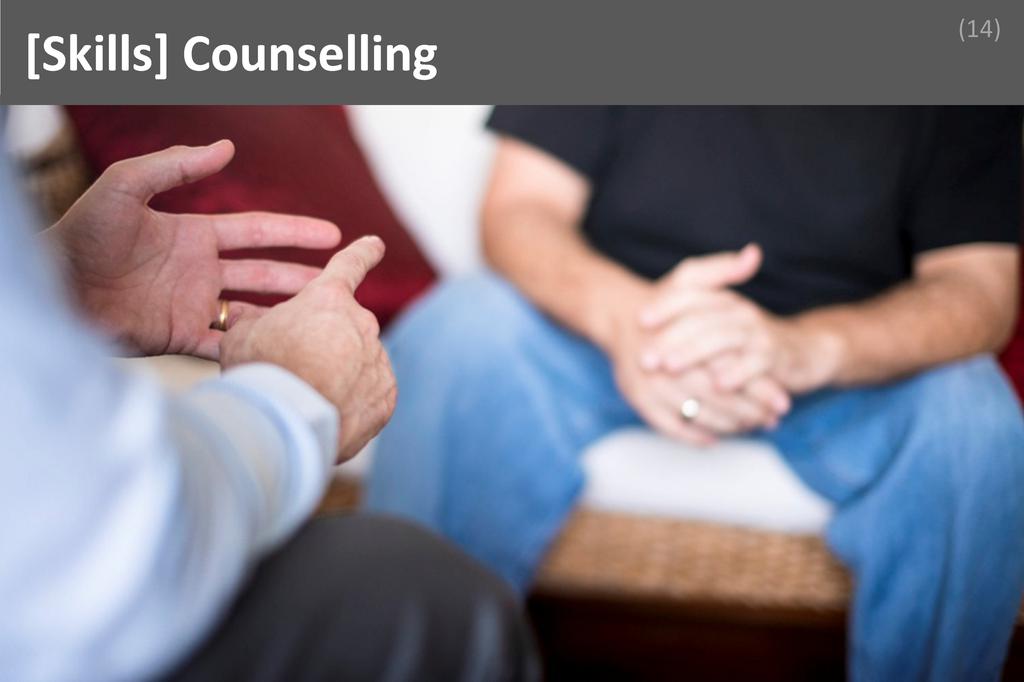
Counselling is a professional skill involving attentive listening, empathetic understanding, and providing guidance to help individuals or groups navigate challenges, make informed decisions, and achieve personal or organizational goals. For a Communication Specialist, counselling is vital for building trust, resolving conflicts, and fostering open, effective dialogue within diverse environments.
Mastering counselling as a Communication Specialist directly enhances the ability to interpret underlying concerns, mediate disputes, and tailor messages to varied audiences. Clients and employers highly value this skill because it leads to stronger relationships, smoother change management, and more effective communication strategies. By actively engaging in reflective listening, seeking feedback, and pursuing relevant training, professionals can steadily refine their counselling abilities. Over time, consistent practice in real-world situations, mentorship, and self-assessment further deepen this core competency, making it an indispensable asset in the communication field.
Imagine a Communication Specialist working within a multinational corporation facing internal resistance to a major organizational change. By employing counselling skills, the specialist meets with concerned employees, listens to their anxieties, and provides thoughtful guidance to address their fears. Through empathetic dialogue and reassurance, the specialist helps employees articulate their concerns, clarifies misunderstandings, and collaboratively develops solutions. This approach not only diffuses tension but also builds trust and buy-in, ultimately ensuring the successful rollout of the change initiative. The ability to counsel effectively transforms potential obstacles into opportunities for growth and alignment, demonstrating the profound impact of this skill in high-stakes situations.
Assessment
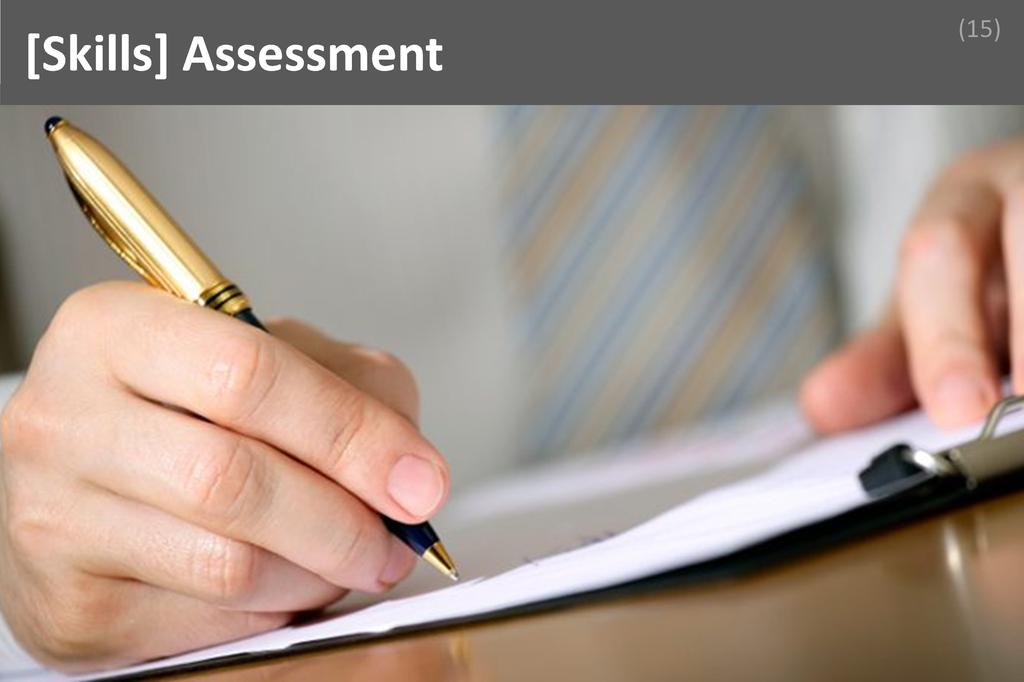
Assessment is the systematic process of gathering, analyzing, and interpreting information to evaluate communication strategies, messages, and outcomes. For a Communication Specialist, assessment is crucial because it enables informed decision-making, identifies strengths and weaknesses, and ensures that communication efforts align with organizational goals and audience needs.
Mastering assessment significantly enhances a Communication Specialist’s effectiveness by enabling them to measure the impact of their work and adapt strategies accordingly. Employers and clients highly value this skill because it demonstrates accountability, supports data-driven decisions, and maximizes the return on communication investments. Developing assessment skills involves continuous learning, seeking feedback, and staying updated on industry best practices and analytical tools. Over time, professionals can refine their ability to interpret data, understand audience feedback, and adjust their messaging for greater clarity and resonance. By embedding assessment into their workflow, Communication Specialists can demonstrate tangible results and drive ongoing improvement in their communication initiatives.
Imagine a Communication Specialist tasked with launching an internal campaign to boost employee engagement. After rolling out the initial messages, the specialist uses assessment techniques such as surveys, focus groups, and analytics to gauge employee reactions and participation rates. The data reveals that certain messages are not resonating with specific departments. By carefully analyzing this feedback, the specialist identifies the need to tailor content and delivery methods for different groups. This targeted adjustment leads to a significant increase in engagement and overall campaign success. Through effective assessment, the Communication Specialist not only solves a critical issue but also demonstrates the value of strategic, evidence-based communication.
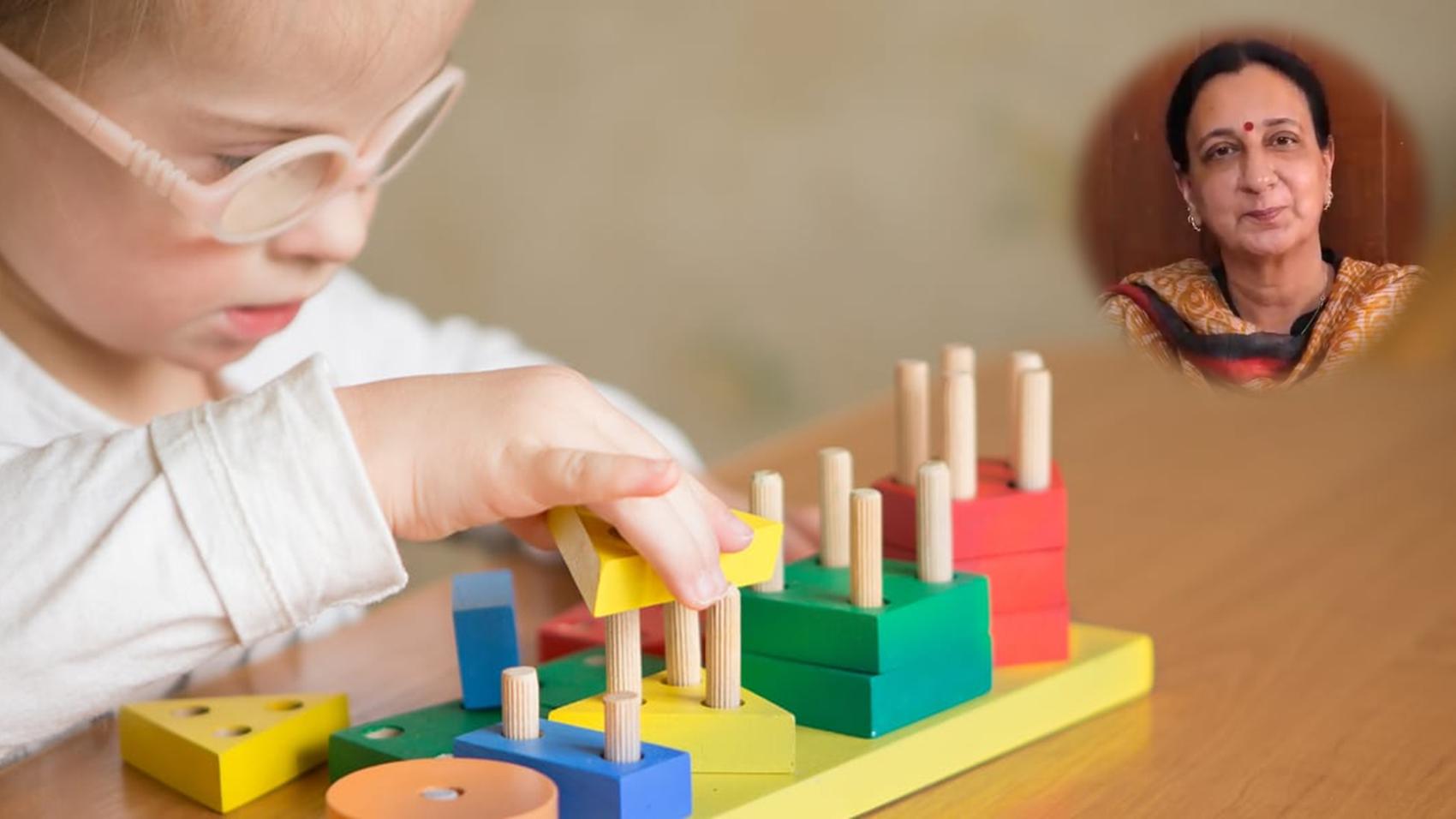
Child Interaction
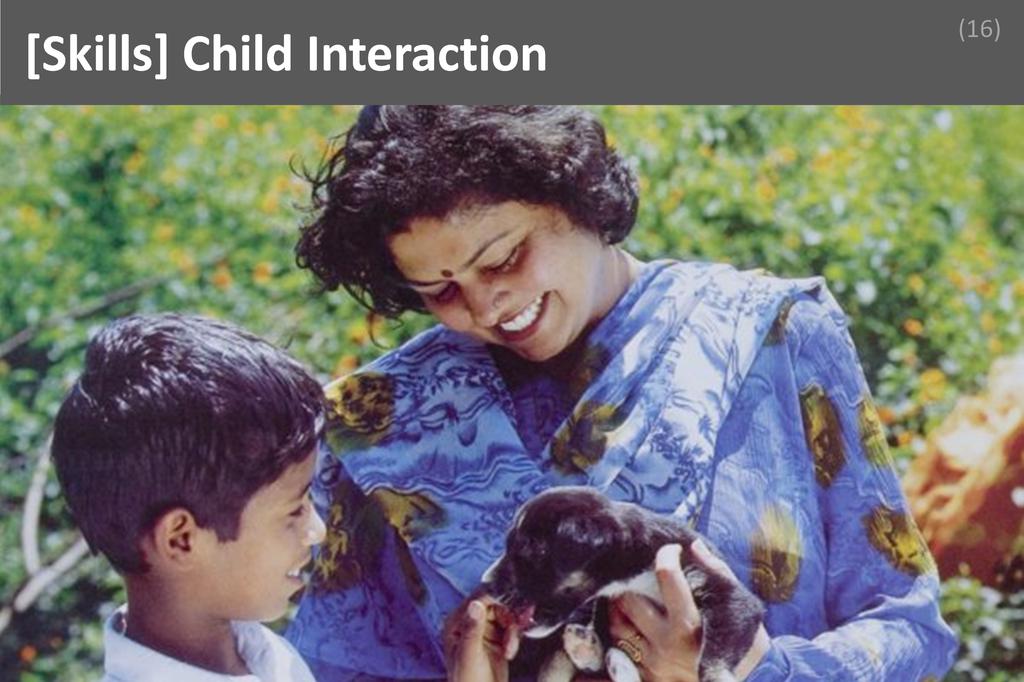
Child Interaction refers to the ability to effectively engage, communicate, and build rapport with children by understanding their developmental stages, emotional needs, and communication styles. For a Communication Specialist, this skill is vital in crafting messages, designing programs, and facilitating environments that resonate with young audiences and their caregivers.
Mastering Child Interaction significantly enhances a Communication Specialist’s effectiveness, especially when projects involve educational campaigns, family outreach, or youth-centered initiatives. Clients and employers highly value this skill because it ensures that messaging is age-appropriate, culturally sensitive, and impactful, leading to better engagement and outcomes. Developing this skill involves continuous learning about child psychology, practicing active listening, and observing children’s responses in various settings. Over time, professionals can refine their approach by seeking feedback from both children and adults, participating in relevant workshops, and staying updated on best practices in child communication. This ongoing development not only builds trust with young audiences but also strengthens the specialist’s reputation for inclusivity and empathy.
Imagine a Communication Specialist tasked with launching a public health campaign aimed at increasing vaccination rates among school-aged children. During initial outreach, the specialist notices that children are anxious and resistant due to fear and misinformation. By leveraging strong Child Interaction skills, the specialist organizes interactive sessions where children can express their concerns, ask questions, and participate in age-appropriate activities that demystify the vaccination process. Through empathetic listening and clear, relatable explanations, the specialist alleviates fears and fosters a supportive environment. As a result, both children and parents become more receptive to the campaign’s message, leading to higher participation rates and a successful public health outcome.
Positives
Self Satisfaction

Self satisfaction is the deep sense of fulfillment and contentment that arises from achieving personal and professional goals, knowing one’s efforts have made a meaningful difference, and feeling proud of one’s contributions. In the field of communication, this feeling is amplified by the visible impact of clear, effective messaging and successful engagement. Communication specialists thrive on the knowledge that their work shapes perceptions, builds relationships, and drives positive change. This intrinsic reward not only motivates professionals to excel but also fosters a sense of purpose, making every challenge and accomplishment deeply meaningful.
Self satisfaction is a cornerstone of long-term career fulfillment for communication specialists. When professionals see their strategies resonate with audiences, foster understanding, or resolve conflicts, they experience a unique pride that fuels ongoing enthusiasm for their work. This positive emotion enhances job satisfaction, reduces burnout, and encourages continuous learning and growth. The daily opportunity to craft messages that inform, inspire, or unite people allows communication specialists to witness the tangible results of their expertise. As a result, they are more likely to remain engaged, innovative, and committed to their roles, knowing that their contributions are both valued and impactful.
Imagine a communication specialist tasked with managing internal communications during a major organizational change. Through carefully crafted messages, transparent updates, and empathetic listening, they help employees navigate uncertainty and foster a sense of unity. When feedback reveals that staff feel informed, supported, and motivated, the specialist experiences profound self satisfaction. This fulfillment comes from knowing their skills directly improved morale and trust within the company. The positive outcome not only validates their professional abilities but also reinforces their passion for the field, inspiring them to tackle future challenges with confidence and dedication.
Growth Opportunities

Growth opportunities refer to the potential for personal and professional advancement within a career, encompassing skill development, increased responsibilities, and upward mobility. In the field of communication, these opportunities empower specialists to continuously learn, adapt, and expand their expertise, making the profession dynamic, engaging, and full of promise for the future.
The presence of growth opportunities is a defining feature that makes a career as a Communication Specialist deeply rewarding. This positive aspect matters because it ensures that professionals are never stagnant; instead, they are encouraged to evolve alongside the rapidly changing landscape of media, technology, and organizational needs. As communication strategies and platforms advance, specialists are presented with new challenges and learning experiences, which keeps their work fresh and stimulating. This constant evolution not only boosts job satisfaction but also fosters a sense of accomplishment and relevance. Professionals experience this benefit daily through ongoing training, exposure to diverse projects, and the chance to take on leadership roles, all of which contribute to a fulfilling and progressive career journey.
Imagine a Communication Specialist who begins their career managing internal newsletters for a mid-sized company. Over time, they seize opportunities to lead crisis communication efforts, develop social media campaigns, and participate in executive strategy sessions. Each new responsibility brings fresh challenges and learning experiences, allowing them to refine their skills and expand their professional network. Eventually, their dedication and adaptability are recognized, leading to a promotion to Communications Manager. This journey exemplifies how growth opportunities not only enhance expertise but also provide a clear path for advancement, making each day on the job more meaningful and inspiring for those passionate about communication.
Challenges
Lack of Awareness
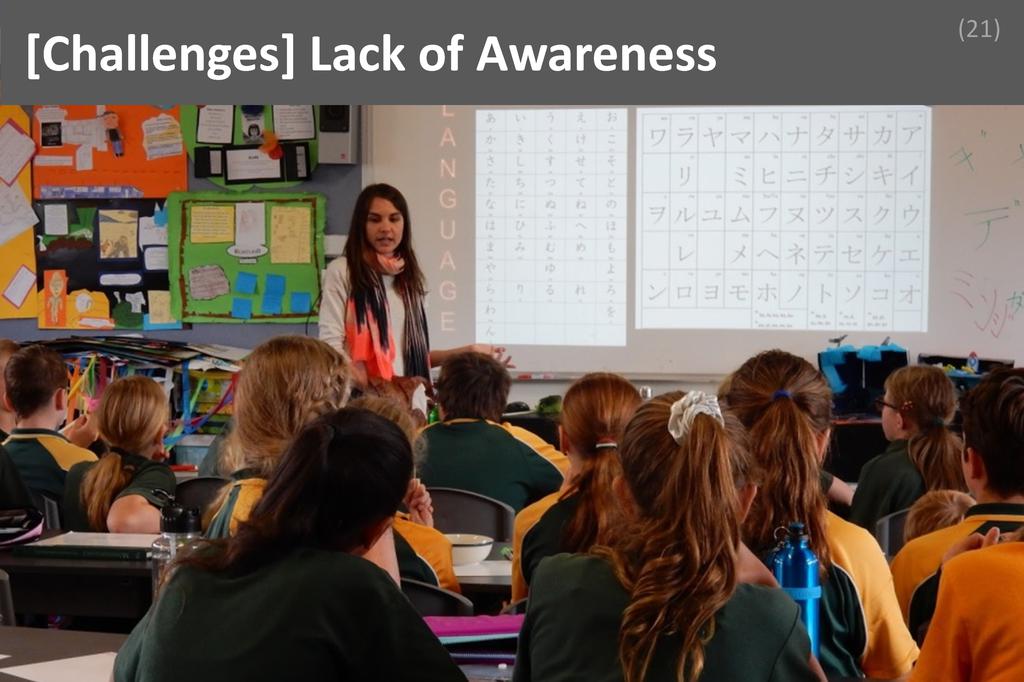
Lack of Awareness, for a Communication Specialist, refers to the insufficient understanding or recognition of the role’s value, objectives, or contributions within an organization. This challenge is demanding because it can lead to underutilization, misaligned expectations, and limited support, making it difficult to demonstrate impact or secure necessary resources.
This difficulty can permeate daily work by creating barriers to collaboration, reducing access to key information, and limiting the influence of communication initiatives. Communication Specialists may find their recommendations overlooked or their expertise undervalued, which can be discouraging and isolating. Overcoming this challenge requires resilience, adaptability, and proactive engagement. Successful professionals consistently advocate for their role by demonstrating measurable results, educating stakeholders about the strategic importance of effective communication, and seeking opportunities to align their work with organizational goals. By building relationships and maintaining open channels of communication, they gradually shift perceptions and foster a deeper appreciation for their contributions.
Consider a Communication Specialist in a mid-sized company where leadership views communication as a secondary function. Recognizing this lack of awareness, the specialist initiates a campaign to showcase how clear internal messaging improves employee engagement and productivity. They gather data on communication gaps and present compelling evidence linking improved communication to business outcomes. Through regular updates, workshops, and visible success stories, the specialist gradually earns leadership’s trust and secures a seat at strategic meetings. This proactive approach not only raises awareness of the communication function’s value but also empowers the specialist to drive more impactful initiatives, ultimately transforming the organization’s perception and reliance on effective communication.
Lack of Trainings
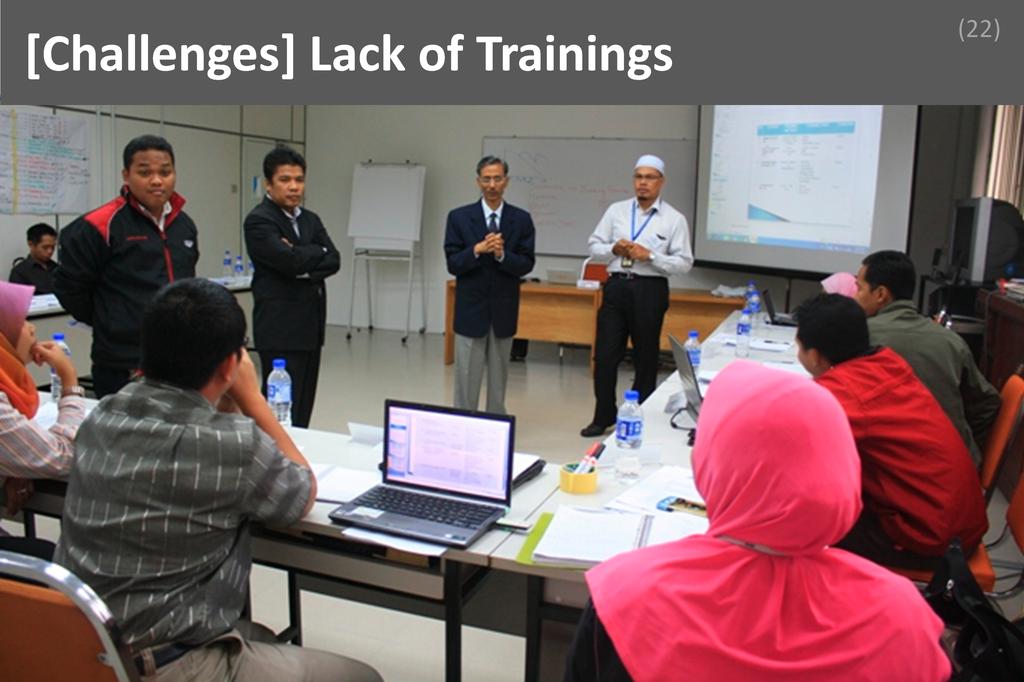
Lack of trainings for Communication Specialists refers to insufficient access to structured learning opportunities, workshops, or skill development programs tailored to evolving communication tools and strategies. This challenge is demanding because it limits professionals’ ability to stay updated, adapt to new technologies, and maintain effective, impactful communication in dynamic environments.
The absence of adequate training can leave Communication Specialists feeling unprepared to handle emerging platforms, shifting audience expectations, or new organizational tools. This gap often leads to decreased confidence, slower adaptation to change, and missed opportunities for innovation. Navigating this challenge requires resilience, as professionals must proactively seek alternative learning avenues and remain resourceful. Successful Communication Specialists often turn to self-directed learning, peer collaboration, and online resources to bridge knowledge gaps. They cultivate a growth mindset, embracing feedback and experimentation to refine their skills. By leveraging informal networks and staying curious, they manage to keep their expertise relevant, even in the absence of formal training programs.
Consider a Communication Specialist working in a mid-sized company that recently adopted a new digital platform for internal communications, but provided no formal training. Instead of feeling overwhelmed, the specialist took initiative by exploring the platform independently, consulting online tutorials, and reaching out to colleagues in similar roles for advice. Through trial and error, they mastered the platform’s features and began sharing tips with their team, gradually becoming the go-to resource for others. This proactive approach not only enhanced their own skills but also fostered a culture of shared learning within the organization, demonstrating how determination and resourcefulness can overcome the obstacle of limited formal training.
A Day Of
Communication Specialist
In the fast-paced world of a Communication Specialist, no two days are ever quite the same. The office hums with the energy of breaking news, urgent emails, and the constant flow of information that must be shaped, clarified, and delivered with precision. Whether working in a bustling corporate headquarters, a nonprofit’s open-plan workspace, or remotely from a home office, the Communication Specialist is always at the center of the action, balancing creativity with strategy and responding to the evolving needs of both internal teams and external audiences. The rhythm of the day is dictated by deadlines, media inquiries, and the ever-present need to craft messages that resonate and inspire.
As the day begins, the Communication Specialist settles in with a fresh cup of coffee and dives into a comprehensive review of news headlines, social media trends, and internal updates. This early morning ritual is crucial for staying ahead of the narrative, identifying potential issues, and spotting opportunities for positive coverage. The specialist reviews scheduled press releases, checks for urgent emails from leadership, and updates the day’s priority list, ensuring that the communication strategy aligns with the latest developments both inside and outside the organization.
By mid-morning, the focus shifts to the heart of the role: crafting compelling content and orchestrating communication campaigns. This is the most intense and creative part of the day, where the specialist drafts press releases, writes blog posts, and develops social media content tailored to different platforms and audiences. Collaboration with graphic designers, videographers, and subject matter experts is frequent, as the specialist refines messaging and ensures that every piece of content aligns with the organization’s voice and objectives. Deadlines loom, and the pressure to deliver high-quality work is balanced by the satisfaction of seeing ideas take shape.
The afternoon brings a flurry of meetings and collaborative sessions with colleagues from marketing, public relations, and executive leadership. The Communication Specialist presents campaign updates, gathers feedback, and coordinates with external partners such as media contacts or agency representatives. This is the time for executing planned initiatives, responding to media inquiries, and troubleshooting any issues that have arisen throughout the day. The specialist’s ability to think on their feet and adapt to shifting priorities is put to the test as they juggle multiple projects and ensure that all communication efforts remain on track.
As the workday winds down, the Communication Specialist turns to analysis and planning. They review the performance of recent campaigns, compile reports on media coverage and audience engagement, and document key learnings for future reference. Administrative tasks such as updating editorial calendars, responding to outstanding emails, and preparing briefing materials for the next day are completed with care. With an eye on tomorrow, the specialist outlines priorities and drafts a preliminary to-do list, ensuring that they are ready to hit the ground running when the cycle begins anew. |


 Home
Home Abroad
 Plan
Plan Philosophy
 Seminar
 Pages
Pages Advisors
 Testimonials












 Workshop
 Discuss
 Meet
Meet
 Advisor
 Story
Story
 Fine Print
 Links
Links
 Blog
Blog
 Follow
