The Journey of Strategy Consulting
What Is Strategy Consulting
Strategy Consulting
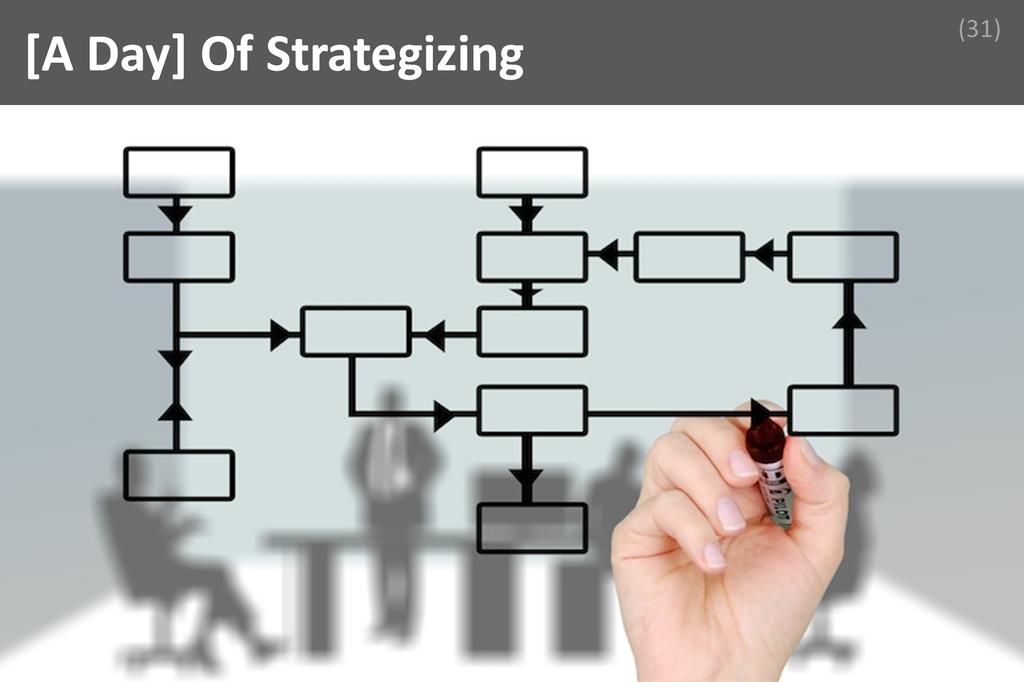
Strategy consulting is a professional service where experts advise organizations on high-level decisions to improve performance, create value, and gain a competitive edge. Consultants analyze complex business challenges, develop actionable strategies, and guide clients through implementation, helping them achieve long-term goals and navigate rapidly changing markets.
Strategy consulting plays a crucial role in shaping the direction and success of organizations across industries. For professionals in this field, the work is intellectually stimulating and offers opportunities to solve complex problems that have a significant impact on clients’ futures. One major benefit is the exposure to diverse industries and business models, which accelerates learning and professional growth. Another benefit is the chance to work closely with senior executives, gaining valuable insights into leadership and decision-making. Additionally, strategy consultants often enjoy rapid career progression due to the high visibility and impact of their work, making it an attractive path for ambitious professionals.
A multinational retail company facing declining sales might hire a strategy consulting firm to identify the root causes and recommend solutions. The consultants would conduct market research, analyze internal data, and benchmark competitors to uncover trends and opportunities. They might discover that shifting consumer preferences and outdated store formats are contributing to the decline. The consultants would then develop a comprehensive strategy, which could include digital transformation, store redesign, and targeted marketing campaigns. By guiding the company through these changes, the strategy consultants help the client regain market share and achieve sustainable growth, demonstrating the tangible value of their expertise.
Education
Accounting
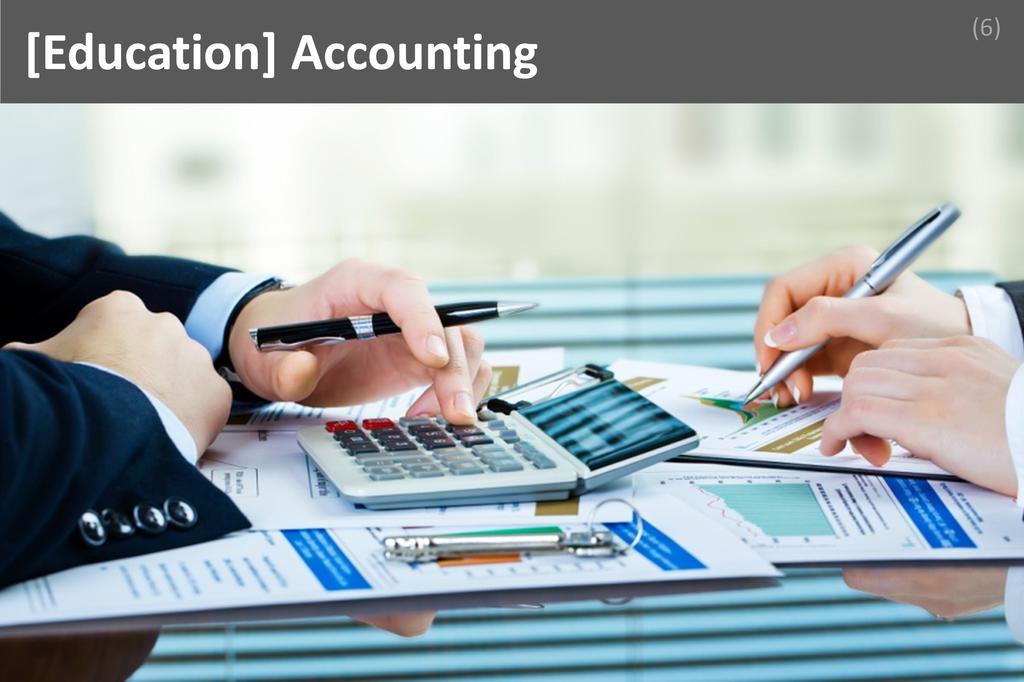
Accounting is the systematic process of recording, summarizing, analyzing, and reporting financial transactions of an organization. It provides essential information about a company’s financial health, performance, and cash flows. In strategy consulting, accounting forms a critical part of the analytical toolkit, enabling consultants to interpret financial data and inform strategic decisions.
A solid grasp of accounting is indispensable for anyone pursuing a career in strategy consulting. Understanding financial statements, cost structures, and profitability metrics allows consultants to assess a client’s current position and identify opportunities for growth or improvement. Accounting knowledge underpins the ability to evaluate business models, forecast financial outcomes, and measure the impact of strategic initiatives. It also enhances credibility with clients, as consultants can confidently interpret and discuss financial data with stakeholders at all levels. Over the long term, mastering accounting principles supports career advancement by enabling consultants to tackle increasingly complex projects, contribute to high-level decision-making, and transition into leadership roles within consulting or industry.
Imagine a strategy consultant working with a manufacturing client seeking to improve profitability. The consultant begins by analyzing the client’s income statement, balance sheet, and cash flow statement to identify trends in revenue, costs, and capital allocation. By applying accounting principles, the consultant uncovers that rising costs in raw materials are eroding margins, despite stable sales. Leveraging this insight, the consultant recommends operational changes and renegotiation of supplier contracts. Throughout the engagement, the consultant uses accounting knowledge to model the financial impact of proposed strategies, ensuring recommendations are both practical and financially sound. This application of accounting transforms raw financial data into actionable insights, driving tangible business results for the client.
Management Principles
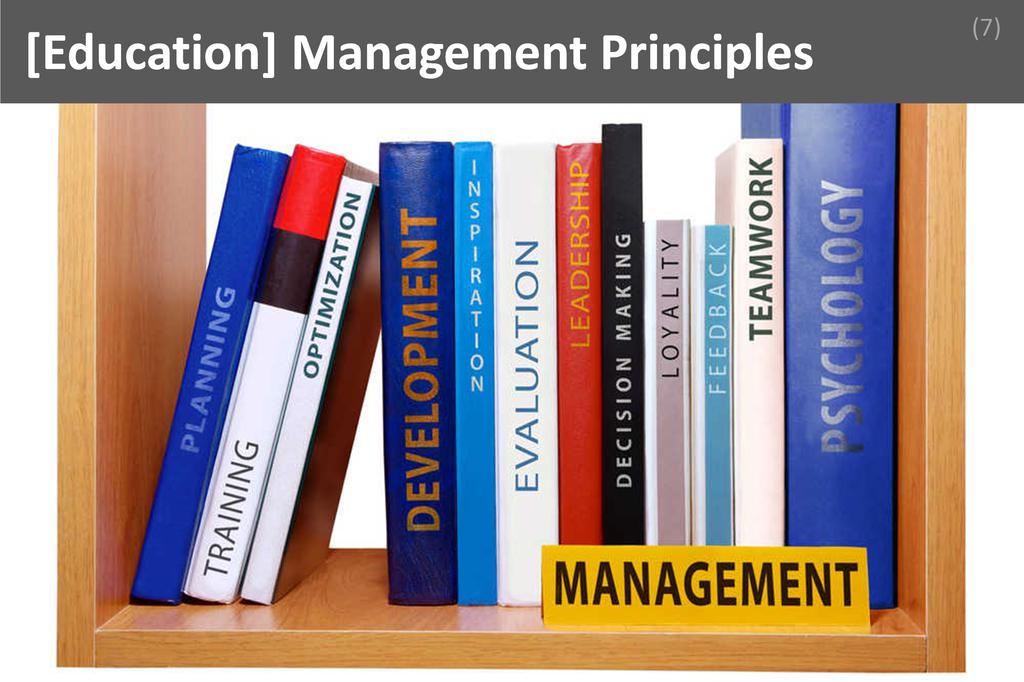
Management Principles are fundamental guidelines and theories that inform how organizations are structured, directed, and controlled to achieve objectives efficiently and effectively. In both academic and professional contexts, these principles provide the essential framework that underpins strategic decision-making, making them indispensable for anyone pursuing a career in Strategy Consulting.
A deep understanding of Management Principles is vital for strategy consultants because it equips them with the analytical tools and frameworks necessary to assess organizational structures, leadership styles, and operational processes. Mastery of these concepts allows consultants to diagnose business challenges, recommend actionable improvements, and anticipate the implications of strategic decisions. This foundational knowledge is not only critical for developing tailored solutions for clients but also for building credibility and trust in client relationships. Over the long term, expertise in Management Principles enables professionals to adapt to evolving business environments, lead high-impact projects, and progress into senior advisory or leadership roles within the consulting industry.
Consider a strategy consultant tasked with improving the efficiency of a multinational client’s supply chain. Drawing on their knowledge of Management Principles, the consultant analyzes the client’s organizational hierarchy, communication flows, and decision-making processes. By applying classical theories such as division of labor and unity of command, the consultant identifies redundancies and bottlenecks that hinder performance. They then recommend restructuring teams and clarifying reporting lines to streamline operations. Throughout the engagement, the consultant’s theoretical grounding in Management Principles enables them to justify their recommendations with proven management logic, ensuring that proposed changes are both practical and sustainable. This approach not only delivers measurable results but also reinforces the consultant’s value as a strategic partner.
Economics

Economics is the study of how individuals, businesses, and societies allocate scarce resources to satisfy unlimited wants. It examines decision-making, market dynamics, and the impact of policies on production, distribution, and consumption. For strategy consultants, economics provides essential frameworks for analyzing business environments and guiding clients toward informed, data-driven decisions.
A strong grasp of economics is indispensable for anyone in strategy consulting because it underpins the analytical tools and frameworks used to assess markets, industries, and organizations. Understanding concepts such as supply and demand, market structures, and competitive dynamics enables consultants to evaluate client challenges from a holistic perspective. This knowledge allows professionals to anticipate market shifts, assess the impact of regulatory changes, and recommend strategies that maximize value. Over the long term, proficiency in economics equips consultants with the ability to interpret complex data, forecast trends, and communicate insights persuasively to clients and stakeholders. Mastery of economic principles thus forms the backbone of effective strategic analysis and sustainable career growth in the consulting field.
Imagine a strategy consultant advising a retail client facing declining profits. By applying economic theory, the consultant analyzes market demand elasticity to determine how price changes might affect sales volume. They assess the competitive landscape using concepts like barriers to entry and market concentration, identifying potential threats and opportunities. The consultant also evaluates macroeconomic indicators such as consumer confidence and inflation rates to forecast future demand. Drawing on these economic insights, the consultant recommends a pricing strategy and market positioning that aligns with both the client’s goals and prevailing economic conditions. This practical application of economics ensures that recommendations are grounded in rigorous analysis, increasing the likelihood of successful outcomes for the client.
Skills
Analytical

Analytical is the ability to systematically examine information, identify patterns, break down complex problems, and draw logical conclusions. In Strategy Consulting, this skill enables professionals to interpret vast data sets, evaluate business challenges, and develop actionable recommendations, making it a cornerstone of effective problem-solving and decision-making in the field.
Analytical skill directly enhances performance in Strategy Consulting by enabling consultants to dissect intricate business problems, uncover root causes, and propose evidence-based solutions. Clients and employers highly value this capability because it ensures recommendations are grounded in rigorous analysis rather than intuition or guesswork. Consultants with strong analytical abilities can quickly synthesize information from diverse sources, anticipate potential obstacles, and present clear, data-driven insights. To cultivate this skill, professionals should engage in continuous learning, seek feedback, and practice structured problem-solving in real-world scenarios. Over time, exposure to varied industries and business challenges further sharpens analytical thinking, making it an indispensable asset for career advancement in Strategy Consulting.
Imagine a Strategy Consultant tasked with helping a retail client reverse declining sales. The consultant begins by gathering and analyzing sales data, customer demographics, and market trends. Through careful examination, they identify that a specific product line underperforms in certain regions due to shifting consumer preferences. By applying analytical thinking, the consultant isolates the root cause and recommends a targeted product repositioning strategy. This approach not only addresses the immediate sales decline but also uncovers new growth opportunities. The consultant’s ability to break down the problem, interpret complex data, and develop actionable solutions demonstrates how essential analytical skill is in delivering tangible value to clients and achieving successful outcomes in Strategy Consulting.
Seeing the Bigger Picture

Seeing the Bigger Picture means understanding how individual actions, decisions, and data points fit into the broader context of an organization’s goals, industry trends, and global forces. In Strategy Consulting, this skill enables professionals to move beyond surface-level analysis and craft solutions that align with long-term objectives and sustainable growth.
The ability to see the bigger picture directly enhances a strategy consultant’s performance by allowing them to identify connections and implications that others might overlook. Clients and employers highly value this skill because it leads to recommendations that are not only innovative but also practical and aligned with the organization’s overarching mission. Consultants who master this perspective can anticipate challenges, recognize emerging opportunities, and ensure that their advice supports both immediate needs and future ambitions. Cultivating this skill involves staying informed about industry developments, seeking diverse perspectives, and consistently reflecting on how day-to-day tasks contribute to larger strategic goals. Over time, deliberate practice and exposure to complex business scenarios help sharpen this essential capability.
Imagine a consultant working with a retail client facing declining sales. While the immediate data points to issues with product assortment, the consultant steps back to consider broader factors such as shifting consumer behaviors, technological disruption, and competitive dynamics. By seeing the bigger picture, they realize that the root cause is not just inventory management but a fundamental change in how customers engage with brands. This insight leads to a comprehensive strategy that includes digital transformation, customer experience redesign, and supply chain innovation. The consultant’s ability to connect these dots ensures the client not only addresses current challenges but also positions itself for long-term success in a rapidly evolving market.
Communication
Communication is the ability to clearly and effectively exchange information, ideas, and insights through speaking, writing, and active listening. In strategy consulting, communication enables professionals to convey complex analyses, align stakeholders, and facilitate decision-making. It is a foundational skill that ensures recommendations are understood, actionable, and impactful.
Strong communication skills directly enhance a strategy consultant’s performance by enabling them to articulate complex concepts in a way that resonates with diverse audiences, from C-suite executives to frontline employees. Clients and employers highly value consultants who can translate data-driven insights into compelling narratives, fostering trust and buy-in for strategic recommendations. Over time, communication can be cultivated through deliberate practice, such as seeking feedback after presentations, engaging in active listening during client meetings, and refining written reports for clarity and conciseness. Continuous learning, including public speaking workshops and mentorship, further hones this essential skill, making consultants more effective and influential in their roles.
Imagine a strategy consultant working with a multinational client facing declining market share. The consultant must present a turnaround strategy to a skeptical executive board. By leveraging strong communication skills, the consultant distills complex market analyses into clear, actionable recommendations, addresses concerns with empathy, and adapts messaging to the audience’s priorities. Through open dialogue and persuasive storytelling, the consultant builds consensus among stakeholders, ensuring alignment and commitment to the proposed strategy. This effective communication not only resolves initial resistance but also paves the way for successful implementation, demonstrating how vital the skill is in navigating high-stakes consulting engagements.
Teamwork

Teamwork is the collaborative effort of a group to achieve a common goal or complete a task in the most effective and efficient way. In strategy consulting, teamwork is fundamental because projects are complex, require diverse expertise, and demand seamless coordination among consultants, clients, and stakeholders to deliver impactful solutions.
Teamwork directly enhances performance in strategy consulting by enabling the pooling of diverse perspectives, skills, and experiences, which leads to more innovative and robust solutions for clients. Employers and clients value consultants who excel at teamwork because they foster a positive working environment, ensure smooth project execution, and drive collective accountability for results. Cultivating teamwork involves actively listening to others, communicating openly, respecting different viewpoints, and being willing to both lead and support as situations demand. Over time, professionals can strengthen this skill by seeking feedback, participating in cross-functional projects, and reflecting on group dynamics to continuously improve their collaborative approach.
Imagine a strategy consulting team tasked with helping a multinational company enter a new market. The project faces tight deadlines and complex regulatory challenges. One consultant specializes in market analysis, another in regulatory compliance, and a third in financial modeling. By working closely together, sharing insights, and coordinating their efforts, the team is able to quickly identify potential risks, develop a comprehensive market entry strategy, and present unified recommendations to the client. Through effective teamwork, they not only meet the client’s expectations but also build trust and credibility, demonstrating how collaboration is essential to overcoming obstacles and achieving successful outcomes in strategy consulting.
People Management

People Management is the ability to effectively lead, motivate, and develop individuals or teams to achieve organizational objectives, while fostering collaboration, trust, and professional growth. In Strategy Consulting, this skill is crucial because consultants must coordinate diverse stakeholders, drive team performance, and ensure alignment between client and consulting teams to deliver impactful solutions.
Mastering People Management significantly enhances a strategy consultant’s effectiveness by enabling them to build high-performing teams, resolve conflicts, and maintain motivation under pressure. Clients and employers highly value this skill because it ensures smoother project execution, stronger client relationships, and better adoption of recommendations. Cultivating People Management involves seeking feedback, observing experienced leaders, and practicing empathy and clear communication in daily interactions. Over time, consultants can refine their approach by reflecting on team dynamics, adapting leadership styles to different personalities, and investing in ongoing professional development. As consultants progress in their careers, strong People Management skills become increasingly important for leading larger teams and managing complex, multi-stakeholder projects.
Imagine a strategy consultant leading a project to restructure a client’s operations. Midway through, the client’s internal team becomes resistant to proposed changes, fearing job losses and increased workloads. The consultant draws on People Management skills to listen to concerns, foster open dialogue, and clarify the benefits of the new strategy. By building trust and addressing anxieties, the consultant motivates the team to participate in solution-building rather than resisting it. This approach not only helps overcome resistance but also ensures smoother implementation and stronger client satisfaction. Ultimately, the consultant’s ability to manage people effectively transforms a potential roadblock into a collaborative success, demonstrating the indispensable value of People Management in strategy consulting.
Time Management
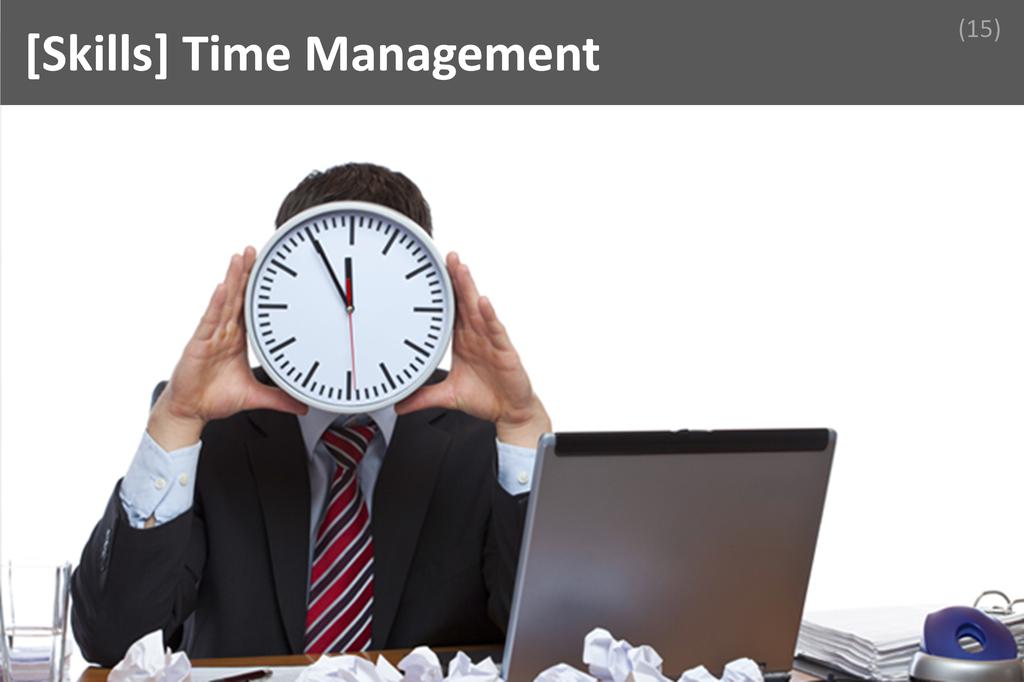
Time management is the ability to plan, organize, and allocate time effectively to accomplish tasks and achieve goals within set deadlines. In strategy consulting, this skill enables professionals to juggle multiple projects, meet client expectations, and deliver high-quality recommendations, making it indispensable for sustained success and career growth.
Mastering time management directly enhances a strategy consultant’s performance by ensuring that complex analyses, client meetings, and deliverables are completed efficiently and to a high standard. Clients and employers value this skill because it leads to reliable project execution, timely insights, and the ability to adapt to shifting priorities without sacrificing quality. Cultivating time management involves setting clear priorities, breaking down large tasks into manageable steps, and regularly reviewing progress to adjust plans as needed. Over time, consultants can refine their approach by learning from past experiences, leveraging digital tools, and seeking feedback from mentors or colleagues, all of which contribute to greater productivity and professional credibility.
Imagine a strategy consultant tasked with delivering a market entry strategy for a major client within a tight two-week deadline. The project requires coordinating with multiple stakeholders, conducting in-depth market research, and synthesizing findings into a compelling presentation. By applying strong time management, the consultant creates a detailed project timeline, allocates specific time blocks for research, analysis, and client updates, and proactively identifies potential bottlenecks. When an unexpected data request arises, the consultant quickly reprioritizes tasks without missing critical milestones. As a result, the final recommendations are delivered on time, impressing the client and reinforcing the consultant’s reputation for reliability and effectiveness under pressure.
Networking

Networking is the process of building and maintaining mutually beneficial relationships with individuals, groups, and organizations to exchange information, resources, and opportunities. In strategy consulting, networking is a vital skill that enables professionals to access industry insights, foster client trust, and open doors to new business opportunities, partnerships, and collaborations.
Networking directly enhances a strategy consultant’s performance by providing access to diverse perspectives, up-to-date market intelligence, and potential leads for new projects. Clients and employers value consultants who can leverage their networks to bring in fresh ideas, connect with key stakeholders, and facilitate introductions that drive business growth. Cultivating this skill involves consistent engagement with peers, clients, and industry leaders through conferences, professional associations, and social platforms. Over time, genuine relationship-building, active listening, and offering value to others help consultants expand their influence and credibility. By investing in their networks, consultants not only stay informed about industry trends but also position themselves as trusted advisors who can mobilize resources and expertise when needed.
Imagine a strategy consultant working with a client facing declining market share in a highly competitive industry. The consultant taps into their professional network to connect with former colleagues who have experience in similar market turnarounds. Through these connections, the consultant gains access to case studies, benchmarks, and even introductions to potential strategic partners. This network-driven approach enables the consultant to craft a data-driven, innovative solution tailored to the client’s unique challenges. By leveraging relationships and industry contacts, the consultant not only delivers exceptional value to the client but also strengthens their own reputation as a resourceful and well-connected professional, ultimately contributing to long-term career success.
Research

Research is the systematic process of gathering, analyzing, and interpreting information to generate insights, solve problems, and inform decision-making. In strategy consulting, research forms the foundation for understanding markets, industries, competitors, and client challenges. It enables consultants to provide evidence-based recommendations, ensuring that strategies are grounded in factual, up-to-date knowledge rather than assumptions.
Mastering research significantly enhances a strategy consultant’s effectiveness by enabling them to uncover hidden opportunities, anticipate risks, and validate strategic options. Clients and employers highly value this skill because it leads to more accurate diagnoses of business problems and more robust, actionable solutions. A consultant who excels at research can quickly adapt to new industries or markets, providing fresh perspectives and credible advice. Cultivating this skill involves continuous learning, staying current with industry trends, and practicing critical thinking. Over time, consultants can refine their research techniques by leveraging advanced data sources, collaborating with experts, and applying structured methodologies to ensure their findings are both comprehensive and relevant.
Imagine a consulting team tasked with helping a global retailer enter a new market. The lead consultant embarks on thorough research, analyzing local consumer behavior, regulatory environments, and competitive dynamics. By synthesizing data from market reports, interviews, and public records, the consultant identifies a previously overlooked customer segment with high growth potential. This insight shapes the client’s market entry strategy, allowing them to tailor their product offerings and marketing approach for maximum impact. Without rigorous research, the team might have missed this opportunity, leading to a less effective strategy and diminished client outcomes. In this scenario, research proves indispensable in driving both innovation and success.
Presentation Skills

Presentation skills refer to the ability to effectively communicate ideas, insights, and recommendations to an audience using clear structure, engaging delivery, and persuasive storytelling. In strategy consulting, these skills are crucial for translating complex analyses into actionable strategies, ensuring stakeholders understand and support proposed solutions, and building client trust and confidence.
Strong presentation skills directly enhance a strategy consultant’s performance by enabling them to convey complex information in a compelling and accessible manner. Clients and employers highly value consultants who can distill intricate data into clear, persuasive narratives that drive decision-making and inspire action. Effective presentations foster alignment among diverse stakeholders, accelerate buy-in, and differentiate consultants in a competitive field. Cultivating this skill involves consistent practice, seeking feedback, and observing experienced presenters. Over time, consultants can refine their ability to tailor messages to different audiences, use visual aids effectively, and manage nerves, ultimately becoming more influential and impactful communicators.
Imagine a strategy consultant tasked with presenting a turnaround plan to the executive board of a struggling retail company. The board is skeptical and resistant to change. The consultant leverages their presentation skills to clearly outline the challenges, present data-driven insights, and articulate a step-by-step recovery strategy. Through confident delivery, compelling visuals, and addressing concerns proactively, the consultant transforms skepticism into engagement. The board not only understands the urgency and feasibility of the plan but also feels motivated to support its implementation. In this scenario, the consultant’s ability to present effectively is the key factor in gaining executive buy-in and setting the stage for successful organizational change.
Positives
Exposure

Exposure in strategy consulting refers to the continuous and direct interaction with diverse industries, high-level executives, complex business challenges, and global markets. This unique access allows consultants to broaden their perspectives, develop versatile skills, and gain insights that are rarely available in other professions, fueling both personal and professional growth.
The benefit of exposure in strategy consulting is profound, as it accelerates learning and fosters adaptability. Professionals are constantly challenged by new environments and business models, which keeps the work intellectually stimulating and prevents stagnation. This dynamic setting cultivates a sense of accomplishment and excitement, as consultants witness firsthand the impact of their recommendations on client organizations. Exposure also enhances networking opportunities, allowing consultants to build relationships with influential leaders and peers across industries. This not only opens doors for future career advancement but also enriches daily work with fresh perspectives and innovative ideas. Ultimately, the breadth and depth of exposure in strategy consulting make each day unique, ensuring that professionals remain engaged, motivated, and on a continuous path of development.
Imagine a strategy consultant working with a global retail client to revamp their supply chain. Over the course of the project, the consultant collaborates with executives from logistics, marketing, and finance, gaining a comprehensive understanding of how each function contributes to the company’s success. The consultant also travels to distribution centers in different countries, observing operations firsthand and learning about regional market dynamics. Through these experiences, the consultant not only develops expertise in supply chain strategy but also builds a network of contacts across continents. This exposure proves invaluable, as it equips the consultant with the confidence and knowledge to tackle future challenges in any industry, making their career both fulfilling and future-proof.
Steep Learning Curve
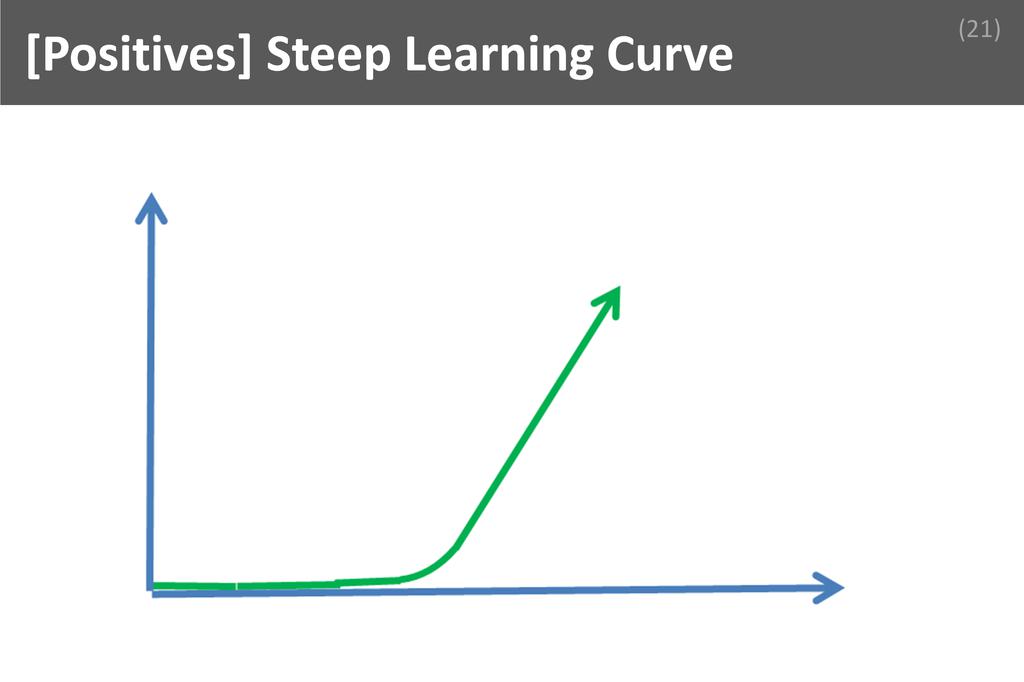
A "steep learning curve" describes a situation where individuals are required to rapidly acquire new knowledge, skills, and competencies in a short period of time, often facing complex and challenging tasks. In strategy consulting, this dynamic environment accelerates professional growth, fosters adaptability, and ensures continuous intellectual stimulation, making the profession uniquely rewarding.
The steep learning curve in strategy consulting is a powerful catalyst for personal and professional development. Consultants are constantly exposed to diverse industries, business models, and high-stakes challenges, which pushes them to expand their expertise and think critically. This relentless pace of learning keeps the work intellectually engaging and prevents stagnation, leading to higher job satisfaction. Professionals experience a sense of accomplishment as they master new concepts and deliver impactful solutions for clients. The rapid accumulation of knowledge and skills not only enhances their confidence but also opens doors to future leadership roles and career opportunities. Every day brings fresh challenges, ensuring that consultants are always growing, evolving, and staying ahead in a competitive landscape.
Imagine a strategy consultant who joins a project advising a global retailer on digital transformation. With limited prior experience in retail technology, the consultant must quickly understand industry trends, analyze complex data, and develop innovative strategies. Through late-night research, collaborative brainstorming sessions, and direct client interactions, the consultant rapidly acquires new expertise. The steep learning curve is demanding, but the consultant soon finds themselves confidently presenting actionable recommendations to senior executives. The sense of achievement from mastering unfamiliar territory and making a tangible impact on the client’s business is deeply fulfilling. This experience exemplifies how the steep learning curve in strategy consulting transforms challenges into opportunities for growth and lasting satisfaction.
Dynamic Industry

A "Dynamic Industry" refers to a sector characterized by constant change, innovation, and evolving challenges driven by market trends, technological advancements, and shifting client needs. In strategy consulting, this dynamism ensures that professionals are continually exposed to new problems, industries, and opportunities, fostering ongoing learning and professional growth.
The dynamic nature of strategy consulting is a major advantage because it keeps the work intellectually stimulating and prevents stagnation. Professionals are regularly challenged to adapt to new industries, business models, and emerging technologies, which cultivates a mindset of agility and resilience. This ever-changing environment means that no two projects are the same, allowing consultants to develop a diverse skill set and deep expertise across multiple sectors. The excitement of tackling fresh challenges and the satisfaction of delivering impactful solutions contribute significantly to job satisfaction and personal growth. As consultants navigate this fast-paced landscape, they build a robust professional network and gain insights that accelerate their career progression, making each day both unpredictable and rewarding.
Imagine a strategy consultant working with a traditional retail client one month and then pivoting to advise a fintech startup the next. In the first project, the consultant helps the retailer adapt to e-commerce trends, requiring a deep dive into digital transformation strategies. Shortly after, the consultant shifts focus to the fintech sector, analyzing regulatory changes and disruptive technologies. This rapid transition between industries and business challenges keeps the consultant engaged and constantly learning. The consultant not only gains exposure to diverse business environments but also experiences the thrill of solving unique problems and making a tangible impact. This variety and pace exemplify how the dynamic industry aspect of strategy consulting fuels both professional fulfillment and continuous development.
Opportunity to Travel

The "Opportunity to Travel" in strategy consulting refers to the frequent chances professionals have to visit different cities, countries, and client sites as part of their work. This aspect allows consultants to immerse themselves in diverse business environments, cultures, and industries, enhancing both their professional expertise and personal growth.
The opportunity to travel is a defining feature that sets strategy consulting apart from many other careers. It brings a sense of adventure and variety to daily work, preventing monotony and fostering continuous learning. Traveling for projects exposes consultants to new markets, innovative business practices, and unique challenges, which accelerates their professional development. This exposure not only broadens their perspective but also helps them build a global network of colleagues and clients. The excitement of new destinations and the chance to experience different cultures can significantly boost job satisfaction, making each assignment feel fresh and invigorating. Ultimately, the ability to travel regularly is a powerful motivator, fueling both personal and career growth.
Imagine a strategy consultant based in London who is assigned to help a technology client expand into Southeast Asia. Over several months, she travels to Singapore, Jakarta, and Kuala Lumpur, working closely with local teams and executives. Each city offers her a new perspective on business operations, consumer behavior, and cultural nuances. She learns to adapt her strategies to fit local markets, builds lasting relationships with international colleagues, and gains insights that would be impossible to acquire from a single location. The experience not only enriches her professional skills but also leaves her with unforgettable memories and a deep sense of accomplishment, illustrating the profound impact of travel in strategy consulting.
Monetary Rewards

Monetary rewards refer to the financial compensation, bonuses, and incentives professionals receive in exchange for their expertise, dedication, and results. In strategy consulting, these rewards are often substantial, reflecting the high value placed on analytical skills, problem-solving abilities, and the significant impact consultants have on client organizations’ success and growth.
Monetary rewards play a crucial role in making strategy consulting an attractive and fulfilling career path. The generous compensation packages not only recognize the demanding nature of the work but also serve as a tangible acknowledgment of a consultant’s contributions. This financial recognition boosts job satisfaction by providing a sense of security and validation, motivating professionals to excel and innovate. The prospect of lucrative bonuses and rapid salary progression encourages consultants to take on challenging projects, develop new skills, and strive for excellence. On a daily basis, the knowledge that their efforts are directly linked to meaningful financial rewards inspires consultants to maintain high performance, fueling both personal and professional growth.
Imagine a strategy consultant who has just completed a complex project for a multinational client, delivering insights that lead to significant cost savings and improved market positioning. As a result of this achievement, the consultant receives a substantial year-end bonus in addition to their competitive base salary. This monetary reward not only provides immediate financial benefits, such as the ability to invest, travel, or support family goals, but also reinforces the consultant’s sense of accomplishment and value within the firm. The experience of being recognized and rewarded for hard work and expertise creates a powerful incentive to continue striving for excellence, making the demanding journey in strategy consulting both rewarding and sustainable.
Challenges
High Stress

High stress in strategy consulting refers to the intense pressure professionals face due to tight deadlines, high client expectations, complex problem-solving, and frequent travel. The demanding nature of the work requires rapid decision-making, long hours, and constant adaptability, making it a challenging environment that tests both mental and physical endurance.
High stress in strategy consulting can manifest as fatigue, decreased focus, and emotional exhaustion, often impacting both performance and well-being. The fast-paced environment means that consultants must juggle multiple projects, respond quickly to shifting client needs, and deliver high-quality results under tight timelines. This relentless pace demands significant resilience, as setbacks and last-minute changes are common. Successful professionals manage this constraint by prioritizing tasks, setting clear boundaries, and leveraging support from colleagues and mentors. They also invest in self-care routines, such as regular exercise and mindfulness practices, to maintain their energy and focus. By developing strong time management skills and seeking feedback, they navigate high-pressure situations with greater confidence and effectiveness.
Consider a strategy consultant tasked with leading a critical project for a major client, facing an impending deadline and unexpected changes in project scope. The consultant feels the mounting pressure as the team works late into the night, balancing client demands with internal expectations. Recognizing the risk of burnout, the consultant openly communicates with both the client and team, renegotiating deliverables and reallocating resources to manage workloads more effectively. By taking short breaks, practicing mindfulness, and seeking advice from a mentor, the consultant maintains composure and focus. Ultimately, the project is delivered successfully, and the consultant’s proactive approach not only reduces stress but also strengthens relationships with both the client and the team.
Away from Family

In Strategy Consulting, "Away from Family" refers to the frequent and extended periods consultants spend traveling or working in locations distant from their loved ones. This separation is demanding because it disrupts personal routines, strains relationships, and often leads to emotional fatigue, making work-life balance particularly challenging to maintain.
The challenge of being away from family deeply affects a consultant’s daily life, as long hours and constant travel can lead to feelings of isolation and stress. This persistent distance requires significant emotional resilience, as professionals must juggle demanding client expectations with the longing for personal connection. Successful consultants address this by establishing clear boundaries between work and personal time, leveraging technology to maintain regular communication with family, and prioritizing quality over quantity in their interactions when at home. They also seek support from colleagues who understand the unique pressures of the role, and some negotiate flexible arrangements when possible. By proactively managing their schedules and emotional well-being, these professionals find ways to stay connected and grounded despite the physical distance.
Consider a strategy consultant assigned to a year-long project in a different city, requiring weekly travel and extended stays away from home. To manage the strain of separation, the consultant schedules nightly video calls with family, ensuring they remain involved in daily life despite the distance. On weekends, they dedicate uninterrupted time to loved ones, making the most of their limited presence. The consultant also communicates openly with their employer about the importance of family commitments, occasionally arranging remote workdays when feasible. Through these deliberate efforts, the consultant maintains strong family bonds and personal well-being, demonstrating that with intentional planning and support, the challenge of being away from family can be effectively managed in the demanding world of strategy consulting.
High Competition

High Competition in Strategy Consulting refers to the intense rivalry among professionals and firms to secure prestigious projects, attract top-tier clients, and advance within organizations. This environment is demanding because it requires constant performance at the highest level, rapid adaptation to change, and the ability to consistently deliver innovative solutions.
The pressure of high competition in strategy consulting permeates daily work, often resulting in long hours, tight deadlines, and the need to continuously prove one’s value. Professionals must be resilient, as setbacks and rejections are common. This environment can be mentally taxing, demanding both emotional intelligence and adaptability. Successful consultants manage this constraint by focusing on personal growth, building strong client relationships, and differentiating themselves through specialized expertise or unique perspectives. They also cultivate a robust professional network and seek feedback to refine their skills. By maintaining a proactive mindset and embracing continuous learning, they turn competition into motivation, using it as a catalyst for self-improvement and career advancement.
Consider a consultant at a leading firm who is vying for a coveted project alongside several equally qualified colleagues. Instead of viewing peers solely as rivals, she collaborates with them to share insights and approaches, demonstrating both teamwork and leadership. She invests extra effort in understanding the client’s industry, presenting tailored recommendations that address specific pain points. By leveraging her unique background in digital transformation, she offers fresh perspectives that set her apart. Her resilience is evident when initial feedback is critical; she adapts quickly, refines her proposals, and persists. Ultimately, her combination of collaboration, expertise, and adaptability enables her to secure the project, turning high competition into an opportunity for professional growth.
Odd Working Hours

Odd Working Hours in Strategy Consulting refer to unpredictable, extended, or late-night work schedules driven by urgent client demands, tight deadlines, and global project coordination. This environment is demanding because it disrupts personal routines, strains work-life balance, and requires consultants to remain productive and focused despite irregular and often long hours.
The challenge of odd working hours in strategy consulting can significantly disrupt daily routines, making it difficult to maintain personal commitments and healthy habits. This unpredictability often leads to fatigue, stress, and reduced morale, demanding a high level of resilience from professionals. Successful consultants manage these constraints by setting clear boundaries when possible, prioritizing tasks efficiently, and leveraging downtime to recharge. They also cultivate strong support networks, both within and outside the workplace, to share experiences and coping strategies. By developing adaptability and practicing self-care, professionals can sustain their performance and well-being, even when faced with the relentless pace and irregular hours that define the consulting industry.
Consider a strategy consultant working on a high-stakes merger for a multinational client. The project requires frequent late-night calls with teams across different time zones and last-minute deliverables. Initially, the consultant struggled with exhaustion and missed family events. Recognizing the toll, they began blocking short breaks during the day, communicating openly with their manager about workload, and using technology to automate routine tasks. By proactively managing their schedule and seeking support from colleagues, the consultant maintained productivity and preserved personal well-being. This approach not only helped them meet demanding client expectations but also demonstrated that with intentional strategies, it is possible to thrive despite the challenge of odd working hours.
A Day Of
Strategy Consulting
Strategy consulting is a world where the clock never seems to slow down, and every day unfolds with a sense of urgency and purpose. The environment is a blend of high-stakes boardrooms, rapid-fire brainstorming sessions, and the quiet intensity of deep analysis. Professionals in this field thrive on ambiguity, moving seamlessly from data-driven problem solving to persuasive client interactions, all while racing against tight deadlines. The pace is relentless, the stakes are high, and the rewards—both intellectual and professional—are immense. For those drawn to challenge and impact, a day in strategy consulting is anything but ordinary.
The day begins early, often before the city fully wakes. Strategy consultants start by reviewing emails and overnight updates from global teams, scanning for urgent client requests or shifts in project priorities. With a fresh cup of coffee in hand, they revisit the day’s agenda, double-checking meeting materials and refining key points for upcoming client calls. This quiet window is also a time for last-minute research, ensuring every data point and insight is current and defensible. The morning setup is all about preparation—arming oneself with knowledge and clarity before the day’s whirlwind begins.
Mid-morning marks the transition from preparation to action. This is when consultants dive into the heart of their work, leading or participating in high-energy client workshops, presenting findings, and facilitating strategic discussions. The atmosphere is charged as teams synthesize complex data, challenge assumptions, and co-create solutions with clients. Whether it’s mapping out a market entry strategy or troubleshooting operational bottlenecks, this is the most intense and interactive part of the day. Every minute counts, and the pressure to deliver actionable insights is palpable.
As the afternoon unfolds, the focus shifts to collaboration and execution. Consultants regroup with their internal teams to debrief on client interactions, align on next steps, and delegate tasks for further analysis or deliverable creation. This is also the time for deep dives into financial models, scenario planning, and drafting of presentations or reports. The energy is collaborative but purposeful, with colleagues bouncing ideas off each other, troubleshooting challenges, and pushing toward tangible outcomes. The goal is to translate morning insights into concrete recommendations and client-ready materials.
As the day winds down, consultants turn their attention to wrapping up outstanding tasks and setting the stage for tomorrow. This involves updating project trackers, responding to client follow-ups, and conducting additional research to fill any knowledge gaps uncovered during the day. There’s also a focus on administrative duties, such as logging hours and organizing files. Before shutting down, consultants review the next day’s schedule, prioritize key deliverables, and jot down any new ideas sparked by the day’s work. The evening is a blend of reflection and forward planning, ensuring that when the sun rises again, they’re ready to hit the ground running. |


 Home
Home Abroad
 Plan
Plan Philosophy
 Seminar
 Pages
Pages Advisors
 Testimonials

















 Workshop
 Discuss
 Meet
Meet
 Advisor
 Story
Story
 Fine Print
 Links
Links
 Blog
Blog
 Follow
