The Journey of Travel and Tourism
What Is Travel and Tourism
Travel & Tourism

Travel and Tourism is a dynamic industry focused on the movement of people for leisure, business, or other purposes. It encompasses services such as transportation, accommodation, attractions, and hospitality, aiming to provide memorable experiences while supporting cultural exchange, economic growth, and global connectivity.
Travel and Tourism plays a vital role in connecting people and cultures across the globe. For professionals in this field, it offers opportunities to foster international understanding, drive economic development, and create lasting memories for travelers. The industry generates millions of jobs worldwide, supporting local economies and encouraging entrepreneurship. It also promotes cultural preservation by showcasing heritage sites and traditions, while facilitating personal growth for both travelers and those working within the sector. Professionals benefit from a dynamic work environment, the chance to develop intercultural communication skills, and the satisfaction of helping others explore new destinations and experiences.
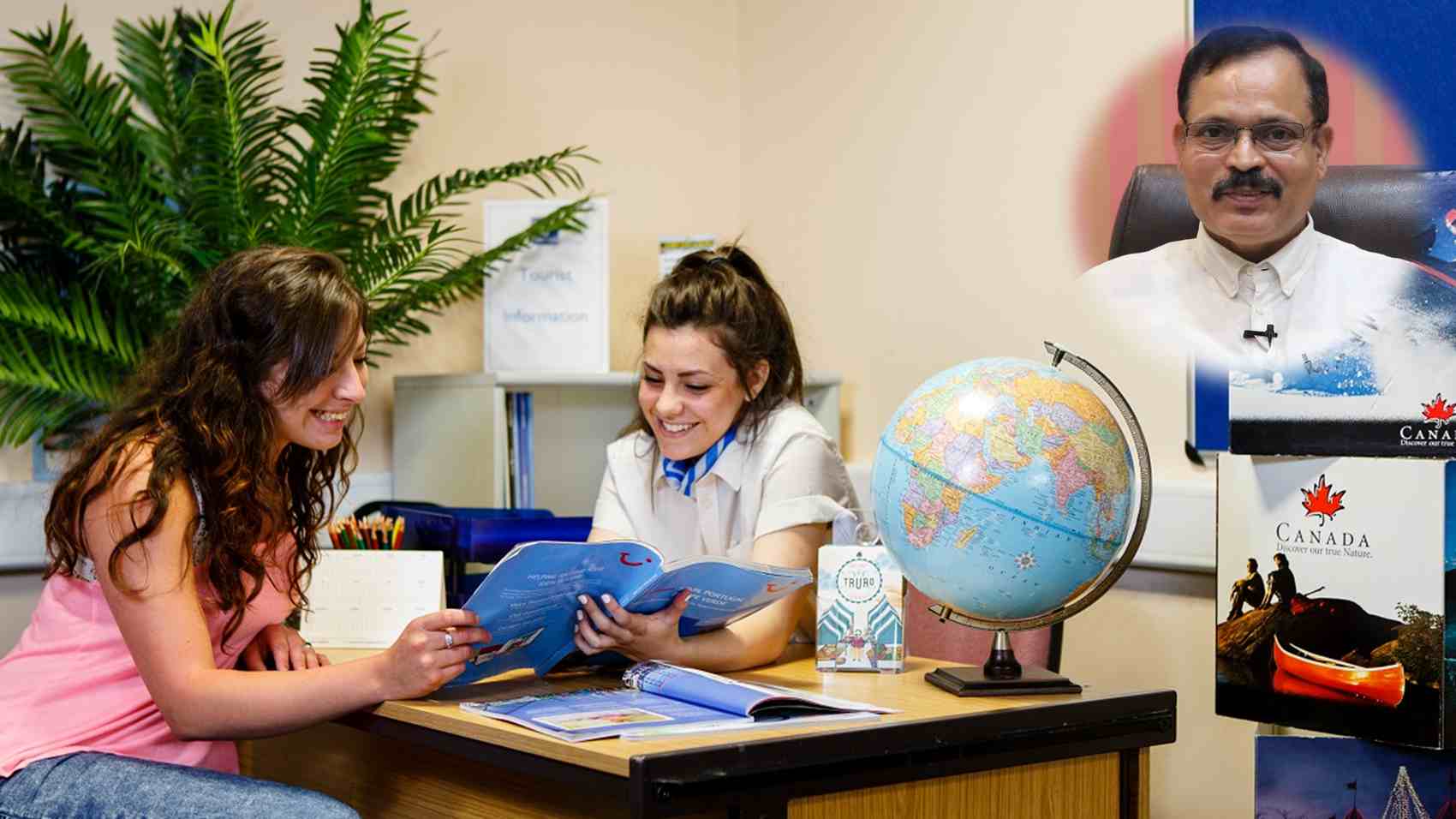
A travel consultant working in a bustling city agency demonstrates the practical application of Travel and Tourism. Each day, the consultant assists clients in planning vacations, business trips, or group tours by researching destinations, booking flights and accommodations, and recommending local attractions. They collaborate with hotels, airlines, and tour operators to secure the best deals and ensure seamless travel experiences. By staying updated on travel trends, safety regulations, and cultural events, the consultant provides valuable advice tailored to each client’s preferences. Through their expertise, they not only help clients create unforgettable journeys but also contribute to the growth and reputation of the travel and tourism industry.
Education
Geography

Geography is the study of the Earth's physical features, climates, populations, and how humans interact with their environments. It explores spatial relationships and patterns across the globe. In Travel and Tourism, geography provides essential context for understanding destinations, cultural differences, and logistical considerations, making it a cornerstone of professional expertise.
A solid grasp of geography is indispensable for anyone pursuing a career in Travel and Tourism. This subject equips professionals with the ability to interpret maps, understand global climates, and recognize cultural and environmental distinctions between destinations. Such knowledge is crucial for planning itineraries, advising clients, and ensuring smooth travel experiences. Geography also enhances problem-solving skills by enabling professionals to anticipate and address challenges related to weather, transportation, and local customs. Over time, this foundational knowledge fosters credibility and trust with clients, as well-informed recommendations and insights can significantly improve customer satisfaction. Mastery of geography not only supports day-to-day operations but also opens doors to advanced roles within the industry, such as destination management and international tour planning.
Imagine a travel consultant tasked with organizing a multi-country tour across Southeast Asia. Their understanding of geography allows them to sequence destinations efficiently, taking into account regional climate patterns to avoid monsoon seasons and ensuring optimal travel routes. They can advise clients on the best times to visit each location, considering both weather and cultural festivals. When unexpected events like volcanic eruptions or political unrest occur, their geographical knowledge enables them to quickly suggest safe alternative destinations or routes. This expertise ensures that clients enjoy seamless, memorable journeys while minimizing risks and disruptions, demonstrating the practical value of geography in everyday travel and tourism operations.
Budgeting and Planning

Budgeting and Planning is the systematic process of forecasting, allocating, and managing financial resources to achieve specific objectives within a set timeframe. In Travel and Tourism, it is an essential academic and professional discipline, ensuring that organizations and individuals can deliver quality experiences while maintaining financial stability and operational efficiency.
Understanding Budgeting and Planning is crucial for anyone entering or advancing in the Travel and Tourism industry. This knowledge empowers professionals to anticipate costs, allocate resources wisely, and make informed decisions that directly impact profitability and customer satisfaction. Mastery of these concepts forms the backbone of sustainable business operations, enabling practitioners to navigate seasonal fluctuations, economic uncertainties, and competitive pressures. Over time, strong budgeting and planning skills contribute to career advancement by demonstrating reliability, strategic thinking, and the ability to maximize value for both clients and employers. Ultimately, these skills are indispensable for building trust, ensuring compliance, and fostering innovation in a dynamic global market.
Consider a travel agency manager tasked with organizing a group tour to a popular destination. Drawing on their expertise in Budgeting and Planning, the manager estimates all potential expenses, including transportation, accommodation, meals, and activities, while also accounting for unforeseen costs. They negotiate with suppliers to secure the best rates and create a detailed financial plan that aligns with the clients’ expectations and the agency’s profit goals. Throughout the process, the manager monitors actual spending against the budget, making adjustments as needed to avoid overruns. This careful application of budgeting principles ensures the tour is both enjoyable for clients and financially successful for the agency.
Foreign Language

A foreign language is any language that is not the native tongue of the speaker, often learned for communication with people from different linguistic backgrounds. In the context of Travel and Tourism, foreign language proficiency is essential for effective interaction, cultural understanding, and providing quality service to international clients and partners.
Understanding and mastering a foreign language is crucial for anyone pursuing a career in Travel and Tourism. This field thrives on cross-cultural communication, and language skills enable professionals to connect with clients, colleagues, and stakeholders from around the world. Proficiency in foreign languages not only enhances customer service but also builds trust and rapport, which are vital for repeat business and positive reviews. Additionally, language skills open doors to international job opportunities and career advancement, as employers highly value staff who can bridge communication gaps. Over time, the ability to communicate in multiple languages fosters cultural sensitivity, adaptability, and a deeper appreciation for global diversity, all of which are indispensable traits in the dynamic and ever-evolving travel industry.
Imagine a travel consultant working at an international airport who is fluent in Spanish and English. When a group of Spanish-speaking tourists arrives, confused about their connecting flights and local transportation options, the consultant seamlessly switches to Spanish to assist them. By explaining directions, answering questions, and providing recommendations in their native language, the consultant not only alleviates their stress but also creates a welcoming and memorable experience. This practical application of foreign language skills not only resolves immediate issues but also enhances the reputation of the travel agency or service provider, demonstrating the tangible value of language proficiency in daily operations within the Travel and Tourism sector.
Skills
Upgradation

Upgradation is the continuous process of enhancing one’s knowledge, skills, and competencies to stay relevant and competitive in a rapidly changing environment. In the context of Travel and Tourism, upgradation enables professionals to adapt to new technologies, evolving customer expectations, and global trends, ensuring sustained success and growth.
Upgradation directly improves performance by equipping professionals with the latest industry insights, digital tools, and service standards. Clients and employers highly value individuals who demonstrate a commitment to learning, as it translates to better customer experiences, innovative solutions, and operational efficiency. To cultivate this skill, professionals should actively seek out training opportunities, attend industry seminars, and stay informed about emerging trends. Regularly updating certifications, networking with peers, and embracing feedback also contribute to ongoing development. Over time, this proactive approach not only enhances personal expertise but also positions professionals as valuable assets within their organizations, capable of driving positive change and maintaining a competitive edge in the dynamic travel and tourism sector.
Imagine a travel consultant who notices a growing demand for sustainable tourism among clients. By prioritizing upgradation, the consultant enrolls in specialized courses on eco-friendly travel and learns about new destinations that emphasize sustainability. When a corporate client requests a green travel itinerary, the consultant confidently designs a comprehensive package featuring eco-certified hotels, responsible transportation options, and authentic local experiences. This not only meets the client’s expectations but also earns positive feedback and repeat business. The consultant’s commitment to upgradation ensures they remain ahead of industry trends, able to offer innovative solutions that set them apart from competitors and contribute to the long-term success of both their clients and their organization.
Planning

Planning is the process of setting objectives, organizing resources, anticipating challenges, and outlining actionable steps to achieve specific goals within a defined timeframe. In the travel and tourism industry, planning enables professionals to design seamless experiences, manage logistics, and ensure that every aspect of a trip or event runs smoothly for clients and stakeholders.
The ability to plan effectively is fundamental to delivering exceptional service in travel and tourism. Professionals who excel at planning can anticipate potential issues, coordinate complex itineraries, and adapt to changing circumstances, resulting in higher client satisfaction and operational efficiency. Employers and clients value this skill because it minimizes risks, controls costs, and ensures memorable, hassle-free experiences. Cultivating planning skills involves gaining industry knowledge, practicing organizational techniques, and learning from both successes and setbacks. Over time, professionals can refine their approach by seeking feedback, leveraging technology, and staying updated on trends, which further enhances their ability to deliver outstanding results in a dynamic environment.
Imagine a travel consultant tasked with organizing a multi-country tour for a corporate group. Midway through the trip, a sudden airline strike threatens to disrupt the itinerary. Drawing on strong planning skills, the consultant quickly assesses alternative routes, secures new transportation, and rearranges hotel bookings without compromising the group’s objectives or comfort. By having contingency plans and a clear understanding of logistics, the consultant not only averts a crisis but also reassures clients with transparent communication and efficient problem-solving. This scenario highlights how meticulous planning enables travel professionals to navigate unexpected challenges and deliver successful outcomes, reinforcing their reputation for reliability and expertise.
Communication Skills

Communication skills refer to the ability to convey information clearly, listen actively, interpret messages accurately, and respond appropriately in various situations. In travel and tourism, these skills enable professionals to interact effectively with clients, colleagues, and partners from diverse backgrounds, ensuring smooth operations and exceptional customer experiences.
Strong communication skills directly enhance a travel and tourism professional’s performance by fostering trust, minimizing misunderstandings, and facilitating seamless service delivery. Clients and employers highly value individuals who can articulate information clearly, handle inquiries with patience, and resolve conflicts diplomatically. These abilities lead to higher customer satisfaction and repeat business. To cultivate communication skills, professionals should seek feedback, engage in active listening, and practice empathy in daily interactions. Participating in language courses, cultural awareness workshops, and role-playing exercises can further refine both verbal and non-verbal communication abilities. Over time, consistent self-reflection and a willingness to adapt communication styles to different audiences help professionals remain effective and responsive in a dynamic, multicultural industry.
Imagine a travel consultant assisting a group of international tourists whose flight has been unexpectedly canceled. The consultant must quickly explain the situation, listen to the travelers’ concerns, and provide clear instructions about alternative arrangements. By remaining calm, empathetic, and articulate, the consultant reassures the group and coordinates with airlines and hotels to secure new bookings. Through effective communication, the consultant not only resolves the immediate crisis but also strengthens the clients’ trust in the agency. This scenario highlights how communication skills are vital for managing stressful situations, delivering solutions, and ensuring a positive overall experience for travelers in the face of unforeseen challenges.
Client Relation

Client relation refers to the ability to build, maintain, and enhance positive interactions with clients through effective communication, empathy, and responsiveness. In travel and tourism, this skill ensures clients feel valued, understood, and supported, which is crucial for fostering trust, encouraging repeat business, and generating positive word-of-mouth referrals.
Mastering client relation significantly elevates a professional’s performance in travel and tourism by enabling them to anticipate and address client needs, resolve concerns swiftly, and create memorable experiences. Clients and employers highly value this skill because it directly impacts satisfaction, loyalty, and the overall reputation of the business. To cultivate client relation skills, professionals should actively listen to clients, seek feedback, and continuously adapt their approach to meet diverse expectations. Ongoing training in communication, cultural awareness, and conflict resolution further strengthens this ability. Over time, consistent practice and a genuine commitment to client satisfaction transform client relation from a learned technique into a natural, indispensable part of a travel and tourism professional’s toolkit.
Imagine a travel consultant who receives a frantic call from a client whose connecting flight has been canceled, jeopardizing their entire vacation itinerary. Drawing on strong client relation skills, the consultant listens empathetically, reassures the client, and quickly coordinates with airlines and local partners to arrange an alternative route and accommodations. Throughout the process, the consultant keeps the client informed and calm, turning a stressful situation into a demonstration of reliability and care. As a result, the client not only completes their trip successfully but also feels deeply supported, leading to positive feedback and future bookings. This scenario highlights how effective client relation can transform challenges into opportunities for lasting client loyalty.
Team management

Team management is the ability to coordinate, motivate, and guide a group of individuals toward achieving shared objectives, while fostering collaboration, resolving conflicts, and ensuring efficient workflow. In Travel and Tourism, this skill is crucial for orchestrating seamless operations, delivering exceptional customer experiences, and adapting to the dynamic demands of the industry.
Effective team management directly enhances performance in Travel and Tourism by ensuring that every team member understands their role, communicates efficiently, and works harmoniously toward common goals. Clients and employers highly value this skill because it leads to smoother operations, higher customer satisfaction, and the ability to handle unexpected challenges with agility. Cultivating team management involves continuous learning, self-awareness, and practical experience. Professionals can develop this skill by seeking feedback, observing successful leaders, participating in leadership training, and embracing opportunities to lead projects or small groups. Over time, consistent practice and reflection help individuals refine their approach, adapt to diverse teams, and build trust, all of which are essential for long-term success in the fast-paced travel and tourism sector.
Imagine a travel agency facing a sudden disruption due to a natural disaster affecting a popular destination. The team manager must quickly coordinate with travel consultants, customer service representatives, and external partners to rebook clients, communicate changes, and address concerns. By applying strong team management skills, the manager assigns clear responsibilities, keeps everyone informed, and maintains morale under pressure. This organized approach ensures that clients receive timely updates and alternative arrangements, minimizing stress and disappointment. The ability to unite the team, delegate tasks effectively, and maintain open communication not only resolves the immediate crisis but also strengthens the agency’s reputation for reliability and customer care in challenging situations.
Positives
Meeting New People

Meeting new people means engaging with individuals from diverse backgrounds, cultures, and walks of life, often forming connections that transcend language and geography. In travel and tourism, this constant interaction fosters cultural exchange, broadens perspectives, and enriches both personal and professional experiences, making every day unique and rewarding for those in the field.
The opportunity to meet new people is a cornerstone of what makes a career in travel and tourism so fulfilling. Every interaction brings a chance to learn something new, whether it’s a local tradition, a different worldview, or a fresh approach to problem-solving. This ongoing exposure to diversity not only enhances communication skills but also builds empathy and adaptability. Professionals find their workdays filled with meaningful conversations and memorable encounters, which can lead to lasting friendships and valuable professional networks. The excitement of never knowing who you’ll meet next keeps the job dynamic and engaging, fueling personal growth and job satisfaction while opening doors to new opportunities and collaborations.
Imagine a tour guide leading a group through a historic city. Among the travelers are a retired teacher from Canada, a young couple from Japan, and a photographer from Brazil. As the guide shares stories about the city, each guest offers their own insights and questions, sparking lively discussions. The guide learns about educational systems, culinary traditions, and artistic perspectives from around the world, all in a single afternoon. These interactions not only make the tour more enriching for everyone involved but also leave the guide with a sense of accomplishment and connection. This daily exchange of ideas and experiences is a powerful reminder of how meeting new people can transform routine work into a truly inspiring journey.
Growth

Growth is the continuous process of personal and professional development, marked by expanding knowledge, acquiring new skills, and adapting to changing environments. In travel and tourism, growth means evolving through diverse experiences, cultural exposure, and constant learning, which enriches both career and character, making the profession uniquely rewarding and dynamic.
The emphasis on growth in travel and tourism transforms everyday work into a journey of discovery and self-improvement. Professionals in this field are constantly exposed to new cultures, languages, and perspectives, which broadens their worldview and enhances their adaptability. This ongoing development not only keeps the job exciting but also fosters a deep sense of accomplishment and motivation. As individuals learn to navigate challenges, communicate across cultures, and solve problems creatively, they build valuable skills that are transferable to any industry. The sense of progression and achievement that comes from mastering new situations and helping others enjoy transformative experiences leads to high job satisfaction and a strong sense of purpose.
Imagine a travel consultant who begins their career with basic knowledge of popular destinations. Over time, through organizing trips, handling unexpected travel disruptions, and interacting with clients from around the world, they develop expertise in logistics, crisis management, and intercultural communication. Each new challenge—whether it’s arranging a last-minute itinerary change or guiding a group through unfamiliar customs—pushes them to learn and adapt. This continuous growth not only makes their work more interesting and fulfilling but also builds their confidence and reputation within the industry. The consultant’s expanding skill set opens doors to leadership roles and specialized opportunities, demonstrating how growth in travel and tourism is both a daily experience and a long-term career advantage.
Challenges
24*7 Availability

In the travel and tourism industry, "24*7 Availability" refers to the expectation that professionals remain accessible and responsive at all hours, every day of the week. This constant readiness is essential due to global time zones, emergencies, and the unpredictable needs of travelers, making the role exceptionally demanding.
The requirement for round-the-clock availability significantly impacts the daily lives of travel and tourism professionals. It often leads to irregular work hours, disrupted personal time, and heightened stress, demanding considerable resilience and adaptability. Professionals must balance client expectations with their own well-being, often relying on strong organizational skills and support networks. Successful individuals in this field set clear boundaries, delegate responsibilities when possible, and leverage technology to automate routine tasks. They also prioritize self-care and maintain open communication with both clients and colleagues to manage expectations. By developing these coping strategies, they can sustain high performance while minimizing burnout, ensuring both client satisfaction and personal fulfillment.
Consider a travel consultant who manages international corporate accounts. When a client’s flight is unexpectedly canceled in a different time zone, the consultant receives an urgent call in the middle of the night. Instead of handling every detail alone, she has established a system where after-hours emergencies are rotated among team members, ensuring no one is perpetually on call. She uses automated alerts and digital tools to monitor bookings and quickly access alternative arrangements. By preparing contingency plans in advance and communicating her availability clearly to clients, she efficiently resolves crises without sacrificing her own well-being. This approach allows her to provide exceptional service while maintaining a sustainable work-life balance.
Patience

Patience in Travel and Tourism is the ability to remain calm, composed, and understanding when faced with delays, unpredictable situations, or demanding clients. This quality is demanding because the industry is fast-paced, customer-centric, and often subject to factors beyond one’s control, such as weather, regulations, or cultural differences.
The challenge of patience significantly impacts daily work in Travel and Tourism, as professionals regularly encounter last-minute changes, long queues, and frustrated travelers. These situations can lead to stress, miscommunication, and decreased job satisfaction if not managed well. Resilience is essential because the unpredictability of travel means that plans can change in an instant, requiring quick adaptation without losing composure. Successful professionals manage this constraint by developing strong emotional intelligence, practicing active listening, and maintaining a solution-oriented mindset. They focus on clear communication and empathy, which helps diffuse tense situations and fosters positive relationships with clients and colleagues. By embracing flexibility and viewing challenges as opportunities to demonstrate professionalism, they turn patience from a hurdle into a valuable asset.
Consider a travel consultant managing a group tour when a sudden flight cancellation disrupts the itinerary. Instead of reacting with frustration, the consultant calmly reassures the group, communicates transparently about the situation, and immediately begins coordinating alternative arrangements. Throughout the process, the consultant listens to travelers’ concerns, provides regular updates, and maintains a positive attitude. By demonstrating patience, the consultant not only resolves the logistical issue efficiently but also builds trust and confidence among the travelers. This approach transforms a potentially negative experience into an opportunity to showcase reliability and care, ultimately enhancing the overall customer experience and reinforcing the consultant’s reputation for professionalism in challenging circumstances.
Client Handling

Client handling in travel and tourism refers to the process of managing diverse client expectations, preferences, and concerns while delivering personalized services. This is demanding because clients often have high hopes for their travel experiences, and unpredictable issues such as delays, cancellations, or cultural misunderstandings can quickly escalate tensions, requiring skilled communication and adaptability.
The challenge of client handling significantly shapes the daily work of travel and tourism professionals. Each day brings new clients with unique backgrounds, needs, and emotional states, making it essential to remain patient and empathetic. The unpredictability of travel—ranging from last-minute itinerary changes to unforeseen emergencies—means professionals must think quickly and remain calm under pressure. This constant demand for resilience can be mentally taxing, but those who succeed often rely on strong interpersonal skills, proactive communication, and a deep understanding of both their clients and the industry. By anticipating potential issues, setting realistic expectations, and maintaining a solution-oriented mindset, professionals can transform difficult interactions into opportunities for building trust and loyalty.
Consider a travel consultant whose client’s international flight is suddenly canceled due to severe weather, jeopardizing a carefully planned vacation. The client, understandably upset, contacts the consultant in distress. Rather than reacting defensively, the consultant listens attentively, empathizes with the client’s frustration, and immediately begins searching for alternative travel arrangements. By leveraging industry contacts and staying in constant communication, the consultant secures a new flight and negotiates with hotels to adjust reservations without penalty. Throughout the ordeal, the consultant’s calm demeanor and transparent updates reassure the client, turning a potentially negative experience into a testament to exceptional service. This scenario illustrates how effective client handling can not only resolve immediate problems but also strengthen client relationships for the future.
Follow-ups

In Travel and Tourism, "Follow-ups" refer to the ongoing communication required to confirm bookings, clarify client preferences, resolve issues, and ensure service delivery. This process is demanding because it involves coordinating with multiple stakeholders, managing tight timelines, and maintaining high service standards in a fast-paced, ever-changing environment.
The challenge of follow-ups significantly impacts daily work in Travel and Tourism by adding layers of complexity to an already dynamic workflow. Professionals must juggle numerous client requests, supplier confirmations, and last-minute changes, often under pressure. This constant need for communication can lead to stress and fatigue, demanding resilience and adaptability. Successful professionals overcome this constraint by developing strong organizational skills, leveraging technology for reminders and tracking, and maintaining clear, proactive communication with clients and partners. They understand the importance of timely responses and build trust by consistently delivering updates, even when solutions are still in progress. By prioritizing follow-ups and integrating them into their routine, they minimize errors and enhance client satisfaction, turning a potential weakness into a source of professional strength.
Consider a travel consultant managing a group tour for a corporate client. The consultant must confirm hotel reservations, coordinate airport transfers, and ensure all special requests are met. When a hotel partner delays confirmation, the consultant proactively follows up through calls and emails, keeping the client informed at every step. By documenting all interactions and setting calendar reminders, the consultant avoids missing critical updates. When a last-minute change arises, such as a dietary requirement, the consultant swiftly communicates with the catering team and confirms the adjustment with both the client and the provider. Through diligent follow-ups and transparent communication, the consultant not only resolves potential issues but also reassures the client, resulting in a seamless travel experience and positive feedback.
A Day Of
Travel & Tourism
The world of travel and tourism is a whirlwind of anticipation, logistics, and human connection, where no two days are ever quite the same. From the moment the sun rises, professionals in this industry are already in motion, orchestrating seamless experiences for clients who crave adventure, relaxation, or discovery. The pace is brisk, the environment dynamic, and the nature of the work demands adaptability, creativity, and a genuine passion for making dreams a reality. Whether guiding a group through a bustling city, coordinating last-minute itinerary changes, or crafting personalized journeys from behind the scenes, each day unfolds as a vibrant tapestry of challenges and rewards.
As the day begins, a travel and tourism professional typically starts with a quiet moment to review the day’s schedule, confirm bookings, and check for any overnight updates from international partners or clients. This early morning phase is crucial for scanning emails, reviewing weather forecasts, and ensuring that all transportation, accommodation, and activity arrangements are on track. It’s a time for double-checking details, making quick calls to suppliers, and preparing personalized welcome packets or briefing notes for guests who will soon embark on their journeys.
By mid-morning, the energy shifts as the core activities of the day take center stage. This is when professionals meet with travelers, lead guided tours, or oversee group check-ins at hotels and attractions. The focus is on delivering exceptional service, answering questions, and resolving any unexpected issues that arise on the spot. Whether navigating a group through a historic district, coordinating with local guides, or ensuring smooth transfers between destinations, this period is marked by high interaction, quick thinking, and a commitment to creating memorable experiences.
The afternoon brings a collaborative spirit as the practitioner connects with colleagues, local vendors, and service providers to ensure every element of the day’s itinerary is running smoothly. This might involve meeting with hotel managers to discuss guest feedback, checking in with transportation companies about upcoming transfers, or troubleshooting logistical challenges that have cropped up. It’s also a time for site inspections, scouting new experiences, and building relationships with partners who help deliver the unique touches that set each trip apart.
As the day winds down, attention turns to wrapping up administrative tasks and preparing for tomorrow’s adventures. This involves updating client records, debriefing with team members, and responding to any outstanding emails or messages. Professionals take stock of what went well, note areas for improvement, and begin researching new destinations or experiences to recommend. The evening is a blend of reflection and anticipation, as each day’s close sets the stage for another round of discovery and connection in the ever-evolving world of travel and tourism. |


 Home
Home Abroad
 Plan
Plan Philosophy
 Seminar
 Pages
Pages Advisors
 Testimonials












 Workshop
 Discuss
 Meet
Meet
 Advisor
 Story
Story
 Fine Print
 Links
Links
 Blog
Blog
 Follow
