The Journey of Beautician
What Is Beautician
Beautician

A beautician is a trained professional who provides a range of beauty treatments and services, including skincare, haircare, makeup application, and nail care. Beauticians use specialized techniques and products to enhance clients’ appearance, promote relaxation, and support personal grooming, working in salons, spas, or as independent practitioners.
The role of a beautician is significant in both personal and professional contexts. Beauticians help clients feel confident and presentable, which can positively affect self-esteem and social interactions. For professionals, this career offers creative expression, flexible work environments, and opportunities for entrepreneurship. Beauticians also contribute to the wellness industry by promoting self-care and relaxation. Their expertise in the latest beauty trends and techniques allows them to provide tailored services, ensuring client satisfaction and loyalty. The profession fosters strong interpersonal skills, as beauticians build lasting relationships with clients, creating a supportive and welcoming atmosphere. Overall, beauticians play a vital role in enhancing individual well-being and supporting the broader beauty and wellness sector.
Consider a beautician working in a busy urban salon. Each day, they consult with clients to understand their preferences and recommend suitable treatments, such as facials for clearer skin or hair coloring for a fresh look. The beautician skillfully applies products and uses specialized equipment, ensuring safety and comfort throughout the process. They stay updated on the latest beauty trends and techniques, offering advice on skincare routines or makeup choices tailored to each client’s lifestyle. By providing attentive service and expert guidance, the beautician helps clients achieve their desired appearance, boosting their confidence. Over time, the beautician builds a loyal clientele, demonstrating the importance of both technical skill and personal connection in this dynamic field.
Education
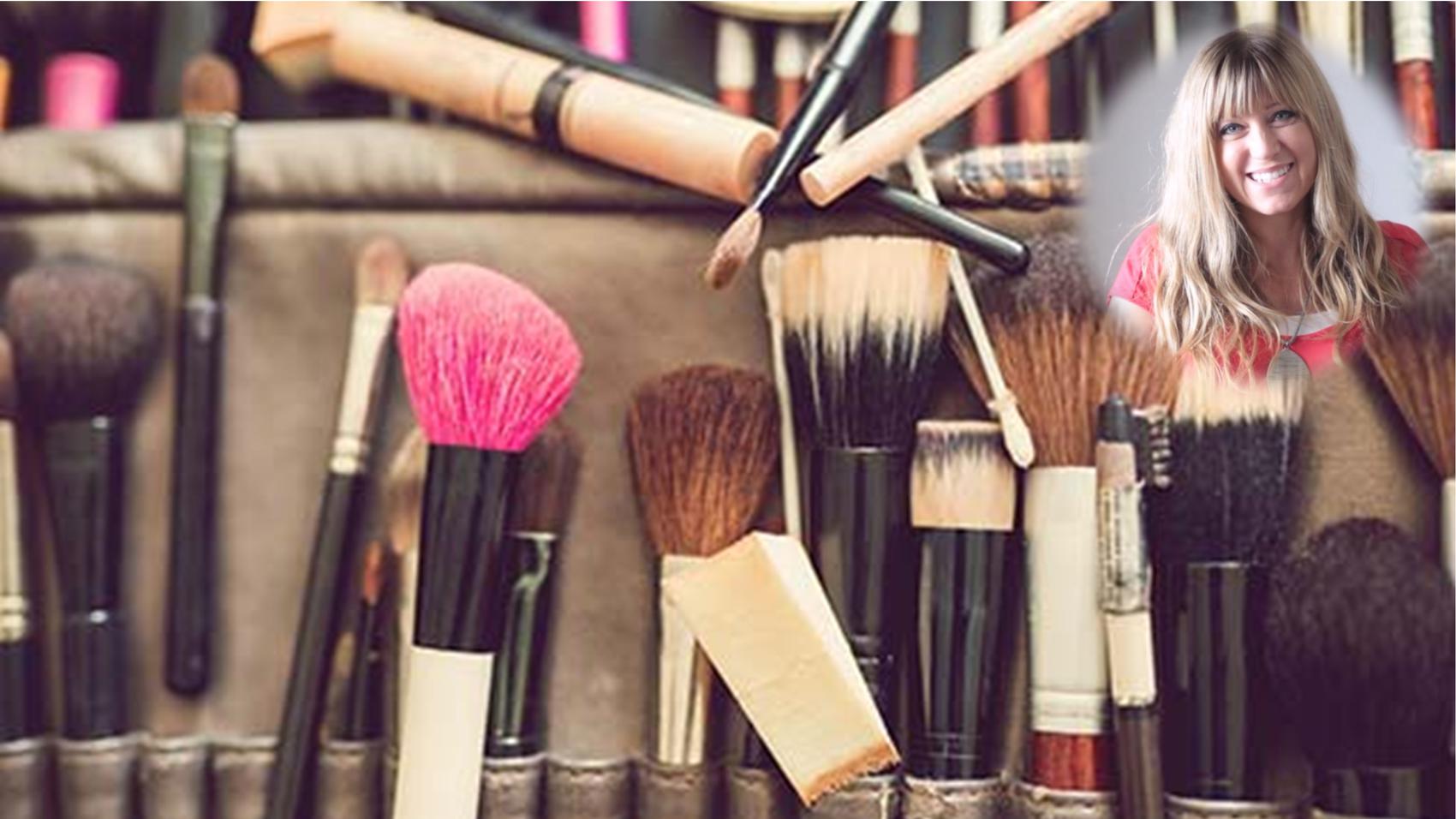
Make Up

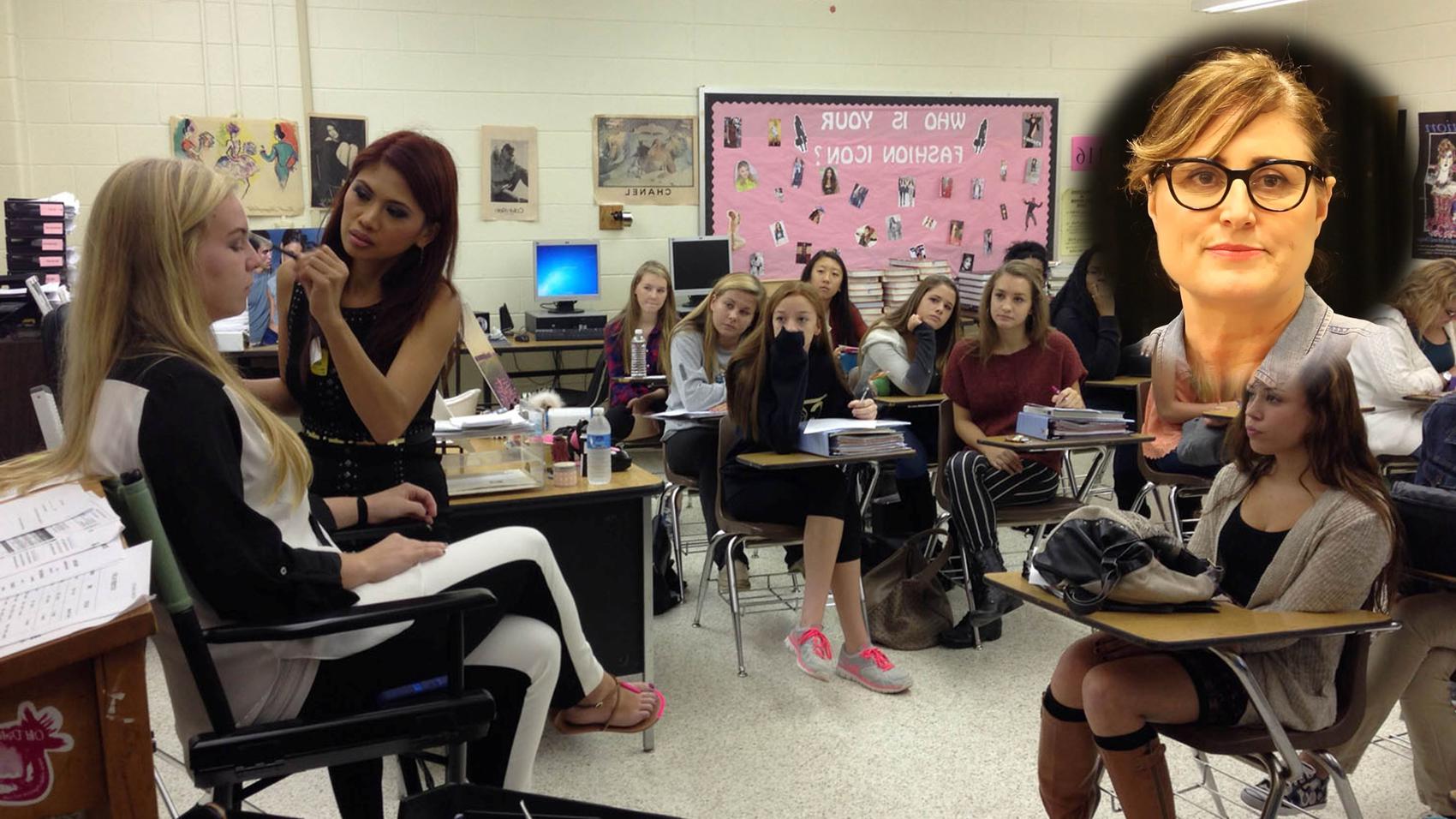
Make up refers to the application of cosmetic products to enhance, alter, or beautify the appearance of the face and other visible parts of the body. In the context of beautician studies, make up is a fundamental discipline, blending artistry and technical skill, and is essential for both academic learning and professional practice.
Understanding make up is crucial for anyone pursuing a career as a beautician because it serves as the cornerstone of beauty services. Mastery of make up techniques enables professionals to cater to diverse client needs, from everyday looks to special occasions. This knowledge encompasses color theory, facial anatomy, product selection, and application methods, all of which are vital for delivering personalized and high-quality results. Proficiency in make up not only builds client trust and satisfaction but also opens doors to various career paths, such as bridal artistry, fashion, film, and editorial work. Over time, a strong foundation in make up allows beauticians to adapt to evolving trends, maintain professional credibility, and achieve long-term career growth.
Consider a beautician working in a busy salon who is approached by a client seeking a flawless look for an important event. Drawing on their theoretical understanding of make up, the beautician assesses the client’s skin tone, face shape, and personal preferences. They skillfully select suitable products, blend foundation for a natural finish, and use contouring techniques to accentuate features. Their expertise ensures the make up is not only aesthetically pleasing but also long-lasting and appropriate for the occasion. This scenario highlights how a beautician’s knowledge of make up transforms theory into practice, resulting in client satisfaction and reinforcing the professional’s reputation for excellence.
You Tube Tutorials

You Tube Tutorials are instructional videos available on the YouTube platform, created by professionals and enthusiasts to demonstrate beauty techniques, product applications, and industry trends. For beauticians, these tutorials serve as a dynamic resource for continuous learning, skill enhancement, and staying updated with evolving practices in the beauty industry.
Understanding You Tube Tutorials is essential for beauticians because the beauty industry is constantly evolving with new techniques, products, and trends. By engaging with these tutorials, professionals can expand their knowledge base beyond traditional classroom learning, gaining exposure to global practices and innovative methods. This ongoing education helps beauticians remain competitive and adaptable in their careers. Additionally, mastering the ability to discern credible content from less reliable sources is a critical skill, ensuring that only safe and effective techniques are adopted. Over time, this habit of continuous learning through You Tube Tutorials can lead to improved client satisfaction, personal brand growth, and greater career advancement opportunities within the beauty sector.
Imagine a beautician who wants to master the latest eyebrow lamination technique that has recently gained popularity. By watching a series of You Tube Tutorials created by industry experts, the beautician observes step-by-step demonstrations, learns about recommended products, and picks up tips for achieving the best results. After thoroughly understanding the process, the beautician practices the technique and incorporates it into their service offerings. This not only attracts new clients seeking trendy treatments but also enhances the beautician’s reputation for being knowledgeable and up-to-date. The ability to effectively learn and apply new skills from You Tube Tutorials becomes a valuable asset in delivering high-quality services and maintaining a competitive edge.
Magazines

Magazines are periodical publications containing articles, photographs, and advertisements on various topics, including beauty, fashion, and lifestyle. For beauticians, magazines serve as a vital source of industry trends, product innovations, and creative inspiration, making them an essential component of both academic study and ongoing professional development.
Understanding magazines is crucial for beauticians because these publications are a primary channel for disseminating the latest trends, techniques, and product launches within the beauty industry. By regularly engaging with magazines, professionals stay informed about evolving styles, new technologies, and client preferences. This knowledge forms the foundation for offering up-to-date services and expert advice to clients, enhancing credibility and client satisfaction. Furthermore, familiarity with magazines allows beauticians to anticipate market shifts and adapt their skills accordingly, ensuring long-term career growth. The ability to interpret and apply information from magazines also supports creative development, enabling beauticians to innovate and personalize their services, which is essential for standing out in a competitive field.
A beautician working in a busy salon receives a client who requests a hairstyle recently featured in a popular beauty magazine. Drawing on their familiarity with the magazine’s content, the beautician confidently discusses the style, explains the techniques involved, and recommends suitable products. This expertise reassures the client and builds trust. The beautician then skillfully recreates the look, referencing the magazine’s step-by-step guide and adapting it to suit the client’s unique features. By leveraging their theoretical understanding of magazines, the beautician not only meets the client’s expectations but also demonstrates a commitment to staying current with industry trends, ultimately enhancing their professional reputation and client loyalty.
Products

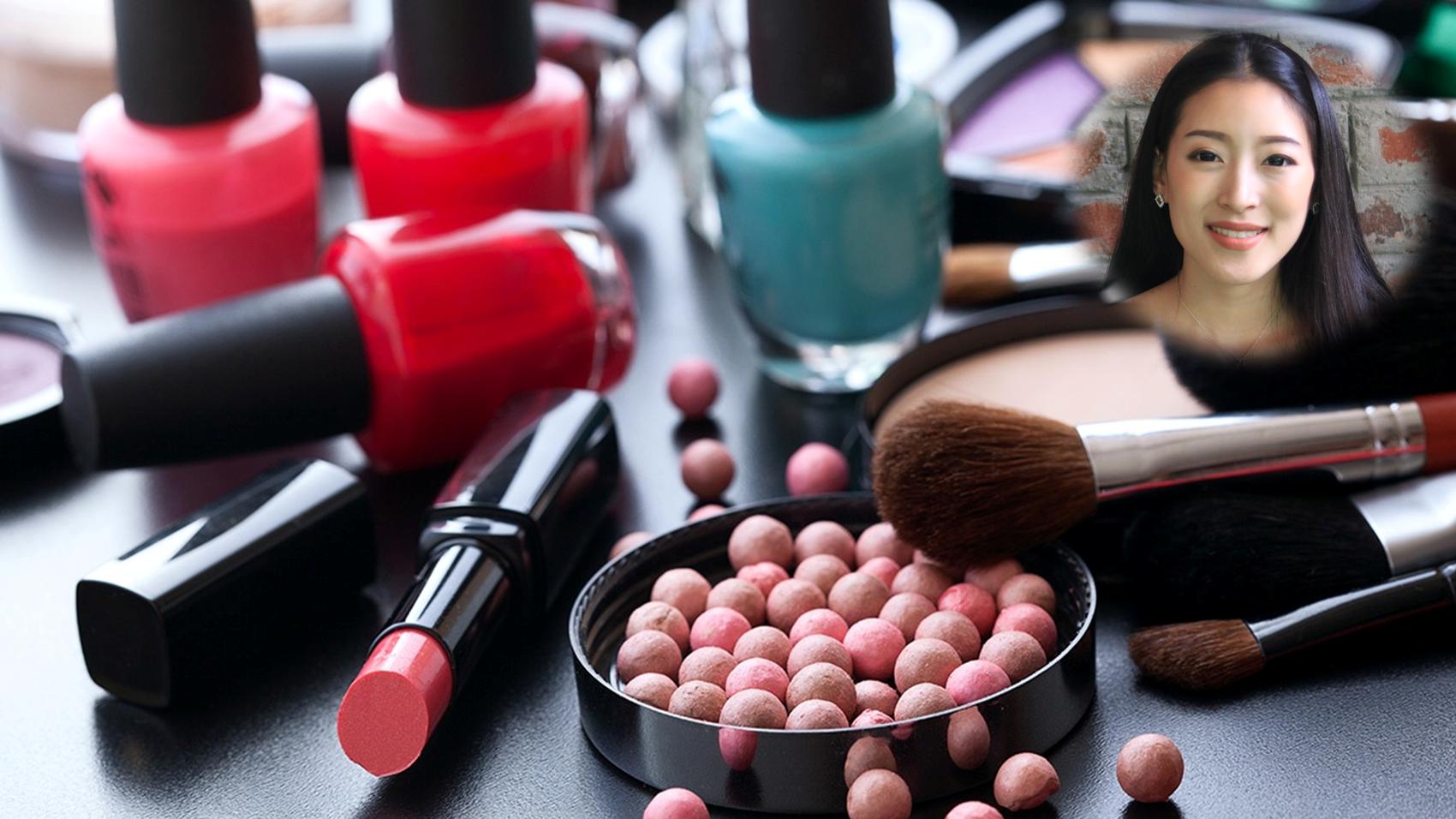
Products, in the context of beautician work, refer to the various cosmetic, skincare, haircare, and nail care formulations used to enhance, treat, or maintain a client’s appearance. Understanding products involves knowledge of their ingredients, functions, application methods, and safety standards, forming a crucial part of both academic study and professional practice.
A deep understanding of products is essential for every beautician, as it underpins the ability to deliver safe, effective, and personalized services. Mastery of product knowledge enables professionals to select the most suitable items for different skin types, hair conditions, and client needs, ensuring optimal results and client satisfaction. This expertise also helps beauticians identify potential allergens or irritants, reducing the risk of adverse reactions. Over time, a strong foundation in product knowledge builds client trust and loyalty, as clients increasingly seek guidance on at-home care and product recommendations. Staying informed about new formulations and industry trends further enhances a beautician’s credibility and career advancement opportunities, making product expertise a lifelong asset in the beauty industry.
Imagine a client visits a salon seeking a facial treatment but mentions having sensitive skin prone to redness. A knowledgeable beautician draws upon their understanding of products to select a gentle, hypoallergenic cleanser and a soothing mask containing calming ingredients like chamomile or aloe vera. The beautician explains the benefits and possible effects of each product, ensuring the client feels informed and comfortable. During the treatment, the beautician monitors the client’s skin response, ready to adjust the products if any irritation occurs. After the session, the beautician recommends suitable at-home products, reinforcing the importance of ongoing care. This scenario highlights how theoretical product knowledge translates into practical, client-centered service, fostering trust and delivering safe, effective results.
Hygiene

Hygiene refers to the practices and conditions that help maintain health and prevent the spread of diseases, particularly through cleanliness. In the context of beautician training, hygiene is a crucial academic and professional subject, as it underpins safe and effective client care, ensuring both practitioner and client well-being in all beauty services.
Understanding hygiene is essential for anyone entering or working in the beauty industry. It forms the backbone of professional standards, as beauticians regularly work in close contact with clients and use tools that can easily transmit bacteria or infections if not properly sanitized. Mastery of hygiene principles ensures that services are delivered safely, protecting both clients and practitioners from potential health risks. Over time, a strong commitment to hygiene builds trust with clients, enhances a beautician’s reputation, and can lead to greater career opportunities. Regulatory bodies and employers also prioritize hygiene, making it a non-negotiable aspect of professional practice. Ultimately, a thorough grasp of hygiene is not just about compliance, but about fostering a safe, welcoming, and professional environment.
Consider a beautician preparing for a facial treatment. Before beginning, they thoroughly wash their hands, sanitize all tools, and ensure the workspace is clean. During the procedure, they use disposable applicators and avoid double-dipping into product containers, minimizing the risk of cross-contamination. After the session, all reusable tools are properly disinfected, and surfaces are wiped down to prepare for the next client. By consistently applying their knowledge of hygiene, the beautician not only protects clients from potential infections but also demonstrates professionalism and care. This attention to hygiene reassures clients, encourages repeat business, and upholds the standards expected in the beauty industry.
Skills
Passion

Passion is an intense enthusiasm and dedication that drives individuals to pursue their work with energy, creativity, and commitment. In the context of a Beautician, passion fuels the desire to continually learn, improve techniques, and provide exceptional service, making it a vital component of professional excellence and client satisfaction.
Passion directly enhances a Beautician’s performance by inspiring ongoing learning, attention to detail, and a genuine desire to help clients look and feel their best. Clients and employers notice when a Beautician is truly passionate, as it translates into higher quality work, innovative solutions, and a welcoming atmosphere. Passionate professionals are more likely to stay updated with industry trends, experiment with new styles, and go the extra mile to ensure client happiness. Cultivating passion involves seeking inspiration from mentors, attending workshops, and embracing every opportunity to grow. Over time, this dedication becomes evident in the quality of service provided and the loyalty of clients who appreciate the Beautician’s heartfelt commitment.
Imagine a Beautician faced with a client who is anxious about a drastic hairstyle change before an important event. Drawing on their passion, the Beautician listens attentively, offers thoughtful advice, and reassures the client with confidence and empathy. Their enthusiasm for the craft helps the client feel at ease, and the Beautician’s commitment to excellence ensures the final result exceeds expectations. The client leaves not only satisfied with their new look but also uplifted by the positive, passionate energy of the experience. In this scenario, passion transforms a potentially stressful situation into a memorable and successful outcome, highlighting its critical role in the Beautician’s daily work.
Creativity

Creativity is the ability to generate original ideas, think outside conventional boundaries, and combine elements in new ways to produce unique and effective solutions. In the beautician profession, creativity is fundamental because it enables professionals to personalize services, adapt to trends, and deliver results that exceed client expectations.
Creativity directly enhances a beautician’s performance by allowing them to tailor styles, colors, and treatments to each client’s individual features and preferences. Clients and employers highly value this skill because it leads to innovative looks, personalized experiences, and a reputation for originality. A creative beautician can set trends rather than simply follow them, attracting a loyal clientele and standing out in a competitive market. To cultivate creativity, professionals should stay updated with industry trends, experiment with new techniques, and seek inspiration from art, fashion, and nature. Regular practice, openness to feedback, and a willingness to take calculated risks also help nurture this essential skill over time.
Imagine a beautician faced with a client who needs a last-minute makeover for an important event, but the client’s hair is damaged and unsuitable for traditional styling methods. Relying on creativity, the beautician quickly assesses the situation and devises an alternative approach, perhaps incorporating hair accessories, temporary color sprays, or innovative updos that conceal imperfections while highlighting the client’s best features. By thinking creatively, the beautician not only solves the immediate problem but also delivers a memorable and flattering look, earning the client’s gratitude and trust. This scenario demonstrates how creativity enables beauticians to adapt, innovate, and achieve outstanding results even under challenging circumstances.
Patience

Patience is the ability to remain calm, composed, and persistent when faced with delays, challenges, or repetitive tasks, without becoming frustrated or anxious. In the world of beauticians, patience is a vital trait that allows professionals to deliver high-quality services, build trust with clients, and handle complex or time-consuming procedures with care and precision.
Patience directly enhances a beautician’s performance by enabling them to focus on intricate details, follow precise techniques, and adapt to each client’s unique needs without rushing. Clients and employers deeply value this quality because it ensures a comfortable, positive experience and consistent, high-standard results. A patient beautician is more likely to build lasting client relationships, as clients feel heard and respected. Over time, patience can be cultivated through mindful practice, self-reflection, and learning to manage stress effectively. By embracing a growth mindset and viewing challenges as opportunities to improve, beauticians can steadily strengthen their patience, leading to greater professional satisfaction and success.
Imagine a beautician working with a client who is anxious about a complex hair coloring process. The client asks many questions, requests reassurance, and requires extra time to make decisions. Instead of showing frustration, the beautician listens attentively, explains each step, and calmly addresses every concern. The process takes longer than usual, but the beautician’s patience ensures the client feels comfortable and confident throughout the appointment. As a result, the client is delighted with the outcome and becomes a loyal customer, recommending the beautician to friends. This scenario highlights how patience not only resolves immediate challenges but also fosters trust and long-term success in the beauty industry.
Communication

Communication is the process of exchanging information, ideas, and feelings through speaking, listening, writing, and non-verbal cues. For a Beautician, communication is fundamental for understanding client needs, explaining procedures, building trust, and ensuring satisfaction. It bridges the gap between technical expertise and client expectations, making it indispensable in daily practice.
Strong communication skills enable Beauticians to accurately interpret client requests, provide clear instructions, and offer professional advice tailored to individual needs. Clients and employers highly value Beauticians who can listen attentively, articulate recommendations, and address concerns with empathy and confidence. Effective communication fosters lasting client relationships, enhances reputation, and minimizes misunderstandings that could lead to dissatisfaction. To cultivate this skill, Beauticians should practice active listening, seek feedback, and continuously refine their ability to express ideas clearly and professionally. Over time, experience and conscious effort help transform communication into a natural and powerful asset that supports both technical and interpersonal success in the beauty industry.
Imagine a client arrives at a salon feeling anxious about a dramatic hairstyle change. The Beautician listens carefully to the client’s concerns, asks clarifying questions, and explains the process step by step, including potential outcomes and aftercare. By maintaining open and honest dialogue, the Beautician reassures the client and ensures their expectations are realistic. During the appointment, the Beautician checks in regularly, adjusting the approach based on the client’s feedback. As a result, the client feels understood and valued, leading to a successful transformation and a positive experience. This scenario highlights how effective communication not only resolves uncertainty but also builds trust and satisfaction, which are crucial for career growth in the beauty industry.
Motivation

Motivation is the internal drive that inspires individuals to pursue goals, overcome challenges, and maintain consistent effort toward personal and professional growth. In the context of a Beautician’s career, motivation fuels the passion for learning new techniques, delivering excellent service, and adapting to the ever-evolving beauty industry.
Motivation directly enhances a Beautician’s performance by encouraging continuous improvement, creativity, and resilience in a demanding environment. Clients and employers highly value motivated professionals because they consistently deliver high-quality results, maintain a positive attitude, and show dedication to their craft. A motivated Beautician is more likely to stay updated with industry trends, attend training sessions, and seek feedback for growth. Cultivating motivation involves setting clear career goals, celebrating small achievements, and surrounding oneself with inspiring mentors or colleagues. Over time, self-reflection and a commitment to personal development help sustain motivation, ensuring long-term success and satisfaction in the beauty profession.
Imagine a Beautician facing a challenging client who is dissatisfied with a recent service. Instead of feeling discouraged, the Beautician draws on their motivation to resolve the issue. They listen attentively, offer solutions, and go the extra mile to ensure the client leaves happy. This motivated approach not only salvages the client relationship but also enhances the Beautician’s reputation for professionalism and care. By staying motivated, the Beautician turns a potentially negative situation into an opportunity for growth, demonstrating resilience and commitment to excellence that clients and employers deeply appreciate.
Positives
Meeting New People

Meeting new people means regularly interacting with individuals from diverse backgrounds, ages, and walks of life, often for the first time. In the beautician profession, this constant flow of new clients and colleagues brings fresh perspectives, stories, and opportunities, enriching daily work and fostering meaningful connections that enhance personal and professional growth.
The opportunity to meet new people is a cornerstone of what makes a career in beautician so rewarding. Every day, professionals welcome clients with unique personalities, preferences, and stories, turning routine appointments into engaging social experiences. This dynamic environment keeps the workday lively and prevents monotony, as no two interactions are ever the same. Building rapport with clients not only boosts job satisfaction but also helps beauticians expand their network, leading to more referrals and career opportunities. The relationships formed can inspire creativity, foster empathy, and provide a sense of accomplishment as clients leave feeling more confident and cared for. Ultimately, meeting new people transforms the workplace into a vibrant community, making each day both exciting and meaningful.
Imagine a beautician starting her day with a new client who has recently moved to the city and is seeking a fresh look to mark a new chapter in her life. As they chat, the beautician learns about the client’s journey, her aspirations, and the challenges she faces in adapting to a new environment. Through attentive listening and personalized service, the beautician not only delivers a stunning transformation but also offers encouragement and support. This interaction leaves both the client and the beautician uplifted—the client feels welcomed and confident, while the beautician experiences the profound satisfaction of making a positive difference in someone’s life, all through the simple act of meeting someone new.
Self Satisfaction

Self satisfaction is the deep sense of fulfillment and contentment that arises from achieving personal goals, meeting high standards, and making a positive difference in the lives of others. In the beautician profession, self satisfaction is nurtured by the ability to transform appearances, boost clients’ confidence, and express creativity through skilled work.
Self satisfaction is a cornerstone of a rewarding career in the beauty industry. When beauticians witness the joy and gratitude of their clients, it reinforces their sense of purpose and accomplishment. This positive feedback loop not only enhances daily job satisfaction but also fuels motivation to continually improve and learn new techniques. The pride taken in each successful transformation encourages beauticians to set higher standards for themselves, fostering both personal and professional growth. Experiencing self satisfaction regularly helps beauticians navigate challenges with resilience and passion, making their work more than just a job—it becomes a meaningful vocation that brings joy and confidence to others while nurturing their own sense of achievement.
Imagine a beautician working with a client who is preparing for a significant life event, such as a wedding or graduation. The client arrives feeling anxious and unsure about her appearance. Through attentive listening, skillful application of makeup, and thoughtful hairstyling, the beautician helps the client see herself in a new, radiant light. When the client looks in the mirror and smiles with genuine happiness, expressing heartfelt gratitude, the beautician experiences a profound sense of self satisfaction. This moment of knowing their expertise has made a real difference in someone’s life is deeply fulfilling and serves as a powerful reminder of why they chose this career path.
Healthy Work Environment

A healthy work environment is a supportive, respectful, and safe space where professionals collaborate, communicate openly, and prioritize well-being. In the beautician profession, this means working in salons or studios that foster positivity, encourage creativity, and value each individual’s contributions. Such an environment enhances morale, productivity, and overall job satisfaction for beauticians.
A healthy work environment is a cornerstone of a rewarding career as a beautician because it nurtures both personal and professional growth. When beauticians feel respected and supported, their confidence flourishes, allowing them to express creativity and build strong client relationships. This positive atmosphere reduces stress and burnout, making daily tasks more enjoyable and meaningful. The encouragement from colleagues and management inspires ongoing learning and skill development, which is essential in a dynamic industry. As a result, beauticians are more likely to stay motivated, deliver exceptional service, and experience long-term career satisfaction. The sense of belonging and teamwork also fosters a culture where everyone thrives, making the workplace not just a job, but a community.
Imagine a beautician named Maya who works in a salon where the team greets each other warmly every morning and management genuinely listens to staff feedback. When Maya faces a challenging client, her colleagues offer advice and emotional support, helping her navigate the situation with confidence. The salon regularly organizes wellness workshops and encourages open communication, ensuring that everyone feels valued and heard. Because of this nurturing environment, Maya looks forward to coming to work each day, knowing she is part of a team that cares about her well-being and professional growth. This positive atmosphere not only enhances her job satisfaction but also motivates her to deliver her best work to every client.
Growth

Growth is the continuous process of developing new skills, expanding knowledge, and evolving both personally and professionally. In the beautician profession, growth means staying updated with the latest trends, mastering new techniques, and building stronger client relationships. This ongoing development fosters confidence, creativity, and adaptability, making the career deeply fulfilling.
The beauty industry thrives on innovation and change, making growth an essential and exciting aspect of being a beautician. Embracing growth allows professionals to remain relevant and competitive, ensuring they can offer clients the latest styles and treatments. This constant learning keeps the work dynamic and engaging, preventing stagnation and burnout. As beauticians refine their skills and broaden their expertise, they experience a strong sense of accomplishment and pride in their craft. The ability to help clients look and feel their best further enhances job satisfaction, as each new achievement and positive client transformation reinforces the value of their work. Growth, therefore, is not just a benefit but a driving force that energizes and sustains a successful career in beauty.
Imagine a beautician who began their career specializing in basic haircuts and styling. Over time, driven by curiosity and ambition, they attend advanced workshops, learn about skincare, and master new coloring techniques. As their skills expand, so does their clientele, with clients seeking out their expertise for the latest trends. This beautician finds immense satisfaction in transforming a client’s appearance and confidence, knowing that their dedication to growth has made these moments possible. Each day brings new challenges and opportunities to learn, ensuring their work remains fresh and inspiring. The journey of growth not only elevates their professional standing but also brings a deep sense of personal achievement and joy.
Challenges
Handling Clients

Handling clients in the context of a beautician involves managing diverse personalities, expectations, and emotional states while delivering personalized beauty services. This is demanding because clients may have high standards, communicate ambiguously, or express dissatisfaction, requiring beauticians to balance technical expertise with empathy and effective communication under pressure.
The challenge of handling clients significantly shapes the daily experience of beauticians. Difficult interactions can lead to stress, disrupt workflow, and affect overall job satisfaction. Beauticians must demonstrate resilience, as each client brings unique preferences and moods that may not always align with the professional’s approach or schedule. Successful professionals navigate this constraint by actively listening, setting clear expectations, and maintaining a calm, positive demeanor even in tense situations. They invest in building rapport and trust, which helps diffuse potential conflicts and fosters client loyalty. Continuous self-improvement in communication and emotional intelligence enables beauticians to adapt to various personalities, ensuring both client satisfaction and personal well-being in a demanding, people-focused environment.
Consider a beautician who encounters a client dissatisfied with a recent haircut, expressing frustration and disappointment. Instead of reacting defensively, the beautician listens attentively, acknowledges the client’s feelings, and calmly asks clarifying questions to understand the specific concerns. By offering a thoughtful solution, such as a complimentary adjustment or styling tips, the beautician demonstrates professionalism and genuine care. This approach not only resolves the immediate issue but also reassures the client, turning a potentially negative experience into a positive one. Through patience, empathy, and effective communication, the beautician not only retains the client’s trust but also strengthens their reputation for excellent customer service.
Skin Types

In the context of Beautician, "Skin Types" refers to the diverse categories of skin—such as oily, dry, combination, sensitive, and normal—that clients present. Each type reacts differently to products and treatments, making it demanding for professionals to tailor services safely and effectively for optimal results and client satisfaction.
The challenge of working with varied skin types significantly affects a beautician’s daily routine, as each client requires a personalized approach to skincare and treatments. This complexity demands resilience because misjudging a skin type can lead to adverse reactions, dissatisfaction, or even harm. Successful professionals navigate this constraint by continuously updating their knowledge, observing subtle skin cues, and engaging in thorough consultations. They invest time in understanding product ingredients and their interactions with different skin types, ensuring they can adapt techniques on the spot. By fostering open communication and building trust, beauticians create a safe environment where clients feel confident in their expertise, allowing for better outcomes and long-term client relationships.
Consider a beautician who welcomes a new client with unpredictable skin concerns. During the consultation, the client describes frequent breakouts and sensitivity to many products. The beautician carefully examines the skin, asks detailed questions about the client’s routine, and performs a patch test before proceeding. Recognizing the combination of oily and sensitive skin, the professional selects gentle, non-comedogenic products and customizes the facial treatment to avoid irritation. Throughout the session, the beautician monitors the client’s comfort and adjusts techniques as needed. By the end, the client experiences no adverse reactions and leaves with tailored advice for at-home care, demonstrating the beautician’s skill in overcoming the challenge of diverse skin types.
A Day Of
Beautician
The hum of hairdryers, the scent of fresh products, and the gentle buzz of conversation set the rhythm for a beautician’s day—a world where artistry meets precision and every client brings a new canvas. In the beauty studio, time moves quickly, punctuated by appointments, transformations, and the satisfaction of helping others look and feel their best. Each day is a blend of creativity, technical skill, and personal connection, unfolding in a fast-paced environment where no two moments are ever quite the same.
As the sun rises, a beautician’s day begins with quiet focus before the first client arrives. The early morning is dedicated to preparing the workspace: sanitizing tools, arranging products, and reviewing the day’s schedule. This is the time to check inventory, ensure all equipment is in perfect working order, and mentally map out the flow of appointments. The calm before the rush allows for a moment of reflection and readiness, setting the tone for a seamless and professional day ahead.
By mid-morning, the studio comes alive as clients fill the chairs, each seeking a unique service—be it a fresh haircut, a vibrant color treatment, or a rejuvenating facial. This is the heart of the beautician’s day, where hands move deftly and conversations flow easily. The pace is brisk, requiring both technical expertise and the ability to make clients feel comfortable and valued. Every interaction is an opportunity to build trust and showcase skill, turning routine appointments into memorable experiences.
The afternoon brings a shift toward collaboration and more specialized tasks. Beauticians may consult with colleagues on complex color corrections, participate in training sessions to learn new techniques, or coordinate with reception staff to manage bookings. This period often involves executing intricate services such as bridal makeup or advanced skincare treatments, demanding both concentration and teamwork. The energy remains high as professionals support each other to deliver exceptional results and maintain the studio’s reputation for excellence.
As the day winds down, attention turns to wrapping up and preparing for tomorrow. Beauticians meticulously clean their stations, restock supplies, and update client records with notes on preferences or follow-up needs. There is time to reflect on the day’s successes and challenges, perhaps researching new trends or planning for upcoming appointments. The final moments are spent ensuring that everything is in order, so the next morning can begin with the same sense of calm and readiness, closing the day with a sense of accomplishment and anticipation for what’s to come. |


 Home
Home Abroad
 Plan
Plan Philosophy
 Seminar
 Pages
Pages Advisors
 Testimonials









 Workshop
 Discuss
 Meet
Meet
 Advisor
 Story
Story
 Fine Print
 Links
Links
 Blog
Blog
 Follow
