The Journey of Cosmetics Trading
What Is Cosmetics Trading
Cosmetics Trading
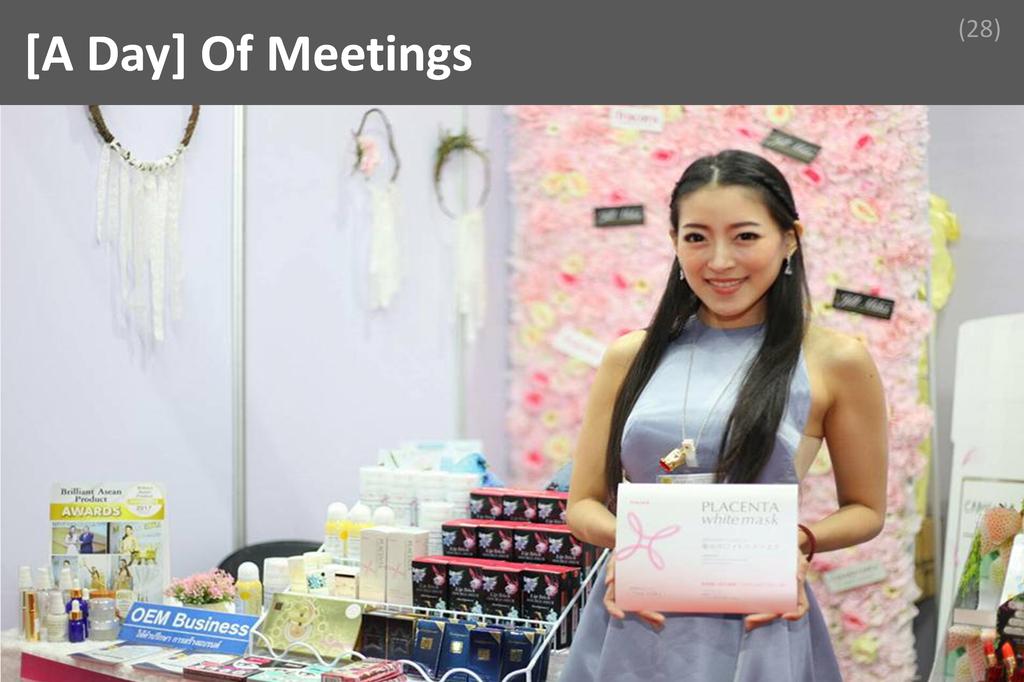
Cosmetics trading involves the buying, selling, and distribution of beauty and personal care products across various markets. Professionals in this field manage product sourcing, negotiate with suppliers, ensure regulatory compliance, and facilitate the movement of cosmetics from manufacturers to retailers or end consumers, both domestically and internationally.
Cosmetics trading plays a crucial role in connecting innovative beauty products with global consumers, driving trends and accessibility in the industry. For professionals, this field offers dynamic opportunities to work with diverse brands, expand market reach, and develop valuable business relationships. One significant benefit is the potential for high profitability due to the ever-growing demand for cosmetics. Another advantage is the exposure to international markets, which enhances cultural awareness and negotiation skills. Additionally, cosmetics trading fosters professional growth through constant adaptation to evolving regulations, consumer preferences, and technological advancements, making it an exciting and rewarding career path.
A cosmetics trading professional might work for a company that imports Korean skincare products into the European market. Their daily responsibilities could include researching trending products, negotiating pricing and terms with Korean manufacturers, and ensuring all products meet European Union safety standards. They would coordinate logistics, manage customs documentation, and build relationships with local retailers to secure shelf space for new product launches. By staying informed about both consumer trends and regulatory changes, the professional ensures a smooth supply chain and successful market entry, ultimately helping the company grow its brand presence and meet consumer demand for innovative beauty solutions.
Education
Consumer behavior

Consumer behavior is the study of how individuals, groups, or organizations select, purchase, use, and dispose of goods, services, ideas, or experiences to satisfy their needs and desires. In cosmetics trading, understanding consumer behavior is essential for predicting trends, tailoring products, and developing effective marketing strategies that resonate with target audiences.
A deep understanding of consumer behavior is crucial for anyone involved in cosmetics trading because it enables professionals to anticipate market demands and respond proactively. By analyzing why consumers prefer certain products, how cultural or social influences affect purchasing decisions, and what motivates brand loyalty, cosmetics traders can design offerings that align with customer expectations. This knowledge forms the backbone of successful product development, pricing, and promotional strategies. Over time, mastering consumer behavior not only enhances a professional’s ability to drive sales but also fosters long-term relationships with clients and partners. It empowers individuals to adapt to market shifts, innovate effectively, and maintain a competitive edge in the fast-evolving cosmetics industry.
Imagine a cosmetics trader noticing a sudden increase in demand for vegan and cruelty-free beauty products. Drawing on their understanding of consumer behavior, the professional recognizes this trend as a response to growing ethical concerns among younger consumers. Instead of simply following the trend, the trader conducts market research to identify specific preferences within this segment, such as packaging sustainability and ingredient transparency. By leveraging these insights, the trader collaborates with suppliers to source products that meet these criteria and crafts marketing messages that highlight these attributes. This targeted approach not only satisfies current consumer demands but also positions the business as a forward-thinking and responsible brand, ultimately driving customer loyalty and repeat purchases.
Latest Trends

Latest Trends refers to the most current developments, innovations, consumer preferences, and market shifts within the cosmetics industry. Understanding these trends is essential for anyone involved in cosmetics trading, as it bridges academic theories with practical market knowledge, ensuring professionals remain competitive and responsive to evolving industry demands.
Grasping the latest trends is crucial for professionals in cosmetics trading because the industry is highly dynamic, driven by changing consumer behaviors, technological advancements, and regulatory updates. By staying informed, individuals can anticipate market needs, source in-demand products, and build strategic partnerships. This knowledge forms the backbone of effective product selection, marketing, and negotiation strategies. Over time, a deep understanding of trends enhances credibility, fosters innovation, and supports long-term career growth by positioning professionals as industry leaders who can adapt to and capitalize on emerging opportunities.
Imagine a cosmetics trader who closely monitors global trends and notices a surge in demand for vegan and cruelty-free beauty products. Leveraging this insight, they proactively seek suppliers offering certified vegan cosmetics and negotiate exclusive distribution rights. When meeting with retail clients, the trader confidently presents these products, highlighting their alignment with current consumer values. As a result, the trader secures lucrative contracts and strengthens business relationships, all while reinforcing their reputation as a forward-thinking professional who delivers what the market wants. This scenario demonstrates how theoretical knowledge of trends directly informs practical decisions and drives success in daily operations.
Competitors knowledge

Competitors knowledge refers to the systematic understanding of rival companies’ products, strategies, pricing, distribution channels, and market positioning within the cosmetics industry. This knowledge is essential in both academic study and professional practice, as it enables individuals to anticipate market trends, identify opportunities, and make informed decisions in Cosmetics Trading.
Developing a deep understanding of competitors is crucial for anyone involved in Cosmetics Trading. By analyzing competitors’ strengths and weaknesses, professionals can identify gaps in the market, differentiate their offerings, and develop strategies that provide a competitive edge. This knowledge forms a foundational pillar for effective market analysis, product development, and strategic planning. Over time, mastering competitors knowledge leads to better risk management, more accurate forecasting, and the ability to swiftly adapt to industry changes. For career advancement, it demonstrates analytical acumen and strategic thinking, qualities highly valued by employers and essential for leadership roles in the cosmetics sector.
Imagine a cosmetics trading manager tasked with launching a new skincare line. By applying their understanding of competitors knowledge, they systematically review rival brands’ product ingredients, pricing models, and promotional tactics. This research reveals that competitors are focusing on natural ingredients and eco-friendly packaging. The manager then collaborates with product development to emphasize these features in their own line, ensuring it meets or exceeds market expectations. Additionally, they adjust pricing and marketing strategies to position the new products competitively. This practical application of competitors knowledge not only helps the company capture market share but also builds a reputation for innovation and responsiveness to consumer trends.
Marketing

Marketing is the strategic process of identifying, creating, communicating, and delivering value to customers, while managing relationships to benefit both the organization and its stakeholders. In Cosmetics Trading, marketing is a core discipline, bridging product innovation, consumer needs, and competitive positioning within a dynamic and highly visual industry landscape.
Understanding marketing is essential for anyone entering or advancing in Cosmetics Trading because it equips professionals with the ability to analyze market trends, identify target audiences, and develop strategies that drive product demand. Mastery of marketing concepts enables individuals to effectively position cosmetic products, differentiate brands, and respond to evolving consumer preferences. This knowledge forms the backbone of successful trading operations, ensuring that products not only reach the right markets but also resonate with consumers. Over the long term, a solid grasp of marketing principles fosters adaptability, innovation, and sustained business growth, making it a critical area of expertise for career advancement and leadership in the cosmetics sector.
Consider a cosmetics trader tasked with launching a new skincare line in a competitive market. Drawing on their marketing knowledge, they conduct market research to understand consumer preferences, analyze competitors, and identify unique selling points for their products. They then craft compelling messaging and select the most effective channels—such as social media influencers or in-store promotions—to reach their target audience. Throughout the campaign, they monitor consumer feedback and sales data, adjusting their strategies to maximize engagement and profitability. This practical application of marketing theory ensures that their products not only gain visibility but also achieve lasting success in the marketplace.
Skills
Adaptability

Adaptability is the ability to adjust quickly and effectively to new conditions, challenges, or opportunities, while maintaining productivity and a positive attitude. In cosmetics trading, adaptability enables professionals to navigate shifting market trends, regulatory changes, and evolving consumer preferences, making it a vital asset for sustained success and growth.
Adaptability directly enhances performance in cosmetics trading by allowing professionals to respond swiftly to changes in product demand, supply chain disruptions, or emerging beauty trends. Clients and employers value this skill because it ensures business continuity and competitiveness in a fast-paced, ever-evolving industry. Cultivating adaptability involves staying informed about industry developments, embracing continuous learning, and being open to feedback and new approaches. Over time, professionals can strengthen this skill by seeking diverse experiences, reflecting on past challenges, and actively practicing flexibility in their daily work. By doing so, they become more resilient and resourceful, positioning themselves as valuable assets to their organizations.
Imagine a cosmetics trading professional who has secured a large shipment of a trending skincare product. Suddenly, new regulations restrict the import of certain ingredients, threatening the entire deal. Instead of panicking, the adaptable professional quickly researches alternative suppliers and reformulates the product lineup to comply with regulations. They communicate transparently with clients, offering suitable replacements and maintaining trust. By swiftly adjusting their strategy and leveraging industry connections, the professional not only salvages the business relationship but also uncovers new opportunities for growth. This scenario highlights how adaptability enables professionals to turn unforeseen challenges into successful outcomes in the dynamic world of cosmetics trading.
Communication

Communication is the process of exchanging information, ideas, and emotions through verbal, nonverbal, and written means to achieve mutual understanding. In cosmetics trading, communication is crucial for building relationships, negotiating deals, and ensuring clarity between suppliers, clients, and team members. It underpins every successful transaction and partnership in the industry.
Strong communication skills enable cosmetics trading professionals to articulate product benefits, negotiate favorable terms, and resolve misunderstandings efficiently. Clients and employers value individuals who can clearly present information, listen actively, and adapt their messaging to diverse audiences. Effective communicators foster trust, encourage repeat business, and minimize costly errors. To cultivate this skill, professionals should seek feedback, practice active listening, and engage in regular training or mentorship. Over time, consistent effort in refining both verbal and written communication leads to greater confidence and competence, directly impacting career growth and business outcomes in the competitive cosmetics market.
Imagine a cosmetics trader facing a shipment delay that threatens a major client’s product launch. By promptly informing the client, explaining the cause, and proposing alternative solutions, the professional demonstrates transparency and problem-solving abilities. Through clear, empathetic communication, the trader reassures the client, maintains trust, and negotiates a revised delivery schedule. This proactive approach not only salvages the business relationship but also enhances the trader’s reputation for reliability. In this scenario, effective communication transforms a potential crisis into an opportunity to strengthen client loyalty and showcase professionalism, illustrating its indispensable role in cosmetics trading success.
Selling

Selling is the process of persuading potential buyers to purchase products or services by understanding their needs, presenting solutions, and building trust. In cosmetics trading, selling is crucial because it bridges the gap between product innovation and market adoption, ensuring that products reach consumers and generate revenue for the business.
Mastering the art of selling directly enhances a cosmetics trading professional’s ability to drive revenue, expand market share, and foster lasting client relationships. Clients and employers highly value this skill because it translates to increased sales, stronger brand loyalty, and a competitive edge in a crowded marketplace. To cultivate selling expertise, professionals must continuously refine their product knowledge, actively listen to client needs, and adapt their communication style to different audiences. Over time, practicing empathy, staying updated on industry trends, and seeking feedback from mentors or peers can further sharpen one’s selling abilities. Ultimately, a commitment to learning and genuine engagement with clients are key to developing this indispensable skill.
Imagine a cosmetics trading professional facing a sudden drop in sales for a newly launched skincare line. By leveraging their selling skills, they engage with beauty retailers to understand hesitations and gather feedback. Through persuasive communication, they highlight the product’s unique benefits and address concerns about ingredients and efficacy. By offering tailored solutions, such as in-store demonstrations or promotional samples, the professional rebuilds retailer confidence and secures new orders. This proactive approach not only resolves the immediate sales challenge but also strengthens business relationships and enhances the brand’s reputation, demonstrating how essential selling is to overcoming obstacles and achieving sustained success in cosmetics trading.
Management

Management is the process of planning, organizing, leading, and controlling resources—such as people, finances, and information—to achieve organizational goals efficiently and effectively. In cosmetics trading, management ensures smooth operations, timely product delivery, and the ability to adapt to market trends, making it indispensable for sustained business growth and competitiveness.
Strong management skills enable professionals in cosmetics trading to coordinate complex supply chains, oversee product launches, and maintain regulatory compliance. Clients and employers highly value this skill because it leads to increased efficiency, reduced costs, and improved customer satisfaction. Effective management also fosters teamwork and innovation, both of which are crucial in the fast-paced cosmetics industry. To cultivate management skills, individuals should seek mentorship, pursue relevant training, and gain hands-on experience by taking on leadership roles in projects. Over time, consistent practice and reflection help refine decision-making abilities, communication, and strategic thinking, all of which are vital for navigating the unique challenges of cosmetics trading.
Imagine a cosmetics trading professional facing a sudden disruption in their supply chain due to a regulatory change affecting ingredient imports. By leveraging management skills, they quickly assess the situation, communicate with suppliers and clients, and reorganize logistics to source compliant alternatives. Their ability to coordinate teams, allocate resources efficiently, and maintain clear communication ensures minimal disruption to product availability. As a result, the company retains client trust, avoids financial losses, and even identifies new supplier partnerships. This scenario highlights how adept management not only resolves immediate crises but also strengthens the business’s resilience and reputation in a competitive market.
Finance

Finance is the discipline of managing money, investments, and other financial instruments to ensure the effective allocation of resources, maximize profitability, and minimize risk. In cosmetics trading, finance enables professionals to make informed decisions about pricing, inventory, cash flow, and investments, ensuring sustainable business growth and competitive advantage.
Mastering finance empowers cosmetics trading professionals to analyze costs, forecast sales, and manage budgets with precision. This skill is highly valued by clients and employers because it ensures that business operations remain profitable and resilient, even in volatile markets. Financial acumen allows professionals to negotiate better terms with suppliers, optimize inventory levels, and identify lucrative market opportunities. Over time, one can cultivate this skill by pursuing formal education in finance, seeking mentorship from experienced colleagues, and staying updated on industry trends and financial regulations. Regularly reviewing financial statements and engaging in scenario planning also sharpens one’s ability to make sound financial decisions that drive business success.
Imagine a cosmetics trading manager facing a sudden spike in raw material costs due to global supply chain disruptions. By leveraging their finance skills, the manager quickly assesses the impact on profit margins and cash flow. They use financial analysis to renegotiate supplier contracts, adjust product pricing, and reallocate budgets to maintain profitability. Their ability to interpret financial data and forecast future trends enables the company to avoid losses and even identify new sourcing opportunities. This proactive approach not only resolves the immediate crisis but also strengthens the company’s financial resilience, demonstrating the indispensable role of finance in navigating challenges and achieving long-term success in cosmetics trading.
Innovation

Innovation is the ability to generate and implement new ideas, methods, or products that create value and drive progress. In the context of Cosmetics Trading, innovation empowers professionals to anticipate market trends, adapt to changing consumer preferences, and introduce unique solutions that set them apart from competitors.
Innovation directly enhances performance in Cosmetics Trading by enabling professionals to identify emerging opportunities, streamline supply chains, and respond swiftly to shifts in consumer demand. Clients and employers highly value this skill because it leads to the discovery of novel products, more efficient processes, and creative marketing strategies that boost sales and brand reputation. Cultivating innovation involves staying informed about industry trends, embracing diverse perspectives, and fostering a mindset open to experimentation and learning from failure. Over time, continuous exposure to new ideas, collaboration with forward-thinking colleagues, and a willingness to challenge the status quo help professionals strengthen their innovative capabilities and maintain a competitive edge in the dynamic cosmetics market.
Imagine a cosmetics trading professional who notices a sudden decline in demand for traditional skincare products due to a growing consumer interest in eco-friendly and sustainable options. Relying on their innovative mindset, they quickly research and establish partnerships with emerging brands that offer biodegradable packaging and natural ingredients. By introducing these new product lines to their portfolio, they not only address the evolving preferences of their clients but also position their company as a leader in sustainability. This proactive approach, driven by innovation, helps the business recover lost sales, attract environmentally conscious customers, and build long-term loyalty in a rapidly changing market.
Positives
Self-Satisfaction

Self-satisfaction is the deep sense of fulfillment and pride that comes from achieving personal and professional goals, knowing one’s efforts have made a meaningful difference. In cosmetics trading, self-satisfaction arises when professionals see the tangible results of their hard work, creativity, and dedication reflected in the beauty and confidence of their clients.
Self-satisfaction is a powerful motivator in cosmetics trading, fueling both personal happiness and professional growth. When individuals feel proud of their contributions—whether it’s introducing innovative products, building strong client relationships, or helping others feel more confident—they are more likely to stay engaged and passionate about their work. This positive mindset not only enhances daily job satisfaction but also encourages continuous learning and improvement. As professionals witness the positive changes they help create, their sense of purpose grows stronger, leading to higher motivation, better performance, and a lasting commitment to excellence in the industry.
Imagine a cosmetics trading professional who spends months researching and sourcing a new skincare line tailored to a specific market. After launching the products, they receive heartfelt feedback from customers who have seen remarkable improvements in their skin and self-esteem. The professional feels a profound sense of self-satisfaction, knowing their expertise and effort have genuinely impacted people’s lives. This fulfillment goes beyond financial rewards, inspiring them to keep innovating and striving for excellence. Each positive review and grateful message serves as a daily reminder of the meaningful role they play, reinforcing their passion and dedication to the cosmetics industry.
Good Income

Good income refers to a level of earnings that not only covers basic living expenses but also allows for financial stability, personal growth, and the pursuit of aspirations. In cosmetics trading, good income means professionals can enjoy a comfortable lifestyle, invest in their future, and feel secure in their financial well-being. This financial reward is a direct result of the industry’s high demand, dynamic market, and the value placed on beauty and personal care products. Good income contributes positively to this profession by motivating individuals to excel, fostering a sense of accomplishment, and enabling them to reinvest in their careers and personal lives.
The prospect of earning a good income is a powerful motivator for those considering a career in cosmetics trading. This financial benefit enhances job satisfaction, as professionals feel recognized and rewarded for their expertise and hard work. It also opens doors to personal and professional growth, allowing individuals to pursue further education, attend industry events, or expand their business ventures. The stability provided by a good income reduces financial stress, enabling professionals to focus on innovation and customer service. Each day, those in cosmetics trading experience the tangible rewards of their efforts, which translates into greater confidence, ambition, and a positive outlook on their career path.
Imagine a cosmetics trader who has built strong relationships with both suppliers and clients, consistently delivering high-quality products that meet market trends. As a result, her business flourishes, and she enjoys a steady stream of lucrative deals. The good income she earns not only supports her family but also allows her to travel, attend international beauty expos, and invest in new product lines. This financial success brings her a deep sense of fulfillment, knowing that her dedication and expertise are directly reflected in her earnings. The ability to achieve personal goals and provide for loved ones underscores the rewarding nature of a career in cosmetics trading.
Personality Development

Personality development is the continuous process of enhancing one’s character, communication skills, confidence, emotional intelligence, and adaptability to interact effectively with others and achieve personal and professional growth. In cosmetics trading, this growth is essential, as it empowers professionals to build trust, foster relationships, and thrive in a dynamic, customer-focused environment.
The emphasis on personality development in cosmetics trading is a key driver of both personal fulfillment and professional advancement. As professionals interact with diverse clients, suppliers, and colleagues, they refine their communication, negotiation, and empathy skills. This ongoing growth not only boosts their confidence but also enhances their ability to understand and anticipate customer needs, leading to stronger relationships and increased sales success. The daily practice of adapting to new trends, addressing challenges, and presenting products with enthusiasm creates a vibrant work atmosphere. Ultimately, the opportunity to evolve as an individual while contributing to a thriving industry makes cosmetics trading uniquely satisfying and opens doors to continuous career progression.
Imagine a cosmetics trading specialist who initially felt nervous presenting new products to clients. Through regular interactions, training sessions, and feedback from mentors, she gradually developed greater self-assurance and refined her communication style. Over time, her improved confidence and interpersonal skills allowed her to connect more deeply with clients, understand their preferences, and recommend tailored solutions. This not only led to increased sales but also earned her recognition within her company. The sense of accomplishment she experienced from personal growth, coupled with her professional achievements, made her daily work more meaningful and enjoyable. Her journey exemplifies how personality development transforms challenges into rewarding opportunities in the world of cosmetics trading.
Mentoring Employees

Mentoring employees is the process of guiding, supporting, and developing less experienced team members to help them grow professionally and personally. In cosmetics trading, this means sharing industry knowledge, fostering confidence, and nurturing talent. This positive contribution builds a collaborative environment, strengthens the team, and ensures long-term success for both individuals and the business.
The act of mentoring employees in cosmetics trading brings immense satisfaction and growth to both mentors and mentees. By investing time and expertise in others, professionals create a culture of trust and learning, which leads to higher employee engagement and retention. Mentors often find renewed motivation as they witness their colleagues’ progress and achievements. This daily interaction not only sharpens leadership and communication skills but also keeps mentors updated with fresh perspectives and ideas. The ripple effect of effective mentoring is seen in improved team performance, innovation, and a supportive workplace where everyone feels valued and empowered to contribute their best.
Imagine a cosmetics trading manager who takes a new sales associate under their wing. Over several months, the manager shares insights about product trends, negotiation tactics, and customer relationship management. The associate gradually gains confidence, starts closing more deals, and even suggests creative marketing strategies. The manager feels a deep sense of fulfillment watching the associate flourish, knowing their guidance played a pivotal role. This relationship not only strengthens the team but also drives business growth, as the associate’s fresh ideas and enthusiasm inspire others. Through mentoring, the manager experiences firsthand the joy of shaping future leaders and building a legacy of excellence within the organization.
Challenges
Law and Trade Restrictions

Law and Trade Restrictions in Cosmetics Trading refer to the complex web of international, national, and regional regulations that govern the import, export, formulation, labeling, and marketing of cosmetic products. These rules are demanding because they frequently change, vary across markets, and carry significant legal and financial consequences for non-compliance.
The challenge of law and trade restrictions permeates every aspect of a cosmetics trader’s daily work, from sourcing ingredients to shipping finished products across borders. Professionals must constantly monitor regulatory updates, adapt product formulations, and ensure all documentation meets the latest standards. This environment demands resilience, as even minor oversights can result in shipment delays, product recalls, or hefty fines. Successful professionals overcome these hurdles by building strong relationships with regulatory consultants, investing in ongoing compliance training, and maintaining open communication with suppliers and distributors. By staying proactive and informed, they can anticipate changes, swiftly adjust their operations, and maintain the trust of both authorities and customers.
Consider a cosmetics trading manager overseeing exports to the European Union, where regulations on ingredient safety and labeling are particularly stringent. When the EU updated its list of banned substances, the manager quickly coordinated with product development teams to reformulate affected products and worked closely with legal advisors to update all packaging and documentation. By proactively communicating these changes to distributors and ensuring all shipments met the new requirements, the manager avoided costly border rejections and maintained uninterrupted market access. This approach not only safeguarded the company’s reputation but also demonstrated the importance of agility and compliance in navigating the ever-evolving landscape of law and trade restrictions.
Human Resources

Human Resources in Cosmetics Trading refers to the recruitment, training, retention, and management of skilled personnel who understand both beauty trends and regulatory requirements. This is demanding because the industry is fast-paced, highly competitive, and requires staff who can adapt quickly to evolving products, customer preferences, and compliance standards.
The challenge of Human Resources in cosmetics trading can disrupt daily operations, leading to understaffed counters, inconsistent customer service, and missed sales opportunities. Professionals must demonstrate resilience as they juggle hiring, training, and motivating staff while meeting sales targets and maintaining brand reputation. Navigating this constraint effectively involves fostering a positive workplace culture, investing in ongoing training, and recognizing employee achievements. Successful professionals also build strong communication channels, ensuring staff feel supported and informed about new products and policies. By prioritizing employee engagement and development, they reduce turnover and create a team that is both knowledgeable and passionate about the brand, ultimately driving business growth despite the inherent HR challenges.
Consider a cosmetics trading manager who faces high staff turnover during the launch of a new product line. Recognizing the risk to sales and customer satisfaction, she implements a mentorship program pairing experienced employees with new hires. She also organizes regular training sessions to keep everyone updated on product knowledge and sales techniques. By fostering open communication and celebrating small wins, she boosts morale and creates a sense of belonging among her team. As a result, staff retention improves, customer feedback becomes more positive, and the new product launch exceeds sales expectations. This scenario illustrates how proactive HR management can transform a potential obstacle into an opportunity for team growth and business success.
Low Quality Substitutes

Low Quality Substitutes in cosmetics trading refer to cheaper, inferior products that imitate established brands but lack comparable safety, efficacy, or regulatory compliance. These substitutes flood the market, making it difficult for professionals to maintain consumer trust, differentiate authentic products, and uphold brand reputation, presenting a persistent and complex challenge.
The prevalence of low quality substitutes complicates daily operations for cosmetics trading professionals by eroding consumer confidence and intensifying price competition. This challenge demands resilience as professionals must constantly educate clients, monitor market trends, and defend their products’ value. Navigating this constraint effectively requires a combination of vigilance, transparent communication, and strategic partnerships with reputable suppliers. Successful professionals invest in building strong relationships with customers, emphasizing product authenticity, and leveraging certifications or third-party endorsements. By proactively addressing concerns and demonstrating commitment to quality, they not only protect their brand but also foster long-term loyalty, even in markets saturated with inferior alternatives.
Consider a cosmetics trader who notices a surge in customer complaints about allergic reactions, traced back to counterfeit versions of their best-selling moisturizer. Instead of ignoring the issue, the professional launches an awareness campaign highlighting the risks of low quality substitutes and educates retailers on identifying genuine products. They collaborate with regulatory authorities to report counterfeiters and introduce tamper-evident packaging to reassure buyers. Through persistent outreach and transparent communication, the trader restores consumer trust, strengthens relationships with distributors, and ultimately sees a rebound in sales. This proactive approach not only mitigates the immediate threat but also positions the professional as a trusted leader in the cosmetics trading community.
Limited Capital

Limited capital in cosmetics trading refers to having insufficient financial resources to invest in inventory, marketing, logistics, or expansion. This constraint is particularly demanding because the cosmetics industry is highly competitive, requires constant product innovation, and often involves significant upfront costs to secure quality products and build brand presence.
Limited capital can significantly affect daily operations in cosmetics trading by restricting the ability to purchase diverse inventory, invest in effective marketing campaigns, or respond quickly to market trends. This constraint often leads to missed opportunities and increased pressure to generate quick returns. Professionals must demonstrate resilience by carefully prioritizing expenditures, negotiating favorable terms with suppliers, and leveraging digital platforms to reach customers cost-effectively. Many successful traders focus on building strong relationships with a few key suppliers and customers, reinvesting profits strategically, and adopting lean business models. By maintaining a clear understanding of cash flow and being adaptable to changing circumstances, they manage to sustain and gradually grow their businesses despite financial limitations.
Consider a cosmetics trader who starts with a modest budget, unable to stock a wide range of products or invest heavily in advertising. Instead of overextending, she selects a niche—organic skincare—and partners with a local manufacturer willing to offer products on consignment. She uses social media platforms to showcase her offerings, relying on engaging content and customer testimonials to build credibility. By focusing on a targeted audience and reinvesting early profits into expanding her product line, she gradually increases her inventory and market reach. Through careful financial management and creative marketing, she overcomes the limitations of her initial capital, establishing a sustainable and growing presence in the cosmetics trading industry.
A Day Of
Cosmetics Trading
The world of cosmetics trading is a fast-paced blend of glamour and grit, where every day brings a new palette of challenges and opportunities. From the moment the sun rises over bustling city skylines to the final emails sent under the glow of a desk lamp, professionals in this field navigate a whirlwind of market trends, supplier negotiations, and ever-shifting consumer demands. The environment is dynamic and high-stakes, demanding both sharp business acumen and a keen eye for the next big beauty breakthrough. In this industry, no two days are ever quite the same, but each one is driven by the relentless pursuit of innovation and excellence.
As the day begins, a cosmetics trading professional dives into the latest overnight reports, scanning global market updates and tracking currency fluctuations that could impact pricing strategies. This early morning window is crucial for reviewing inventory levels, confirming shipment statuses, and preparing product samples for potential clients. With a fresh cup of coffee in hand, the trader sets the tone for the day by prioritizing urgent emails and aligning the team on any pressing supply chain developments.
By mid-morning, the tempo accelerates as the core business of trading takes center stage. The professional is now fully immersed in negotiations with international suppliers and buyers, leveraging market insights to secure the best possible terms for both established brands and emerging indie lines. Video calls and instant messages fly back and forth as deals are brokered, contracts are reviewed, and last-minute adjustments are made to accommodate shifting demand. This is the most intense and interactive part of the day, where relationship-building and quick decision-making are paramount.
The afternoon brings a collaborative focus, with meetings that gather cross-functional teams from logistics, marketing, and compliance. Together, they troubleshoot any shipping delays, coordinate promotional campaigns, and ensure that all regulatory requirements are met for upcoming product launches. The trader might also liaise with warehouse partners to confirm delivery schedules or resolve customs issues, ensuring that every detail is in place for seamless execution. This phase is all about teamwork and operational precision.
As the day winds down, attention shifts to consolidating the day’s achievements and setting the stage for tomorrow. The professional reviews sales data, updates performance dashboards, and drafts reports for senior management. There’s time for a quick scan of emerging beauty trends and competitor activity, feeding insights into next-day planning. Before logging off, the trader organizes the next morning’s agenda, ensuring that every opportunity is captured and every challenge is anticipated, ready to do it all again with renewed energy. |


 Home
Home Abroad
 Plan
Plan Philosophy
 Seminar
 Pages
Pages Advisors
 Testimonials











 Workshop
 Discuss
 Meet
Meet
 Advisor
 Story
Story
 Fine Print
 Links
Links
 Blog
Blog
 Follow
