The Journey of Makeup Training
What Is Makeup Training
Makeup Training

Makeup training is a structured educational process that teaches individuals the techniques, tools, and artistry required to apply makeup professionally. It covers foundational skills, advanced methods, product knowledge, and client communication, preparing students for careers in beauty, fashion, film, or personal services as certified makeup artists.
Makeup training is essential for anyone aspiring to build a successful career in the beauty industry. It provides a solid foundation in both the technical and creative aspects of makeup application, ensuring that professionals can meet diverse client needs and industry standards. Through comprehensive training, individuals gain confidence in their abilities, stay updated with the latest trends, and learn how to use a wide range of products safely and effectively. The three major benefits include enhanced employability, as certified makeup artists are in demand across various sectors; the ability to express creativity while meeting client expectations; and the development of strong client communication skills, which are crucial for building lasting professional relationships.
A professional makeup artist who has completed formal makeup training might work backstage at a fashion show, where they are responsible for creating flawless looks under tight deadlines. Drawing on their training, they assess each model’s skin type, select appropriate products, and execute complex makeup designs that align with the designer’s vision. Their expertise allows them to adapt quickly to last-minute changes and collaborate effectively with hairstylists and wardrobe teams. The skills acquired through makeup training enable them to deliver consistent, high-quality results, contributing to the overall success of the event and enhancing their reputation within the industry.
Education
Skin Types

Skin types refer to the classification of human skin based on its characteristics, such as oiliness, dryness, sensitivity, and combination features. Understanding skin types is fundamental in makeup training, as it informs product selection, application techniques, and overall skin health management, ensuring optimal results and client satisfaction in professional practice.
A thorough understanding of skin types is essential for anyone pursuing a career in makeup artistry. This knowledge allows professionals to assess clients’ skin accurately and choose products that enhance appearance without causing irritation or adverse reactions. Mastery of skin types forms the backbone of effective makeup application, as different skin types require tailored approaches for foundation, primers, and skincare preparation. Over time, this expertise builds client trust, reduces the risk of product incompatibility, and elevates the quality of work. Professionals who can confidently identify and work with various skin types are better equipped to handle diverse clientele, adapt to changing trends, and maintain a reputation for excellence in the beauty industry.
Imagine a makeup artist preparing a client for a special event. Upon assessing the client’s skin, the artist identifies it as oily and prone to shine. Drawing on their knowledge of skin types, the artist selects a mattifying primer and oil-free foundation to ensure long-lasting coverage. They also use setting powders and recommend blotting papers for touch-ups throughout the day. By customizing the product choices and techniques to suit the client’s specific skin type, the makeup artist not only achieves a flawless finish but also ensures the makeup remains intact and comfortable for hours. This personalized approach demonstrates the practical value of understanding skin types in delivering professional, client-focused results.
Colour Theory
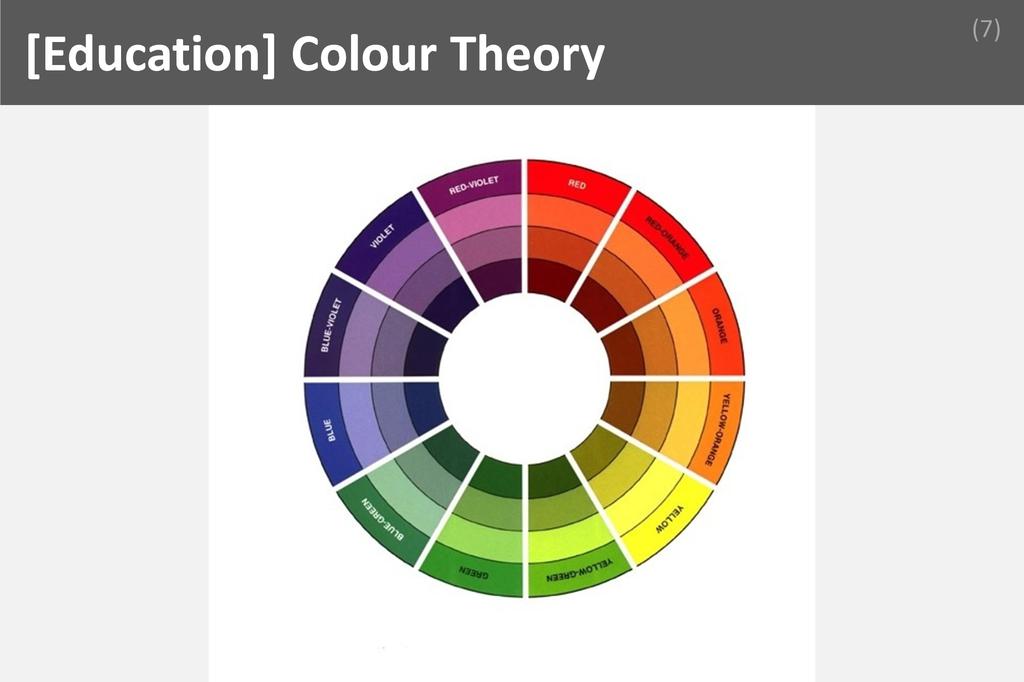
Colour Theory is the study of how colours interact, combine, and affect visual perception. It explores the relationships between primary, secondary, and tertiary colours, as well as concepts like hue, saturation, and value. In Makeup Training, Colour Theory underpins essential skills for creating harmonious, flattering, and corrective makeup looks.
Understanding Colour Theory is crucial for anyone pursuing a career in makeup because it provides the scientific and artistic foundation for all colour-based decisions. Mastery of this subject enables professionals to select shades that complement different skin tones, neutralize imperfections, and create visually balanced looks. It also helps artists anticipate how colours will appear under various lighting conditions and in photographs, which is vital for both everyday clients and high-profile projects. Over time, a strong grasp of Colour Theory enhances creativity, boosts confidence in product selection, and ensures consistently professional results, making it an indispensable part of a makeup artist’s long-term success and reputation.
Imagine a makeup artist preparing a client for a photoshoot who arrives with noticeable redness on her cheeks. Drawing on Colour Theory, the artist knows that green is opposite red on the colour wheel and therefore neutralizes it. The artist selects a green-tinted primer to gently counteract the redness before applying foundation. Later, when choosing eyeshadow, the artist considers the client’s eye colour and selects complementary shades to make the eyes stand out. Throughout the process, the artist’s understanding of Colour Theory ensures that every product and technique enhances the client’s natural features, resulting in a flawless, camera-ready finish that meets both the client’s expectations and the demands of professional photography.
Product Knowledge

Product Knowledge refers to a comprehensive understanding of the features, ingredients, uses, benefits, and limitations of makeup products. In Makeup Training, it is an essential academic and professional competency, enabling practitioners to select, recommend, and apply products safely and effectively while meeting diverse client needs and adhering to industry standards.
Developing strong product knowledge is crucial for anyone pursuing a career in makeup artistry or training. This expertise allows professionals to make informed decisions about which products to use for different skin types, tones, and desired effects. It also ensures that makeup artists can confidently address client concerns, avoid allergic reactions, and achieve optimal results. Over time, a solid foundation in product knowledge enhances credibility and trust with clients and colleagues, paving the way for career advancement. It also supports ongoing learning, as the beauty industry constantly evolves with new formulations and technologies. Ultimately, mastering product knowledge empowers makeup professionals to deliver high-quality, personalized services and maintain a competitive edge in the industry.
Imagine a makeup trainer preparing a demonstration for a group of aspiring artists. Drawing on their product knowledge, the trainer selects foundations suitable for various skin types, explains the differences between oil-based and water-based formulas, and highlights which products are best for sensitive skin. During the session, a participant mentions a latex allergy, prompting the trainer to immediately recommend alternative products free from latex-derived ingredients. By confidently answering questions about product longevity, finish, and compatibility, the trainer not only educates the group but also models best practices for client safety and satisfaction. This scenario illustrates how theoretical understanding of product knowledge is seamlessly integrated into daily professional activities, ensuring both effective teaching and responsible product use.
Face Shapes

Face shapes refer to the general outline and proportions of a person’s face, typically categorized as oval, round, square, heart, diamond, or oblong. Understanding face shapes is essential in makeup training, as it informs the techniques and products used to enhance or balance facial features, ensuring personalized and flattering results.
A thorough understanding of face shapes is crucial for anyone pursuing a career in makeup artistry. This knowledge allows professionals to tailor their techniques to each client’s unique facial structure, creating harmonious and aesthetically pleasing looks. Mastery of face shapes forms the backbone of advanced makeup application, influencing contouring, highlighting, and placement of color. It also fosters client trust, as individuals feel understood and valued when their features are enhanced thoughtfully. Over time, this expertise leads to a reputation for skillful, customized work, opening doors to diverse opportunities in bridal, editorial, theatrical, and everyday makeup. Ultimately, proficiency in face shapes is a distinguishing factor that elevates a makeup artist’s craft and career longevity.
Imagine a makeup artist preparing a client for a special event. By assessing the client’s face shape, the artist determines the most flattering way to contour and highlight, perhaps softening a square jawline or adding dimension to a round face. This tailored approach ensures the client’s best features are accentuated while any areas of concern are subtly balanced. The artist’s ability to adapt techniques, such as eyebrow shaping or blush placement, based on face shape not only enhances the final look but also boosts the client’s confidence. This daily application of theoretical knowledge demonstrates the practical value of understanding face shapes in delivering consistently exceptional results.
Tools & Equipments
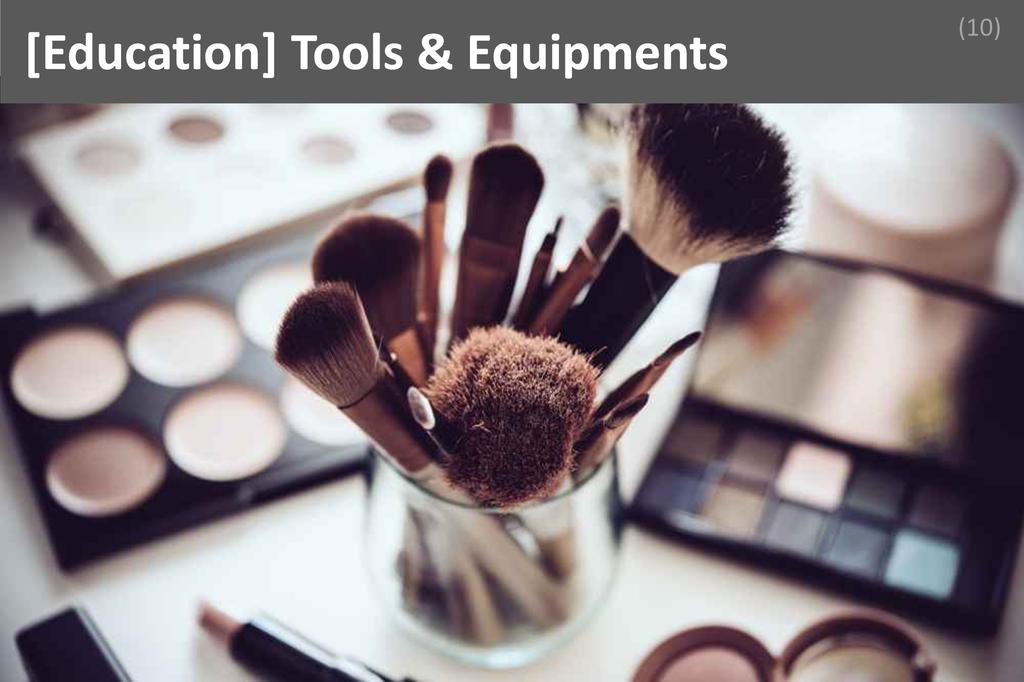
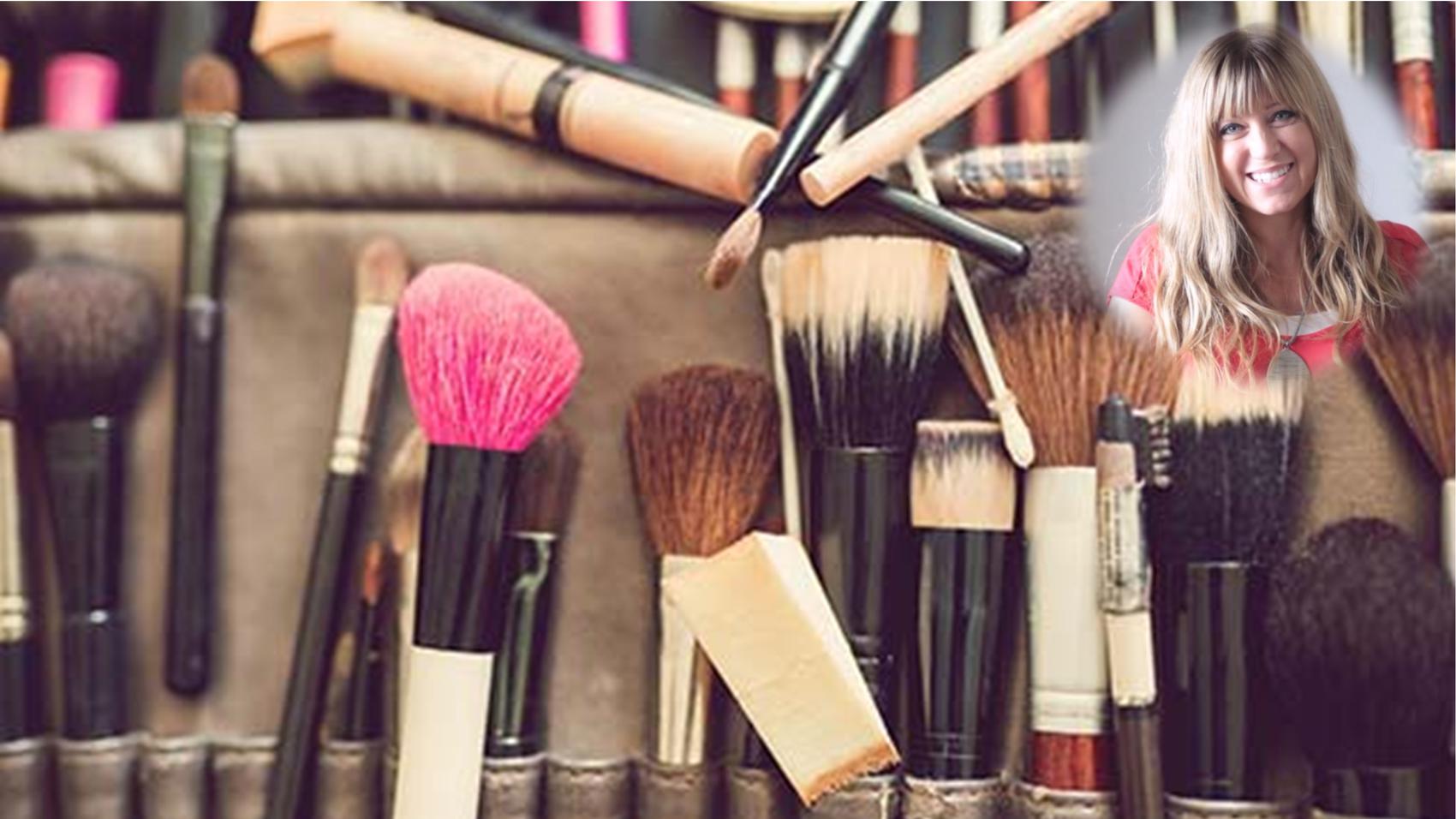
"Tools & Equipments" refers to the various instruments, devices, and materials used in the application and practice of makeup artistry. This includes brushes, sponges, palettes, applicators, and cleaning supplies. Understanding these items is essential in both academic study and professional practice within Makeup Training, ensuring effective and safe techniques.
A thorough knowledge of tools and equipment is fundamental for anyone pursuing a career in makeup artistry. Mastery of this subject allows professionals to select the right instruments for specific tasks, maintain hygiene standards, and achieve desired results efficiently. It forms the backbone of technical proficiency, enabling makeup artists to adapt to different client needs and creative challenges. Over time, this expertise leads to increased confidence, credibility, and versatility in the workplace. Furthermore, a solid grasp of tools and equipment supports ongoing professional development, as new products and technologies are continually introduced in the beauty industry. Ultimately, this foundational knowledge is indispensable for building a successful and sustainable career in makeup.
Consider a makeup artist preparing a client for a high-profile photoshoot. Drawing on their understanding of tools and equipment, the artist selects specific brushes for foundation, contouring, and blending, ensuring each product is applied flawlessly. They use sanitized sponges to prevent cross-contamination and employ specialized tweezers for precise eyelash application. Throughout the session, the artist maintains a clean workspace, regularly disinfecting tools to uphold hygiene standards. Their expertise in choosing and handling the right equipment not only enhances the quality of their work but also reassures the client of their professionalism. This practical application of theoretical knowledge is crucial for delivering consistent, high-quality results in any makeup setting.
Skills
Peoples Skill
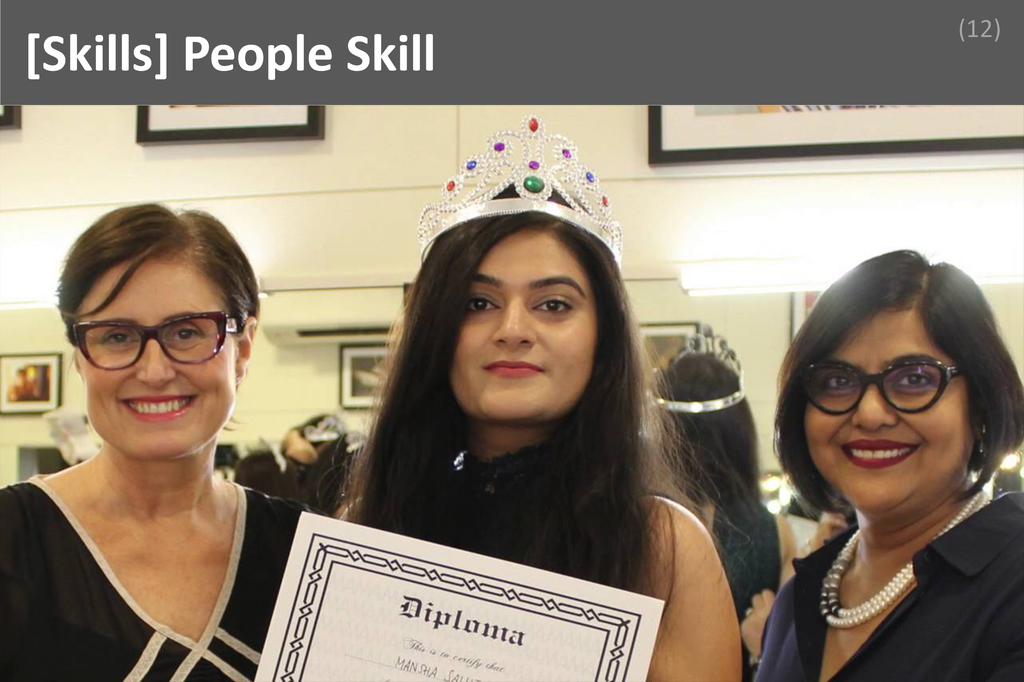
Peoples Skill refers to the ability to communicate effectively, empathize, build rapport, and collaborate with others in a respectful and understanding manner. In Makeup Training, this skill enables professionals to connect with clients, students, and colleagues, ensuring clear understanding, trust, and a positive learning or service experience for everyone involved.
Peoples Skill is a cornerstone for success in Makeup Training because it fosters strong relationships with clients and students, leading to better communication and satisfaction. Clients and employers highly value professionals who can listen attentively, understand diverse needs, and respond with patience and clarity. This skill enhances teamwork, reduces misunderstandings, and creates a supportive environment where creativity and learning can thrive. To cultivate Peoples Skill, one should practice active listening, seek feedback, observe experienced mentors, and remain open to different perspectives. Over time, consistent self-reflection and a genuine interest in others’ well-being help refine this essential ability, making it an integral part of a makeup trainer’s professional growth.
Imagine a makeup trainer working with a group of students, one of whom feels insecure about their technique and is hesitant to participate. By using Peoples Skill, the trainer notices the student’s discomfort and gently engages them in conversation, offering encouragement and personalized guidance. The trainer’s empathetic approach helps the student feel understood and supported, boosting their confidence and willingness to try again. As a result, the entire class benefits from a more inclusive and positive atmosphere. This scenario highlights how Peoples Skill enables the trainer to address individual concerns, foster trust, and ensure that everyone has the opportunity to learn and succeed.
Patience

Patience is the ability to remain calm, composed, and persistent when faced with delays, challenges, or repetitive tasks, without becoming frustrated or giving up. In the context of Makeup Training, patience allows professionals to guide learners through complex techniques, adapt to varying skill levels, and ensure consistent, high-quality results.
Patience directly enhances a makeup trainer’s effectiveness by fostering a supportive learning environment where students feel comfortable asking questions and making mistakes. Clients and employers highly value this trait because it leads to better communication, more thorough instruction, and improved outcomes. A patient trainer can adapt their teaching pace to suit individual needs, ensuring that each learner fully grasps the material before moving forward. Cultivating patience involves practicing mindfulness, setting realistic expectations, and reflecting on personal triggers for frustration. Over time, consistent self-awareness and a commitment to professional growth help trainers become more patient, ultimately benefiting both their students and their own career progression.
Imagine a makeup trainer working with a group of beginners struggling to master the basics of contouring. Despite repeated demonstrations and explanations, some students continue to make the same mistakes. Instead of expressing frustration or rushing through the lesson, the trainer patiently revisits each step, offering encouragement and tailored feedback. By maintaining a calm demeanor and providing individualized attention, the trainer helps students build confidence and gradually improve their skills. This patient approach not only leads to better learning outcomes but also strengthens the trainer’s reputation as a supportive and effective educator, ultimately contributing to long-term success in the field of Makeup Training.
Communication

Communication is the process of exchanging information, ideas, and feelings through speaking, writing, or non-verbal cues to ensure mutual understanding. In the context of Makeup Training, communication allows professionals to clearly convey techniques, expectations, and feedback, making it a vital tool for effective teaching and client satisfaction.
Strong communication skills directly enhance a makeup trainer’s ability to instruct, motivate, and guide students or clients. Clear explanations help learners grasp complex techniques, while active listening ensures that individual needs and concerns are addressed. Employers and clients highly value trainers who can articulate instructions, provide constructive feedback, and foster a supportive learning environment. Over time, communication can be cultivated through practice, self-reflection, and seeking feedback from peers and students. Attending workshops, observing experienced trainers, and engaging in role-play scenarios can also help refine both verbal and non-verbal communication abilities, ultimately leading to more successful training sessions and stronger professional relationships.
Imagine a makeup trainer working with a group of aspiring artists who are struggling to master a particular contouring technique. By observing their challenges and asking open-ended questions, the trainer encourages students to express their difficulties. She then adapts her teaching style, using clear, step-by-step verbal instructions and visual demonstrations tailored to their needs. Through ongoing dialogue and encouragement, she creates an environment where students feel comfortable seeking clarification. As a result, the group overcomes their initial confusion, successfully learns the technique, and gains confidence. This scenario highlights how effective communication not only resolves immediate issues but also builds trust and fosters long-term learning success in makeup training.
Leadership
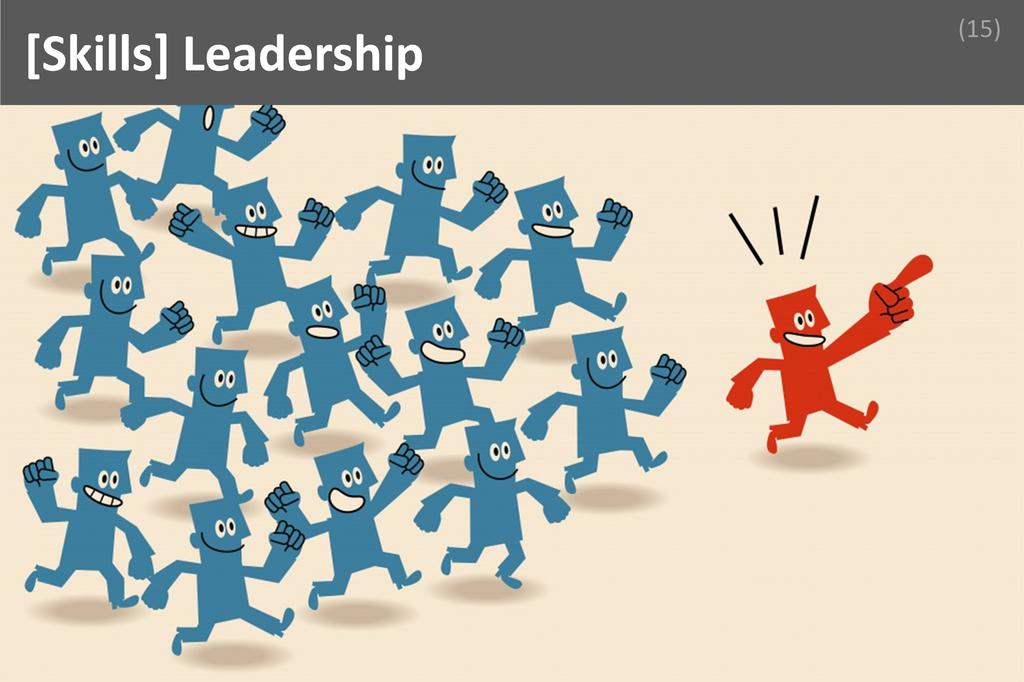
Leadership is the ability to inspire, guide, and influence others toward achieving common goals while fostering trust, motivation, and collaboration. In the context of Makeup Training, leadership empowers professionals to set standards, mentor aspiring artists, and create a positive learning environment that encourages growth and creativity. This skill is indispensable for those who wish to excel in the field, as it enables trainers to effectively manage classes, resolve conflicts, and adapt to diverse learning needs. By embodying leadership, makeup trainers not only elevate their own careers but also contribute to the professional development of their students, ensuring high-quality results and a strong reputation within the industry.
Leadership directly enhances performance in Makeup Training by enabling professionals to manage groups efficiently, communicate expectations clearly, and foster a collaborative atmosphere. Clients and employers highly value this skill because it ensures that training sessions are organized, engaging, and tailored to individual learning styles. A strong leader can motivate students to push their creative boundaries, address challenges proactively, and maintain high standards of hygiene and professionalism. Cultivating leadership involves continuous self-reflection, seeking feedback, and learning from experienced mentors. Over time, trainers can develop their leadership abilities by taking on more responsibilities, participating in professional development workshops, and staying updated with industry trends, ultimately positioning themselves as trusted experts in their field.
Imagine a scenario where a makeup training session is disrupted by a disagreement between two students over technique preferences. A professional makeup trainer with strong leadership skills intervenes calmly, listens to both perspectives, and mediates a constructive discussion. By demonstrating empathy and authority, the trainer guides the students to appreciate each other's approaches and encourages them to experiment with new methods. This not only resolves the conflict but also transforms the situation into a valuable learning opportunity for the entire class. Through effective leadership, the trainer maintains a positive atmosphere, ensures the session stays on track, and reinforces the importance of respect and open-mindedness in creative collaboration.
Enthusiastic

Enthusiastic means displaying genuine excitement, passion, and positive energy toward tasks and interactions. In the context of makeup training, it involves approaching each session with eagerness to teach, learn, and inspire. This attitude energizes both the trainer and trainees, fostering a dynamic environment where creativity and growth thrive.
Enthusiasm directly enhances a makeup trainer’s performance by creating an engaging and motivating atmosphere. Clients and employers highly value trainers who bring energy and passion, as it encourages students to participate actively and absorb new techniques more effectively. An enthusiastic trainer can transform routine lessons into memorable experiences, making learning enjoyable and impactful. Over time, this skill can be cultivated by consistently seeking inspiration from new trends, celebrating small achievements, and maintaining a positive outlook even when challenges arise. By surrounding themselves with like-minded professionals and continuously investing in personal growth, makeup trainers can sustain and amplify their enthusiasm, ensuring it remains a core part of their professional identity.
Imagine a makeup trainer faced with a group of students who are struggling to master a complex contouring technique. Instead of becoming frustrated or discouraged, the trainer channels their enthusiasm to break down the process into manageable steps, using encouraging words and demonstrating genuine excitement for each student’s progress. This positive energy becomes contagious, helping students overcome their self-doubt and engage more confidently with the material. As a result, the class not only masters the technique but also leaves the session feeling inspired and eager to learn more. In this scenario, the trainer’s enthusiasm is the driving force that transforms a challenging situation into a rewarding learning experience for everyone involved.
Positives
Continuous Learning
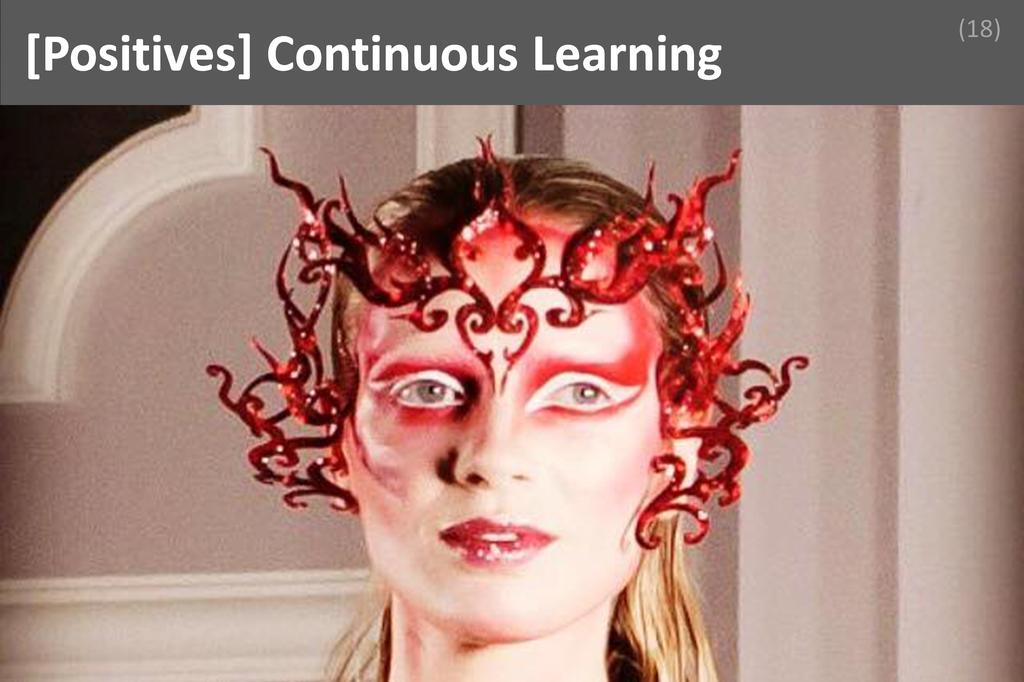
Continuous Learning is the ongoing process of acquiring new knowledge, skills, and techniques throughout one’s career, driven by curiosity and the desire to stay current in a rapidly evolving field. In makeup training, this mindset ensures professionals remain adaptable, creative, and equipped to meet ever-changing trends and client expectations.
Embracing continuous learning in makeup training transforms the profession into a dynamic and engaging journey. As new products, tools, and styles emerge, makeup trainers who actively seek knowledge find themselves at the forefront of innovation. This constant evolution keeps the work environment fresh and stimulating, preventing stagnation and burnout. Professionals experience a sense of accomplishment as they master new techniques and share them with students or clients, which enhances their reputation and opens doors to career advancement. The daily exposure to new challenges and creative solutions fosters a deep sense of satisfaction, as trainers witness their own growth and the positive impact they have on others’ confidence and skills.
Imagine a makeup trainer who attends a workshop on the latest airbrush technology. Inspired by what she learns, she experiments with new methods and integrates them into her curriculum. Her students are excited to practice these cutting-edge techniques, and her clients are thrilled with the flawless results. This experience not only boosts her confidence but also elevates her professional standing. The trainer feels invigorated by the opportunity to continually expand her expertise, knowing that each new skill she acquires enriches her teaching and keeps her passion for makeup artistry alive. Continuous learning, in this scenario, becomes the driving force behind her ongoing fulfillment and success.
Sense of Achievement

A sense of achievement is the deep personal satisfaction and pride that comes from reaching goals, overcoming challenges, and making a meaningful impact through one’s work. In makeup training, this feeling is a powerful motivator, fueling creativity and dedication while reinforcing the value and purpose of the profession.
The sense of achievement is a cornerstone of job satisfaction in makeup training, as it transforms daily tasks into meaningful milestones. When trainers witness their students mastering new techniques or gaining confidence, it validates their efforts and expertise. This ongoing cycle of accomplishment not only boosts morale but also encourages continuous learning and professional growth. The positive feedback from students and the visible progress in their skills create a rewarding environment where trainers feel valued and inspired. Experiencing these moments regularly helps professionals stay passionate about their work, fosters resilience during challenges, and strengthens their commitment to nurturing the next generation of makeup artists.
Imagine a makeup trainer guiding a student who initially struggles with complex contouring techniques. Through patient instruction and encouragement, the trainer watches the student gradually improve, eventually mastering the skill and expressing newfound confidence. When the student proudly showcases their work, the trainer feels a profound sense of achievement, knowing their guidance made a real difference. This moment of shared success not only affirms the trainer’s expertise but also highlights the transformative power of teaching. The trainer leaves the session energized and fulfilled, eager to help more students unlock their potential and experience similar growth. This daily impact makes the profession deeply rewarding and meaningful.
Meeting Interesting People

Meeting interesting people refers to the opportunity to connect with individuals from diverse backgrounds, cultures, and walks of life, each bringing unique stories, perspectives, and personalities. In makeup training, this constant interaction fosters creativity, broadens horizons, and cultivates empathy, making the profession not only dynamic but also deeply enriching on a personal level.
The chance to meet interesting people is a cornerstone of satisfaction in makeup training. Every day, professionals engage with clients, students, and colleagues who each offer something new to learn or appreciate. These interactions spark inspiration, encourage personal and professional growth, and often lead to lasting friendships or valuable networks. The diversity of people encountered ensures that no two days are alike, keeping the work environment vibrant and stimulating. This continual exposure to fresh ideas and experiences helps makeup trainers stay motivated, adaptable, and open-minded, which are essential qualities for success in the beauty industry. Ultimately, the relationships built through these encounters make the journey in makeup training both meaningful and memorable.
Imagine a makeup trainer leading a workshop for aspiring artists from various countries. As they demonstrate techniques, participants share their own cultural beauty traditions and personal stories. One student, inspired by her grandmother’s heritage, introduces a unique approach to eye makeup. The trainer not only learns a new skill but also gains insight into a different culture, enriching their own practice. This exchange creates a sense of community and mutual respect, leaving the trainer feeling inspired and grateful for the diversity within their classroom. Such experiences highlight how meeting interesting people transforms routine training sessions into opportunities for growth, connection, and genuine fulfillment.
Challenges
Updated With Latest Trends

"Updated With Latest Trends" in Makeup Training refers to the ongoing need for professionals to stay informed about new techniques, products, and styles that constantly emerge in the beauty industry. This challenge is demanding because trends shift rapidly, requiring continuous learning and adaptation to maintain relevance and meet client expectations.
The pressure to remain updated with the latest trends can significantly impact a makeup professional’s daily routine. It requires dedicating time to research, practice, and often invest in new products or tools, which can be both time-consuming and costly. This constant evolution demands resilience, as professionals must balance client work with ongoing education. Successful makeup artists manage this challenge by integrating trend research into their workflow, attending workshops, following industry leaders, and experimenting with new techniques during downtime. By fostering a mindset of lifelong learning and adaptability, they turn the challenge into an opportunity for growth, ensuring their skills and services remain in demand.
Consider a makeup trainer who notices the rising popularity of graphic eyeliner and bold color palettes on social media. Rather than feeling overwhelmed, she dedicates a portion of her week to practicing these new looks and incorporates them into her training curriculum. She attends virtual masterclasses led by trendsetting artists and shares her insights with students, encouraging them to experiment and develop their own interpretations. By actively engaging with emerging trends and integrating them into her teaching, she not only stays relevant but also inspires her students to embrace change. This proactive approach allows her to maintain her reputation as a forward-thinking educator in the makeup industry.
Language

Language in the context of Makeup Training refers to the ability to communicate and understand instructions, feedback, and technical terminology across diverse linguistic backgrounds. This challenge is demanding because makeup professionals often work in multicultural environments where miscommunication can hinder learning, collaboration, and the accurate execution of makeup techniques.
The difficulty of language barriers in makeup training can significantly affect daily work by causing misunderstandings between trainers and trainees, leading to errors in technique, safety issues, and reduced confidence. Professionals must demonstrate resilience by remaining patient and adaptable, often seeking clarification or using visual aids to bridge communication gaps. Successful makeup artists and trainers manage this constraint by embracing continuous learning, utilizing translation tools, and fostering an inclusive environment where questions are encouraged. They may also invest time in learning key phrases or industry-specific vocabulary in other languages, ensuring that both instruction and feedback are clearly understood. This proactive approach not only enhances technical skills but also builds trust and rapport within diverse teams.
Consider a makeup artist who recently joined an international cosmetics brand in a country where she is not fluent in the local language. During training sessions, she initially struggled to grasp detailed instructions and product information. Recognizing the challenge, she began recording demonstrations, reviewing them with subtitles, and practicing terminology with colleagues after hours. She also used visual cues and gestures to confirm her understanding during hands-on practice. Over time, her efforts paid off as she became more confident in both her technical abilities and her communication skills. By actively seeking support and embracing language learning, she not only overcame the barrier but also became a valuable resource for other non-native speakers in her team.
Initial Struggle

Initial Struggle in Makeup Training refers to the early phase when aspiring professionals face steep learning curves, self-doubt, and frequent mistakes while mastering techniques. This period is demanding because it tests patience, adaptability, and the ability to accept criticism, all while striving to develop both technical and creative skills.
The initial struggle can significantly impact daily work by causing frustration, slowing progress, and sometimes leading to a loss of motivation. Each day may bring new challenges, from perfecting a flawless base to understanding client preferences, making the journey feel overwhelming. This stage demands resilience, as setbacks are common and improvement can seem slow. Successful professionals manage this constraint by embracing a growth mindset, seeking constructive feedback, and consistently practicing their craft. They view mistakes as learning opportunities rather than failures, gradually building confidence and competence. By maintaining perseverance and focusing on incremental progress, they transform early difficulties into valuable experience, ultimately laying a strong foundation for a thriving career in makeup artistry.
Consider a makeup trainee who, during her first months, struggled with blending techniques and matching foundation shades for diverse skin tones. Despite repeated errors and occasional negative feedback from clients, she dedicated extra hours to practice, watched tutorials, and asked mentors for advice. Over time, her skills improved, and her confidence grew. Instead of being discouraged by initial setbacks, she used them as motivation to refine her techniques. Eventually, her persistence paid off when she received positive reviews from clients and was entrusted with more complex assignments. This real-world scenario illustrates how facing and overcoming the initial struggle can lead to professional growth and long-term success in the makeup industry.
Competition

Competition in Makeup Training refers to the constant presence of peers and newcomers striving for the same opportunities, clients, and recognition within the beauty industry. This challenge is demanding because it requires professionals to continuously innovate, refine their skills, and distinguish themselves in a field where trends and client expectations rapidly evolve.
The pressure of competition in Makeup Training can influence daily work by creating a sense of urgency to stay updated with the latest techniques, products, and industry standards. Professionals may feel the need to work longer hours, invest in continuous education, and actively market their services to maintain relevance. This environment demands resilience, as setbacks or client losses are inevitable. Successful makeup artists manage this constraint by focusing on personal growth, building strong client relationships, and developing a unique artistic style. They also embrace collaboration and networking, which can lead to referrals and shared opportunities, rather than viewing every peer as a rival. By maintaining adaptability and a commitment to excellence, professionals can turn competition into motivation for ongoing improvement.
Consider a makeup artist who notices a surge of new talent in her city, leading to fewer bookings and increased pressure. Instead of feeling discouraged, she decides to enroll in advanced workshops to learn trending techniques, such as airbrush makeup and editorial looks. She also enhances her social media presence by sharing behind-the-scenes content and client testimonials, which helps her connect with a broader audience. By offering personalized consultations and maintaining high standards of hygiene and professionalism, she earns loyal clients who value her expertise. Through these proactive steps, she not only withstands the competitive environment but also grows her reputation and client base, demonstrating how embracing competition can lead to professional advancement.
A Day Of
Makeup Training
The world of a makeup training professional is a vibrant blend of artistry, education, and fast-paced interaction, where no two days ever look quite the same. From the moment the studio lights flicker on, the air buzzes with anticipation—palettes are arranged, brushes are fanned out, and lesson plans are reviewed with meticulous care. The environment is a dynamic crossroads of creativity and precision, where the hum of conversation and the scent of fresh cosmetics set the stage for transformation. Each day unfolds as a carefully choreographed dance between demonstrating techniques, mentoring aspiring artists, and staying ahead of the latest trends, all while fostering a supportive, energetic atmosphere that inspires confidence and growth.
As the sun rises, the makeup training professional arrives early to ensure every detail is in place before students or trainees step through the door. The morning is spent sanitizing workstations, laying out products, and reviewing the day’s curriculum to tailor demonstrations to the group’s skill level and learning objectives. This quiet time is also used to check inventory, respond to urgent emails, and mentally rehearse key teaching points, setting a calm and focused tone for the busy hours ahead.
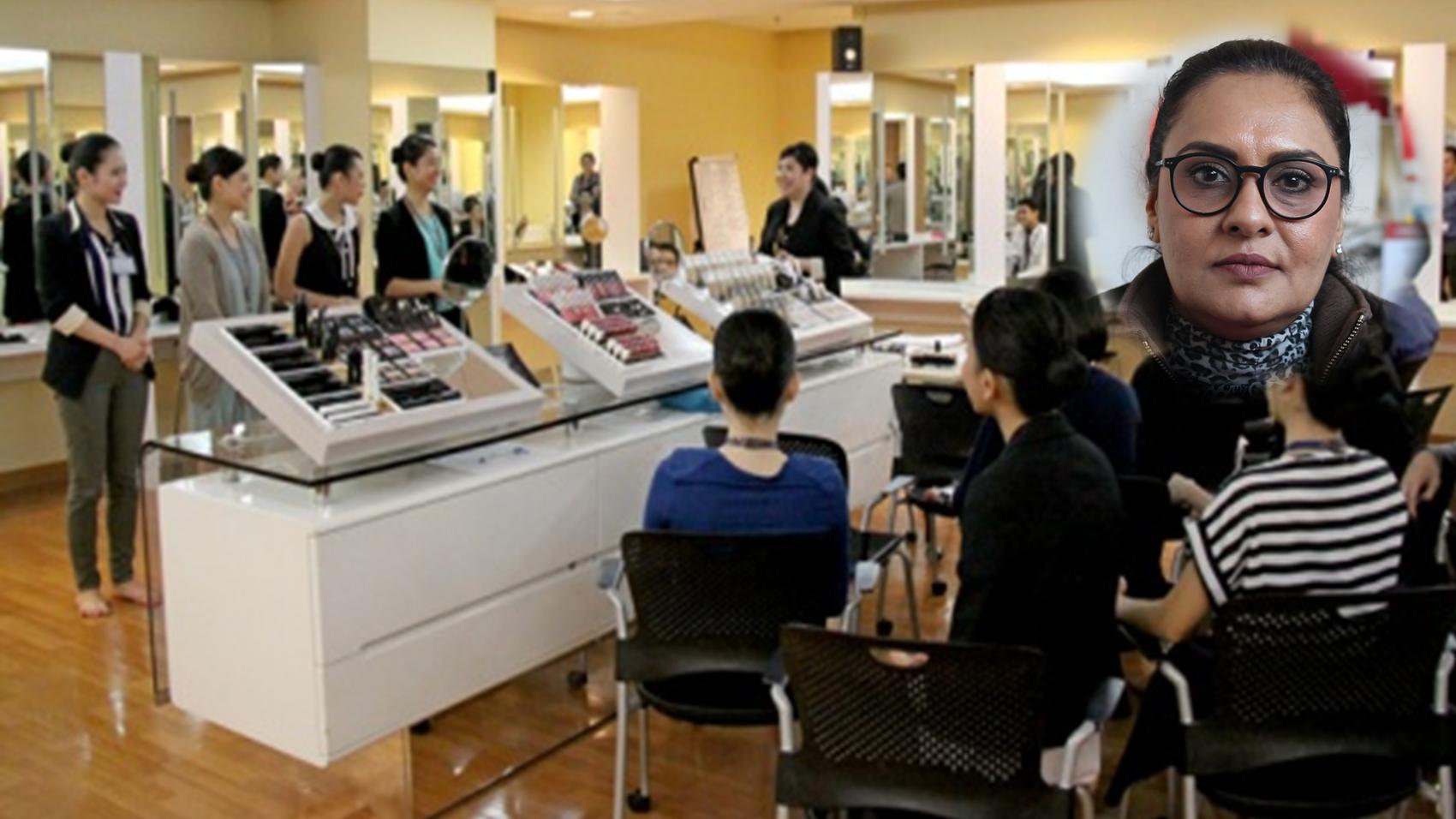
By mid-morning, the studio comes alive with the energy of eager learners. This is the heart of the day, where the makeup trainer leads live demonstrations, breaking down complex techniques into approachable steps. Trainees gather around, watching intently as the trainer explains color theory, application methods, and product selection, often inviting participants to practice on models or themselves. The atmosphere is lively and interactive, with questions flying and feedback offered in real time, ensuring everyone leaves with new skills and a boost in confidence.
After a quick lunch, the afternoon shifts into collaborative practice sessions. The trainer circulates among trainees, offering personalized guidance as they apply what they’ve learned. This is a time for troubleshooting, encouragement, and constructive critique, as well as for facilitating group discussions about trends, challenges, and creative inspiration. Occasionally, the trainer may host guest speakers or coordinate with other departments for cross-disciplinary workshops, further enriching the learning experience and building a sense of community.
As the day winds down, the makeup training professional turns attention to reflection and preparation for tomorrow. This involves reviewing trainees’ progress, updating lesson plans, and researching emerging products or techniques to keep the curriculum fresh and relevant. Administrative tasks like documenting attendance, responding to follow-up questions, and organizing the workspace are completed with care. With the studio quiet once more, the trainer leaves knowing each day’s efforts have empowered others to create, express, and grow—ready to do it all again tomorrow. |


 Home
Home Abroad
 Plan
Plan Philosophy
 Seminar
 Pages
Pages Advisors
 Testimonials









 Workshop
 Discuss
 Meet
Meet
 Advisor
 Story
Story
 Fine Print
 Links
Links
 Blog
Blog
 Follow
