The Journey of Cosmetology
What Is Cosmetology
Cosmetology

Cosmetology is the professional practice and study of beauty treatments, including hairstyling, skincare, cosmetics, manicures, pedicures, and other related services. It involves both the artistic and scientific aspects of enhancing appearance, promoting wellness, and providing personal care to clients in salons, spas, and other beauty settings.
Cosmetology plays a significant role in both individual confidence and the broader beauty industry. For professionals, it offers a creative outlet and the chance to build meaningful client relationships while staying at the forefront of trends and techniques. The field provides job stability due to constant demand for personal care services. It also allows for flexible career paths, from working in salons to owning a business or specializing in areas like skincare or makeup artistry. Additionally, cosmetologists often experience personal fulfillment by helping clients feel their best, which can foster a positive and rewarding work environment.
A licensed cosmetologist working in a busy urban salon might start their day by consulting with clients about their desired hairstyles, recommending cuts and colors based on face shape and lifestyle. Throughout the day, they perform haircuts, color treatments, and styling, while also offering skincare advice and makeup application for special events. By keeping up with the latest techniques and products, the cosmetologist ensures clients leave feeling confident and satisfied. Their expertise not only enhances clients’ appearances but also builds trust and loyalty, resulting in repeat business and referrals. This daily interaction showcases how cosmetology blends technical skill, creativity, and personal connection in a dynamic, client-focused environment.
Education
Biology of Hair, Skin & Nails

Biology of Hair, Skin & Nails is the scientific study of the structure, function, and health of these key integumentary components. In cosmetology, it forms the essential academic foundation, enabling professionals to understand how treatments, products, and techniques interact with the body’s natural systems for safe and effective client care.
A thorough understanding of the biology of hair, skin, and nails is crucial for anyone pursuing a career in cosmetology. This knowledge allows professionals to recognize normal versus abnormal conditions, select appropriate products, and apply treatments safely. It also helps in identifying potential contraindications and understanding how lifestyle, health, and environmental factors affect the integumentary system. Mastery of these concepts not only enhances technical skills but also builds client trust, as clients rely on cosmetologists for advice on maintaining healthy hair, skin, and nails. Over time, this expertise supports career advancement, as it distinguishes knowledgeable professionals and opens doors to specialized roles, advanced certifications, and leadership opportunities within the beauty industry.
Imagine a cosmetologist consulting with a client who has brittle nails and sensitive skin. Drawing on their knowledge of biology, the professional assesses possible causes such as nutritional deficiencies, dehydration, or allergic reactions. They recommend gentle, hydrating products and suggest lifestyle changes to improve nail and skin health. During a manicure, the cosmetologist avoids harsh chemicals and uses techniques that minimize irritation, ensuring the client’s comfort and safety. By understanding the underlying biology, the professional not only addresses the immediate cosmetic concern but also educates the client on long-term care. This approach demonstrates how theoretical knowledge directly informs practical decisions, resulting in better outcomes and client satisfaction.
Colour Theory

Colour Theory is the scientific and artistic study of how colours interact, combine, and influence perception. In Cosmetology, it forms a crucial part of both academic learning and professional practice, guiding decisions in hair colouring, makeup application, and overall aesthetic design to achieve harmonious and desired results for clients.
Understanding Colour Theory is essential for anyone pursuing a career in Cosmetology because it underpins every aspect of visual transformation. Mastery of this subject allows professionals to predict how colours will interact on different skin tones and hair types, ensuring that the end result matches the client’s expectations. It also helps in correcting unwanted tones, blending shades seamlessly, and creating custom looks tailored to individual clients. Over time, a strong grasp of Colour Theory enhances a cosmetologist’s confidence and creativity, making them more adaptable to trends and client requests. This foundational knowledge not only improves technical skills but also builds trust with clients, as they see consistent, high-quality results that reflect professional expertise.
Imagine a client arrives at a salon wanting to transition from dark brown hair to a cool, platinum blonde. A skilled cosmetologist draws upon Colour Theory to assess the underlying pigments that will emerge during the lightening process. Recognizing that bleaching dark hair often reveals warm, brassy undertones, the professional selects a toner with violet or blue hues to neutralize unwanted yellow or orange shades. By understanding the colour wheel and the principles of complementary colours, the cosmetologist ensures the final result is a clean, cool blonde rather than a patchy or uneven tone. This application of Colour Theory not only achieves the client’s desired look but also maintains the integrity and health of the hair.
History of Fashion

History of Fashion is the study of clothing, hairstyles, accessories, and beauty trends across different cultures and time periods. It explores how social, economic, and artistic movements have influenced personal appearance. In Cosmetology, this knowledge is essential for understanding the evolution of beauty standards and informing creative, client-focused work.
Understanding the History of Fashion is vital for cosmetologists because it provides context for current trends and techniques. By learning how styles have evolved, professionals can better appreciate the origins of modern beauty practices and anticipate future shifts. This foundational knowledge allows cosmetologists to offer historically accurate looks for themed events, film, or theater, and to draw inspiration from past eras when creating new styles. It also enhances communication with clients by enabling professionals to explain the significance or background of certain looks. Over time, this expertise builds credibility, fosters creativity, and positions cosmetologists as knowledgeable consultants in their field, ultimately expanding their career opportunities and professional reputation.
Imagine a cosmetologist working on a film set where the story is set in the 1920s. Their understanding of the History of Fashion allows them to accurately recreate the iconic bobbed hairstyles, finger waves, and makeup styles that defined the era. This attention to historical detail ensures the actors’ appearances are authentic and believable, contributing to the overall success of the production. Additionally, when clients request vintage-inspired looks for special occasions, the cosmetologist can confidently deliver styles that are true to the requested period. This ability to blend historical knowledge with technical skill not only satisfies clients but also distinguishes the professional as an expert in both modern and classic beauty trends.
Current Fashion & Style

Current Fashion & Style refers to the prevailing trends, aesthetics, and cultural influences shaping how people dress, style their hair, and present themselves at a given time. In Cosmetology, it encompasses awareness of contemporary looks, techniques, and products, forming a crucial part of both academic study and professional expertise.
Understanding Current Fashion & Style is essential for anyone pursuing a career in Cosmetology because it ensures that professionals remain relevant and competitive in a rapidly evolving industry. Mastery of this subject allows cosmetologists to anticipate client needs, recommend up-to-date services, and confidently execute modern looks. This foundational knowledge not only enhances technical skills but also fosters creativity and adaptability, enabling professionals to personalize their work according to individual client preferences and broader cultural shifts. Over time, staying informed about fashion and style trends builds a strong reputation, attracts a diverse clientele, and opens doors to advanced career opportunities such as editorial work, runway styling, or brand consulting.
Imagine a cosmetologist working in a busy urban salon during the height of a new hair color trend inspired by a popular celebrity. A client arrives requesting a look similar to what they have seen on social media. Drawing on their understanding of Current Fashion & Style, the cosmetologist confidently discusses the trend, explains the process, and tailors the color technique to suit the client’s features and lifestyle. By blending theoretical knowledge with practical skills, the professional not only delivers a fashionable result but also builds trust and satisfaction, ensuring the client feels both stylish and understood. This scenario highlights how staying current directly impacts daily operations and client relationships in the field of Cosmetology.
Local Laws & Requirements

Local Laws & Requirements refers to the specific rules, regulations, and standards set by state and municipal authorities that govern the practice of cosmetology within a particular area. This includes licensing, sanitation, safety protocols, and business operations, forming a crucial part of both academic study and professional practice in cosmetology.
Understanding local laws and requirements is essential for anyone pursuing a career in cosmetology because it ensures that all services are performed legally and safely. Mastery of these regulations protects both the client and the practitioner, reducing the risk of legal issues, fines, or business closure. This knowledge forms the backbone of professional credibility and ethical practice, as it demonstrates a commitment to public health and industry standards. Over time, staying informed about evolving laws helps cosmetologists maintain their licenses, adapt to new regulations, and build trust with clients. Ultimately, a strong grasp of local laws and requirements supports career longevity, professional growth, and a positive reputation within the community.
Imagine a licensed cosmetologist working in a busy salon who is aware that state law requires all tools to be sanitized between clients and that certain chemicals must be stored in labeled, secure containers. By consistently applying this knowledge, the cosmetologist ensures every client receives services in a safe and hygienic environment, minimizing the risk of infection or allergic reactions. During a surprise inspection by local health authorities, the salon passes with flying colors because the staff strictly follows all mandated procedures. This not only prevents costly penalties but also reassures clients of the salon’s professionalism and commitment to their well-being, ultimately contributing to the business’s success and the cosmetologist’s professional reputation.
Professional Courses

Professional Courses are structured educational programs designed to provide specialized knowledge, practical skills, and industry standards essential for a specific career. In Cosmetology, these courses bridge the gap between foundational academic learning and hands-on expertise, ensuring practitioners are well-equipped to meet both client expectations and regulatory requirements within the beauty industry.
Understanding Professional Courses is crucial for anyone entering or advancing in the field of Cosmetology. These courses offer comprehensive instruction in areas such as hair styling, skincare, nail technology, and salon management, forming the backbone of a cosmetologist’s expertise. By mastering these subjects, professionals not only gain technical proficiency but also develop a deep understanding of hygiene, safety protocols, and client communication. This foundational knowledge is indispensable for building a reputable practice, maintaining compliance with industry regulations, and adapting to evolving trends. Over time, the skills and insights gained from Professional Courses enhance career mobility, open doors to advanced certifications, and empower cosmetologists to deliver exceptional service, ultimately contributing to long-term professional growth and client satisfaction.
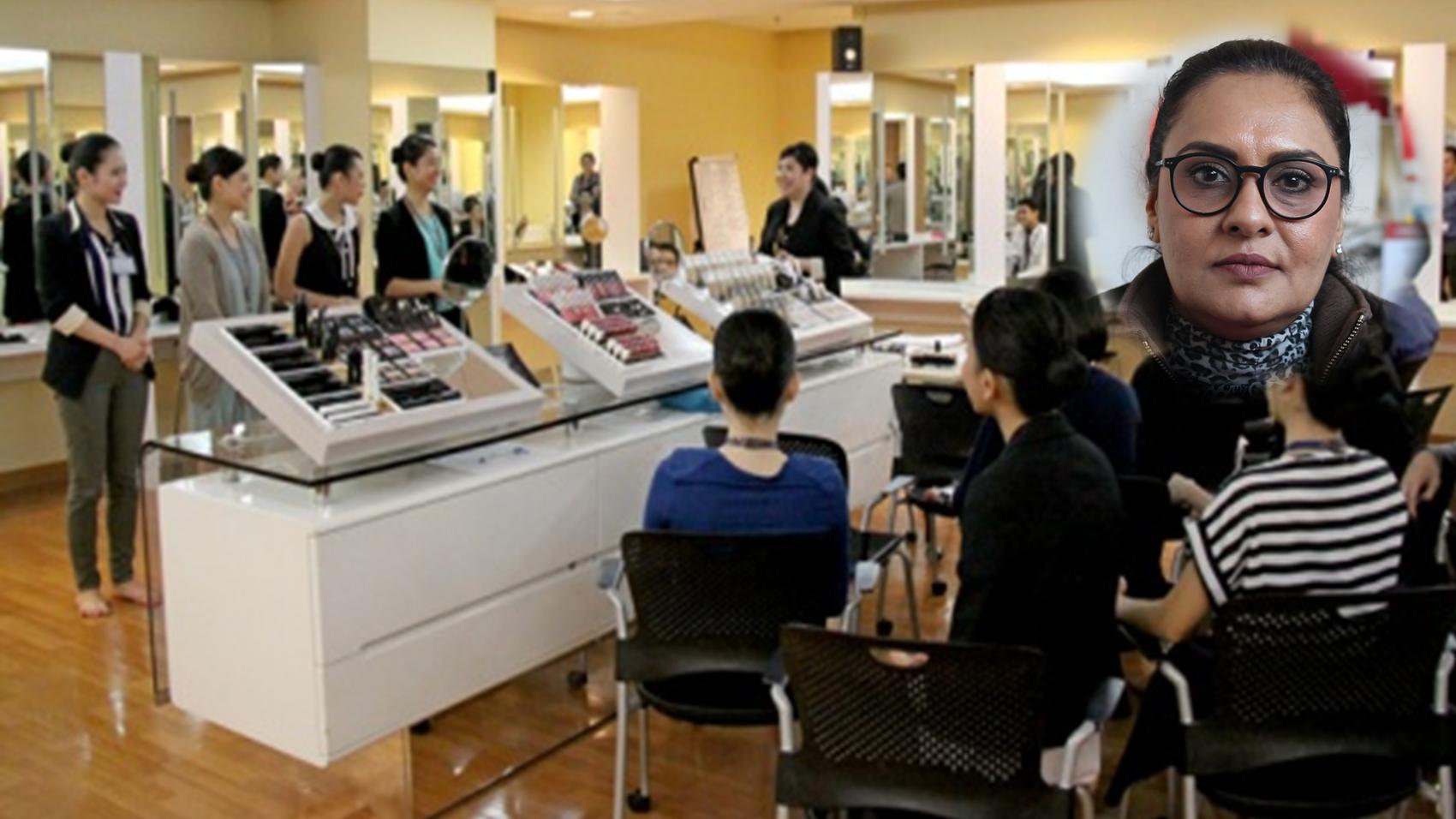
Consider a cosmetologist working in a busy salon who has completed a series of Professional Courses. During a client appointment, the cosmetologist draws upon their training to assess the client’s hair and scalp health, recommend suitable treatments, and execute a complex coloring technique with confidence. Their understanding of chemical safety, acquired through formal coursework, ensures that all products are mixed and applied correctly, minimizing risks and achieving the desired results. Additionally, the cosmetologist’s knowledge of client consultation and aftercare, also rooted in their professional education, allows them to provide personalized advice and foster client trust. This seamless integration of theory and practice exemplifies how Professional Courses directly enhance daily operations and client outcomes in Cosmetology.
Skills
Customer Relations

Customer Relations refers to the ongoing process of building, maintaining, and enhancing positive interactions with clients, ensuring their needs are understood and met while fostering trust and loyalty. In cosmetology, this skill is vital because it shapes the client experience, influences satisfaction, and directly impacts repeat business and referrals.
Mastering customer relations elevates a cosmetologist’s performance by creating a welcoming environment where clients feel valued and understood. Clients and employers appreciate professionals who listen attentively, communicate clearly, and respond empathetically to feedback or concerns. These qualities help build long-term relationships, increase client retention, and generate positive word-of-mouth. To cultivate this skill, cosmetologists should practice active listening, seek regular feedback, and continuously refine their communication techniques. Over time, experience and a genuine interest in people allow professionals to anticipate client needs, handle difficult situations gracefully, and adapt their approach to suit diverse personalities. This ongoing development not only enhances individual reputation but also contributes to the overall success of the salon or spa.
Imagine a client arrives for a hair coloring appointment but is visibly upset because of a previous negative experience at another salon. The cosmetologist greets the client warmly, listens carefully to her concerns, and reassures her by explaining each step of the process in detail. By demonstrating empathy and professionalism, the cosmetologist builds trust and helps the client feel comfortable. Throughout the appointment, the professional checks in regularly to ensure the client’s expectations are being met. As a result, the client leaves not only satisfied with her new look but also appreciative of the attentive service. This positive experience encourages her to return and recommend the cosmetologist to friends, illustrating how strong customer relations can turn a challenging situation into lasting success.
Time Management

Time management is the ability to plan, organize, and control how much time is spent on specific activities to maximize efficiency and productivity. In cosmetology, this skill enables professionals to balance multiple appointments, deliver quality services, and maintain a smooth workflow, making it indispensable for career success.
Mastering time management directly enhances a cosmetologist’s performance by allowing them to handle a busy schedule without sacrificing the quality of their work. Clients and employers highly value professionals who are punctual, reliable, and able to complete services within the allotted time, as this leads to higher satisfaction and repeat business. Cultivating time management involves setting realistic goals, prioritizing tasks, and consistently evaluating one’s workflow to identify areas for improvement. Over time, cosmetologists can refine this skill by learning to anticipate challenges, adjusting their schedules proactively, and using tools such as appointment books or digital calendars to stay organized and efficient in a fast-paced environment.
Imagine a cosmetologist working in a bustling salon with back-to-back appointments, including a bridal party scheduled for hair and makeup services. When one client arrives late, the professional must quickly reassess the day’s schedule, adjust service times, and communicate changes to both clients and colleagues. By efficiently reorganizing tasks and maintaining focus, the cosmetologist ensures that each client receives quality attention without significant delays. This ability to manage time under pressure not only prevents a stressful situation from escalating but also demonstrates professionalism and reliability, ultimately leading to satisfied clients and a successful day at the salon.
Multi-tasking Skills

Multi-tasking skills refer to the ability to efficiently manage and execute multiple tasks or responsibilities at the same time, maintaining quality and focus across each. In cosmetology, this skill is vital because professionals often juggle client consultations, technical services, scheduling, and sanitation, all while ensuring a positive client experience.
Multi-tasking skills directly enhance a cosmetologist’s performance by enabling them to handle busy schedules, overlapping appointments, and diverse client needs without sacrificing service quality. Clients and employers highly value this ability because it leads to shorter wait times, increased productivity, and a smoother salon environment. To cultivate multi-tasking skills, professionals should practice prioritizing tasks, staying organized, and using time management techniques. Over time, experience and self-awareness help refine these abilities, allowing cosmetologists to anticipate needs, adapt to changing circumstances, and maintain composure under pressure. Continuous learning and seeking feedback from peers or supervisors also contribute to the ongoing development of effective multi-tasking in a fast-paced salon setting.
Imagine a cosmetologist working in a bustling salon during a weekend rush. While applying hair color to one client, she simultaneously consults with another about a skincare regimen and answers a colleague’s question about product inventory. Suddenly, a client arrives early for a scheduled appointment. The cosmetologist quickly delegates a shampoo to an assistant, checks the waiting client in, and returns to monitor the hair color processing time. By seamlessly shifting focus between tasks and maintaining clear communication, she ensures all clients feel attended to and that services remain on schedule. Her multi-tasking skills not only prevent delays but also create a positive, efficient atmosphere that keeps clients satisfied and the salon running smoothly.
Ambi-dexterity

Ambi-dexterity is the ability to use both hands with equal skill, precision, and coordination. In cosmetology, this means performing tasks such as cutting, styling, coloring, or applying treatments seamlessly with either hand. This skill enhances efficiency, accuracy, and adaptability, making it a vital asset for any cosmetology professional.
Ambi-dexterity directly elevates a cosmetologist’s performance by enabling smoother, more symmetrical results and reducing fatigue from overusing one hand. Clients and employers appreciate professionals who can effortlessly switch hands, as it leads to faster service and higher-quality outcomes, especially during intricate procedures. Cultivating ambi-dexterity involves consistent practice, starting with simple tasks using the non-dominant hand and gradually increasing complexity. Over time, this practice builds muscle memory and confidence, allowing the professional to handle tools and perform techniques with both hands interchangeably. This adaptability not only improves workflow but also demonstrates a commitment to mastering the craft, which is highly valued in the competitive field of cosmetology.
Imagine a cosmetologist working on a client’s hair for a detailed updo before an important event. Midway through the process, the client requests a last-minute adjustment that requires precise pinning on the opposite side of the head. Instead of awkwardly reaching over or repositioning the client, the cosmetologist smoothly switches to using the non-dominant hand. This ambi-dextrous ability allows for a seamless transition, maintaining the integrity of the style and ensuring the client’s comfort. The result is a flawless finish delivered efficiently, leaving the client impressed and the stylist confident in their versatile skill set. This scenario highlights how ambi-dexterity can be the difference between a good service and an exceptional one.
Creativity

Creativity is the ability to generate original ideas, envision new possibilities, and transform inspiration into tangible results. In cosmetology, creativity empowers professionals to design unique looks, adapt to trends, and personalize services for each client. This skill is vital for standing out and delivering exceptional, customized beauty experiences.
Creativity directly enhances a cosmetologist’s performance by enabling them to craft individualized styles, troubleshoot unexpected challenges, and stay ahead of evolving trends. Clients and employers highly value this skill because it leads to innovative solutions and memorable results, fostering loyalty and positive word-of-mouth. To cultivate creativity, professionals should seek inspiration from diverse sources, practice new techniques, and remain open to experimentation. Continuous learning, attending workshops, and collaborating with peers also help expand creative boundaries. Over time, these habits nurture a mindset that embraces originality and adaptability, ensuring that cosmetologists can consistently deliver fresh, exciting outcomes that meet or exceed client expectations.
Imagine a cosmetologist faced with a client who wants a dramatic hair transformation for an important event, but whose hair has been previously damaged by chemical treatments. Relying on creativity, the professional assesses the hair’s condition and devises a solution that combines protective styling with temporary color techniques. By skillfully blending extensions and using non-damaging color sprays, the cosmetologist achieves the client’s desired bold look without compromising hair health. This creative approach not only solves a critical problem but also delights the client, showcasing the professional’s ability to think outside the box and deliver impressive, safe results under challenging circumstances.
Positives
Flexibility

Flexibility is the ability to adapt work schedules, environments, and services to meet changing needs and preferences. In cosmetology, flexibility means professionals can choose their hours, work in various settings, and tailor their services to individual clients. This adaptability fosters creativity, work-life balance, and personal fulfillment, making the profession uniquely rewarding.
Flexibility in cosmetology is a cornerstone of job satisfaction and career growth. Professionals can design their workdays to fit personal commitments, whether that means working evenings, weekends, or part-time. This autonomy allows for a healthier balance between personal and professional life, reducing burnout and increasing motivation. The ability to adapt to client needs and industry trends also encourages ongoing learning and skill development. As a result, cosmetologists often feel empowered and valued, knowing they can shape their careers according to their aspirations. This dynamic environment not only attracts creative individuals but also retains them, as the freedom to evolve keeps the profession engaging and fulfilling on a daily basis.
Imagine a cosmetologist named Maya who has young children at home. Thanks to the flexibility of her career, she schedules clients during school hours and keeps evenings free for family time. On weekends, she occasionally takes appointments for special events, maximizing her income without sacrificing personal commitments. Maya also enjoys the freedom to offer new services as trends emerge, attending workshops and integrating fresh techniques into her repertoire. This adaptability not only keeps her clients excited but also fuels her own passion for the craft. For Maya, flexibility means she can thrive professionally while nurturing her family and personal interests, making her career in cosmetology deeply satisfying.
Monetary Potential

Monetary potential refers to the capacity for significant financial gain and income growth within a chosen career. In cosmetology, this means the opportunity to earn a competitive salary, increase earnings through specialized skills, and build wealth over time. This positive aspect empowers professionals to achieve financial stability and independence.
The monetary potential in cosmetology is a driving force that elevates the profession beyond creativity and personal expression. Knowing that hard work, dedication, and skill development can lead to higher earnings motivates cosmetologists to continually improve and expand their services. This financial incentive not only boosts job satisfaction but also encourages professionals to invest in advanced training, new techniques, and innovative products. As a result, cosmetologists experience a sense of control over their financial future, which translates into greater confidence and ambition. The daily realization that their talents and efforts directly impact their income creates a rewarding cycle of growth, fulfillment, and professional pride.
Imagine a cosmetologist who starts their career in a local salon, gradually building a loyal client base through exceptional service and ongoing education. Over time, they master advanced coloring techniques and offer specialized treatments that set them apart in their community. As word spreads, their appointment book fills up, and they are able to increase their prices to reflect their expertise. Eventually, they open their own studio, hire additional staff, and expand their services. The financial rewards grow alongside their reputation, allowing them to enjoy a comfortable lifestyle, support their family, and reinvest in their business. This journey demonstrates how the monetary potential in cosmetology can transform passion and skill into lasting financial success.
Non-monotonous Job

A non-monotonous job is one where daily tasks, challenges, and experiences continually change, offering variety and new opportunities for creativity and learning. In cosmetology, this means no two days are ever the same, as professionals interact with diverse clients, trends, and techniques, keeping the work fresh and engaging.
The non-monotonous nature of cosmetology is a significant advantage because it keeps professionals motivated and passionate about their work. When each day brings new clients, unique requests, and evolving styles, boredom and burnout are far less likely to set in. This constant variety fosters creativity, encourages ongoing learning, and helps cosmetologists stay at the forefront of their field. As a result, job satisfaction is higher, and professionals are more likely to feel fulfilled and inspired. The dynamic environment also supports personal and professional growth, as cosmetologists continually adapt and refine their skills, making their careers both exciting and sustainable over the long term.
Imagine a cosmetologist starting their day with a bridal updo appointment, followed by a vibrant hair coloring session for a regular client, and then offering skincare advice to someone preparing for a special event. Later, they might consult with a client seeking a dramatic makeover inspired by the latest fashion trends. Each appointment presents new challenges and creative opportunities, ensuring the day is never repetitive. By the end of the day, the cosmetologist feels accomplished, having made a meaningful impact on each client’s confidence and appearance. This ever-changing routine not only keeps their skills sharp but also brings a deep sense of fulfillment, as every day offers something new to look forward to.
Challenges
Client Retention

Client retention in cosmetology refers to the ongoing ability of professionals to encourage clients to return for repeated services over time. This is demanding because the industry is highly competitive, client preferences frequently change, and building lasting relationships requires consistent quality, trust, and personalized attention, all while adapting to evolving trends.
The challenge of client retention significantly shapes the daily routines of cosmetology professionals. Each day, they must balance delivering exceptional service with the pressure of meeting clients’ evolving expectations. This ongoing demand can be emotionally taxing, as losing clients may impact both income and reputation. Resilience becomes essential, as setbacks are inevitable. Successful professionals address this by fostering genuine connections, maintaining open communication, and continually updating their skills to stay ahead of trends. They also solicit feedback and respond proactively to client needs, ensuring each visit feels personalized and valued. By viewing every interaction as an opportunity to build loyalty, these professionals transform the challenge of retention into a driving force for personal and business growth.
Consider a hairstylist who noticed several regular clients had not returned in months. Instead of accepting the loss, she reached out personally, expressing genuine concern and inviting feedback. She learned that some clients desired new services and more flexible scheduling. In response, she expanded her offerings and adjusted her hours to accommodate busy clients. She also implemented a follow-up system to check in after appointments, making clients feel remembered and appreciated. Over time, not only did her former clients return, but they also referred friends, impressed by her attentiveness and adaptability. This proactive approach turned a retention challenge into an opportunity for growth and deeper client loyalty.
Understanding Needs

In Cosmetology, "Understanding Needs" refers to accurately identifying and interpreting each client’s unique preferences, expectations, and concerns regarding their appearance and self-image. This is demanding because clients often struggle to articulate their desires, and professionals must balance technical expertise with empathetic communication to deliver satisfying results.
The challenge of understanding client needs can significantly affect daily work in cosmetology, as misinterpretations may lead to dissatisfaction, loss of trust, or even reputational harm. Professionals must remain resilient, adapting quickly to feedback and managing diverse personalities and expectations. Successful cosmetologists develop strong listening skills, ask clarifying questions, and observe non-verbal cues to bridge communication gaps. They also invest in ongoing education to stay current with trends and techniques, ensuring they can offer informed recommendations. By fostering open dialogue and demonstrating patience, they build rapport and confidence, which helps mitigate misunderstandings and enhances client satisfaction. This approach transforms a potential obstacle into an opportunity for deeper client relationships and professional growth.
Consider a cosmetologist working with a new client who requests a “fresh, modern look” but provides only vague descriptions and brings in a few inspiration photos that differ greatly in style. The professional listens attentively, asks specific questions about the client’s lifestyle, maintenance preferences, and past experiences, and carefully observes the client’s reactions to various suggestions. Through this collaborative process, the cosmetologist identifies subtle cues about the client’s comfort level and personal style. By combining technical knowledge with empathetic communication, the professional delivers a tailored result that exceeds the client’s expectations. This scenario illustrates how skillfully navigating the challenge of understanding needs can lead to both client satisfaction and professional fulfillment.
Physically Strenuous

In cosmetology, "Physically Strenuous" refers to the demanding physical activities required daily, such as standing for long hours, repetitive hand movements, and maintaining awkward postures while performing services. These tasks place continuous stress on the body, making the profession physically taxing and requiring significant stamina, strength, and endurance from practitioners.
The physically strenuous nature of cosmetology can lead to fatigue, muscle strain, and even chronic pain if not managed properly. Professionals often experience discomfort in their backs, legs, and wrists due to prolonged standing and repetitive motions. This challenge requires resilience, as the physical toll can affect both job performance and long-term health. Successful cosmetologists address these issues by prioritizing self-care, incorporating regular stretching and exercise into their routines, and using ergonomic tools and furniture to reduce strain. They also schedule breaks strategically throughout the day to rest and recover, ensuring they can maintain high standards of service without compromising their well-being. By adopting these habits, cosmetologists can sustain their careers and continue to deliver excellent results for their clients.
Consider a hairstylist who works in a busy salon, often standing for eight hours or more each day while performing intricate haircuts and color treatments. Aware of the physical demands, she invests in supportive footwear and uses an anti-fatigue mat at her station to minimize stress on her legs and feet. Between appointments, she takes a few moments to stretch her arms, shoulders, and back, preventing stiffness and promoting circulation. She also alternates tasks when possible, switching between cutting, styling, and consulting with clients to avoid repetitive strain. By being proactive about her physical health and mindful of her body’s needs, she manages to stay energized and pain-free, ensuring both her longevity in the profession and the satisfaction of her clients.
Inconsistent Income

Inconsistent income in cosmetology refers to the unpredictable and fluctuating earnings that professionals experience due to factors like seasonal demand, client cancellations, and reliance on tips. This unpredictability is demanding because it complicates budgeting, financial planning, and creates uncertainty about meeting personal and professional obligations.
The challenge of inconsistent income can create significant stress for cosmetologists, affecting both their work performance and personal lives. Daily operations may be disrupted by slow periods, last-minute cancellations, or unexpected expenses, making it difficult to maintain financial stability. This environment requires resilience, adaptability, and proactive planning. Successful professionals often diversify their services, build strong client relationships, and implement strategies such as pre-booking appointments or offering loyalty incentives to encourage repeat business. They may also set aside savings during busier months to cushion leaner periods. By staying flexible and focusing on long-term client retention, cosmetologists can better manage the ups and downs of their income, ensuring greater stability and peace of mind.
Consider a cosmetologist named Maya who works in a busy urban salon. During the holiday season, her schedule is packed, but she notices a sharp decline in appointments during the summer months. To address this, Maya introduces a referral program and offers summer-specific promotions to attract new clients. She also sets aside a portion of her peak-season earnings to cover quieter months, ensuring her bills are always paid. By maintaining strong communication with her clients and encouraging advance bookings, Maya creates a more predictable workflow. Through these efforts, she successfully navigates the challenge of inconsistent income, maintaining both her financial health and professional confidence throughout the year.
A Day Of
Cosmetology
The hum of hairdryers, the scent of freshly brewed coffee mingling with hairspray, and the low buzz of anticipation set the stage for a day in the life of a cosmetology professional. Far from the monotony of a desk job, each day unfolds as a dynamic blend of artistry, technical skill, and personal connection. The salon is a living, breathing environment where every hour brings new faces, creative challenges, and opportunities to transform not just appearances, but confidence and self-expression. In this fast-paced world, adaptability and energy are as essential as scissors and color palettes, and no two days are ever quite the same.
As the sun rises, a cosmetologist’s day begins with a quiet flurry of activity before the first client arrives. The early morning is dedicated to preparing the workspace: sanitizing tools, arranging products, and reviewing the day’s appointments. This is a time for mental focus, as practitioners scan client notes, recall preferences, and plan for any special services or color corrections on the schedule. The calm before the storm allows for a moment of creativity, perhaps sketching out a new hairstyle or experimenting with a trending makeup look, setting the tone for a day of transformation.
By mid-morning, the salon is alive with energy as clients fill the chairs and the real work begins. This is the heart of the day, where cosmetologists consult with clients, listen to their stories, and translate their desires into tangible results. Whether it’s a dramatic haircut, a vibrant color treatment, or a flawless makeup application, every service requires technical precision and a personal touch. The pace is brisk, with back-to-back appointments and little downtime, but the satisfaction of seeing a client’s face light up in the mirror makes every moment worthwhile.
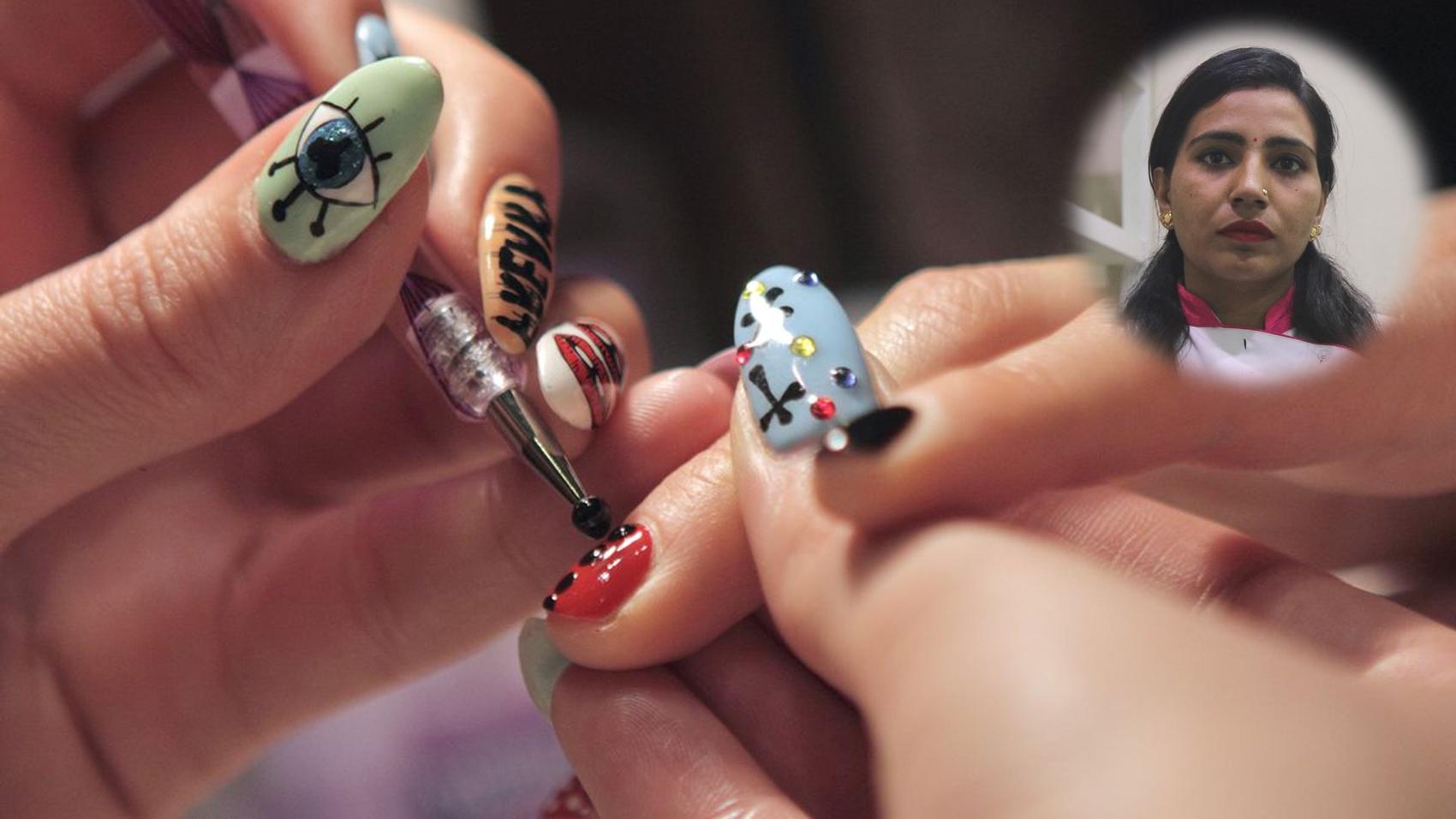
Afternoons often bring a collaborative spirit as cosmetologists work alongside colleagues to execute more complex services or accommodate group bookings. This might involve coordinating with nail technicians for bridal parties, assisting with intricate updos for special events, or sharing tips and techniques with newer team members. The focus shifts to efficiency and teamwork, ensuring that every client receives seamless service and that the salon runs smoothly even during the busiest hours. It’s a time when camaraderie and shared expertise elevate the experience for both clients and professionals.
As the day winds down, the salon gradually returns to a quieter rhythm. Cosmetologists turn their attention to cleaning stations, restocking supplies, and updating client records with notes on preferences and future recommendations. This is also a moment for reflection and growth, as practitioners review the day’s successes and challenges, research new trends, or schedule continuing education. Planning for the next day ensures that every client will be greeted with the same enthusiasm and preparedness, bringing the cycle of creativity and care full circle. |


 Home
Home Abroad
 Plan
Plan Philosophy
 Seminar
 Pages
Pages Advisors
 Testimonials














 Workshop
 Discuss
 Meet
Meet
 Advisor
 Story
Story
 Fine Print
 Links
Links
 Blog
Blog
 Follow
