The Journey of Makeup Training
What Is Makeup Training
Makeup Training

Makeup training is a structured educational process that teaches individuals the techniques, tools, and artistry required to apply makeup professionally. It covers foundational skills, advanced methods, product knowledge, and hygiene practices, preparing students for careers in beauty, fashion, film, or personal services as skilled makeup artists.
Makeup training is essential for anyone aspiring to work professionally in the beauty industry. It provides a strong foundation in both the technical and creative aspects of makeup application, ensuring that practitioners can meet client expectations and industry standards. Through comprehensive instruction, trainees gain confidence in their abilities, learn to adapt to diverse client needs, and stay updated with evolving trends and products. The benefits of makeup training include enhanced career opportunities, as certified makeup artists are in demand across various sectors such as bridal, editorial, and entertainment. Additionally, formal training fosters creativity and personal expression, while also emphasizing the importance of hygiene and client safety, which are critical for building a trustworthy reputation.
A professional makeup artist who has completed formal makeup training might work backstage at a fashion show, where time is limited and expectations are high. Drawing on their training, the artist quickly assesses each model’s skin type, selects appropriate products, and executes complex looks that align with the designer’s vision. Their knowledge of color theory, facial anatomy, and application techniques allows them to create flawless, camera-ready results under pressure. The artist’s understanding of hygiene protocols ensures that all tools and products are sanitized between uses, protecting models from potential skin issues. This combination of technical skill, creativity, and professionalism, all developed through makeup training, enables the artist to excel in a fast-paced, competitive environment.
Education
Knowledge of Make Up Techniques

Knowledge of Make Up Techniques refers to the comprehensive understanding of cosmetic application methods, product selection, skin preparation, and the principles of enhancing or altering facial features. This knowledge is essential in both academic study and professional practice, forming a critical component of the curriculum and skill set required for effective Makeup Training.
Learning about make up techniques is vital because it equips aspiring makeup professionals with the ability to analyze individual features, select appropriate products, and apply cosmetics skillfully to achieve desired effects. This subject forms the backbone of a makeup artist’s expertise, ensuring they can adapt to various skin types, face shapes, and client preferences. Mastery of these techniques not only enhances technical proficiency but also builds confidence in delivering consistent, high-quality results. Over time, a strong foundation in make up techniques enables professionals to innovate, stay current with trends, and expand their services, which is crucial for career advancement and long-term success in the beauty industry.
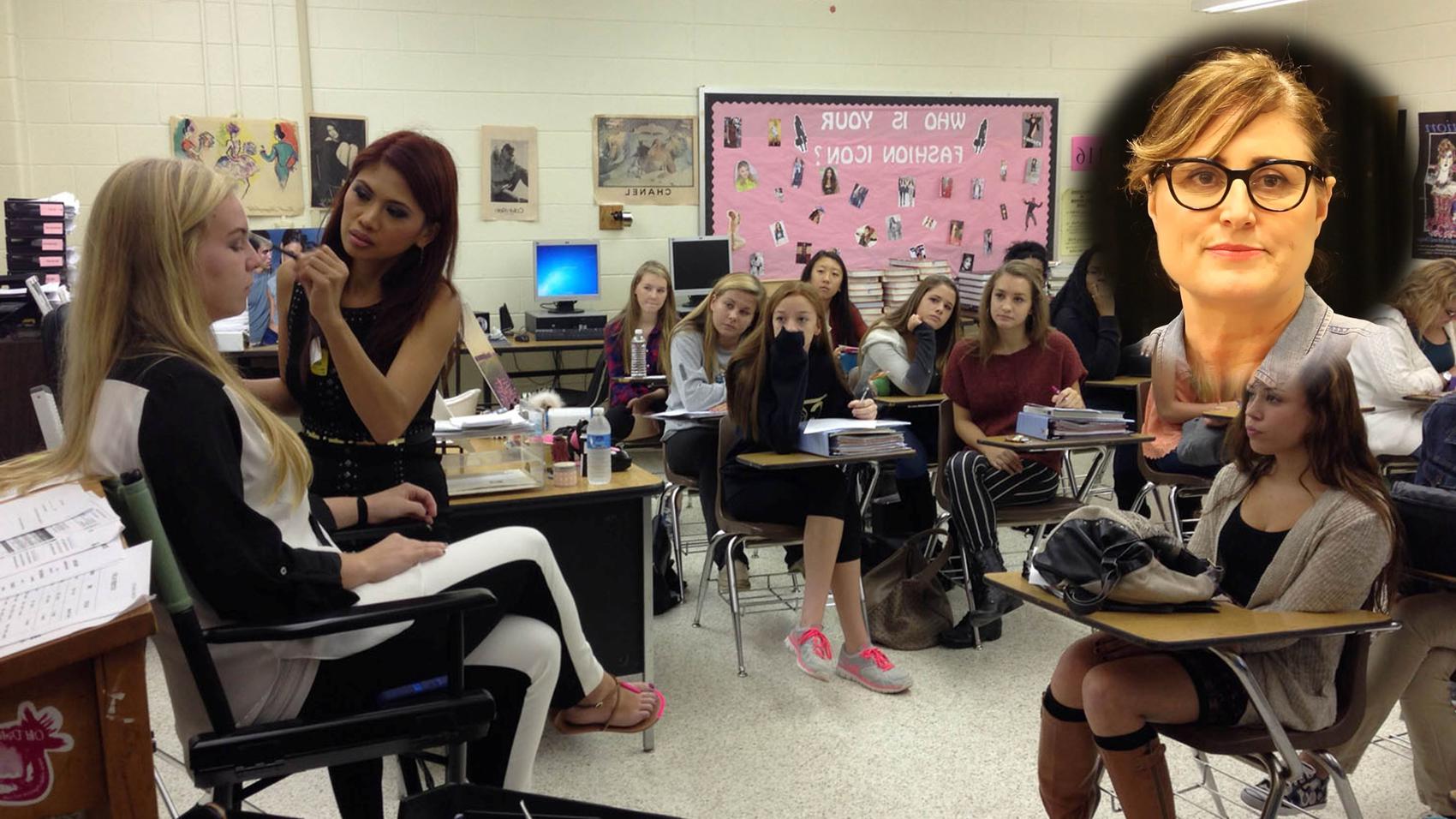
Consider a makeup trainer preparing students for a bridal makeup session. Drawing on their knowledge of make up techniques, the trainer demonstrates how to assess the client’s skin tone, choose suitable foundation shades, and apply contouring to accentuate natural features. During the session, the trainer explains the rationale behind each step, such as why certain brushes are used for blending or how to set makeup for long-lasting wear. By translating theoretical concepts into practical demonstrations, the trainer ensures that students not only understand the techniques but also gain the confidence to replicate them in real-world scenarios, ultimately preparing them for professional challenges in the makeup industry.
Understanding Skin

Understanding Skin refers to the comprehensive study of skin anatomy, physiology, types, conditions, and how these factors interact with cosmetic products and application techniques. In Makeup Training, this knowledge is essential, as it underpins the ability to assess, treat, and enhance diverse skin types safely and effectively within both academic and professional contexts.
Developing a deep understanding of skin is crucial for anyone pursuing a career in makeup artistry. This subject forms the backbone of professional competence, enabling makeup artists to select appropriate products, tailor techniques, and address individual client needs with confidence. Mastery of skin knowledge helps prevent adverse reactions, ensures better product performance, and enhances the longevity and appearance of makeup. Over time, this expertise builds trust with clients and colleagues, positioning the professional as a knowledgeable and reliable artist. Furthermore, it opens doors to advanced roles in the beauty industry, such as skincare consultancy or product development, by demonstrating a commitment to safe, evidence-based practice and client well-being.
Imagine a makeup artist preparing a client for a high-profile event. By drawing on their understanding of skin, the artist first assesses the client’s skin type and current condition, noting any sensitivities or concerns. They then select a primer and foundation formulated for the client’s specific needs, such as oil control for combination skin or hydration for dryness. Throughout the application, the artist adapts techniques to minimize irritation and maximize comfort, ensuring the makeup sits flawlessly and lasts throughout the event. This thoughtful, informed approach not only delivers superior results but also reassures the client, showcasing the artist’s professionalism and expertise rooted in a thorough understanding of skin.
Colour Theory

Colour Theory is the study of how colours interact, combine, and affect one another, encompassing principles such as the colour wheel, harmony, contrast, and undertones. In Makeup Training, it forms a crucial part of both academic study and professional practice, guiding artists in creating balanced, flattering, and visually impactful looks.
Understanding Colour Theory is essential for anyone pursuing a career in makeup because it underpins every aspect of cosmetic application. Mastery of this subject allows professionals to select shades that complement various skin tones, correct imperfections, and create desired visual effects. It also enables makeup artists to adapt to different lighting conditions and photographic requirements, ensuring their work remains consistent and high-quality across diverse settings. Over time, a strong grasp of Colour Theory enhances creativity, builds client trust, and sets the foundation for advanced techniques, making it a lifelong asset in the beauty industry. This knowledge distinguishes skilled professionals and opens doors to specialized roles in fashion, film, and editorial makeup.
Imagine a makeup artist preparing a client for a photoshoot. The client has cool undertones and some redness on her cheeks. Drawing on Colour Theory, the artist chooses a green-tinted primer to neutralize the redness, then selects foundation and blush shades that harmonize with the client’s natural undertones. When applying eyeshadow, the artist uses complementary colours to make the client’s eye colour stand out, ensuring the final look is both flattering in person and on camera. Throughout the process, the artist’s understanding of Colour Theory guides every product choice and blending technique, resulting in a polished, professional appearance that meets the specific needs of the client and the demands of the shoot.
Hygiene

Hygiene refers to the practices and conditions that help maintain health and prevent the spread of diseases, particularly through cleanliness and sanitation. In Makeup Training, hygiene is a fundamental concept, forming a critical part of both academic study and professional practice to ensure client safety, product integrity, and industry compliance.
Understanding hygiene is essential for anyone entering the field of makeup artistry. It is not only about personal cleanliness but also encompasses the proper care and sanitation of tools, products, and workspaces. Mastery of hygiene principles protects both the makeup artist and their clients from potential infections, allergic reactions, and cross-contamination. This knowledge forms the backbone of professional credibility and trust, as clients expect a safe and sanitary experience. Over time, consistent application of hygiene standards enhances a professional’s reputation, increases client retention, and ensures compliance with industry regulations. Ultimately, a strong foundation in hygiene supports career longevity and opens doors to advanced opportunities within the beauty industry.
Consider a makeup artist preparing for a bridal session. Before starting, they thoroughly wash their hands, sanitize their brushes, and disinfect their workstation. They use disposable applicators for mascara and lip products to prevent cross-contamination between clients. Throughout the session, they avoid double-dipping into products and regularly clean their hands and tools. By applying their knowledge of hygiene, the artist not only ensures the bride’s safety and comfort but also demonstrates professionalism and care. This attention to hygiene reassures clients, fosters trust, and upholds the artist’s reputation, illustrating how theoretical understanding translates directly into daily professional practice.
Face, Eye & Lip Shapes

Face, Eye & Lip Shapes refers to the study and identification of the unique structural characteristics and contours of an individual's facial features. This knowledge is essential in makeup training, as it forms the basis for customizing makeup techniques to enhance, balance, or transform appearances according to both client needs and professional standards.
Understanding face, eye, and lip shapes is fundamental for anyone pursuing a career in makeup artistry. This subject equips professionals with the ability to analyze and adapt their techniques to suit diverse clients, ensuring that makeup applications are flattering and appropriate for each unique face. Mastery of these concepts allows makeup artists to create harmonious looks, correct perceived imbalances, and highlight natural beauty, which is crucial in both everyday and specialized settings such as fashion, film, or bridal work. Over time, this expertise builds client trust, enhances creative versatility, and opens doors to advanced roles in the industry, making it a cornerstone of long-term professional success.
A makeup artist working with a client for a special event begins by assessing the client’s face, eye, and lip shapes. Noticing that the client has a round face, hooded eyes, and a pronounced cupid’s bow, the artist draws on their theoretical knowledge to select contouring techniques that add definition to the cheeks and jawline, eye makeup that creates the illusion of a more open eyelid, and lip lining that subtly enhances the natural shape. By tailoring their approach to these specific features, the artist ensures the final look is both flattering and personalized, demonstrating the practical value of understanding facial shapes in delivering professional, client-focused results.
Follow Up Artists

Follow Up Artists refers to makeup professionals responsible for maintaining, adjusting, and refreshing makeup looks throughout a production, event, or photoshoot. This role ensures continuity, consistency, and quality, making it a crucial concept in both academic study and professional practice for those pursuing or advancing in Makeup Training.
Understanding the role of Follow Up Artists is essential for anyone in Makeup Training because it highlights the ongoing responsibilities beyond initial application. Mastery of this subject ensures that makeup professionals can adapt to changing conditions, address unforeseen challenges, and uphold the creative vision throughout an entire project. This knowledge forms a foundational aspect of professional competence, as it encompasses skills in observation, communication, and technical touch-ups. Over time, proficiency in follow-up work enhances a makeup artist’s reliability and reputation, opening doors to more complex assignments and leadership roles. It also fosters a collaborative mindset, as follow-up artists often work closely with directors, photographers, and talent, making their contributions indispensable to the success of any production.
Consider a makeup artist working on a film set where scenes are shot out of sequence and under varying lighting conditions. The artist’s theoretical understanding of Follow Up Artists enables them to meticulously track each actor’s makeup continuity, making precise adjustments between takes to match previous scenes. During long shooting days, the artist remains vigilant, quickly addressing issues like shine, smudging, or fading makeup. Their expertise ensures that every frame maintains visual consistency, preventing costly reshoots and preserving the director’s creative intent. By applying their knowledge in real time, the makeup artist not only supports the production’s efficiency but also demonstrates the critical value of follow-up artistry in professional settings.
Skills
Creativity

Creativity is the ability to generate original ideas, envision new possibilities, and approach challenges with innovative solutions. In makeup training, creativity empowers professionals to design unique looks, adapt to diverse client needs, and stay ahead of trends. It transforms technical skills into artistry, making each application distinctive and memorable.
Creativity significantly enhances a makeup trainer’s performance by enabling them to tailor techniques for individual clients, develop signature styles, and adapt to unexpected challenges. Clients and employers highly value this skill because it ensures personalized, trendsetting results that stand out in a competitive industry. Creative professionals are often sought after for their ability to innovate and inspire confidence in their clients. Cultivating creativity involves continuous learning, experimenting with new products and techniques, and drawing inspiration from various sources such as art, fashion, and nature. Over time, consistent practice and openness to feedback help refine creative instincts, allowing makeup trainers to push boundaries and deliver exceptional results.
Imagine a makeup trainer preparing a model for a high-profile fashion show when a last-minute wardrobe change alters the entire color scheme. Relying on creativity, the trainer quickly reimagines the makeup look to complement the new outfit, blending unexpected shades and textures for a cohesive appearance. This inventive approach not only saves the situation but also impresses the designer and audience with a fresh, harmonious look. By thinking creatively under pressure, the makeup trainer demonstrates adaptability and artistic flair, turning a potential setback into a showcase of skill and professionalism. This scenario highlights how creativity is indispensable for overcoming challenges and achieving success in makeup training.
Curious Nature

Curious Nature is an intrinsic drive to explore, question, and seek understanding beyond the obvious. It involves a persistent desire to learn, experiment, and adapt to new information or techniques. In makeup training, this quality fuels innovation, problem-solving, and continuous improvement, making it indispensable for professional growth and client satisfaction.
A Curious Nature directly enhances performance in makeup training by encouraging professionals to stay updated with evolving trends, products, and application methods. Clients and employers highly value this trait because it ensures the artist is adaptable, resourceful, and capable of delivering fresh, tailored results. Cultivating curiosity involves actively seeking feedback, attending workshops, and experimenting with new tools or styles. Over time, this mindset transforms routine tasks into opportunities for discovery and mastery, fostering a reputation for creativity and expertise. By consistently questioning the status quo and exploring alternatives, makeup trainers can inspire confidence in their clients and colleagues, positioning themselves as leaders in a competitive industry.
Imagine a makeup trainer preparing a group of students for a high-profile fashion show when a last-minute change in the event’s theme requires a complete overhaul of the planned looks. Instead of panicking, the trainer’s Curious Nature prompts her to research the new theme, experiment with unfamiliar products, and quickly adapt techniques to suit the updated requirements. She encourages her students to brainstorm and test creative solutions, resulting in innovative makeup designs that impress both the event organizers and the audience. By embracing curiosity, the trainer not only overcomes a critical challenge but also demonstrates resilience and leadership, ultimately achieving success for herself and her team.
Experimentation

Experimentation is the process of trying new techniques, products, or approaches to discover what works best in a given situation. It involves curiosity, adaptability, and a willingness to learn from both successes and failures. In makeup training, experimentation empowers professionals to innovate, refine their skills, and stay ahead of industry trends.
The ability to experiment directly enhances a makeup trainer’s performance by fostering creativity and problem-solving. Clients and employers highly value professionals who can adapt to diverse skin types, facial structures, and personal preferences, delivering customized results. Experimentation allows makeup trainers to discover unique combinations and techniques that set them apart from others in the field. Over time, this skill can be cultivated by staying informed about new products, attending workshops, and consistently practicing with different tools and styles. Embracing feedback and reflecting on outcomes further sharpens one’s ability to experiment effectively, ultimately leading to a more versatile and confident professional.
Imagine a makeup trainer preparing a model for a high-profile fashion show when they discover that the foundation oxidizes under the stage lights, turning an undesirable shade. Drawing on their skill in experimentation, the trainer quickly tests alternative primers and setting sprays, blending small amounts on the model’s jawline to observe the results. Through this process, they identify a combination that maintains the foundation’s true color under intense lighting. The trainer’s willingness to experiment not only resolves the immediate issue but also impresses the client with their resourcefulness and expertise. This scenario highlights how experimentation can be the key to overcoming unexpected challenges and achieving flawless results in high-pressure environments.
Eye for Detail

An "Eye for Detail" is the ability to notice and accurately interpret even the smallest elements, nuances, and inconsistencies in a given context. In makeup training, this skill enables professionals to achieve flawless results, ensuring symmetry, color harmony, and precision, which are crucial for both everyday looks and high-profile assignments.
Possessing an eye for detail elevates a makeup trainer’s work by ensuring every aspect of a look is meticulously crafted, from blending foundation seamlessly to perfecting eyeliner symmetry. Clients and employers highly value this skill because it translates to consistently high-quality results, enhances client satisfaction, and builds a reputation for excellence. Cultivating an eye for detail involves regular practice, critical self-assessment, and learning from feedback. Over time, professionals can refine their observational skills by studying facial features, experimenting with different techniques, and staying updated with industry trends. This ongoing commitment to precision not only improves technical ability but also fosters trust and credibility in a competitive field.
Imagine a makeup trainer preparing a model for a fashion show. During the final inspection, the trainer notices a slight mismatch in the foundation shade along the jawline that could become glaring under stage lights. Relying on their eye for detail, the trainer quickly corrects the issue, ensuring a seamless blend that matches the model’s neck and décolletage. This attention to detail prevents potential embarrassment for the model and the designer, and showcases the trainer’s professionalism. The flawless finish not only impresses the client but also demonstrates the trainer’s commitment to excellence, reinforcing their reputation as a trusted expert in the industry.
Good Communication

Good Communication is the ability to clearly express ideas, listen actively, interpret feedback, and adapt messages to suit different audiences and situations. In Makeup Training, it enables professionals to convey techniques, understand client needs, and foster collaborative learning environments, making it a foundational skill for effective teaching and client satisfaction.
Good Communication directly enhances a makeup trainer’s performance by ensuring that instructions are understood, expectations are managed, and feedback is exchanged constructively. Clients and employers highly value this skill because it leads to better learning outcomes, fewer misunderstandings, and a more positive training experience. A makeup trainer who communicates well can build trust, motivate learners, and address concerns promptly. Cultivating this skill involves practicing active listening, seeking feedback on one’s communication style, and adapting language to suit diverse audiences. Over time, trainers can refine their approach by observing experienced communicators, participating in workshops, and reflecting on their interactions to identify areas for improvement.
Imagine a makeup trainer leading a workshop with participants of varying skill levels. During a demonstration, a participant struggles to replicate a contouring technique and becomes frustrated. The trainer notices this and, using Good Communication, calmly asks clarifying questions to understand the participant’s difficulty. The trainer then rephrases the instructions, uses simpler language, and demonstrates the technique again, ensuring the participant feels supported rather than singled out. By fostering an open dialogue and encouraging questions, the trainer not only resolves the immediate issue but also creates a more inclusive and effective learning environment. This approach helps all participants feel valued and increases their confidence in applying new skills.
Patience & Empathy

Patience and empathy refer to the ability to calmly endure challenges while understanding and sharing the feelings of others. In makeup training, these qualities enable professionals to support learners of all skill levels, adapt to individual needs, and foster a positive, inclusive environment that encourages growth and confidence.
Patience and empathy directly enhance a makeup trainer’s effectiveness by allowing them to connect with students, understand their unique struggles, and provide tailored guidance. Clients and employers highly value these traits because they lead to better learning outcomes, increased client satisfaction, and a more harmonious workplace. Cultivating patience and empathy involves active listening, self-reflection, and consistent practice in real-world situations. By regularly placing oneself in the learner’s position and responding thoughtfully to setbacks or misunderstandings, a makeup trainer can gradually strengthen these skills. Over time, this approach not only improves the trainer’s ability to teach but also builds trust and rapport, which are essential for long-term success in the beauty industry.
Imagine a makeup trainer working with a student who struggles to master a complex technique, becoming visibly frustrated and discouraged. Instead of expressing impatience or moving on quickly, the trainer takes a moment to acknowledge the student’s feelings and reassures them that learning takes time. By patiently demonstrating the technique again, breaking it down into manageable steps, and offering encouragement, the trainer helps the student regain confidence and make progress. This empathetic approach not only resolves the immediate challenge but also strengthens the student’s trust in the trainer, fostering a supportive learning environment where growth and creativity can flourish.
Positives
Sense of Achievement

A sense of achievement is the deep personal satisfaction and pride that comes from accomplishing meaningful goals, overcoming challenges, and making a positive impact on others. In makeup training, this feeling fuels motivation, enhances self-worth, and inspires continuous growth, making the profession both emotionally rewarding and professionally fulfilling.
The sense of achievement is a cornerstone of job satisfaction in makeup training. Every time a trainee masters a new technique or a client leaves feeling more confident, the trainer experiences a genuine sense of purpose and accomplishment. This ongoing cycle of teaching, learning, and witnessing transformation keeps the work dynamic and meaningful. It encourages trainers to continually refine their skills and adapt to new trends, fostering both personal and professional growth. The daily opportunity to help others realize their potential and express their creativity ensures that makeup trainers remain passionate and engaged in their careers, making each day uniquely rewarding.
Imagine a makeup trainer guiding a student who initially struggles with advanced contouring techniques. Through patient instruction, encouragement, and hands-on practice, the student gradually improves and finally masters the skill. Witnessing the student’s excitement and newfound confidence, the trainer feels an overwhelming sense of achievement. This moment validates the trainer’s dedication and expertise, reinforcing their passion for teaching. The trainer knows they have not only imparted technical knowledge but also empowered someone to pursue their dreams. Such experiences are common in makeup training, where the visible progress and gratitude of students create a lasting sense of fulfillment and pride in one’s work.
Good Income

Good income refers to a steady and substantial financial reward that not only covers essential living expenses but also allows for savings, investments, and discretionary spending. In the context of makeup training, good income means earning enough to enjoy financial security, pursue personal goals, and invest in professional growth, all while doing creative work. This positive aspect contributes to the profession by providing stability and motivation, empowering makeup trainers to focus on their craft and continue developing their skills without the constant stress of financial uncertainty.
The prospect of good income in makeup training is a powerful motivator that elevates the entire career experience. When professionals know their efforts are rewarded with fair and generous compensation, it enhances their job satisfaction and sense of accomplishment. This financial stability allows makeup trainers to invest in high-quality products, attend advanced workshops, and continually refine their techniques, which in turn leads to better client outcomes and professional growth. The daily experience of earning a good income also fosters confidence and independence, enabling trainers to set ambitious goals and pursue new opportunities. Ultimately, the assurance of financial well-being transforms makeup training from a mere job into a fulfilling and sustainable career.
Imagine a makeup trainer who has built a loyal client base and regularly conducts workshops for aspiring artists. Thanks to the good income generated from both private sessions and group classes, she is able to upgrade her toolkit with the latest products and attend international beauty conventions. This financial freedom not only boosts her professional reputation but also allows her to save for future goals, such as opening her own makeup academy. Each day, she feels the tangible rewards of her hard work, enjoying both creative satisfaction and the peace of mind that comes from financial security. This fulfilling impact of good income inspires her to keep growing and sharing her passion with others.
Fame & Respect

Fame & Respect in makeup training refers to the widespread recognition and admiration that professionals earn for their expertise, creativity, and ability to transform appearances. This esteem is built through consistent excellence, positive client experiences, and the influence trainers have on aspiring artists, elevating their status within the beauty industry and beyond.
The allure of fame and respect is a powerful motivator for those pursuing a career in makeup training. When trainers are recognized for their skills and dedication, it not only validates their hard work but also opens doors to new opportunities, such as collaborations, speaking engagements, and media features. This recognition fosters a sense of pride and accomplishment, making daily work more meaningful. As trainers become respected figures, they inspire others, attract more students, and build lasting professional relationships. The admiration they receive from peers and clients alike boosts their confidence and encourages continuous growth, ensuring that their passion for the craft remains vibrant and rewarding.
Imagine a makeup trainer who has spent years perfecting their techniques and sharing knowledge with students. One day, a former student, now a successful makeup artist, credits their achievements to the trainer’s mentorship during a popular beauty conference. The trainer is invited on stage, greeted by applause and heartfelt testimonials from both peers and students. This moment of public recognition not only affirms the trainer’s impact but also enhances their reputation within the industry. The respect and admiration they receive become a daily source of motivation, fueling their commitment to teaching and inspiring the next generation of artists, while solidifying their legacy as a respected leader in makeup training.
Dynamic & Fun Job

A “Dynamic & Fun Job” is a career that constantly evolves, offering new challenges, creative opportunities, and engaging experiences every day. It keeps professionals energized and motivated by blending variety, excitement, and personal interaction. In makeup training, this dynamic environment fosters continuous learning, innovation, and a vibrant, enjoyable workplace atmosphere.
The dynamic and fun nature of makeup training transforms routine work into an inspiring journey. Professionals in this field rarely face monotony, as each day brings new faces, trends, and creative challenges. This constant change not only keeps the job exciting but also encourages ongoing skill development and adaptability. The fun aspect comes from experimenting with colors, techniques, and styles, making every session a chance to express artistry. This lively environment boosts job satisfaction, as trainers witness immediate results and positive reactions from their students. The combination of creativity, variety, and human connection leads to a fulfilling career where growth and enjoyment go hand in hand.
Imagine a makeup trainer starting her day with a workshop on bridal looks, guiding students through the latest trends and techniques. In the afternoon, she shifts to a theatrical makeup class, helping aspiring artists create bold, dramatic effects. Each session is filled with laughter, creativity, and collaboration, as students experiment and share ideas. The trainer feels energized by the diversity of tasks and the enthusiasm of her students. She leaves work each day knowing she has inspired others, learned something new, and enjoyed every moment. This ever-changing, joyful environment exemplifies how a dynamic and fun job makes a career in makeup training truly rewarding.
Continuous Learning

Continuous Learning is the ongoing process of acquiring new knowledge, skills, and techniques throughout one’s professional journey. It involves staying updated with industry trends, embracing innovation, and adapting to evolving standards. In makeup training, continuous learning ensures professionals remain relevant, creative, and confident in delivering exceptional results to their clients.
Continuous learning is a cornerstone of satisfaction and growth in the makeup training field. The beauty industry is dynamic, with new products, techniques, and styles emerging regularly. Professionals who embrace continuous learning find their work invigorating, as each day presents opportunities to master new skills and refine their artistry. This ongoing development not only keeps their expertise sharp but also enhances their confidence and adaptability. As makeup trainers, they inspire students and clients alike, fostering a culture of curiosity and excellence. The sense of achievement that comes from mastering a new trend or technique fuels motivation and pride, making the profession both exciting and deeply rewarding.
Imagine a makeup trainer attending an advanced workshop on airbrush makeup, a technique gaining popularity in the industry. After learning the latest methods and experimenting with innovative products, the trainer returns to their classroom energized and eager to share these insights with students. The trainer’s enthusiasm is contagious, and students are inspired by the fresh knowledge and skills being taught. This experience not only elevates the trainer’s own expertise but also enriches the learning environment for everyone involved. The trainer feels a profound sense of fulfillment, knowing they are at the forefront of their craft and empowering others to grow alongside them.
Challenges
Availability of Cosmetic Products

Availability of Cosmetic Products in Makeup Training refers to the consistent access to a diverse range of quality makeup items required for instruction and practice. This challenge is demanding because limited supplies can restrict creativity, hinder skill development, and compromise the learning experience for both trainers and trainees.
The difficulty of accessing a full spectrum of cosmetic products can disrupt lesson plans, limit the demonstration of techniques, and reduce opportunities for hands-on practice. Professionals must adapt quickly, often improvising with available products or substituting alternatives to maintain the flow of training. This constraint demands resilience, resourcefulness, and a deep understanding of product versatility. Successful makeup trainers build strong relationships with suppliers, stay informed about product launches, and sometimes collaborate with brands for sponsorships or sample kits. They also encourage students to be adaptable, teaching them to achieve desired looks with minimal resources. By fostering creativity and flexibility, professionals ensure that the quality of training remains high, even when product availability is less than ideal.
Consider a makeup trainer working in a rural area where access to international cosmetic brands is limited. Faced with a shortage of specific foundation shades and professional brushes, the trainer leverages local products and demonstrates how to mix available shades to match various skin tones. She also teaches students to use unconventional tools, such as sponges or even clean hands, to achieve professional results. By focusing on technique rather than brand, she empowers her students to be adaptable and confident, regardless of product limitations. This approach not only overcomes the immediate challenge but also prepares trainees for real-world situations where ideal products may not always be accessible.
Learning to Unlearn

Learning to unlearn in Makeup Training means consciously letting go of outdated techniques, ingrained habits, or traditional beliefs that no longer serve current industry standards. This process is demanding because it requires professionals to question their expertise, embrace vulnerability, and adapt to new methods, often challenging their sense of mastery and confidence.
The difficulty of learning to unlearn can significantly impact a makeup artist’s daily work, leading to hesitation, reduced creativity, and resistance to adopting innovative practices. This challenge demands resilience because it involves confronting one’s comfort zone and accepting that previous knowledge may hinder growth. Successful professionals manage this constraint by fostering a mindset of continuous learning, seeking feedback from peers, and staying open to experimentation. They understand that unlearning is not about discarding all past knowledge but about discerning which practices are obsolete and replacing them with more effective techniques. By embracing change and viewing unlearning as an essential part of professional evolution, they maintain relevance and excellence in a rapidly shifting industry.
Consider a seasoned makeup artist who has long relied on heavy contouring techniques popularized a decade ago. As trends shift toward more natural, skin-focused looks, she notices her clients requesting subtler finishes. Initially, she struggles to abandon her signature style, feeling uncertain about the new approach. However, she commits to retraining, attends workshops on modern techniques, and practices on models with different skin types. Through persistent effort and openness to feedback, she gradually lets go of her old habits. Her willingness to unlearn and adapt not only revitalizes her portfolio but also earns her praise from clients who appreciate her updated skills and versatility.
A Day Of
Makeup Training
In the world of makeup training, no two days are ever quite the same. The pace is brisk, the environment is a vibrant blend of creativity and precision, and the nature of the work demands both artistry and adaptability. From the moment the lights flicker on in the training studio, a makeup training professional is immersed in a whirlwind of color palettes, eager learners, and the subtle choreography of teaching techniques that transform faces and careers alike. The day pulses with energy, fueled by the anticipation of new trends, the challenge of perfecting skills, and the satisfaction of watching confidence bloom in every student.
As the sun rises, the makeup training professional arrives early to the studio, greeted by the quiet hum of anticipation before the day’s bustle begins. This is the time to meticulously organize workstations, ensuring every brush, palette, and product is sanitized and perfectly placed. The morning is also dedicated to reviewing the day’s curriculum, tailoring lesson plans to the unique needs of the group, and checking in on any updates from cosmetic brands or industry news that might influence the day’s instruction. This calm, focused start sets the tone for a day built on both creativity and discipline.
Mid-morning marks the heart of the day, as the studio fills with students eager to learn the latest techniques. The makeup training professional steps into the spotlight, demonstrating everything from flawless foundation application to intricate eye looks, all while explaining the theory behind each movement. This is an interactive, high-energy phase, with students practicing on models or each other under the trainer’s watchful eye. Questions fly, brushes move in sync, and the room buzzes with the excitement of discovery and the satisfaction of mastering new skills.
After a quick lunch, the afternoon shifts into a collaborative rhythm. The makeup training professional circulates among students, offering personalized feedback and troubleshooting common challenges. This is also the time for group critiques, where students present their work and receive constructive input from both peers and the trainer. The atmosphere is supportive yet focused, as everyone works together to refine techniques and push creative boundaries. Occasionally, guest artists or brand representatives join in, adding fresh perspectives and industry insights to the mix.
As the day winds down, the studio gradually quiets, and the makeup training professional turns attention to reflection and preparation. This is the moment to review student progress, jot down notes on what worked well and what could be improved, and respond to emails or administrative tasks. Researching emerging trends, new products, or upcoming certification requirements is also a key part of this phase, ensuring that tomorrow’s lessons remain relevant and inspiring. With the studio reset and plans in place, the day ends with a sense of accomplishment and anticipation for the creative challenges ahead. |


 Home
Home Abroad
 Plan
Plan Philosophy
 Seminar
 Pages
Pages Advisors
 Testimonials









 Workshop
 Discuss
 Meet
Meet
 Advisor
 Story
Story
 Fine Print
 Links
Links
 Blog
Blog
 Follow
