The Journey of Business of Arts
What Is Business of Arts
Business of Arts

Business of Arts is an interdisciplinary field that combines artistic creativity with business acumen, focusing on the management, marketing, and financial aspects of the arts sector. It prepares individuals to navigate the commercial side of creative industries, ensuring sustainability and growth for artists, organizations, and cultural enterprises.
The Business of Arts plays a crucial role in bridging the gap between artistic vision and commercial viability. Professionals in this field enable artists and cultural organizations to thrive by applying strategic planning, financial management, and marketing expertise. This discipline matters because it empowers creative individuals to sustain their work, reach broader audiences, and secure funding. Among its major benefits, it fosters economic stability for artists, enhances the visibility and accessibility of the arts, and drives innovation within creative industries. By understanding both the creative and business sides, professionals can advocate for the value of the arts in society and ensure their long-term impact.
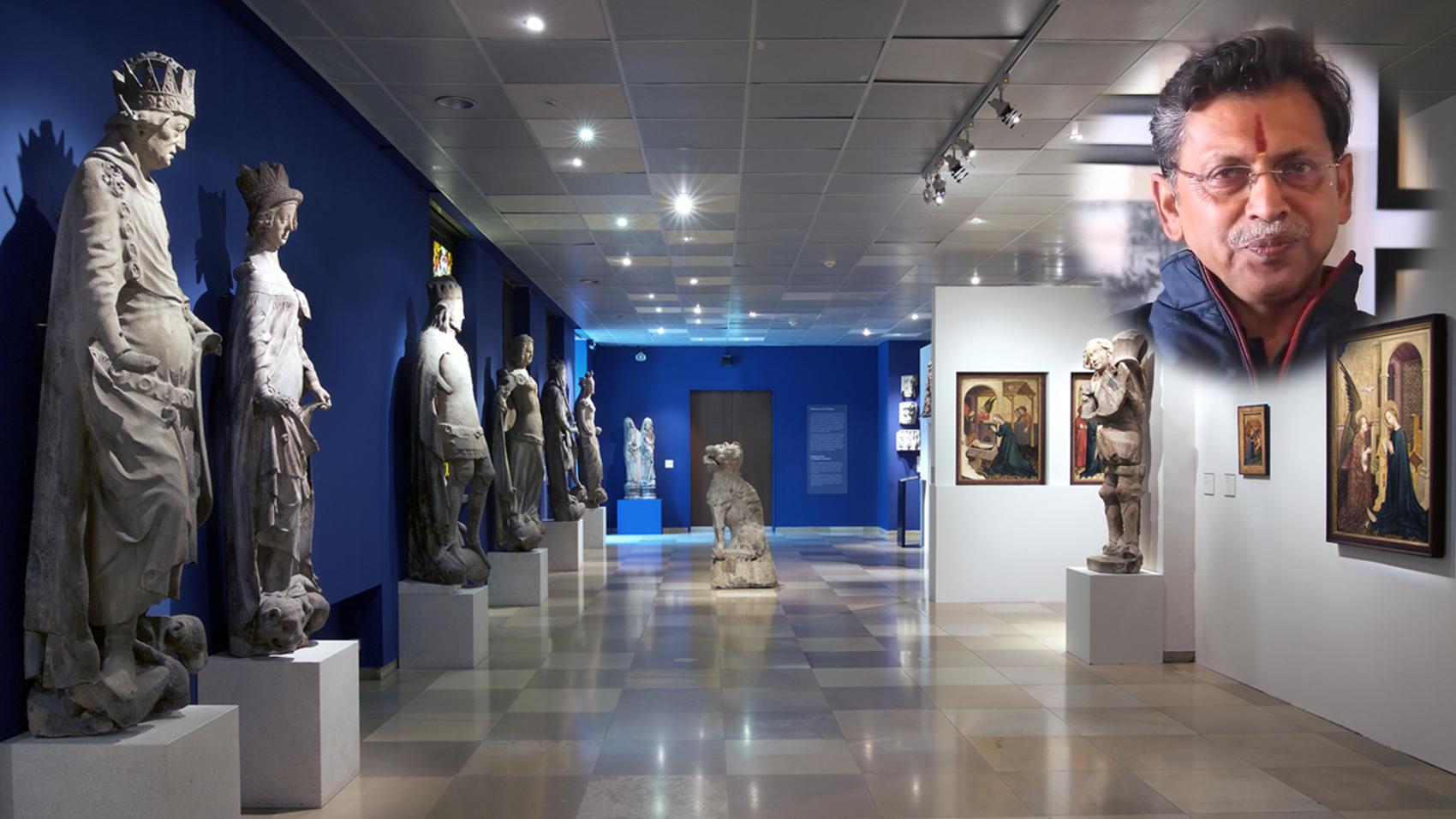
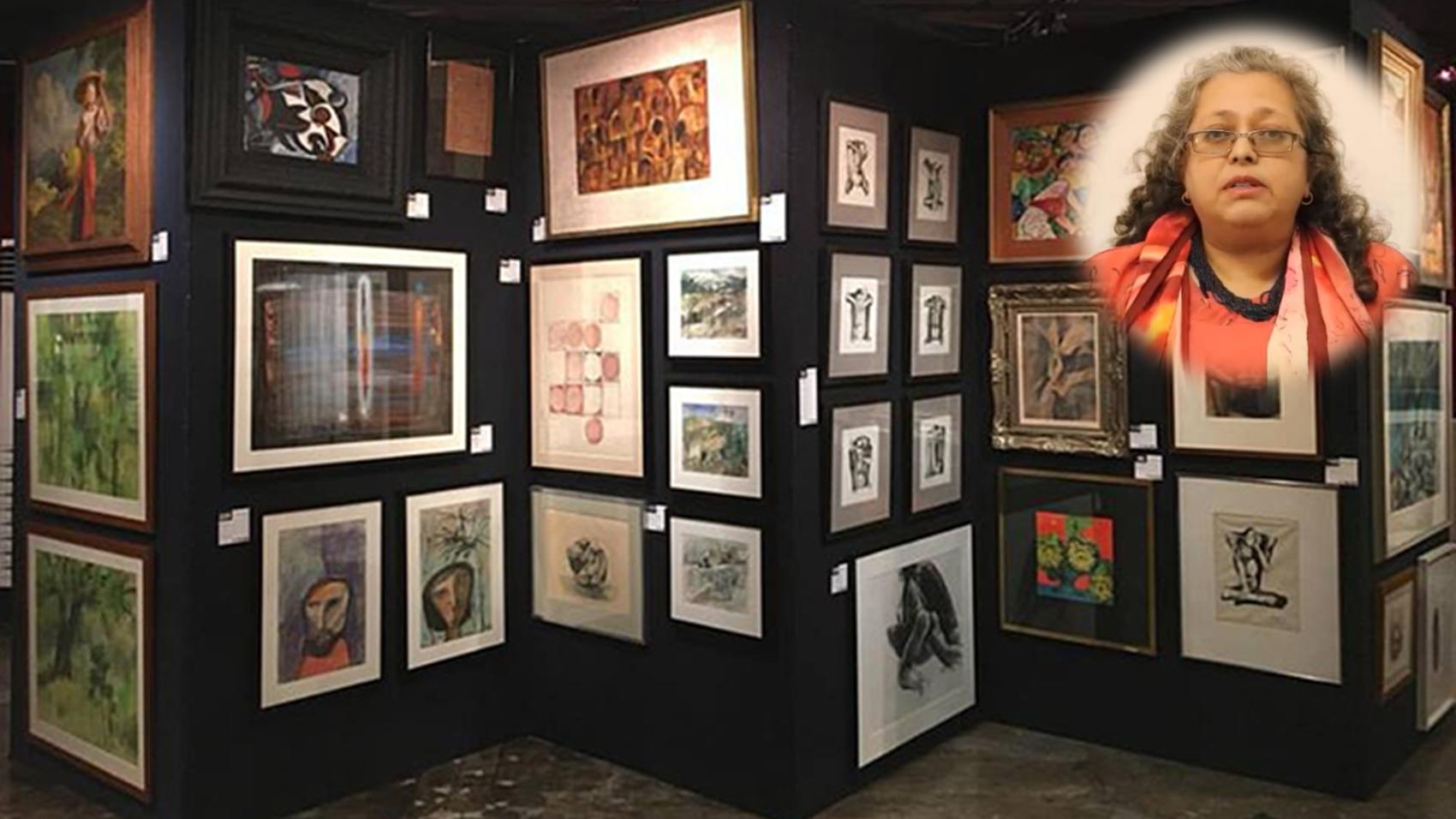
A professional in the Business of Arts might work as a gallery manager, overseeing the operations of an art gallery. In this role, they curate exhibitions, negotiate contracts with artists, and develop marketing strategies to attract visitors and buyers. By leveraging their business knowledge, they ensure the gallery remains financially sustainable while supporting emerging and established artists. They may also organize fundraising events, collaborate with sponsors, and manage budgets to maximize resources. Through these efforts, the gallery not only becomes a vibrant cultural hub but also a successful business, demonstrating how the Business of Arts enables creative enterprises to flourish in a competitive marketplace.
Education
Art Appreciation Course

An Art Appreciation Course introduces students to the visual language, history, and cultural significance of art. It explores various artistic movements, techniques, and critical analysis methods. For those in the Business of Arts, this course provides essential context and vocabulary, enabling informed decisions and effective communication within the art industry.
Understanding art through an Art Appreciation Course is crucial for anyone pursuing a career in the Business of Arts. This foundational knowledge allows professionals to recognize artistic value, interpret creative intent, and engage meaningfully with artists, collectors, and audiences. It enhances the ability to curate exhibitions, assess artworks for investment, and market art effectively. Over time, this expertise builds credibility and trust, opening doors to leadership roles and collaborative opportunities. The analytical and interpretive skills gained also foster innovative thinking, which is vital for adapting to trends and shifts within the art market. Ultimately, a solid grounding in art appreciation empowers professionals to bridge the gap between creative expression and commercial success.
Imagine a gallery manager preparing for an upcoming exhibition featuring contemporary artists. Drawing on their Art Appreciation Course background, the manager analyzes each artwork’s style, historical references, and cultural context. This understanding enables them to craft compelling exhibition narratives and educational materials that resonate with diverse audiences. When negotiating with collectors or advising clients, the manager confidently explains the significance and value of each piece, fostering trust and encouraging sales. Their ability to interpret and communicate the nuances of art not only elevates the gallery’s reputation but also enhances visitor engagement and satisfaction. In this way, theoretical knowledge from art appreciation directly informs and enriches daily business operations.
Art History

Art History is the academic study of visual art, architecture, and design across cultures and eras, focusing on their development, context, meaning, and influence. In the Business of Arts, understanding Art History is essential, as it provides the critical framework for evaluating, curating, and promoting artworks within cultural and commercial contexts.
A solid grasp of Art History is vital for anyone entering or advancing in the Business of Arts because it enables professionals to recognize artistic movements, styles, and the socio-political forces that shape creative expression. This knowledge forms the foundation for making informed decisions about acquisitions, exhibitions, and marketing strategies. By understanding the evolution of art and its cultural significance, professionals can better communicate the value of artworks to clients, investors, and the public. Over the long term, expertise in Art History enhances credibility, fosters meaningful industry relationships, and supports ethical stewardship of cultural assets, all of which are crucial for sustained success in galleries, auction houses, museums, and art consultancy roles.
Consider a gallery manager preparing for an upcoming exhibition featuring contemporary artists whose work draws inspiration from Renaissance techniques. By applying their Art History knowledge, the manager can craft compelling narratives that connect the new works to historical precedents, enriching the visitor experience and increasing the perceived value of the art. This understanding allows the manager to engage collectors and patrons with insightful commentary, positioning the exhibition within a broader historical context. Additionally, when negotiating with artists or buyers, the manager’s ability to reference relevant art movements and historical influences builds trust and authority, ultimately facilitating more successful sales and partnerships within the competitive art market.
Photography

Photography is the art and science of capturing light to create images using cameras or similar devices. It encompasses technical skills, creative vision, and visual storytelling. In the context of Business of Arts, photography is a crucial discipline, bridging artistic expression with commercial strategy, and is essential for effective communication and marketing.
Understanding photography is vital for anyone pursuing a career in the Business of Arts because it equips professionals with the ability to visually communicate ideas, promote artworks, and document creative processes. Mastery of photographic techniques and visual literacy enhances the ability to curate exhibitions, develop marketing materials, and engage audiences across digital platforms. As the art world becomes increasingly digital, professionals who can produce and evaluate high-quality images gain a competitive edge. This foundational knowledge not only supports collaboration with photographers and designers but also empowers individuals to maintain brand consistency and authenticity. Over the long term, proficiency in photography fosters adaptability, ensuring professionals can respond to evolving trends and technologies in both artistic and commercial contexts.
Consider a gallery manager responsible for promoting a new exhibition. Drawing on their understanding of photography, they carefully photograph artworks to highlight texture, color, and scale, ensuring each image accurately represents the artist’s intent. These photographs are then used in press releases, social media campaigns, and printed catalogs. The manager’s expertise allows them to select appropriate lighting, composition, and editing techniques, resulting in visually compelling content that attracts visitors and potential buyers. By applying their theoretical knowledge, the manager not only enhances the gallery’s public image but also supports artists in reaching a wider audience, demonstrating how photography skills are integral to daily operations in the Business of Arts.
Website Development

Website development is the process of creating, designing, and maintaining websites, encompassing both the visual layout and the underlying technical functionality. In the context of Business of Arts, it bridges creative expression with digital technology, forming a crucial part of the academic and professional toolkit for promoting, managing, and showcasing artistic ventures.
Understanding website development is essential for anyone pursuing a career in the Business of Arts because it empowers professionals to effectively present and market creative projects online. In today’s digital landscape, a well-crafted website serves as the primary platform for artists, galleries, and arts organizations to reach global audiences, communicate their mission, and drive engagement. Mastery of website development enables professionals to control their online presence, adapt to evolving digital trends, and respond to audience needs in real time. Over the long term, these skills foster independence, enhance professional credibility, and open doors to new opportunities in arts management, marketing, and entrepreneurship, ensuring sustained relevance in a rapidly changing industry.
Imagine an arts manager overseeing a contemporary gallery who leverages their knowledge of website development to create an engaging online exhibition. By applying their understanding of user experience and web design, they curate digital galleries that are visually appealing and easy to navigate, ensuring visitors can explore artworks seamlessly. They regularly update content, integrate e-commerce features for art sales, and use analytics to track visitor engagement, all of which are grounded in their theoretical knowledge of website development. This hands-on application not only increases the gallery’s visibility and revenue but also strengthens relationships with artists and audiences, demonstrating the tangible impact of website development expertise in the daily operations of the Business of Arts.
Skills
Observation

Observation is the deliberate and attentive process of perceiving details, patterns, and nuances in people, environments, and situations. In the Business of Arts, observation enables professionals to recognize trends, understand audience preferences, and identify opportunities or challenges. This skill forms the foundation for informed decision-making and creative problem-solving.
Observation enhances a professional’s ability to notice subtle shifts in market trends, client behaviors, and artistic movements, directly impacting strategic choices and project outcomes. Clients and employers highly value this skill because it leads to more accurate forecasting, innovative solutions, and tailored experiences that resonate with audiences. Cultivating observation involves practicing mindfulness, engaging in active listening, and regularly reflecting on interactions and environments. Over time, professionals can refine their observational abilities by seeking feedback, attending diverse events, and analyzing successful case studies within the arts sector. This ongoing development ensures that their insights remain sharp and relevant, ultimately contributing to sustained success in the dynamic world of arts business.
Imagine a gallery manager preparing for an upcoming exhibition. By keenly observing visitor reactions during previous shows, the manager notices that interactive installations consistently attract longer engagement and positive feedback. Drawing on this insight, the manager collaborates with artists to incorporate more interactive elements in the new exhibition. As a result, the event sees increased attendance and media coverage, elevating the gallery’s reputation. In this scenario, the manager’s observational skills not only identify what resonates with the audience but also inform strategic decisions that drive success. This example illustrates how observation can transform raw data into actionable strategies, ensuring that both artistic vision and business objectives are achieved.
Aesthetic Skills

Aesthetic Skills refer to the ability to perceive, appreciate, and apply principles of beauty, harmony, and visual appeal in creative works or environments. In the Business of Arts, these skills enable professionals to curate, present, and market artistic products in ways that captivate audiences and enhance perceived value.
Aesthetic Skills directly elevate the quality and impact of artistic projects by ensuring that every visual or experiential element aligns with the intended message and audience expectations. Clients and employers highly value these skills because they translate into more compelling presentations, exhibitions, and products that stand out in a competitive market. Professionals with strong aesthetic sensibilities can anticipate trends, adapt to diverse cultural preferences, and create cohesive brand identities. Cultivating this skill involves continuous exposure to various art forms, critical analysis of design and composition, and seeking feedback from peers and mentors. Over time, deliberate practice and staying informed about evolving artistic standards help refine one’s aesthetic judgment, making it an indispensable asset in the arts business landscape.
Imagine a gallery manager preparing for a high-profile exhibition featuring emerging artists. The initial layout feels cluttered and fails to highlight the uniqueness of each piece. Drawing on their aesthetic skills, the manager reimagines the space, adjusting lighting, spacing, and color schemes to create a harmonious flow. This transformation not only enhances the visual impact of the artworks but also elevates the overall visitor experience. As a result, the exhibition receives positive reviews, attracts more visitors, and boosts sales for the artists. In this scenario, the manager’s keen aesthetic judgment was crucial in solving a critical presentation issue and achieving commercial and critical success.
Talent Spoting
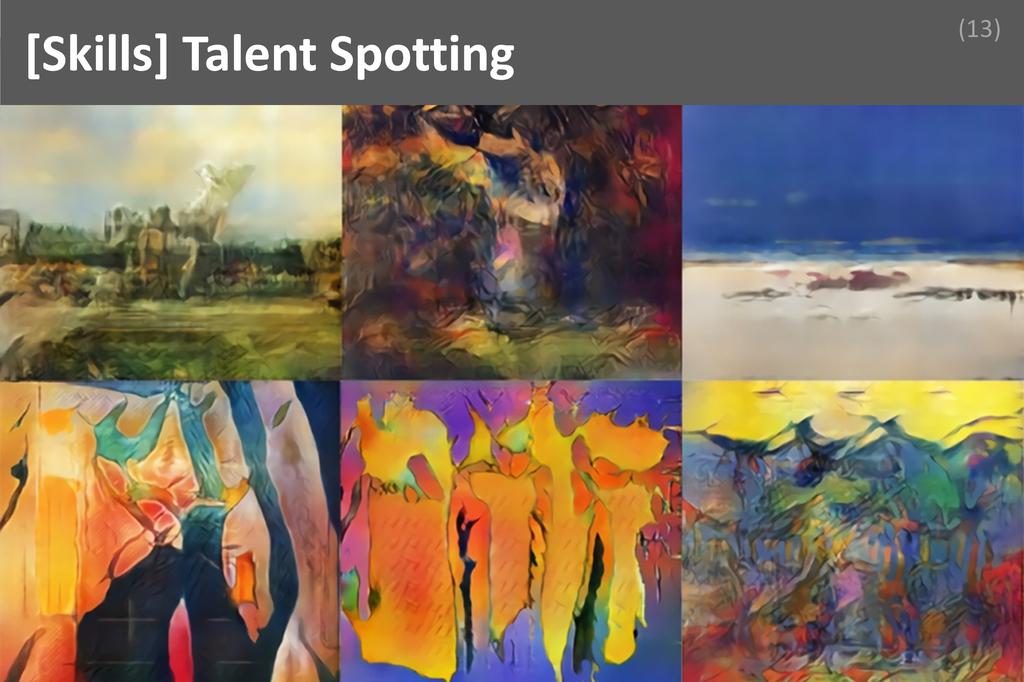
Talent Spoting is the ability to identify, recognize, and nurture individuals with exceptional creative or artistic potential, often before their abilities are widely acknowledged. In the Business of Arts, this skill enables professionals to discover emerging artists, innovative collaborators, or unique creative trends, giving them a competitive advantage in a rapidly evolving industry.
Mastering Talent Spoting directly enhances a professional’s effectiveness by ensuring they are always at the forefront of new artistic movements and talent pools. Clients and employers highly value this skill because it leads to the discovery of fresh voices and ideas, which can drive both cultural impact and commercial success. Cultivating Talent Spoting requires a blend of keen observation, industry knowledge, and intuition, developed through continuous engagement with diverse artistic communities, attending exhibitions, and maintaining an open-minded approach to creativity. Over time, professionals refine their instincts by analyzing past successes and failures, building a network of trusted sources, and staying updated on global trends, all of which contribute to making informed and strategic decisions in the arts sector.
Imagine a gallery manager faced with declining visitor numbers and waning interest in established artists. By leveraging Talent Spoting, the manager attends local art school showcases and underground exhibitions, identifying a young painter whose work resonates with contemporary social themes. The manager offers the artist a debut solo exhibition, generating significant media buzz and attracting new audiences. This not only revitalizes the gallery’s reputation but also establishes a long-term relationship with an emerging star. In this scenario, the ability to spot and support new talent directly addresses a critical business challenge, demonstrating how essential this skill is for sustained success in the Business of Arts.
Communication Skill

Communication skill is the ability to clearly express ideas, listen actively, interpret messages, and adapt language for different audiences and contexts. In the Business of Arts, this skill enables professionals to convey creative visions, negotiate deals, build relationships, and collaborate effectively, making it indispensable for career advancement and project success.
Strong communication skill enhances performance by ensuring that ideas are understood, feedback is constructive, and collaborations run smoothly. Clients and employers in the Business of Arts value professionals who can articulate concepts, present proposals persuasively, and resolve misunderstandings diplomatically. These abilities foster trust and drive successful outcomes in creative projects. To cultivate communication skill, individuals should practice active listening, seek feedback on their interactions, and engage in diverse conversations to adapt their style. Over time, continuous learning through workshops, mentorship, and real-world experience helps refine both verbal and written communication, making professionals more effective and adaptable in the dynamic arts business environment.
Imagine a gallery manager preparing for a major exhibition opening. A last-minute disagreement arises between an artist and a sponsor regarding the display of a controversial piece. The manager relies on communication skill to mediate the discussion, listening to both parties’ concerns and articulating possible solutions. By expressing empathy and clarifying the exhibition’s vision, the manager finds a compromise that satisfies both the artist’s creative integrity and the sponsor’s brand values. This resolution not only salvages the event but also strengthens professional relationships, demonstrating how effective communication is crucial for navigating challenges and achieving shared success in the Business of Arts.
Social Skills
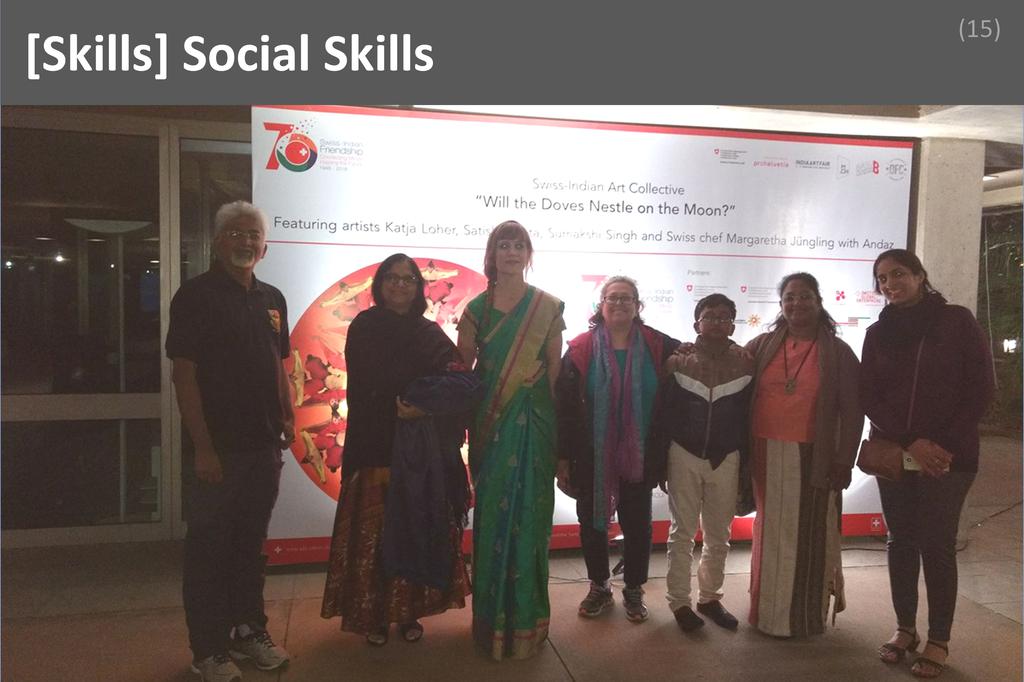
Social skills refer to the ability to communicate, interact, and collaborate effectively with others, demonstrating empathy, active listening, and adaptability in various social contexts. In the Business of Arts, these skills are crucial for building relationships, negotiating deals, and fostering creative partnerships that drive both artistic and commercial success.
Social skills directly enhance a professional’s performance in the Business of Arts by enabling effective networking, clear communication, and the ability to navigate complex interpersonal dynamics. Clients and employers highly value individuals who can build rapport, resolve conflicts diplomatically, and represent their organizations with professionalism. These abilities often lead to stronger collaborations, increased opportunities, and a positive reputation within the industry. Cultivating social skills involves consistent self-reflection, seeking feedback, and engaging in diverse social situations to practice empathy, negotiation, and active listening. Over time, professionals who invest in developing these skills become more adept at understanding others’ perspectives, adapting to different personalities, and creating mutually beneficial outcomes.
Imagine an art gallery manager facing a dispute between a prominent artist and a major sponsor over the direction of an upcoming exhibition. By leveraging strong social skills, the manager listens attentively to both parties, acknowledges their concerns, and facilitates an open dialogue. Through empathetic communication and diplomatic negotiation, the manager helps both sides find common ground, ultimately reaching a compromise that satisfies the artist’s creative vision while meeting the sponsor’s objectives. This resolution not only preserves valuable relationships but also ensures the success of the exhibition. The manager’s ability to navigate this sensitive situation demonstrates how essential social skills are in overcoming challenges and achieving success in the Business of Arts.
Financial Management

Financial Management is the strategic planning, organizing, directing, and controlling of financial activities such as procurement and utilization of funds. In the Business of Arts, it ensures that creative projects are sustainable, budgets are adhered to, and resources are allocated efficiently, forming a foundation for both artistic and commercial success.
Mastering financial management empowers professionals in the Business of Arts to make informed decisions, optimize project outcomes, and maintain fiscal responsibility. Clients and employers highly value this skill because it demonstrates reliability, foresight, and the ability to maximize returns on investment. By tracking expenses, forecasting revenue, and understanding funding sources, professionals can confidently navigate the complexities of arts-related ventures. Cultivating this skill involves continuous learning, seeking mentorship, and practical experience with budgeting, grant applications, and financial reporting. Over time, consistent application and reflection help refine one’s ability to balance creativity with financial discipline, ultimately enhancing credibility and opening doors to larger, more ambitious projects.
Imagine a gallery manager preparing for a major exhibition. Unexpectedly, a key sponsor withdraws funding just weeks before the opening. Relying on strong financial management skills, the manager quickly reassesses the budget, reallocates resources, and negotiates with vendors for better terms. By identifying non-essential expenses to cut and exploring alternative revenue streams, the manager ensures the exhibition proceeds without compromising quality. This proactive approach not only salvages the event but also reassures artists and stakeholders, strengthening the gallery’s reputation for professionalism and resilience. In this scenario, financial management proves indispensable in overcoming adversity and achieving organizational goals within the Business of Arts.
Positives
Connecting Creative People

Connecting Creative People means fostering relationships and collaborations among artists, designers, performers, and visionaries to spark innovation, share resources, and amplify creative potential. In the Business of Arts, this process builds vibrant networks, encourages fresh ideas, and enables professionals to achieve more collectively than they could alone, enriching the entire industry.
The ability to connect creative individuals is a cornerstone of satisfaction and success in the Business of Arts. By bringing together diverse talents, professionals create dynamic environments where inspiration flows freely and new projects take shape. This collaborative spirit not only leads to groundbreaking work but also cultivates a sense of community and belonging. Every day, professionals witness the tangible results of their efforts as artists thrive, partnerships flourish, and audiences are captivated by the outcomes. This ongoing exchange of ideas and support fuels personal growth, opens doors to new opportunities, and makes each day in the field both exciting and deeply meaningful.
Imagine a gallery manager who organizes a collaborative exhibition featuring emerging painters, sculptors, and digital artists. Through her efforts, these creatives meet, exchange techniques, and inspire one another, resulting in a show that blends their unique perspectives into a cohesive, innovative experience. The manager witnesses firsthand how her role as a connector not only elevates the artists’ work but also forges lasting professional relationships. The excitement and gratitude expressed by participants and visitors alike reinforce the profound impact of connecting creative people, making her work in the Business of Arts both rewarding and transformative.
Bridge between Artist & Buyer

The "Bridge between Artist & Buyer" refers to the vital role professionals play in connecting creative talent with appreciative audiences and collectors. By facilitating communication, understanding, and transactions, these professionals ensure that artists’ visions reach those who value them, fostering cultural exchange and supporting the sustainability of artistic careers.
Serving as the bridge between artist and buyer is a deeply rewarding aspect of the business of arts because it allows professionals to witness the transformative power of art firsthand. This role brings immense job satisfaction, as it involves championing artists’ work, nurturing relationships, and helping buyers discover pieces that resonate with them. The daily experience of facilitating these meaningful connections not only drives personal growth but also contributes to the vibrancy of the arts ecosystem. Professionals in this field often find themselves inspired by the creativity they encounter and motivated by the knowledge that their efforts directly support both artistic expression and cultural enrichment.
Imagine a gallery manager who discovers a talented emerging painter and decides to showcase their work. Through thoughtful curation and engaging storytelling, the manager introduces the artist’s pieces to a diverse audience. One day, a visitor is captivated by a particular painting, feeling an emotional connection to its story. The manager guides the buyer through the acquisition process, ensuring both artist and collector feel valued and understood. This successful exchange not only results in a sale but also forges a lasting relationship between the artist and a new patron. The gallery manager experiences profound fulfillment, knowing they played a crucial role in bringing art into someone’s life and supporting the artist’s journey.
Challenges
Dealing With Artists

Dealing with artists in the Business of Arts refers to the complex process of collaborating with creative individuals whose visions, personalities, and working styles may differ significantly from business norms. This challenge is demanding because it requires balancing artistic integrity with commercial objectives, often necessitating sensitive negotiation and communication skills.
The difficulty of dealing with artists can permeate daily operations, as professionals must constantly bridge the gap between creative aspirations and practical business realities. This dynamic can lead to misunderstandings, delays, or conflicts over project direction and resource allocation. Navigating these situations demands resilience, patience, and adaptability, as professionals must respect artistic expression while ensuring projects remain viable and deadlines are met. Successful individuals in this field develop strong interpersonal skills, learning to listen actively, communicate expectations clearly, and foster mutual respect. By building trust and understanding, they create collaborative environments where both artistic and business goals can thrive, ultimately leading to more productive and harmonious partnerships.
Consider a gallery manager working with a renowned but temperamental painter preparing for a major exhibition. The artist insists on last-minute changes to the display layout, causing logistical headaches and straining the installation schedule. Instead of reacting with frustration, the manager listens to the artist’s concerns, acknowledges the importance of their vision, and calmly negotiates a compromise that accommodates key requests without derailing the timeline. By maintaining open communication and demonstrating flexibility, the manager not only preserves the artist’s trust but also ensures the exhibition’s success. This scenario illustrates how empathy, negotiation, and professionalism can turn a potentially disruptive challenge into an opportunity for stronger collaboration and mutual respect.
Difficult Clients

In the Business of Arts, "Difficult Clients" are individuals or organizations whose expectations, communication styles, or demands consistently challenge the creative process, timelines, or professional boundaries. This is demanding because it requires balancing artistic integrity with client satisfaction, often under pressure, risking both the quality of work and professional relationships.
Dealing with difficult clients can disrupt workflow, drain creative energy, and introduce stress into daily operations. Professionals must often navigate unclear feedback, shifting requirements, or unrealistic expectations, which can hinder project progress and morale. This challenge demands resilience, adaptability, and strong interpersonal skills, as maintaining composure and professionalism is essential. Successful professionals manage these constraints by setting clear boundaries, communicating proactively, and seeking to understand the client’s underlying needs. They employ empathy to diffuse tension, negotiate compromises, and document agreements to prevent misunderstandings. By fostering mutual respect and maintaining a solution-oriented mindset, they turn challenging interactions into opportunities for growth and collaboration, ultimately protecting both their creative vision and client relationships.
Consider an art consultant working with a corporate client who frequently changes their vision for a commissioned installation, causing delays and frustration. Instead of reacting defensively, the consultant schedules a dedicated meeting to clarify the client’s goals and expectations, listening attentively to their concerns. By summarizing the discussion in a follow-up email, the consultant ensures mutual understanding and outlines a revised project timeline with clear milestones. Throughout the process, the consultant remains patient and professional, providing regular updates and gently guiding the client back to the agreed-upon objectives when new requests arise. This approach not only salvages the project but also builds trust, demonstrating the consultant’s commitment to both artistic excellence and client satisfaction.
Stablishing Relations
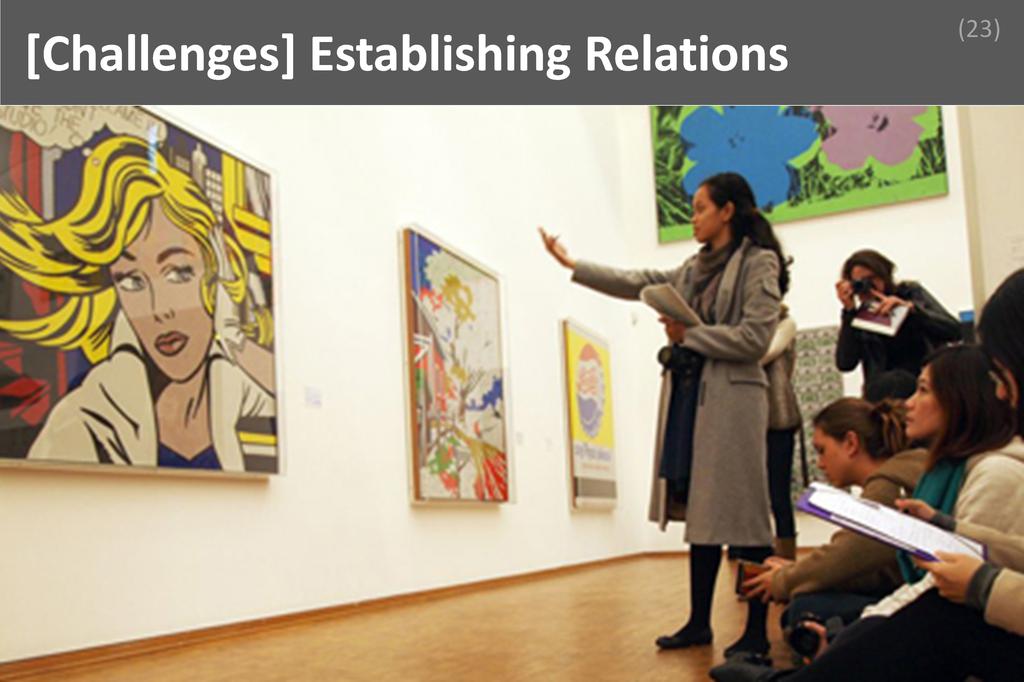
Stablishing Relations in the Business of Arts refers to the ongoing process of building, nurturing, and maintaining professional connections with artists, clients, galleries, and stakeholders. This is demanding because it requires balancing creative integrity with commercial interests, navigating diverse personalities, and consistently investing time and emotional energy to foster trust and mutual benefit.
The challenge of stablishing relations deeply influences daily operations in the Business of Arts, as professionals must constantly engage with a wide array of individuals whose goals and expectations may differ. This ongoing effort can be emotionally taxing, requiring resilience to handle rejection, miscommunication, or shifting alliances. Successful professionals manage this constraint by developing strong interpersonal skills, practicing empathy, and maintaining clear, honest communication. They also invest in long-term relationship-building rather than seeking immediate gains, understanding that trust and reputation are built over time. By prioritizing authentic connections and demonstrating reliability, they create a supportive network that can weather industry fluctuations and foster collaborative opportunities.
Consider a gallery manager who is tasked with expanding the gallery’s roster of artists while attracting new collectors. Initially, the manager faces skepticism from both emerging artists and established buyers, each wary of new partnerships. Through consistent outreach, attending industry events, and following up with personalized communication, the manager gradually earns their trust. By listening to artists’ creative visions and aligning them with collectors’ interests, the manager bridges gaps and facilitates meaningful collaborations. Over time, these efforts result in a thriving network where artists feel supported and collectors are eager to engage, demonstrating how persistence and genuine relationship-building can overcome the initial barriers of stablishing relations in the Business of Arts.
A Day Of
Business of Arts
The hum of creativity blends seamlessly with the rhythm of commerce in the world of Business of Arts, where no two days are ever quite the same. Here, professionals move fluidly between gallery spaces, boardrooms, and digital platforms, balancing the demands of artistic vision with the realities of budgets, contracts, and audience engagement. The day unfolds at a brisk pace, driven by deadlines, client expectations, and the ever-present need to adapt to the shifting landscape of the arts industry. Whether orchestrating an exhibition launch or negotiating a sponsorship deal, the Business of Arts practitioner thrives in an environment that rewards both strategic thinking and a deep appreciation for creative expression.
The day begins with a quiet moment of focus, often spent reviewing emails, industry news, and the latest updates from artists or collaborators. This early hour is reserved for mapping out priorities, scanning calendars for upcoming deadlines, and preparing for the meetings and decisions ahead. It’s also a time to reflect on ongoing projects, ensuring that every detail aligns with both artistic goals and business objectives. A quick check-in with team members or a glance at social media analytics might set the tone, helping to shape the day’s agenda with a blend of creativity and strategy.
By mid-morning, the pace accelerates as the core activities of the day take center stage. This is when the practitioner dives into project management, coordinating with artists, curators, or marketing teams to keep exhibitions, campaigns, or partnerships on track. Client calls and stakeholder meetings fill the schedule, demanding clear communication and quick problem-solving. Whether negotiating contracts, brainstorming promotional ideas, or troubleshooting logistical challenges, this period is marked by high energy and constant interaction, requiring both business acumen and a nuanced understanding of the arts ecosystem.
The afternoon is often dedicated to hands-on execution and collaboration. This might mean visiting a gallery to oversee installation details, meeting with sponsors to finalize event logistics, or working alongside designers to refine marketing materials. The focus shifts from planning to doing, as ideas are translated into tangible outcomes. Team huddles, creative workshops, and impromptu brainstorming sessions are common, fostering a sense of shared purpose and momentum. The practitioner’s role as a connector and facilitator comes to the fore, ensuring that every moving part aligns with the overarching vision.
As the day winds down, attention turns to wrapping up loose ends and setting the stage for tomorrow. This is the time for reviewing progress, updating project trackers, and drafting reports for stakeholders. Administrative tasks, such as invoicing or budget reconciliation, are handled with care, while research into emerging trends or potential collaborators keeps the practitioner ahead of the curve. A final review of the next day’s schedule ensures that priorities are clear and that the balance between creative ambition and business discipline is maintained. With the last email sent and the day’s achievements noted, the Business of Arts professional closes out the day, ready to embrace whatever challenges and opportunities the next sunrise will bring. |


 Home
Home Abroad
 Plan
Plan Philosophy
 Seminar
 Pages
Pages Advisors
 Testimonials
















 Workshop
 Discuss
 Meet
Meet
 Advisor
 Story
Story
 Fine Print
 Links
Links
 Blog
Blog
 Follow
