Career Counselling 2.0 HomeHomeCareer Counselling 2.0 AbroadAbroadCareer Counselling 2.0 PlanPlanCareer Counselling 2.0 | TalksTalksCareer Counselling 2.0 PhilosophyPhilosophyCareer Counselling 2.0 SeminarSeminarCareer Counselling 2.0 PagesPagesCareer Counselling 2.0 AdvisorsAdvisorsCareer Counselling 2.0 TestimonialsTestimonials

Railway Checking Management

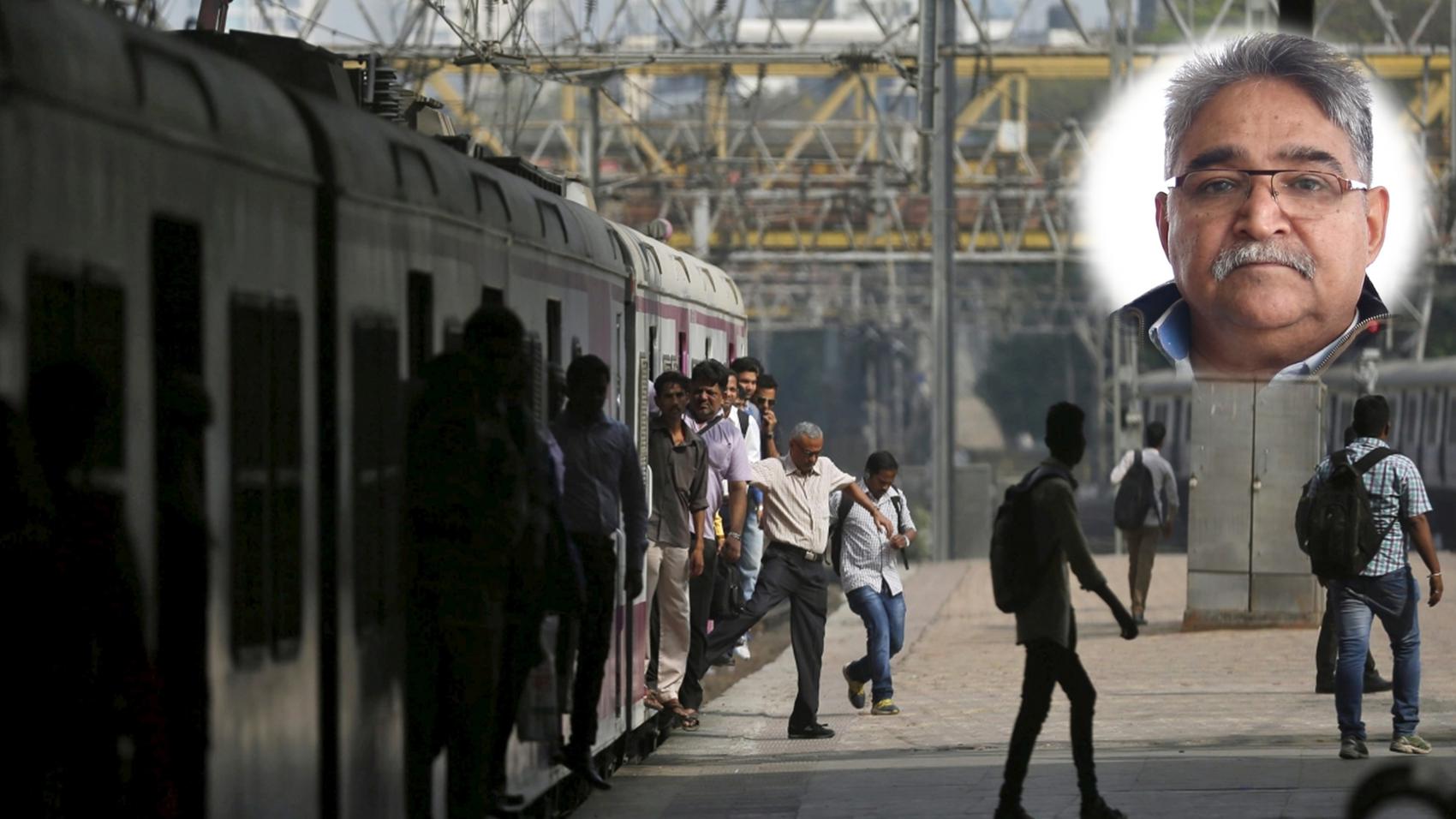
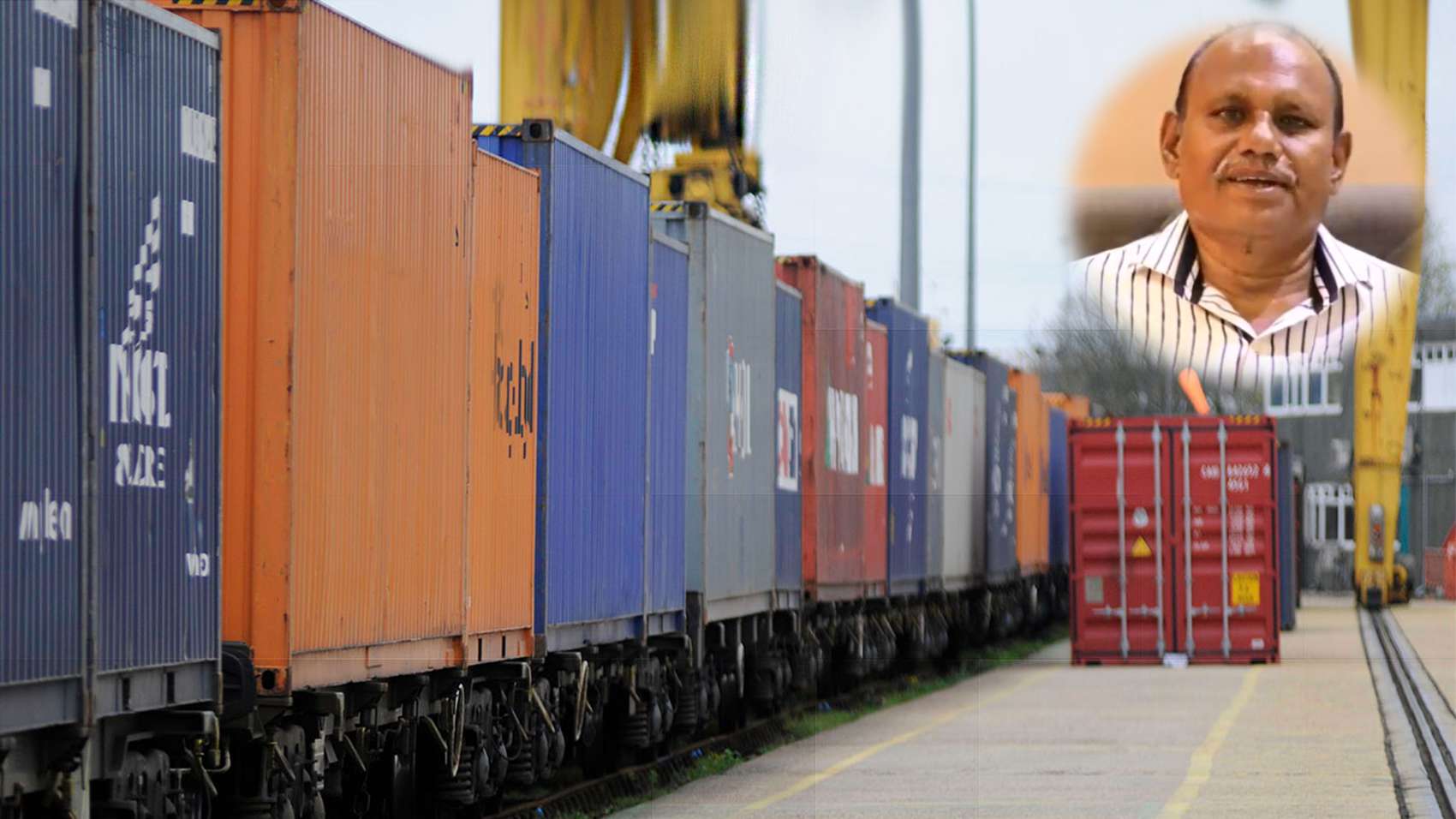
Chief Ticket Inspector Bimal Kant Datta talks about Railway Checking Management course, what is Railway Checking Management and other details about a Career in Railway Checking Management.


Railway Checking Management

Bimal Kant Datta | Chief Ticket Inspector | Northern Railways


What is Railway Checking Management?


You may be curious about a Career in Railway Checking Management. One should first understand What a Career in Railway Checking Management entails before investing time and effort to figure out How to start a Career in Railway Checking Management. The internet is a great source of information on Railway Checking Management, but it is second best to learning about the same from a real professional.

Chief Ticket Inspector Bimal Kant Datta has 40 years of professional experience in Railway Checking Management. Chief Ticket Inspector Bimal Kant Datta defines Railway Checking Management as:

Railway Checking Managements job is conducted by Railway Recruitment Board to fulfill the vacant seat available in the railway department. He is responsible for collecting ticket, checking ticket etc. They are the one who collects fine if someone is travelling without ticket.


How Chief Ticket Inspector Bimal Kant Datta got into Railway Checking Management?


After completing my Schooling from Haryana, I became a Ticket Collector in 1977. I have been working with the Railways from 1977 to 2017. I have also been an International Football Player.


Chief Ticket Inspector Bimal Kant Datta's Talk on Railway Checking Management


Session Image
The Journey of Railway Checking Management


What Is Railway Checking Management

Railway Checking Management

### Railway Checking Management Image
What is
Railway Checking Management is the systematic process of overseeing, coordinating, and ensuring the proper functioning of ticket inspection, passenger verification, and compliance with railway regulations. It involves managing staff, implementing procedures, and utilizing technology to maintain order, prevent fraud, and enhance the overall efficiency of railway operations.

Concept
Railway Checking Management plays a crucial role in maintaining the integrity and reliability of railway services. For professionals in this field, it ensures a structured approach to monitoring passenger movement, enforcing ticketing rules, and addressing irregularities. This management discipline directly impacts revenue protection by minimizing fare evasion and fraud. It also enhances passenger safety and satisfaction by ensuring that only authorized individuals access railway services. Additionally, it streamlines operations by providing clear protocols for staff, reducing confusion and errors. The benefits of effective Railway Checking Management include improved financial performance for railway operators, a safer and more orderly travel environment, and increased trust from the public in the railway system.

Real World Example
A professional in Railway Checking Management might oversee a team of ticket inspectors during peak travel hours at a busy metropolitan station. They coordinate the deployment of staff to high-traffic areas, monitor real-time data from electronic ticketing systems, and respond to incidents of ticketless travel or disputes. By analyzing patterns of fare evasion, they implement targeted checks and collaborate with security personnel to address suspicious activities. Their efforts ensure that passengers are traveling with valid tickets, contributing to revenue protection and a secure environment. This proactive management not only deters fraudulent behavior but also reassures law-abiding passengers, fostering a positive travel experience and supporting the smooth operation of the railway network.

Education


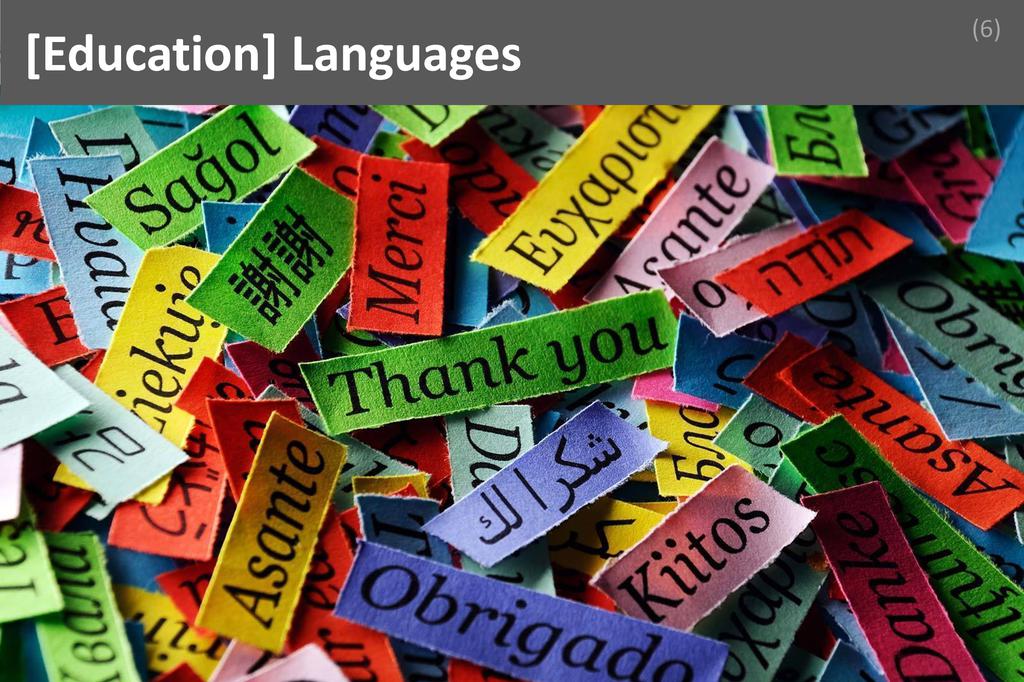
Languages

### Languages Image
What is
Languages refer to structured systems of communication, encompassing spoken, written, and non-verbal forms used to convey information and ideas. In the context of Railway Checking Management, proficiency in multiple languages is essential for effective interaction with passengers, colleagues, and authorities, ensuring smooth operations and compliance with regulations in a diverse environment.

Concept
Understanding languages is crucial for professionals in Railway Checking Management because the railway network serves people from various linguistic backgrounds. Mastery of languages enables staff to communicate clearly with passengers, address their concerns, and provide accurate information about schedules, ticketing, and safety protocols. This skill also facilitates collaboration with team members and coordination with law enforcement or emergency services when necessary. Over time, strong language abilities help professionals build trust with the public, enhance customer satisfaction, and reduce misunderstandings that could lead to operational delays or conflicts. Furthermore, multilingual proficiency opens up opportunities for career advancement, as it demonstrates adaptability and a commitment to serving a diverse clientele, which are highly valued traits in the railway sector.

Real World Example
Imagine a ticket examiner working on a busy intercity train route where passengers speak different regional languages. During a routine check, the examiner encounters a group of tourists who do not understand the local language. Drawing on their knowledge of English and another regional language, the examiner is able to explain ticketing rules, help the tourists find their seats, and answer questions about their journey. This not only ensures compliance with railway regulations but also creates a positive travel experience for the passengers. By effectively bridging language barriers, the examiner prevents confusion, maintains order, and upholds the reputation of the railway service as inclusive and customer-friendly.

General Knowledge

### General Knowledge Image
What is
General Knowledge refers to a broad understanding of facts, current events, history, geography, culture, and general awareness about the world. In the context of Railway Checking Management, it encompasses the essential information that supports effective decision-making, communication, and problem-solving, forming a crucial part of both academic preparation and professional competence.

Concept
A strong grasp of General Knowledge is indispensable for anyone aspiring to excel in Railway Checking Management. This subject provides the foundational awareness needed to understand the operational environment, including the geography of railway routes, relevant laws and regulations, and the socio-economic context of passengers. Professionals equipped with broad general knowledge can interact confidently with diverse passengers, respond effectively to unexpected situations, and uphold the reputation of the railway system. Over time, this knowledge base enhances critical thinking, adaptability, and leadership qualities, all of which are vital for career advancement. Furthermore, staying updated with current affairs and historical context allows railway checking staff to anticipate challenges and contribute meaningfully to the safety and efficiency of railway operations.

Real World Example
Imagine a railway checking manager conducting ticket inspections on a long-distance train traversing multiple states. During the journey, a passenger asks about the significance of a particular station named after a historical figure. Drawing from their general knowledge, the manager explains the historical relevance, fostering a positive rapport with the passenger. Later, the manager encounters a situation where a passenger is confused about regional travel rules due to recent changes in regulations. Thanks to their up-to-date general knowledge, the manager provides accurate information, ensuring compliance and smooth travel. These interactions not only resolve immediate issues but also enhance the overall travel experience, demonstrating how theoretical understanding of general knowledge is applied in daily railway operations.

Rules & Regulations

### Rules & Regulations Image
What is
Rules & Regulations refer to the formalized set of laws, guidelines, and procedures established by railway authorities to govern the conduct, safety, and operations within the railway system. In Railway Checking Management, this body of knowledge is essential for ensuring compliance, maintaining order, and upholding the integrity of railway services both academically and professionally.

Concept
Understanding Rules & Regulations is crucial for anyone preparing for or working in Railway Checking Management because it forms the backbone of all operational and administrative activities. Mastery of these guidelines ensures that professionals can enforce ticketing policies, passenger conduct codes, and safety protocols effectively. This knowledge not only helps in preventing violations and resolving disputes but also fosters a culture of accountability and transparency within the railway system. Over the long term, a strong grasp of Rules & Regulations enhances career prospects by equipping individuals with the expertise needed to handle complex situations, adapt to regulatory changes, and contribute to the overall efficiency and reputation of the railway network.

Real World Example
Consider a scenario where a ticket examiner encounters a passenger traveling without a valid ticket. The examiner’s understanding of Rules & Regulations enables them to approach the situation professionally, verifying the passenger’s details, explaining the applicable penalties, and issuing a fine as per the prescribed procedures. If the passenger disputes the charge, the examiner can confidently reference the relevant regulations, ensuring the process remains fair and transparent. This application of theoretical knowledge not only resolves the immediate issue but also reinforces the importance of compliance among passengers, thereby supporting the smooth functioning of railway operations and upholding the standards expected within the industry.

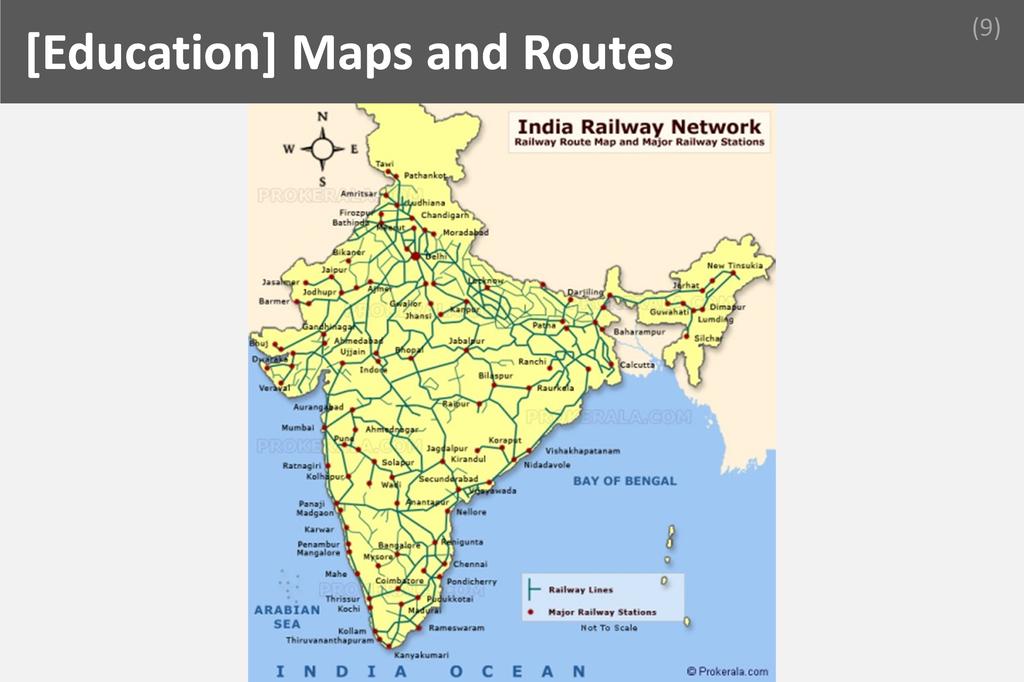
Maps and Routes

### Maps and Routes Image
What is
Maps and Routes refers to the study and interpretation of railway network diagrams, geographical layouts, and the planned paths trains follow between stations. This subject is essential in Railway Checking Management, as it underpins the ability to navigate, monitor, and manage train movements efficiently within the vast and interconnected rail system.

Concept
A thorough understanding of Maps and Routes is crucial for anyone pursuing a career in Railway Checking Management. Mastery of this subject enables professionals to accurately interpret railway layouts, identify key junctions, and understand the flow of train traffic. This foundational knowledge is vital for ensuring passenger safety, optimizing train schedules, and minimizing operational disruptions. Over time, expertise in Maps and Routes allows professionals to make informed decisions during emergencies, coordinate effectively with other departments, and contribute to the overall efficiency of railway operations. As railway networks expand and become more complex, the ability to quickly analyze and respond to route-related challenges becomes an invaluable asset, supporting both career advancement and organizational success.

Real World Example
Consider a scenario where a Railway Checking Manager is tasked with overseeing ticket inspections on a busy suburban route during peak hours. By applying their knowledge of Maps and Routes, the manager can strategically plan inspection points, ensuring coverage of high-traffic stations and minimizing passenger inconvenience. If an unexpected train diversion occurs due to track maintenance, the manager can quickly adapt by referencing updated route maps, redirecting staff to new inspection locations, and communicating changes to the team. This practical application of theoretical knowledge ensures smooth operations, maintains service quality, and upholds regulatory compliance, demonstrating the real-world importance of mastering Maps and Routes in daily railway management tasks.

Skills


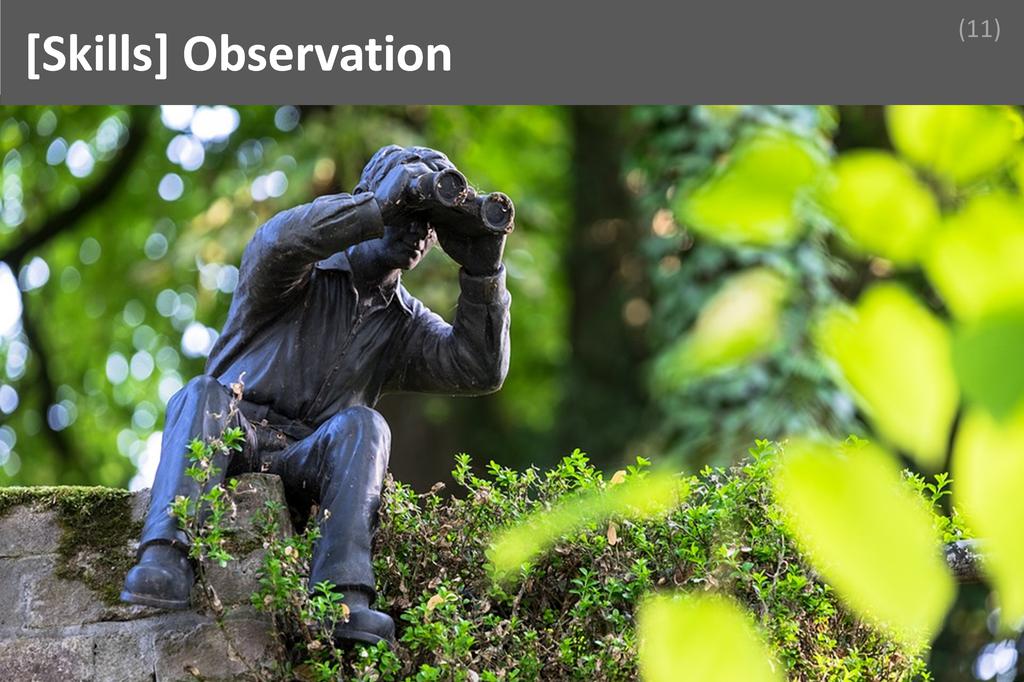
Observation

### Observation Image
What is
Observation is the focused act of attentively noticing, identifying, and interpreting details, behaviors, and patterns in one’s environment to gain accurate understanding and insight. In Railway Checking Management, observation is fundamental because it enables professionals to detect irregularities, ensure compliance, and maintain safety standards, making it a cornerstone of effective operations.

Concept
The ability to observe keenly allows railway checking managers to quickly identify fare evasion, safety hazards, and procedural lapses, directly contributing to operational efficiency and passenger security. Employers and clients highly value this skill because it minimizes errors, reduces losses, and upholds the reputation of the railway service. Cultivating observation involves regular practice, mindfulness, and continuous learning from real-world experiences. By consciously paying attention to surroundings, analyzing patterns, and reflecting on outcomes, professionals can sharpen their observational abilities over time. This ongoing development not only enhances individual performance but also fosters a culture of vigilance and accountability within the team, ultimately leading to more reliable and secure railway operations.

Real World Example
Imagine a railway checking manager conducting a routine inspection during peak travel hours. Amid the crowd, the manager notices subtle cues such as nervous body language and inconsistent ticket information from a group of passengers. Relying on sharp observation, the manager discreetly verifies their tickets and uncovers a coordinated attempt at fare evasion. By quickly recognizing these signs and acting promptly, the manager not only prevents revenue loss but also deters future violations. This scenario highlights how observation enables professionals to make informed decisions, address issues proactively, and maintain the integrity of railway operations, demonstrating the indispensable value of this core skill in real-world situations.

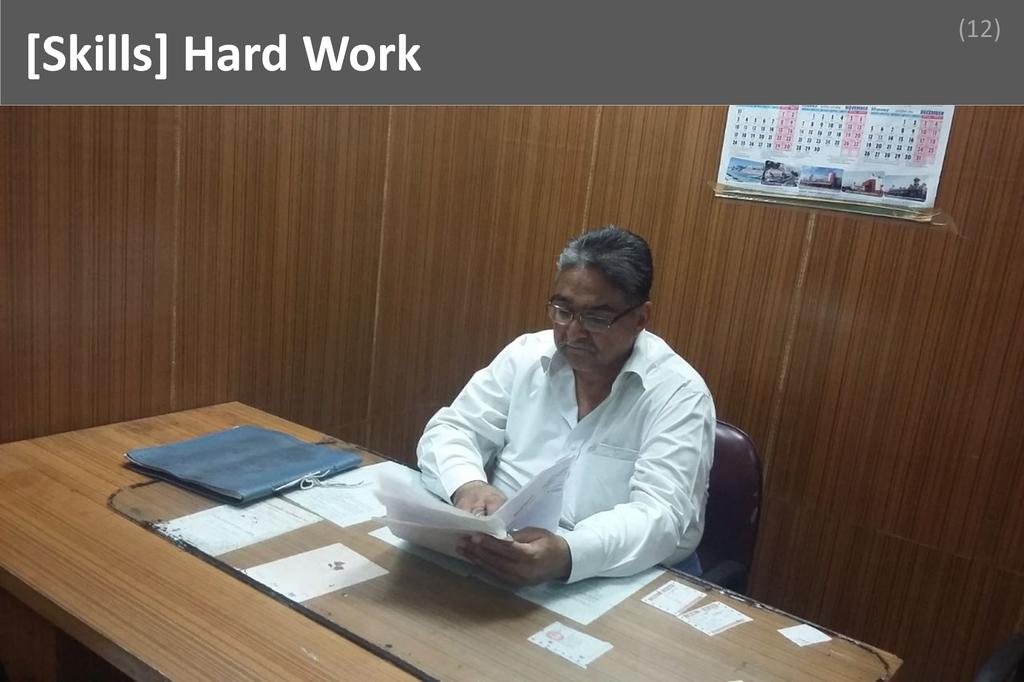
Hard - Work

### Hard - Work Image
What is
Hard - Work is the consistent application of effort, determination, and perseverance to achieve goals, even in the face of challenges or repetitive tasks. In Railway Checking Management, hard - work is indispensable because it ensures thoroughness, reliability, and accuracy in operations, which are crucial for maintaining safety, compliance, and customer satisfaction.

Concept
Hard - work directly enhances performance in Railway Checking Management by fostering diligence and attention to detail, which are vital for tasks such as ticket verification, compliance checks, and incident reporting. Employers and clients highly value professionals who demonstrate hard - work because it translates into fewer errors, improved operational efficiency, and a trustworthy reputation for the organization. Cultivating this skill involves setting clear goals, maintaining discipline, and embracing a mindset of continuous improvement. Over time, professionals can strengthen their capacity for hard - work by seeking feedback, learning from experienced colleagues, and consistently pushing themselves to meet and exceed expectations, even during demanding shifts or under pressure.

Real World Example
Imagine a railway checking manager faced with an unexpected surge in passenger volume during a holiday season. The manager must ensure that every ticket is checked, regulations are enforced, and passenger flow remains smooth, all while handling increased stress and potential conflicts. By relying on hard - work, the manager remains focused, methodically processes each passenger, and motivates the team to maintain high standards throughout the shift. Their perseverance prevents bottlenecks, reduces fare evasion, and upholds safety protocols, ultimately leading to a successful operation despite the challenging circumstances. This scenario highlights how hard - work is not just about effort, but about sustaining quality and reliability when it matters most.

Communication

### Communication Image
What is
Communication is the process of exchanging information, ideas, or instructions through verbal, non-verbal, or written means to achieve mutual understanding. In Railway Checking Management, communication enables professionals to coordinate with colleagues, address passenger concerns, and ensure compliance with safety and operational protocols, making it indispensable for effective management and service delivery.

Concept
Strong communication skills directly enhance a Railway Checking Management professional’s ability to interact with passengers, colleagues, and supervisors. Clear communication ensures that instructions are understood, safety procedures are followed, and conflicts are resolved efficiently. Employers and clients highly value this skill because it minimizes misunderstandings, improves customer satisfaction, and upholds the reputation of the railway service. To cultivate communication skills, professionals should practice active listening, seek feedback, and engage in regular training sessions focused on both verbal and written interactions. Over time, consistent practice and exposure to diverse situations help individuals refine their ability to convey information accurately and empathetically, making them more effective and reliable in their roles.

Real World Example
Imagine a scenario where a train is delayed due to an unexpected technical issue, causing frustration among passengers. A Railway Checking Management professional steps in to address the crowd, calmly explaining the situation, providing updates, and outlining the steps being taken to resolve the problem. By maintaining clear and empathetic communication, the professional diffuses tension, reassures passengers, and coordinates with technical staff to expedite the solution. This effective use of communication not only prevents escalation but also reinforces trust in the railway service, demonstrating how essential the skill is in managing critical situations and ensuring smooth operations.

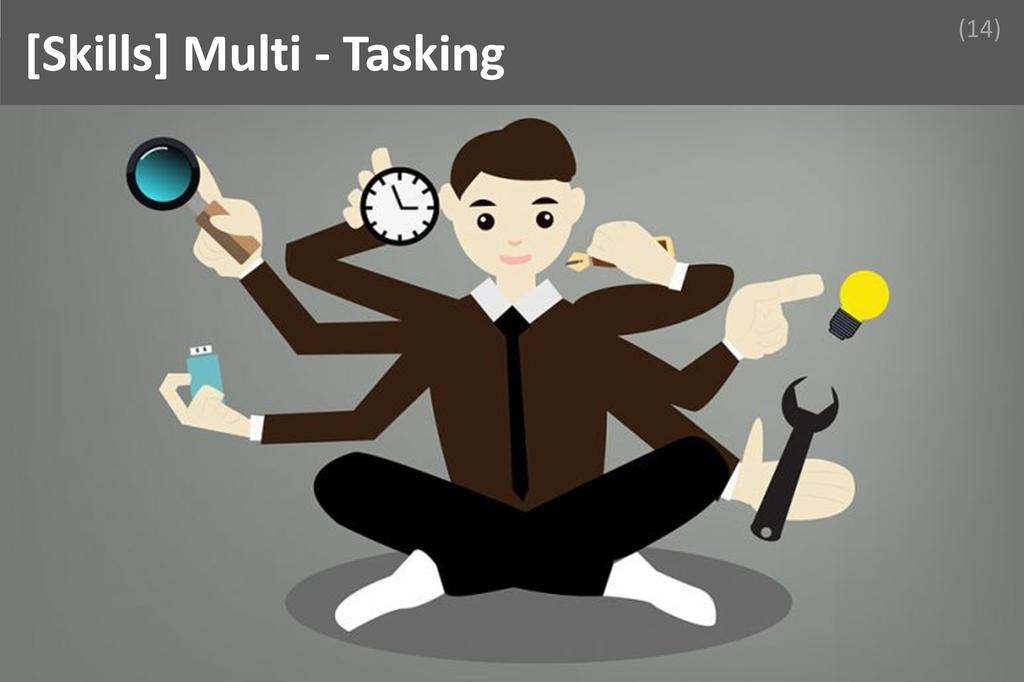
Multi - Tasking

### Multi - Tasking Image
What is
Multi-tasking is the ability to efficiently manage and execute multiple tasks or responsibilities simultaneously, without compromising the quality or accuracy of each. In Railway Checking Management, this skill is crucial because professionals must oversee ticket verification, passenger assistance, safety compliance, and coordination with other staff, often all at once.

Concept
Multi-tasking directly enhances performance in Railway Checking Management by enabling professionals to handle the fast-paced and unpredictable nature of railway operations. Employers and clients value this skill because it ensures smooth passenger flow, minimizes delays, and upholds safety standards even during peak hours or emergencies. To cultivate multi-tasking abilities, individuals should practice prioritizing tasks, improve their organizational skills, and gradually take on more responsibilities in controlled environments. Over time, consistent exposure to complex situations and reflective learning from real-world experiences help professionals become adept at switching between tasks seamlessly, making them indispensable assets to any railway management team.

Real World Example
Imagine a busy morning at a major railway station where a Railway Checking Manager is overseeing ticket inspections during rush hour. Suddenly, a technical glitch disrupts the ticketing system, while a group of passengers requires urgent assistance due to a missed connection. At the same time, a safety alarm is triggered on a nearby platform. The manager must quickly delegate ticket checking to junior staff, communicate with technical support to resolve the system issue, personally assist the stranded passengers, and coordinate with security to address the safety alarm. By effectively multi-tasking, the manager ensures that all critical issues are addressed promptly, passenger satisfaction is maintained, and the station continues to operate smoothly despite the challenges.

Time Management

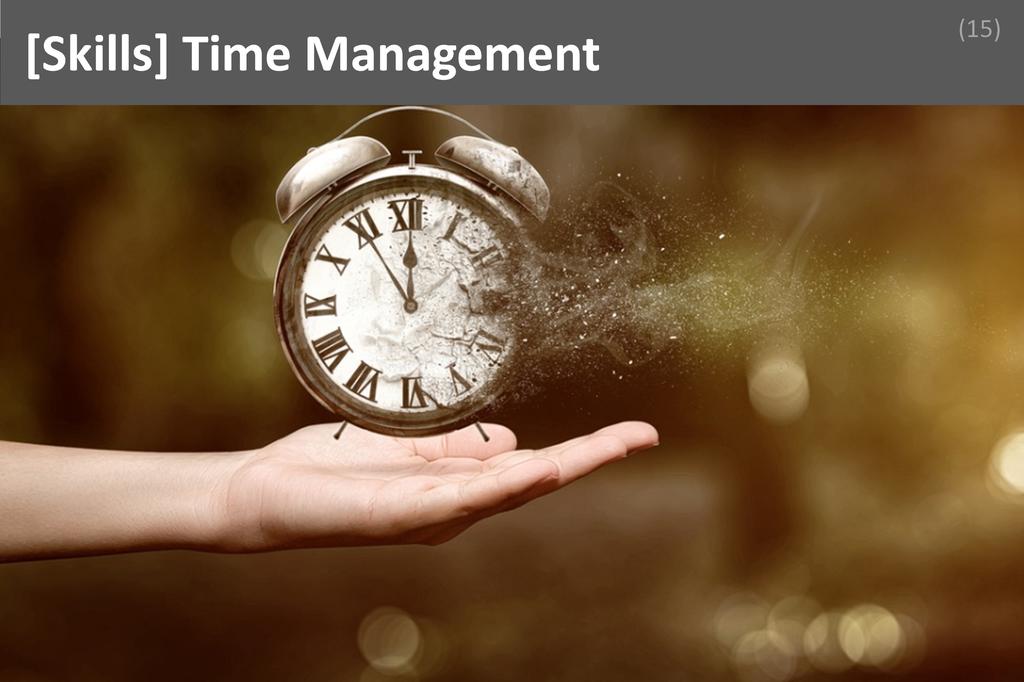
### Time Management Image
What is
Time management is the process of planning, organizing, and controlling how much time is spent on specific activities to increase efficiency and productivity. In Railway Checking Management, effective time management ensures that schedules are adhered to, inspections are thorough, and passenger flow is maintained without unnecessary delays, making operations seamless.

Concept
Mastering time management significantly enhances a Railway Checking Management professional’s ability to handle multiple responsibilities, such as ticket verification, crowd control, and compliance checks, all within tight timeframes. Employers and clients value this skill because it leads to punctual train departures, improved passenger satisfaction, and reduced operational bottlenecks. Cultivating time management involves setting clear priorities, using scheduling tools, and regularly reviewing workflows to identify areas for improvement. Over time, professionals who consistently practice these habits become more adept at anticipating challenges, allocating resources efficiently, and maintaining high standards even during peak hours or unexpected disruptions. This reliability not only boosts individual performance but also contributes to the overall reputation and efficiency of the railway system.

Real World Example
Imagine a scenario where a sudden influx of passengers arrives at a major station due to a festival. A Railway Checking Management professional must quickly organize the team, allocate checkpoints, and ensure that ticket inspections are conducted swiftly without compromising accuracy. By effectively managing time, the professional coordinates staggered shifts, monitors progress in real-time, and adjusts strategies as needed to prevent long queues and delays. This proactive approach allows trains to depart on schedule, minimizes passenger frustration, and upholds safety protocols. The ability to remain calm and focused under pressure, while efficiently managing every minute, demonstrates how crucial time management is in overcoming challenges and achieving operational success in railway environments.

Positives


Respect & Recognition

### Respect & Recognition Image
What is
Respect & Recognition refers to the genuine appreciation, esteem, and acknowledgment received from colleagues, passengers, and society for one’s dedication, integrity, and service. In Railway Checking Management, this positive regard not only validates the professional’s efforts but also fosters a sense of belonging and pride in their essential role.

Concept
The presence of respect and recognition in Railway Checking Management significantly enhances job satisfaction and personal fulfillment. When professionals are valued for their vigilance, fairness, and commitment to passenger safety and revenue protection, it motivates them to perform at their best. This acknowledgment from both the public and their peers creates a positive work environment, encouraging continuous improvement and professional growth. Daily, these professionals witness the tangible impact of their work, as their actions directly contribute to the smooth functioning of the railway system. The respect they earn not only elevates their self-esteem but also inspires them to uphold the highest standards, knowing their contributions are seen and appreciated.

Real World Example
Imagine a railway checking manager who, after resolving a complex ticketing dispute with patience and fairness, receives heartfelt thanks from both the passengers involved and the train staff. Later, their supervisor commends their professionalism during a team meeting, highlighting their role in maintaining order and trust on the railway. Such moments of recognition reinforce the manager’s sense of purpose and pride, making the challenges of the job worthwhile. The respect shown by passengers, colleagues, and superiors not only boosts morale but also strengthens their commitment to excellence, demonstrating how respect and recognition are woven into the daily fabric of a rewarding railway checking management career.

Networking

### Networking Image
What is
Networking is the process of building and maintaining professional relationships that foster the exchange of information, support, and opportunities. In Railway Checking Management, networking enables individuals to connect with colleagues, supervisors, and stakeholders, creating a collaborative environment that enhances operational efficiency, problem-solving, and career advancement within the dynamic railway sector.

Concept
The ability to network effectively in Railway Checking Management is a cornerstone of both personal and professional growth. By engaging with a diverse range of colleagues, from ticket inspectors to station managers, professionals gain access to valuable insights, mentorship, and shared experiences. This interconnectedness not only makes daily tasks more manageable but also opens doors to new opportunities and career progression. Networking fosters a sense of belonging and teamwork, which is essential in a field that relies on coordination and trust. As professionals build their reputations and expand their circles, they often find greater job satisfaction, increased confidence, and a deeper understanding of the railway system’s inner workings.

Real World Example
Imagine a railway checking manager who regularly attends regional meetings and training sessions. Through these interactions, she forms strong connections with other managers, security personnel, and customer service teams. One day, she faces an unexpected surge in passenger volume due to a festival. Drawing on her network, she quickly coordinates additional staff support and shares real-time updates with relevant departments. The situation is handled smoothly, passengers are satisfied, and her ability to mobilize resources is recognized by her superiors. This experience not only highlights the practical benefits of networking but also reinforces her sense of accomplishment and belonging within the railway community.

Growth

### Growth Image
What is
Growth is the continuous process of developing new skills, expanding knowledge, and advancing in one’s career through learning and experience. In Railway Checking Management, growth means not only climbing the professional ladder but also adapting to evolving technologies, regulations, and responsibilities, which fosters personal and professional fulfillment.

Concept
The opportunity for growth in Railway Checking Management is a powerful motivator that transforms routine work into a dynamic and engaging career. As professionals encounter new challenges, they acquire valuable skills in problem-solving, communication, and leadership. This ongoing development leads to greater job satisfaction, as individuals see tangible progress in their abilities and career trajectory. The sense of advancement and the recognition that comes with mastering new tasks inspire a deep sense of pride and purpose. Every day, professionals in this field experience growth by learning from real-world situations, collaborating with colleagues, and adapting to the ever-changing landscape of railway operations, making their work both meaningful and rewarding.

Real World Example
Imagine a railway checking manager who started as a ticket inspector and, over the years, took on increasingly complex roles. Through dedication and a willingness to learn, this professional mastered new technologies for ticket verification, developed expertise in passenger safety protocols, and eventually led a team of inspectors. Each step brought fresh challenges and opportunities to grow, from handling difficult situations with passengers to implementing innovative solutions for operational efficiency. The manager’s journey illustrates how growth in Railway Checking Management is not just about promotions, but about becoming a more capable, confident, and respected leader. This ongoing evolution brings a profound sense of accomplishment and demonstrates the transformative power of growth in this vital profession.

Challenges


Client Expectations

### Client Expectations Image
What is
Client Expectations in Railway Checking Management refer to the specific standards, timelines, and service quality that clients anticipate from railway checking professionals. These expectations are demanding because they often involve strict regulatory compliance, punctuality, safety, and seamless communication, all while balancing operational constraints and unpredictable challenges inherent to the railway environment.

Concept
The pressure to meet client expectations significantly shapes the daily responsibilities of railway checking professionals. Each day, they must ensure that inspections, ticketing, and safety protocols align with client requirements, often under tight deadlines and fluctuating passenger volumes. This constant demand for precision and reliability can lead to stress and fatigue, making resilience a crucial trait for success. Professionals who thrive in this environment do so by maintaining clear communication with clients, setting realistic deliverables, and proactively addressing potential issues before they escalate. They also invest in continuous learning and adaptability, which helps them anticipate client needs and adjust their approach as situations evolve, ultimately fostering trust and satisfaction.

Real World Example
Consider a scenario where a railway checking manager is tasked with overseeing a new express service launch, with clients expecting flawless execution and minimal delays. Despite unforeseen technical glitches and higher-than-expected passenger turnout, the manager remains composed, quickly reallocating staff and resources to critical points. By keeping clients informed of real-time developments and transparently explaining the steps being taken to resolve issues, the manager not only mitigates frustration but also demonstrates accountability and commitment. This proactive, communicative approach reassures clients, maintains service quality, and ultimately turns a potentially negative experience into a testament to the manager’s professionalism and reliability.

Uncertainties

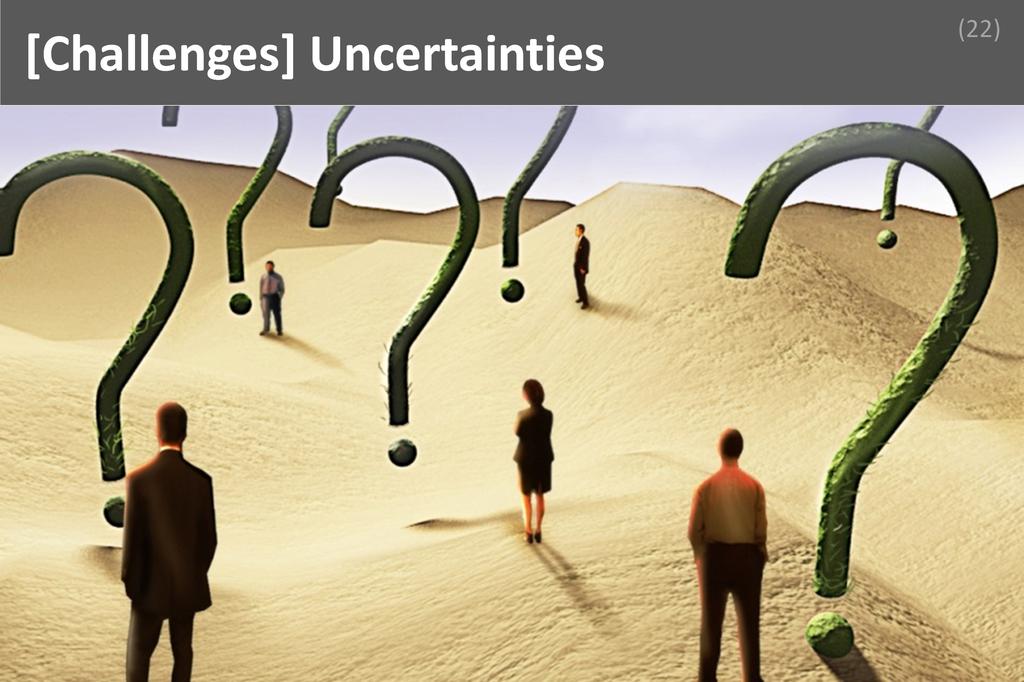
### Uncertainties Image
What is
Uncertainties in Railway Checking Management refer to unpredictable events or conditions that disrupt routine operations, such as sudden schedule changes, unexpected passenger surges, technical failures, or evolving security threats. These uncertainties are demanding because they require immediate adaptation, quick decision-making, and the ability to maintain service quality under pressure.

Concept
Uncertainties can significantly impact the daily responsibilities of railway checking professionals by introducing stress, disrupting planned workflows, and increasing the risk of errors. The unpredictable nature of the job means that professionals must constantly adapt to new situations, often with limited information or time. This environment demands resilience, as well as the ability to remain calm and focused under pressure. Successful professionals manage these constraints by developing strong situational awareness, maintaining open communication with colleagues, and relying on their training and experience to make informed decisions quickly. They also cultivate flexibility and a proactive mindset, allowing them to anticipate potential issues and respond effectively when unexpected challenges arise.

Real World Example
Consider a scenario where a railway checking manager is overseeing operations during a major festival, leading to an unanticipated surge in passenger numbers. Suddenly, a technical glitch disrupts ticket validation systems, causing confusion and delays. The manager quickly assesses the situation, coordinates with technical teams to resolve the issue, and communicates clearly with both staff and passengers to manage expectations and maintain order. By staying composed and leveraging established protocols, the manager ensures that operations continue as smoothly as possible despite the disruption. This example illustrates how adaptability, clear communication, and decisive action enable professionals to overcome uncertainties and uphold service standards in challenging circumstances.

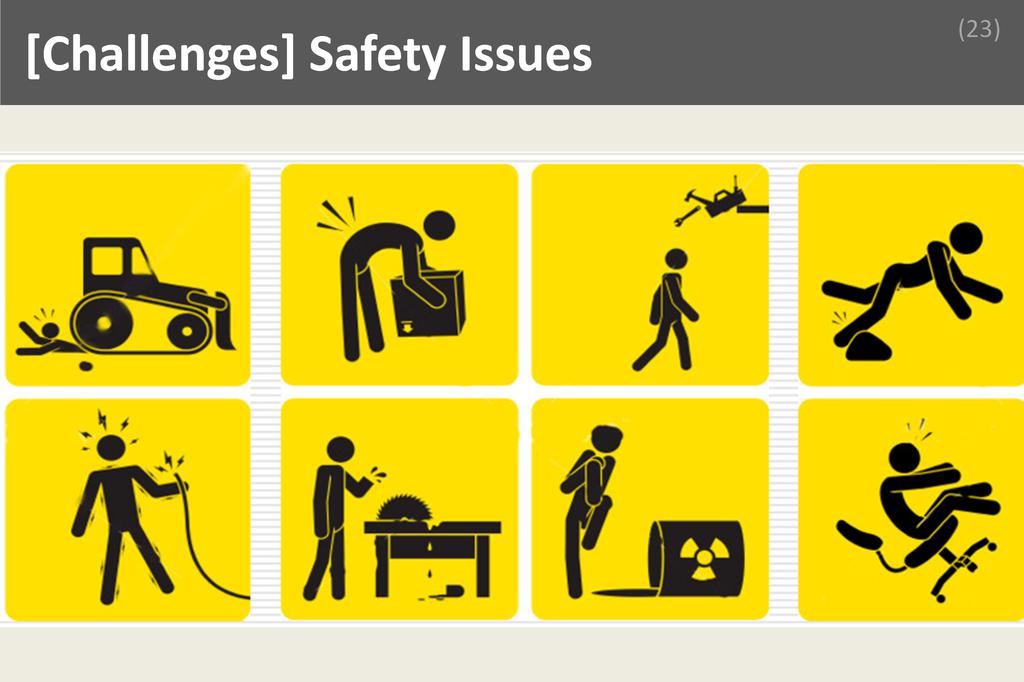
Safety Issues

### Safety Issues Image
What is
Safety issues in Railway Checking Management refer to the risks and hazards faced by professionals while ensuring ticket compliance and passenger regulation on moving trains and crowded platforms. These issues are demanding due to unpredictable passenger behavior, physical dangers in transit environments, and the constant need for vigilance to prevent accidents or confrontations.

Concept
The presence of safety issues significantly shapes the daily routines of railway checking professionals. Each shift brings the possibility of encountering aggressive passengers, navigating slippery or overcrowded platforms, and working in unpredictable weather or low-light conditions. This environment requires a high level of resilience, as professionals must remain alert and composed under stress. Successful individuals in this field develop strong situational awareness, rely on clear communication, and adhere strictly to safety protocols. They often participate in regular safety training and maintain a cooperative relationship with security personnel, enabling them to de-escalate conflicts and respond swiftly to emergencies. By fostering a culture of safety and preparedness, they manage to uphold their responsibilities without compromising their well-being.

Real World Example
Consider a railway checking manager working on a late-night commuter train during a festival season, when crowds are larger and tensions can run high. During one journey, the manager encounters a group of unruly passengers refusing to show tickets and becoming verbally aggressive. Drawing on training, the manager remains calm, uses assertive but respectful communication, and discreetly signals for security assistance. By positioning themselves near an exit and maintaining a safe distance, the manager minimizes personal risk while ensuring the situation does not escalate. The coordinated response with security staff leads to a peaceful resolution, demonstrating how preparedness, composure, and teamwork can effectively address safety issues in challenging real-world conditions.

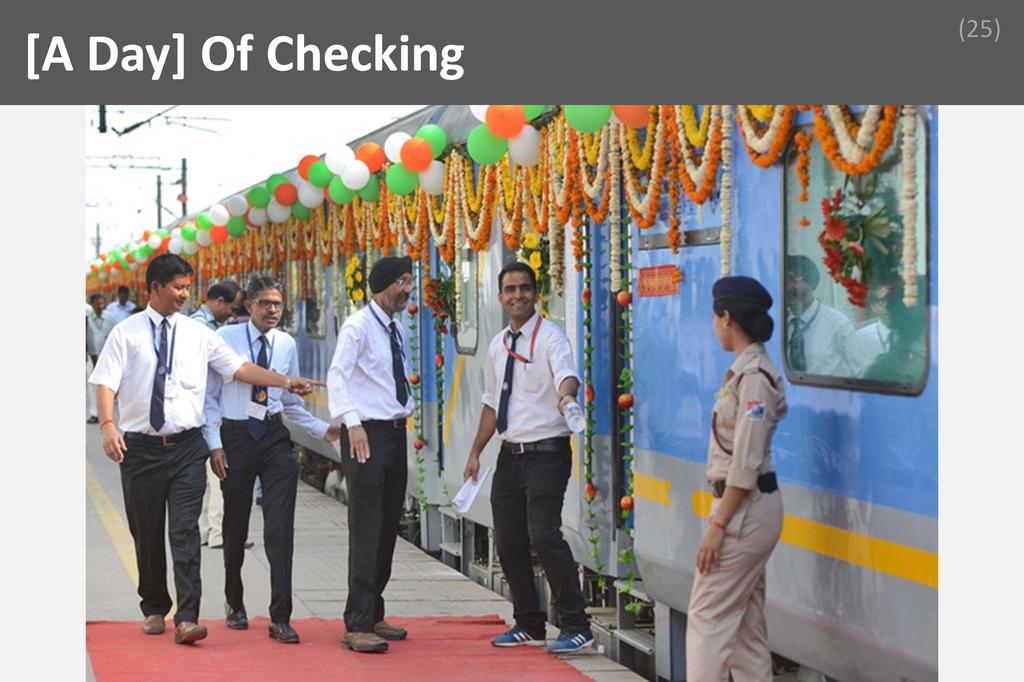
A Day Of


Railway Checking Management

What is
The rhythmic clatter of trains and the constant hum of activity set the backdrop for a day in Railway Checking Management—a role where precision, vigilance, and adaptability are as essential as a well-kept timetable. From the first light of dawn to the final whistle of the evening, professionals in this field navigate a landscape shaped by shifting schedules, operational challenges, and the unyielding demand for safety and efficiency. Each day unfolds as a dynamic blend of on-the-ground coordination, data-driven decision-making, and seamless teamwork, all set against the ever-moving pulse of the railway network.

Concept
As the city stirs awake, the day begins with a focused review of schedules, safety protocols, and overnight reports. Railway Checking Management professionals arrive early to scrutinize the latest updates from control centers, ensuring that all systems are operational and any incidents from the previous night have been resolved. This quiet but crucial window is dedicated to verifying staff rosters, confirming the readiness of checking teams, and aligning with station supervisors to anticipate potential bottlenecks or disruptions before the morning rush gains momentum.

Real World Example
With the morning commute in full swing, the tempo accelerates. The core of the day is spent monitoring train movements, overseeing ticket inspections, and responding to real-time issues as they arise. Whether it’s addressing fare evasion, coordinating with security on suspicious activity, or managing unexpected delays, this period demands quick thinking and clear communication. The professional’s presence is felt both in the control room and on the platforms, ensuring that operations run smoothly and that passengers experience minimal inconvenience during the busiest hours.

As the afternoon settles in, attention shifts to collaborative efforts and hands-on execution. Meetings with checking staff and station managers provide opportunities to review the morning’s outcomes, discuss ongoing challenges, and recalibrate strategies for the remainder of the day. Field audits and spot checks are conducted to assess compliance with operational standards, while feedback from frontline teams is gathered to inform immediate adjustments. This phase is marked by a balance of oversight and support, reinforcing a culture of accountability and continuous improvement across the network.

As the day winds down, the focus turns to consolidating data, compiling incident reports, and analyzing trends observed throughout the shift. Administrative duties take center stage, from updating digital logs to preparing summaries for senior management. Reflection on the day’s successes and setbacks informs the planning of resources and strategies for the next cycle. By the time the evening trains depart, the groundwork has been laid for another day of seamless, safe, and efficient railway operations.


Install the LifePage App to:


  1. (for Free) Watch Chief Ticket Inspector Bimal Kant Datta’s full Railway Checking Management Career Talk

  2. ₹ Do a Self Assessment on Railway Checking Management to calculate your Dream Index, which is defined as:

    According to Bimal Kant Datta your chances of success in Railway Checking Management is __%

  3. Access your personalized Dream Index Report which will have all your Dream Indices sorted in descending order.

Career Counselling 2.0


<?php echo $altimage; ?>


<?php echo $altimage; ?>


How to get into

Railway Checking Management?


If you are want to get into Railway Checking Management, start by investing in a Career Plan.

The 14 hour process, guided by a LifePage Career Advisor, will help you introspect and check whether your interest in Railway Checking Management is merely an infatuation or is it truly something you wish to do for the rest of your life.

Next, your Career Advisor will help you document how you can get into Railway Checking Management, what education and skills you need to succeed in Railway Checking Management, and what positives and challenges you will face in Railway Checking Management.

Finally, you will get a Career Plan stating which Courses, Certifications, Trainings and other Items you need to do in the next 7 years to become world’s best in Railway Checking Management.


LifePage Career Plan

14 hour personalized guidance program


Your LifePage Career Advisor facilitates your guided introspection so that you systematically explore various Career options to arrive at a well thought out Career choice.

Next: your Advisor helps you figure out how you will get into your chosen Career and how will you develop the skills needed for success in your Chosen Career.

LifePage Plan will not stop at saying "to become an Architect study Architecture". It will guide you on which Certifications, Trainings and Other items you need to do along with your Architecture education to become the world's best Architect.


Links for this Talk


Chief Ticket Inspector Bimal Kant Datta's LifePage:


Career Counselling 2.0
[LifePage]
https://www.lifepage.in/page/bimalkantdatta


LifePage Career Talk on Railway Checking Management


Career Counselling 2.0
[Career]
https://www.lifepage.in/careers/railway-checking-management


Career Counselling 2.0
[Full Talk]
https://lifepage.app.link/20171205-0006


Career Counselling 2.0
[Trailer]
https://www.youtube.com/watch?v=jMSd2OU6Hws


(Railway Checking Management, Bimal Kant Datta, Northern Railways, Railways, Ticket Collector, Trains)


Similar Talks


Career in Image Management
Image Management
Megha Aggarwal
Image Consultant | Ebony & Jade
[ 1 year Experience ]

Image Management is the ongoing, pro-active process of evaluating and controlling the impact of your appearance on you, on others, and the achievement of your goals. Image Management is creating an authentic, appropriate, attractive, and affordable personal and/or professional Image which increases your confidence, credibility, capability, and productivity while contributing to continuing success.

"After completing my graduation, I moved to Delhi and worked with various IT companies. After few years I moved back to Dehradun and handled HR for a company which has around 50 outlets in Dehradun. After that, I took a break from my career and did Image Management from Image Consulting Business Institue, Mumbai. Currently, I am running my own luxury salon in Dehradun and practicing Image Management as a consultant."


Career Counselling 2.0 Career Counselling 2.0 Career Counselling 2.0 Career Counselling 2.0 Career Counselling 2.0


Career in Heritage Conservation
Heritage Conservation
Lokesh Ohri
Convenor | INTACH
[ 23 years & 8 months Experience ]

Heritage Conservation has two words in it. Heritage is something of value that we get from our past such as buildings, paintings, statues, fabric and so on. Now heritage needs to be conserved so the second word is conservation which is saving those objects or the art forms and preserving them for the future.

"After working for a few years in Kolkata, I decided to come back to Dehradun because I wanted to teach. I was running a school as well as teaching in it but then over the years I realized that my real passion was in the field of Art and Culture so therefore I took up Heritage Conservation as a profession and started working for INTACH."


Career Counselling 2.0 Career Counselling 2.0 Career Counselling 2.0 Career Counselling 2.0 Career Counselling 2.0


Career in Diplomatic Relations
Diplomatic Relations
Tulika Chawla
Team Leader | Diplomatic Mission
[ 10 years & 6 months Experience ]

Diplomatic relations refers to the customary diplomatic intercourse between nations. It involves permanent contact and communication between sovereign countries. As a part of the diplomatic relations two countries send diplomats to work in each other's country and to deal with each other formally

"I did my schooling from Welham Girls School, Dehradun. I then graduated in History Hons from Delhi University. After that I did a lot of short term courses such as in Monastery, Italian language and Graphic Design. I joined the Embassy in 2008. Today I am working as a Team Leader there."


Career Counselling 2.0 Career Counselling 2.0 Career Counselling 2.0 Career Counselling 2.0 Career Counselling 2.0


Career in CSR Management
CSR Management
Amrit M Burrett
School Social Service Coordinator | The Doon School
[ 11 years Experience ]

Corporate social responsibility, often abbreviated CSR is a corporation's initiatives to assess and take responsibility for the company's effects on environmental and social wellbeing. The term generally applies to efforts that go beyond what may be required by regulators or environmental protection groups.

"After completing my schooling, I did my Graduation and Post Graduation from Delhi University. I was in the Advertising Sector for nearly 20 years. I have been working with The Doon School as a School Social Service Coordinator."


Career Counselling 2.0 Career Counselling 2.0 Career Counselling 2.0 Career Counselling 2.0 Career Counselling 2.0


Career in Heritage Communication
Heritage Communication
Sargam Mehra
Co-founder | Been There Doon That
[ 3 years Experience ]

There is a difference between History and Heritage. It includes built and inbuilt heritage. It also includes the building, architecture, stories, folk rituals and practices of a place. It deals with familiarizing people with their own surroundings and making them aware of their own city.

"Since I was associated with INTACH, it inspired me to Co-found a Heritage walk group called "Been There, Doon That?.""


Career Counselling 2.0 Career Counselling 2.0 Career Counselling 2.0 Career Counselling 2.0 Career Counselling 2.0


Career in Rural Development Consulting
Rural Development Consulting
Siddharth Chaturvedi
Consultant | World Bank
[ 7 years Experience ]

Rural development is the process of improving the quality of life and economic well-being of people living in rural areas, often relatively isolated and sparsely populated areas. A Rural development consultant is a professional who provides expert advice in this area.

"After doing a B Tech in Agricultural Engineering from College of Technology, Pantangar University, I joined Escorts Limited as Assistant Sales Manager. I then moved to Infosys as Software Engineer and worked there for 3 years. I did an MBA from Asian Institute of Management, Philippines and started working at National Rural Livelihood Missions as Senior Mission Executive. I have also worked at Standard Skills Development Pvt Ltd as General Manager and at Tata Cornell Institute as Senior Program Officer. I am now a consultant at The World Bank."


Career Counselling 2.0 Career Counselling 2.0 Career Counselling 2.0 Career Counselling 2.0 Career Counselling 2.0


Career in Business of Arts
Business of Arts
Aarti Uppal
Owner | Easel Ideas
[ 3 years Experience ]

Art management or Business of Art (also referred to as art administration) applies business administration techniques and processes to the art world. Arts Management's purpose is to reconcile both disciplines as they potentially have opposing objectives. Business of art is performed by a mediator who provides a specific platform to artist to sell their best art pieces and also helps clients to find the art work of their choice and need.

"After doing my schooling from Sacred Heart Convent School Ludhiana, I did my BFA from Government College of Arts, Chandigarh and MA from Punjab University. Thereafter, I worked as a Graphic Designer for Cosmopolitan Magazine by India Today Group & The Studio. I was always passionate about Art Work and in 2002 I started my own design studio named Easel Ideas."


Career Counselling 2.0 Career Counselling 2.0 Career Counselling 2.0 Career Counselling 2.0 Career Counselling 2.0


Career in Museum Creation
Museum Creation
Sameer Shukla
Museum Curator | Soham Art Centre, Mussoorie
[ 33 years & 5 months Experience ]

A curator (from Latin: curare, meaning "to take care") is a manager or overseer. Traditionally, a curator or keeper of a cultural heritage institution (e g, gallery, museum, library, or archive) is a content specialist charged with an institution's collections and involved with the interpretation of heritage material.

"After finishing my BSc and LLB from Lucknow University. I started my career in 1985 as a preevntive officer from Barielly (Indo- Nepal Border). I took my premature retirement in 1996 from IGI, Airport. I started with creation of museum in 1997 and founded SOHAM Art Centre in Mussoorie."


Career Counselling 2.0 Career Counselling 2.0 Career Counselling 2.0 Career Counselling 2.0 Career Counselling 2.0


Career in Art Curation
Art Curation
Aarti Uppal
Owner | Easel Ideas
[ 14 years & 7 months Experience ]

A curator is a manager or overseer. Traditionally, a curator or keeper of a cultural heritage institution is a content specialist charged with an institution's collections and involved with the interpretation of heritage material .In other words the title curator is given to a person who selects and often interprets works of art. In addition to selecting works, the curator often is responsible for writing labels, catalog essays, and other content supporting the exhibition.

"After doing my schooling from Sacred Heart Convent School Ludhiana, I did my BFA from Govt College of Arts, Chandigarh and MA from Punjab University. Thereafter, I worked as a Graphic Designer for Cosmopolitan Magazine and The Studio. I was always passionate about art and started my own design studio named Easel Ideas in 2002."


Career Counselling 2.0 Career Counselling 2.0 Career Counselling 2.0 Career Counselling 2.0 Career Counselling 2.0


Career in Parcel Management
Parcel Management
Baankelal Yadav
Chief Luggage Supervisor | Western Railways
[ 28 years & 9 months Experience ]

Parcel Management is the process of managing parcel services which includes checking of irregularities while booking, loading and delivery of goods.

"After completing my B A (Economics), I got job in Textile Industry where I worked for 7 years and along with that I have also completed Diploma in Textile Manufacturing from Veermata Jijabai Technological Institute, Matunga. In 1988, I was selected for Indian Railways as an Assistant Commercial Clerk and got posted in Western Zone of Indian Railways and on 31st March 2017, I retired from western Zone of Indian Railways as a Chief Luggage Supervisor."


Career Counselling 2.0 Career Counselling 2.0 Career Counselling 2.0 Career Counselling 2.0 Career Counselling 2.0


Career in Community Engagement
Community Engagement
Surbhi Vachani
Head Resident Engagement Manager | Antara Senior Living
[ 3 years & 6 months Experience ]

Community Engagement Management entails ensuring that all the promised services are rightly delivered to the residents of a community. Senior living is a concept that is more popular in the west however, the same has recently been tapped by the Max India Group who has started Antara Senior Living in Dehradun, India.

"I did my schooling from Wynberg Allen, Mussourie. I thereafter, attained a Bachelors degree in Journalism & Mass Communication from Amity University, Greater Noida. I then worked for a leading events designing company called Q Events. I am presently the Head Resident Engagement at Antara Senior Living, Dehradun."


Career Counselling 2.0 Career Counselling 2.0 Career Counselling 2.0 Career Counselling 2.0 Career Counselling 2.0


Career in Community Engagement
Community Engagement
Dewansh Poddar
Co-founder | Young Engine
[ 2 years & 2 months Experience ]

Community engagement is a dynamic relational process that facilitates communication, interaction, involvement, and exchange between an organization and a community for a range of social and organizational outcomes.

"I have done B tech in Mechanical Engineering. During college, I was passionate about starting my own business and so I co-founded Hajaam which provides solutions for augmented reality and beauty products. I have also formed a community by the name Young Engine which is a community of youth."


Career Counselling 2.0 Career Counselling 2.0 Career Counselling 2.0 Career Counselling 2.0 Career Counselling 2.0


[Install the LifePage App to access all Talks]


<?php echo $altimage; ?>


<?php echo $altimage; ?>


&mbsp;


Career Counselling 2.0 | Home   Home  
Career Counselling 2.0 | Abroad   Abroad  
Career Counselling 2.0 | Plan   Plan  
Career Counselling 2.0 | Talks   Talks  
Career Counselling 2.0 | Philosophy   Philosophy  
Career Counselling 2.0 | Seminar   Seminar  
Career Counselling 2.0 | Workshop   Workshop  
Career Counselling 2.0 | Pages   Pages  
Career Counselling 2.0 | Advisors   Advisors  
Career Counselling 2.0 | Discuss   Discuss  
Career Counselling 2.0 | Meet   Meet  
Career Counselling 2.0 | Advisor   Advisor  
Career Counselling 2.0 | Story   Story  
Career Counselling 2.0 | Fine Print   Fine Print  
Career Counselling 2.0 | Links   Links  
Career Counselling 2.0 | Blog   Blog  
Career Counselling 2.0 | Testimonials   Testimonials  
Career Counselling 2.0 | Follow   Follow  
 
[ Site Visits ]


Career Counselling 2.0