The Journey of Design Management
What Is Design Management
Design Management

Design Management is the discipline of overseeing design processes, teams, and strategies to align creative work with business objectives. It bridges the gap between design and management, ensuring that design solutions are effective, efficient, and support organizational goals while fostering innovation and maintaining brand consistency.
Design Management plays a crucial role in shaping how organizations leverage design to achieve their objectives. By integrating design thinking into business strategy, professionals in this field help companies stand out in competitive markets, improve customer experiences, and drive innovation. The impact of effective Design Management is seen in increased brand value, streamlined workflows, and enhanced collaboration between creative and business teams. Professionals benefit from the ability to influence decision-making, foster a culture of creativity, and ensure that design investments deliver measurable results. Ultimately, Design Management empowers organizations to respond rapidly to market changes while maintaining a strong, cohesive brand identity.
Consider a global technology company launching a new product line. A Design Manager leads cross-functional teams, coordinating efforts between industrial designers, engineers, marketers, and executives. They ensure that the product’s design not only meets user needs but also aligns with the company’s brand and strategic goals. Throughout the process, the Design Manager facilitates communication, manages timelines, and oversees budgets, ensuring that creative solutions are delivered on time and within scope. By balancing creative vision with practical constraints, the Design Manager helps the company deliver a successful product that resonates with customers and strengthens the brand’s market position. This holistic approach exemplifies how Design Management adds value at every stage of product development.
Education
Interest In Design

Interest In Design refers to the genuine curiosity, passion, and engagement with the principles, processes, and outcomes of design. It encompasses an appreciation for aesthetics, functionality, and innovation. Within Design Management, this interest forms a critical component of both academic study and professional practice, driving informed decision-making and creative leadership.
Understanding Interest In Design is essential for anyone aspiring to excel in Design Management because it underpins the ability to recognize and nurture creative potential within teams and projects. This foundational knowledge enables professionals to bridge the gap between creative vision and business objectives, ensuring that design solutions are both innovative and strategically aligned. By cultivating a deep interest in design, managers can better anticipate trends, inspire their teams, and advocate for the value of design within organizational contexts. Over the long term, this subject fosters adaptability, critical thinking, and a holistic perspective, all of which are crucial for sustained success and leadership in the dynamic field of design.
Imagine a Design Manager leading a multidisciplinary team tasked with developing a new product line. Drawing on their strong interest in design, the manager actively engages with team members during brainstorming sessions, encouraging exploration of unconventional ideas and referencing current design trends. Their theoretical understanding allows them to evaluate concepts not only for visual appeal but also for user experience and market relevance. This approach helps the team balance creativity with practical constraints, resulting in a product that stands out in the marketplace. By demonstrating genuine interest and knowledge, the manager fosters a collaborative environment where innovative solutions are valued and pursued, ultimately driving the project’s success.
Know Yourself

"Know Yourself" refers to the conscious and ongoing process of understanding one’s values, strengths, weaknesses, motivations, and emotional responses. In Design Management, this self-awareness is essential, as it underpins effective leadership, decision-making, and collaboration, forming a critical component of both academic study and professional practice within the field.
Developing a deep understanding of oneself is vital for anyone pursuing a career in Design Management because it directly influences how individuals lead teams, navigate complex projects, and foster innovation. By recognizing personal biases, communication styles, and emotional triggers, professionals can build stronger relationships with colleagues and clients, resolve conflicts more effectively, and make decisions that align with both organizational goals and ethical standards. Over time, this self-knowledge supports resilience, adaptability, and continuous personal growth, enabling design managers to respond constructively to feedback and change. Ultimately, mastering self-awareness not only enhances individual performance but also contributes to the creation of more empathetic, inclusive, and high-performing design teams.
Imagine a Design Manager leading a multidisciplinary team through a high-stakes product launch. During a tense meeting, differing opinions escalate into conflict. Drawing on their understanding of "Know Yourself," the manager recognizes their own stress response and consciously chooses to pause, reflect, and listen actively rather than react defensively. By acknowledging their own emotional state and remaining open to diverse perspectives, the manager facilitates a more constructive dialogue, helping the team move past personal disagreements and refocus on shared objectives. This self-awareness not only diffuses tension but also models emotional intelligence for the team, fostering a culture of trust and collaboration that is essential for successful design outcomes.
Branding

Branding is the strategic process of creating, defining, and communicating a unique identity for a product, service, or organization. It encompasses visual elements, messaging, values, and experiences that distinguish an entity in the marketplace. In Design Management, branding is a critical academic and professional discipline, shaping perception and guiding creative direction.
Understanding branding is essential for anyone in Design Management because it serves as the foundation upon which all design decisions are made. Mastery of branding principles enables professionals to align creative outputs with organizational goals, ensuring consistency and coherence across all touchpoints. This knowledge empowers design managers to lead multidisciplinary teams, communicate effectively with stakeholders, and advocate for design solutions that reinforce brand identity. Over the course of a career, a deep grasp of branding not only enhances creative leadership but also fosters strategic thinking, adaptability, and the ability to drive business value through design. Ultimately, branding expertise distinguishes successful design managers as visionaries who can translate abstract brand values into tangible, impactful experiences.
Consider a design manager at a technology startup tasked with launching a new mobile application. Drawing on their understanding of branding, the manager collaborates with UX designers, marketers, and developers to ensure that every aspect of the app—from its icon and color palette to its tone of voice and onboarding experience—reflects the company’s core values and market positioning. When a debate arises about introducing a playful animation, the manager references the established brand guidelines to assess whether the animation aligns with the desired brand personality. By grounding daily decisions in branding theory, the manager maintains consistency, builds trust with users, and strengthens the overall brand presence in a competitive market.
Design Strategies

Design Strategies refers to the systematic planning and decision-making processes that guide the creation, development, and implementation of design solutions. It encompasses the methods, frameworks, and principles used to align design objectives with business goals. In Design Management, understanding these strategies is essential for bridging creative vision with organizational success.
A deep understanding of Design Strategies is crucial for anyone pursuing a career in Design Management because it equips professionals with the tools to make informed decisions that balance creativity, functionality, and business objectives. Mastery of this subject enables design managers to articulate the value of design within an organization, foster collaboration among multidisciplinary teams, and ensure that design initiatives support broader strategic goals. Over time, this foundational knowledge enhances a professional’s ability to lead complex projects, adapt to evolving market demands, and drive innovation. By integrating strategic thinking into their daily practice, design managers become indispensable contributors to their organizations, capable of influencing both the creative process and overall business performance.
Consider a design manager at a technology company tasked with launching a new digital product. Drawing on their understanding of Design Strategies, the manager begins by analyzing user needs, market trends, and the company’s long-term objectives. They facilitate workshops to align stakeholders, ensuring that the design team’s creative concepts are grounded in strategic priorities. Throughout the project, the manager continuously evaluates design decisions against the established strategy, making adjustments as necessary to maintain alignment with business goals. This approach not only streamlines the development process but also increases the likelihood of delivering a product that resonates with users and achieves commercial success. By applying theoretical knowledge in this way, the design manager demonstrates the tangible value of strategic thinking in everyday operations.
Skills
Organization Skills

Organization skills refer to the ability to systematically arrange tasks, resources, and information to achieve objectives efficiently and effectively. In Design Management, these skills enable professionals to coordinate complex projects, manage multidisciplinary teams, and ensure that creative processes align with business goals, timelines, and budgets. Organization skills are foundational for maintaining clarity and direction throughout the design process.
Strong organization skills directly enhance a Design Manager’s performance by streamlining workflows, reducing errors, and ensuring that all project components are delivered on time and within scope. Clients and employers highly value this skill because it leads to predictable outcomes, fosters trust, and maximizes the return on investment in design initiatives. To cultivate organization skills, professionals should practice prioritizing tasks, utilize project management tools, and regularly review their processes for efficiency. Over time, consistent application and reflection help refine these skills, making it easier to handle larger and more complex projects with confidence and precision.
Imagine a Design Manager overseeing the launch of a new product line involving multiple teams, tight deadlines, and shifting client requirements. When a critical supplier unexpectedly delays a key material, the manager’s organization skills become vital. By quickly referencing detailed project timelines and resource allocations, the manager identifies alternative suppliers, reallocates team tasks, and communicates revised schedules to stakeholders. This organized approach prevents costly delays, maintains team morale, and reassures the client that the project remains on track. Ultimately, the manager’s ability to stay organized under pressure ensures the successful delivery of the project despite unforeseen challenges.
Leadership

Leadership is the ability to inspire, guide, and influence individuals or teams toward achieving shared goals, while fostering collaboration, trust, and innovation. In Design Management, leadership is crucial because it empowers professionals to align creative vision with business objectives, motivate multidisciplinary teams, and drive projects to successful completion amidst constant change.
Leadership directly enhances performance in Design Management by enabling professionals to navigate complex challenges, unify diverse talents, and maintain momentum throughout the design process. Clients and employers highly value leaders who can articulate a clear vision, make informed decisions, and adapt strategies to evolving needs. Effective leadership ensures that projects not only meet aesthetic and functional requirements but also deliver measurable business value. Cultivating leadership involves continuous self-reflection, seeking feedback, and embracing opportunities to mentor others. Over time, design managers can strengthen their leadership by participating in cross-functional projects, learning from experienced mentors, and staying informed about industry trends, all of which contribute to greater confidence and influence within their organizations.
Imagine a design manager overseeing the launch of a new digital product. Midway through the project, the team faces a major setback when user testing reveals significant usability issues. Instead of assigning blame or panicking, the design manager demonstrates leadership by calmly rallying the team, facilitating open discussions to identify root causes, and encouraging creative problem-solving. By fostering a supportive environment and clearly communicating the revised vision, the manager motivates the team to iterate quickly and implement effective solutions. This leadership not only salvages the project but also strengthens team cohesion and trust, ultimately leading to a successful product launch that meets both user needs and business objectives.
Innovation

Innovation is the process of generating and implementing new ideas, methods, or solutions that add value and drive progress. In Design Management, innovation enables professionals to challenge conventions, anticipate trends, and create unique solutions that differentiate brands and products. It is a vital skill for fostering growth and maintaining relevance.
Innovation directly enhances performance in Design Management by enabling professionals to approach challenges with fresh perspectives and devise solutions that stand out in competitive markets. Clients and employers highly value this skill because it leads to distinctive, effective outcomes that can transform user experiences and business results. Cultivating innovation involves staying curious, embracing diverse viewpoints, and continuously learning from both successes and failures. Over time, regularly engaging in creative problem-solving, seeking inspiration from various disciplines, and fostering a culture of experimentation can help design managers strengthen their innovative abilities. This ongoing development ensures they remain agile and responsive to evolving industry demands.
Imagine a design manager leading a team tasked with revitalizing a declining product line. Traditional approaches have failed to capture consumer interest, and sales continue to drop. By leveraging innovation, the manager encourages the team to rethink the product’s purpose and user experience, drawing inspiration from emerging technologies and shifting consumer behaviors. Through collaborative brainstorming and rapid prototyping, they develop a new feature that not only addresses customer pain points but also introduces a unique interaction model. This breakthrough solution reinvigorates the product, attracts new users, and repositions the brand as a market leader. In this scenario, innovation is the driving force behind overcoming stagnation and achieving measurable success.
Strategy Making

Strategy Making is the process of analyzing complex situations, setting clear objectives, and formulating actionable plans to achieve desired outcomes. In Design Management, it enables professionals to align creative vision with business goals, ensuring that design initiatives are purposeful, efficient, and capable of delivering measurable value within organizational constraints.
Mastering Strategy Making elevates a Design Management professional’s ability to navigate ambiguity, prioritize resources, and anticipate challenges before they arise. This skill is highly valued by clients and employers because it transforms creative ideas into structured, goal-oriented projects that drive business growth and innovation. By consistently practicing critical thinking, staying informed about industry trends, and seeking feedback from cross-functional teams, individuals can refine their strategic abilities over time. Engaging in reflective practice and learning from both successful and unsuccessful projects further strengthens one’s capacity to develop effective strategies, making them indispensable contributors to any organization’s long-term success.
Imagine a Design Manager tasked with revitalizing a declining product line. Rather than jumping straight into redesigning visuals, the manager employs Strategy Making by first conducting market research, analyzing user feedback, and assessing competitive offerings. Through this strategic approach, the manager identifies a gap in user experience that competitors have overlooked. By aligning the design team’s efforts with this insight, the manager crafts a targeted redesign plan that not only refreshes the product’s appearance but also enhances its usability. The result is a revitalized product that resonates with customers, boosts sales, and strengthens the brand’s market position—all achieved through the deliberate application of strategic thinking in the design process.
People Skill

People Skill refers to the ability to communicate effectively, empathize with others, resolve conflicts, and build positive relationships in a professional environment. In Design Management, this skill is crucial for fostering collaboration among diverse teams, understanding client needs, and ensuring that creative visions are translated into successful, user-centered outcomes.
People Skill directly enhances a Design Manager’s performance by enabling smoother collaboration between creative, technical, and business teams. Clients and employers highly value this skill because it leads to more cohesive project execution, fewer misunderstandings, and stronger client relationships. A Design Manager with strong People Skill can mediate disputes, motivate team members, and inspire trust, all of which are essential for delivering high-quality results on time. Cultivating this skill involves active listening, seeking feedback, practicing empathy, and engaging in regular self-reflection. Over time, consistent effort in these areas helps professionals become more attuned to the needs and motivations of others, making them indispensable assets to any organization.
Imagine a scenario where a Design Manager is overseeing a project that has stalled due to disagreements between the creative team and the client about the project’s direction. By leveraging People Skill, the manager arranges a meeting where each party feels heard and respected. Through empathetic listening and clear communication, the manager identifies the underlying concerns of both sides and facilitates a constructive dialogue. This approach not only resolves the conflict but also strengthens trust and collaboration among all stakeholders. As a result, the project regains momentum, and the final outcome aligns with both the client’s vision and the creative team’s expertise, demonstrating the pivotal role of People Skill in achieving project success.
Positives
Leadership Position

A leadership position in design management is the role of guiding, inspiring, and directing creative teams to achieve strategic objectives while fostering innovation and collaboration. This responsibility involves making key decisions, setting a vision, and empowering others, which elevates both the quality of design outcomes and the professional growth of the team.
Holding a leadership position in design management is a transformative experience that brings immense satisfaction and growth. It allows professionals to shape the creative direction of projects, influence organizational culture, and mentor emerging talent. This sense of ownership and authority not only boosts confidence but also encourages continuous learning and adaptation. Every day, design managers witness the tangible results of their guidance as teams overcome challenges, deliver innovative solutions, and exceed client expectations. The ability to make impactful decisions and see them come to life fosters a deep sense of accomplishment and pride, making the journey in design management both meaningful and rewarding.
Imagine a design manager leading a multidisciplinary team through the launch of a new product. By setting a clear vision and encouraging open communication, the manager helps the team navigate creative differences and technical hurdles. Throughout the process, the manager provides mentorship, recognizes individual contributions, and ensures alignment with the company’s goals. When the product successfully launches and receives positive feedback, the manager experiences firsthand the fulfillment that comes from guiding a team to success. This moment not only validates their leadership but also strengthens their commitment to nurturing talent and driving innovation, illustrating the profound impact of holding a leadership position in design management.
Vast Career Opportunities

Vast Career Opportunities refers to the wide range of roles, industries, and pathways available to professionals within a field, allowing for flexibility, growth, and exploration. In Design Management, this abundance of options empowers individuals to shape their careers according to their interests, strengths, and evolving aspirations, fostering continuous professional development.
The presence of vast career opportunities in Design Management is a powerful motivator for both newcomers and seasoned professionals. It means that individuals are not confined to a single trajectory but can explore diverse sectors such as technology, fashion, architecture, or branding. This breadth allows for personal and professional growth, as each new role or industry brings fresh challenges and learning experiences. The ability to pivot or specialize keeps work engaging and prevents stagnation, which in turn boosts job satisfaction. Professionals feel valued and motivated, knowing their skills are in demand across multiple contexts. Every day, they encounter new projects and collaborations, reinforcing a sense of purpose and excitement about their career journey.
Consider a design manager who begins their career in a creative agency, honing their skills in project coordination and client communication. Over time, they discover a passion for sustainability and transition into the design department of an eco-friendly product company. Later, they leverage their expertise to lead innovation teams in the tech industry, developing user-centric digital experiences. Each move is fueled by the vast career opportunities inherent in Design Management, allowing them to continuously grow, adapt, and find fulfillment in new challenges. This dynamic career path not only enriches their professional life but also keeps their work meaningful and aligned with their evolving interests.
Prestigious Field

A "Prestigious Field" refers to a professional domain that is widely respected, admired, and recognized for its influence, innovation, and contribution to society. In design management, this prestige stems from the field’s pivotal role in shaping visual culture, driving business success, and fostering creative solutions that impact everyday life. This reputation elevates the profession, attracting talented individuals and opening doors to influential networks. The recognition associated with design management not only enhances personal credibility but also instills a sense of pride and accomplishment in practitioners. As a result, being part of such a prestigious field contributes significantly to the overall appeal and satisfaction of a career in design management.
The prestige associated with design management brings a profound sense of purpose and motivation to professionals in the field. Knowing that their work is valued by both industry leaders and the broader public, design managers often experience heightened job satisfaction and confidence. This recognition can lead to greater opportunities for career advancement, as employers and clients are drawn to individuals who operate within such a respected domain. The daily experience of working in a prestigious field means that design managers are frequently invited to collaborate on high-profile projects, participate in influential conversations, and contribute to shaping the future of design. This environment fosters continuous learning, personal growth, and a strong professional identity, making every achievement more meaningful.
Imagine a design manager leading a team at a renowned global agency, tasked with rebranding a major international company. The project garners attention from industry publications and is discussed at leading design conferences. The manager’s expertise and leadership are recognized not only within their organization but also across the wider design community. This visibility leads to invitations to speak at events, collaborate with other top professionals, and mentor emerging talent. The sense of accomplishment from being part of such a prestigious field is tangible, as the manager sees their work influencing trends and setting new standards. Each day, the respect and admiration from peers and clients reinforce the rewarding nature of their career in design management.
Challenges
Competition

Competition in Design Management refers to the ongoing struggle to secure projects, clients, and recognition in a crowded marketplace where multiple teams or firms vie for the same opportunities. This challenge is demanding because it requires constant innovation, differentiation, and the ability to demonstrate unique value under pressure.
The pressure of competition in Design Management permeates daily work, influencing decisions from project pitches to creative direction. Professionals must consistently deliver high-quality results while staying ahead of trends and responding to client needs faster than rivals. This environment demands resilience, as setbacks and rejections are common. Successful design managers navigate this constraint by fostering a culture of collaboration and continuous learning within their teams. They invest in professional development, encourage open communication, and leverage feedback to refine their processes. By building strong client relationships and emphasizing their team’s unique strengths, they position themselves as indispensable partners rather than interchangeable service providers, thus mitigating the impact of competition.
Consider a design manager at a mid-sized agency competing for a major rebranding project against several larger firms. Instead of focusing solely on flashy presentations, the manager invests time in understanding the client’s business challenges and tailors the proposal to address specific pain points. She encourages her team to brainstorm innovative solutions that align with the client’s values, demonstrating both creativity and strategic thinking. By maintaining transparent communication and showcasing a collaborative approach, the manager builds trust with the client. Ultimately, the agency wins the project not by outspending competitors, but by outsmarting them—proving that a deep understanding of client needs and a strong team dynamic can overcome the pressures of competition in design management.
Re-Invention
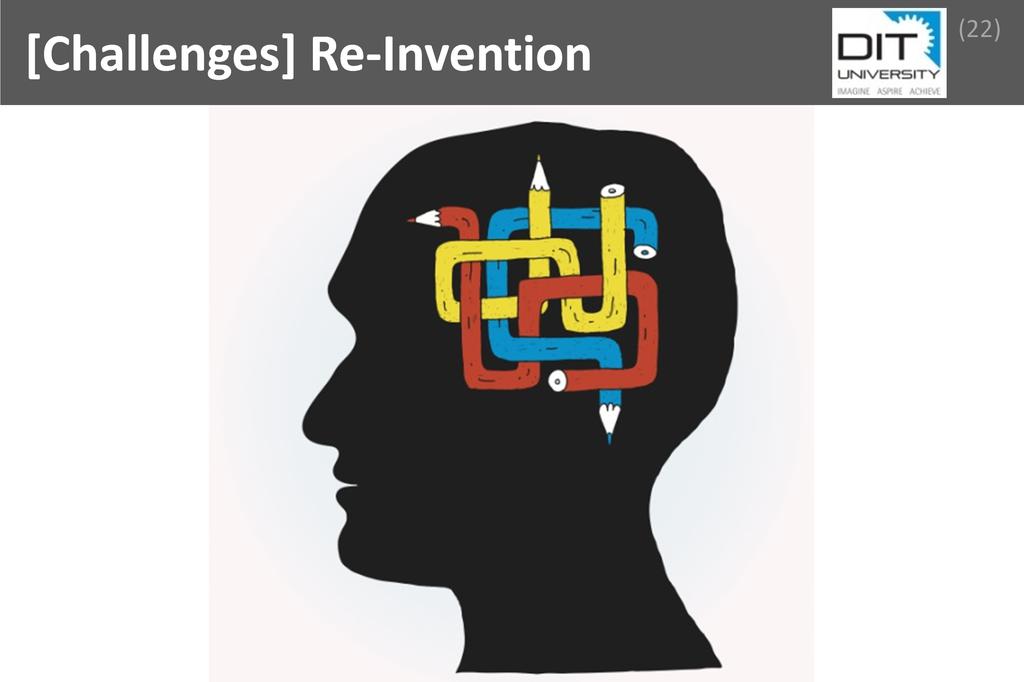
Re-Invention in Design Management refers to the ongoing necessity for professionals to adapt their skills, processes, and mindsets in response to rapidly evolving technologies, market expectations, and organizational goals. This challenge is demanding because it requires continual learning, unlearning, and the courage to embrace uncertainty while maintaining creative and strategic leadership.
The challenge of re-invention permeates daily work in Design Management by introducing constant change and ambiguity into projects, team dynamics, and client relationships. Professionals must frequently reassess their approaches, integrate new tools, and align with shifting business objectives, which can be both mentally taxing and creatively invigorating. This environment demands resilience, as setbacks and failures are inevitable when experimenting with new methods or ideas. Successful professionals manage this constraint by fostering a growth mindset, seeking feedback, and cultivating adaptability within themselves and their teams. They view re-invention not as a threat but as an opportunity to drive innovation, ensuring their relevance and effectiveness in a competitive landscape.
Consider a Design Manager at a global tech company who faces the sudden integration of artificial intelligence into the product design process. Initially, the team feels overwhelmed by the need to learn new software and rethink established workflows. The manager addresses this by organizing collaborative learning sessions, encouraging open dialogue about challenges, and celebrating small wins as the team adapts. Over several months, the team not only masters the new tools but also discovers innovative ways to leverage AI for more user-centric designs. By embracing re-invention as a shared journey rather than an individual burden, the manager transforms a daunting obstacle into a catalyst for professional growth and team cohesion.
Work Stress

Work stress in Design Management refers to the psychological and emotional strain experienced when balancing creative expectations, tight deadlines, stakeholder demands, and resource limitations. This pressure is intensified by the need to deliver innovative solutions while coordinating multidisciplinary teams, making the role both intellectually stimulating and consistently demanding for professionals.
Work stress in Design Management can manifest as decreased creativity, impaired decision-making, and strained team dynamics, all of which hinder project outcomes. The constant juggling of client expectations, evolving project scopes, and time constraints requires significant resilience. Successful professionals manage this stress by prioritizing clear communication, setting realistic goals, and fostering a supportive team environment. They also recognize the importance of self-care and time management, ensuring that workloads remain sustainable. By proactively addressing potential stressors and encouraging open dialogue, design managers can maintain both their own well-being and that of their teams, ultimately leading to more effective collaboration and higher-quality results.
Consider a design manager overseeing a major product launch with a rapidly approaching deadline and shifting client requirements. Recognizing the mounting stress within the team, the manager initiates daily check-ins to address concerns and redistribute tasks based on individual strengths and current workloads. By openly discussing challenges and celebrating small wins, the manager cultivates a sense of shared purpose and reduces anxiety. Additionally, the manager advocates for realistic timelines with stakeholders, ensuring the team is not overwhelmed by unrealistic expectations. Through these actions, the manager not only alleviates work stress but also fosters a resilient, motivated team that delivers a successful project on schedule.
Handling Complexities

Handling complexities in Design Management refers to the ongoing process of navigating multifaceted projects that involve diverse stakeholders, evolving requirements, and overlapping constraints. This challenge is demanding because it requires balancing creative vision with practical limitations, ensuring alignment across teams, and adapting to constant change while delivering innovative and effective design solutions.
The challenge of handling complexities permeates every aspect of a design manager’s daily work, from coordinating cross-functional teams to reconciling conflicting priorities and managing shifting client expectations. This environment can be stressful and unpredictable, demanding resilience and adaptability. Professionals must remain calm under pressure, quickly assess evolving situations, and make informed decisions despite ambiguity. Successful design managers develop strong communication skills, foster collaborative relationships, and implement flexible processes that accommodate change. They also cultivate a mindset that embraces uncertainty as an opportunity for creative problem-solving, rather than a barrier. By building trust within their teams and maintaining a clear vision, they can guide projects through complexity toward successful outcomes.
Consider a design manager overseeing the development of a new digital product for a global client. The project involves remote teams across multiple time zones, each with unique cultural perspectives and technical expertise. Midway through the project, the client introduces new business requirements, forcing a significant shift in the design direction. The manager responds by organizing virtual workshops to realign the team, encouraging open dialogue to surface concerns and ideas. By transparently communicating the reasons for change and collaboratively redefining goals, the manager maintains team morale and focus. Through adaptive planning and empathetic leadership, the manager successfully navigates the complexities, delivering a solution that meets the client’s evolving needs while preserving the integrity of the design vision.
A Day Of
Design Management
The hum of creativity pulses through the studio long before the first coffee is poured. In the world of Design Management, each day unfolds as a carefully orchestrated dance between vision and reality, where strategy meets artistry and deadlines are as important as inspiration. The pace is brisk, the environment a blend of focused collaboration and spontaneous ideation, and the nature of the work demands both meticulous organization and the flexibility to pivot at a moment’s notice. For a Design Management professional, no two days are ever quite the same, yet each is defined by a relentless drive to transform ideas into impactful, tangible results.
As the day begins, the Design Manager arrives early to review project timelines, client feedback, and the latest updates from creative teams. This quiet window is dedicated to aligning priorities, scanning through emails, and updating project management tools to ensure that everyone is set up for success. With a fresh perspective, the manager assesses any overnight developments, anticipates potential roadblocks, and crafts a clear agenda for the day ahead, setting the tone for focused productivity.
Mid-morning marks the heart of the day, when the studio comes alive with energy and collaboration. The Design Manager leads creative review sessions, offering constructive feedback and ensuring that the team’s output aligns with both the client’s vision and brand standards. This is also the time for stakeholder meetings, where the manager bridges the gap between designers, marketers, and clients, translating creative concepts into actionable plans. The atmosphere is dynamic, with rapid-fire discussions, problem-solving, and decision-making that drive projects forward.
As afternoon settles in, the focus shifts to execution and teamwork. The Design Manager coordinates with cross-functional partners—developers, copywriters, and production teams—to address any technical constraints and keep deliverables on track. This phase often involves hands-on troubleshooting, resource allocation, and ensuring that all moving parts are synchronized. The manager’s role is to remove obstacles, facilitate communication, and maintain momentum, all while keeping a close eye on quality and deadlines.
As the day winds down, the Design Manager turns attention to wrapping up loose ends and preparing for tomorrow’s challenges. This is the time for documenting progress, updating clients or leadership on key milestones, and reflecting on what worked well—or what could be improved. The manager reviews analytics, gathers feedback, and drafts action items for the next day, ensuring that the team remains aligned and motivated. With a final sweep of the inbox and a glance at the project dashboard, the day concludes, leaving the groundwork laid for another round of creative achievement. |


 Home
Home Abroad
 Plan
Plan Philosophy
 Seminar
 Pages
Pages Advisors
 Testimonials

















 Workshop
 Discuss
 Meet
Meet
 Advisor
 Story
Story
 Fine Print
 Links
Links
 Blog
Blog
 Follow
