The Journey of Designing
What Is Designing
Designing
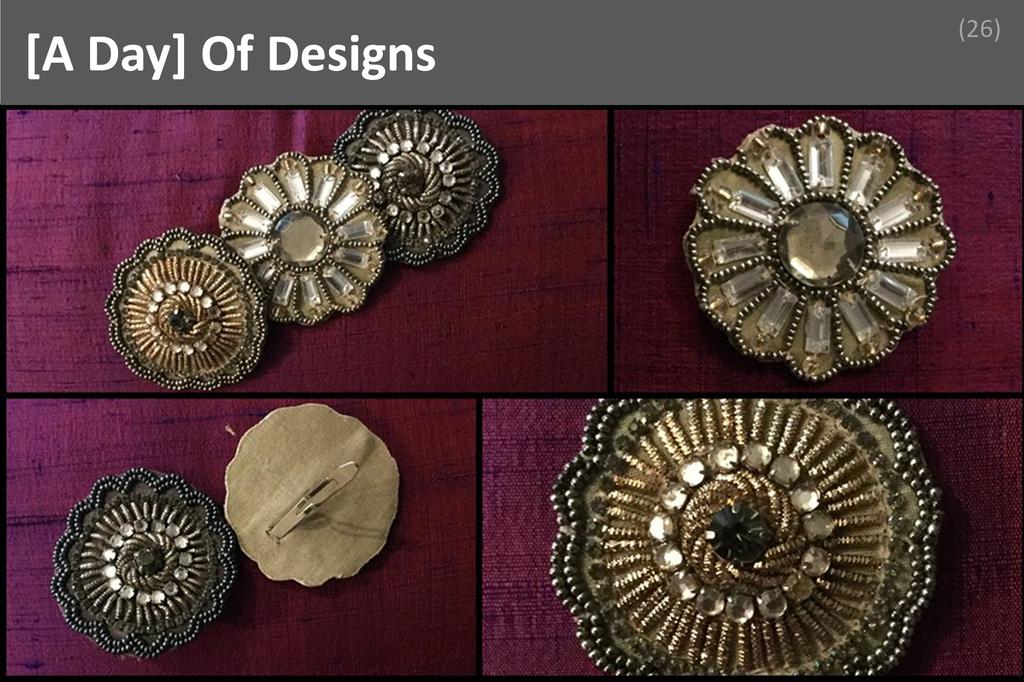
Designing is the creative and strategic process of conceptualizing, planning, and producing visual, physical, or digital solutions to address specific needs or problems. It involves combining aesthetics, functionality, and user experience to create products, graphics, environments, or systems that are both effective and visually appealing.
Designing plays a crucial role in shaping the way people interact with products, services, and environments. For professionals in this field, effective design can set brands apart, solve complex problems, and enhance user satisfaction. The impact of good design is evident in increased usability, improved communication, and stronger emotional connections between users and products. Designers benefit from the opportunity to express creativity, influence trends, and contribute to innovation across industries. Additionally, designing fosters collaboration, as professionals often work closely with clients, engineers, and marketers to bring ideas to life. The ability to blend artistic vision with practical solutions makes designing a highly valued and rewarding career path.
A professional designer working for a technology company might be tasked with creating the user interface for a new mobile application. This process begins with researching user needs and behaviors, followed by sketching initial concepts and developing wireframes. The designer then refines these ideas into visually engaging layouts that prioritize ease of use and accessibility. Throughout the project, the designer collaborates with developers to ensure the final product not only looks appealing but also functions smoothly on various devices. By balancing creativity with technical requirements, the designer helps deliver an app that delights users and meets business goals, demonstrating the real-world impact of thoughtful and effective design.
Education
Art & Design History

Art & Design History is the study of visual culture, movements, styles, and influential figures that have shaped artistic and design practices across time. It explores how social, political, and technological changes influence creative expression, providing essential context and critical frameworks for understanding and producing meaningful design work today.
A deep understanding of Art & Design History is crucial for anyone pursuing a career in designing because it establishes a strong foundation for creative decision-making. By learning about past movements, iconic works, and the evolution of styles, designers gain insight into the origins and purposes behind various visual languages. This knowledge enables professionals to draw inspiration from a rich tapestry of ideas, avoid unintentional imitation, and create work that is both innovative and contextually aware. Furthermore, familiarity with historical trends and cultural shifts helps designers anticipate future directions in design, making them more adaptable and forward-thinking. Over time, this expertise enhances credibility, enriches creative output, and opens doors to leadership roles within the industry.
Imagine a graphic designer tasked with creating a brand identity for a contemporary furniture company. Drawing on their knowledge of Art & Design History, the designer references the clean lines and functional aesthetics of the Bauhaus movement to convey modernity and simplicity. By understanding the historical significance and visual language of Bauhaus, the designer can thoughtfully incorporate geometric forms and a restrained color palette, ensuring the brand feels both timeless and relevant. This theoretical grounding allows the designer to communicate their creative choices to clients with authority, justify design decisions, and produce work that resonates with both the company’s heritage and its target audience, ultimately elevating the quality and impact of the final product.
Fashion Blogs & Magazines
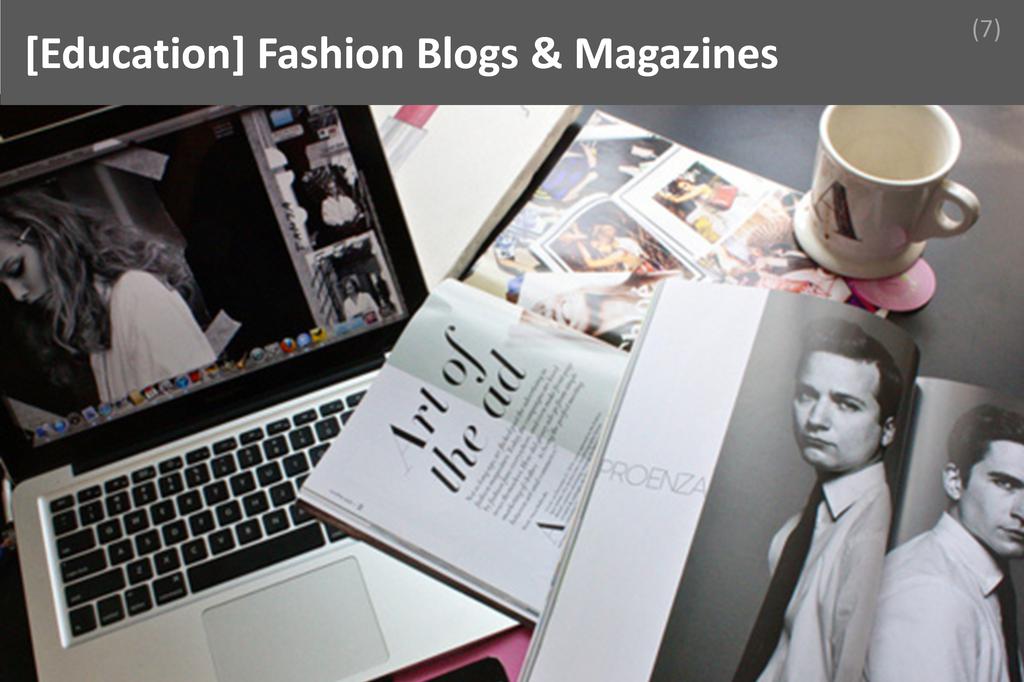
Fashion blogs and magazines are digital and print publications that showcase, critique, and analyze current trends, designers, collections, and industry news. They serve as influential platforms for style inspiration, professional commentary, and cultural discourse. In designing, they are essential resources for staying informed and relevant within a rapidly evolving field.
Understanding fashion blogs and magazines is crucial for anyone preparing for or working in designing because these platforms are the pulse of the industry. They provide immediate access to emerging trends, consumer preferences, and innovative techniques, which are invaluable for creative development. By regularly engaging with these sources, designers can anticipate shifts in style, understand the context behind popular aesthetics, and draw inspiration from a global network of creatives. This knowledge not only sharpens a designer’s ability to forecast trends but also enhances their credibility and adaptability in professional settings. Over time, a strong familiarity with fashion media cultivates a designer’s critical eye, enriches their design vocabulary, and positions them as informed contributors to the broader fashion conversation.
Consider a fashion designer working on a new seasonal collection. Each morning, they review leading fashion blogs and magazines to analyze recent runway shows, street style features, and editorial spreads. This daily practice allows them to identify recurring color palettes, silhouettes, and fabric choices gaining traction. Drawing from this insight, the designer adapts their sketches to reflect both current trends and their unique vision, ensuring their work resonates with contemporary audiences. Additionally, by referencing articles and critiques, they can anticipate how their designs might be received by critics and consumers alike. This integration of theoretical knowledge from fashion media into practical design decisions exemplifies how staying informed directly influences creative direction and professional success.
Trend Forecasting

Trend Forecasting is the systematic process of predicting future movements, styles, and consumer preferences by analyzing current and historical data, cultural shifts, and market signals. In Designing, it is a crucial academic and professional discipline, enabling designers to anticipate and respond to evolving tastes, ensuring their work remains relevant and innovative.
Understanding trend forecasting is essential for anyone preparing for or working in Designing because it equips professionals with the ability to anticipate and interpret shifts in consumer behavior, technology, and aesthetics. This knowledge forms the backbone of strategic decision-making, allowing designers to create products, visuals, or experiences that resonate with audiences and stand out in competitive markets. Mastery of trend forecasting fosters adaptability, ensuring designers remain ahead of the curve and can proactively shape rather than merely react to industry changes. Over the long term, this expertise enhances a designer’s credibility, employability, and leadership potential, as it demonstrates a forward-thinking mindset and the ability to deliver solutions that are both timely and visionary.
Consider a fashion designer working for a global apparel brand. By applying their understanding of trend forecasting, the designer analyzes social media patterns, runway reports, and cultural events to identify emerging color palettes and silhouettes. This insight guides the development of the brand’s upcoming collection, ensuring it aligns with what consumers will desire in the next season. During daily operations, the designer collaborates with marketing and product teams, sharing trend insights to inform everything from fabric selection to advertising campaigns. This proactive approach not only increases the likelihood of commercial success but also positions the brand as an industry leader, demonstrating how theoretical knowledge of trend forecasting translates into impactful, real-world outcomes.
Art Material

Art Material refers to the diverse range of physical substances and tools—such as paints, inks, papers, fabrics, and digital media—used to create visual designs and artworks. In both academic and professional contexts, understanding art materials is essential for designers to effectively translate creative ideas into tangible or digital outcomes.
A thorough knowledge of art material is crucial for anyone pursuing a career in designing because it directly influences the quality, durability, and visual impact of their work. Mastery of different materials enables designers to select the most appropriate medium for each project, ensuring that their creative vision is accurately realized. This foundational knowledge also fosters innovation, as familiarity with a wide array of materials encourages experimentation and the development of unique design solutions. Over time, expertise in art materials enhances a designer’s versatility and adaptability, making them more valuable in a competitive job market and better equipped to meet the evolving demands of clients and industries.
Consider a graphic designer tasked with creating a brand identity for a sustainable fashion label. Their understanding of art material allows them to choose eco-friendly inks and recycled paper for print collateral, ensuring the materials align with the brand’s values. When developing digital assets, their knowledge of digital brushes and textures helps them mimic the tactile qualities of natural fabrics, creating a cohesive visual language across all platforms. By applying their theoretical understanding of art materials, the designer not only meets the client’s aesthetic and ethical requirements but also demonstrates professionalism and resourcefulness in material selection and application during daily operations.
Production Technology

Production Technology refers to the study and application of methods, processes, and equipment used to transform raw materials into finished products efficiently and economically. In the context of Designing, it bridges the gap between creative concepts and practical manufacturing, ensuring that designs are feasible, cost-effective, and suitable for mass production.
Understanding Production Technology is essential for anyone in the field of Designing because it provides the technical foundation necessary to translate creative ideas into tangible products. Mastery of this subject allows designers to make informed decisions about materials, manufacturing processes, and product lifecycle considerations. This knowledge not only enhances the quality and functionality of designs but also ensures that they can be produced within budgetary and technical constraints. Over the course of a career, familiarity with production methods fosters better collaboration with engineers and manufacturers, reduces costly design errors, and increases the likelihood of successful product launches. Ultimately, it empowers designers to innovate responsibly and sustainably, making them valuable assets in any product development team.
Consider a product designer tasked with creating a new ergonomic office chair. Their understanding of Production Technology enables them to select appropriate materials that balance durability, comfort, and cost. When conceptualizing the chair’s structure, they account for manufacturing processes such as injection molding for plastic components and metal fabrication for the frame. This theoretical knowledge helps them design parts that are easy to assemble and compatible with existing production lines, minimizing waste and production time. During collaboration with the manufacturing team, the designer can effectively communicate design intent and adjust specifications to address technical constraints, ensuring the final product meets both aesthetic and functional requirements while remaining economically viable for mass production.
Skills
Drawing
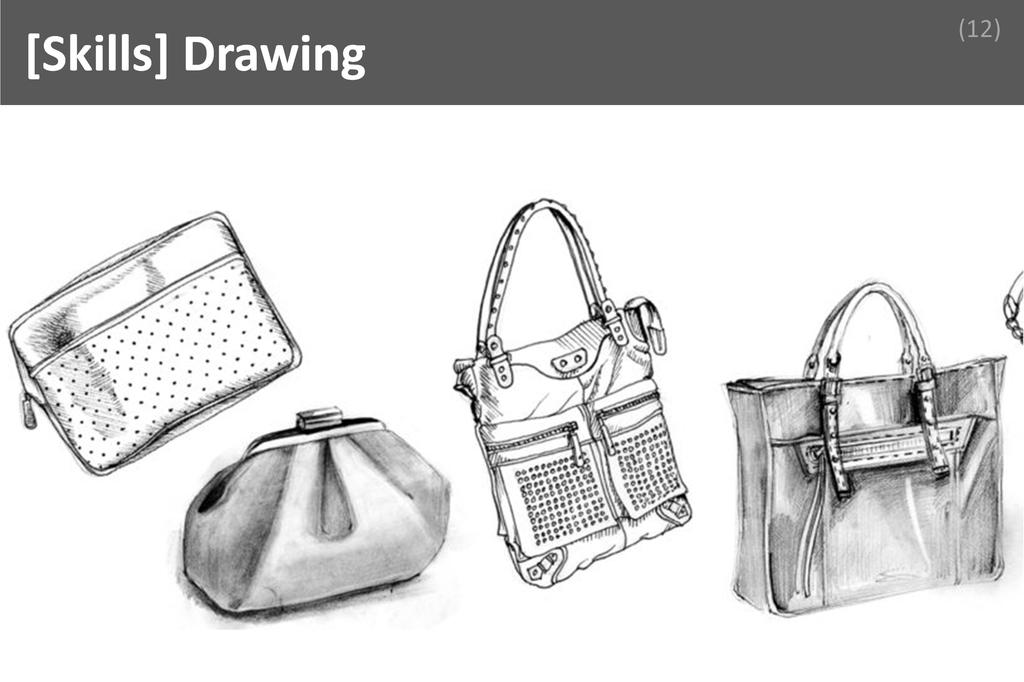
Drawing is the act of visually representing ideas, objects, or concepts using lines, shapes, and shading, typically on paper or digital platforms. In the context of design, drawing serves as a foundational skill that enables professionals to communicate ideas, explore creative solutions, and refine concepts before moving to more advanced stages of development.
Mastering drawing significantly enhances a designer’s ability to translate abstract ideas into tangible visuals, making the design process more efficient and effective. Clients and employers highly value this skill because it allows for rapid prototyping, clear communication of concepts, and the ability to iterate quickly based on feedback. Drawing helps bridge the gap between imagination and reality, ensuring that ideas are accurately conveyed and understood by all stakeholders. Over time, designers can cultivate this skill through consistent practice, studying anatomy and perspective, and experimenting with different mediums and techniques. As proficiency grows, so does the designer’s confidence in expressing complex ideas visually, which ultimately leads to more innovative and successful design outcomes.
Imagine a scenario where a designer is tasked with creating a new logo for a major brand. During a crucial client meeting, the client expresses dissatisfaction with the initial digital mockups, struggling to articulate their vision. The designer quickly sketches several alternative concepts by hand, responding in real-time to the client’s feedback. These spontaneous drawings help clarify the client’s preferences and spark new ideas, leading to a breakthrough in the design direction. By relying on drawing, the designer not only salvages the meeting but also demonstrates adaptability and creative problem-solving, ultimately delivering a solution that exceeds the client’s expectations and secures the project’s success.
Computer Software Skills
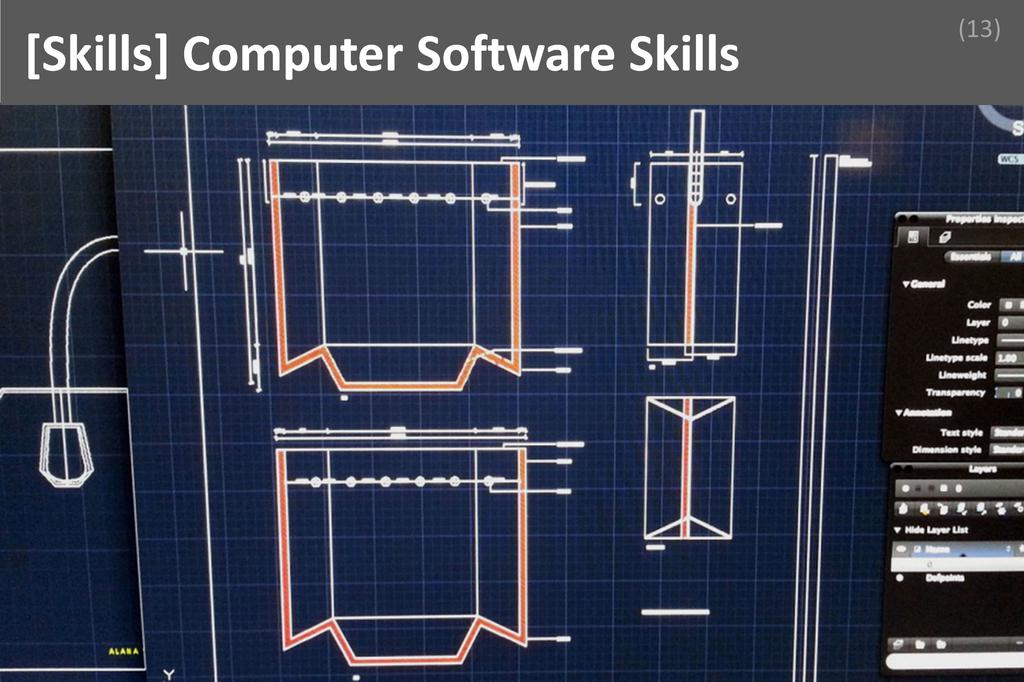
Computer Software Skills refer to the ability to efficiently use digital tools, applications, and platforms to create, modify, and manage design projects. This includes proficiency in industry-standard software for graphic design, illustration, 3D modeling, and layout. These skills enable designers to translate creative ideas into professional, tangible outcomes.
Mastering computer software skills significantly enhances a designer’s productivity and creative potential. With advanced proficiency, designers can quickly execute complex concepts, experiment with various styles, and deliver high-quality results that meet client expectations. Employers and clients highly value these skills because they ensure projects are completed efficiently, accurately, and to a professional standard. To cultivate these abilities, aspiring designers should engage in continuous learning through online tutorials, formal courses, and hands-on practice with the latest software updates. Regularly exploring new features and tools within design applications also helps professionals stay competitive and innovative in a rapidly evolving industry.
Imagine a designer tasked with revamping a company’s brand identity on a tight deadline. During the project, the client requests last-minute changes to the logo and marketing materials. The designer’s strong computer software skills allow them to swiftly edit vector files, adjust color schemes, and update layouts without compromising quality. By leveraging advanced features such as layer management, non-destructive editing, and real-time collaboration tools, the designer efficiently implements feedback and delivers polished assets ahead of schedule. This not only impresses the client but also demonstrates the designer’s reliability and technical expertise, ultimately contributing to the project’s success and the client’s satisfaction.
Attention to Detail
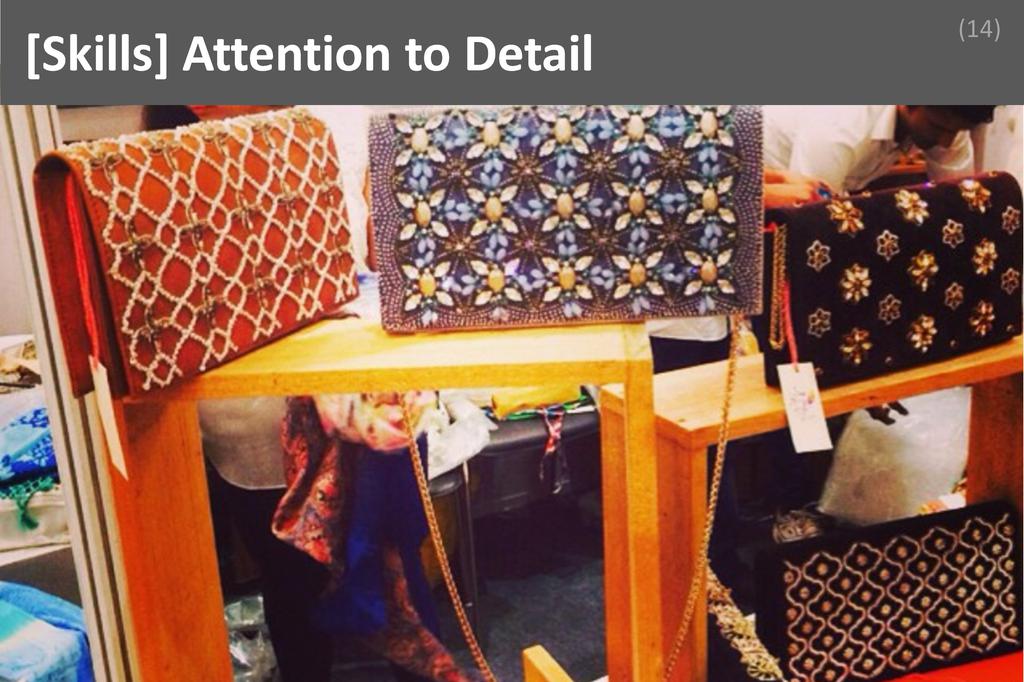
Attention to Detail is the ability to thoroughly and accurately notice, process, and address every small element within a task or project. In designing, this skill ensures that every aspect, from color choices to alignment and typography, is meticulously considered, resulting in polished, functional, and visually appealing outcomes that meet both client and user expectations.
Attention to Detail directly enhances a designer’s performance by reducing errors, ensuring consistency, and elevating the overall quality of work. Clients and employers highly value this skill because it leads to reliable results, fewer revisions, and a stronger brand image. A designer who consistently demonstrates attention to detail builds trust and credibility, which are essential for long-term professional relationships. Cultivating this skill involves practicing mindfulness, regularly reviewing work, seeking constructive feedback, and staying updated with design standards. Over time, these habits help designers develop a keen eye for subtle discrepancies and opportunities for improvement, ultimately making their work stand out in a competitive field.
Imagine a designer working on a website for a major product launch. During the final review, they notice that a call-to-action button is slightly misaligned and the color contrast does not meet accessibility standards. By catching these small but significant issues, the designer ensures the site not only looks professional but is also user-friendly and inclusive. Their attention to detail prevents potential usability problems and reflects positively on the client’s brand. This careful scrutiny, often unnoticed by the untrained eye, can be the difference between a mediocre and an exceptional user experience, demonstrating how vital this skill is in achieving successful project outcomes.
Problem Solving
Problem solving is the ability to identify challenges, analyze their root causes, generate creative solutions, and implement effective actions to overcome obstacles. In the context of designing, this skill enables professionals to address complex requirements, adapt to constraints, and deliver innovative outcomes that meet both user needs and project goals.
Problem solving is a cornerstone of effective design because it empowers professionals to navigate ambiguity, resolve conflicts, and transform abstract ideas into tangible results. Clients and employers highly value designers who can independently tackle unforeseen issues, optimize processes, and deliver solutions that align with business objectives. This skill enhances performance by fostering adaptability, critical thinking, and resilience in fast-paced environments. To cultivate problem solving, designers should actively seek feedback, engage in collaborative brainstorming, and reflect on past projects to identify areas for improvement. Continuous learning, exposure to diverse challenges, and a willingness to experiment with new approaches help designers refine their ability to address problems efficiently and creatively over time.
Imagine a designer working on a mobile app interface who discovers late in the project that the chosen color palette fails accessibility standards for users with visual impairments. Instead of starting over, the designer applies problem solving by researching accessible color schemes, consulting with accessibility experts, and testing alternatives with users. Through iterative adjustments and open communication with the development team, the designer successfully implements a new palette that maintains the brand’s identity while ensuring usability for all. This approach not only resolves the immediate issue but also demonstrates the designer’s ability to adapt, collaborate, and deliver inclusive solutions under pressure, ultimately contributing to the project’s success.
Innovative Thinking
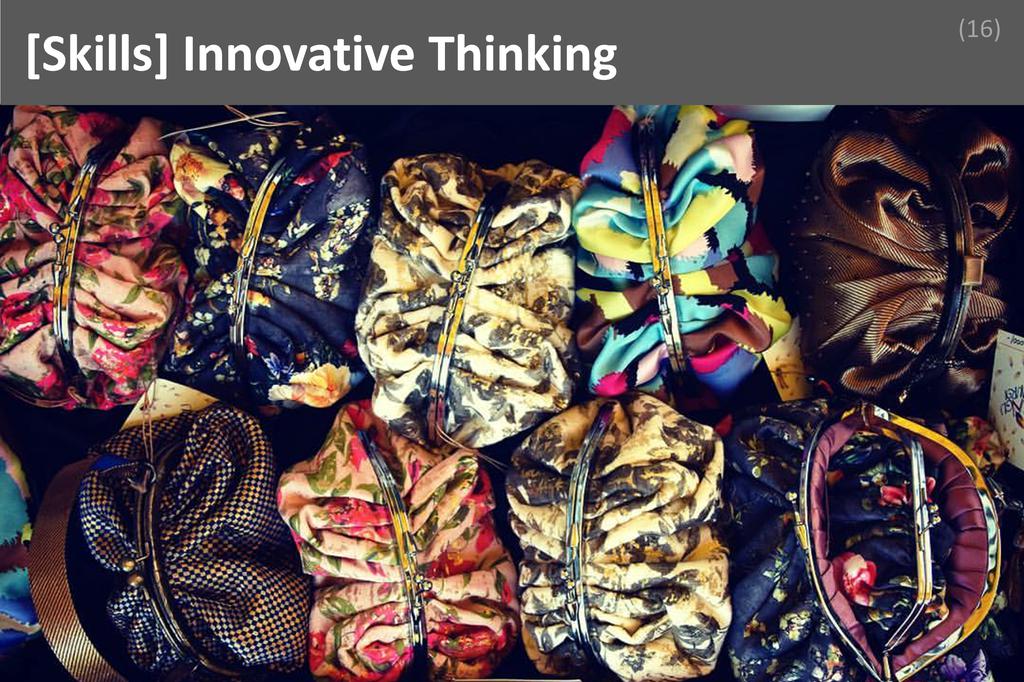
Innovative Thinking is the ability to generate original ideas, challenge conventional approaches, and envision creative solutions to problems. It involves curiosity, adaptability, and a willingness to experiment beyond established boundaries. For a Designing professional, this skill is vital for crafting unique, impactful designs that stand out in a competitive marketplace.
Innovative Thinking directly enhances a designer’s performance by enabling them to approach challenges from fresh perspectives and devise solutions that are both functional and visually compelling. Clients and employers highly value this skill because it leads to distinctive outcomes that can set brands apart and drive business success. Cultivating Innovative Thinking requires continuous learning, exposure to diverse influences, and a habit of questioning assumptions. Designers can nurture this ability by seeking inspiration from various fields, collaborating with others, and embracing feedback as an opportunity for growth. Over time, regularly engaging in creative exercises and staying open to new technologies and trends helps embed Innovative Thinking as a natural part of the design process.
Imagine a designer tasked with rebranding a traditional retail company struggling to attract younger customers. Instead of relying on standard design templates, the designer applies Innovative Thinking by researching emerging cultural trends and integrating interactive digital elements into the brand’s visual identity. They propose a dynamic logo that adapts to different contexts and a social media campaign that encourages user participation. When technical limitations arise, the designer collaborates with developers to find inventive solutions, ensuring the brand’s new image is both modern and feasible. This approach not only revitalizes the company’s public perception but also demonstrates the designer’s ability to solve complex problems creatively, ultimately leading to a successful rebranding and increased customer engagement.
Positives
Dynamic

Dynamic refers to the ever-changing, adaptable, and energetic nature of a field or environment. In designing, being dynamic means constantly evolving with trends, technologies, and user needs, requiring flexibility and creativity. This quality ensures that no two days are the same, fostering continuous learning and innovation within the profession.
The dynamic nature of designing is a powerful motivator for professionals who crave variety and growth. It keeps the work environment fresh and engaging, as designers are regularly challenged to solve new problems and adapt to shifting client demands or technological advancements. This constant evolution prevents monotony, encouraging designers to expand their skills and stay ahead of industry trends. As a result, job satisfaction is heightened, and career growth is accelerated, since designers are continually exposed to new ideas and opportunities. The dynamic aspect of designing also fosters a culture of collaboration and inspiration, as professionals share insights and push creative boundaries together, making each project a unique and rewarding experience.
Imagine a graphic designer working at a creative agency. One week, they might be developing branding for a tech startup, while the next, they are designing packaging for an eco-friendly product line. Each project brings distinct challenges, requiring them to research new industries, experiment with different styles, and collaborate with diverse teams. This dynamic workflow keeps their creativity sharp and their motivation high, as they are constantly learning and adapting. The excitement of tackling fresh projects and witnessing their designs come to life in various contexts provides a deep sense of fulfillment, making the dynamic nature of designing not just a benefit, but a driving force in their professional journey.
Creativity

Creativity is the ability to generate original ideas, envision new possibilities, and transform concepts into tangible solutions. It involves thinking beyond conventional boundaries, combining inspiration with innovation, and expressing individuality through work. In designing, creativity fuels the process of turning abstract thoughts into visually compelling and functional outcomes, making each project unique and meaningful.
Creativity is the heartbeat of a designing career, offering professionals the freedom to express themselves and solve problems in imaginative ways. This positive aspect matters because it transforms routine tasks into opportunities for innovation, keeping the work dynamic and engaging. Designers who harness their creativity often find greater job satisfaction, as they see their ideas come to life and make a real impact. The constant challenge to think differently encourages personal and professional growth, pushing designers to refine their skills and expand their perspectives. Every day, professionals in this field experience the thrill of experimentation, the satisfaction of overcoming creative blocks, and the pride of delivering unique solutions that resonate with clients and audiences alike.
Imagine a graphic designer tasked with creating a brand identity for a new eco-friendly startup. Instead of relying on generic templates, the designer draws inspiration from nature, experimenting with organic shapes, earthy color palettes, and sustainable materials. Through brainstorming and sketching, the designer develops a logo and visual language that perfectly captures the company’s mission and values. The client is thrilled with the result, and the designer feels a deep sense of accomplishment, knowing their creative vision has helped shape the brand’s public image. This experience highlights how creativity not only solves design challenges but also brings personal fulfillment and professional recognition.
Recognition

Recognition is the acknowledgment and appreciation of an individual’s creative efforts, skills, and achievements by peers, clients, or the broader community. In designing, recognition serves as a powerful motivator, validating the designer’s vision and hard work. It fosters a sense of accomplishment, encourages innovation, and enhances professional reputation and confidence.
The positive impact of recognition in a designing career cannot be overstated. When designers receive acknowledgment for their work, it fuels their passion and commitment to excellence. This appreciation often leads to increased job satisfaction, as designers feel valued and understood. Recognition also opens doors to new opportunities, such as collaborations, promotions, or invitations to showcase work at prestigious events. On a daily basis, designers experience this benefit through client feedback, peer reviews, or public accolades, which reinforce their sense of purpose and drive them to continually improve. The ongoing cycle of recognition and achievement creates a fulfilling professional environment where creativity thrives and personal growth is nurtured.
Imagine a graphic designer who spends weeks crafting a brand identity for a startup. After the launch, the client publicly praises the designer’s work on social media, highlighting how the new visuals have elevated the company’s image. The designer’s peers share the project, and industry blogs feature it as an example of outstanding design. This wave of recognition not only boosts the designer’s confidence but also attracts new clients and exciting projects. The designer feels a deep sense of pride and motivation, knowing their creative vision has made a tangible impact. This experience exemplifies how recognition transforms daily efforts into lasting professional fulfillment and growth.
Challenges
Competition

Competition in Designing refers to the constant presence of skilled peers and agencies vying for the same clients, projects, or recognition. This environment demands innovation, adaptability, and continuous improvement, as designers must consistently prove their value and creativity to stand out in a saturated and rapidly evolving marketplace.
The pressure of competition in designing can lead to stress, creative fatigue, and self-doubt, as professionals strive to keep pace with industry trends and client expectations. This challenge requires resilience because the landscape is always shifting, with new tools, styles, and competitors emerging regularly. Successful designers manage this constraint by focusing on personal growth, building a unique design identity, and nurturing strong client relationships. They invest in learning, seek constructive feedback, and collaborate with others to expand their perspectives. By embracing competition as a motivator rather than a threat, they transform challenges into opportunities for innovation and professional development, ensuring their relevance and success in the field.
Consider a freelance graphic designer who notices a decline in client inquiries due to an influx of new designers offering lower rates. Instead of lowering their prices, the designer chooses to refine their portfolio, highlighting distinctive projects and specialized skills. They actively engage in online design communities, share insights, and participate in collaborative projects to increase visibility. By focusing on delivering exceptional client experiences and maintaining open communication, the designer builds a reputation for reliability and creativity. Over time, this approach attracts clients who value quality and expertise, allowing the designer to thrive despite the competitive environment. This scenario illustrates how embracing competition can lead to growth and sustained success.
Client Expectations
Client Expectations in designing refer to the specific ideas, preferences, and desired outcomes that clients have regarding a project’s visual and functional aspects. This is demanding because clients may lack technical knowledge, have evolving requirements, or hold unrealistic visions, making it challenging for designers to align creative solutions with client satisfaction.
The challenge of managing client expectations permeates every stage of a designer’s daily work, from initial meetings to final delivery. Designers often face shifting feedback, unclear direction, or requests that conflict with best practices. This environment demands resilience, adaptability, and strong communication skills. Successful professionals address these constraints by establishing clear project scopes, maintaining transparent communication, and educating clients about design processes and limitations. They set realistic timelines, provide regular updates, and diplomatically guide clients toward feasible solutions. By fostering trust and understanding, designers can transform potential conflicts into collaborative partnerships, ensuring both creative integrity and client satisfaction.
Consider a scenario where a graphic designer is hired to create a brand identity for a startup. The client envisions a logo that is both minimalistic and highly detailed, which is contradictory. The designer listens carefully, asks clarifying questions, and presents mood boards to illustrate different styles. Through open dialogue, the designer educates the client about the importance of simplicity in logo design for scalability and recognition. By providing visual examples and explaining industry standards, the designer helps the client refine their expectations. Ultimately, the project results in a logo that balances the client’s vision with professional design principles, demonstrating how proactive communication and expertise can successfully manage and exceed client expectations.
Fear of Being Copied
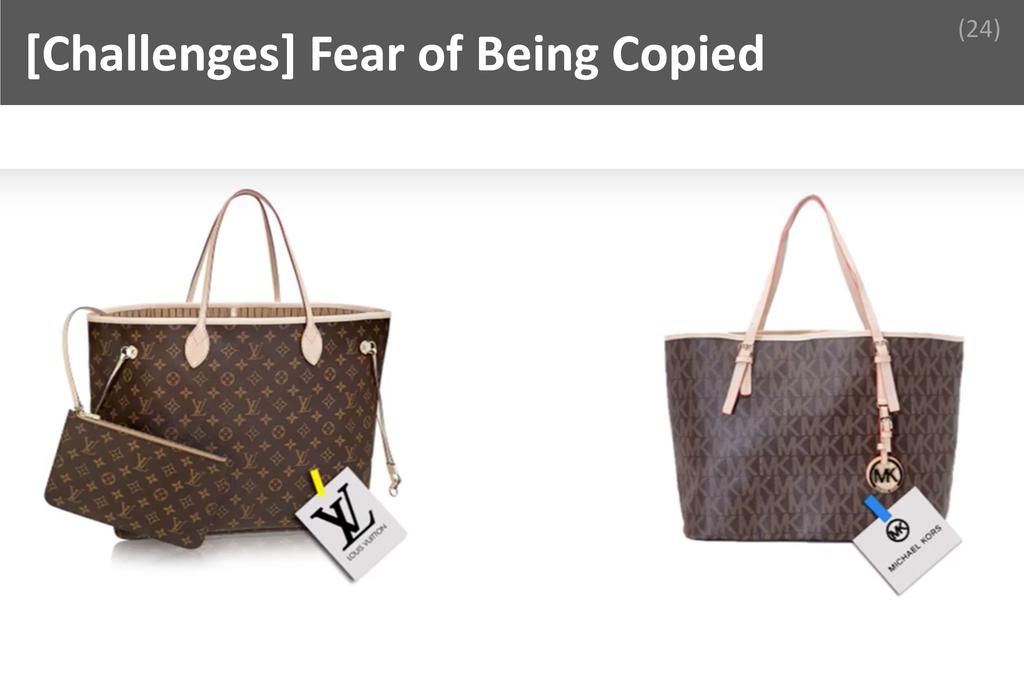
Fear of Being Copied in Designing refers to the anxiety that original ideas, concepts, or creative outputs will be imitated or stolen by others, often without credit or compensation. This fear is demanding because it threatens both professional recognition and the value of one’s intellectual property, impacting creative confidence.
This challenge can cast a shadow over daily work, making designers hesitant to share their creations or collaborate openly. The constant worry about idea theft can stifle innovation, reduce trust, and lead to isolation. Overcoming this fear requires resilience, as professionals must balance protecting their work with the need to showcase their talent and attract opportunities. Successful designers often focus on building a distinctive personal style, maintaining thorough documentation of their creative process, and leveraging legal protections where possible. They also cultivate strong professional networks, which foster mutual respect and recognition, helping to mitigate the risk of being copied while still allowing for creative growth and visibility.
Consider a freelance graphic designer who develops a unique visual identity for a client. Aware of the risk of imitation, the designer documents each stage of the creative process, timestamps drafts, and discusses copyright terms upfront. When a similar design appears elsewhere, the designer confidently addresses the issue by presenting clear evidence of originality and creation dates. Rather than withdrawing from sharing work, the designer continues to showcase projects in curated portfolios and participates in design communities, building a reputation for authenticity. This proactive approach not only deters potential copycats but also strengthens the designer’s professional standing, demonstrating that fear of being copied can be managed without sacrificing visibility or creative expression.
A Day Of
Designing
The hum of creativity pulses through the studio as sunlight spills across scattered sketches and glowing monitors. For a designing professional, no two days are ever quite the same, yet each one is marked by a dynamic blend of inspiration, collaboration, and problem-solving. The pace is brisk but purposeful, driven by deadlines and the ever-present desire to turn abstract ideas into tangible, visually compelling solutions. Whether working in a bustling agency, a sleek corporate office, or a cozy home workspace, the environment is a careful balance of focused solitude and energetic teamwork, where every detail matters and every project is a chance to make an impact.
As the day begins, the designer settles in with a fresh cup of coffee, reviewing emails and project briefs that have landed overnight. This quiet window is dedicated to organizing priorities, scanning through client feedback, and revisiting mood boards or inspiration folders. It’s a time for reflection and strategic planning, ensuring that the day’s creative energy is channeled in the right direction. Sketchbooks are opened, digital canvases are prepared, and the first strokes of new ideas begin to take shape.
Mid-morning marks the transition into the heart of the creative process. The designer immerses themselves in hands-on work, whether that means refining wireframes, experimenting with color palettes, or building out prototypes. This is often the most intense and focused part of the day, where distractions fade and the flow state takes over. Communication with clients or team members may happen in real time, with quick feedback loops and collaborative brainstorming sessions fueling the momentum. Every decision, from typography to layout, is made with intention and care.
After a brief lunch, the afternoon is dedicated to bringing concepts to life and ensuring alignment across the team. Video calls or in-person meetings fill the schedule, as designers present progress, gather input, and troubleshoot challenges with developers, copywriters, or project managers. Files are shared, revisions are discussed, and timelines are adjusted as needed. The energy in the workspace is lively and solution-oriented, with everyone working together to move projects closer to completion.
As the day winds down, the designer shifts gears to wrap up ongoing tasks and prepare for tomorrow’s challenges. Final files are exported, notes are updated, and to-do lists are revised based on the day’s progress. There’s often a moment to research new trends, explore emerging tools, or seek out inspiration for upcoming projects. With a sense of accomplishment and a clear plan for the next day, the designer closes out the workday, ready to recharge and return with fresh ideas. |


 Home
Home Abroad
 Plan
Plan Philosophy
 Seminar
 Pages
Pages Advisors
 Testimonials













 Workshop
 Discuss
 Meet
Meet
 Advisor
 Story
Story
 Fine Print
 Links
Links
 Blog
Blog
 Follow
