The Journey of Jewellery Designing
What Is Jewellery Designing
Jewellery Designing

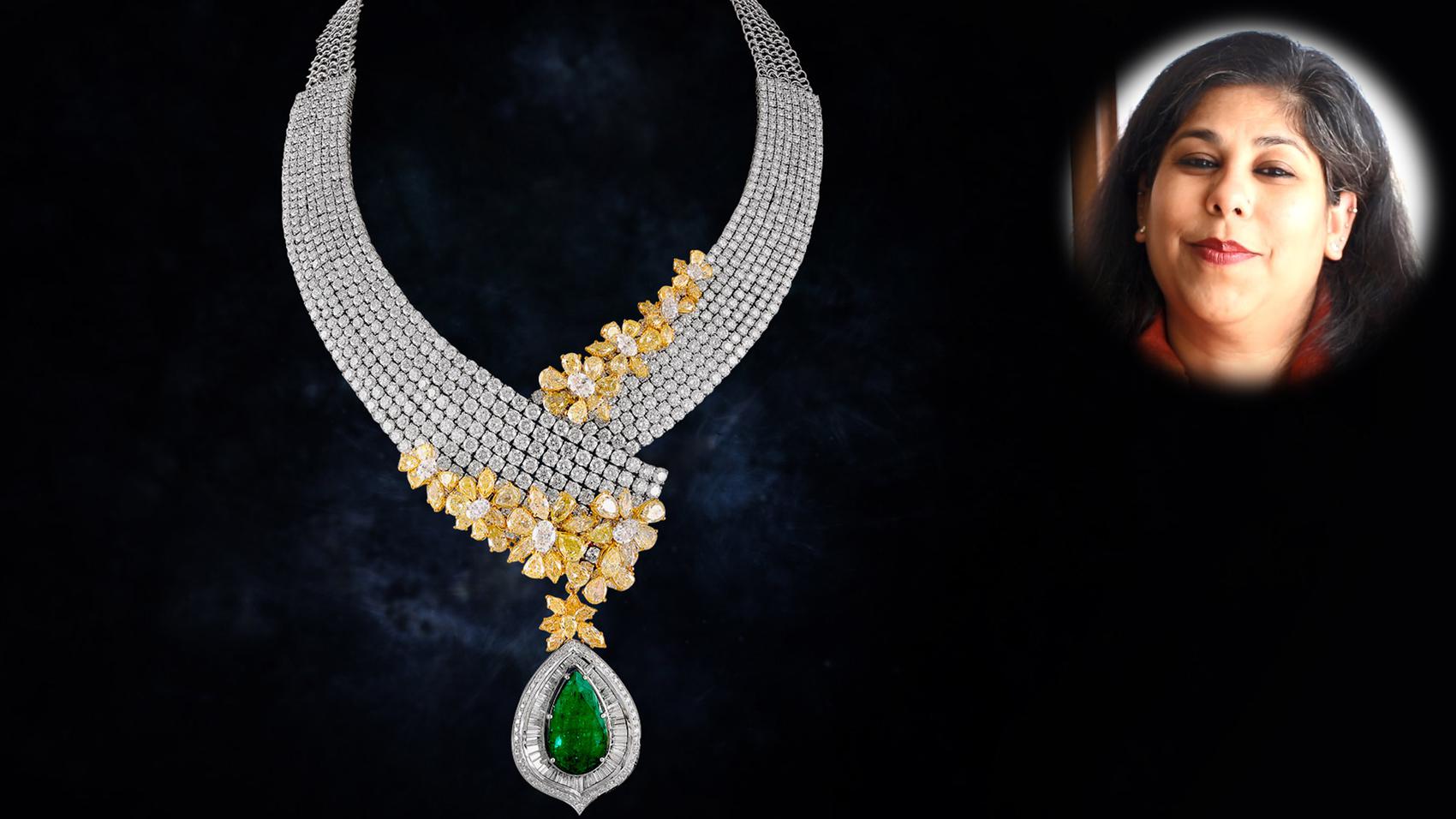
Jewellery designing is the art and profession of creating original and aesthetically pleasing jewellery pieces by combining creativity, technical knowledge, and an understanding of materials. Designers conceptualize, sketch, and often oversee the crafting of rings, necklaces, earrings, and other adornments, blending tradition with innovation to produce wearable works of art.
Jewellery designing plays a significant role in both the fashion industry and cultural expression. It allows professionals to transform raw materials into meaningful, valuable objects that can symbolize personal milestones or cultural heritage. For jewellery designers, the field offers creative fulfillment through artistic expression, the opportunity to work with precious materials, and the potential for entrepreneurship. The profession also fosters technical growth, as designers continually learn new techniques and adapt to evolving trends. Additionally, jewellery designing can have a positive economic impact, supporting local artisans and contributing to the luxury goods market. By merging artistry with craftsmanship, jewellery designers help shape trends and preserve traditional skills, making their work both personally rewarding and culturally significant.
A professional jewellery designer might begin by meeting with a client who wants a custom engagement ring. The designer listens to the client’s preferences, sketches several concepts, and selects appropriate gemstones and metals. After finalizing the design, the designer collaborates with skilled artisans to bring the piece to life, overseeing every detail from stone setting to polishing. Throughout the process, the designer ensures the finished ring reflects the client’s vision and meets high standards of craftsmanship. This hands-on approach not only results in a unique, meaningful piece of jewellery but also demonstrates how jewellery designing combines creativity, technical skill, and client collaboration in real-world practice.
Education
Metals

Metals are naturally occurring elements or alloys characterized by their malleability, ductility, conductivity, and luster. In jewellery designing, metals serve as the primary materials for crafting pieces, influencing aesthetics, durability, and value. Understanding metals is essential for both the academic study and professional practice of jewellery design.
A deep understanding of metals is crucial for anyone pursuing a career in jewellery designing because it forms the backbone of both creative and technical processes. Knowledge of different metals, their properties, and how they interact with other materials enables designers to make informed choices about durability, workability, and appearance. This expertise ensures that jewellery pieces are not only visually appealing but also structurally sound and suitable for their intended use. Over time, mastery of metals allows professionals to innovate with new techniques, adapt to market trends, and maintain high standards of craftsmanship, all of which are essential for long-term success and credibility in the jewellery industry.
Consider a jewellery designer tasked with creating a custom engagement ring. Their understanding of metals guides them in selecting the appropriate metal—such as platinum for its strength and hypoallergenic properties or gold for its classic appeal and malleability. During the design process, they must account for how the chosen metal will interact with gemstones, how it will wear over time, and what finishing techniques will enhance its beauty. This theoretical knowledge is applied daily, from sketching initial concepts to overseeing the casting and setting processes, ensuring the final piece meets both aesthetic and functional expectations for the client.
Measurements

Measurements refer to the process of quantifying physical attributes such as length, width, thickness, diameter, and weight using standardized units. In Jewellery Designing, measurements are essential for creating precise, well-fitting, and aesthetically pleasing pieces. Mastery of measurements forms a core part of both academic learning and professional practice in this field.
Understanding measurements is vital for anyone pursuing a career in Jewellery Designing because it ensures accuracy and consistency in every piece created. Precise measurements allow designers to translate their creative ideas into tangible products that meet client specifications and industry standards. This knowledge is foundational, as it influences material selection, cost estimation, and the overall structural integrity of jewellery. Over time, a strong grasp of measurements enhances a designer’s reputation for quality and reliability, opening doors to advanced techniques, custom commissions, and collaborative projects. In a competitive market, the ability to consistently deliver well-measured, perfectly fitting jewellery sets professionals apart and supports long-term career growth.
Consider a jewellery designer tasked with creating a custom engagement ring. The designer must accurately measure the client’s finger size, select the appropriate gemstone dimensions, and calculate the thickness of the band to ensure comfort and durability. During the design process, the designer applies their knowledge of measurements to draft precise sketches and technical drawings, which are then used to guide the crafting process. Any miscalculation could result in a ring that does not fit properly or fails to securely hold the gemstone. By applying their theoretical understanding of measurements, the designer ensures the final product meets both aesthetic and functional requirements, leading to client satisfaction and professional success.
Multi-dimensional Understanding

Multi-dimensional Understanding refers to the ability to perceive, interpret, and manipulate objects and concepts in three or more dimensions, both physically and visually. In Jewellery Designing, this skill is essential for envisioning, sketching, and creating intricate pieces that require spatial awareness, technical precision, and an appreciation for form, structure, and aesthetics.
Developing multi-dimensional understanding is crucial for jewellery designers because it underpins the entire creative and production process. Designers must visualize how a flat sketch transforms into a three-dimensional object, anticipate how light interacts with various surfaces, and ensure structural integrity in their creations. This competency allows professionals to communicate ideas effectively with clients and craftsmen, bridging the gap between imagination and reality. Over time, mastering this skill enhances problem-solving abilities, fosters innovation, and increases adaptability to new materials and technologies. As the jewellery industry evolves, professionals with strong multi-dimensional understanding are better equipped to design complex, unique pieces and remain competitive in a dynamic market.
Consider a jewellery designer tasked with creating a bespoke engagement ring. The designer begins by sketching concepts, mentally rotating and adjusting the design to ensure it appears harmonious from every angle. During the modeling phase, the designer uses computer-aided design (CAD) software to construct a virtual 3D model, carefully evaluating the proportions, gemstone settings, and structural stability. This process requires the designer to anticipate how the ring will look and feel when worn, how the stones will catch the light, and how the piece will be manufactured. By applying multi-dimensional understanding, the designer ensures the final product is both visually stunning and structurally sound, meeting the client’s expectations and industry standards.
Effect of Light

Effect of Light refers to the way light interacts with materials, surfaces, and gemstones, influencing their appearance, brilliance, and color perception. In Jewellery Designing, understanding this concept is essential for creating visually appealing pieces and accurately representing them in sketches, renderings, and final presentations, both academically and professionally.
Grasping the effect of light is crucial for jewellery designers because it directly impacts how a piece is perceived by clients and consumers. Knowledge of how light reflects, refracts, and disperses through different gemstones and metals enables designers to make informed choices about cuts, settings, and finishes. This foundational understanding helps professionals predict and manipulate the visual impact of their creations, ensuring that their designs achieve the desired sparkle, depth, and allure. Over time, mastery of this subject enhances a designer’s ability to communicate ideas effectively, collaborate with craftsmen, and adapt to evolving trends in the industry, ultimately contributing to sustained career growth and innovation.
Imagine a jewellery designer tasked with creating a diamond engagement ring. By applying their knowledge of the effect of light, the designer selects a specific diamond cut that maximizes brilliance and fire under various lighting conditions. They carefully choose the metal for the setting, considering how it will reflect light onto the stone and enhance its appearance. During the design process, the designer also creates renderings that accurately depict how the ring will look in natural and artificial light, helping the client visualize the final piece. This practical application of theoretical knowledge ensures the finished ring not only meets aesthetic expectations but also stands out in competitive markets.
Gemology

Gemology is the scientific study of gemstones, encompassing their identification, grading, properties, origins, and treatments. It forms a crucial part of the academic and professional foundation for Jewellery Designing, enabling designers to select, evaluate, and work with gemstones knowledgeably, ensuring both aesthetic appeal and material authenticity in their creations.
Understanding gemology is essential for anyone pursuing a career in Jewellery Designing because it provides the technical expertise needed to distinguish between natural, synthetic, and treated stones. This knowledge safeguards designers from inadvertently using misrepresented or low-quality materials, which could compromise the integrity of their work. Mastery of gemological principles also allows designers to communicate effectively with clients, suppliers, and gem traders, building trust and credibility in the marketplace. Over time, a strong foundation in gemology enhances a designer’s ability to innovate, as they can confidently experiment with a broader range of gemstones and settings. This expertise not only elevates the quality of their designs but also opens doors to advanced roles in the jewellery industry, such as appraisal, sourcing, and quality assurance.
Imagine a jewellery designer tasked with creating a bespoke engagement ring for a discerning client. The client requests a unique centerpiece stone, and the designer’s gemological training becomes invaluable. By examining the stone’s physical and optical properties, the designer accurately identifies it as a natural sapphire rather than a synthetic or treated alternative. This expertise ensures the client receives an authentic gemstone, and the designer can confidently discuss the stone’s origin, durability, and care requirements. Furthermore, the designer’s understanding of gemstone hardness and cleavage informs the setting choice, ensuring the stone is both secure and showcased beautifully. In this scenario, gemology directly influences design decisions, client satisfaction, and the overall success of the finished piece.
Computer-Aided Designing

Computer-Aided Designing, commonly known as CAD, refers to the use of specialized software to create, modify, analyze, and optimize designs with precision and efficiency. In Jewellery Designing, CAD is an essential academic and professional tool, enabling designers to visualize intricate pieces, streamline workflows, and communicate ideas effectively within the industry.
Understanding Computer-Aided Designing is crucial for anyone aspiring to excel in Jewellery Designing. Mastery of CAD empowers professionals to translate creative concepts into detailed digital models, ensuring accuracy and feasibility before production. This skill forms the backbone of modern jewellery creation, as it bridges the gap between artistic vision and manufacturable reality. Proficiency in CAD not only enhances a designer’s technical capabilities but also increases employability and adaptability in a competitive market. Over time, it allows for greater innovation, faster prototyping, and seamless collaboration with clients and manufacturers, ultimately leading to a more dynamic and successful career in jewellery design.
Imagine a jewellery designer tasked with creating a bespoke engagement ring for a client. Using their knowledge of Computer-Aided Designing, the designer begins by sketching the initial concept digitally, adjusting dimensions and gemstone placements with precision. The CAD software enables them to render realistic 3D images, which are shared with the client for feedback and approval. Once finalized, the digital model is used to generate technical specifications and guide the 3D printing of a wax prototype, ensuring the final piece matches the client’s expectations. This seamless integration of theory and practice not only saves time and resources but also enhances the overall quality and uniqueness of the finished jewellery.
Latest Trends & Techniques

Latest Trends & Techniques refers to the evolving styles, materials, technologies, and creative processes currently shaping the jewellery industry. It encompasses both aesthetic movements and innovative methods, ensuring designers remain relevant and competitive. Mastery of these trends is essential in both academic study and professional practice within Jewellery Designing.
Understanding the latest trends and techniques is crucial for anyone aspiring to excel in jewellery designing. This knowledge enables designers to anticipate market demands, incorporate contemporary aesthetics, and utilize cutting-edge materials or technologies. By staying informed, professionals can create pieces that resonate with current consumer preferences and stand out in a crowded marketplace. Mastery of these concepts also fosters adaptability, allowing designers to respond to shifting trends and integrate new techniques into their workflow. Over time, this expertise not only enhances creative output but also strengthens a designer’s reputation, opening doors to collaborations, exhibitions, and career advancement. Ultimately, a strong grasp of trends and techniques forms the backbone of a successful and sustainable career in jewellery design.
Imagine a jewellery designer working in a boutique studio who regularly researches global fashion weeks and industry publications to stay updated on emerging trends such as sustainable materials or 3D printing techniques. When a client requests a bespoke engagement ring, the designer draws upon their knowledge of current minimalist styles and ethically sourced gemstones. By combining traditional craftsmanship with innovative setting techniques learned from recent industry developments, the designer creates a unique piece that aligns with both the client’s desires and prevailing market trends. This approach not only satisfies the client but also positions the designer as a forward-thinking professional, ensuring continued relevance and success in the dynamic world of jewellery design.
Skills
Hands-on Experience

Hands-on experience refers to the practical application of knowledge and techniques through direct involvement in real-world tasks and projects. In jewellery designing, it means actively engaging in the creation, modification, and finishing of jewellery pieces, allowing designers to refine their skills, understand materials, and master tools beyond theoretical learning.
Hands-on experience is a cornerstone of excellence in jewellery designing because it bridges the gap between conceptual ideas and tangible creations. By working directly with metals, gemstones, and tools, designers develop a deeper understanding of the properties and limitations of each material. This practical knowledge leads to improved craftsmanship, innovative problem-solving, and greater attention to detail. Clients and employers highly value designers who demonstrate proficiency gained through hands-on practice, as it assures them of the designer’s ability to deliver high-quality, durable, and aesthetically pleasing pieces. Cultivating this skill involves consistent practice, seeking mentorship from experienced artisans, and embracing opportunities to work on diverse projects, which collectively foster confidence and expertise over time.
Imagine a jewellery designer tasked with creating a custom engagement ring featuring an intricate filigree pattern. During the fabrication process, the designer encounters unexpected issues with the metal’s malleability, causing the delicate wires to break. Drawing on extensive hands-on experience, the designer quickly adjusts the technique, selecting a more suitable alloy and modifying the soldering approach to reinforce the structure without compromising the design’s elegance. This practical expertise not only salvages the project but also impresses the client with the designer’s adaptability and skill, ultimately resulting in a stunning, one-of-a-kind piece that meets both aesthetic and functional requirements.
Sketching Skills

Sketching skills refer to the ability to quickly and accurately represent ideas, concepts, and designs on paper using pencils, pens, or digital tools. In jewellery designing, this skill enables professionals to visualize intricate details, communicate creative visions, and refine concepts before moving to the production stage, ensuring clarity and precision.
Mastering sketching skills significantly enhances a jewellery designer’s performance by allowing them to translate imaginative ideas into tangible visuals that can be easily understood by clients, team members, and manufacturers. Clients and employers highly value this skill because it bridges the gap between abstract concepts and physical products, fostering trust and collaboration. A well-executed sketch can effectively communicate design intent, highlight unique features, and expedite the approval process. To cultivate this skill, aspiring designers should practice regularly, study various jewellery forms, and seek feedback from mentors or peers. Over time, consistent effort and exposure to different styles and techniques help in developing a personal sketching style that sets a designer apart in a competitive industry.
Imagine a jewellery designer working with a client who desires a custom engagement ring but struggles to articulate their vision. The designer listens carefully and, using their sketching skills, quickly drafts several design options that incorporate the client’s preferences for gemstone shape, metal type, and overall style. As the client reviews these sketches, they are able to provide immediate feedback, clarifying their desires and making decisions with confidence. This collaborative process not only saves time but also ensures the final design aligns perfectly with the client’s expectations. The ability to sketch on the spot transforms a vague idea into a concrete plan, demonstrating the designer’s expertise and building a strong client relationship.
Creativity

Creativity is the ability to generate original ideas, envision unique concepts, and transform imagination into tangible outcomes. In jewellery designing, creativity enables professionals to craft distinctive pieces that stand out in a competitive market. It is the driving force behind innovation, allowing designers to blend tradition with modern trends and meet diverse client preferences.
Creativity directly enhances a jewellery designer’s performance by inspiring innovative designs that capture attention and set new trends. Clients and employers highly value this skill because it leads to exclusive collections and personalized pieces that reflect individual tastes. A creative designer can adapt to changing market demands, ensuring their work remains relevant and desirable. Cultivating creativity involves continuous learning, exploring different cultures and art forms, and experimenting with new materials and techniques. Regularly sketching ideas, seeking feedback, and staying updated with industry trends also help in nurturing this skill. Over time, a designer who consistently exercises their creative abilities becomes more adept at problem-solving and delivering exceptional results.
Imagine a jewellery designer faced with a client who wants a custom engagement ring that incorporates family heirloom gemstones but desires a modern aesthetic. The designer must rely on creativity to harmoniously blend the old with the new, ensuring the sentimental value is preserved while achieving a contemporary look. By experimenting with various settings, metal choices, and design motifs, the designer develops a unique concept that satisfies the client’s emotional and stylistic requirements. This creative approach not only solves the challenge but also results in a one-of-a-kind piece that tells a meaningful story, highlighting the designer’s ability to innovate and adapt to complex requests.
Conceptualisation & Visualisation

Conceptualisation & Visualisation is the ability to imagine, develop, and represent creative ideas as tangible designs before they are physically produced. In jewellery designing, this skill enables professionals to translate abstract inspirations into detailed sketches or digital models, forming the foundation for innovative, functional, and aesthetically pleasing pieces.
Mastering conceptualisation and visualisation significantly enhances a jewellery designer’s performance by enabling them to communicate ideas clearly and efficiently, both to clients and production teams. Clients and employers highly value this skill because it ensures that the designer can interpret briefs accurately, anticipate potential design challenges, and present compelling concepts that align with brand identity or personal taste. Over time, one can cultivate this skill through continuous practice, studying design trends, experimenting with different materials and techniques, and seeking feedback from mentors or peers. Regularly sketching ideas, using digital design tools, and observing real-world inspirations help sharpen the ability to visualise and refine concepts, ultimately leading to more innovative and marketable jewellery collections.
Imagine a jewellery designer tasked with creating a bespoke engagement ring for a client who desires a unique blend of vintage and modern aesthetics. The client struggles to articulate their vision, but through strong conceptualisation and visualisation skills, the designer interprets subtle cues and preferences, sketching several options that capture the desired essence. By presenting these visual representations, the designer helps the client clarify their ideas and make informed decisions. This process not only resolves ambiguity but also builds trust and excitement, ensuring the final piece is both original and deeply personal. The designer’s ability to visualise and communicate concepts effectively turns a vague idea into a cherished, tangible creation.
Adding Value to Product

Adding Value to Product means enhancing a jewellery piece beyond its basic function or material worth by incorporating unique design, craftsmanship, innovation, or emotional significance. In jewellery designing, this skill transforms ordinary items into exceptional creations, making them more desirable, competitive, and memorable in a crowded marketplace.
Mastering the ability to add value to products directly elevates a jewellery designer’s performance by fostering creativity, attention to detail, and a deep understanding of market trends and client preferences. Clients and employers highly appreciate this skill because it leads to distinctive, high-quality pieces that command higher prices and foster brand loyalty. To cultivate this skill, designers should continuously study emerging styles, experiment with new materials and techniques, and seek feedback from mentors and customers. Over time, this ongoing learning process helps designers consistently infuse their work with originality and relevance, ensuring their creations stand out and meet evolving demands.
Imagine a jewellery designer faced with a client who wants a custom engagement ring but desires something truly unique. Instead of offering a standard design, the designer researches the couple’s story and incorporates meaningful symbols and rare gemstones into the piece. By doing so, the designer adds emotional and aesthetic value, transforming the ring into a cherished heirloom rather than just another accessory. This approach not only satisfies the client’s desire for exclusivity but also enhances the designer’s reputation for thoughtful, value-driven work, leading to more referrals and long-term success in the industry.
Eye for Aesthetics

An "Eye for Aesthetics" is the innate or developed ability to perceive, appreciate, and create visually pleasing and harmonious designs through a keen sense of proportion, color, form, and detail. In jewellery designing, this skill enables professionals to craft pieces that captivate attention and evoke emotional responses, setting their work apart.
Possessing an eye for aesthetics allows jewellery designers to intuitively balance elements such as color, texture, and shape, resulting in pieces that are both beautiful and wearable. Clients and employers highly value this skill because it ensures that designs not only meet functional requirements but also appeal to current trends and individual tastes. Over time, designers can cultivate this ability by studying art and design principles, observing nature and architecture, and seeking feedback from mentors and peers. Regularly experimenting with new materials and styles also sharpens one’s aesthetic judgment, enabling designers to consistently produce innovative and desirable jewellery.
Imagine a jewellery designer tasked with creating a bespoke engagement ring for a client who desires something unique yet timeless. During the design process, the designer notices that the initial sketches appear cluttered and lack harmony. Drawing on their eye for aesthetics, the designer refines the composition by adjusting the proportions of the gemstones, simplifying the band’s detailing, and selecting a color palette that complements the client’s preferences. The final design achieves a perfect balance between originality and elegance, delighting the client and earning praise from colleagues. This scenario highlights how an eye for aesthetics enables jewellery designers to solve creative challenges and deliver exceptional results that resonate with clients.
Positives
Creative Satisfaction

Creative satisfaction is the deep sense of fulfillment and joy that arises when individuals use their imagination and skills to bring original ideas to life. In jewellery designing, this feeling emerges from transforming raw concepts into tangible, beautiful pieces, allowing designers to express their unique vision and leave a personal mark on their creations.
Creative satisfaction is a cornerstone of happiness and motivation in the field of jewellery designing. It fuels passion, encourages innovation, and makes each project feel meaningful. When designers experience the joy of seeing their ideas materialize, it enhances their sense of purpose and pride in their work. This ongoing engagement with creativity not only boosts job satisfaction but also drives professional growth, as designers are inspired to continually refine their craft and explore new techniques. The daily opportunity to solve design challenges and experiment with materials ensures that the work remains fresh and stimulating, making jewellery designing a career where personal fulfillment and professional achievement go hand in hand.
Imagine a jewellery designer who spends weeks sketching, selecting gemstones, and perfecting the details of a custom engagement ring. When the final piece is completed, the designer witnesses the client’s emotional reaction—tears of joy and gratitude. In that moment, the designer feels a profound sense of creative satisfaction, knowing their artistic vision and technical skill have created something truly meaningful. This experience not only validates their talent but also reinforces their passion for the craft. The knowledge that their work will become a cherished heirloom, symbolizing love and commitment, brings a lasting sense of pride and fulfillment that motivates them to continue pursuing excellence in every new project.
Flexible Working Hours

Flexible working hours refer to the ability to choose when and sometimes where you work, rather than adhering to a strict nine-to-five schedule. In jewellery designing, this flexibility allows professionals to align their creative processes with their most productive times, fostering innovation and personal well-being. It enables designers to balance work and personal commitments, adapt to client needs, and pursue continuous learning without being confined by rigid office hours. This freedom not only enhances creativity but also supports a healthier work-life balance, making the profession more attractive and sustainable for those passionate about artistic expression and craftsmanship.
The positive impact of flexible working hours in jewellery designing is profound, as it empowers professionals to tailor their schedules around peak creativity and personal responsibilities. This autonomy leads to higher job satisfaction, as designers can avoid burnout and maintain enthusiasm for their craft. The ability to work during moments of inspiration, rather than being restricted by traditional office hours, often results in more innovative and unique designs. Additionally, flexible hours make it easier to collaborate with clients across different time zones, expanding business opportunities and professional growth. Every day, jewellery designers benefit from this adaptability, finding it easier to manage deadlines, attend industry events, and nurture both their professional and personal lives.
Imagine a jewellery designer who thrives creatively in the evenings, finding inspiration after sunset. With flexible working hours, she can spend her mornings handling administrative tasks or personal errands, reserving her most productive hours for design work when her creativity peaks. This arrangement allows her to deliver exceptional pieces to her clients while also attending her child’s school events or pursuing further education in gemology. The freedom to structure her day according to her needs not only enhances her productivity but also brings a sense of fulfillment and balance. This real-world flexibility transforms her career into a truly rewarding journey, blending passion, professionalism, and personal happiness.
Monetary Potential

Monetary Potential refers to the capacity of a profession to offer substantial financial rewards, consistent income growth, and lucrative opportunities for wealth creation. In jewellery designing, this potential is realized through high-value projects, commissions, and the ability to cater to a luxury market, making it a highly attractive career choice.
The monetary potential in jewellery designing is a significant motivator for many professionals, as it directly influences job satisfaction and long-term career growth. The industry’s connection to luxury and exclusivity means that skilled designers can command premium prices for their creations. As designers build their reputation and client base, they often experience increasing demand for custom pieces, collaborations with renowned brands, and opportunities to launch their own collections. This financial success not only provides security and independence but also fuels creativity and ambition, allowing designers to invest in advanced tools, training, and marketing. The daily experience of seeing their work valued both artistically and monetarily reinforces their passion and commitment to the craft.
Consider a jewellery designer who starts by creating bespoke engagement rings for local clients. As their unique style and craftsmanship gain recognition, they attract high-profile customers and are commissioned for exclusive pieces. With each successful project, their earnings rise, enabling them to expand their studio and hire a small team. The designer’s growing portfolio leads to collaborations with luxury brands and invitations to showcase their work at international exhibitions. This journey not only brings financial prosperity but also a deep sense of accomplishment, as the designer witnesses their talent being rewarded and their business flourishing. The tangible impact of monetary potential transforms their passion into a thriving, sustainable career.
Entrepreneurial Opportunity

Entrepreneurial Opportunity refers to the potential for individuals to identify, create, and capitalize on new business ideas, products, or services within their field. In jewellery designing, this means professionals can launch their own brands, develop unique collections, and shape their careers independently, fostering innovation and personal growth.
The entrepreneurial opportunity in jewellery designing is a powerful motivator for creative individuals seeking autonomy and self-expression. This aspect allows designers to transform their artistic visions into tangible products, build their own businesses, and establish a unique identity in the market. The freedom to experiment with materials, techniques, and styles leads to continuous learning and professional evolution. As designers witness their creations appreciated by clients and see their businesses grow, they experience a deep sense of accomplishment. This ongoing process of innovation and self-driven success not only enhances job satisfaction but also opens doors to financial independence and long-term career growth. Every day, professionals in this field are empowered to make decisions that directly impact their future, making their work both meaningful and rewarding.
Consider a jewellery designer who starts her career working for a well-known brand, honing her skills and understanding market trends. Inspired by her passion for sustainable materials, she decides to launch her own line of eco-friendly jewellery. Through her entrepreneurial spirit, she creates a brand that resonates with environmentally conscious customers, gaining recognition and loyal clientele. She manages every aspect of her business, from design to marketing, and experiences the thrill of seeing her creations worn by people around the world. The ability to turn her unique vision into a successful enterprise not only brings her financial rewards but also a profound sense of fulfillment, demonstrating the transformative power of entrepreneurial opportunity in jewellery designing.
Glamour & Travelling

Glamour & Travelling in jewellery designing refers to the unique blend of sophistication, style, and global exploration that professionals enjoy. It encompasses attending exclusive events, collaborating with international clients, and discovering new cultures and trends. This dynamic aspect elevates the profession, offering excitement, inspiration, and opportunities to shine on a worldwide stage.
The allure of glamour and the thrill of travel make jewellery designing a truly rewarding career. Professionals are often invited to prestigious exhibitions, fashion shows, and launch events, where they interact with celebrities, influencers, and industry leaders. This exposure not only enhances their creative vision but also opens doors to new markets and collaborations. The constant movement between cities and countries keeps the work environment fresh and stimulating, preventing monotony and fueling ongoing inspiration. Experiencing different cultures and artistic traditions firsthand allows designers to infuse their creations with unique elements, setting them apart in a competitive industry. Ultimately, the blend of glamour and travel leads to greater job satisfaction, personal growth, and a sense of accomplishment that few other careers can offer.
Imagine a jewellery designer who is invited to showcase their latest collection at an international fashion week in Paris. As they travel to the city of lights, they immerse themselves in its rich artistic heritage, drawing inspiration from its architecture and culture. At the event, they mingle with renowned designers, celebrities, and media personalities, gaining invaluable exposure and building influential connections. The glamour of the occasion, combined with the excitement of exploring a new city, fuels their creativity and passion for the craft. This experience not only elevates their professional profile but also leaves them with unforgettable memories, reinforcing why they chose a career in jewellery designing.
Challenges
Constant Upgradation

Constant Upgradation in Jewellery Designing refers to the ongoing need for professionals to adapt to rapidly evolving trends, technologies, and consumer preferences. This relentless pace requires designers to continually learn new skills, master advanced tools, and stay ahead of fashion currents, making it a demanding and often overwhelming aspect of the profession.
The pressure of constant upgradation permeates every aspect of a jewellery designer’s daily work. Designers must allocate time for research, training, and experimentation, often outside regular working hours. This challenge demands resilience, as the fear of becoming obsolete can be stressful. Successful professionals manage this by cultivating a mindset of lifelong learning, embracing change as an opportunity rather than a threat. They actively seek inspiration from global trends, invest in professional development, and build networks with peers and mentors. By integrating learning into their routine and remaining open to feedback, they transform the challenge of upgradation into a source of creative energy and competitive advantage, ensuring their work remains relevant and innovative.
Consider a jewellery designer who, after years of working with traditional handcrafting techniques, noticed the rising popularity of 3D printing in the industry. Rather than resisting this technological shift, she enrolled in online courses to learn digital design software and invested in a small 3D printer for her studio. By dedicating evenings to practice and experimenting with new materials, she gradually incorporated 3D-printed elements into her collections. This proactive approach not only expanded her creative possibilities but also attracted a new segment of tech-savvy clients. Her willingness to embrace constant upgradation allowed her to stay ahead in a competitive market, blending tradition with innovation in her unique designs.
Requirement for Constant Flow of Juices

The "Requirement for Constant Flow of Juices" in Jewellery Designing refers to the ongoing need for fresh creativity, inspiration, and innovative ideas to produce unique and appealing designs. This demand is particularly taxing because it requires designers to consistently deliver originality, often under tight deadlines and evolving market trends, making sustained creativity challenging.
This relentless expectation for new ideas can lead to creative fatigue, stress, and even burnout among jewellery designers. The pressure to always be inventive affects daily work by making routine tasks feel overwhelming and diminishing the joy of creation. Resilience becomes essential, as professionals must learn to manage their energy and maintain motivation despite creative blocks. Successful designers often cultivate habits that nurture their creativity, such as seeking inspiration from diverse sources, collaborating with peers, and allowing themselves time for rest and reflection. By integrating periods of relaxation and exploration into their workflow, they can rejuvenate their creative energies and continue to meet the industry’s high expectations for originality.
Consider a jewellery designer working for a leading brand, tasked with launching a new collection every season. Facing creative exhaustion, she decides to step outside her usual routine by visiting art galleries and nature reserves, drawing inspiration from unexpected places. She also sets aside time each week for sketching without any commercial pressure, simply for personal enjoyment. Through these practices, she rekindles her passion and returns to her workbench with renewed ideas and enthusiasm. Her next collection, inspired by the textures and colors she observed during her explorations, receives critical acclaim, demonstrating how intentional breaks and diverse experiences can help overcome the challenge of maintaining a constant flow of creative juices in jewellery designing.
High Competition

High competition in Jewellery Designing refers to the intense rivalry among designers and brands striving to capture the attention of discerning clients in a saturated market. This challenge is demanding because it requires constant innovation, exceptional craftsmanship, and the ability to stand out amidst a multitude of talented professionals and ever-evolving consumer preferences.
The pressure of high competition in Jewellery Designing permeates daily work, compelling designers to consistently produce original and high-quality pieces while staying abreast of trends and client expectations. This environment can be stressful, as the fear of being overshadowed or losing relevance is ever-present. Resilience becomes essential, as setbacks and rejections are common. Successful professionals manage this constraint by cultivating a unique design identity, investing in continuous learning, and building strong client relationships. They leverage feedback, adapt quickly to market changes, and often collaborate with other creatives to expand their reach. By focusing on personal growth and strategic networking, they transform competition into motivation, using it as a catalyst for innovation and sustained excellence.
Consider a jewellery designer who, after noticing a surge in similar minimalist collections in the market, decides to revisit her cultural roots for inspiration. She researches traditional motifs and techniques from her heritage, skillfully blending them with contemporary aesthetics. By sharing the story behind her designs through social media and engaging directly with her audience, she creates a distinctive brand narrative that resonates with clients seeking authenticity. Her willingness to adapt, coupled with her commitment to originality, allows her to carve out a niche despite the crowded marketplace. Over time, her unique approach attracts loyal customers and industry recognition, demonstrating how embracing individuality and storytelling can turn high competition into an opportunity for growth.
Plagiarism

Plagiarism in Jewellery Designing refers to the unauthorized copying or imitation of another designer’s original work, concepts, or motifs without proper acknowledgment. This issue is demanding because it undermines creative integrity, devalues authentic artistry, and can lead to legal disputes, making it a persistent threat to innovation and professional reputation.
The challenge of plagiarism deeply affects the daily work of jewellery designers, as it creates an environment of uncertainty and mistrust. Designers may hesitate to share their creations, fearing unauthorized replication, which can stifle collaboration and creative exchange. This ongoing threat demands resilience, as professionals must constantly protect their intellectual property while continuing to innovate. Successful designers often navigate this constraint by developing a distinctive personal style, maintaining meticulous records of their creative process, and staying informed about copyright laws. They also foster strong relationships within the industry, which can help deter unethical practices and provide support if infringement occurs. By balancing vigilance with creativity, professionals can safeguard their work and maintain their reputation in a competitive field.
Consider a jewellery designer who discovers that a competitor has released a collection strikingly similar to her signature pieces. Instead of reacting impulsively, she gathers detailed documentation of her original sketches, prototypes, and design timelines to establish clear authorship. She consults with legal experts to understand her rights and communicates professionally with the competitor, presenting her evidence. Through this proactive approach, she not only protects her intellectual property but also reinforces her credibility within the industry. By sharing her experience at industry forums, she raises awareness about plagiarism and encourages ethical practices among peers. This scenario demonstrates how resilience, preparedness, and professionalism can help designers effectively manage and overcome the challenge of plagiarism.
No Credit for Work

No Credit for Work in Jewellery Designing refers to situations where designers’ creative contributions go unrecognized, with their ideas or finished pieces attributed to others or to the brand itself. This is demanding because it undermines personal motivation, professional growth, and the ability to build a distinct reputation in a highly competitive industry.
The challenge of not receiving credit can deeply affect a jewellery designer’s daily experience, leading to frustration, diminished morale, and a sense of invisibility within the creative process. This lack of recognition can hinder career advancement, as portfolios and professional networks often rely on visible achievements. Resilience becomes essential, as designers must continue to produce original work despite limited acknowledgment. Successful professionals manage this constraint by focusing on building strong relationships with mentors and clients, maintaining detailed records of their designs, and seeking opportunities to showcase their work independently. They also develop a personal brand outside of their employer’s shadow, using social media or exhibitions to gain recognition and foster a sense of ownership over their creative output.
Consider a jewellery designer working for a well-known brand, where all creations are marketed under the company’s name, leaving individual designers anonymous. Instead of becoming discouraged, the designer documents each stage of their creative process and builds a personal portfolio outside of work hours. They participate in local exhibitions and share their design journey on social media platforms, gradually attracting attention from industry peers and potential clients. Over time, this visibility leads to freelance opportunities and collaborations, allowing the designer to establish a reputation independent of their employer. By proactively seeking recognition through alternative channels, the designer transforms the challenge of no credit into a catalyst for personal and professional growth.
A Day Of
Jewellery Designing
The world of jewellery designing is a vibrant blend of artistry and precision, where inspiration meets meticulous craftsmanship. Each day unfolds like a carefully cut gemstone, revealing new facets as designers move from solitary sketching to collaborative creation. The studio hums with quiet focus in the early hours, gradually building to a crescendo of creative energy as ideas are transformed into tangible beauty. Amidst the gleam of precious metals and the sparkle of gemstones, a jewellery designer’s day is a dance between imagination and technical mastery, set against the ever-present drive to craft pieces that tell a story.
As the sun rises, the jewellery designer enters the studio, greeted by the soft glow of natural light reflecting off scattered gemstones and tools. The early morning is reserved for setting the tone of the day: reviewing sketches from the previous afternoon, organizing the workbench, and gathering materials needed for upcoming projects. This quiet time is also when inspiration strikes hardest, so designers often spend these moments sketching fresh ideas or refining existing concepts, letting creativity flow before the demands of the day take hold.
By mid-morning, the studio comes alive with focused activity. This is the heart of the day, when designers dive into the core of their craft. Detailed renderings are created, either by hand or using digital design software, translating initial sketches into precise blueprints. It’s also the time for client consultations, where designers present concepts, discuss preferences, and make adjustments based on feedback. The energy is palpable as ideas are exchanged and visions begin to crystallize, setting the stage for the hands-on work to follow.
The afternoon is dedicated to bringing designs to life. Designers move from their desks to the workbench, selecting metals, setting stones, and meticulously shaping each piece. Collaboration with skilled artisans, gemologists, or production teams is common during this phase, ensuring that every detail aligns with the original vision. The studio buzzes with the sounds of tools at work, punctuated by discussions about technique, material choices, and quality control. This is where artistry meets execution, and concepts are transformed into wearable works of art.
As the day winds down, the pace shifts to reflection and preparation. Designers review the day’s progress, documenting changes and noting any challenges encountered during production. Administrative tasks such as responding to emails, updating client files, and organizing materials for the next day are completed with care. There’s also time for research—exploring new trends, materials, or techniques to inspire future collections. With the studio quieting once more, the designer leaves with a sense of accomplishment, already envisioning the creative possibilities that tomorrow will bring. |


 Home
Home Abroad
 Plan
Plan Philosophy
 Seminar
 Pages
Pages Advisors
 Testimonials














 Workshop
 Discuss
 Meet
Meet
 Advisor
 Story
Story
 Fine Print
 Links
Links
 Blog
Blog
 Follow
